Sports photography has a long history, and it is challenging to pinpoint the exact moment of the first sports photograph. However, one of the earliest known sports photographs is from the 1840s. It is a daguerreotype titled “The Two Ways of Life” by Oscar Gustave Rejlander, which features a cricket match in the background.
Daguerreotype – an early and obsolete photographic process that was developed in the 1830s by Louis Daguerre, a French artist and inventor. It was the first practical method of obtaining permanent images with a camera.
The development of photography in the 19th century coincided with the rise of organized sports, and photographers began capturing various sporting events as the medium evolved. Eadweard Muybridge, known for his motion studies, also made significant contributions to sports photography in the late 19th century. Overall, the emergence of sports photography aligns with the broader timeline of photography’s development in the mid-19th century.
Upon research, a name I came across was Lucas Gilman whose expertise lies in water sports like kayaking and surfing. Where captures surfers just as there going through a ‘wave tunnel’. Lucas often edits the water in such ways as to make it stand out to anything else in the given picture to really highlight the beauty of it.
Lynne Cameron is another big name, particularly in the football world where she takes action shots of high-profile footballers mid games or celebrating victory. Timing is pivotal in her work as you want to capture a quick moment through facial expression and also the scene in whats happening around it.
Sports photography has a huge array of motifs but some of the more obvious ones include:
Close-ups and Details: Focusing on the intricate details of sports, such as sweat on a player’s face, the tension in their muscles, or the texture of sports equipment like a ball or a glove.
Action Shots: Capturing the dynamic and intense moments of sports, such as a player making a goal, a sprinter crossing the finish line, or a basketball player making a slam dunk.
Emotion and Celebration: Photographs that convey the raw emotions of athletes, including moments of victory, defeat, joy, and despair. This can include shots of athletes celebrating, cheering, or expressing their feelings.

The famous picture of the event was taken by photographer John Dominis. 1968 Olympic black power salute. A classic example of historical sports photography which depicts and outlines a turning point for racism in sports in the 1960’s.

An action shot of a runner before pictures were in colour, capturing his face and a snap shot of his mif run with both legs in the air.
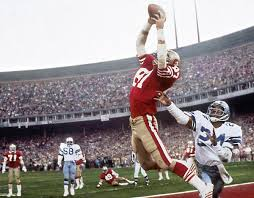
Close up touch down catch in American football – action shot with wide depiction of the crowd.

Pre-action shot leaving the viewer guessing what may have happened next.

 Photographic Journalism
You must be logged in to post a comment.