What better way to spend your bank holiday Monday, than going down to watch your local non-league football team play? On Monday 1st April, 5th placed Altrincham FC hosted 9th placed Oldham Athletic, in a clash that saw two sides with an eye on the play-off spots go head to head.
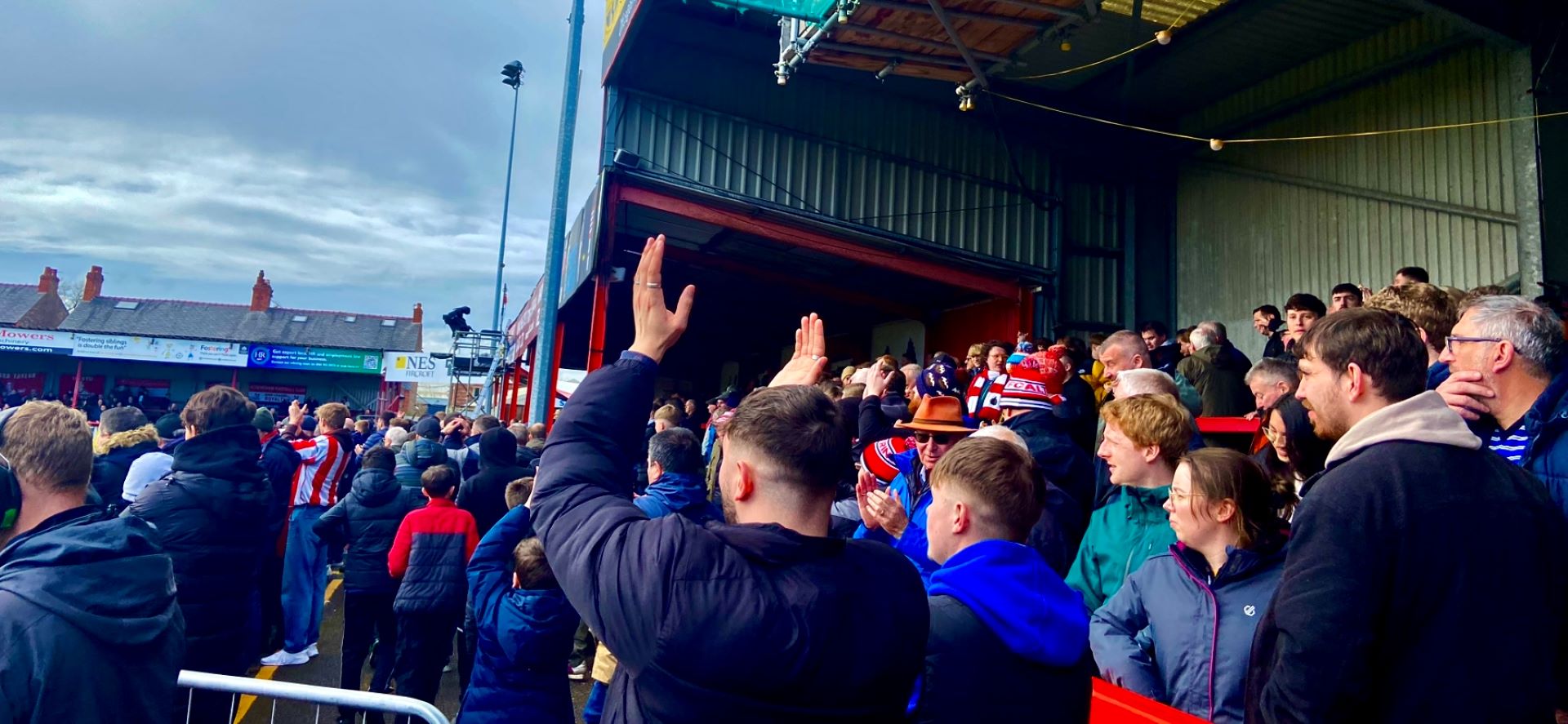
Moss Lane opened its gates to a season best of 4578 supporters this easter Monday, including over a thousand travelling Oldham fans. The atmosphere had an extra excitement and buzz to it on this occasion, due to the presence of TNT sports and their cameras.
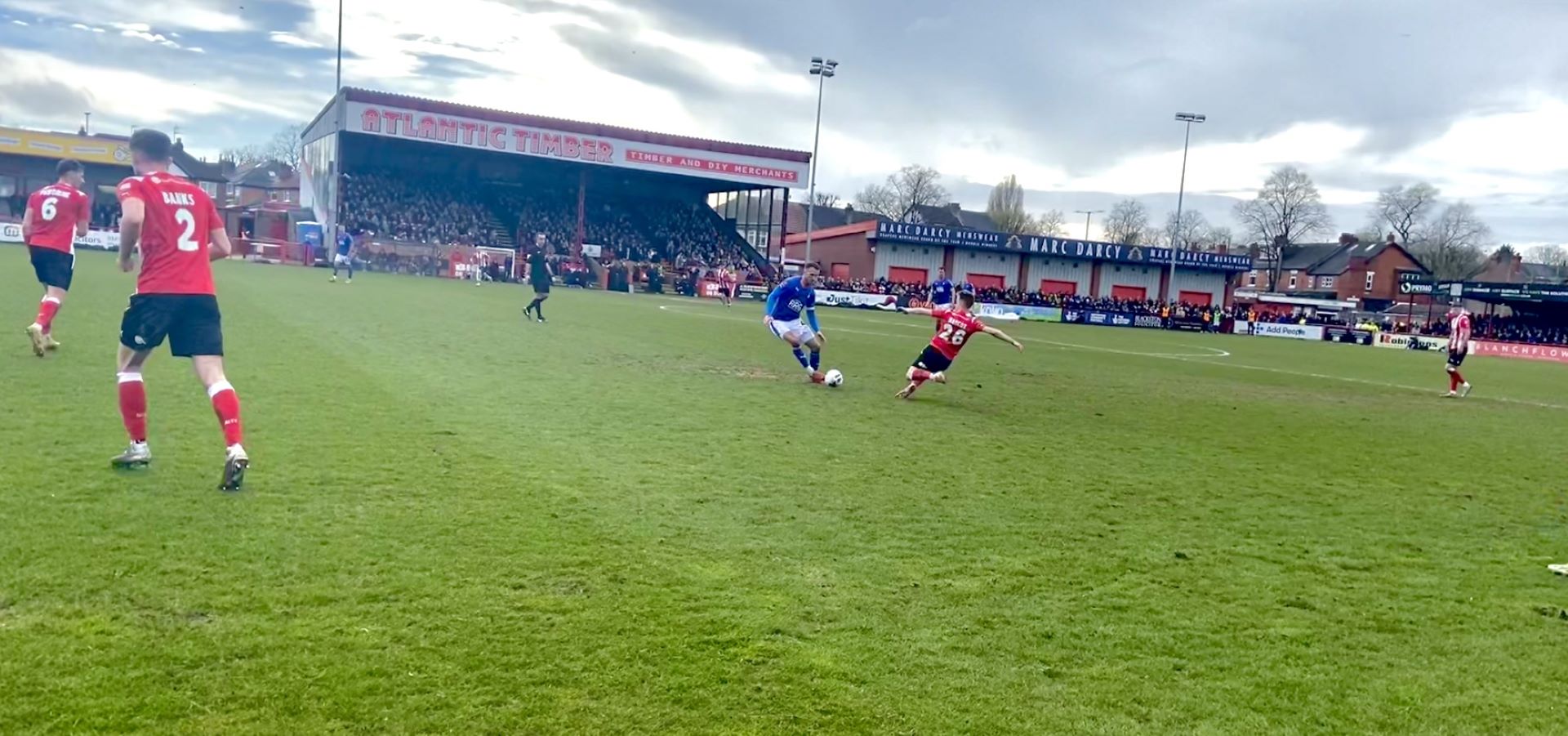


Throughout the 23/24 season, TNT sport are showing a total of 45 live matches from the national divisions. These mostly come from the National League, including the play-offs, but also includes a number of matches selected from the National League North, and The National League South divisions.
For non-league clubs, players, and fans, the prospect of their matches being aired live by one of the country’s largest sport broadcasters is a huge opportunity for a wide range of reasons. By bringing the national league to wider audiences, TNT Sport are increasing the visibility of the game below The Football League.
How exactly does this benefit clubs like Altrincham FC, who only became a fully professional side the season before, or a club like Oldham Athletic who were once one of the founders of The Football League, but have since faced severe financial hardships?
Arguably the greatest benefit of having their matches aired live on national television is the financial benefits that it brings to these clubs, but how does this work?
Former BBC Sport producer of Football Focus, Final Score, and Match of the Day, Carl Hicks explained:
‘There are revenues generated from the rights fees that are paid by broadcasters, much of which goes to the clubs. Then there is an opportunity for extra revenue to be made from advertising and sponsorship deals, such as perimeter pitch advertising and shirts and stadium sponsorships.’
This financial increase that is generated from broadcasters, can be a huge help for non-league clubs to achieve financial stability, as a lot of them work on extremely tight budgets. This is particularly critical in our modern post-pandemic world of sport, where many clubs are still recovering form the losses of match-day revenue throughout that period.
One worry with televising matches at this level, is that with the facilities and crowd sizes not seeming the level of the top tier sides, it could make the experience less enticing to some people, and could potentially stop the viewer from feeling a need to support that team, or take away the desire to go and watch their local team in person if it is being shown on the television.
‘Broadcasters and non-league clubs need to sit down and work in partnership to come up with ideas that make the viewing experience better. A simple change is ensuring that the majority of the crowd, and the best section for atmosphere is placed opposite camera one – the master coverage camera. A ground doesn’t even have to be full to create a lively atmosphere, but it helps if the clubs more passionate fans are visible more often.’ Hicks stated.
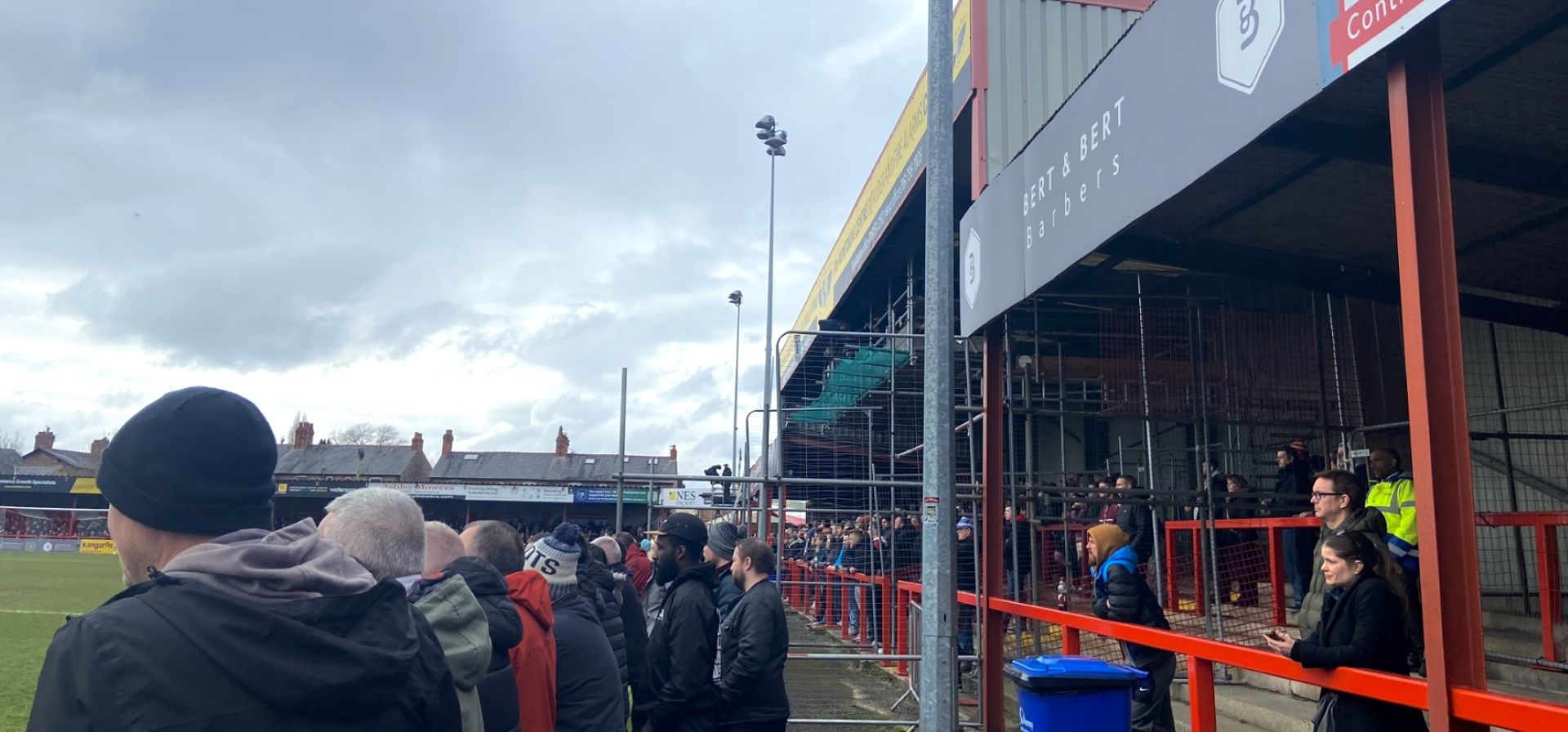
It is also true that broadcasters have a lot to gain from covering non-league football in England. It gives them a great chance to diversify their current range of football shown, and taps into a new audience, even if smaller than the global reach of other competitions. However, it also opens the door for more advertising. This helps make televising non-league football a sustainable revenue stream for broadcasters, which is essential in order for it to continue to grow. Furthermore, broadcasters can grow their own brand to show themselves as supporters of all levels of the beautiful game. Particularly, as often non-league clubs have close links to junior and grassroots football teams. But, what more can broadcasters do to continue benefitting themselves, the clubs, and the fans alike?
‘Broadcasters need to be innovative. There is an opportunity to do things at the lower levels that you might not get higher up the football pyramid. For example, live cameras in the dressing rooms pre and post match, microphones on officials or even coaches, or ‘fan cams’ along with strong social media output aimed at bringing a new, younger audience to the National League, are all avenues worth exploring.’ Hicks suggested.
It is not just the league matches that these clubs have the chance to play in and gain exposure from, as clubs from the very bottom tier of English football get the chance to compete in England’s most prestigious, and oldest cup competition. The FA Cup. Hicks explains just why the cup is so special to these smaller clubs:
‘The FA Cup is the single most important competition for non-league clubs in terms of their development and opportunities to showcase their clubs and players live on TV. The revenues gained for these teams on successful cup runs can provide vital funding for ground improvement, squad development, and recruiting new spectators. Teams like Maidstone United going to win at Ipswich Town just shows people that the gaps between the top leagues and the National League is actually not that great. This only brings more fans to non-league, as it assures them that they are watching a game that is played at a genuinely strong, high skill level.’
The nature of the FA Cup as a competition is a huge benefactor for non-league clubs.
‘Football is the most watched sport in the world, firstly because the opportunities for such shock results like we see in the FA Cup rarely exist in other sports. Put simply in rugby union, or rugby league you do not see as many upsets.’
Currently, the FA Cup matches from Round 1 onwards are shown live on BBC and ITV, which is a huge boost for non-league football, as it is available for everyone in the country to watch.
Hicks told us exclusively, ‘BBC TV will still be involved with live matches and highlights when the new contract begins next year, which is greatly beneficial for non-league clubs in this country.’ However, the possible implementation of removing replays from Round 3 onwards could prove to be a blow to the story-telling and financial boosts for these teams undoubtedly.’
Fans of non-league clubs all over the country have displayed their disappointment with the removal of replays, as it could prevent them with some once in a lifetime opportunities, whilst also stripping their beloved clubs of another source of revenue. Yet, these fans are the heartbeats of clubs like Altrincham and Oldham, who without them would simply not be able to exist.

For a lot of these fans, televising non-league greatly enhances their own personal engagement with the sport, if they for whatever reason can’t go to the match, whether it be due to prior commitments, or geographical reasons they can still connect with their football club. In addition, a lot of these small clubs are at the core centre of their communities and local areas. They can provide a real sense of identity in small towns and communities across the country. These fans and communities can gain such a great level of pride from seeing their small-town club live on air to national audiences, giving them each a true sense of belonging.
Now, having mentioned the communities that are the homes of a lot of non-league football clubs, it is important to recognise the impacts that broadcasters have on them as a whole. Increased levels of tourism can be generated from televised matches, as it puts the area on the map, and pushes the stadium as a landmark for people to come and visit if they have seen it live on the television. It is also apparent that locals are more eager to attend matches when the broadcasters are in town, giving local businesses such as cafes, pubs or hotels the chance to benefit economically. This can have great impacts on smaller businesses and their employees, which in the long term helps to improve small towns and communities.
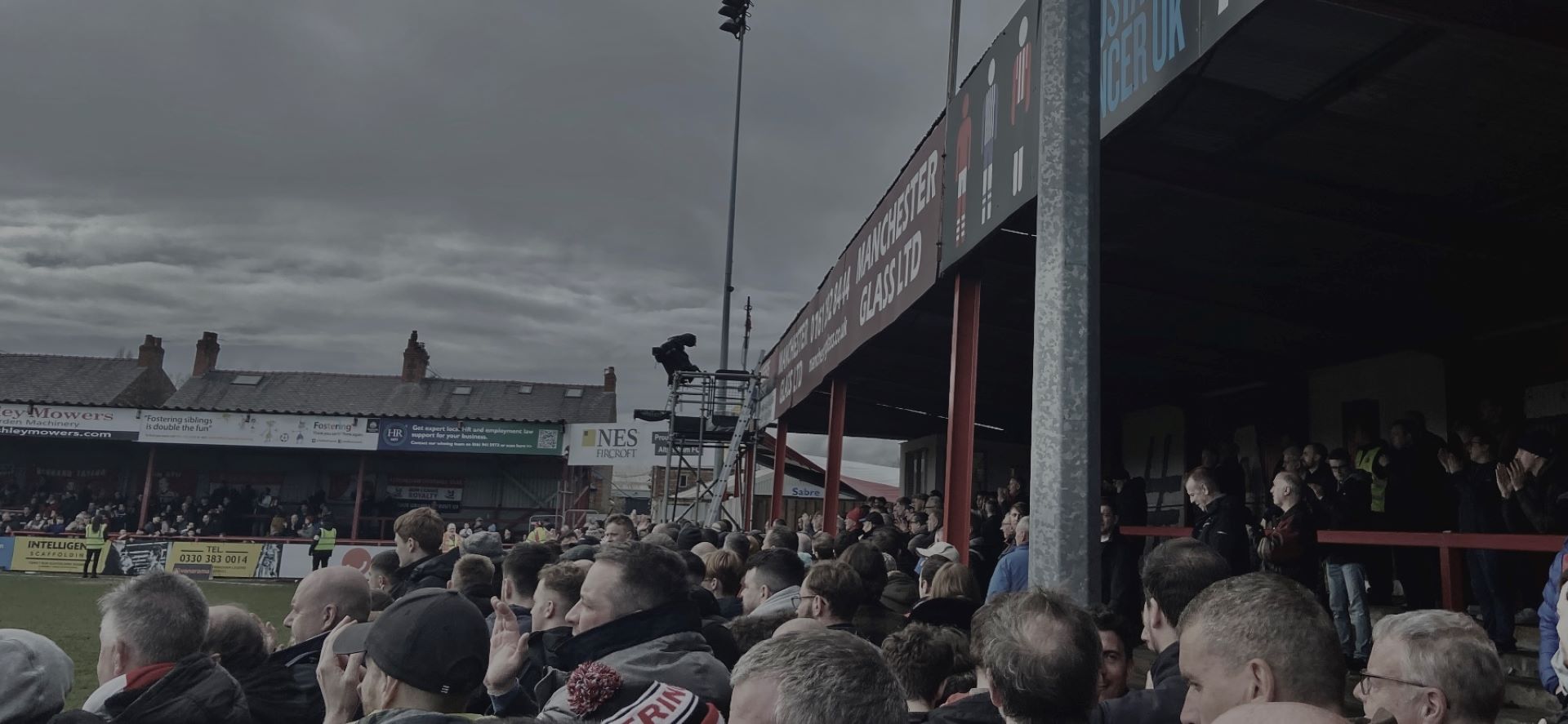
In addition to this, non-league football clubs are in a very fortunate position to be able to work closely with their local people and communities. They can use some of the money that they earned from selling sponsorship deals or broadcasting rights back into local community projects, and regenerating areas in need, whilst greatly benefiting local initiatives.
One group of individuals who I have yet to mention in terms of benefitting from televising non-league, is the up and coming players who are amongst the teams competing. There are immense opportunities for players at this level to showcase their abilities to a wider audience, and the more eyes they have watching, the more people they need to impress in order to further their careers. Not only will other, bigger clubs be watching, but agents too will be keeping an eye open for promising potential clients, which would open doors for these national league players to take the huge leap into The Football League.
It may be the obvious one, but take Jamie Vardy for example. He spent years battling in the depths of the National League, and was able to build a remarkable career. This would never be possible though without media exposure, showing how greatly it can kick-start a player’s career and take them to new heights.
Not only does this help the players, but yet again the knock-on effect helps the clubs financially. Bigger clubs in The Football League are likely to offer a lot of money to sign these sort of players, which greatly benefits the parent club of the player. Take Vardy for example, he was sold from the conference all the way up to the Championship for a total of £1million. This sort of money goes such a long way for small clubs, allowing them to build and grow more and more into the future. Compare this to the most expensive player of all time signed by a non-league club is just £300,000 when Wrexham’s Ollie Palmer signed for the Hollywood owned club.
Overall, the opportunities and benefits that non-league clubs have the potential to access are huge when it come to the increase of televising the National Leagues. For the clubs, they have the financial benefits short term, and long term have the potential to grow and bring new eyes onto their football team, creating possibilities of a bright and financially stable future. For fans and local communities, the chance to celebrate their achievements and feel proud of their club and their community, with the additional benefits for the surrounding area and their local economy. For the players, the extra exposure that they might need to gain momentum in their careers to work their way up the English football pyramid, as they all dream of doing.
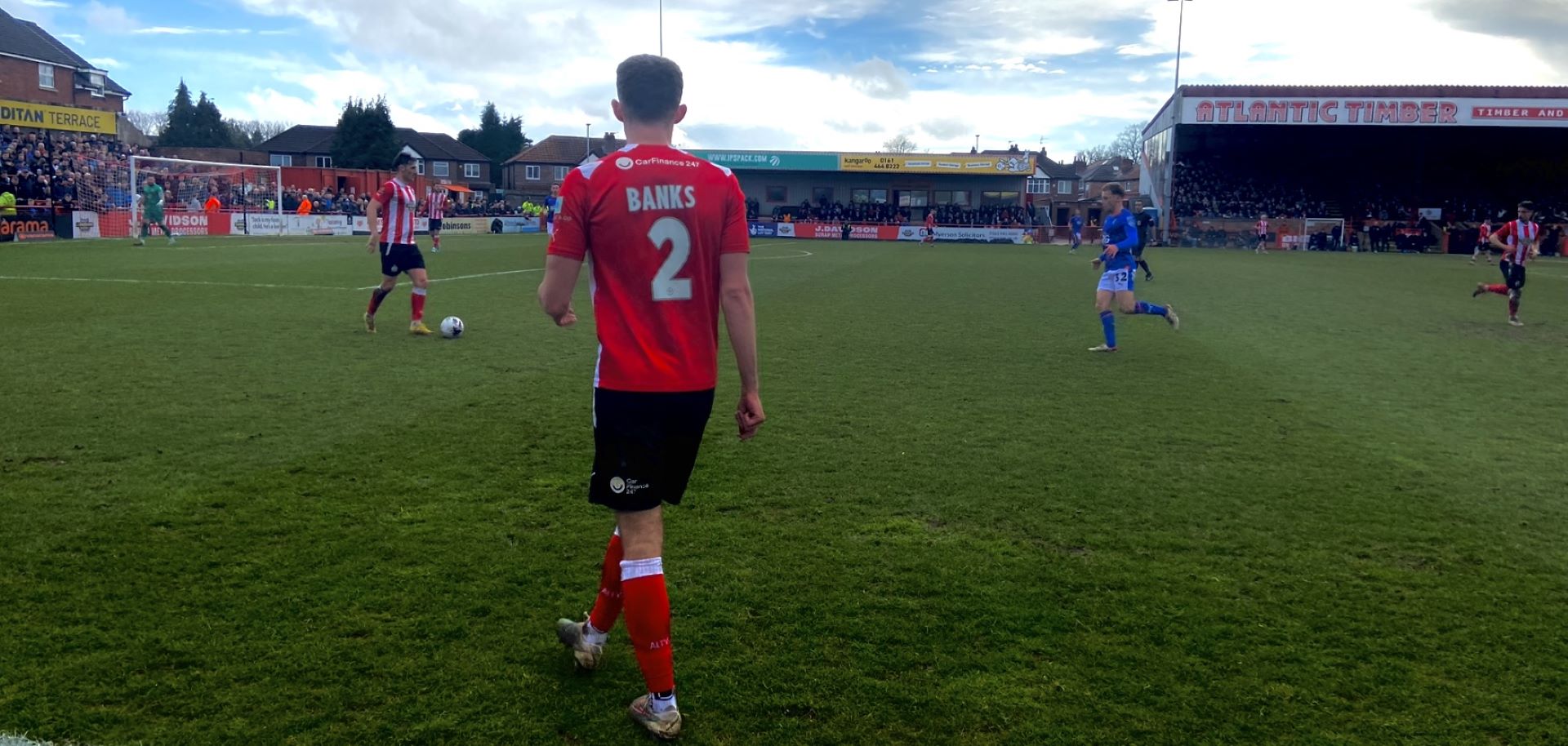
The broadcasters, right now TNT, have a responsibility to keep producing live TV at this level sustainably, to not only allow for non-league clubs to flourish, but in order to keep building their own brand, and expanding to new audiences themselves.
If we continue to see live non-league football being aired every week, then we should expect to see more growth from the clubs involved, along with the pleasure of watching more high quality football, which is one of the greatest triumphs of the English football pyramid. The fact that the 5th and even 6th tier of football is such a good standard and so exciting to watch is a real testament to the clubs, their players, and the broadcasters who bring them to our screens every week.

 Photographic Journalism
You must be logged in to post a comment.