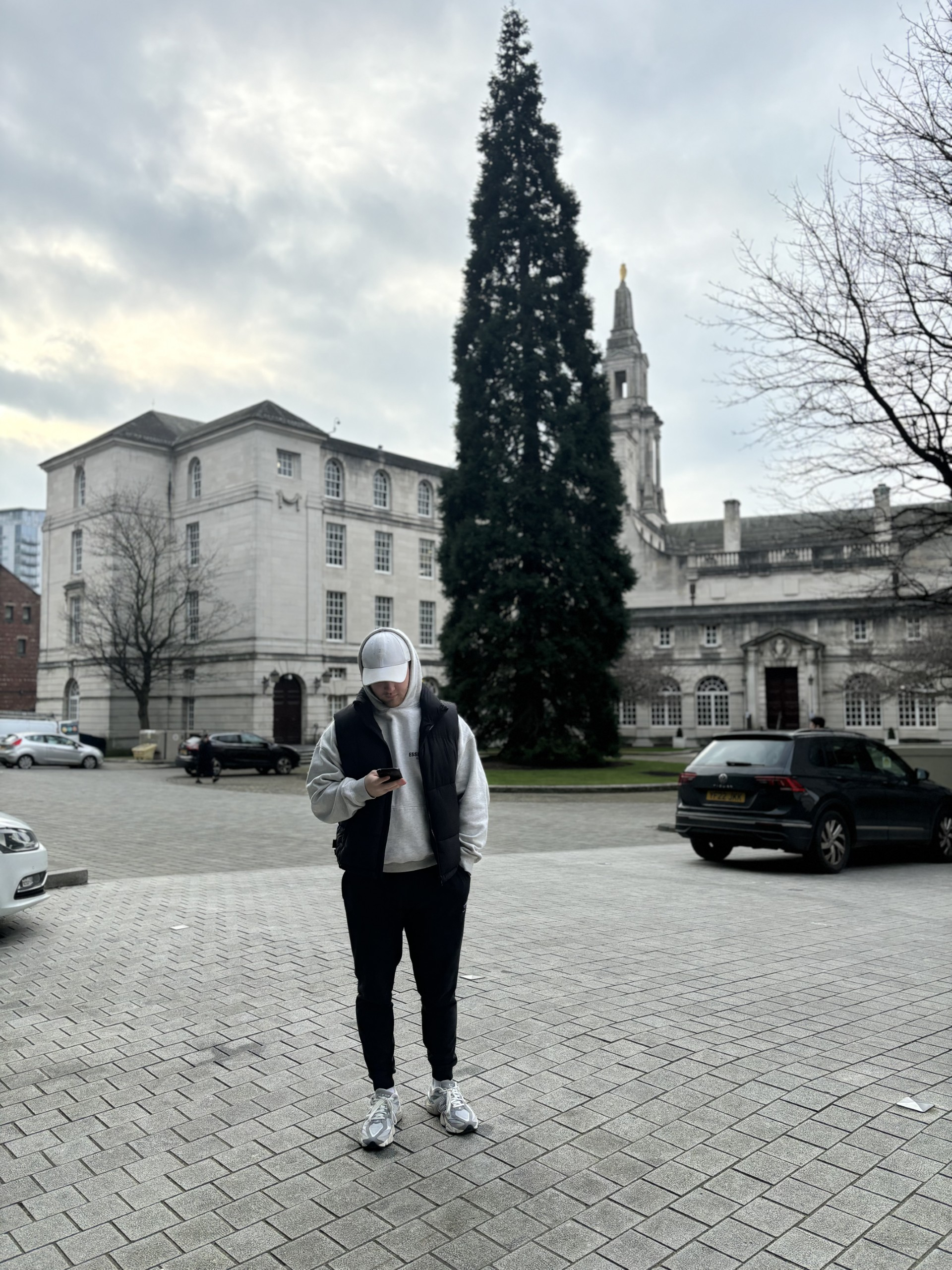
With the first image, the F-stop being F1.6 means that it will have a wide aperture allowing more light to hit the camera making the image brighter. However, at F1.6, the depth of field is a lot shallower meaning objects in the background appear blurred, where the subject (Joe) is very sharp. The background worked well for this type of image due to the sharpness of Joe blocking out the overpowering background of the tree and building
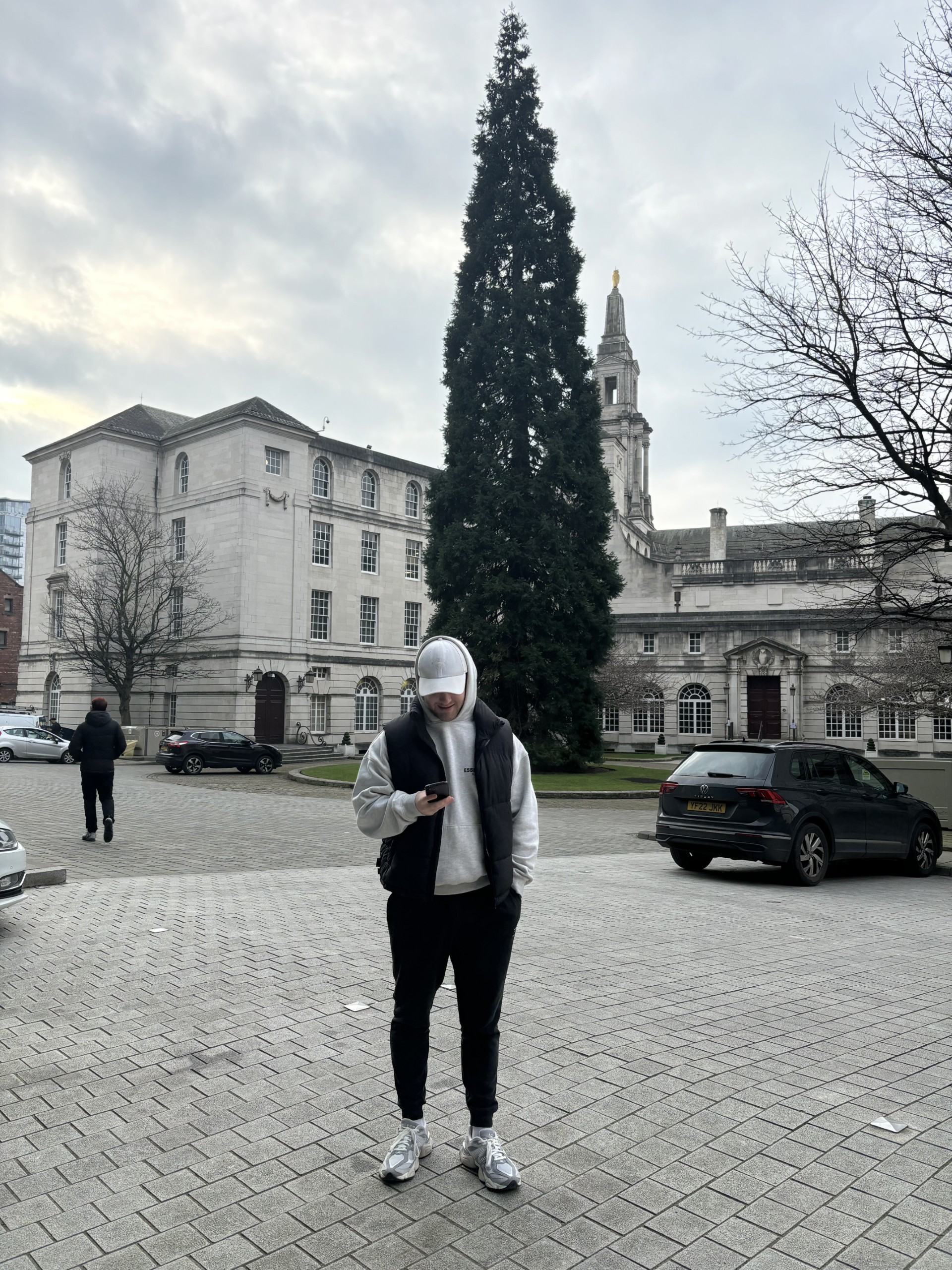
A mid-range F-stop image means less light enters the lens due to a smaller aperture than an image at F1.6. As for the depth of field, it is much deeper bringing the objects in the background into more focus whilst keeping the main subject Joe in focus also. An F-stop around the mid-range is often where lenses achieve their sharpest results and allows the viewer to focus on all aspects of the image and not just Joe in this case.
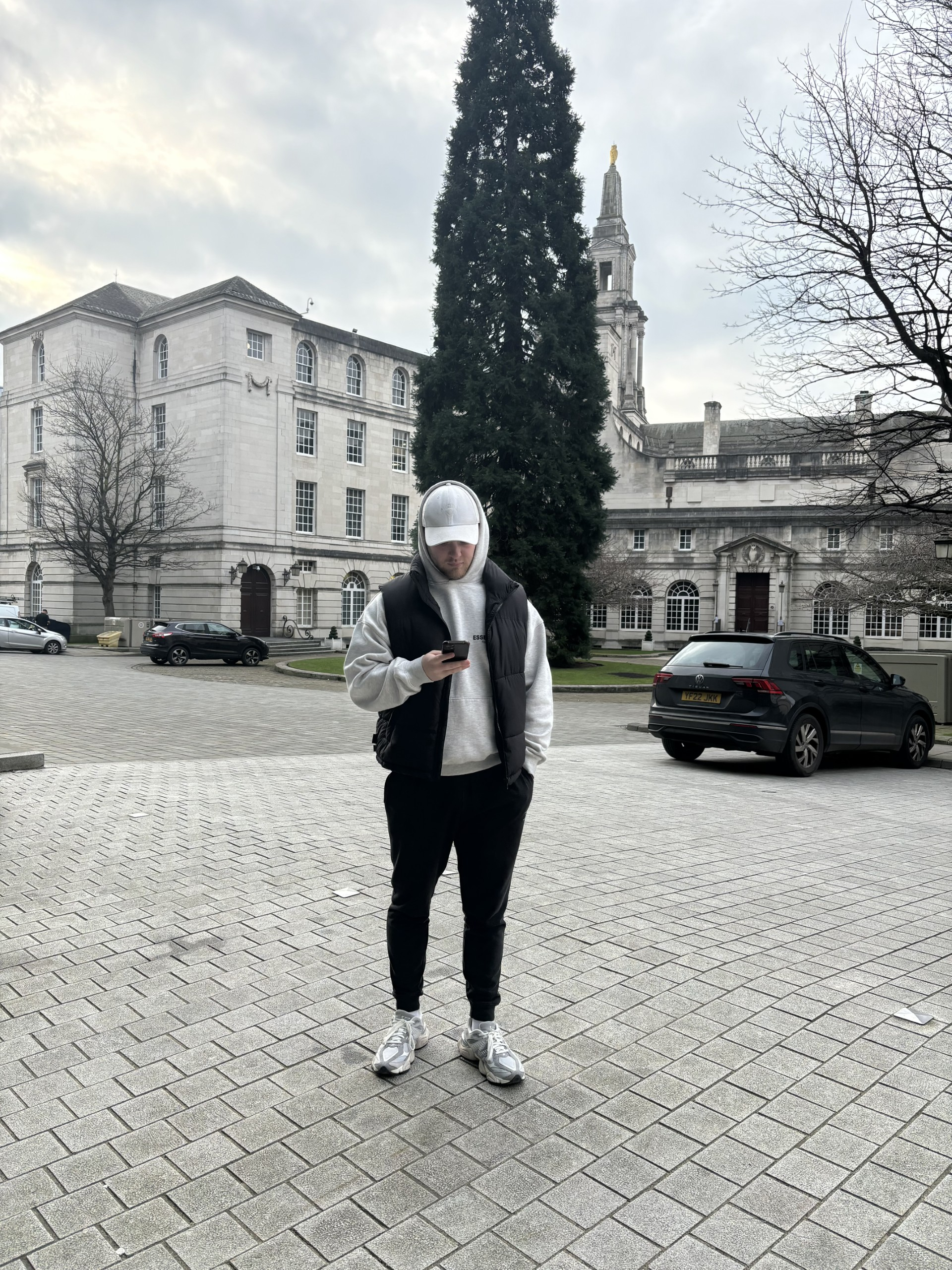
This image with an F-stop of the highest setting F16 means that the aperture is very small and much narrower resulting in less light entering the lens. This should make the image darker compared to the other pictures. With this setting, the depth of field is very deep allowing most of the image to be in full focus, however, images at F16 wouldn’t provide the clearest results compared to the setting of F7.1.
Quick experiment:
With the two images below, they are pictures of a coffee cup on a table in a café, however with each photo changing the focus giving the story of the photo a different meaning and persuading the viewer’s attention to where I want it.
With the first image, the focus is on the coffee whereas the second image changes the angle and gives it a different meaning by having the people and counter in focus, the story opens up a lot more angles.


 Photographic Journalism
You must be logged in to post a comment.