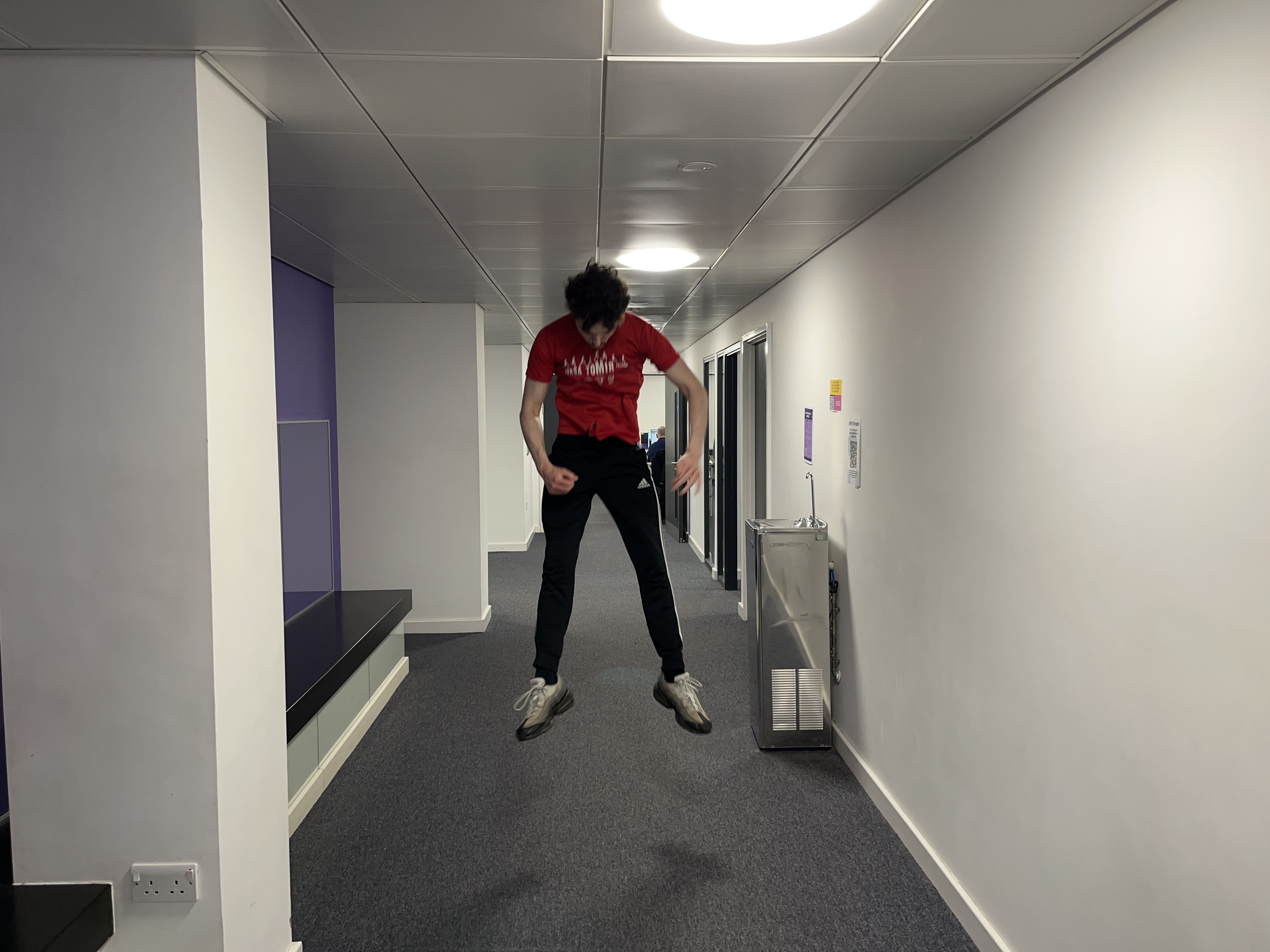
This image was taken using a faster shutter speed that was replicated on my phone by using burst mode. Faster shutter speeds are able to capture moments in time and reduces blur on images. By taking photos in this way, all objects in the image are in a sharp focus and we can see more details. They are able to show more of reality and are more often used journalistically compared to low shutter speeds.

This image was taken using a low shutter speed that was replicated by using the Live Photo mode on my phone. This increases the blur of an image and is able to show motion in a picture. These types of photos show less detail and objects are usually out of focus if they are in motion. They are often used more artistically than faster shutter speed photos.
Research:
Faster shutter speeds capture snapshots of a moment, this results in the freezing of motion and creates sharp images of fast-moving objects.
Slower shutter speeds allow more light in, creating motion blur as the camera captures the movement of the subject over time.
Interestingly, by speeding up a camera shutter speeds to incredibly fast rates such as a trillionth of a second, it allows for the study of phenomena at the atomic level.
There are different types of techniques that use different shutter speeds and have different effects.
- Panning: This involves the tracking of a moving subject with a slower shutter speed such as 1/30s. By doing this, the subject will remain relatively sharp but the background will blur, leading to the motion of the subject being emphasised
- Light Trails: This uses long exposures over several seconds and is done at night to capture light trails from cars. This ends up resulting in dynamic elements being added to urban photography
- Freeze Action: This requires a high-speed setting such as 1/2000s and captures crisp details of rapid activities such as a bird in flying or an athlete jumping in midair

 Photographic Journalism
You must be logged in to post a comment.