The Halifax-based radio station that has supported people for two decades was under threat of closure, but community aid means a new start is on the horizon
Halifax has a rich history in radio: Wilfred Pickles, who hailed from the town, was the first BBC radio newsreader to speak in a regional accent. This shift away from received pronunciation is said to have been a way of stopping the Nazis from impersonating BBC broadcasters.
For over 20 years, Phoenix FM has been on the air and spent the last seven of those years at its base in the Fletchers Mill office suite, which is part of the Dean Clough business park in the heart of Halifax.

Running a community radio station comes with its share of challenges, but few have been tougher for manager, Howard Priestley, than the suite’s landlord deciding to evict the station for no apparent reason. Phoenix had 30 days to find a new home.
As well as being a place for listeners in the Calderdale area to hear local news from local voices, many of Priestley’s presenters have mental or physical disabilities, behavioural issues, or have struggled with addictions such as alcoholism. Phoenix supports these people to learn real-world skills, with presenters going on to get industry-related degrees and even professional careers in radio.
For Priestley, the value of a station like Phoenix FM can never be understated. He says: “we’ve supported lots of young people who wouldn’t normally be respected or heard.”
Phoenix came out of a short-lived hospital radio station called Spark FM. Priestley was going to take Spark on himself, but a director previously involved with the station forced the name change. Out of this came Phoenix, with the mission of helping people in mind.
Phoenix predominantly supports young adults who are out of work, education or training but they have also been known to support people who have Parkinson’s or have been at war.

“We had a veteran with PTSD and the Ministry of Defence wanted him here as a means of therapy, so what would they think if he was just thrown out?” Priestley says.
The move could have led to the presenters with disabilities becoming disassociated from the rest of society, and it was the impact on these people that was Priestley’s chief concern.
Though the move has been distressing, Priestley felt that the eviction was coming. Apparently, differences had been growing between Phoenix and their landlord for a while, and this led tensions to rise.
Priestley says: “when it came, it was still a shock. If someone is ill and there is a chance they could die, when they do it’s still hard.
“We felt we didn’t fit in which is disappointing because the people who we pay rent to is an arts charity and part of their remit is to celebrate diversity.”

The eviction has also felt like a punishment in some ways, with its abrupt nature and lack of sympathy. Phoenix insists that they always played by the rules throughout their time in Fletchers Mill, but the disrespect that they have been shown reflects a different point of view.
The effects of the displacement on Priestley have been stark; it was recently detected that he was suffering from high blood pressure. This put things into perspective and made him start to question why he continued the role. Priestley is of retirement age, and perhaps a slower pace of life would be helpful.
But when the support and frustration at the situation was voiced by locals, he was reminded of the importance of Phoenix to everyone involved. This support has come to the tune of £1,800, the figure raised through donations on their ‘GoFundMe’ page. They hit their initial target of £1,500 within a week.
The level of impact that Phoenix has on the area is thought to be a key reason why it has received the backing that it has.
Priestley says: “the work we do covers black history month and LGBTQ Month, and we work within the community to share local stories and interests.”
The opportunities that are being presented to Phoenix with their new home have given them hope that their future will be bright. They will be above an art college that they have collaborated with before, in a space much bigger and with more possibilities for teaching and multimedia broadcasting.
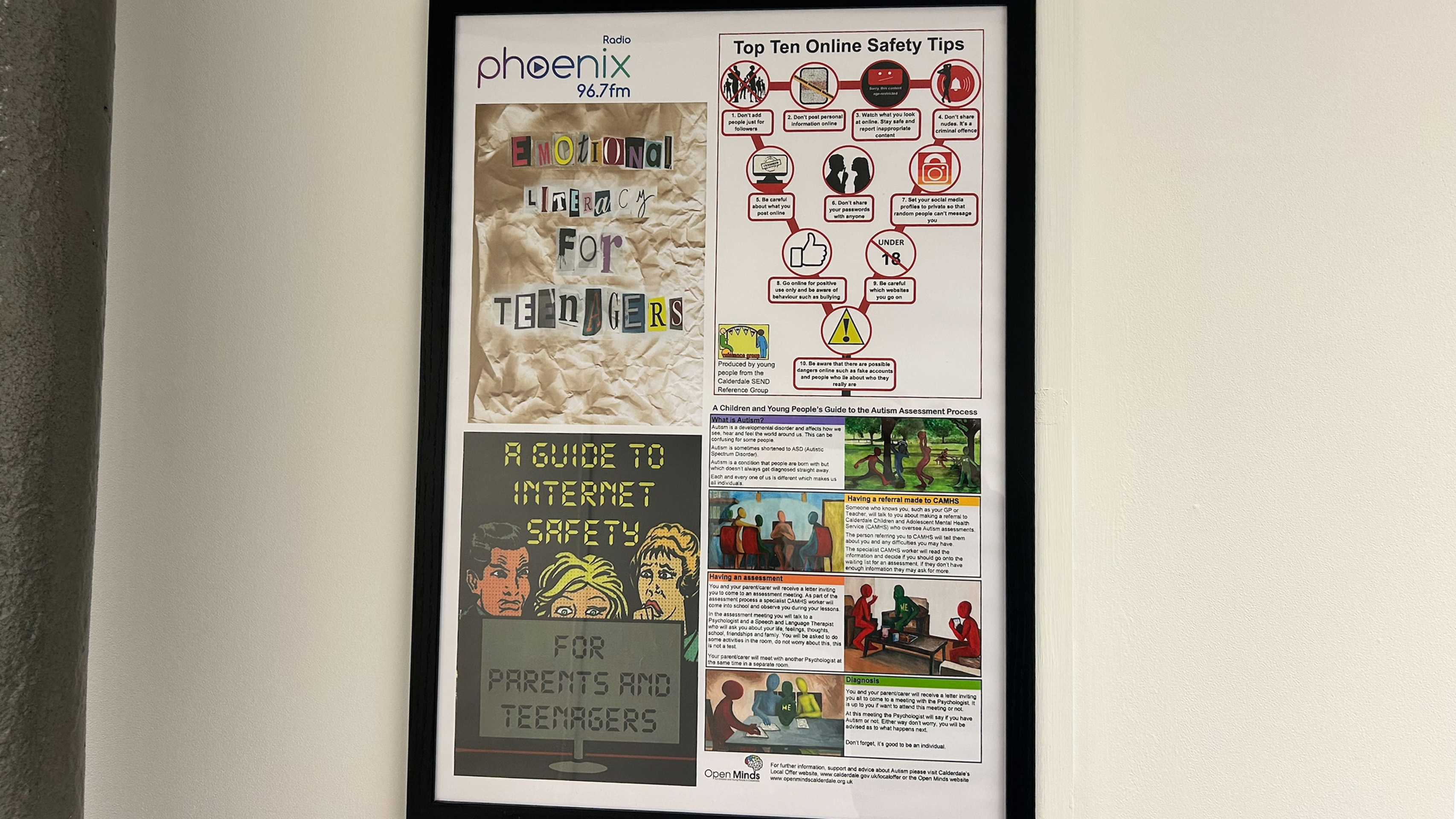
The station has been involved with teaching school children radio techniques and the media promotion of the Halifax Panthers, the local rugby league team. Going forward, there are plans to do work supporting refugees in the town. The rise in popularity of podcasts is also something that Phoenix wants to tap into, and the bigger space will allow for this.
Over lockdown, two of Phoenix’s full-time presenters began a podcast which filled the airways when other presenters were self-isolating, and there are plans to revamp the project when the move is complete.
Priestley finished by voicing his criticism at the disregard shown toward the volunteers at Phoenix, believing that they are much more than any disabilities that they may have.
“If they (the landlord) only see the disability, they’ll never see the possibility. I’m proud of the people who’ve developed their skills through us because they love the shows,” Priestley concludes.
One of these people is Connor Lewins. He is 25, has autism and struggled at school, eventually leaving when he was 15. He began volunteering at Phoenix soon after and is now a regular presenter and teaches people how to use the equipment.
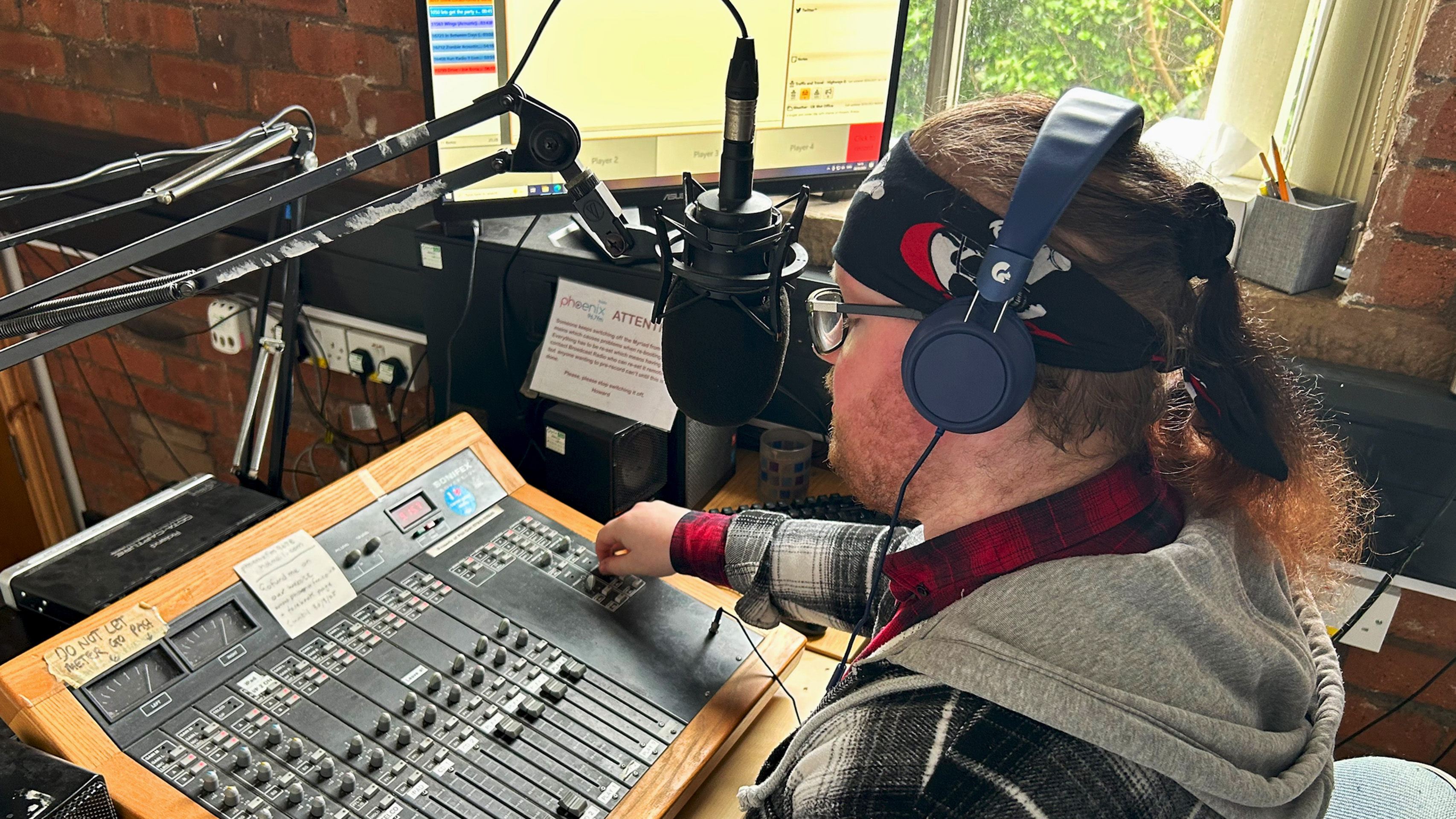
Lewins cites Priestley as a key supporter in his time dealing with mental illness, and Phoenix, generally, as the driving force in him realising his passion for music production, which he has a degree in from York St John University.
11 years on, Lewins is just as enthusiastic about the station and, despite the problems it has faced, he is still committed to the cause.
He says: “To me, Phoenix is home, a life and a great relationship with friends. Recently, I celebrated my 11th year at Phoenix. I began as a volunteer and now I am a support worker and a radio presenter.
“If I didn’t have this place, I wouldn’t really be anywhere.”
Lewins was at Phoenix when they were forced out of their first studio seven years ago. There were concerns that the current move would be a lengthy process and cut into valuable airtime.

The opposite has happened though, and with the help of the donations, Phoenix were able to begin the moving process quickly, much to the delight of Lewins and his colleagues.
His pride in Phoenix is closely related to his pride in being a Halifax lad, and he strives to progress Phoenix, in part, to give locals the best radio experience possible.
“We’re in a better building which gives us more opportunities to work in different areas of radio.
“It’s great to have a professional standard studio for live recordings and pre-recorded shows, to give the people of Calderdale the station they deserve,” Lewins explains.
The expansion of Phoenix and its ability to offer different opportunities with the new studio will meet what Lewins has wanted to do since attaining his degree. He has been teaching radio skills for a while and has developed a 12-week intensive programme which fast-tracks students to a high standard of radio knowledge.

This course has been taught to over 170 people, including people from Northern Ireland and the USA. Lewins says that learning skills in software mastering and editing have become hobbies, and his degree in the field makes him an expert to learn from.
It has been a combination of Lewins finding Phoenix, being supported by Priestley in his teen years and becoming qualified in music production, which has given his life a purpose.
“It’s helped me set goals for myself and live a life that I want,” Lewins says.
Priestley and Phoenix have been helping people for years in and out of the world of radio. And while one of their main aims is to support those with disabilities, sometimes it is people who are just a bit lost in life that benefit from the station.
Wayne Martyn dropped out of university and came to Phoenix off the recommendation of his mum, who wanted more for him.
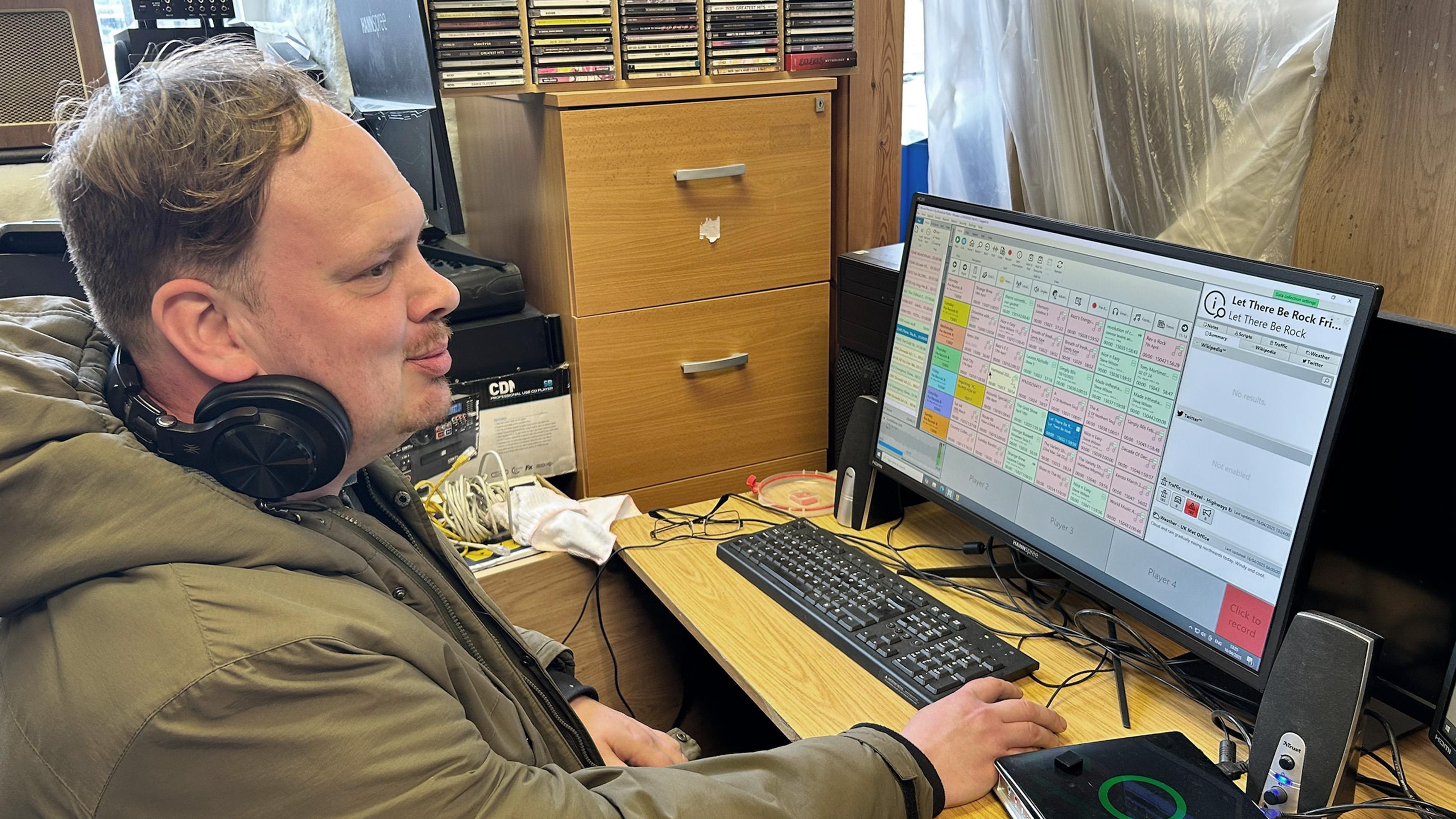
His passions lie within music, but a ‘rambunctious’ youth very nearly set Martyn down the path of jail time. He has volunteered at Phoenix for the last 17 years and now does the drive-time show.
Martyn also teaches from the studio, but his expertise is more to do with lyrics, poetry, and also production.
He says: “I’ve been involved with writing and spoken word for about 10 years on and off, so I’d like to teach that. I can do a bit of hip hop and rap, and making beats.
“Kids will come in here and wipe the floor with me in terms of rapping, but I’m good with the production side.”
Like many people at Phoenix, Martyn has been helped by Priestley throughout many stages of his life, such as his struggles with various mental disorders.
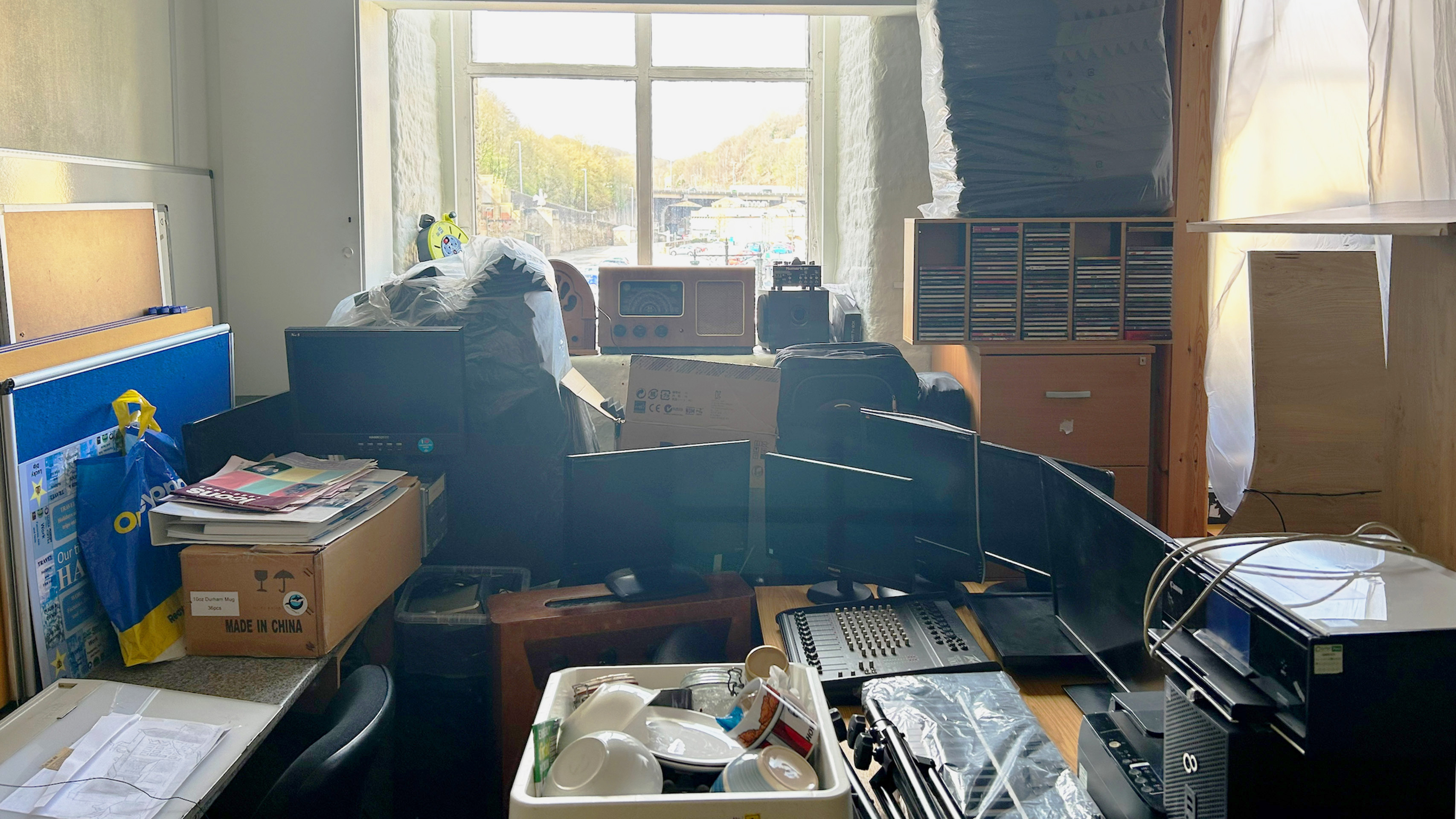
Priestley’s mentorship has allowed Martyn to leave his dysfunctional life behind and put his effort and time into improving Phoenix. Martyn is also in paid work thanks to the guidance he has received from Phoenix.
“A great version of therapy is being creative and freeing people from stigmas. I’ve achieved a lot despite the issues I’ve got,” comments Martyn.
While the past months have been chaotic, the tests that Phoenix have overcome are a testament to the work they do, the people who devote their time to the station, and the people who need it to feel connected to their community.
A common sentiment expressed by those closest to Phoenix was that few regional stations have endured and survived what they have, due to the defunding of local community services.
But with the Radio Joint Audience Research company – or RAJAR – finding that 50 million people in February 2025 were still listening to the radio, there is plenty of space for Phoenix FM to grow and thrive.

RAJAR also found that over 700 million hours of radio were being listened to through DAB, smart speakers and online, and as Phoenix uses all of these platforms to broadcast, a new space could be what they need to get a bigger chunk of these hours.
So with Priestley, Lewins and Martyn on the microphones, a fresh studio and the backing of its devoted listeners, it appears that Phoenix FM, the proud station from Halifax, will keep on flapping its wings.

 Photographic Journalism
You must be logged in to post a comment.