17th March UPDATE:
So far with my photojournalism project, I have completed the pitch and identified the angle I am going to take. My project will be about the efforts to restore green space and wildlife in Nottinghamshire, I will produce a 2,000-word article with 8 to 10 landscape images. To achieve this, I will be using a Canon 7D – which I have borrowed from my family for this assignment. In the next few weeks, I will take lots of test shots with the camera, to become more proficient before I begin shooting photos for the project.
I also aim to identify and contact people working with Notts Wildlife Trust, to set up an interview and get an idea of what exactly they are doing to bring back green areas and wildlife to Nottinghamshire. Before speaking to these people, I will carry out extra research into wildlife photography, as my initial research at the start of the module was about travel photography and is no longer applicable to my project.
Wildlife photography involves using different camera techniques to get improved images, therefore I must practice changing shutter speed, aperture and ISO before hand. Finally, I will outline a structure for the 2,000 write-up, to decide what areas of the rewilding project I am going to cover. For example, recently it has been announced that beavers are set to be reintroduced in the UK – something I can speak to Notts Wildlife Trust about.
24th March UPDATE:
Over the weekend I did some more test shots with my Canon 7D while taking my dog out for a walk. I used this as an opportunity to practice taking portrait shots, which is something I will do in my photojournalism project. To achieve the portrait effect, I used f/5 and changed the shutter speed to 1/320 sec, with the ISO at 1000.

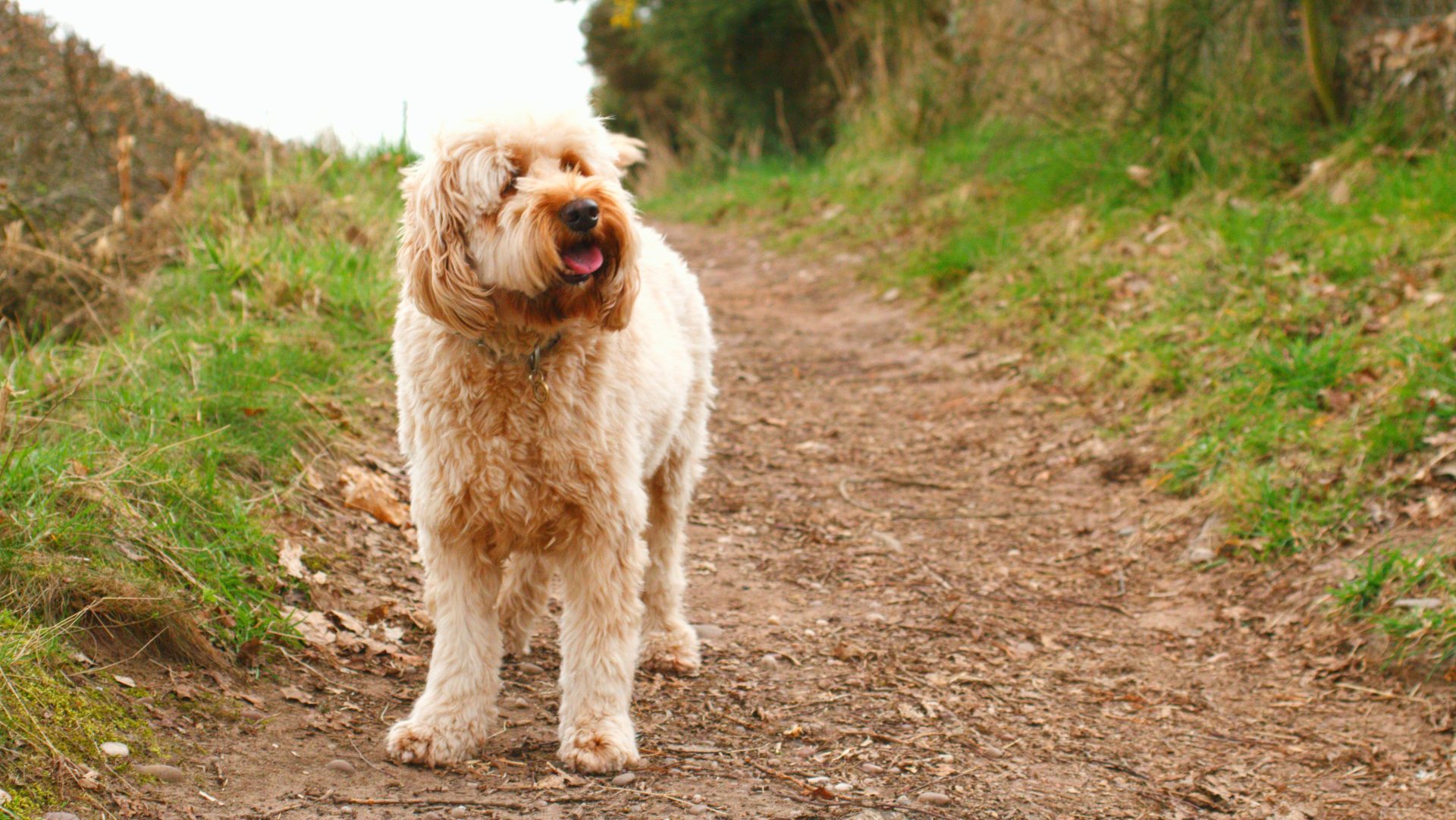
After taking these shots, I edited them on Snapseed on my laptop to change the lighting slightly. I did not need to change the exposure, as the photo was already well exposed. This shows that I have improved on the previous week, and I now have a better understanding of how to take portrait shots by changing the aperture and shutter speed. Next time, I will practice using a wildlife lens which will enable me to get better landscape shots.
31st March UPDATE:
In preparation for my photojournalism project, I have carried out some research on landscape photography and recommendations for different camera settings. I read through an article from a professional photographer to gauge what the best settings are when shooting landscape photos, to help improve the shots I will be taking. F8 and above are ideal for landscape photography, as they provide a greater depth of field which is necessary to pick up detail across the whole image. Aperture is the most important setting in landscape photography, which puts less emphasis on the shutter speed and ISO.
However, in my case, I will have to consider the shutter speed as I will not be using a tripod. This means that if I am not sturdy enough holding the camera, a slow shutter speed will create blurry images. Due to this, I will use a faster shutter speed and compensate for the lower lighting using the ISO. Depending on the time of day and the weather, I will adjust the ISO to get the right amount of exposure in the image. Following this research, I have a greater understanding of the camera settings I will be using when I come to take my shots for my project.
Camera Settings Article: https://www.rowansims.com/photography-tips/camera-settings-landscape-photography/
7th April UPDATE:
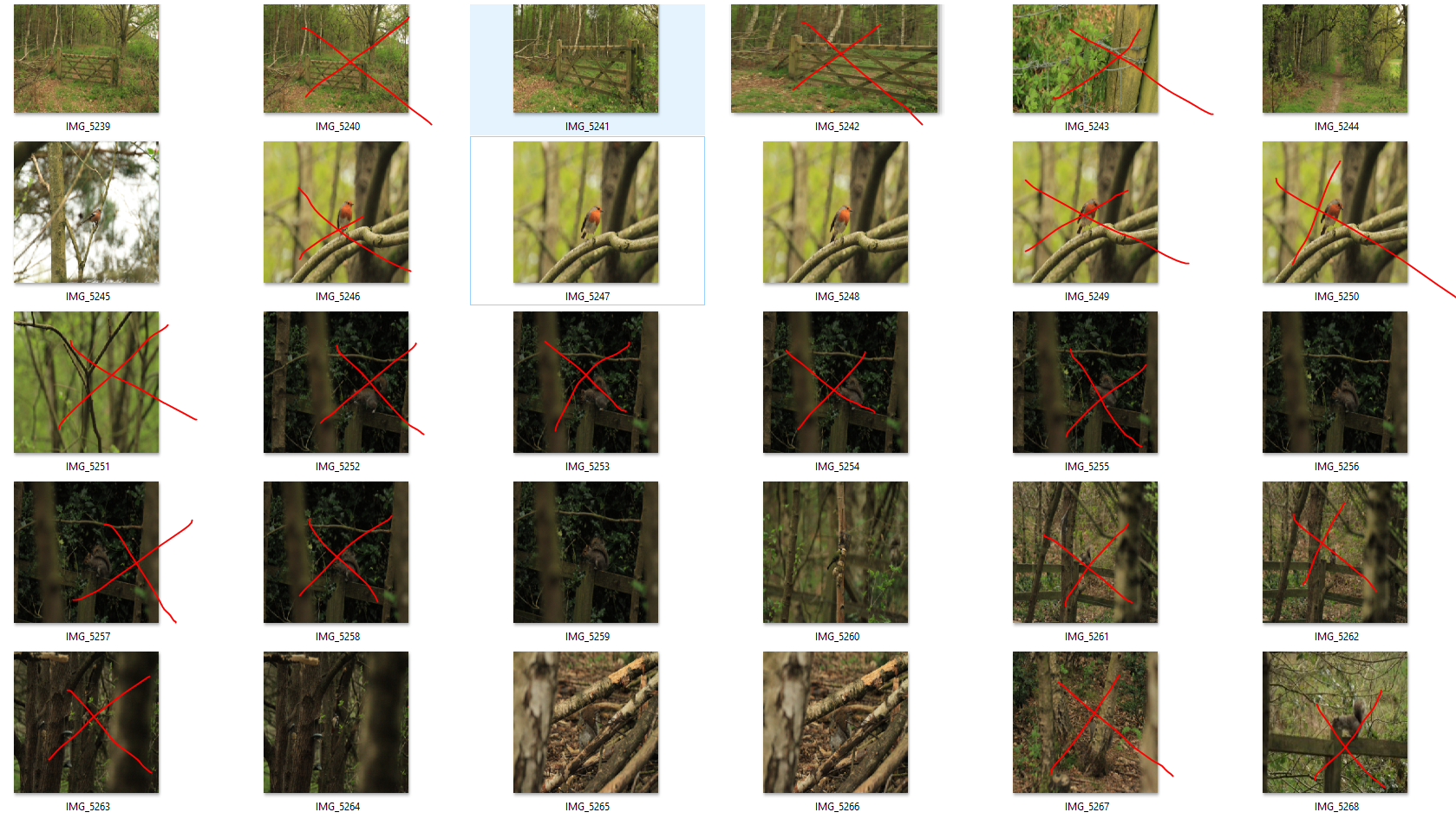
I have started the process of shooting the photos for inclusion in my final piece. I visited part of Sherwood Forest in Nottinghamshire to take some photos of the landscape and wildlife with my Canon 7D. Overall, I am very happy with the images I took here, as I believe they are of editorial quality and will be perfect for my project.
Above, I have clipped a screenshot depicting my editorial process of deciding which photos I will use from the ones I took. Through using this initial process, I was able to rule out any blurry shots or shots where the framing is not quite right, before taking a closer look at them individually. Over the Easter break, I will continue to take photos for my piece, visit various other parts of the county and also gather primary research from speaking to people involved in the conservation efforts.
28th April UPDATE:

Over the last few weeks, I have made significant progress on my project. I have been out on several occasions to take some shots in key focus areas of wildlife regeneration in the county. During these visits, I made use of the technical skills that I have practised over the last few months, altering the aperture, shutter speed and ISO accordingly to get the right exposure on my photos. Following each of these visits, I then used Adobe Lightroom to select my best shots and edit the RAW image files. As I have practised a lot using the camera, most of my shots were already well exposed, but some adjustments were necessary using the software. After making initial tweaks on Lightroom, the photos were then moved over to Photoshop, where I tinkered with ‘Levels’, before cropping the image to the required 16:9 aspect ratio and 1920×1080 resolution.
From a journalism standpoint, over the last few weeks, I have been in touch with many different organisations involved in wildlife recovery in Nottinghamshire. I have got quotes from multiple sources, from professional and voluntary positions. From here, I must select the best quotes to use in my piece and make the most of the primary research I have obtained. Additionally, after a tutorial meeting with Karl Hodge, it is clear to me that I must get shots of the volunteer to enhance the human element of my piece. I will act on these points in this final week before submission, to make my work as good as possible and a stronger piece of journalism.

 Photographic Journalism
You must be logged in to post a comment.