




Showcasing the Best in Photojournalism from Leeds Beckett University
Overall the module has helped me develop my photography skills and given me enough confidence to use a camera instead of my phone. The basics to using a camera and how i can create a style of my own has really inspired me. There is sill a lot to learn but learning how to tell a story through a picture was a really enjoyable journey.
This was our first class in the photojournalism module, providing an opportunity to understand what will be expected of us over the next twelve weeks.
I always loved taking photos since I was young. I used to edit them on my phone. That is why I was looking forward to this module and learning how to do this professionally.
This week’s task involved going out to find a story to pair with a couple of well-taken photos, considering framing and the elements in the foreground and background. I found it challenging to find an engaging story, so I chose an easy, nearby option.
As a result, the story wasn’t very adventurous, but I believe my photos were well-framed and aesthetically pleasing for a first attempt.
My story was on the increasing thefts in stores. The pictures included a portrait of the store employee and photographs of the store. I didn’t have much confidence to use the camera in week one. The images turned out to be okay needed some more work.
This week, we were assigned to research various styles of photojournalism to gain inspiration and identify which style we prefer for our final assignment.
I discovered that I am most drawn to food photojournalism because it makes you think about different ways you can take a picture to make it look appealing.
I studied several journalists who historically used this style, as they excellently captured the pictures.
As a result of this research, I decided to pursue this style for my assignment. I plan to research more about food photography and try and create pictures like professionals do.
In week 3, our lecturer reviewed image formats and introduced new cropping tools, including how to use Adobe Photoshop.
The lecture on image formats and correct photo sizes for journalism and digital publishing was very useful. It reminded us about the importance of descriptive alt-text and embedding high-quality images. We also practiced using Photoshop’s perspective crop tool to straighten images, which was new to me and very enlightening.
For my photo project pitch, I chose to explore health and the benefits of eating healthy. I plan to highlight the role calories play in achieving your ideal weight and physic
This week, we studied focus, aperture, and depth of field.
With little experience using cameras, I found it enlightening to learn how settings affect photo depth while maintaining focus on the subject. Initially nervous about using a camera for this module, I felt more confident after learning more about the settings.
Experimenting with the aperture setting in ‘Portrait’ mode on the iPhone was particularly interesting, as it’s not a common everyday setting. Karl sent us out to use this mode in natural lighting, which showed me how it enhances photo quality and makes the process more enjoyable. Compared to a camera it felt easier using the phone initially but as I practiced more it started becoming easier.
This week’s workshop was online. After learning about shutter speed and ISO, I realized how crucial shutter speed will be for my fitness project if I wish capture players and the moving ball clearly for a cricket game. I also learned that an ISO of 100-200 is ideal for outdoor shots to ensure the best lighting.
For the task, I used a high shutter speed setting to capture my subject jumping in the air. Next, I used low shutter speed and arranged the aperture and iso accordingly to take an optimal picture.

Welcome to the journey towards achieving your health and wellness goals. In today’s fast-paced and busy world, many people find it challenging to make time for exercise and healthy eating. Think of exercise as a superpower that can enhance nearly every aspect of your life. From improving brain health to managing weight, reducing the risk of disease, and strengthening bones and muscles, the perks are endless. However, incorporating these habits into your daily routine can have numerous benefits for your physical and mental well-being. Going to the gym and eating healthy are vital components of a healthy lifestyle, and they go hand in hand when it comes to achieving optimal results. In this comprehensive guide, we’ll delve into the benefits of gym workouts and the vital role that healthy eating plays in sculpting the body of your dreams. Moreover, we’ll explore the significance of calorie balance and the best methods to calculate your calorie needs.

Embarking on a consistent gym routine offers benefits that extend beyond mere physical appearance. Firstly, regular exercise is a cornerstone of cardiovascular health, reducing the risk of heart disease and stroke. Engaging in activities such as running, cycling, or swimming elevates your heart rate, strengthening your heart muscle and enhancing its efficiency. (Centre for disease control and prevention, 2023)
Physical activity plays a pivotal role in lowering the risk of chronic conditions like type 2 diabetes and metabolic syndrome. Even small amounts of exercise can yield substantial benefits, highlighting the importance of incorporating movement into your daily routine.
Moreover, hitting the gym promotes muscle growth and strength development. Through resistance training and weightlifting, you not only sculpt a toned physique but also boost your metabolism. As you build lean muscle mass, your body becomes more efficient at burning calories even at rest, contributing to long-term weight management. (NHS, 2021)
Exercise is a potent stress reliever, releasing endorphins that uplift your mood and alleviate anxiety. Whether it’s a high-intensity interval training (HIIT) session or a serene yoga class, physical activity serves as a therapeutic outlet for daily stressors, fostering mental well-being. One of the immediate benefits of physical activity is its positive impact on brain health. After a session of moderate-to-vigorous physical activity, you might notice improved cognition, especially for children aged 6 to 13, and reduced feelings of anxiety in adults. Moreover, regular exercise can sharpen your thinking skills, lower the risk of depression and anxiety, and promote better sleep as you age. (Coin Street, 2023)
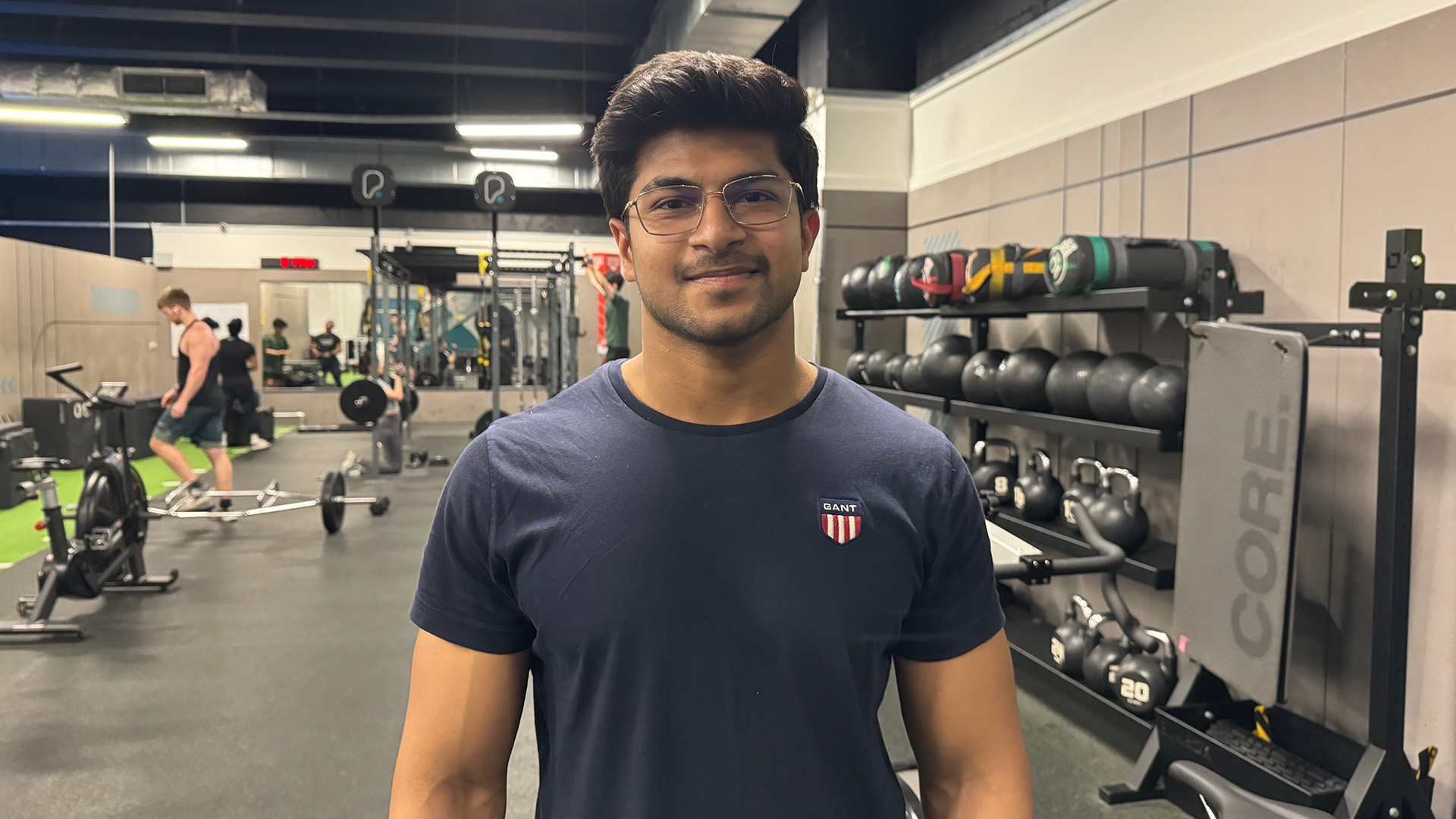
Engaging in sports is also a fantastic way to maintain overall health and well-being. Regular physical activity through sports helps maintain a healthy weight. Beyond the physical benefits, sports also contribute to mental health by reducing stress, boosting mood, and promoting better sleep. Additionally, participating in sports fosters social connections and teamwork, adding to a sense of community and belonging. As the legendary basketball player Michael Jordan aptly put it, “Just play. Have fun. Enjoy the game.” The joy and health benefits that come from embracing sports as a regular part of life.

While exercise lays the foundation for a healthy lifestyle, the role of nutrition cannot be overstated. Fueling your body with wholesome, nutrient-rich foods is vital for maximizing workout performance and achieving desired results. Think of food as the fuel that powers your workouts and aids in muscle recovery and repair.
A balanced diet comprising lean proteins, complex carbohydrates, healthy fats, and an abundance of fruits and vegetables is key to supporting your fitness endeavours. Protein plays a pivotal role in muscle synthesis, assisting in the repair and growth of tissues damaged during exercise. Incorporate sources such as chicken, fish, tofu, beans, and nuts into your meals to meet your protein needs. (Centre for disease control and prevention, 2023)

Additionally, carbohydrates serve as the primary source of energy for your workouts, replenishing glycogen stores depleted during exercise. Opt for whole grains, fruits, and vegetables to supply sustained energy levels and enhance endurance during training sessions. Meanwhile, healthy fats, found in avocados, olive oil, and nuts, provide essential fatty acids crucial for brain function and hormone regulation.
Everything eventually comes down to Glucose which is also called blood sugar. What is Glucose? It is your body’s favourite source of energy. Every single part of your body is burning glucose every nanoseconds to keep you alive and as human beings the main way that we provide this very important glucose to our body is by eating food, specifically by eating two categories of foods, starches for example bread, pasta, rice, potatoes, oats and the second is sugar, anything that tastes sweet from an apple to a triple layer chocolate cake. (Fogli-Cawley, 2005)

Humans eat starches and sugars to give glucose to our body so you might think, I should give my body as much glucose as possible, well that’s not the case. Image a plant, to keep it alive, we need to give the plant some water but if you give it too much water it dies. The human body is similar some glucose means everything’s going great but too much glucose and problems start happening. Most of us are giving our bodies too much glucose and this leads to whole bunch of symptoms, cravings for sweet foods, chronic fatigue, brain fog, inflammation, faster aging, hormonal issues just to name a few. We can also see development of type 2 diabetes. It is important that people understand how to eat the food they love in a way that’s not going to cause problems.
Now, let’s talk about everyone’s favorite topic, weight management. Maintaining a healthy weight isn’t just about hitting the gym; it’s also about what you put on your plate. Weight gain occurs when you consume more calories than you burn, underscoring the importance of balancing your calorie intake with physical activity.
To maintain your weight, aim for at least 150 minutes of moderate physical activity per week. This could be as simple as dancing or tackling yard work. However, individual needs vary, so some may require more activity to achieve their weight goals. For those aiming to shed pounds, a combination of increased physical activity and dietary adjustments is key to sustainable weight loss. (National Diabetes Prevention Program)

Achieving your fitness goals hinges not only on the quality of your workouts and nutrition but also on achieving a favourable calorie balance. Calorie balance refers to the relationship between the calories you consume through food and beverages and the calories you expend through physical activity and metabolism.
To effectively manage your weight and see results, it’s essential to strike a balance between calories consumed and calories burned. If your goal is weight loss, creating a calorie deficit—where you expend more calories than you consume—will lead to gradual, sustainable fat loss over time. Conversely, if muscle gain is your objective, consuming a slight calorie surplus—where you consume more calories than you burn—supports muscle growth and recovery.
Determining your calorie requirements is the first step towards achieving optimal calorie balance. While various formulas and online calculators exist, one of the most used methods is the Harris-Benedict equation, which calculates your basal metabolic rate (BMR) based on factors such as age, gender, weight, and height.
Once you’ve determined your BMR, you can factor in your activity level using the Total Daily Energy Expenditure (TDEE) formula to estimate the total number of calories you need to maintain your current weight. From there, you can adjust your calorie intake based on your specific goals, whether it’s weight loss, muscle gain, or weight maintenance. (Harvard Health Publishing, 2024)
Now, let’s explore the role of calorie balance in achieving results. Calorie balance boils down to a simple equation: calories in versus calories out. If you consume more calories than you burn, you’ll gain weight; if you burn more calories than you consume, you’ll lose weight. Calculating your daily caloric needs can be done using various formulas based on factors like age, gender, weight, height, and activity level.

It’s important to note that these calculations serve as rough estimates, and individual differences in metabolism, genetics, and lifestyle must be considered. Monitoring your progress and adjusting your calorie intake accordingly is key to fine-tuning your approach and achieving desired results.
The synergy between gym workouts, nutrition, and calorie balance forms the bedrock of a successful fitness journey. By harnessing the benefits of regular exercise, adopting a nutritious diet, and striking a favourable calorie balance, you can unlock your full potential and sculpt the body you desire. Remember, consistency, patience, and dedication are the keys to long-term success. So, lace up your sneakers, fuel your body with nourishing foods, and embark on the transformative journey towards a healthier, happier you.
Hydration is the unsung hero of any fitness journey. It’s crucial to keep those water bottles filled to the brim. When you’re working up a sweat, your body loses water like a leaky faucet. Every drop of sweat that rolls down your brow is a sign that your body’s hydration levels are taking a hit. But replenishing those lost fluids is as easy as reaching for your water bottle. (Bda, 2024)
Hydration isn’t just about preventing that dreaded cottonmouth or quenching your thirst, it’s about maximizing your workout potential. When you’re properly hydrated, your muscles are firing on all cylinders, your energy levels are through the roof, and you’re ready to tackle whatever challenges come your way.
But the benefits don’t stop there. Staying hydrated is also essential for recovery. After you’ve crushed your workout and pushed your body to its limits, replenishing lost fluids is key to aiding muscle recovery and preventing dreaded post-workout fatigue. So, don’t skimp on the H2O, your body will thank you later.

Achieving a healthy balance between exercise and nutrition requires commitment and consistency. Here are some tips to help you stay on track:
Set Realistic Goals: Whether you’re aiming to lose weight, build muscle, or improve overall fitness, setting realistic and achievable goals is crucial.
Stay Consistent: Consistency is key to seeing results. Aim to incorporate both exercise and healthy eating into your daily routine.
Listen to Your Body: Pay attention to how your body feels during and after exercise. Rest when needed, and don’t ignore signs of fatigue or injury.
Stay Hydrated: Drink plenty of water before, during, and after exercise to stay hydrated and support optimal performance.
Seek Support: Don’t hesitate to enlist the help of a qualified fitness professional or nutritionist to guide you on your journey.

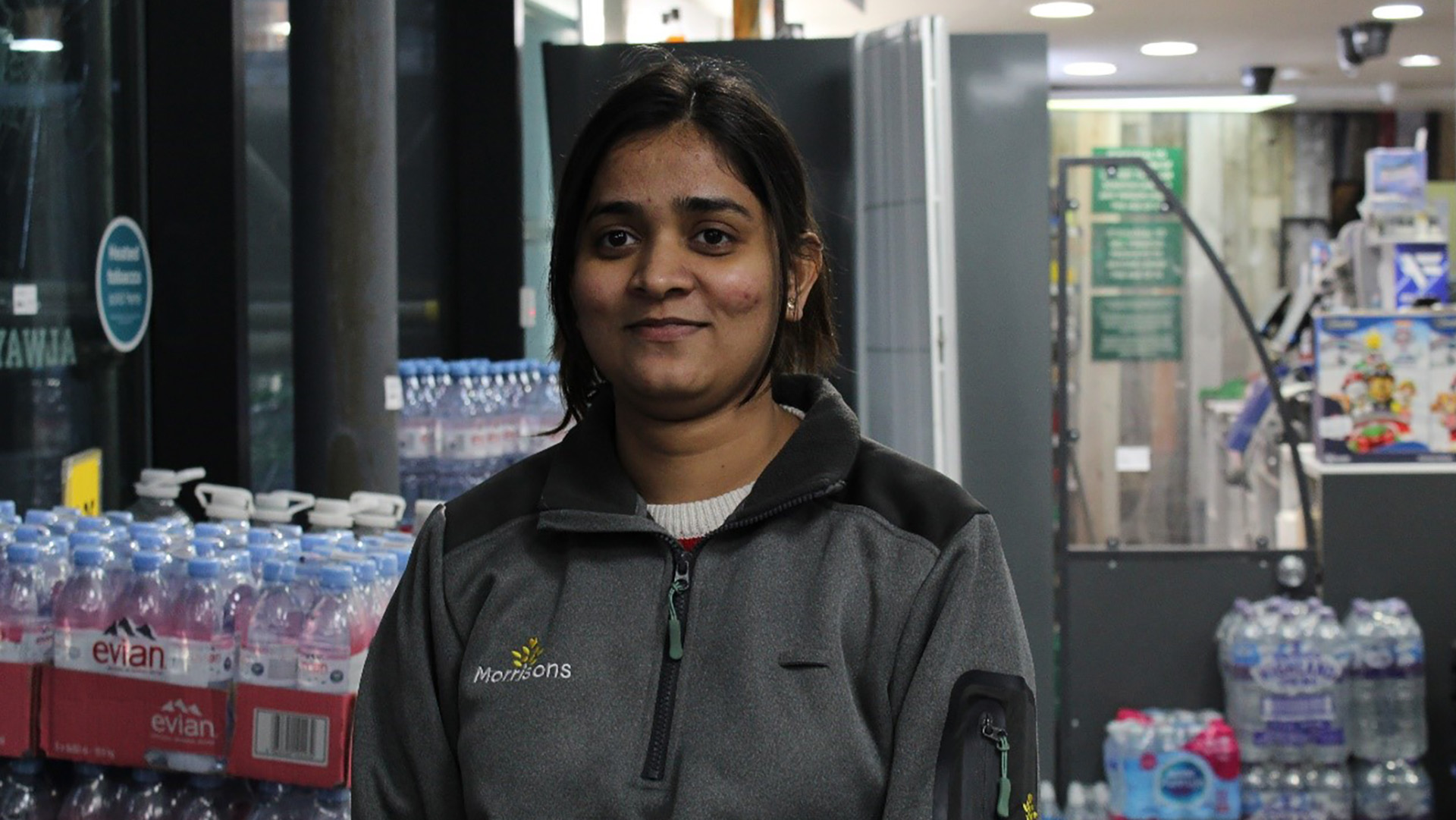










Employees at Morrisons daily near claypit lane have voiced their struggle as they explain how much thefts have increased over the past month. With the employer refusing to keep a security guard, employees are forced to take it upon themselves to stop the robbers.

Riya Meheta, an employee at the store explains how scary it gets when they have to lock the door and the thief does anything they can to try and get out. Most times the thieves are either drug addicts or homeless people which means it gets hard to predict what they might do next.
“I have been working here since the last two years and it has never been this bad.” Riya says. “There have been times when the employer has threatened to take the stolen item money from my pay check and it’s just very upsetting”
Riya claims that one of their ex-employees had stopped a man from stealing and later that man and a group of people had followed him home and beat him up. He had been hospitalized and nothing was done about it.
Not much is being done for the growing threat homeless people are causing.
 Photographic Journalism
You must be logged in to post a comment.