The first workshop was a good insight into how we could successfully complete this module. I was actually unable to attend the workshop in person due to illness, however, I caught up on all the work online, reviewing the powerpoints and completing the photo story task. The photo task was fairly straightforward – due to our newsday work last year, this felt relatively easy to source a story. The difficulty was finding the right things to take photos of. I felt that my framing of photos was good and they were relevant to my story.
Week 2
This week we researched photographers similar to what we will aim to emulate for our own photojournalism piece. I used the work of Anne Worthington as she photographed the same area I want to focus on. The research focused on how Worthington displayed the raw reality of Burnley following the race riots of 2001. I found it fascinating how the photographs told a story, with which I am familiar and still see today. Understanding the work of iconic photographers helped me appreciate how photographs are not just technical objects but powerful instruments of artistic expression.
Week 3
This week we were tasked with finding 3 photos – one that was set up, one that affected the story, and one that divided opinion. This was an interesting task as it allowed us to explore photojournalism in more depth, forming our own opinions and drawing our own conclusions from photos. Despite my passion for sport, I opted not to look for sporting photos as I felt it would enhance my knowledge of the topic further. I felt that this paid off as it allowed me to research different photos and the situations in which they were taken.
Week 4
This week’s focus was on F-stop settings and how they impact photos. This was interesting as it allowed us to explore how the aperture of a photo can be used to manipulate the focus and therefore the story behind a photograph. The technical element of this is something that is new to me as previously I have only focused on how a photo looks when I take it, and not how I can manipulate it to look how I want it to. This is definitely something I will consider when creating my piece of photojournalism.
Week 5
This week’s focus was on ISO and shutter speed, or Burst & Live Mode on your phone. This allowed me to explore different settings on my phone that I had never used properly before. It was interesting because it introduced me to a technical element that was far easier than I had anticipated, yet produced some satisfying results. This workshop has cemented my plan to include golf motion pictures in my final piece and these techniques lend themselves to golf very nicely.
Week 6
This week we focussed on editing and photoshop. This was beneficial to me as I had actually taken a photo for my final project and knew it needed editing. Having never really edited photos before, this was a new skill to me but one that I will definitely take forward. This workshop allowed me to remove an unwanted shadow, as well as making choices surrounding the aesthetic of the photo for contextual effect. It also enhanced the ‘spotlight’ on my subject and the contrast between the blue skies and the green trees in the background, making for a much deeper photo.
Week 7
This week’s focus was on image selection. This helped me as it allowed me to identify the images good enough for my final project, and therefore showed me what else needs to be done. I have realised that I maybe need 20-30 more photos in order to narrow them down to the 8-12 that I submit. I am viewing this as a positive thing as I now know how best to assign my time to ensure I work productively. Image selection has also made it clear to me that I need to be more creative with my photography – the majority of my photos looked very similar and so I need to think ‘outside the box’ when it comes to the subjects I capture.
Week 8
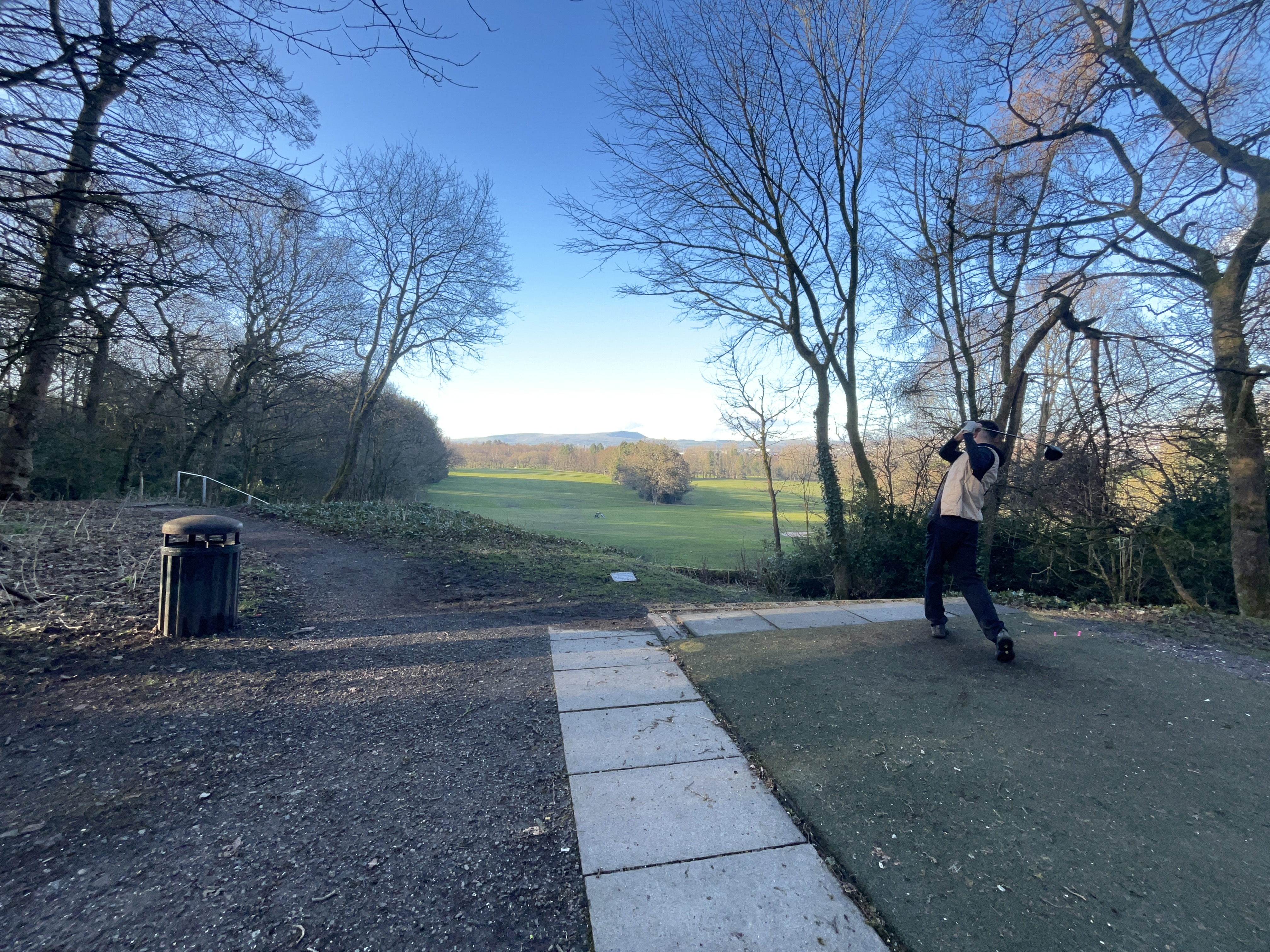
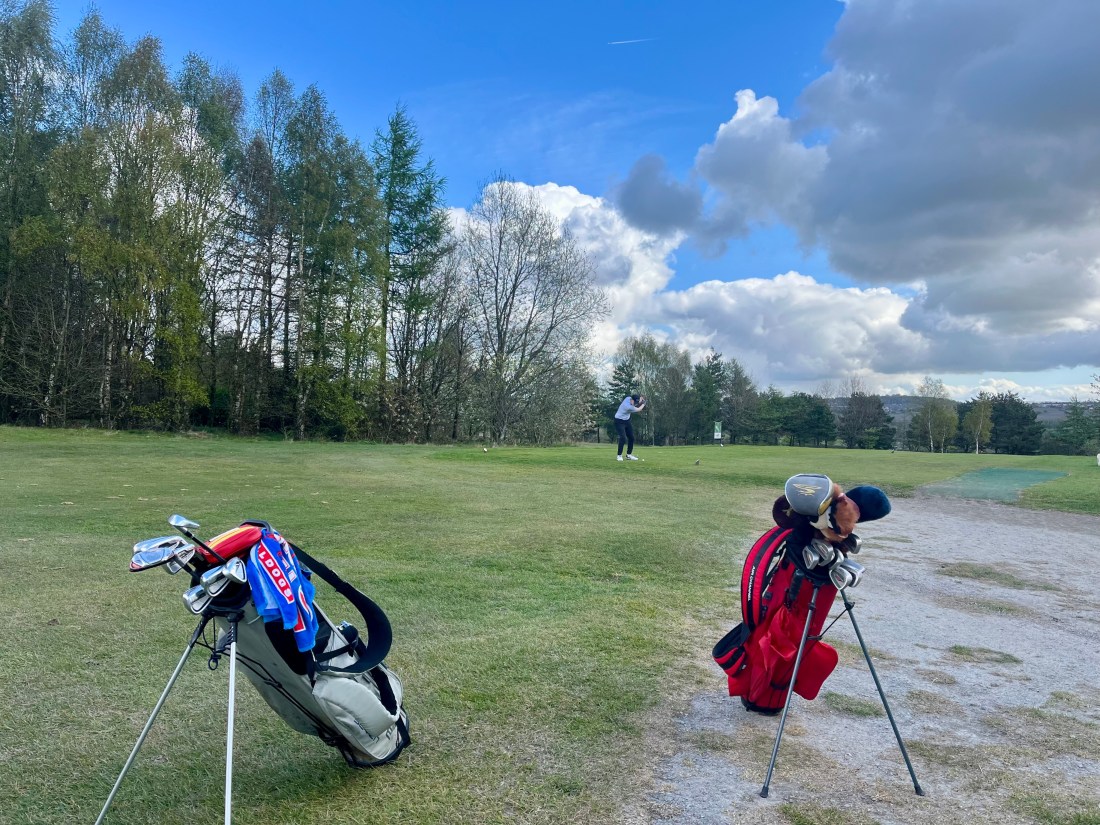
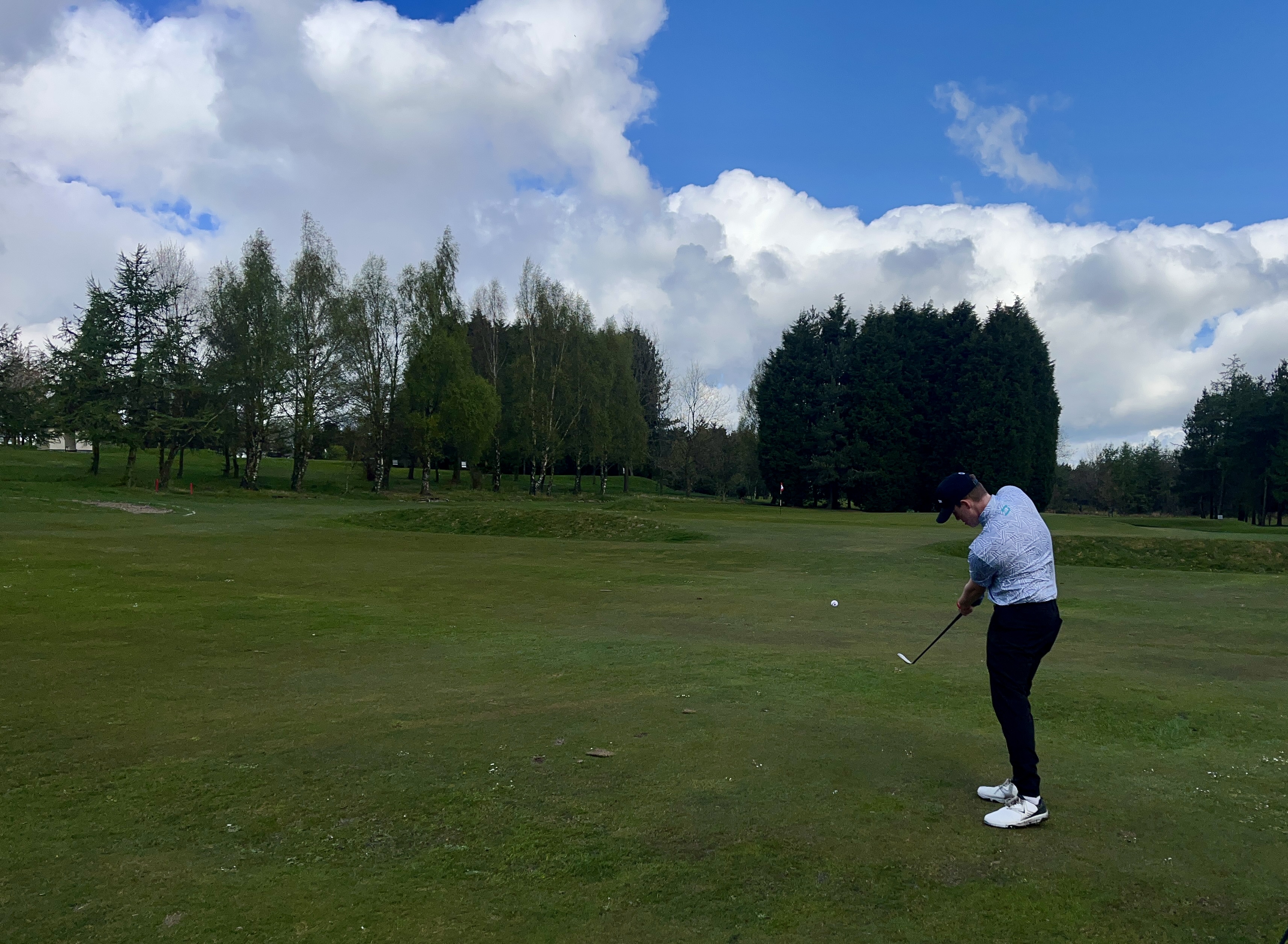
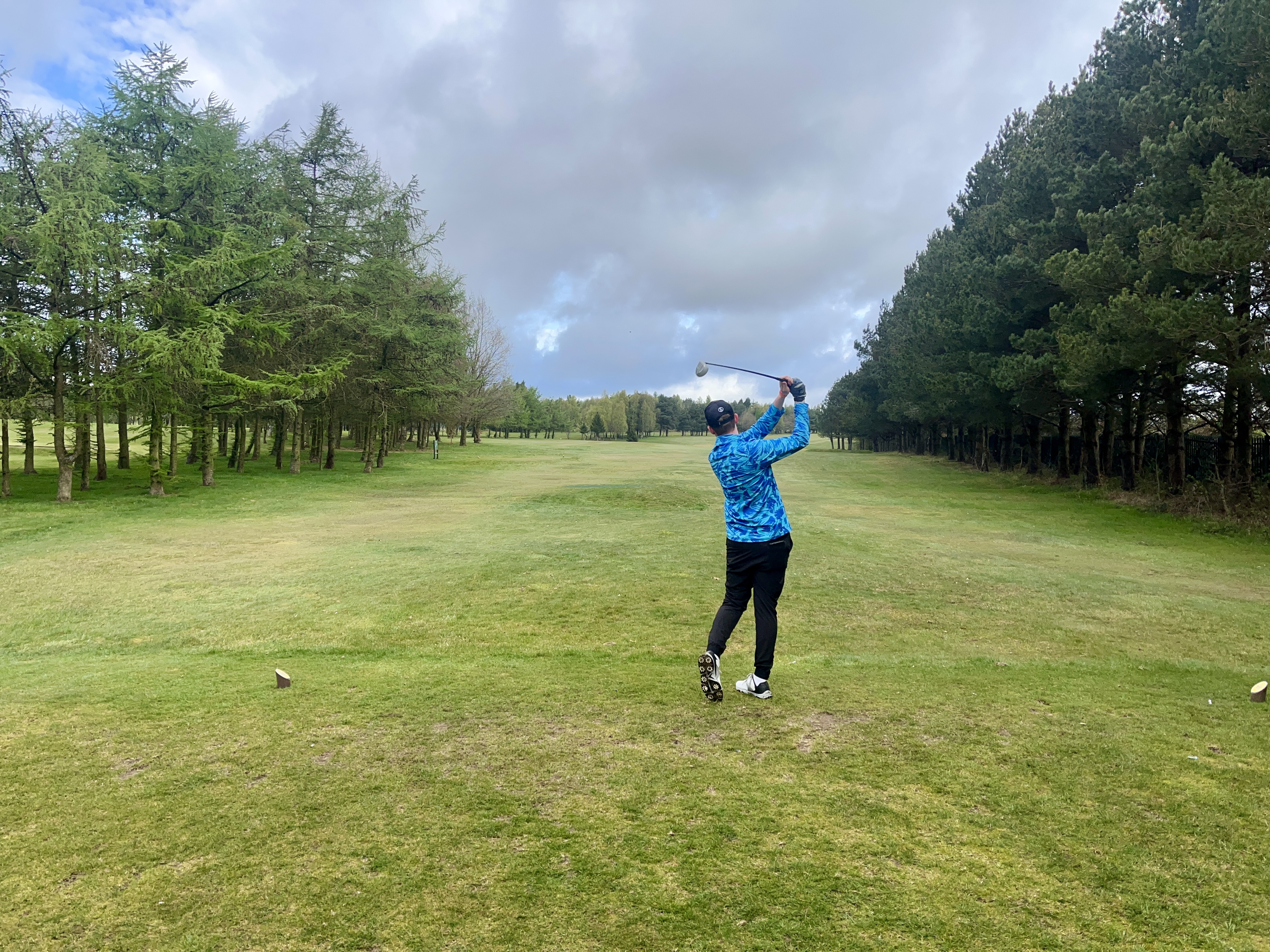
Week 8 focussed on changing your point of view when taking photos. This is something I had already done subconsciously when capturing my original shots, changing the perspective and angle to create a different ‘shape’ of the subject as he struck the ball. This also allowed me to capture the picturesque nature of a golf course – something which I feel is important to illustrate as it is a huge feature in the way the game is played. A course can change every single day and that what makes the sport so unique – the architecture of a course is something that I think should be celebrated as much as the golfers who play on it.
Swinging for the SunTownley Golf CourseThrough the Trees
I captured a series of practice shots in different situations, featuring new movements, angles and landscapes. I also changed the shutter speed and width of the lens. I plan to begin the writing of my article this week and get some more photos within the next couple of weeks.
Once of a day, golf was defined by old men in sweater vests and flat caps. Now though, the latest generation of golfers are changing the game – from bespoke clothing brands to YouTube videos with Donald Trump, golf is developing both on and off the course. Golf also has a reputation of being a sport for the upper echelons of society, with accessibility being one of the major barriers to participation. In more recent times, the sport has attempted to open its doors, allowing greater participation for all ages – pitch & putt courses and crazy golf provide a smaller, simpler version of the game for beginners, before playing a full 18 hole course. While golf’s long-standing traditions still permeate the game, a much more contemporary style is breaking through and becoming more mainstream with every major, transforming the game into a much more appealing, accessible past time for people of all ages.
Water Hazard
Evolution of Golf
Golf as a sport is one that has undergone a remarkable transformation since it first originated in 15th century Scotland. From a leisurely pastime to a billion-pound industry that consists of highly competitive tournaments all over the globe; golf is almost a completely different game since it first begun, and is showing no signs of slowing down. The progression of golf in recent times owes a lot to technological advances which have significantly increased the level of performance that players are capable of. Equipment is now engineered from materials like carbon and titanium, and can be fitted to each specific golfer’s frame and swing. Clubs are also designed to aid the player in putting spin on the ball, meaning they have relative control over what the ball does on the ground despite it landing 200 yards away. They are also much more forgiving if a ball is not struck quite in the centre of the club; something that amateur golfers may feel the benefit of more than professionals. Even the balls are created to maximise performance, with dimples to minimise drag on the ball resulting in more airtime and therefore distance. Footwear is also a big thing in the development of golf – lighter, spiked shoes help golfers keep their balance when striking the ball as well as providing comfort while walking the course.
Off the Tee
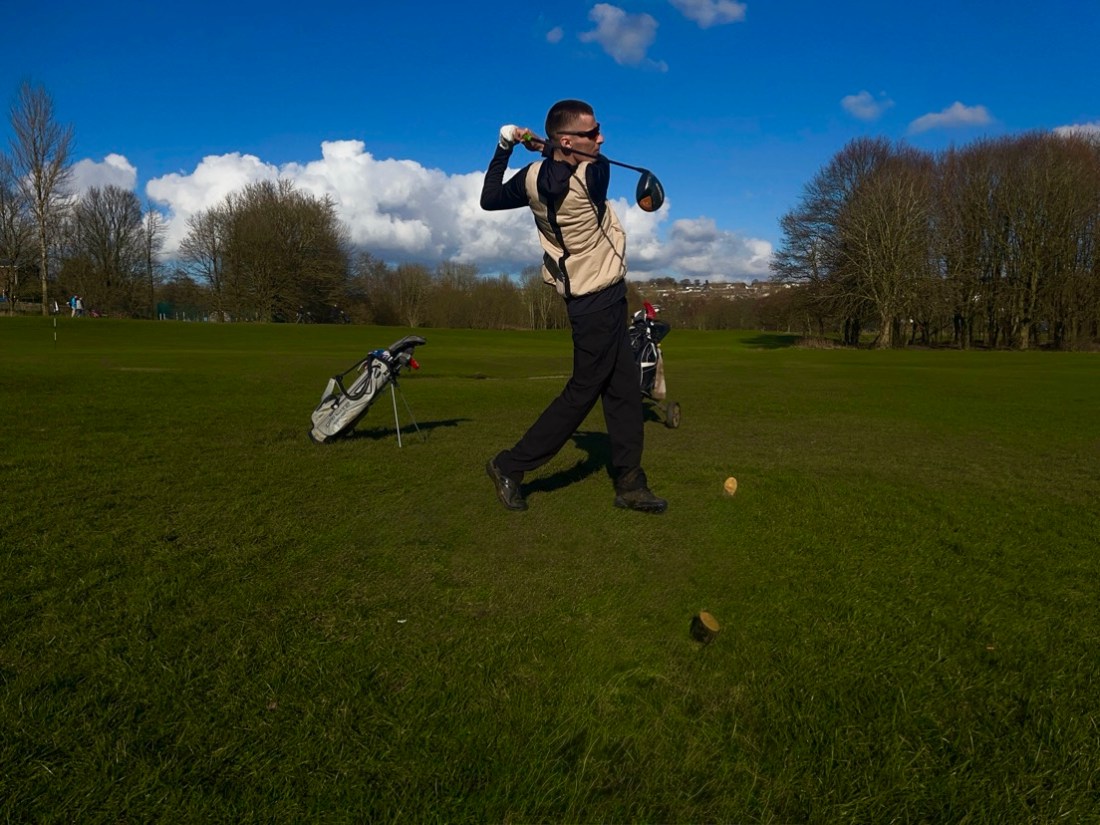
Improvements like these mean golfers must develop new skills in order to be the best, and beat the best. Ben Woodall (pictured above) is a scratch golfer who believes that changes in golf are what makes the game so popular.
“If we didn’t have all these changes in golf then I don’t think it’d be anywhere near where it is now as a sport,”
“It keeps people interested as well, that change. You see some of the stuff the pros are doing now and there’s no way they’d have been able to do that 15, 20 years ago; the equipment just wasn’t good enough.”
Woodall continues, “Every golf course changes their hole locations every day so it makes sense that everything around the game is changing too.”
“You look at The Masters last week – some of the golf on show there was absolutely obscene. I’d like to think I’m pretty good but I couldn’t get anywhere near those guys, no way.”
Short Game
It’s not just the equipment that is improving though. Gone are the days that golfers are just retired men who struggle to get round the course without a buggy. With the increased focus on nutrition and conditioning within all sports, golf has seen a rise in fitness across the board. Golfers are now athletes with sport specific strength & conditioning programmes tailored to maximise their functionality on the course and in training.
Woodall was keen to emphasise this change, “Gone are the days where ‘old man swings’ would get you round a course. Blokes are driving it 300 yards plus pretty consistently now, even as amateurs.”
“This means that courses are now much longer than they used to be and so if you want to score low you’re probably going to have to hit it a long way.”
“Even then, your irons and short game need to be pretty good too because some of these long par 4s and 5s we have now are still going to need a long iron in to get it up and around the green.”
It’s not all about strength and power though. Greens are no longer just flat areas that are cut slightly shorter than the rest of the course. Putting is a skill on its own with undulations and breaks to worry about on the way to the pin which is often in a place that makes missing pretty unforgiving.
Woodall has his say, “I was chatting with a few other golfers actually after watching The Masters and the decision was pretty unanimous that we could start on the green at Augusta and we’d still shoot more than the pros if they started on the tee!”
“I genuinely believe that too. Those greens are like glass and have peaks and troughs all over them, with none leading where you actually want to hit it.”
“I think it’s a good thing though. It means the stronger lads can’t just expect to come out on top like in some other sports, there’s also room for some touch and finesse which I think is what separates the good golfers and the great golfers.”
From clubs to courses to conditioning, golf is certainly evolving, creating a new and improved version of the game with every round. Amateurs finding new ways of conquering their home course every day before the greenskeepers change the holes the following morning. Professionals moving the game forward through new ways to find their own peak performance. Golf is progressing quickly and shows no signs of returning to its old ways.
Lefty
Redefining fairway fashion
Flower Print
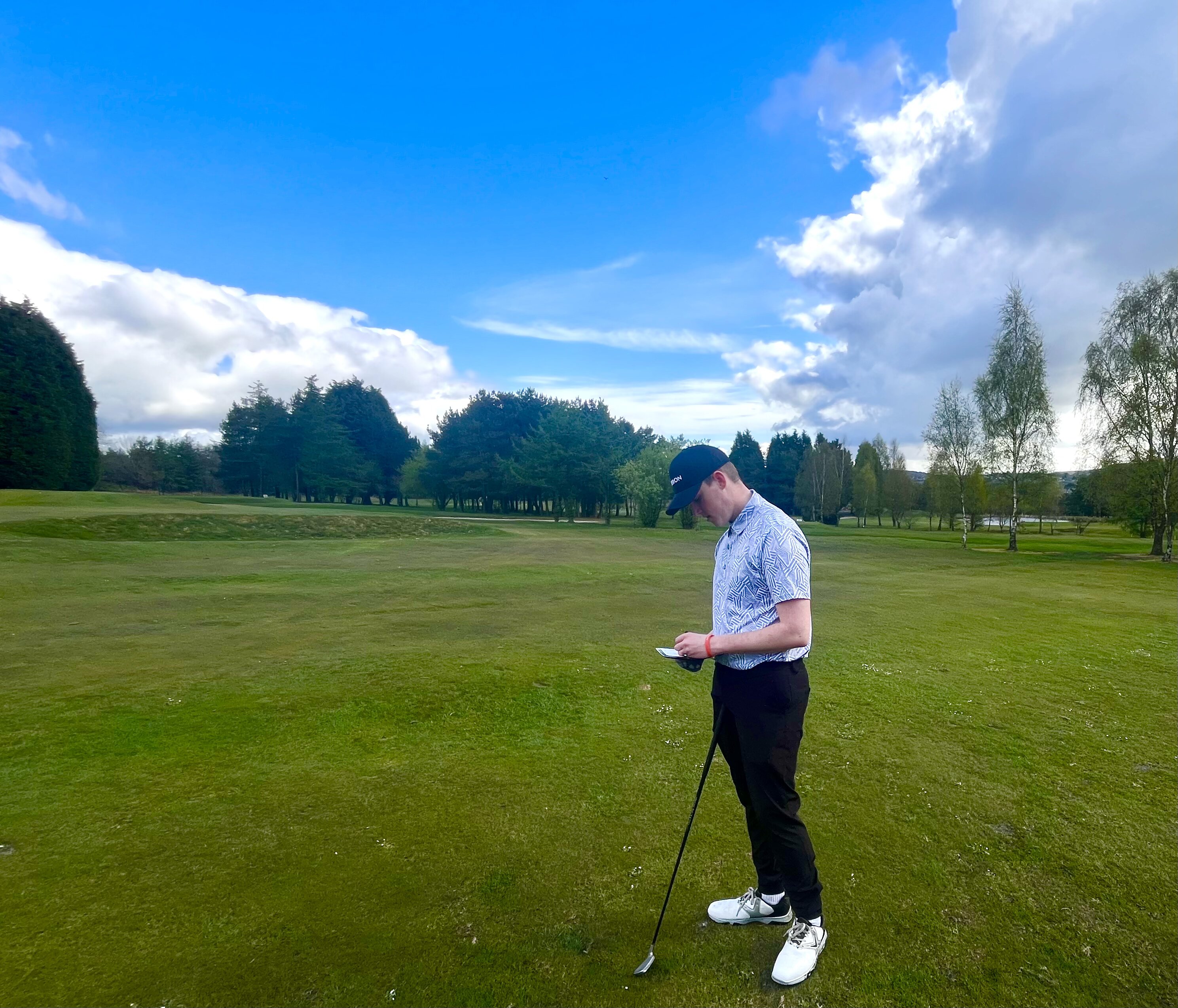
Golfing attire has also seen a huge shift over the years, with fashion on the fairway being redefined. Golfers were often expected to neglect impact on performance in favour of ensuring their appearance met ‘club standards’ – now though, they often take part in the design of golf specific products which are tailored to the biomechanics of a golf swing. These flamboyant, colourful polo shirts and quarter zips are a far cry from the shirts, ties and sweater vests that players used to don on the course.
Oliver Edward (pictured above) is an amateur golfer whose love for golf derives from improving his wardrobe.
“Anyone who knows me knows I love my brands and stuff – so when it comes to golf I’m pretty much the exact image of ‘all the gear, no idea’.”
“Jokes aside, I can play a little bit now but it was definitely the gears that drew me in.”
Moisture-wicking polo shirts, smart-stretch skinny tracksuit bottoms and even golf hoodies are becoming more and more mainstream as golfers opt for athletic outfits rather than classic numbers. The shift in styles has promoted casual golfers and increased the participation of the younger generation, which in turn creates a much more modern feel surrounding the culture of the sport.
Edward continues, “I think for amateur golfers or beginners looking to get into the game, the kind of culture around it can be quite tough to overcome.”
“You’ve got your grumpy old fellas who aren’t happy whenever someone young wants to have a round or someone isn’t dressed in shirt and tie, but that’s fine – its becoming less and less.”
“There’s lots of the older generation now who actually want to help you with your game or give you little tips about the course which is quite cool.”
“I think its all about just creating an environment where everyone feels they can come and give it a go, as long as they’re respectful to other players and the course then I don’t see why it matters what you wear.”
Out of the Trees
Impact of Social Media
As with everything is today’s society, social media plays a huge part, and golf is no different. With LIV Golf superstar Bryson DeChambeau’s YouTube channel pioneering golfing influencers all over the world, pathing the way for people such as ex-footballer Jimmy Bullard and TikTok family Fore Bros, to establish their own platforms featuring golf challenges and guest appearances from celebrity golfers. Online content creators such as these help drive traffic towards the sport, increasing participation from viewers which are often of the younger generation, creating a change in the demographic of the sport.
Edward and Woodall both stressed the importance of an online presence within the sport.
Edward begins, “I think it’s great that there’s so much content being put out, you pick stuff up off them even if they’re not that great.”
“It also really helps you getting into the sport because you get to see footage of golfers who might be more your level, that helps a lot actually.”
Woodall continues, “All the online stuff is great, its such good value.”
“A lot of my spare time is spent watching golf and so when its just a few mates having a laugh and a chat I find that breaks up watching purely competitive golf – its more relatable”
Keeping Score
“You can see the game not only evolving in the sport but actually growing across the country and even the world,” Woodall explains, “so many young lads and girls are talking about it, or going to the driving range and having a hit – even giving it a go on the course, it really is good to see.”
Moving Forward
As golf continues to move forward as a sport, it is clear that its progression is infinitely beneficial to the longevity of the game. It is no longer a representation of tradition, but a blend of the best of old and new; the long standing tradition and respect of a sport played by gentlemen, mixed with the fresh, modern culture of golf’s latest stars who breathe new life into their sport.
From space-tech equipment to outlandish outfits, golf new and inclusive culture means that the sport can keep moving and growing with the latest trends. Online influencers ensure their followers keep up with the do’s and don’ts on the course, while prestigious clubhouses ensure that patrons and players still embrace their roots and acknowledge what has built golf up to where it is today. As technology, culture and society continues to develop, golf is certainly keeping up with the trends, whilst keeping all of its historic traditions than keep the sport grounded.
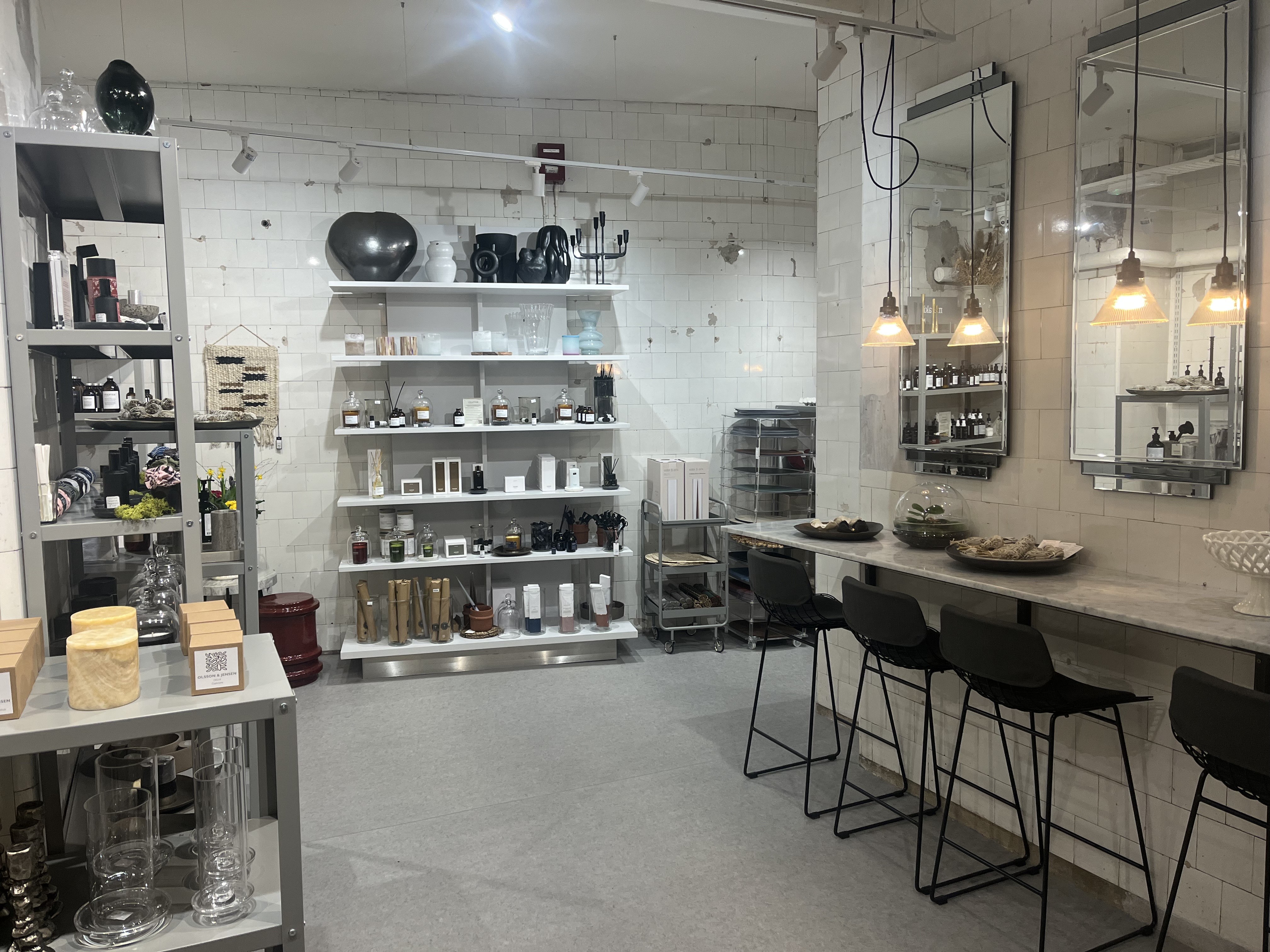
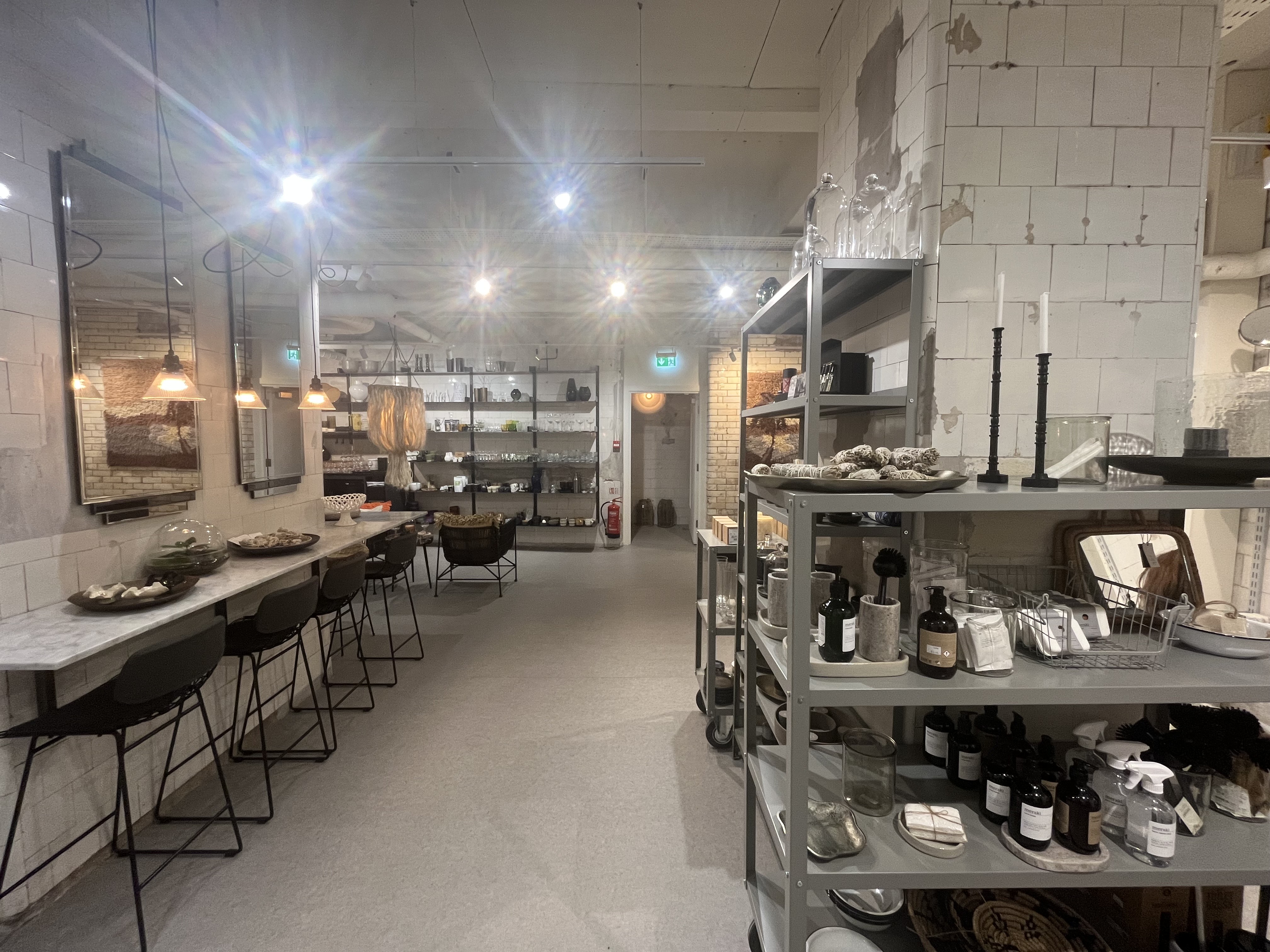
The Scandinavian interior design shop will this year celebrate its 5th year since opening as a temporary pop-up store in 2020.
Previously an online only outlet, North Home is renowned for it Nordic designs, featuring unique pieces of furniture from statement pieces to more understated ornaments.
Founder Kamil Wangin said: “It’s been an exciting few years for us and we are absolutely thrilled to be expanding North Home and taking over such a spectacular space in Leeds’s most iconic shopping location.”
“We are a fully independent business and have always had a long-term vision to create something unique for our customers.”
“Thanks to the incredible support we’ve had since we first launched North Home we felt the time was right to take things to the next level and give Leeds a homewares store like no other.”
“We want to be a one stop shop for unique pieces and give customers a shopping experience that stands out from the rest. We can’t wait to reveal all in the coming weeks.”
North Home hopes to continue its business endeavours in the same vein for the foreseeable future.
My photojournalism project will feature golf photography – including action shots, fashion choices and finer golf-specific details. I will aim to illustrate how an influx of young golfers are transforming the game, whilst also respecting its great traditions. My aim is to interview two golfers, one more experienced and one at the start of their career, in order to gain a wider understanding of how golf is opening its doors to younger fans and players, whilst also maintaining the original behaviours within the sport.
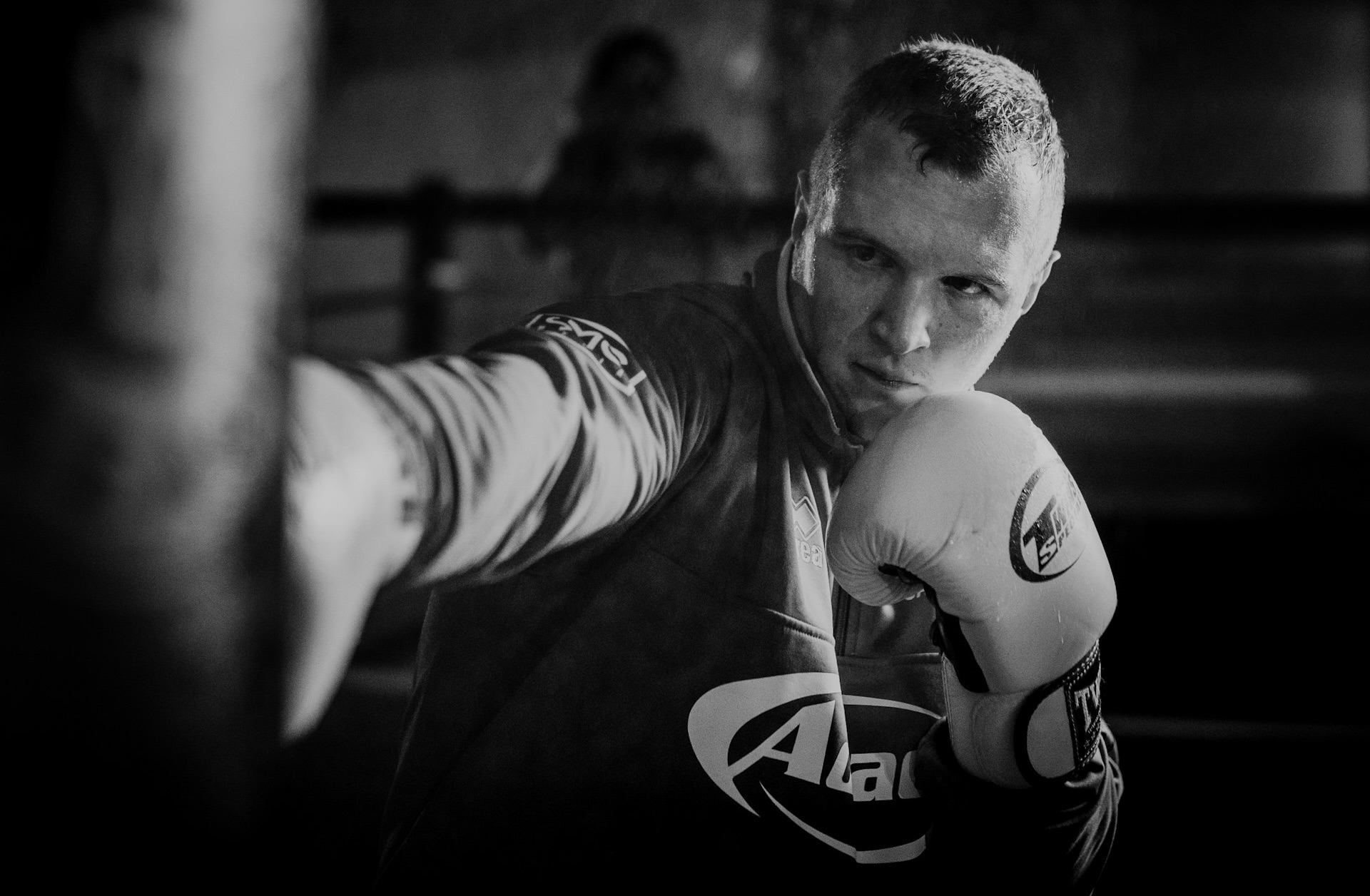
This photo has been cropped from portrait to landscape. I feel this is a better fit for the picture as it leaves less ‘dead space’ and focus on the subject. In my opinion, this increases the intensity of the image and metaphorically the ‘impact ‘of the punch.
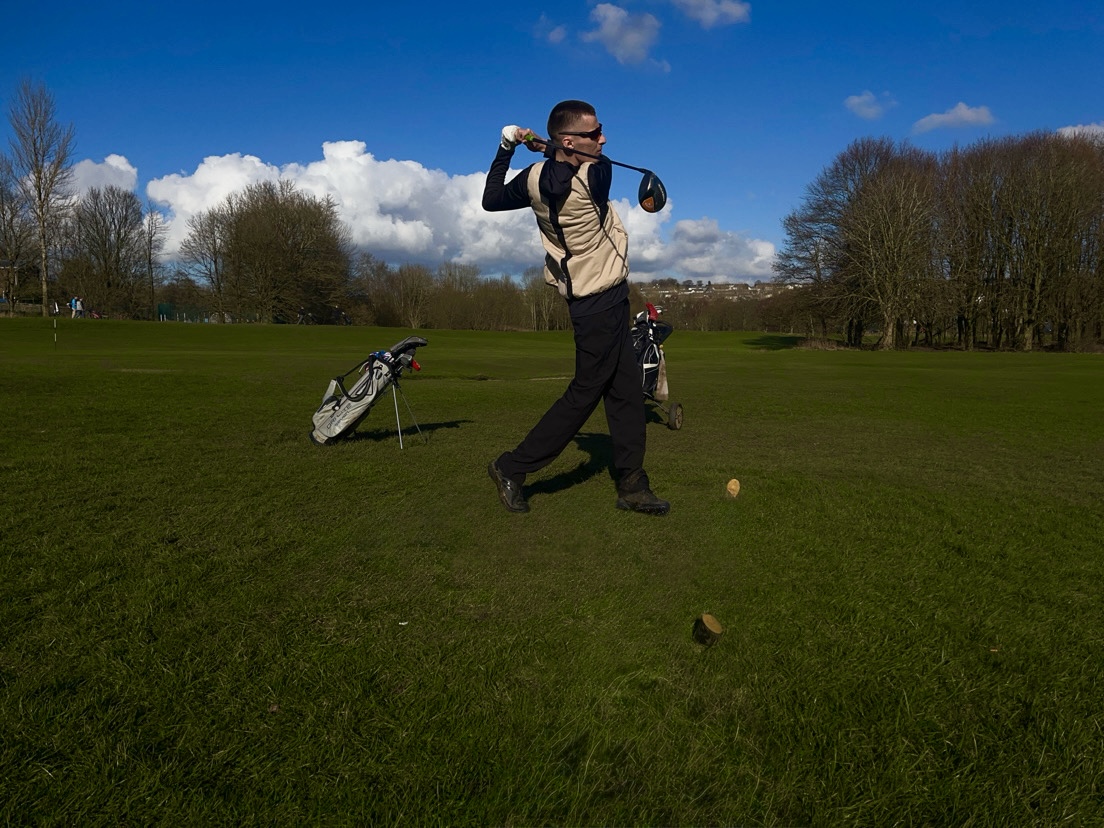
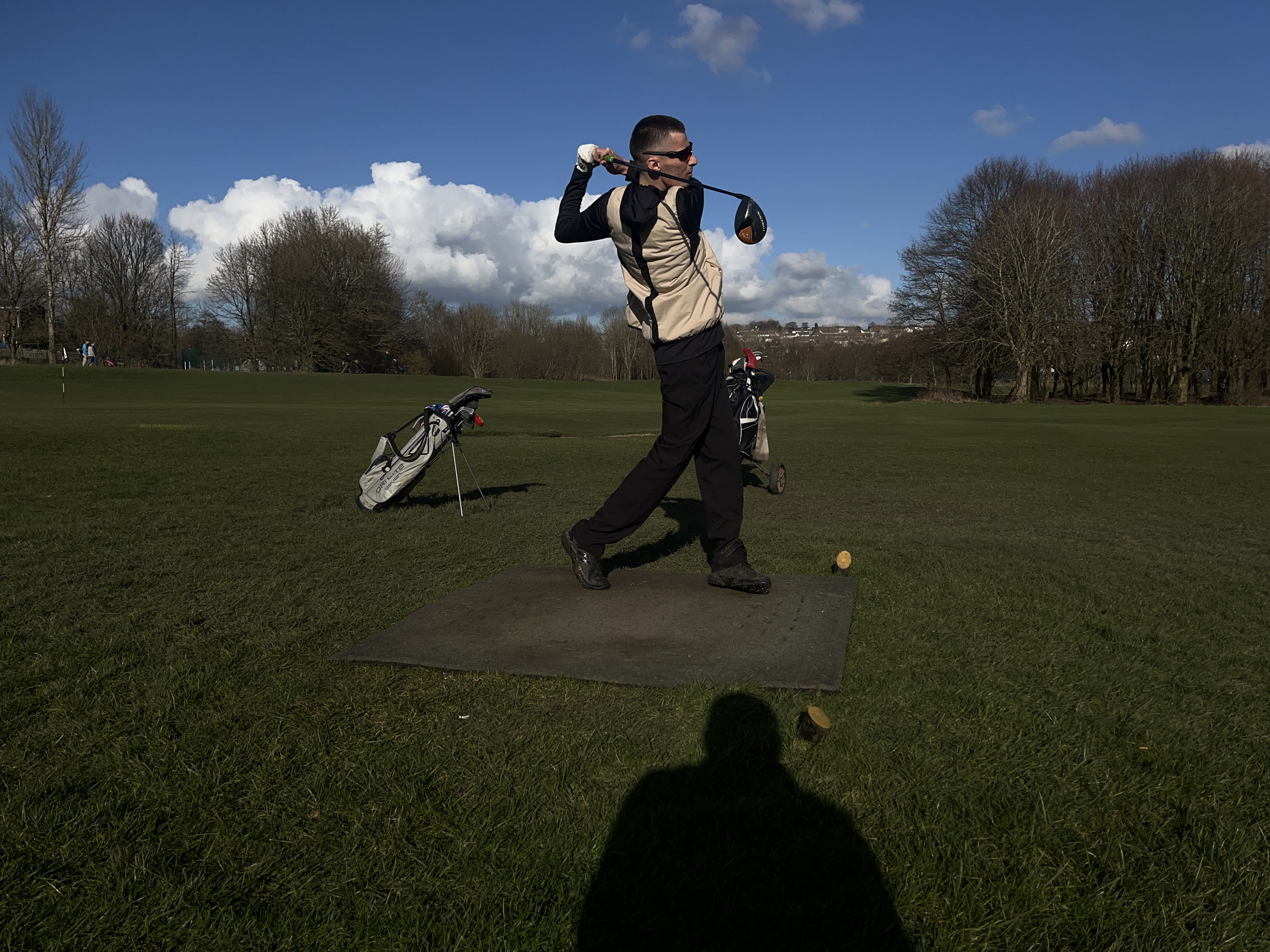
The photo I opted to use was one that I will use for my final photojournalism project. The original image shows a golfer in the follow through of his swing. It is completely un-doctored photo with a slightly lower exposure than natural, which creates an almost spotlight effect on the golfer and enhances the contrast between the blue sky and the greenery in the background.
Before
The edited version of the photo is a much cleaner, finished product. It omits the photographer’s shadow and the artificial mat the golfer is stood on, giving the photo a more natural look. Removing these features creates the impression that the golfer is playing off a grass tee-bed, whilst also benefitting from the sunlight behind the camera without casting a shadow.
Fast shutter speed in burst mode is used to capture fast moving subjects in sharp focus. This setting takes lots of images in one quick ‘burst’ so photographers can capture a sequence of movements. This is particularly useful in sports photography.
Fast Shutter Speed
Live Mode – Slow Shutter Speed
Slow shutter speed in live mode is used to give photos a dynamic and artistic effect. A slow shutter speed involves keeping the camera’s shutter open for longer, which helps capture motion blur, light trails or flowing water. This is ideal for illustrating the passage of time or life going on around a subject.
This setting narrows the aperture of the camera, allowing less light into the photo, creating a blurry background and enhancing the focus on the individual or item in the foreground. This type of photography is good for portraits when the background is not the focus.
High F-Stop Setting
Mid range F-Stop
This F-stop setting is good for landscape photography when there is not significant distance between the foreground, mid ground and background. This setting is also good for close-up photography.
Mid F-Stop Setting
Lowest F-Stop
This setting increases the aperture of the camera, allowing more light to enter the camera lens which creates a greater depth of field. This type of photography is good for enhancing the surroundings of the picture and not just focusing on an individual or item in the foreground.













 Photographic Journalism
You must be logged in to post a comment.