Week 1:
This week was a good introduction to the module and gave a nice overview of the sort of standards expected of us. It was great to see examples of past students work, and to hear what sort of marks that they received so I now know more about what I have to make in order to get the grade I like (a first).
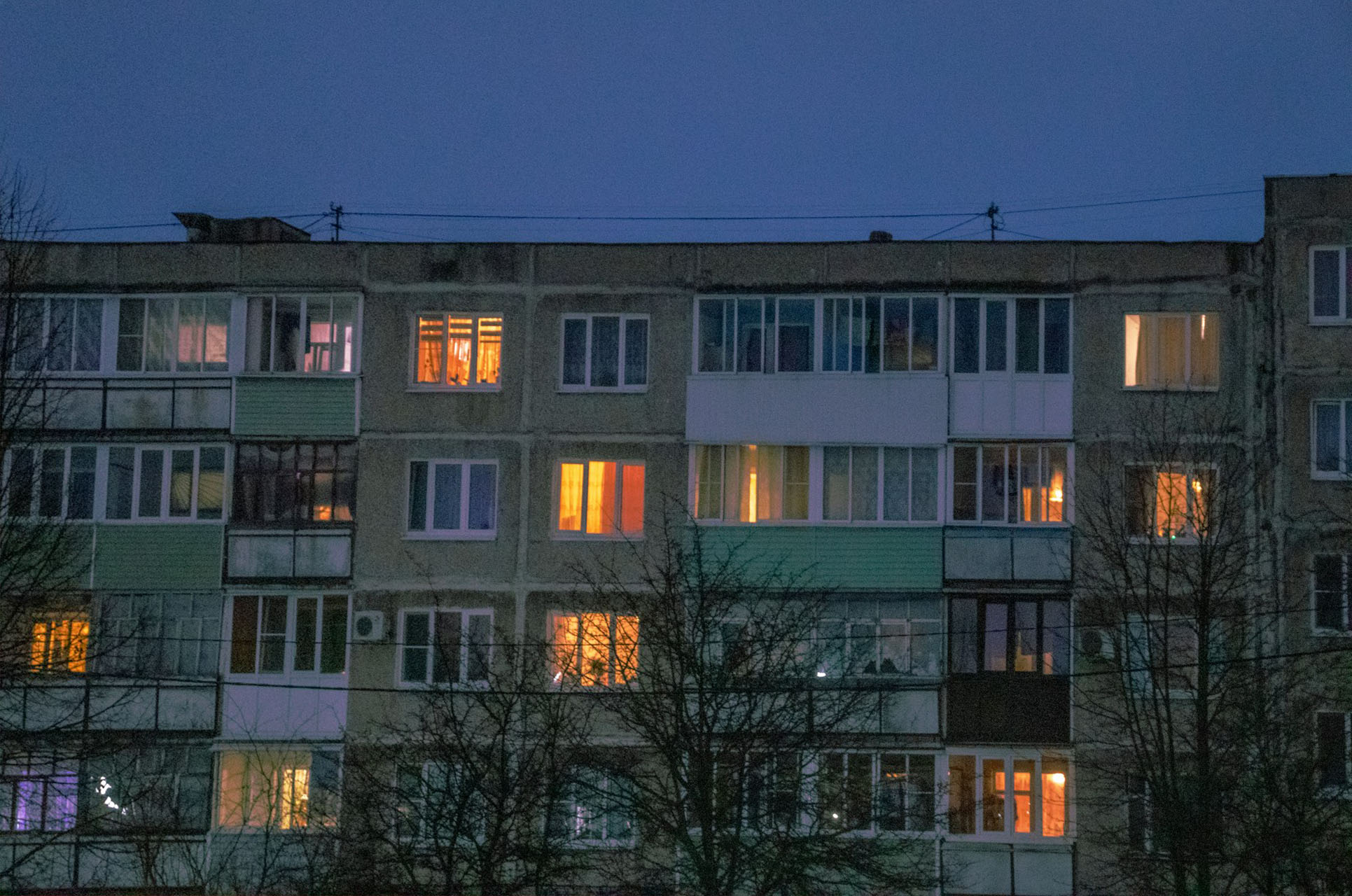
The task that was given to us was a little harder than expected as Zach Shepherd and I originally struggled to find anyone that was willing to speak to us. We went to Kirkgate Market as they have a selection of food and clothing stalls that could have appealed as a story. After trying a few stands such as the volunteer booth and the flower shop and getting rejections, we set out to find another story as this wasn’t working. Instead we changed our focus to the new student accommodation that was being built next to the Merrion Centre and asked a few students on the street their thoughts. This time, we were successful in getting someone to speak to us and have been able to write an article on this.
I am now intrigued as to how I can develop my photography skills across this module and look forward to seeing progress in my interviewing skills too.
Week 2
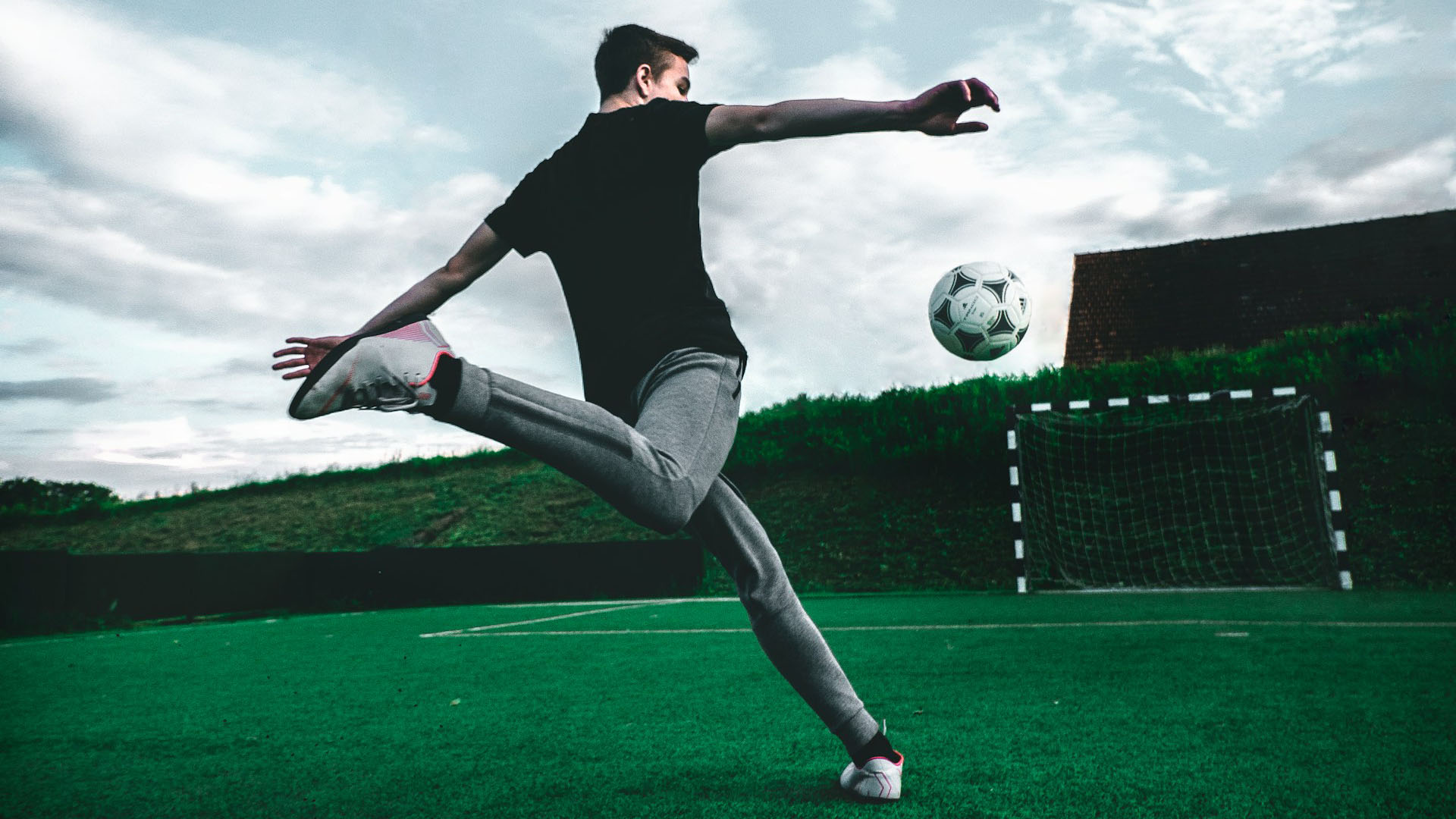
The second week saw us do research into different types of photography and into the specific ones that interest us. For me, sports photography is the one that interests me so it is where I focused my research. In doing this, I have found out how it has developed since its inception and how different technologies and techniques have made the difference and gotten involved. This will help for when it comes to me taking photos for my article as I will be better versed in how the professionals do it.
I found conducting this research really interesting and it is something that I think will become more and more useful as I get more into the making of my final article. It has been great to learn more about how people have captured sports in photos and also how innovative some photographers have been.
Week 3
This week we reviewed the research that we conducted last week to explain to other people about our findings. This was also helpful when trying to better understand what others had found in their own research.
Seeing everyone’s findings has given me a better understanding of what photography is like as an art and highlighted techniques I hadn’t previously heard of before. It was also good to share what I had found as it made sure I had done my research properly and understood what I was talking about.
We also researched other images to find ones that fit certain criteria. For example, images that have disputed meanings, images that affect the story depending on perspective, and images that were scripted.
This task was very effective at understanding the emotion and motives behind photography and got me critically thinking about images in ways that I otherwise wouldn’t have. I did struggle to apply this to sports images which is a slight issue as that is more of my focus with photography. I was able to so this with other types of images I found in the news but if I can apply this the of thinking and find sports images that work then I will be happy with ym development and progress.
Week 4
This week was great at understanding how to better use my phones camera since I don’t currently own a proper one. The workshop mostly looked at f-stop and focusing on objects within images.
The task had us take three images of a person using different f-stops, high, medium and low. This creates more of a blur on background objects when on low and less when on high. This will a great technique for when I am trying to get higher quality images for my article at the end of the module.
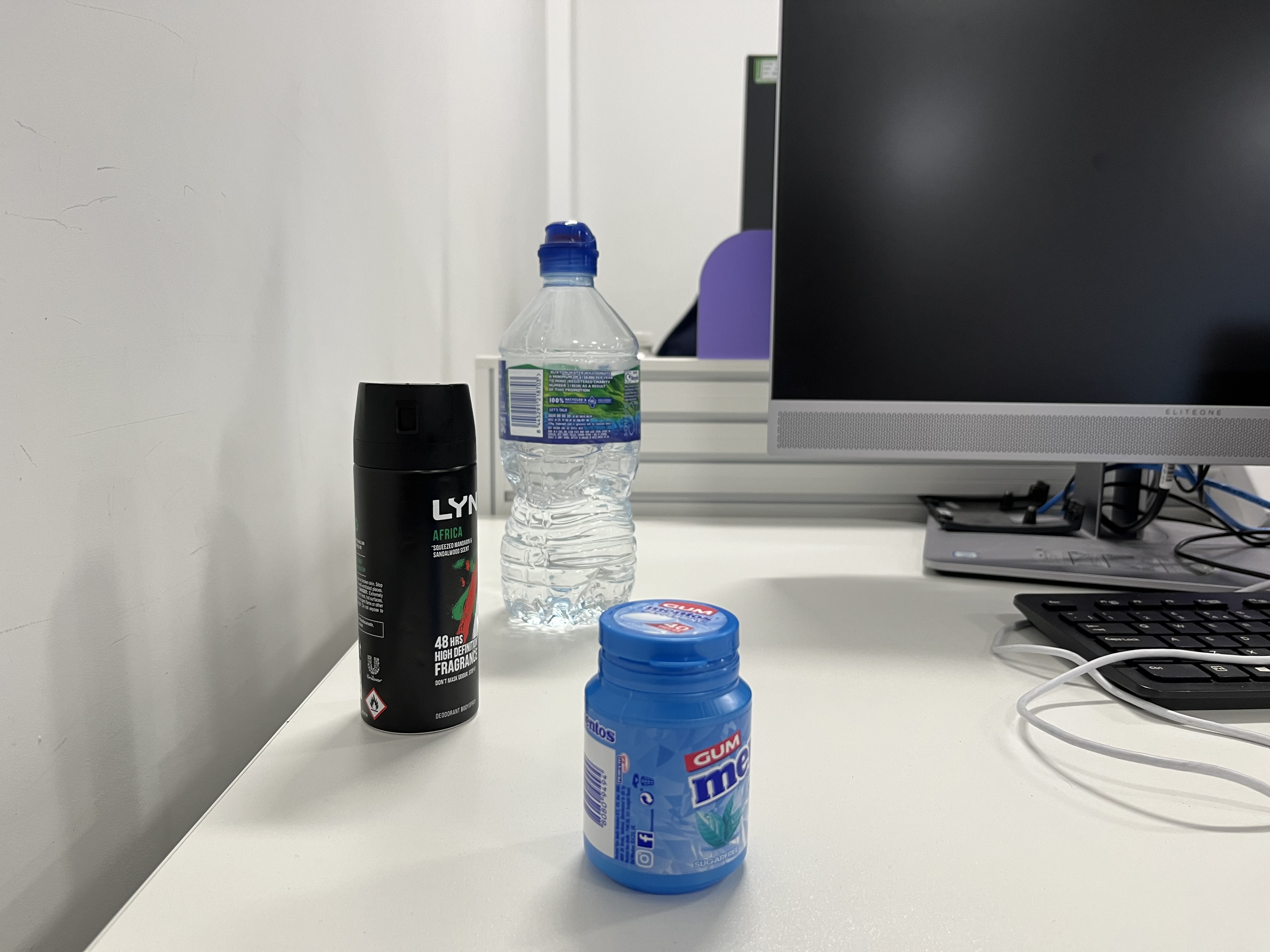
We also had an extra credit task to complete if we chose to do so. This involved taking two photos indoors using three objects. The first had to have all objects in focus and the second had to contain only the closest object in focus. This was useful in demonstrating depth of field and how to selectively focus on certain things of our choice.
Week 5
This week we learnt about the effects of different shutter speeds and ISO when taking photographs. It was really interesting to find out about how ISO can be used to improve the brightness of photos in different lighting. I also enjoyed finding out about how to effectively use different shutter speeds depending on what I wanted to achieve in my final photograph.
Phone cameras don’t actually have shutters so cannot truly carry out different types of shutter speeds. However, they can somewhat replicate the same results as we found out in this weeks lecture. When using the burst feature, you can imitate a faster shutter speed and capture clear images. Then when using the Live Photo feature, if you convert captured images into long exposure ones, it copies the same sort of idea as using a slow shutter speed.
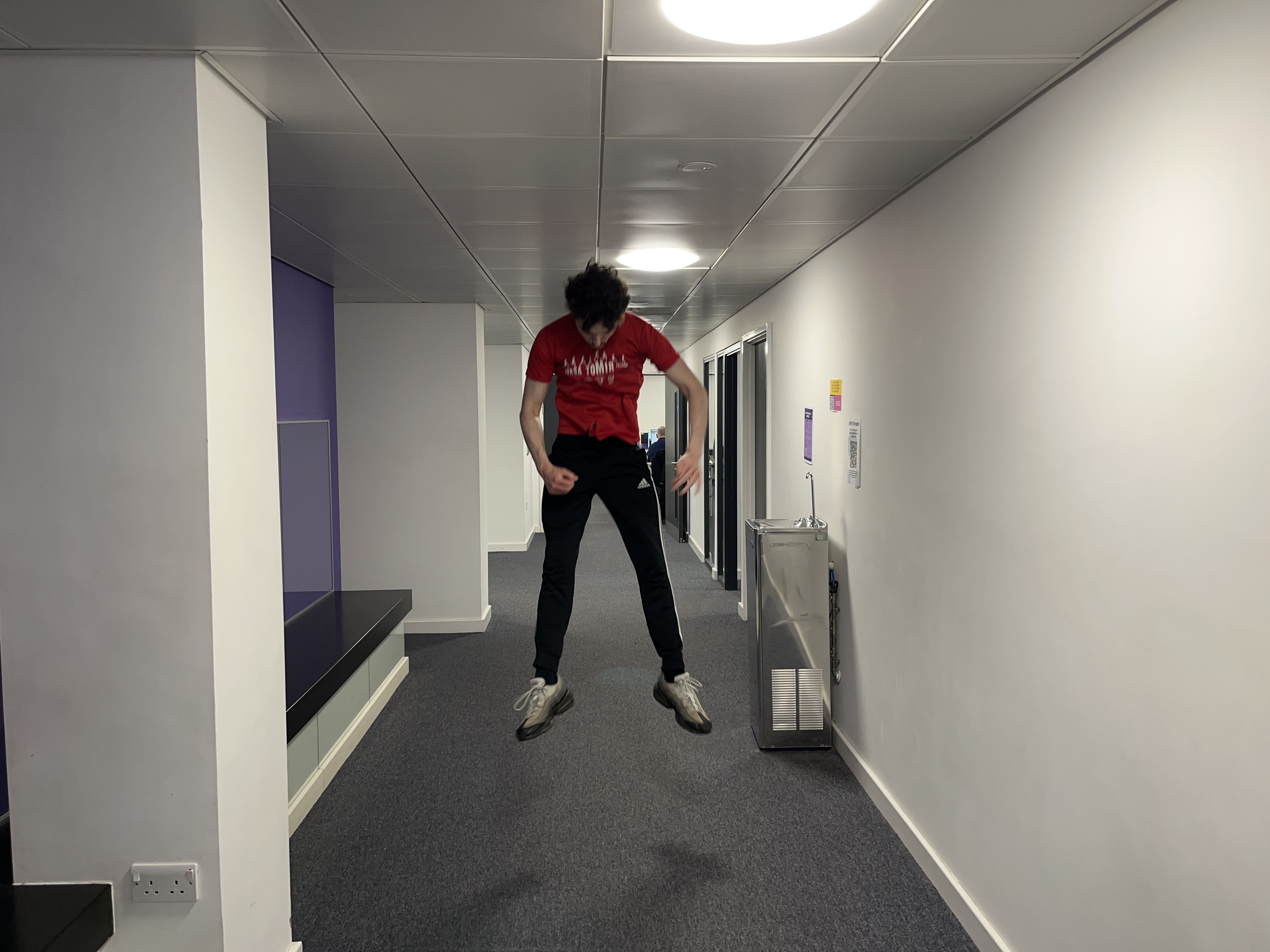
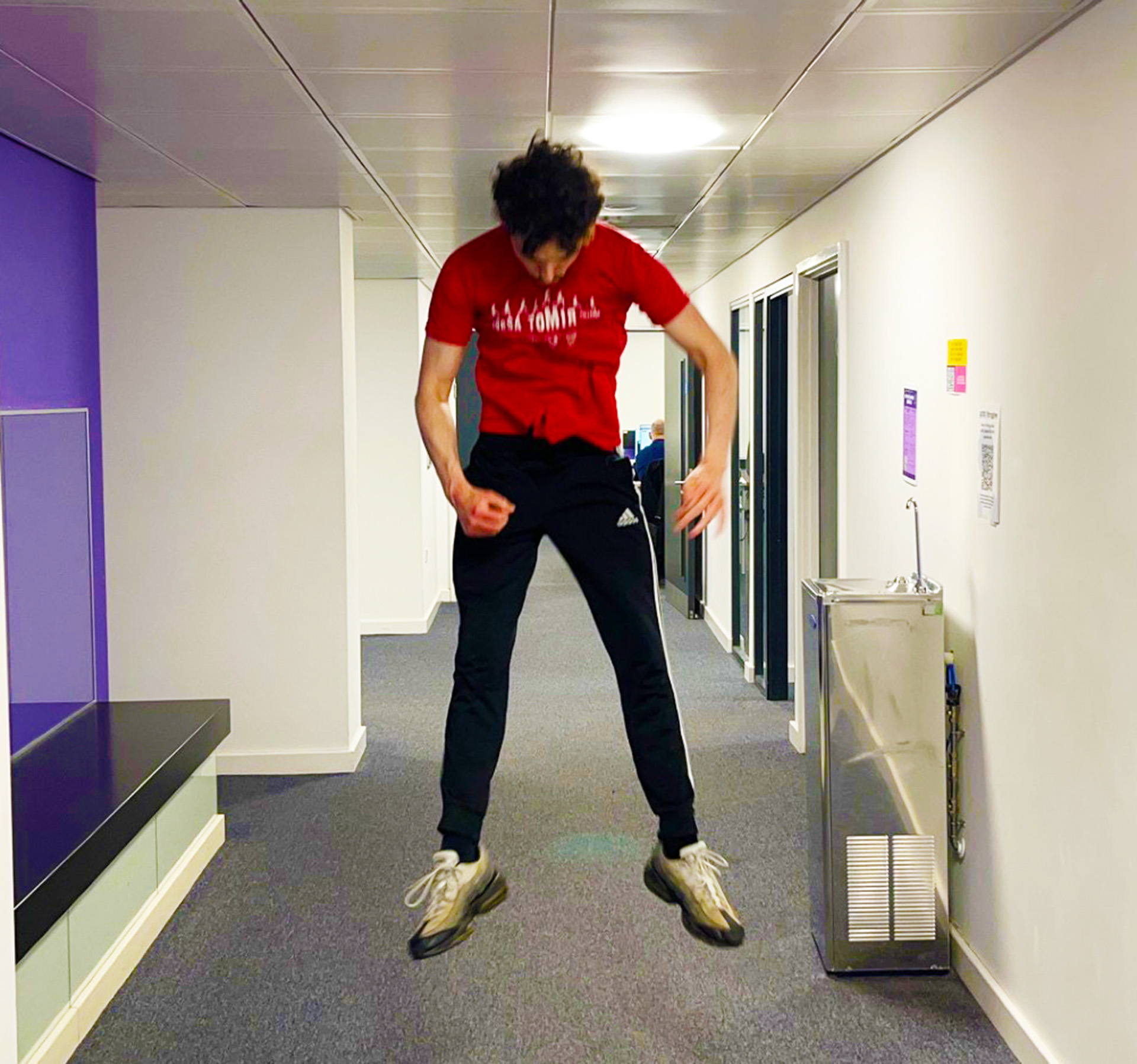
The task this week involved taking two different types of photographs, one with a high shutter speed attempting to capture someone jumping with minimal blur and one with a low shutter speed capturing motion in an image.
Using other members of the class, I was successfully able to use the burst feature to capture a clear jumping image. Then following this I used the Live Photo feature to capture motion in an image where the model shook their head back and forth, creating an interesting result.
This week was interesting to learn techniques on my phone camera that, although I already knew about, I had little knowledge of.
Week 6
This week, we focused on how to edit photos using different editing softwares such as Photoshop and Snapseed. Photoshop is the superior software, however when using a phone to do editing, Snapped is a fantastic alternative.
Today’s lecture saw us look into the appropriate image size for online (1920px) and how to change photos appearances to make them more appealing to people and to be more suitable to be published.
I took two images, one from my project and another from last week’s lecture on shutter speed. I chose them as I felt that they were both a little dark and not focusing on the subject enough. This led me to make similar changes to both images but they were effective once applied.
I increased the brightness, increased the vibrance and then cropped the images to create more of a focus on the subjects and to remove unnecessary space and objects that somewhat cluttered the image. This improved them both as it made them more visually appealing and they looked much more publishable due to being more interesting to look at.
I now feel much better at editing photographs in post production and am more confident in the quality of work I can produce.
Week 7
This week we took a look at the differences between RAW photo files and JPEGs. I was previously unaware about how different the two formats were but soon realised that there were positives and negatives to using both types.
JPEG’s are more suitable for using on social media and web pages due to there small size but since they can be up to five times, it has up to five times less image data than a RAW image. RAW images are better in other ways however as they provide great image quality and capture more information. This makes them easier to fix in post production when editing as they have more data to work with, giving them a wider colour and tonal range. With more data comes a larger file size however, so they will take up more space on a SD card.
Knowing these differences will benefit me in the future as I will be able to select the format type I need that best suits the scenario I am in. I will however need a suitable device to shoot RAW photos on as they can only be shot on proper cameras or iPhone Pro Max’s above the iPhone 13.
We also spent the workshop learning about cropping images, this was good to learn the proper ratio that images should be published at. It is also important as we can edit photos taken in portrait and make them into landscape instead as this is a much better format for online publication.
Perspective cropping is also useful if images can’t be taken from straight forward. Being able to make adjustments in post production is beneficial if I can’t get the photo I want when taking it.
Week 8
This week we took a look at how to use different perspectives to change to style and meaning behind images. It was interesting to see how taking shots from higher or lower can alter how a photo can be used and can be interpreted, sometimes making it more abstract.
Another type of perspective we looked at was the differences between close up shots and shots from distance using telescopic lenses. These are both useful in different capacities and are used depending on access to the subject.
Visual subterfuges are also intriguing as they can help tell stories in a different light to how a more simple straightforward photo would. Reflections in bodies of water, windows and mirrors are creative ways to do this.
Following difficulties communicating with Keighley Cougars, I have made a change in the story that I will be covering and writing about for my article. I have moved onto Halifax FC Women and how their manager Rob Mitchell will be leaving the club after managing them since 2013. I will take a look at his impact on the team, players and coaches too and see how they feel about his departure and what he has done for the club.
My plan is to go to their training session on Tuesday 18th March and get some interviews and photos of the players and coaches in action. Then I will follow this up by attending their game against Liverpool Feds on Sunday 23rd March to get some more shots of the team and coaches in a live game environment.
Week 9:
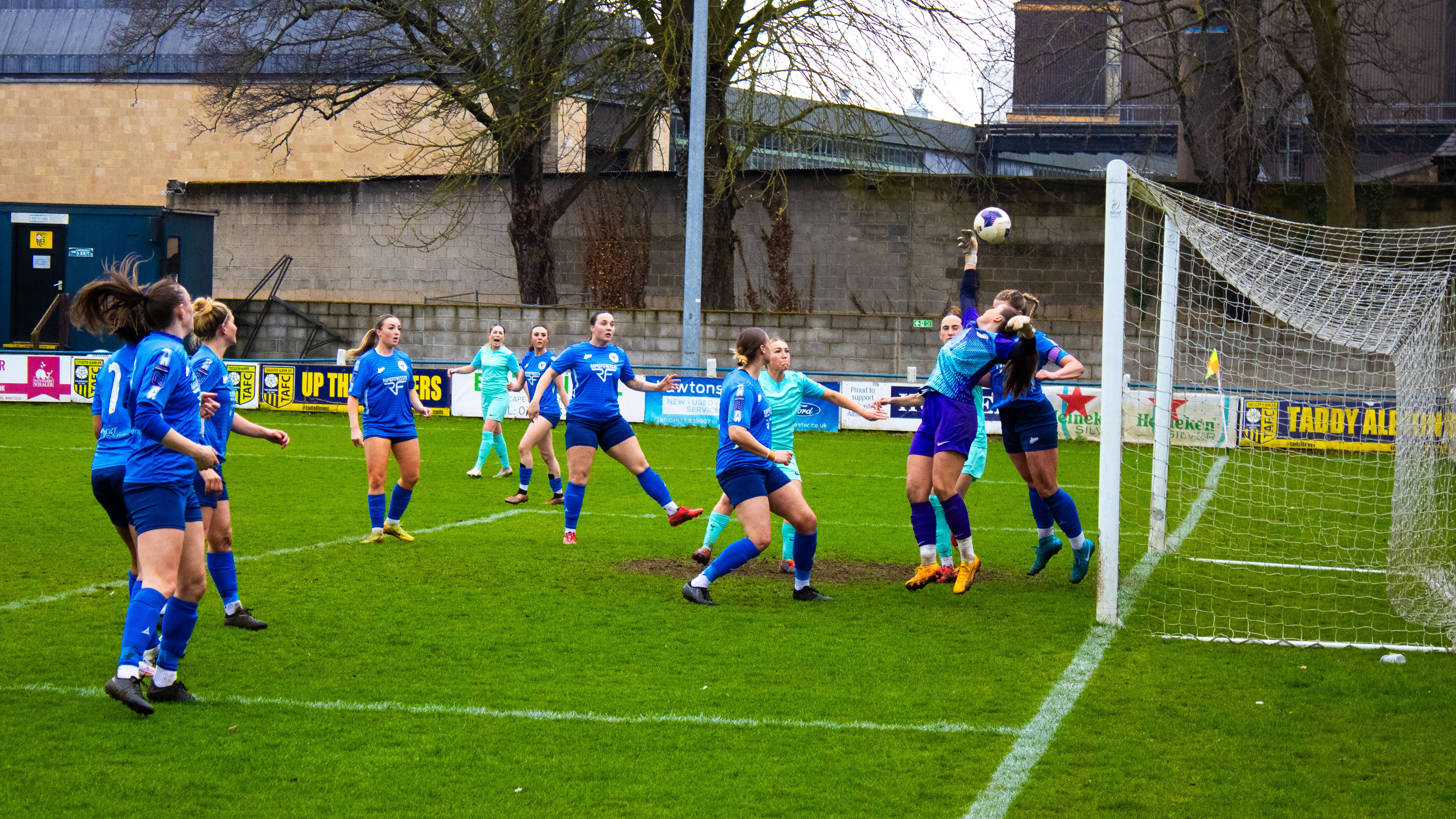
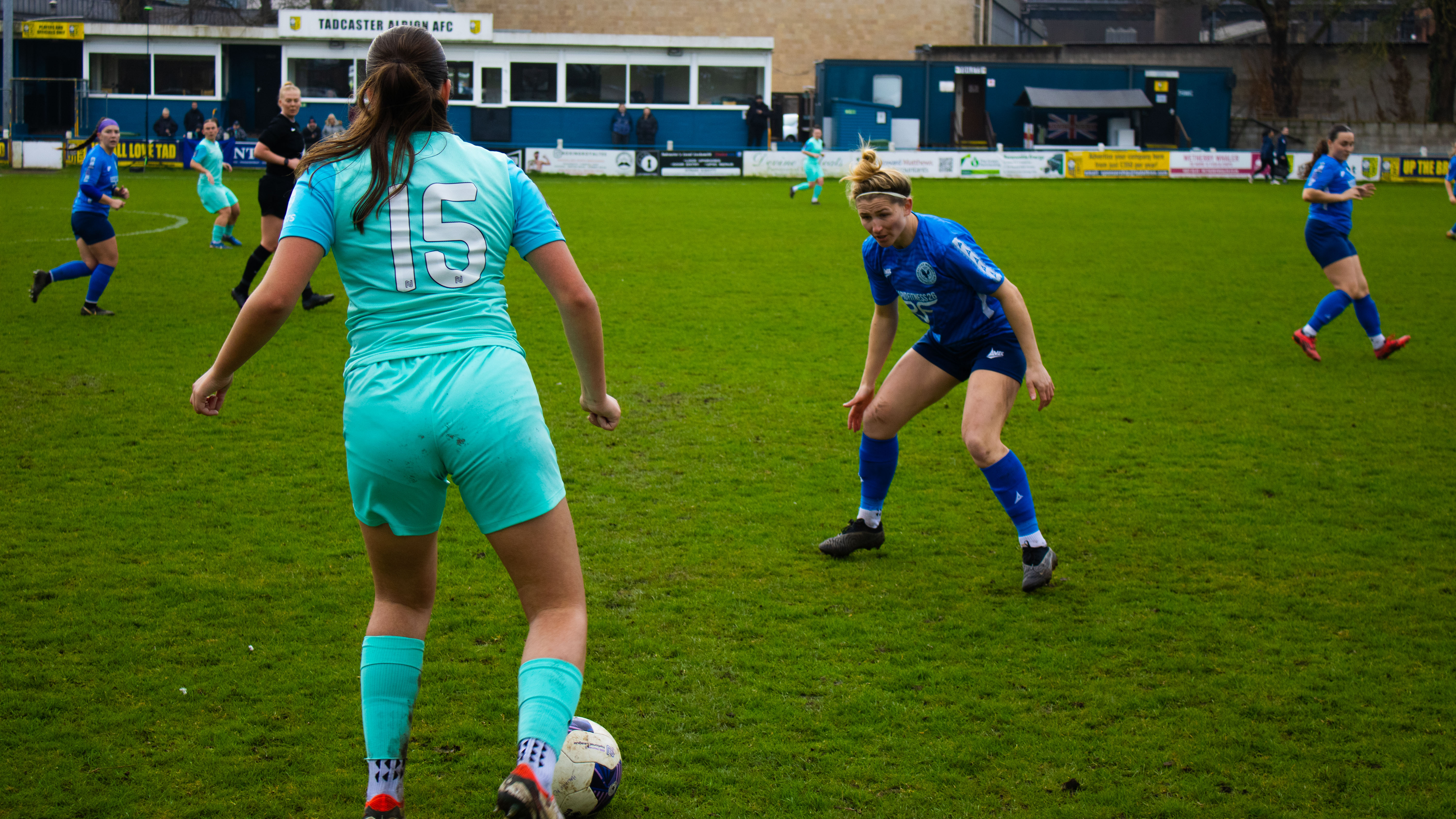
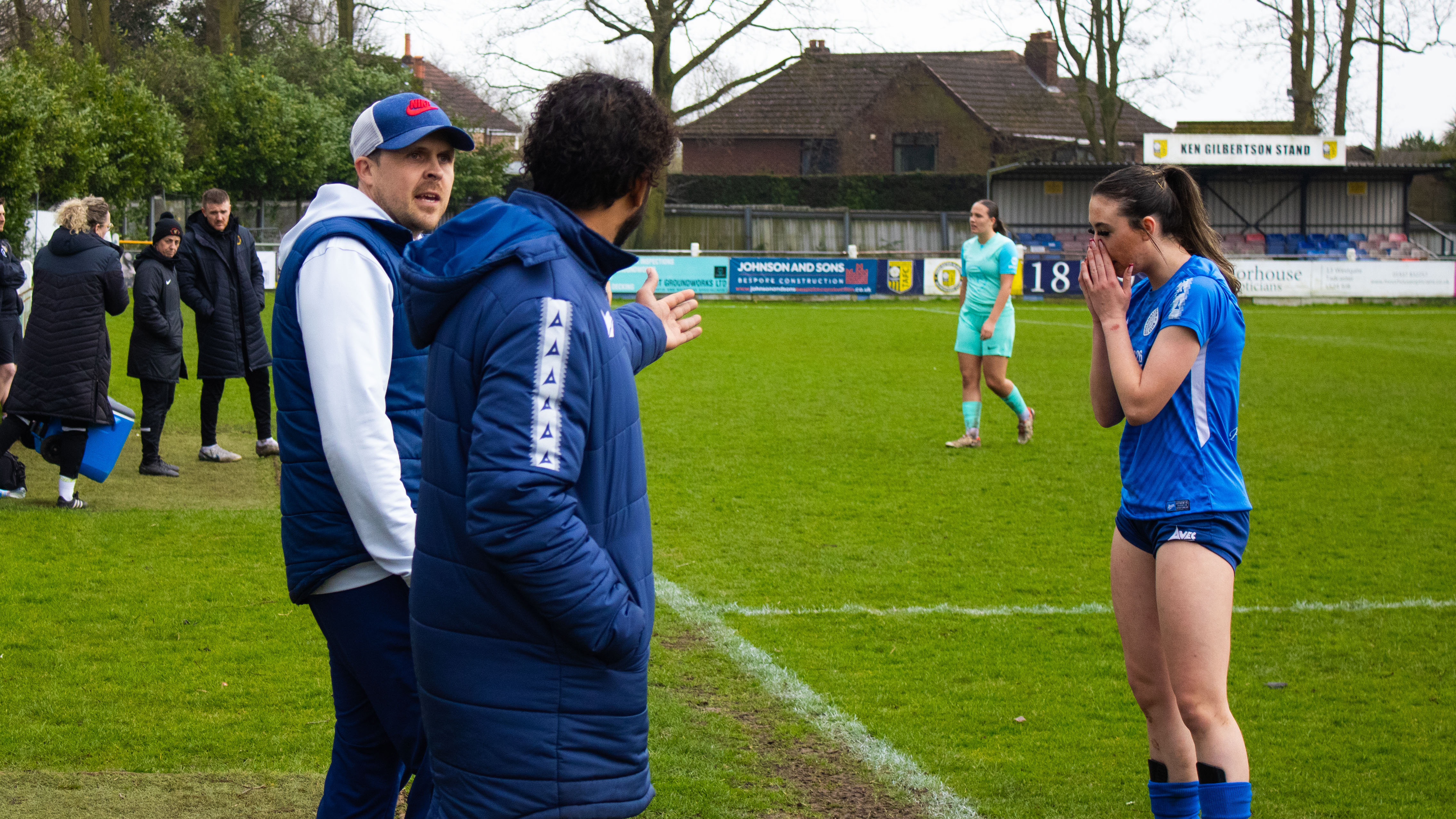
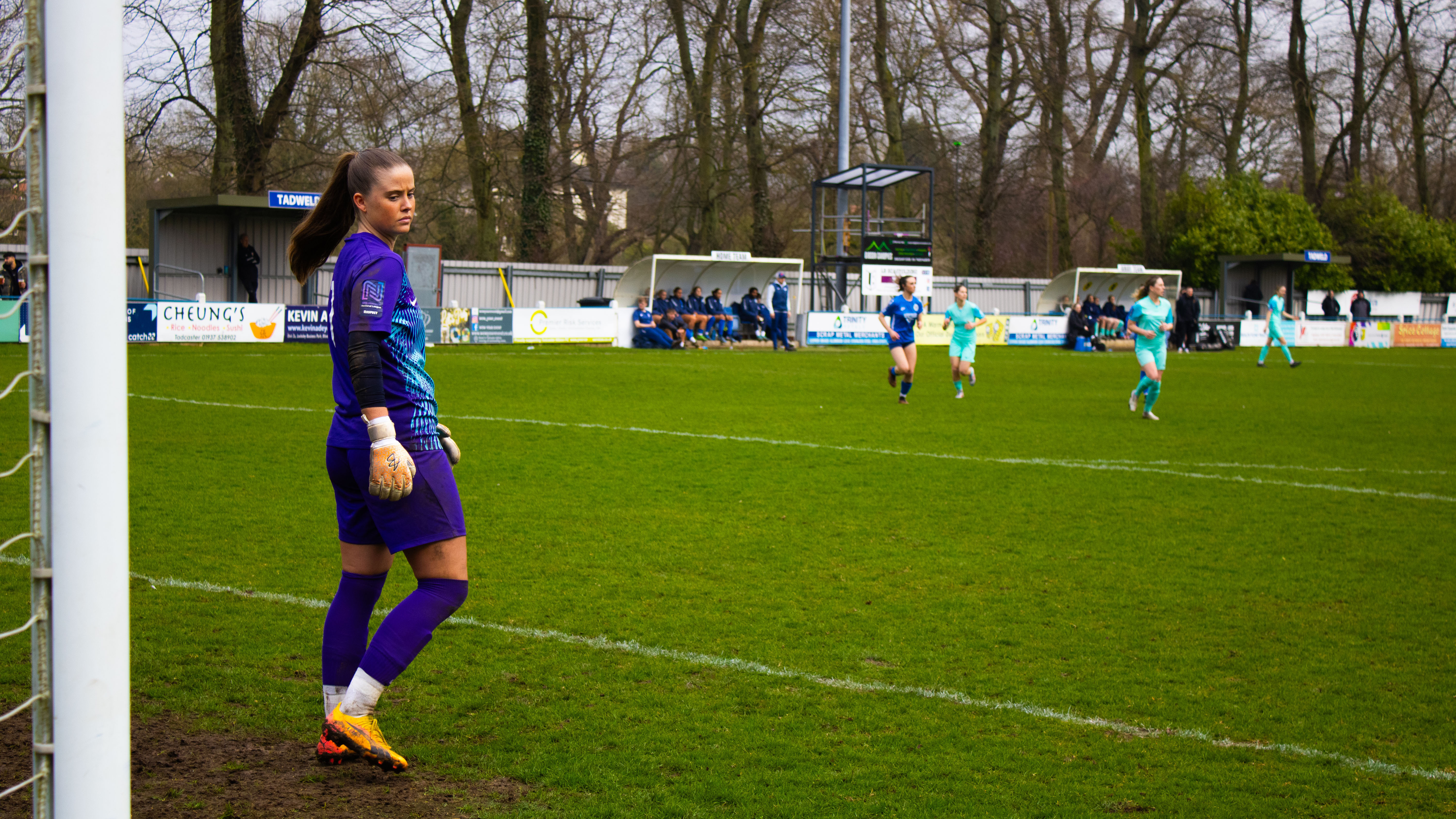
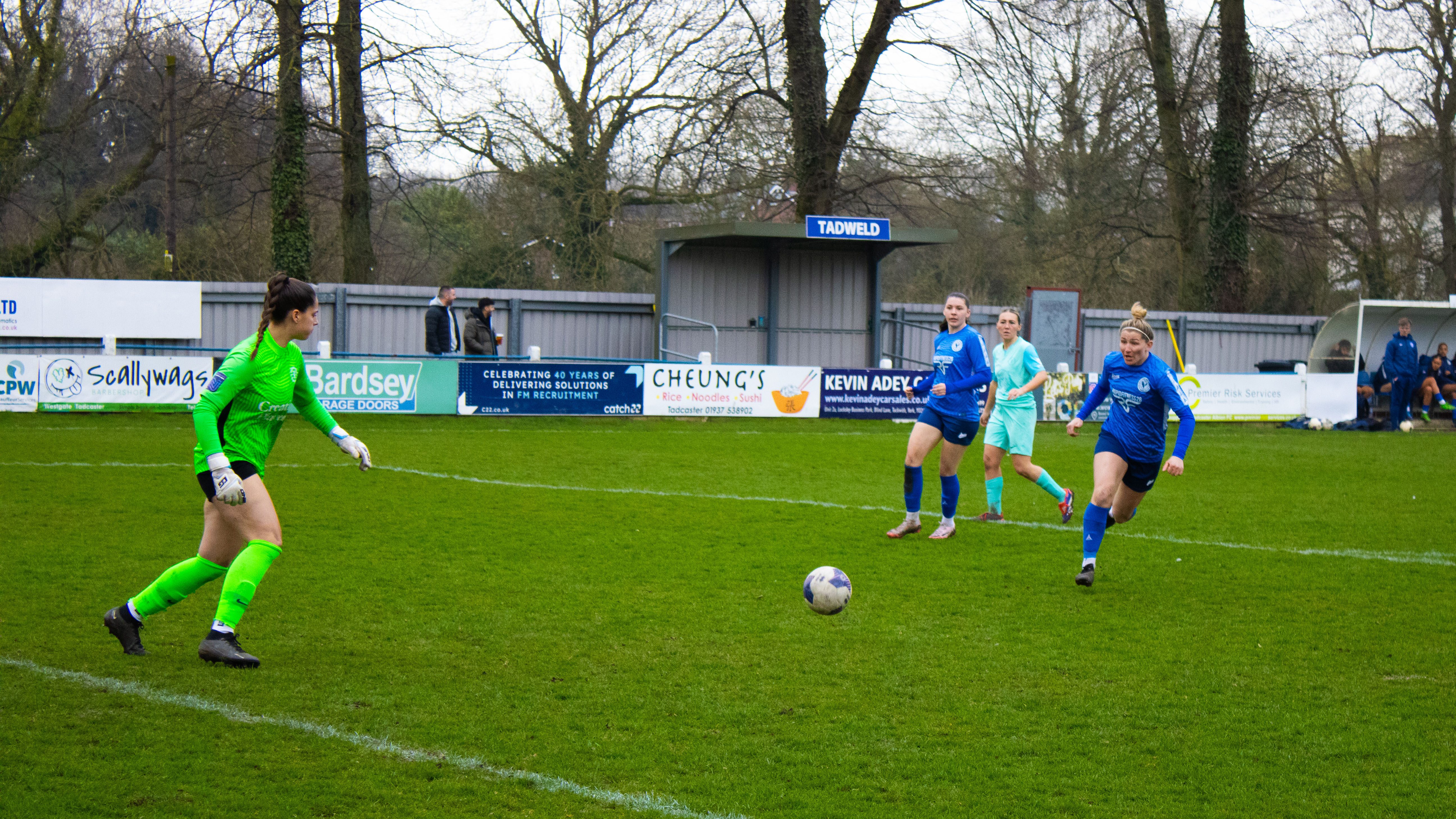
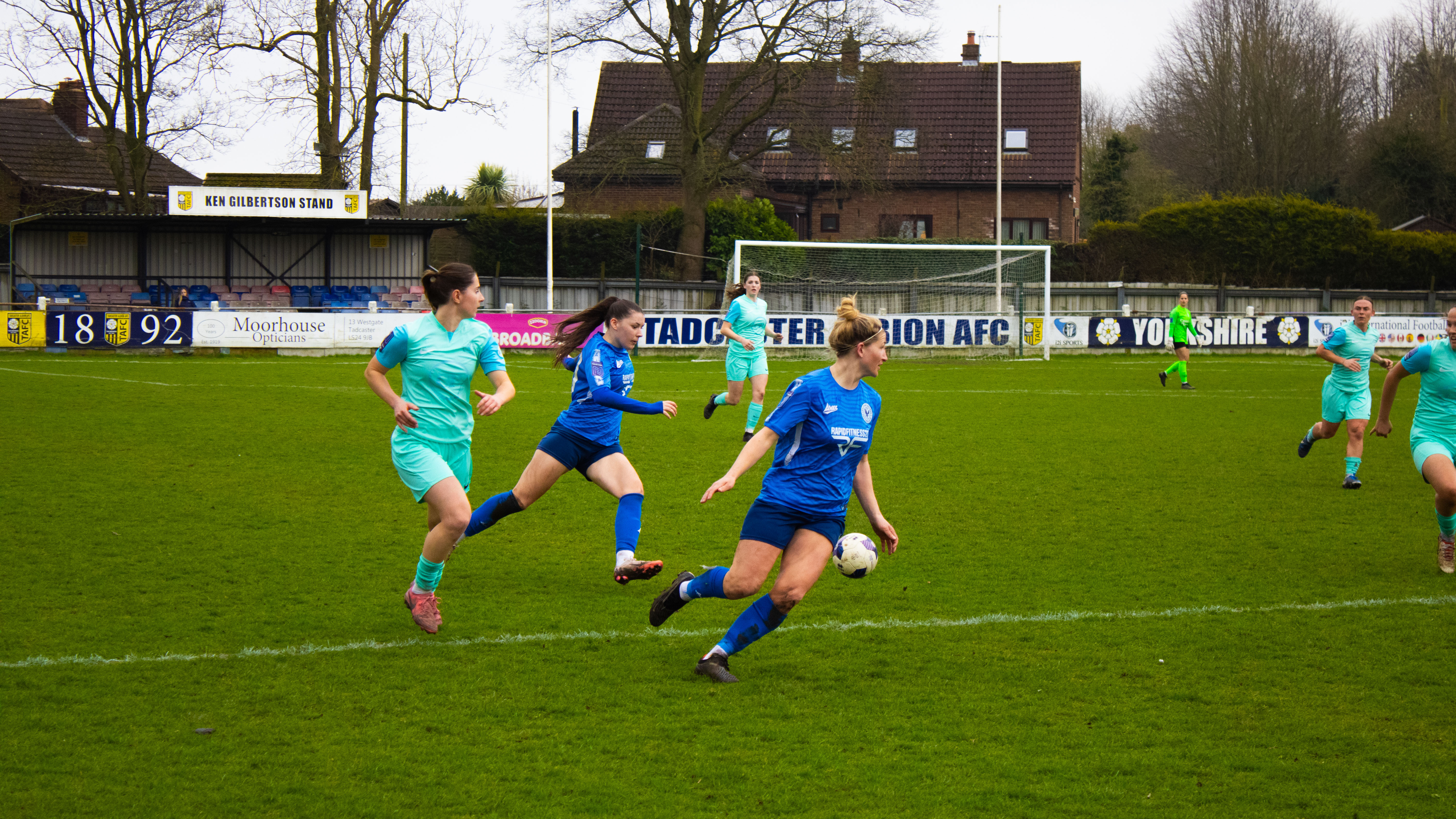
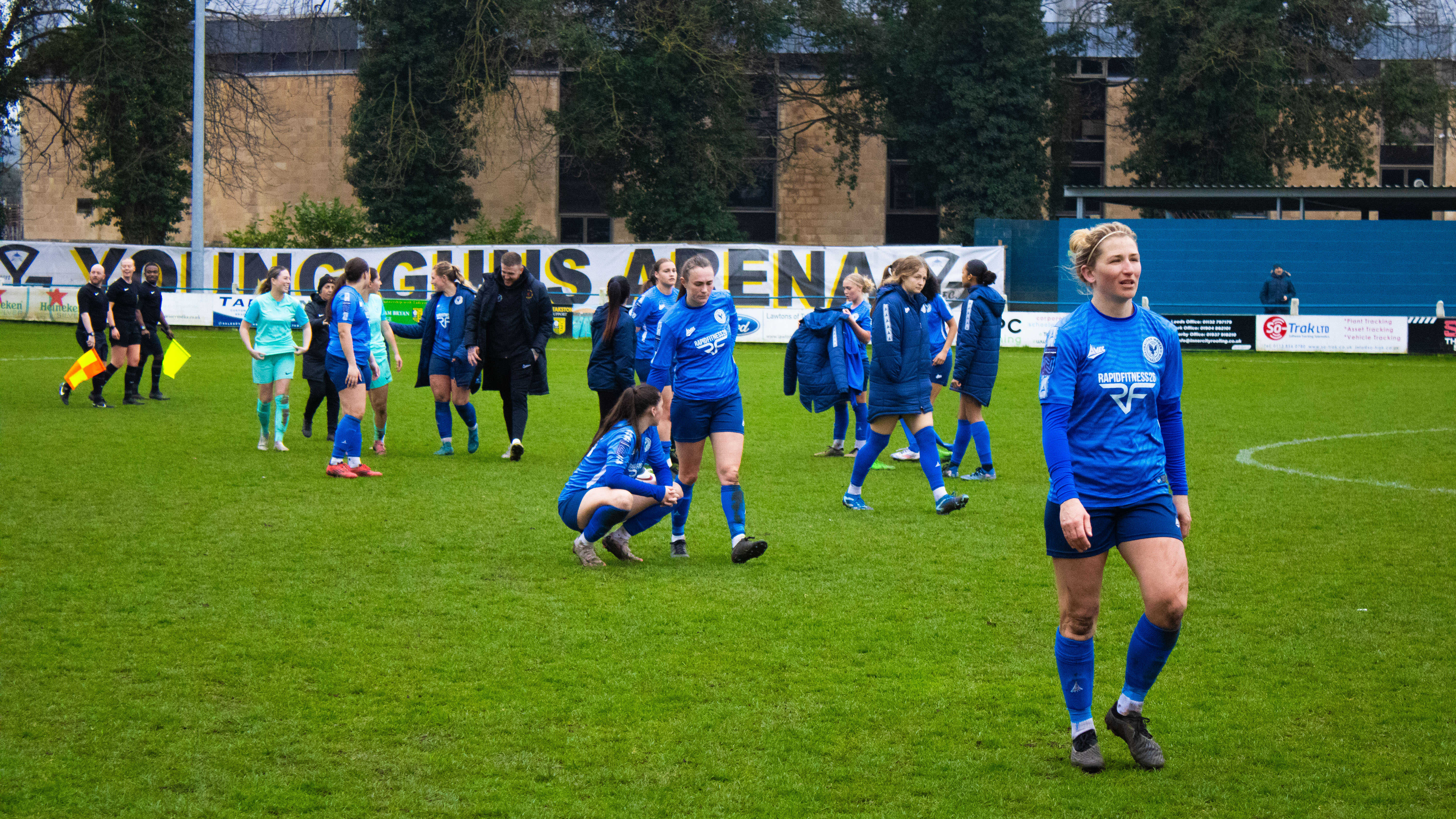
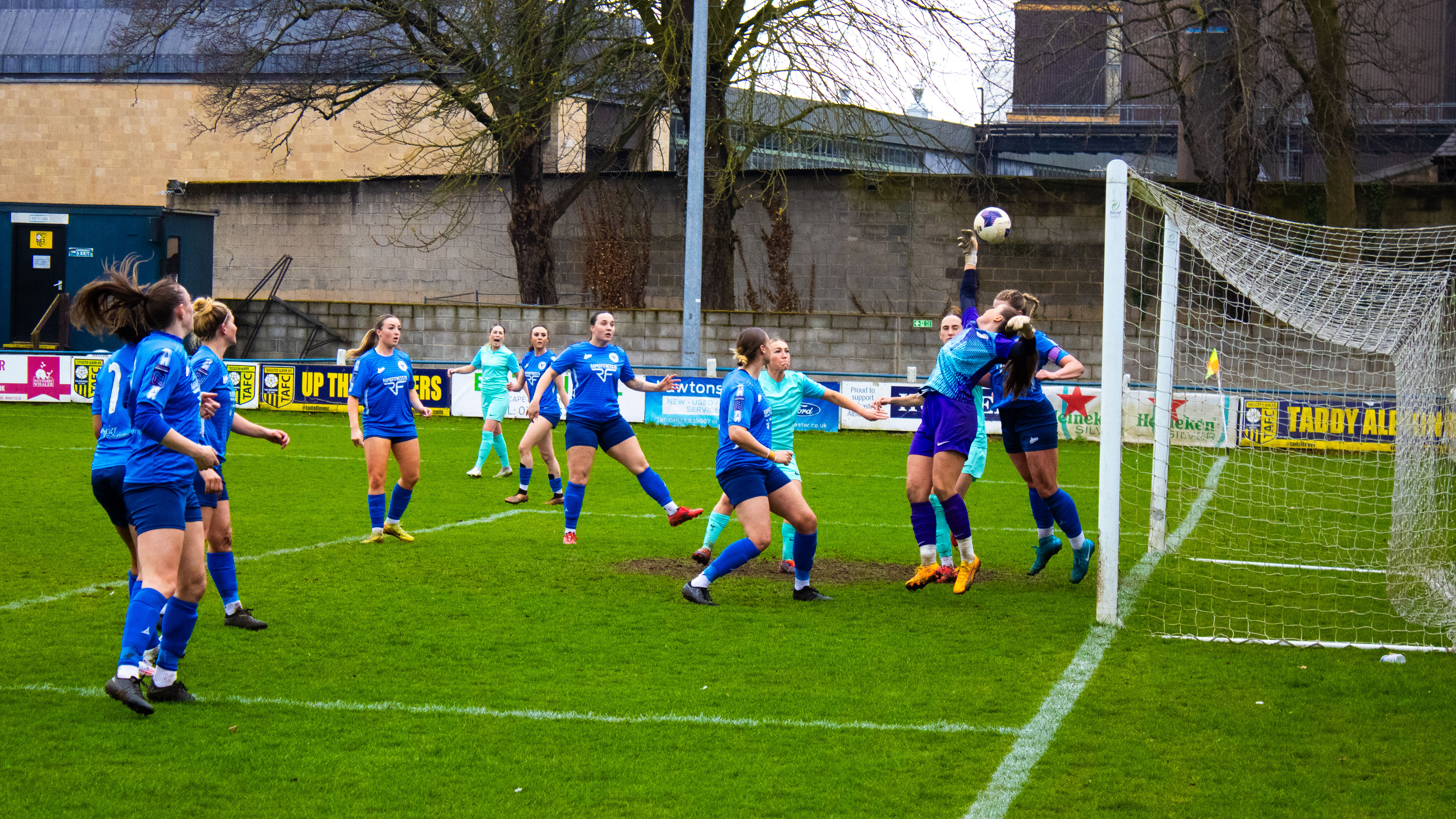
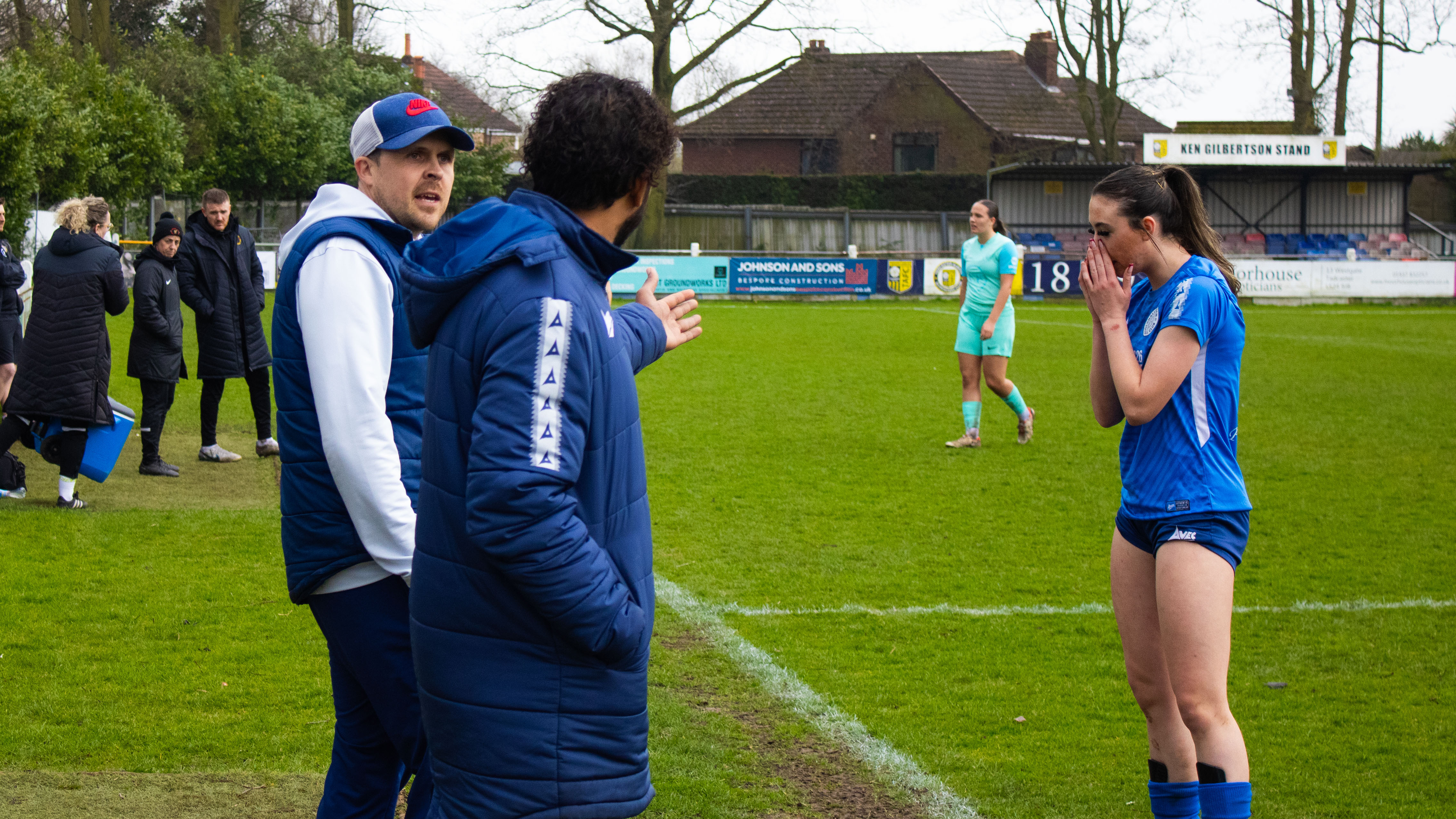
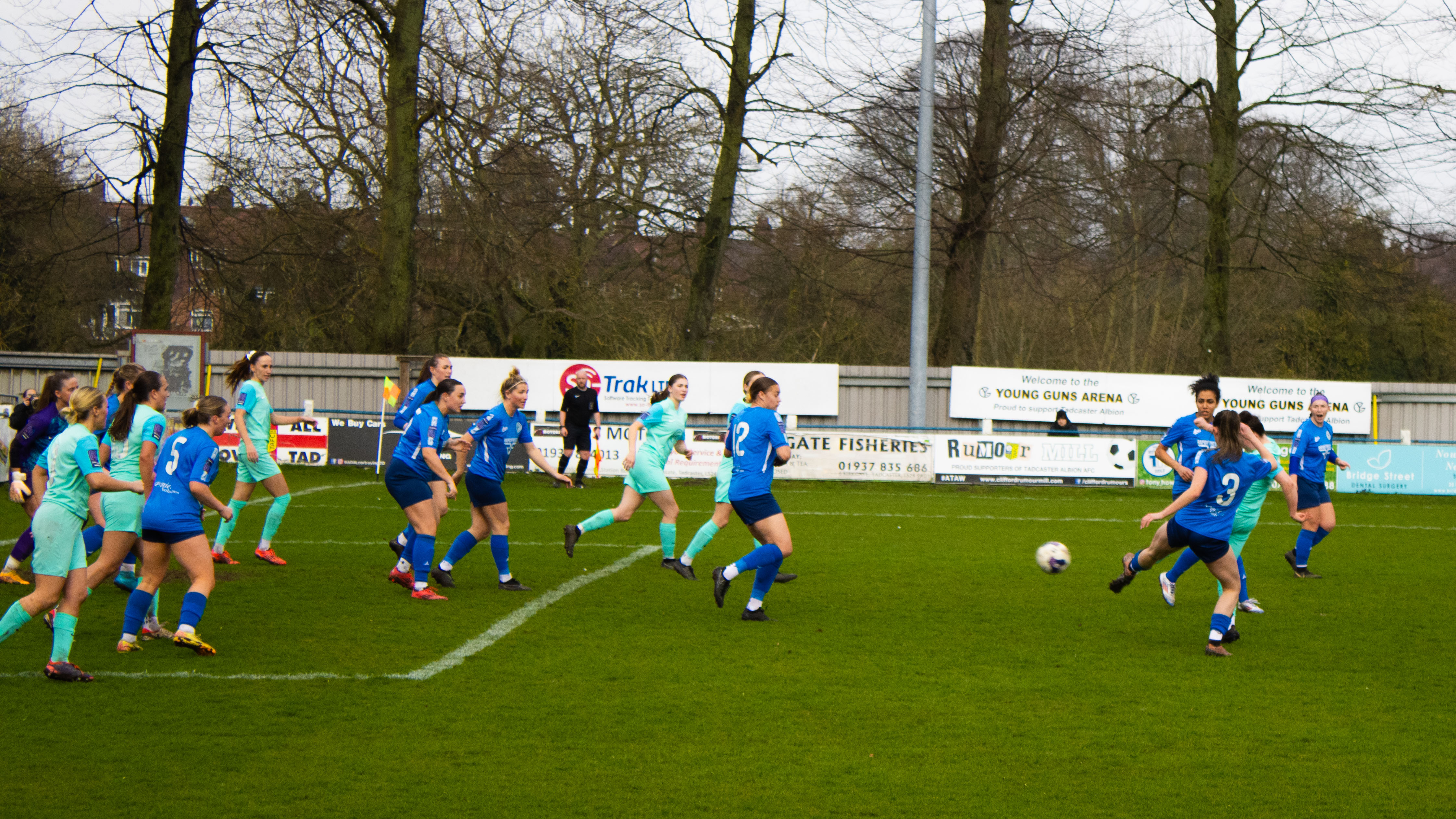
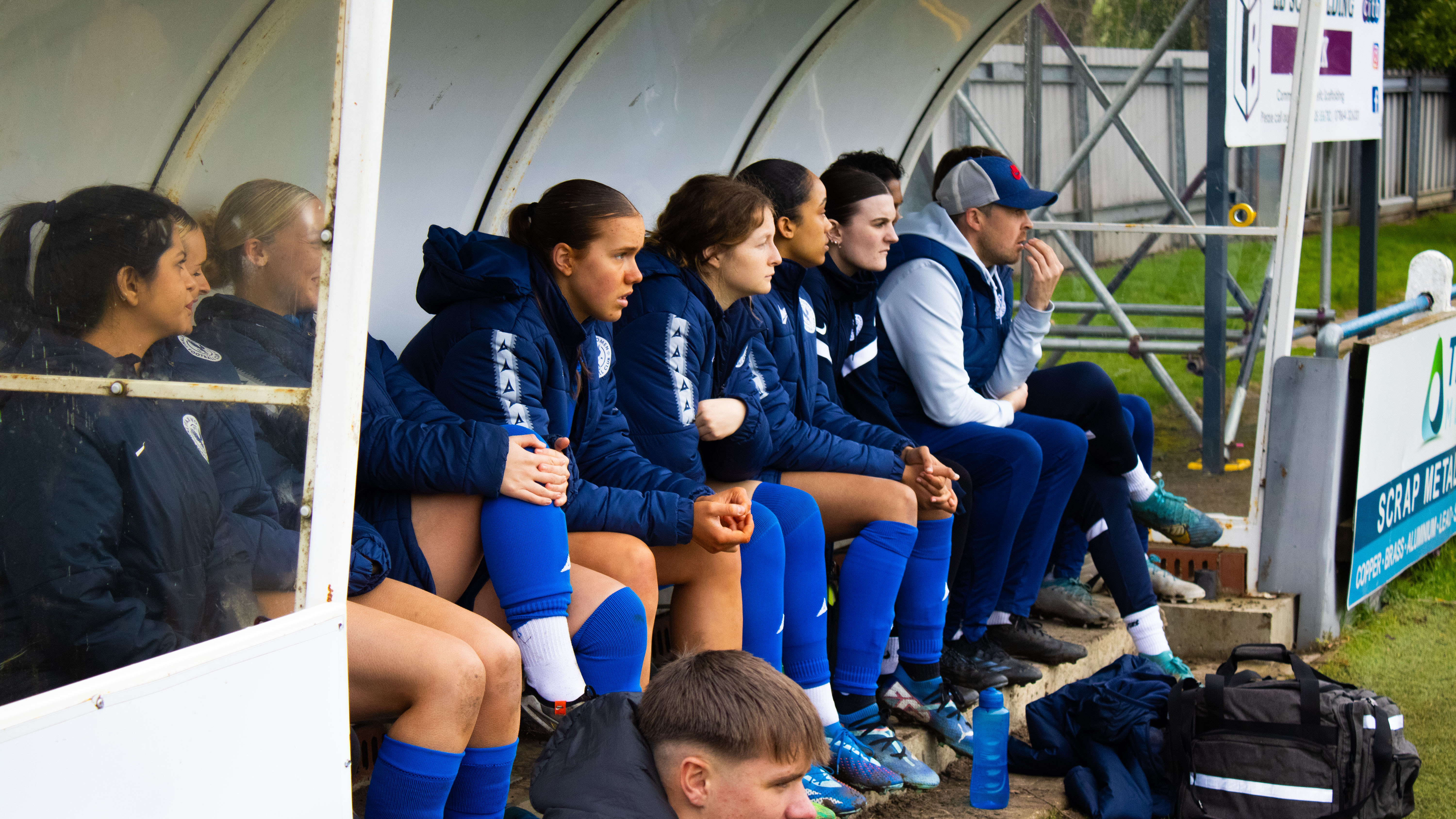
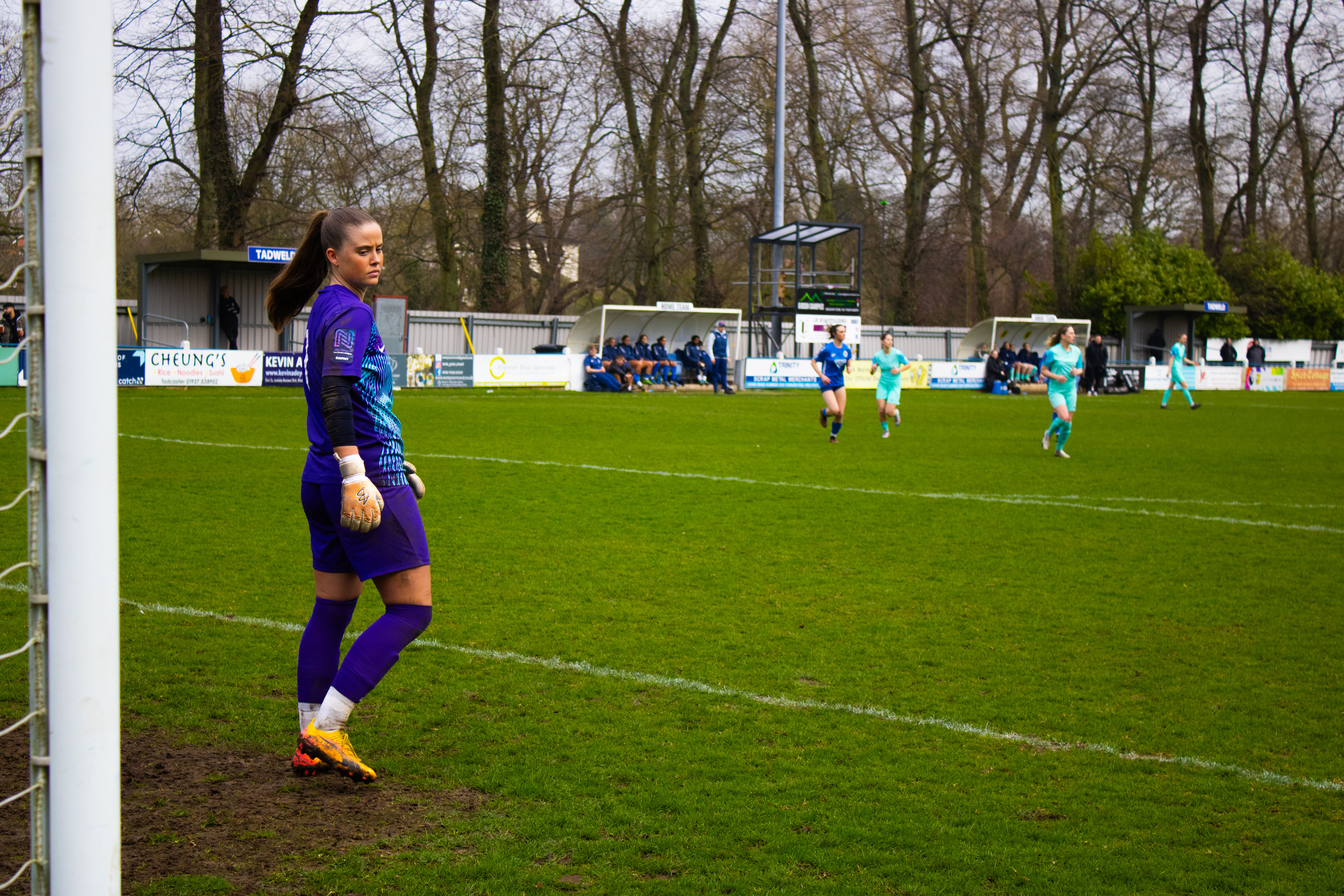
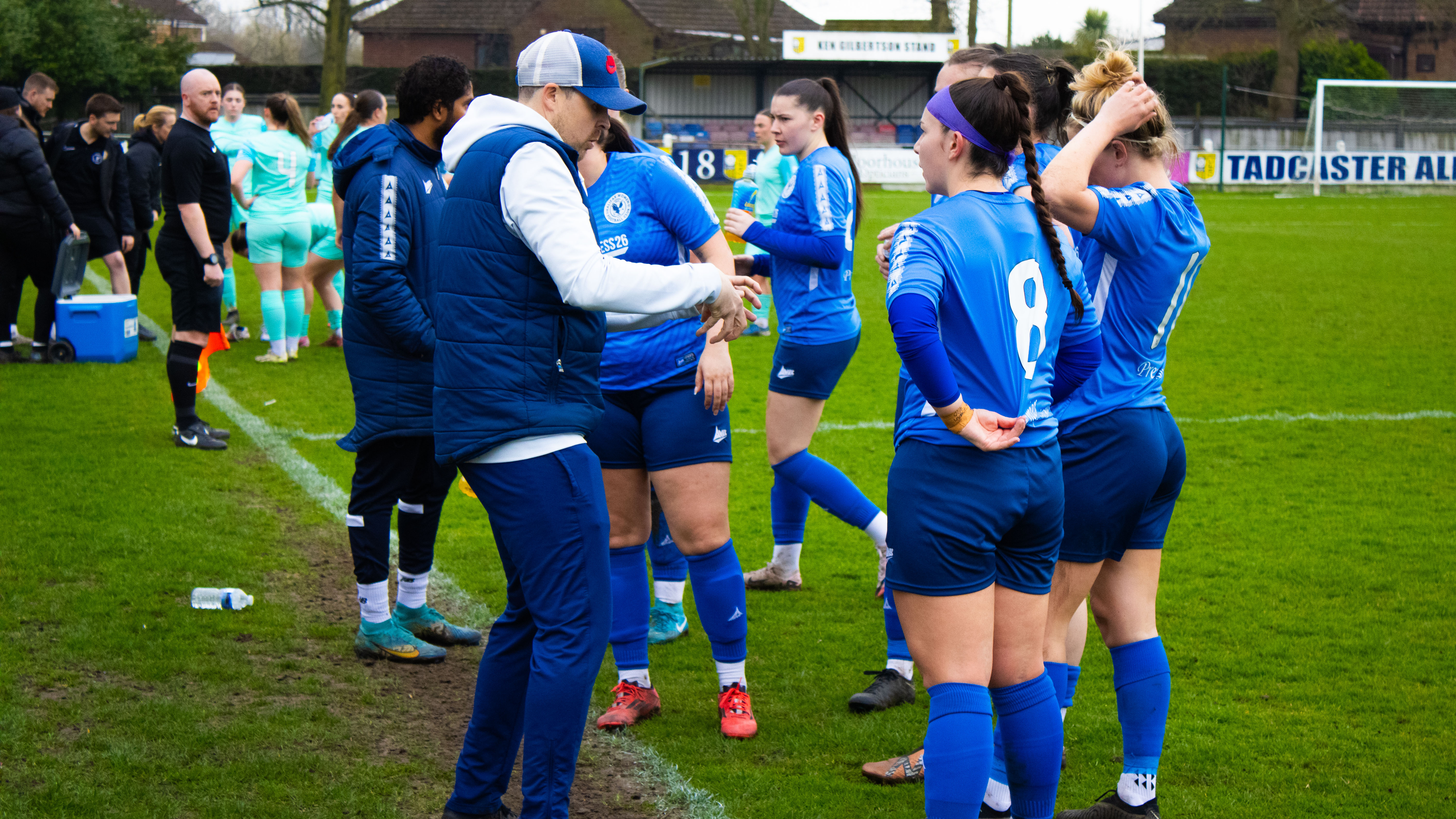
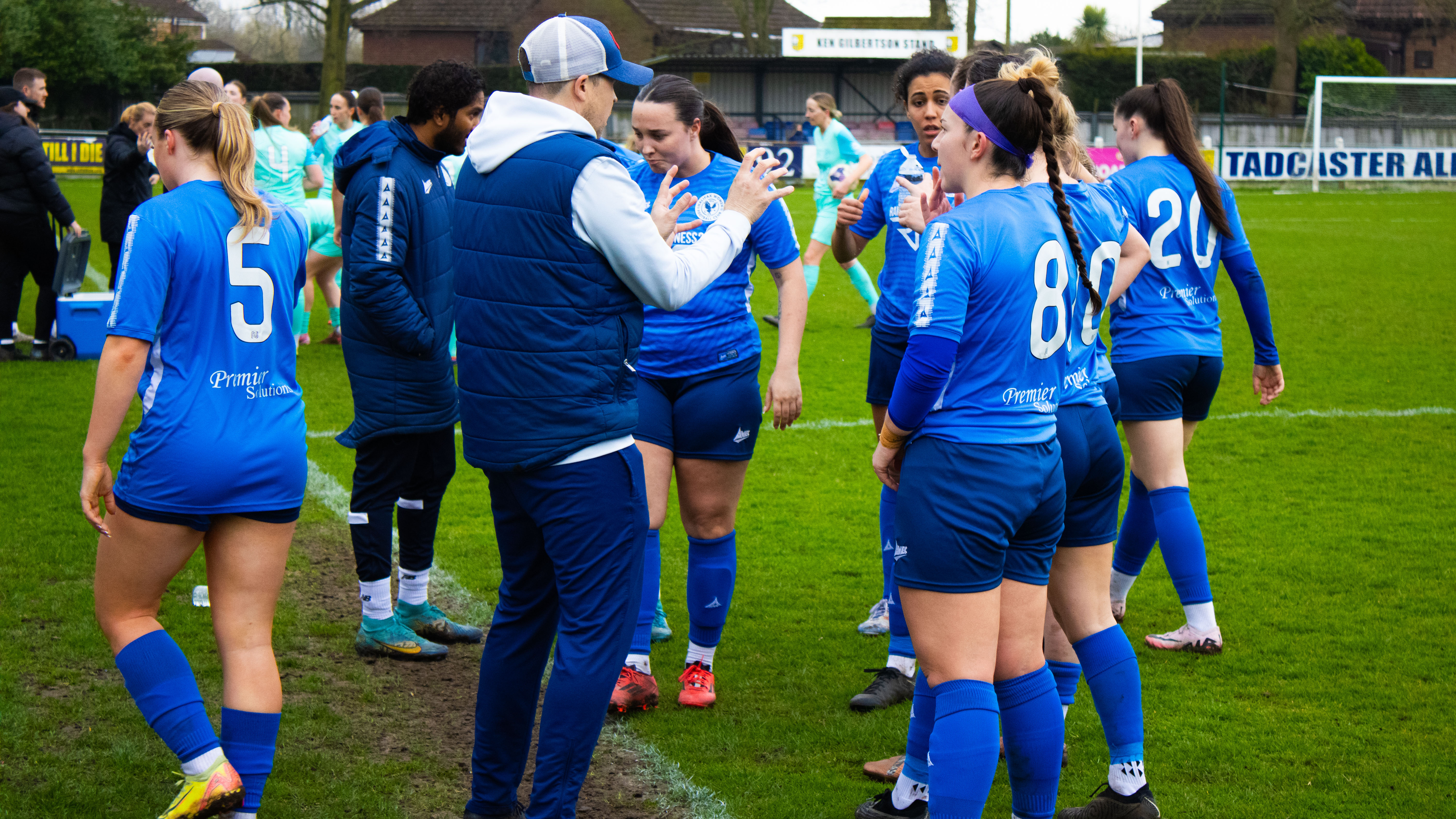
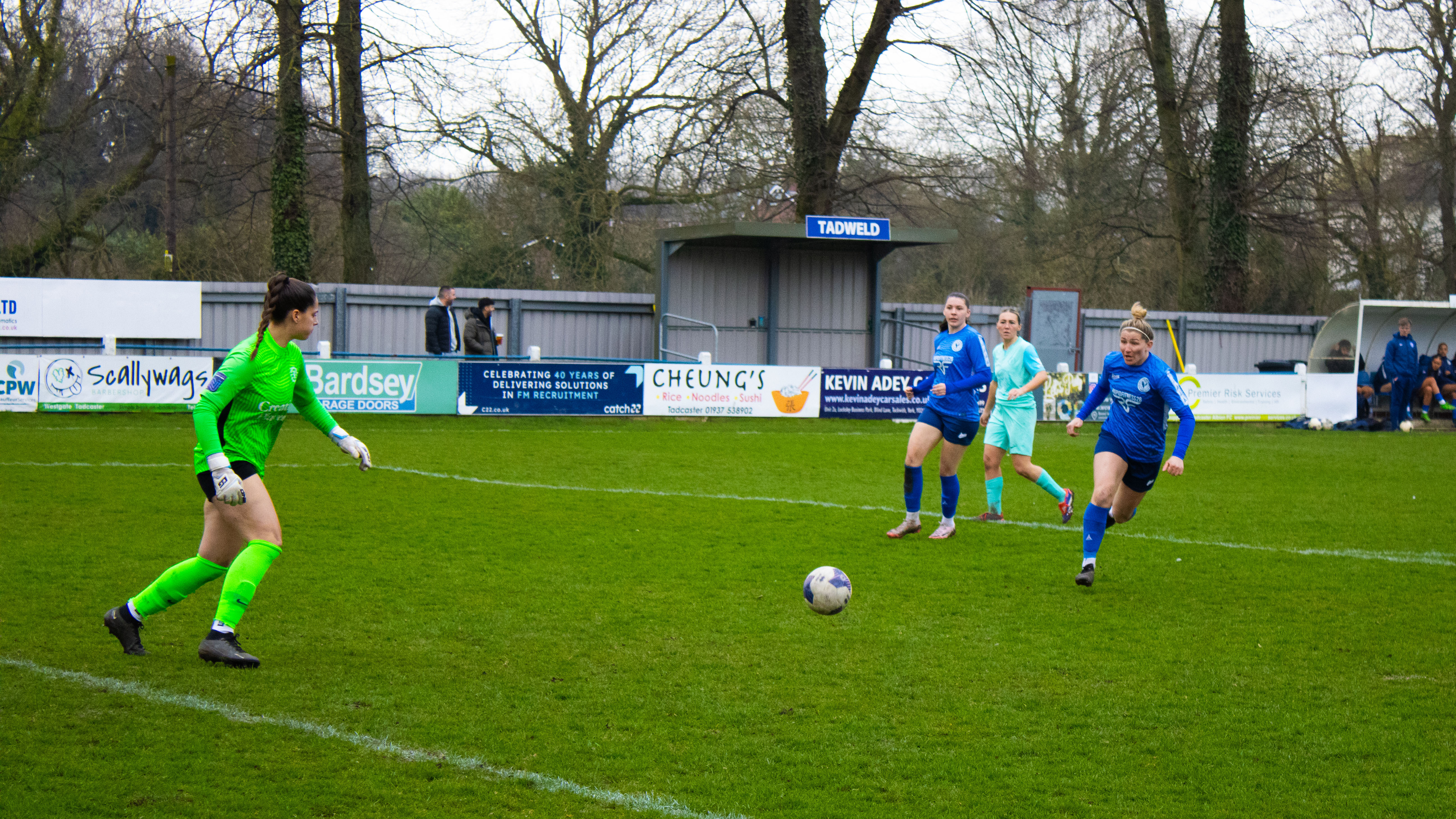
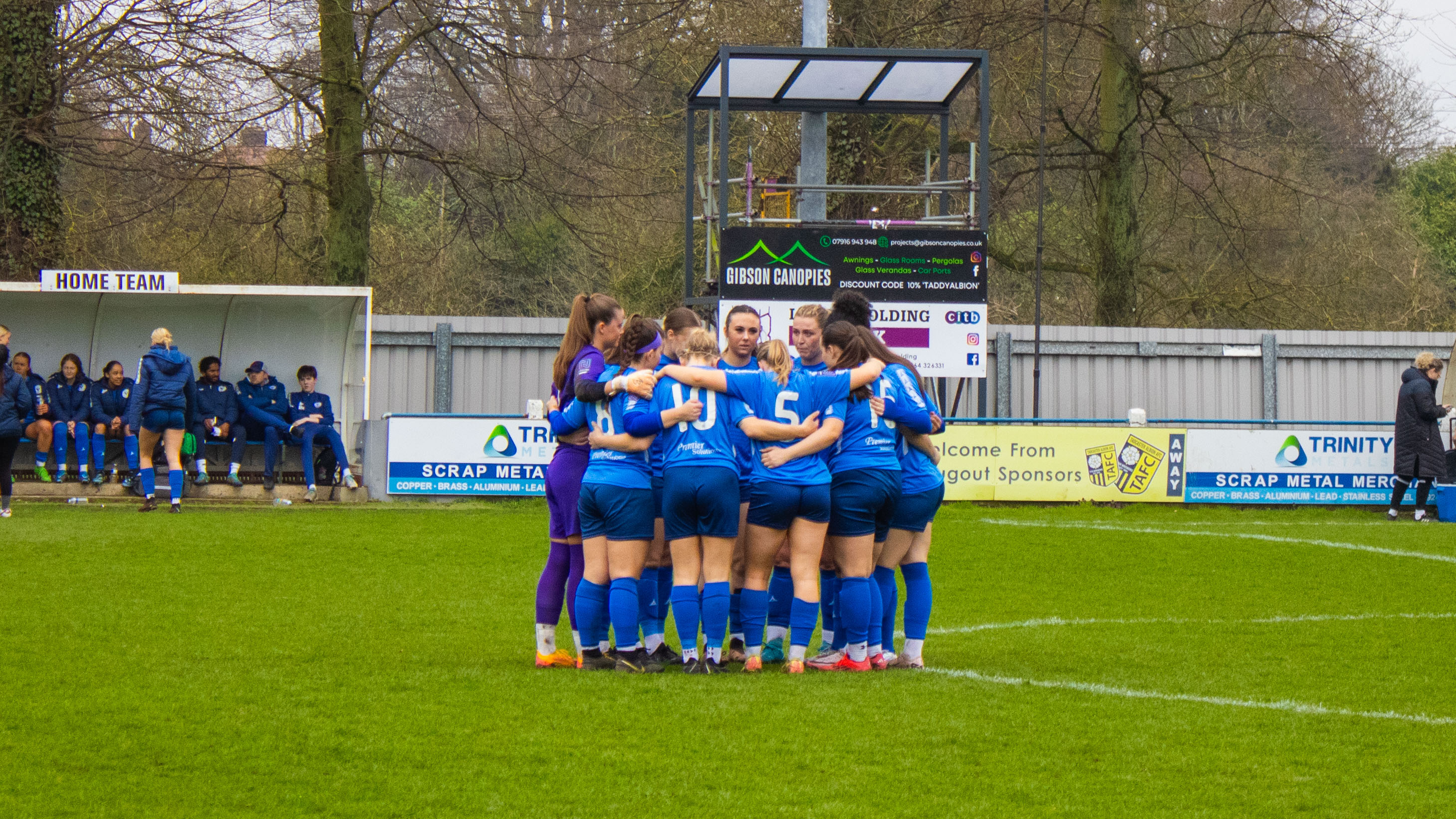
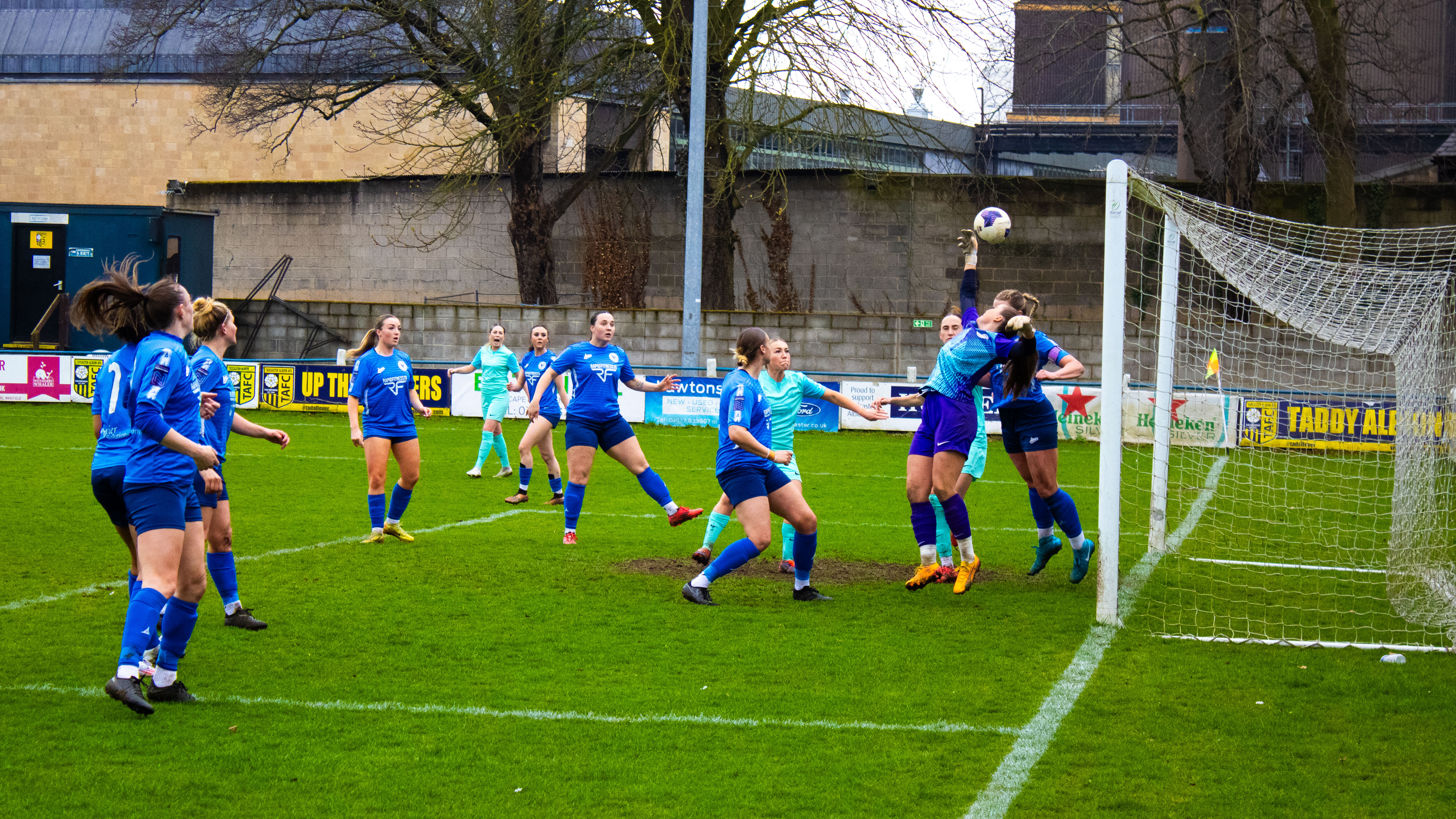
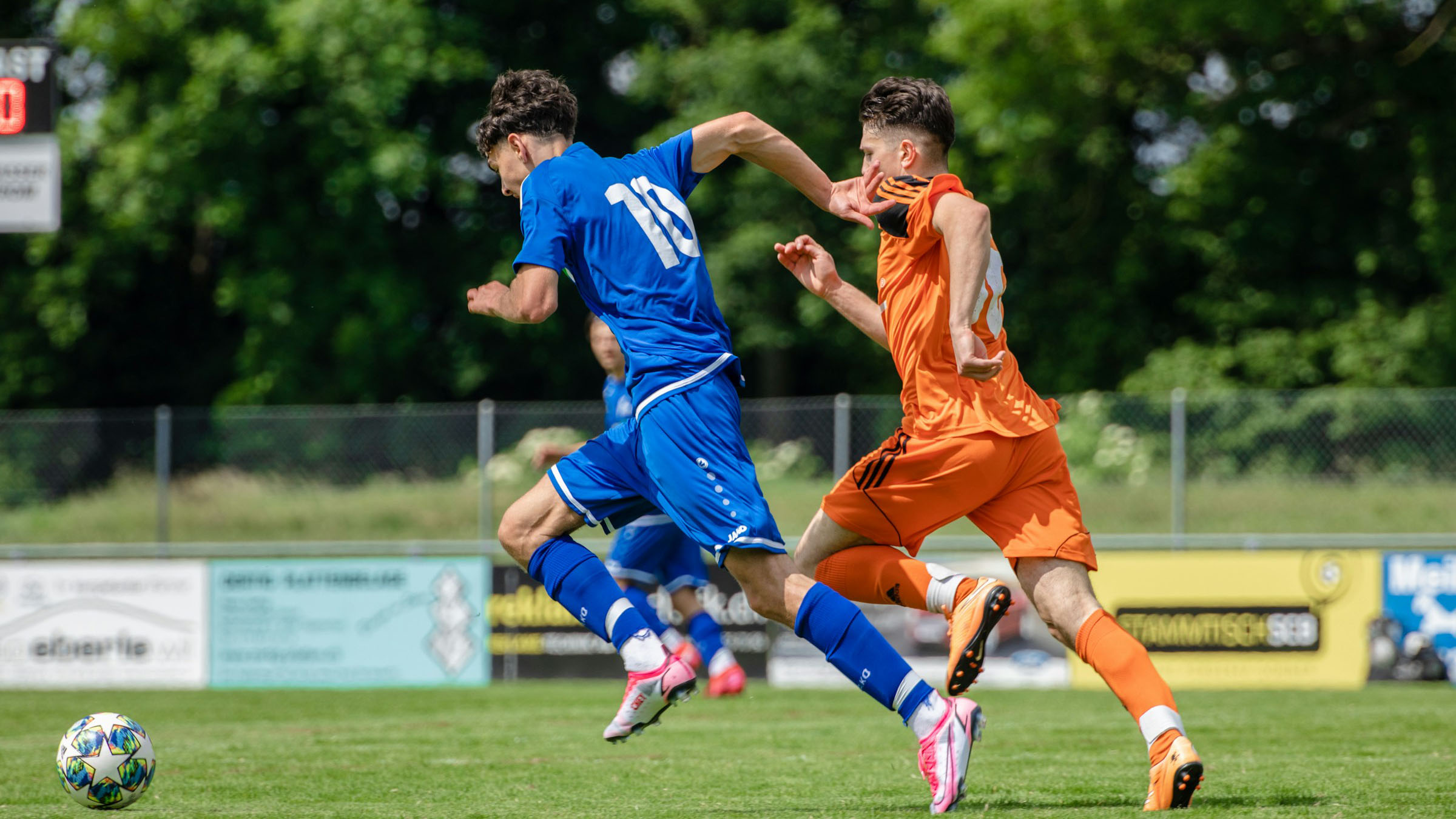
This week I was able to capture some photos on the 23rd March for Halifax’s match vs Liverpool Feds. I rented a Canon EOS 4000D camera out from the library which was extremely useful and much better than my phone camera, especially for live sport. The shutter speed and focus was highly useful for fast paced action and getting attractive photos.
I was also successful in getting an interview with the manager Rob Mitchell, who my story is based around. He gave some interesting quotes that I can include in my article.
I am now in the process of narrowing down the photos that I like and don’t so that I can select the final 8-12 that will make it into the finished piece. I have accomplished some of this as I have selected 13 that I currently like. Since they were RAW photos, I have been able to effectively edit and crop these in photoshop, making them ready for publishing.
I am, however, also going to be going to a training session on Tuesday the 25th March where I will gather some more photos and interviews. I will attempt to get some staged shots as well in order to break up the natural and action shots that I have been able to collate so far.






Week 10
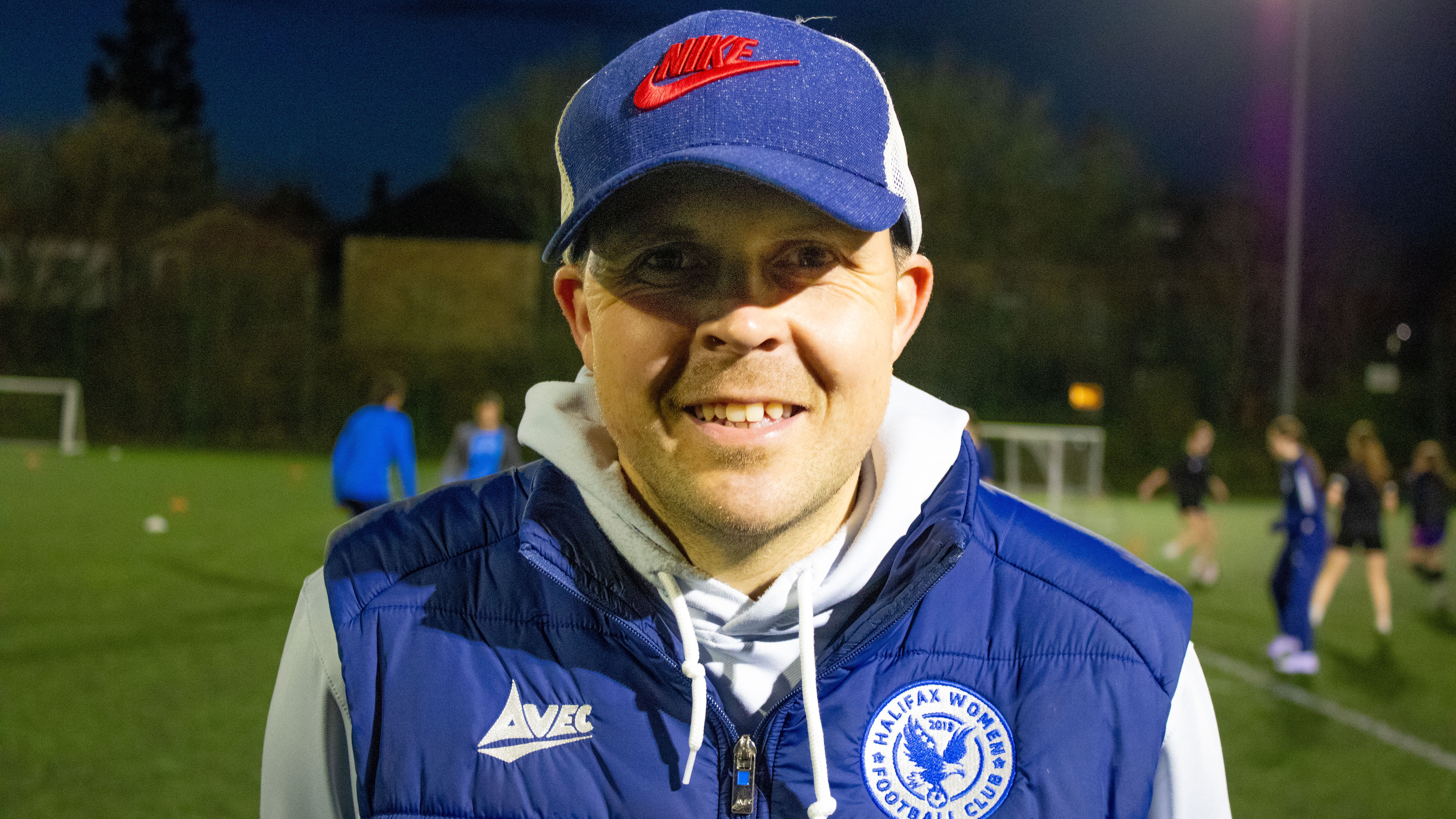
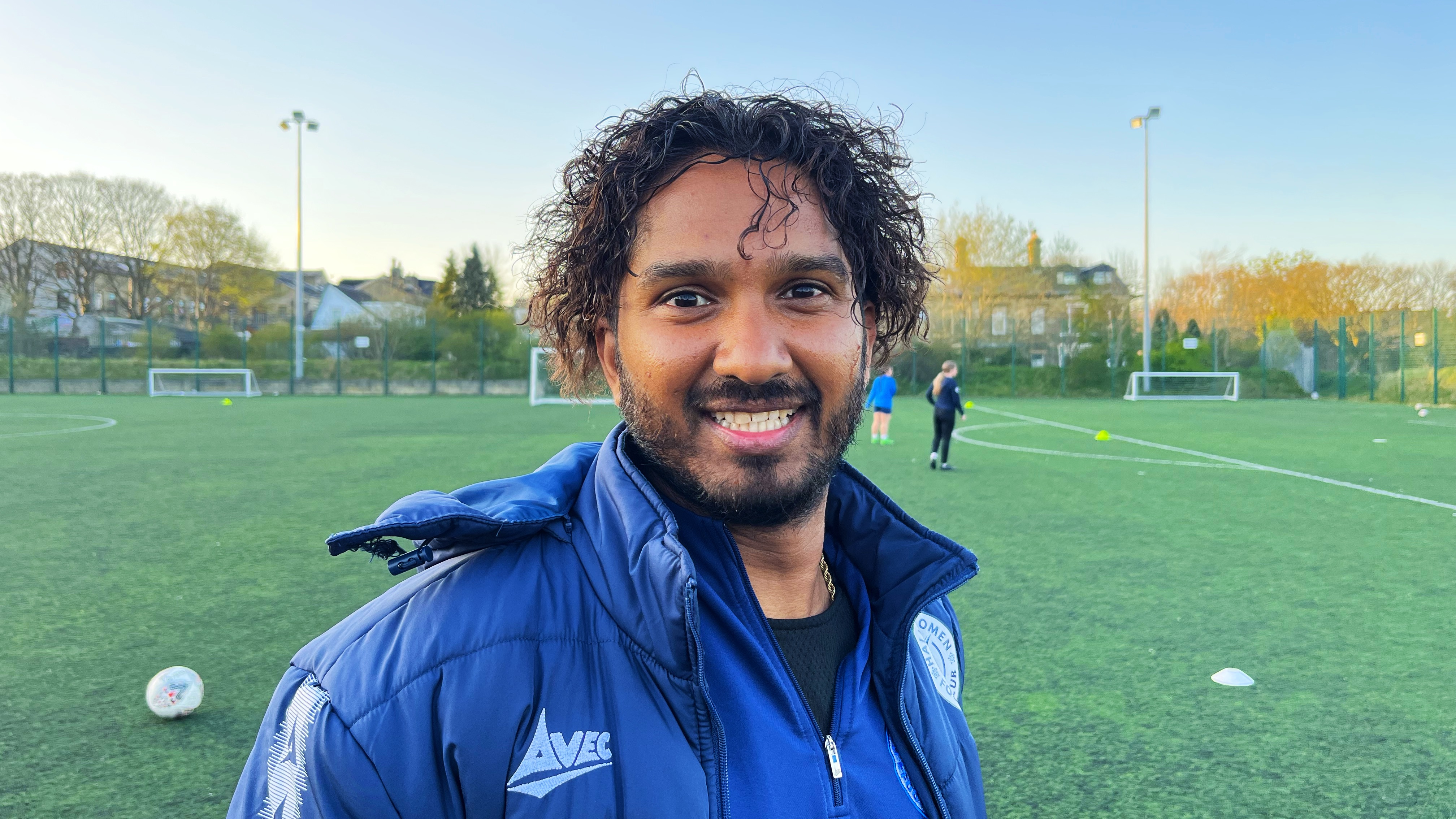
This week I was successful in capturing a staged headshot of manager Rob Mitchell at the training session, which will be great to break up the other shots I have gathered. However, the Assistant Manager Kevin Heetun did not turn up to the training session as he said he would, meaning I was unsuccessful in gathering more photos and interviews like I had intended to do. Additionally, the players that I needed to interview (Danielle Whitham and Annabelle Cass) did not turn up.
This has caused a delay in the production of my piece and I am now in the process of trying to rearrange a time and a place to meet Kevin Heetun and the players in order to carry on with my article.
Other than this, I have been able to narrow down my photos that I will use to tell my story best, leaving room for more staged photos from players and the Assistant Manager too. I will also look into seeing if there are any fan groups that exist for the team to try and get comments of their thoughts on Rob Mitchell’s departure. This, however, will likely prove difficult as the team isn’t very big and lacks a big fan base.
Week 11
I have been unable to make a lot of progress this week as I haven’t yet been able to see any of the players or assistant manager yet. Although, I have arranged to speak with Kev on Thursday 10th April at a training session so I will hopefully be able to gather some more content there such as staged shots and interviews.
I have had a look around on Facebook as it is Halifax’s main social platform and they don’t appear to have any fan groups or ultra supporters that would be able to provide a comment on Mitchell’s departure from the team. I think that I will have to move on without adding this into my article.
I am hoping to get the final pieces of my content at the training session so that I can work towards finalising my article and having the time to polish it off before submission.
Week 12
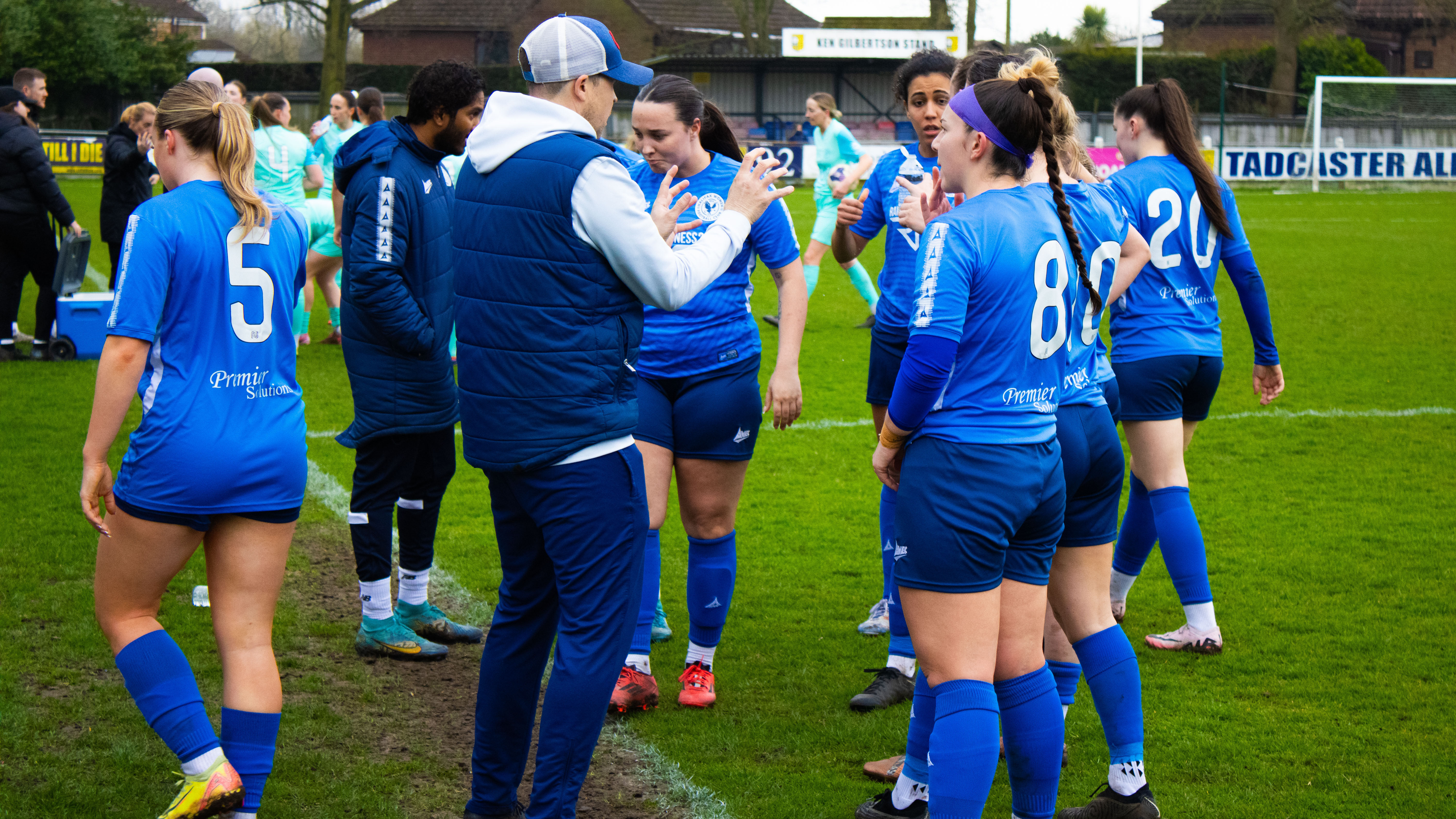
I have now been able to gather the content that I required for my piece. It wasn’t all able to be captured at the training session on the 10th though as the players that I needed to speak with weren’t there. I did speak to Kevin and gather photos of him to use which I was very happy with. Following up from the interview however, I did arrange to attend their match on the 13th April at the Horsfall Stadium in order to speak with the players.
I was able to interview both of the players and gather photos of them which will massively boost the quality of my article. It has been difficult to speak to the right players about my article as most of the players that knew Rob had left at the start of the season, so there were only a couple that had stayed and could provide a proper comment on Rob before him leaving.
Having captured some more photos, I have edited them in a similar way to how I have already edited other photos that I have, increasing things such as contrast, saturation and vibrance.
I am now satisfied with the content that I have gathered and I am working towards finishing my article. I am however going to the Universities Rugby Union trip to Los Angeles on the as a part of the media team, so I am trying to complete this whilst working around the trip. Since it runs from the 17th to the 28th April, I will have to balance my time very well in order to complete all of my work before the deadlines.


Week 13
I have now returned from the Los Angeles trip and am working on the final article. I am currently incorporating quotes from the interviews that I conducted to best tell the narrative I want to convey.
I have a few more days to polish things off before the deadline, so I feel confident I will hit my deadlines. My main priorities in the remaining days are to ensure that the article is grammatically correct and that the story I am telling reads and flows well. I believe that I am on track to finish everything and also write an effective story that I can tell with the photos I have captured.





















 Photographic Journalism
You must be logged in to post a comment.