The Celts have been homeless for the entire 2024/25 season, whilst playing their ‘home’ matches 70 miles away in Buxton. Now, the future of the club remains fraught as supporters are left with more questions than answers.
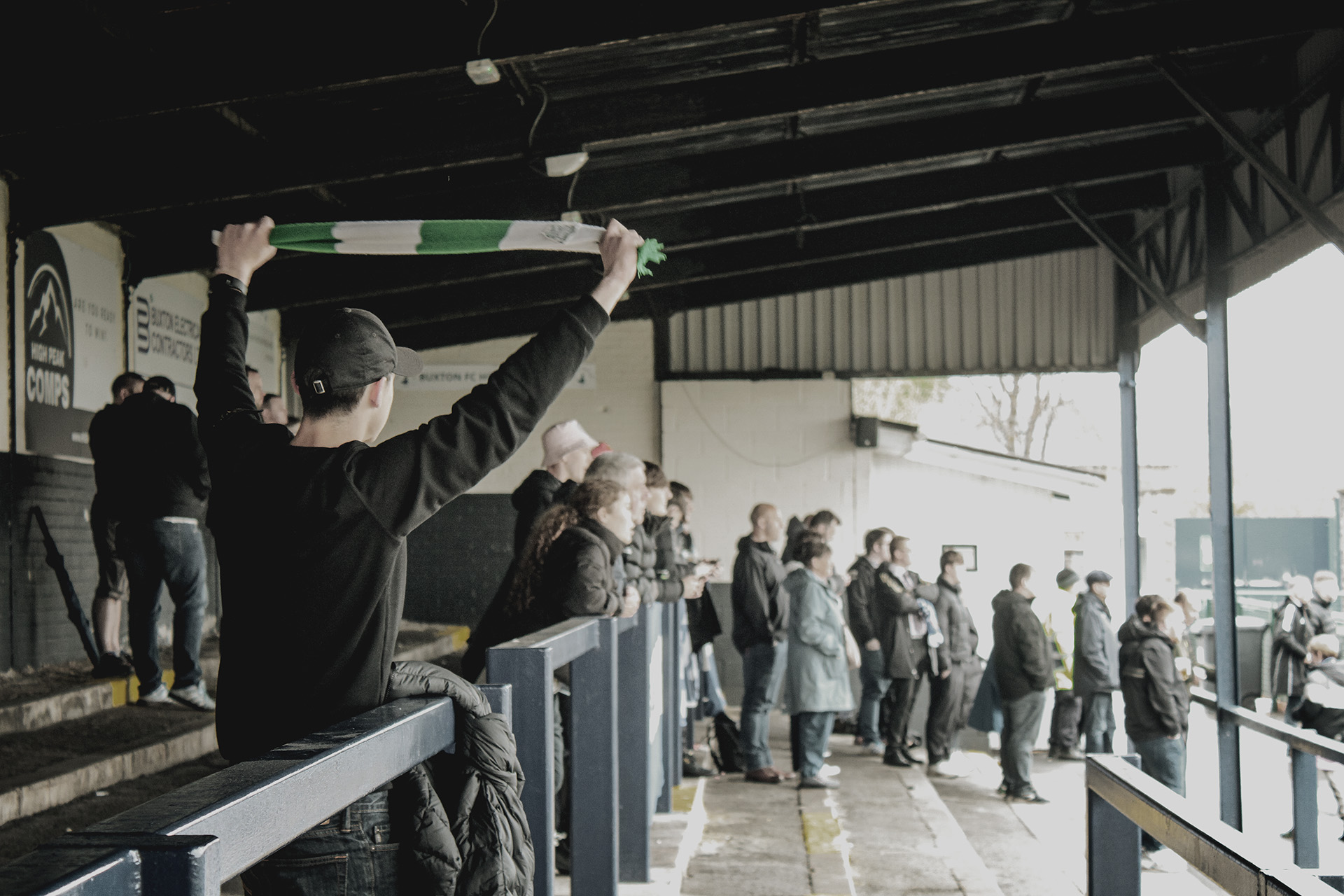
Background
Farsley Celtic Football Club boast that they are the highest placed village club in England, some feat when considering their catchment area is completely dominated by Bradford City and Leeds United.
Initially, the club joined the amateur leagues of Leeds and from there the newly established West Riding County Amateur League in 1926. The conclusion of the Second World War brought new pastures for the club, which moved into their home of the Throstle Nest in 1948.
The Nest takes pride of place within the centre of the village, and like its locality, it serves as a beacon for the residents to engage with their community and embrace their home. No matter the league Farsley found themselves in, the Throstle Nest remained unwavering in its capacity to facilitate its faithful spectators.
Downward Spiral
Feckless authority would rear its ugly head in 2010 following relegation from their only stint in the National League. Major financial difficulties meant the club were expelled from the Conference North, and mere days later, ceased to exist.
During this time, the Throstle Nest was purchased by Leeds City Council to secure its future ahead of Farsley’s demise. The nest was soon to be reoccupied by the current iteration of Farsley Celtic, which fell under the ownership of Paul Barthorpe in 2019.
Alarm bells rang instantly as Barthorpe switched the club colours from blue and white to green and white in order to boost the club’s commercial appeal.
This was just the start of the peril, as Barthorpe then set his sights on the Throstle Nest. The name was changed to The Citadel, and fans were left wondering when the alterations were going to end.
The end came disastrously when the club made the decision to replace their grass playing surface with 4G ahead of the start of the 2024/25 season. The construction hit what the board called unforeseen delays, leaving the pitch unplayable.

A statement from the club in October 2024 outlined the plan to move the team to Buxton.
“We believed we had a ground share agreement in place with Bradford Park Avenue… This was, however, rejected by the league.”
The fans felt the rug had been pulled, with continuous promises of a return date that never materialised after last playing at the Nest in April 2024 in a final-day win over Buxton to keep them in the division.
In early November, the Supporters’ Club (FCFCSC) met and later announced a vote of no confidence for Barthorpe.
“The FCFCSC has no confidence in the Chairman and CEO’s ability to improve relationships with supporters…It is the view of the FCFCSC that the relationship between the chairman, board and supporters has seriously deteriorated.”
Following the announcement from the FCFCSC, the fans staged a boycott in an attempt to show the hierarchy that the fans will not stand for the confusion and distrust shown towards them.
After the boycott was lifted, many fans were still underwhelmed by the direction of the club and decided to refrain from returning for the rest of the season. This left an even bigger hole on a matchday as the sparsity of fans grew, with many unable or unwilling to make the 120-mile round trip.
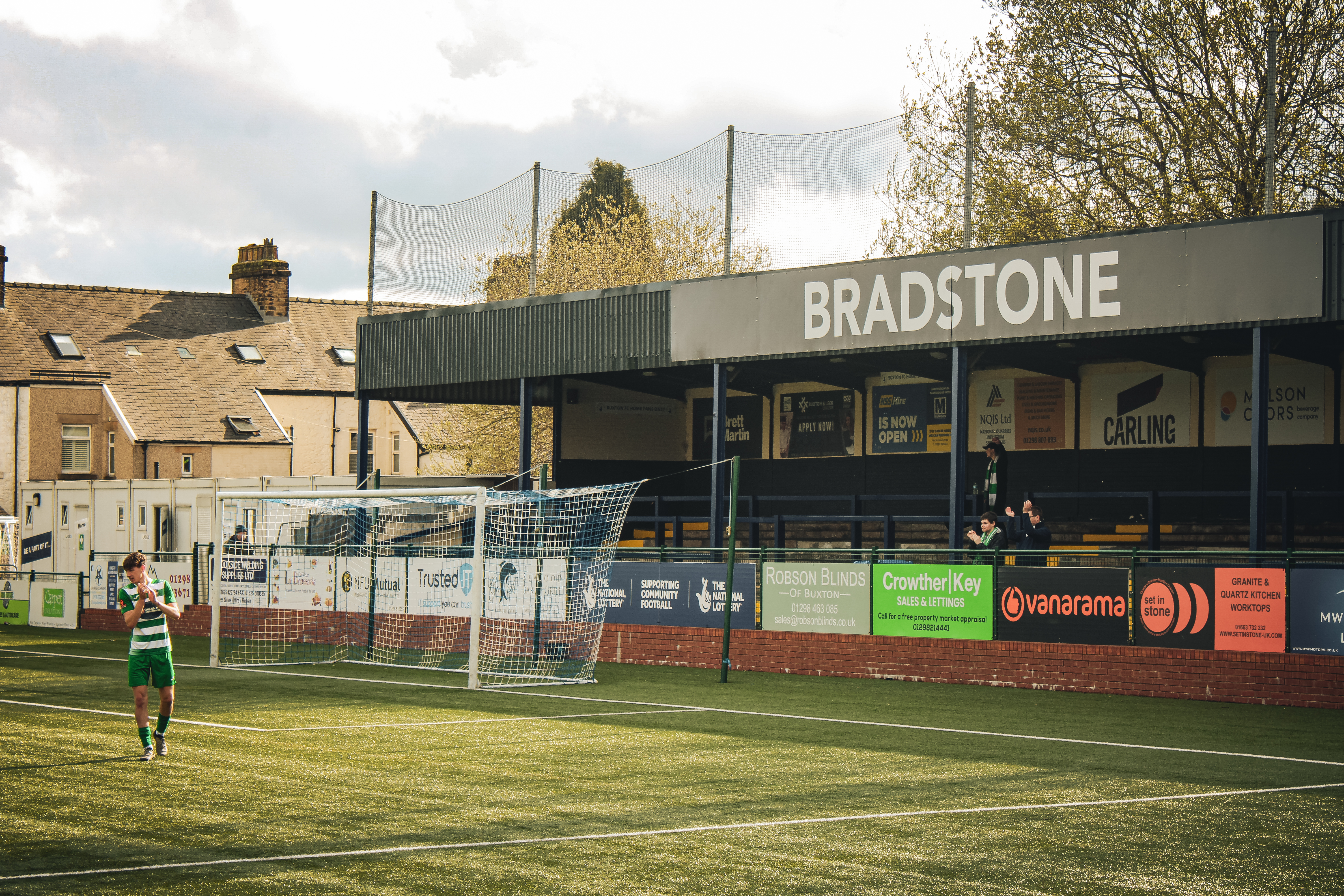
Unsurprisingly, the strain on the first team from the ongoing turmoil at board level, alongside the inability to sign new players due to an embargo, led to remonstrations from manager Pav Singh, who made the decision to resign.
His replacement was the former Leeds and Rotherham boss Neil Redfearn, who looked to be a coup as a local former Championship-level coach dropping down the divisions and helping the Celts regain a semblance of stability.
The opposite was to happen as Redfearn lasted just 20 days in the job and left Farsley once again searching for help, and a fourth manager of the season.
New faces
Ex-Premier League goalkeeper David Stockdale was next up to face the music of Farsley Celtic FC. Instantly subdued by the transfer embargo, it was up to Stockdale to bring through unknown youngsters from the Elite Talent Squad to fill the numbers.
Despite the obstacles, Stockdale took to the job with passion and determination to improve and stay for the long haul.
While results did not pick up, as at the curtain call of the season, the team had not registered a win since Boxing Day.
For Stockdale, all of these issues were fresh, but for the Farsley supporters, it was the norm. Watching their team spiral to the foot of the National League North without the hope of improvement, or a certainty that the club will exist past the summer.

A glimmer of optimism came in February when Barthorpe announced he would step down as chairman after six years. In his parting statement, he outlined
“I hope this act means there will be more support and more positivity towards the club and the board, as they are all, like me, volunteers, all good guys and all have the club at heart, and we are all desperate for this to work out.”
However, the relinquishing of the chairman role did not mean that Barthorpe is done with the club. He still remains the main creditor and owner of the Throstle Nest.
The amount of hours spent on the road by the fans that remain, knowing that relegation is coming and the future of your team is hanging in the balance, would seem nothing less than a nightmare.
A nightmare staged at Buxton’s Tarmac Silverlands Stadium, England’s highest football ground. The high points stopped there for Farsley, who failed to win a single fixture as the stadium became a hunting ground for despair.

John Baron is a Farsley Celtic supporter and volunteers with communications at the club. As a Manchester United fan stuck on the wrong side of the Pennines, John needed local football to watch.
He chose the Celts and has had an affinity for the club ever since travelling there with his son almost a decade ago, and has remained steadfast in his devotion to the green and white army.
“I first started attending games about eight years ago with my son, who really took to the club. We’ve been a member of the supporters’ club for the last three seasons and have literally travelled thousands of miles in the minibus supporting the Celts home and away”.
When all is said and done, most football fans will take anything their club throws at them; the level of football and squad available mean nothing when there is no team to support.
While divisions between fans and the boycott kept most away, Baron and his son continued to make the long journey down to Buxton despite the campaign serving no joy, as Baron summarised.
“It’s been a car crash on and off the field. Not being able to get a new pitch down, travelling to 70+ miles to Buxton for every home game, a fan boycott, losing most of our first team squad through the season, and the fracturing of the fan base have all been tough”.

Part of the allure we associate with the ‘beautiful game’ of football is built upon the connections we make through our times in the stands and concourses. It is these associations that draw people like John to teams far away from their primary clubs.
Baron’s experiences within the Throstle nest and across the country, amongst the people who welcomed him in, and shared his passion for football, is what made him addicted to the life as a Celt.
As Baron pointed out in his review of the season, the Throstle Nest and the feeling around the club stuck with him.
“Little did I know in those first games that my son and I would develop such a deep love for the club, even with its uncomfortable old wooden seats and outdated facilities. While the ground may look tired, it’s a club with real heart…”
“Home games were a place for dreaming. We’d sit and plan what we’d do with the club if we won the lottery – new stands, a decent pitch, new community facilities… It would become the beating heart of the village”.
For Baron, the loss of a community asset such as Farsley Celtic would cause devastation beyond just the fan base.
“It’s not worth thinking about! A local football club should be at the heart of the community, whether it’s juniors, women, our deaf team or our emerging talent squad. It’s about people, friendships and the community coming together…”
“You get used to going there on a Saturday, win, lose or draw, you still see the community. That would be taken away.”
But life on the precipice for the second time in recent memory has shown Baron the indomitable spirit of some supporters.
“There are some positives, a small group of people have volunteered and helped to steer the club through to the end of the season, it was great to see people come together and give their spare time to help keep the club going in its darkest hour.”
The Supporters club minibus, dubbed the ‘fun bus’, has seen more than its fair share of miles this season, but like the people inside it has stuck with the cause and carried people far away from the safety of home and into the uncertainty that every game in Buxton had.
The club languished at the foot of the table for months by the time the season ended, but to halt the love for your club during this bleak period was a step too far for some.
The supporters who chose to take time away from home and other commitments for the Celts were rewarded with nothing more than a journey back, drenched in acceptance of this week’s downfall and the continuous discussions of what lies beyond. Baron recounts how the energy and discourse between the fans changed.
“The discussion among fans has, for quite some time, been on the soap opera off the pitch rather than the game on it. Which is sad.”
The stands at the Tarmac Silverlands stadium were invariably full of away supporters who are familiar with escapades across the country in support of their team, but have been spared the misfortune of a new life filled with continuous miles adding up week after week, while their home slipped further from their grasp.
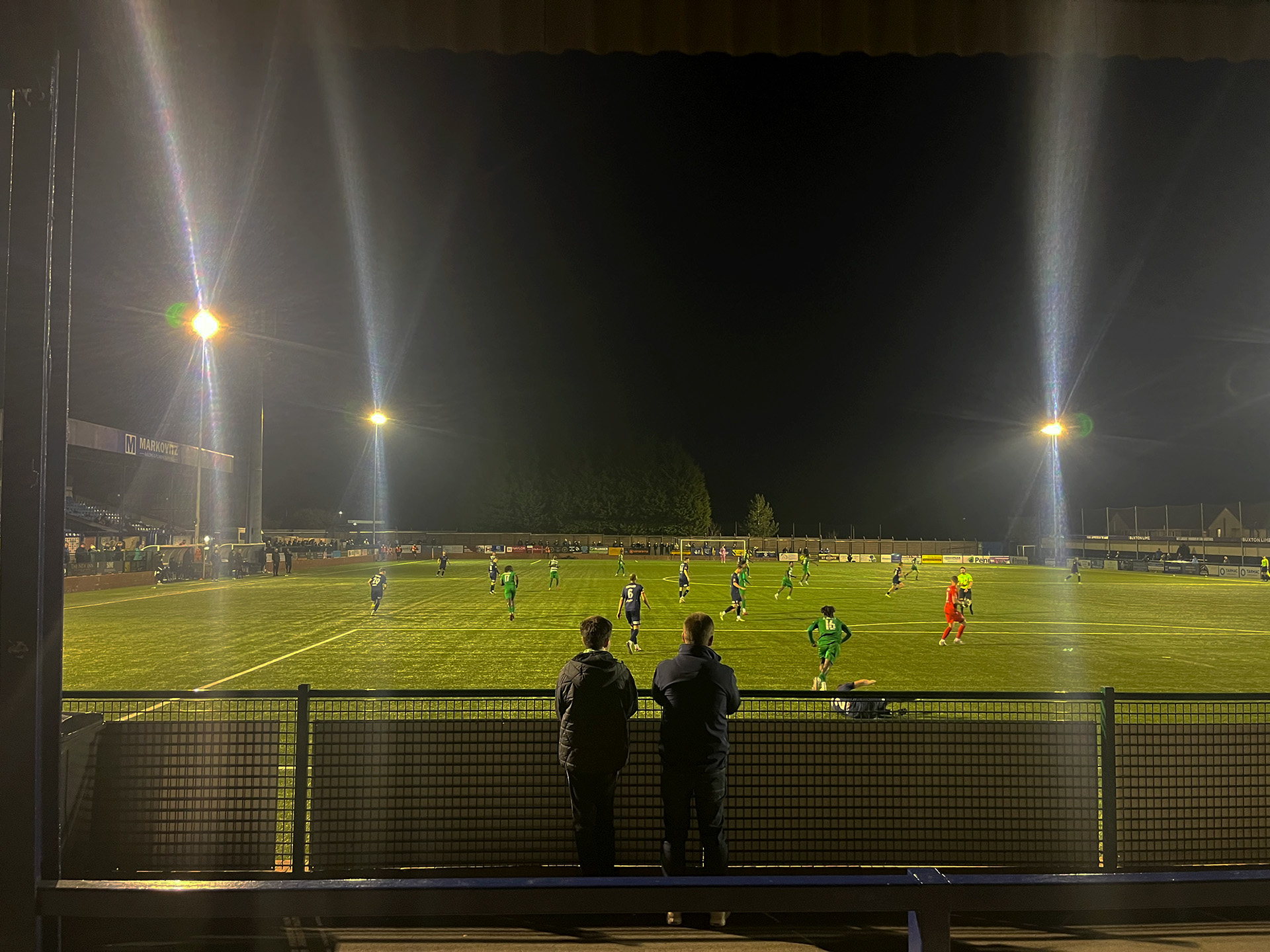
Whilst the Farsley fans in attendance watched on solemnly as teams celebrated in front of them in their adopted home. The questions would seep in from those sympathetic to their cause, ‘What went wrong?’ and ‘What happens next?’ were the talk of the day, week and eventually the year.
A cascade of actual away fans each game would switch ends en masse while the stragglers of Farsley marched to take their place, surrounded by emptyness for another 45 minutes.
It is hard to describe the temporary loneliness of being amongst them, which is only amplified by the fleeting fear that this could be how the club ends. With what is meant to be youth squad members clapping for a couple of people, dominated by the vast rows of concrete terracing between them.
When the final whistle blew on their final fixture in Buxton, the mood was one of fear and slight catharsis. Although bottom of the league and without a win in five months, the Buxton chapter was over and with it, one less thing to be concerned about in the short term.
But thoughts of the long term could not be escaped; the handful of fans that were there that day had no idea if what they had just witnessed was the swan song of their club.
There were pockets of hope of a groundshare with someone closer, as relegation meant the local teams in the same division would no longer have to worry about the Celts’ fixtures taking precedent.
The ground was declared a community asset by Leeds City Council in March, meaning if Barthorpe wanted to sell, the FCFCSC would be treated as a potential buyer.
The group are currently attempting to collect the money for a purchase, but without certainty, there is the potential for the opportunity to slip through the cracks.
While a buyout from the supporters club would be a ray of light for Baron, the club is still far from a stable existence.
“We need to achieve stability in the coming season and operate more sustainably. I suspect it may take some time to steady the ship.”
Hopefully, for everyone associated with the club, that time will come as a homecoming for the fans, and John would mean more than some could comprehend.
“It would mean everything, I would love my son and I to sit down in our usual seats and watch Farsley Celtic play, win, lose or draw.”


 Photographic Journalism
You must be logged in to post a comment.