We have now finished the module and I have published my story and my final task. Overall, I would say this module has been one of the most helpful for me in developing my skills because I thought one of my weaknesses as a journalist was capturing pictures that told a story. However, combined with all the tasks, reflections and then getting my story written, I feel like my skills have definitely developed and I would be confident getting pictures for a story in the future.
Having to change my story a bit towards the end is what I would say was the most difficult part of the module because I only had a few days to do so, but once I edited my photos and saw if they fit with my new module, I found it to be fine and done on time.
First update – For my first update, I’ve had to find a football match to go to and rent a camera out. I went to one on April 6th, however I was using my phone and the quality level really isn’t high enough, so realistically, the pictures taken weren’t usable. Because of this I found a game to go to April 20th and rented a camera.
Second Update – I have pictures from the game I went to now and they are of a much higher quality. I need to edit them and get a first draft written for my story as quickly as possible. Here is an example of one of the pictures I took that I feel captures emotions of fans well, even if it is unedited.
KODAK Digital Still Camera
I feel like the pyro and smiles on faces really capture their emotions well.
3rd update – My third update is that I have decided to change the story just slightly. After speaking with Karl, we decided that a better angle to go down would be to try and focus more on mental health than I did, especially with Farsley being so much about mental health.
4th update – I have now finished my story, I used 9 photos and I feel like they were able to capture the emotion of the fans and staff as they tried to avoid relegation.
Our week 7 task was to get a RAW picture and a JPEG picture and compared them to see how different they were. We then had to edit a picture to change it and improve it, preferably one that we could use for our assignment.
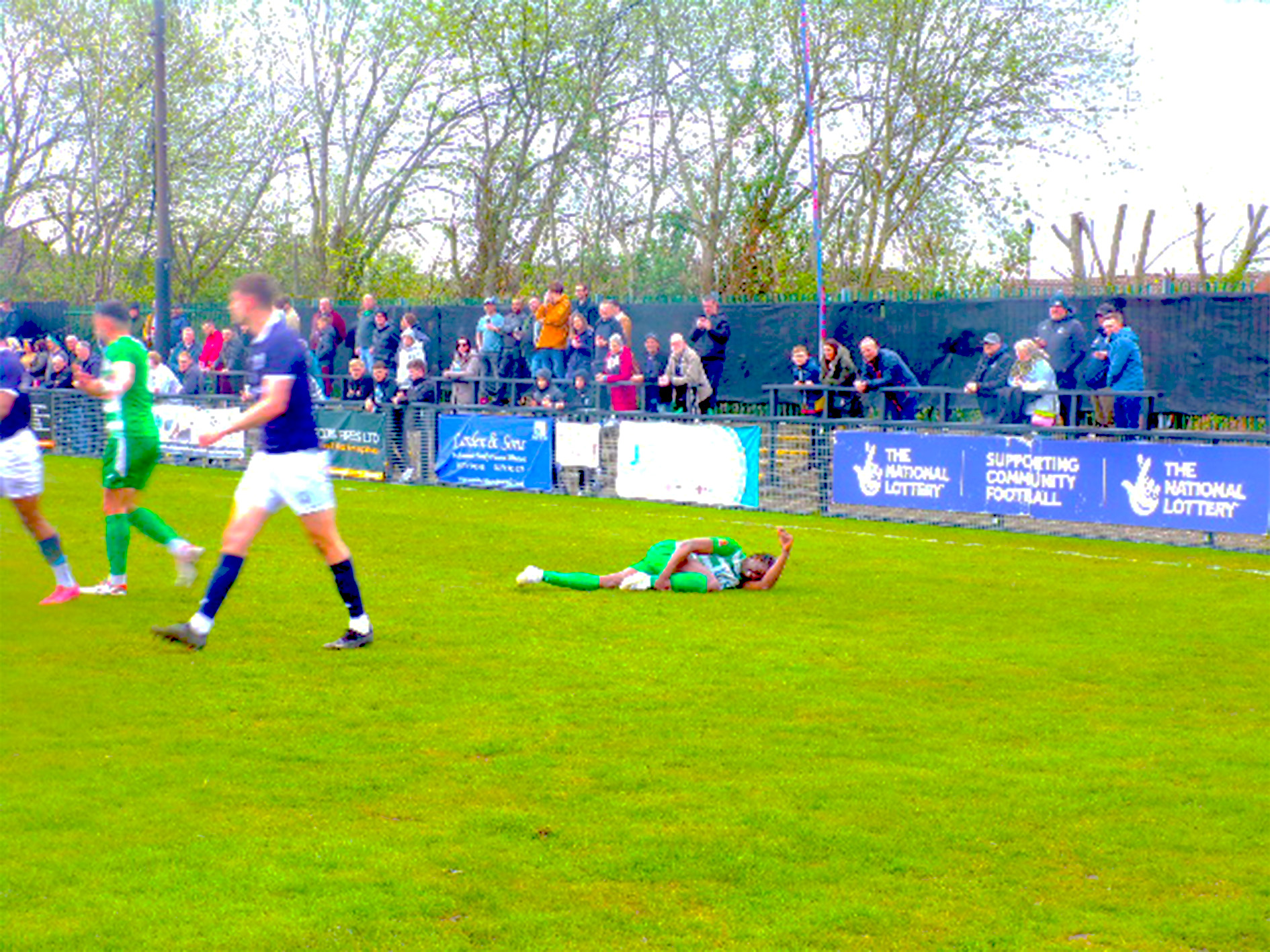
I found a good one that I had taken of a player who looked to be in pain, which is good for my assignment because I need pictures that show emotion. The only issue was that the picture looks a bit dull and blurry, which meant that I decided to up the brightness, vibrance and contrast to try and create a brighter setting, to further portray the pain the player is in, I felt like it made it seem more prominent.
I liked this because the irony of creating a brighter photo, despite the sad scene of a player down hurt draws more attention to him.
This weeks lesson was all about editing pictures that we had taken, to further improve our skills. We had to choose two pictures we had taken and try to make them look better. For this I chose two pictures that I felt weren’t the best and maybe a bit dark, to try and make the adjustments that could make them brighter and more prominent. Before this however, for the first one, I felt like it was a bit crooked, so cropped it to make it straighter and then changed the brightness, vibrance and contrast to try and make Carlos look more focused and not as blurry.
After this, I moved onto the second one and did similar adjustments until I was happy with it. After this I wrote a quick description of what I had done and compared the before and afters, to show that I had made it better.
This week we had to choose between multiple tasks or do them all. They prioritised using shutter priority in different ways to capture different types of images. Through shutter priority, it focuses on aperture and ISO to capture different levels of lighting and focus.
Our first task was to try and capture images with fast and then also slow shutter speeds using an app called ProSHot with the subject we were taking pictures of jumping in the air to get a strange picture. With slow shutter speed, the subject was much more blurry and slowed down, as a pose to the opposite.
We then inserted the pictures onto word press and were tasked with finding out information so we could write a short blog post about shutter speed.
In this week, we were tasked with researching different style of photojournalism so we could get inspiration and also find out what style we like the most, which we can then possibly use for our final assignment.
The style I decided I liked the most was documentary photojournalism because I like the way that it captures real life situations that seem to be more real and natural. Through this, I feel like it helps to see real emotion and more authentic journalism that can tell a story, almost without any words even being needed.
I researched multiple journalists who used to use this style a while ago because I felt like they were able to capture past history excellently. They made you understand how everybody was feeling at those times in the past.
Because of this research, I was able to decide that I want to do my assignment with this style and try to capture emotions on peoples faces to help progress a story about how a football match can affect everybody, including fans, players and managers. To do this I want to go to multiple matches at around the national league level and get a large sample size that can show how everyone is being affected by the games.
This class was the opening of our new module photojournalism, where we were to find out what we would be doing throughout the rest of the year, within each week but then also for our assignment. We found out we would be tasked with something new each week, where we would then receive feedback and critical reflection to help improve our work and then an assignment where we would need to write a 2000 word story with 8-12 pictures in that help to tell it.
To first try and help us, we got tasked with going out and taking a picture that would help us to tell a 200 word story. We were instructed to not edit this picture as realistically, it should be something that isn’t as professional as what it should be by the end of the module and then when we got our feedback from Karl, I was able to see what I should have done differently when taking it and how it could help my story.
The positioning was the main problem with it because in my story, I mentioned the managers and crowd for example, but the picture was of the pitch, with the crowd to my side. Doing it now, I would’ve repositioned myself to capture the game in the way I wanted to but also with some of the atmosphere I talked about in the story.
I found the feedback to be helpful and something that I’ll be able to use once I need to take more pictures for my assignment.
George Fearnley is a 24 year old who has been a Farsley Celtic supporter for around five full seasons now. He has been travelling home and away to follow the club he loves and for the last three years now, he has seen them time and time again just avoid going down a league. He started as a Leeds United fan through his parents, but after going with his cousin to Farsley, he decided it was time for a change after realising how much more he preferred the lower level of football.
Farsley Celtic super fan George Fearnley follows Farsley every week
He couldn’t believe the access he was able to get in such a short time, saying, “I fanboy every time I get to speak to one of the players. To others they just seem like regular nine to five workers, but to me they are heroes.”
Through his love for the club, George has become an ambassador for them, trying to get as close as possible to Farsley by doing lots of voluntary work, setting up the pitch and helping the club to clear things away, but supporting a team for the last three years that have had the possibility of being relegated on the last day each time is no easy feat.
George says, “Farsley Celtic games affect me massively. If I explained to you what has been going through my mind over the last few days, you would think I was mad, it is always just up and down. It affects your mood a lot, but it really is just because you care so much and that’s just football.”
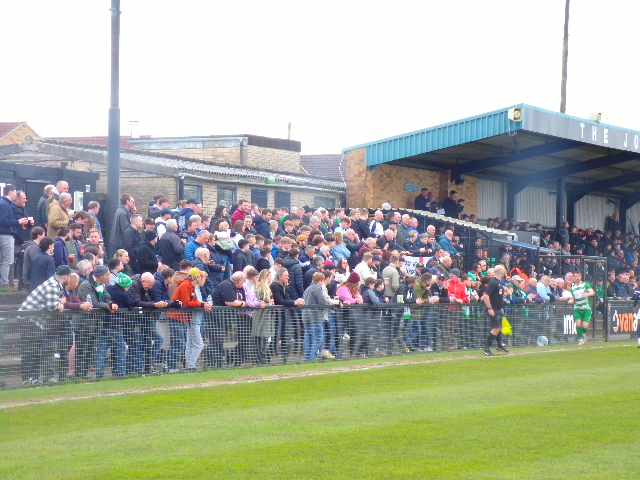
Farsley Celtic fans following their team
George is just one of the many football fans that reside around the UK. According to Statista.com, over 30 million people around the UK went to watch a football match in person and they all are affected in one way or another by their team winning or losing.
Although most of the time supporting a football club is a great experience, getting to travel around the country and see the team you love pick up wins, whilst being able to get out of the house and interact with family and friends who also support the team, not everything about it is always as it seems and there are huge negatives to following a football team. Players, fans and staff are all affected mentally when their team loses and the huge inclusion of alcohol creates tension, fights and crime throughout the nation every week. Fans mental health changes drastically when their team loses and they aren’t always the best at keeping their emotions bottled in.
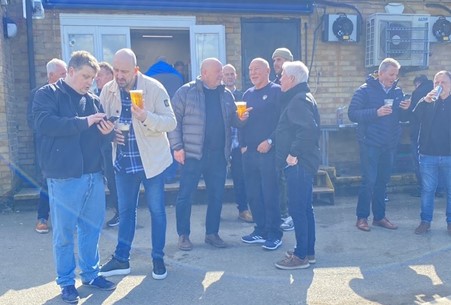
Farsley Celtic fans showing alcohol consumption before the game
In 2022 alone, there were a huge 2198 football-related arrests, over 44 arrests each week according to gov.uk. This of course shows a much darker side to the game and it a huge part of it is when somebodies football team loses and Anthony Centore wrote an article about this, with the term labelled as “sports fan depression.”
He said, “sports fan depression is not an officially recognized mental health disorder but rather a descriptive term used to illustrate the strong emotional connections that ardent sports fans have with their teams.”
It was coined to show the increases in mental health issues when somebodies team loses and it isn’t always handled well by the fans. This doesn’t actually always only happen when somebodies team loses however, win or lose, when England play, the whole nations crime rate shoots up. Even on a day England wins, it has been recorded that non-domestic, alcohol related crime goes up by a massive 47%, and domestic abuse cases go up by 41%, as said by Anna Trendl.
On a lighter note, the game provides so many beautiful moments and we wanted to show this through a lower league club called Farsley Celtic. Farsley Celtic are a team in the National League North or the sixth tier of the English football pyramid and they can be located in West Yorkshire, just a fifteen minute drive from Leeds.
The Citadel stadium
For the last three seasons, Farsley Celtic have been in a relegation battle and before this season, they’ve survived on the last day on both occasions. After talking to fans and staff around the club to see how they were affected throughout these years and collect their reactions to the final day of the season, we were able to get some thoughts on how they were affected mentally, through the stress of needing a result, and also needing Blyth to lose.
George Fearnley said before kick off, “the fact that our fate isn’t actually in our own hands has been on my mind this week, because if Blyth win, it doesn’t matter what our result is here today, but we know that we just need to try and get something and then Brackley can do us a favour.”
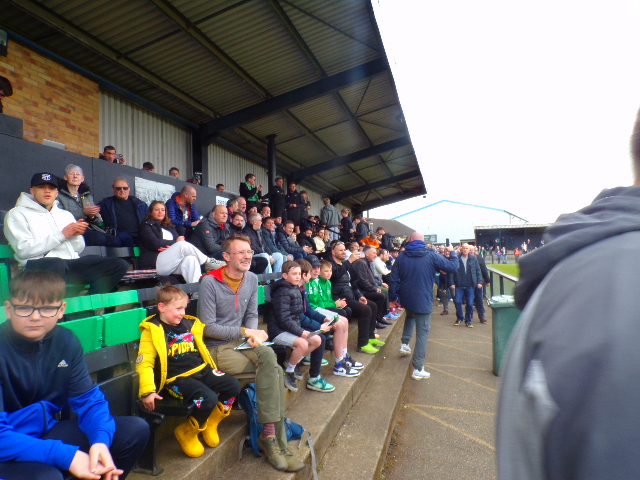
Being at the game before kick-off, you could feel the tension in the air. Fans were trying their best to put on a brave face, maybe for themselves as much as for the team they were there to support, but it isn’t just the fans and players affected, the staff are also affected massively by the threat of relegation, supporter of the club or not.
Anxious Farsley Celtic fans before the match kicked off
If a club gets relegated, things that they rely on such as ticket sales and events get less financial backing, but also, many staff will be let go or have to take a pay cut, purely because the club can’t afford it.
Unless you are a supporter of one of these clubs, it can be incredibly difficult to realise just how much of an affect relegation has. The difference in money in the sixth tier of English football, compared to the major four leagues is astronomical, and getting relegated from the conference can genuinely lead to a club becoming bankrupt.
Before the game, we were able to speak to the head of the Farsley media team, Josh Makin. He said, “Yeh, I’m very nervous, not just for this game, but what could come after it if we don’t get the job done and stay up. The drop off to the seventh tier is quite a big one and I’m not sure what will happen with the future of the club if we go down.”
Josh Maskin working before the match
“Farsley games affect my mood quite significantly. I spend a lot of time planning content and producing it for a good result at the weekend, so when that doesn’t happen it can be frustrating. As a fan as well, it always puts a downer on the weekend if we lose.”
Farsley Celtic are actually a huge club when it comes to supporting mental health, whether that be through the players or staff. They are actually the first club in the whole of England to have trained multiple mental health first aiders, such as the men’s and women’s teams captains, Chris Atkinson and Lauren Rigby, and then the chairman and vice-chairman Paul Barthorpe and Joshua Greeves.
Farsley wanted to lead the way in introducing mental health to football, to try and show everyone that it’s okay to speak about issues you are having, whether that be through personal life or the stress of football itself. They teamed up with The Football Mental Health alliance to go through the correct training to be able to spot mental health conditions early and help to the best of their ability to get it sorted out.
Because of this, everyone who is connected to the club, whether that would be the fans or people who work there, can always go and seek help if they need it or if the football is having a negative affect on their health.
Going back to Farsley’s last game of the season, the stress on the fans, players and staff was very evident. The threat of relegation was very clearly on the minds of everybody, with nobody knowing how it could turn out for the club if they weren’t able to get the results they needed and you could see the worry on their faces.
The fans were trying their best to get behind the team, shouting and cheering every big challenge, but the mood changed completely when news spread that Brackley had taken an early lead against Blyth, meaning as of from that moment, if the results stayed the same, Farsley would stay up.
Farsley Celtic fans celebrations when Brackley went behind
This seemed to spur the fans on and you could see the happiness on the faces as the players kept battling. This was where I started to notice the emotion on the faces of the players, every tackle and attack seemed like they had just won the league.
The Farsley Celtic team putting in big tackles
Farsley then scored and from there on it was smooth sailing for them. Blyth conceded a few more and Farsley were able to get the 2-0 victory. You could feel the shift in the tension in the stadium, as worry gave way to celebrations and relief. The fans swarmed the pitch and celebrated with the players and staff and it seemed like the day was going to have positively affected them instead of being a negative one.
The Farsley fans amongst the players and staff celebrating the win
You could sense the staff’s relief especially, due to the budget cuts that would have taken place. When a football club faces relegation to below the sixth tier of football, they lose a lot of their sponsors and budget. Due to this, staff and players could be at risk of losing jobs or having to take pay cuts.
Josh said, “It is such a huge relief now that the club has finally avoided relegation. If we had gone down, it would have been tough for the club to bounce back and there would have been some tough conversations.”
However, for the fans who had been there for multiple years, you could see the positive effect the win had on them, after going through this for three consecutive years in a row. The stress around the stadium before the game was evident how much they were worrying, but George said after they got the win and stayed up,
“I can’t believe that we’ve stayed up again for the third season in a row. It must be some sort of record and I genuinely feel like a massive weight has just been lifted off of my shoulders. This whole week I’ve been worried about the game and it has been affecting me, but now that we’ve got it done, I’m going to go out now and celebrate with my mates.”
After avoiding the drop, the club were in high spirits as they look to try and better this position next season, but although this game has affected the fans, staff and players in a positive way, it doesn’t always work out like this and had the club lost, it would’ve been a completely different atmosphere and the fans would’ve been going home sad and that’s something that needs to be remembered.
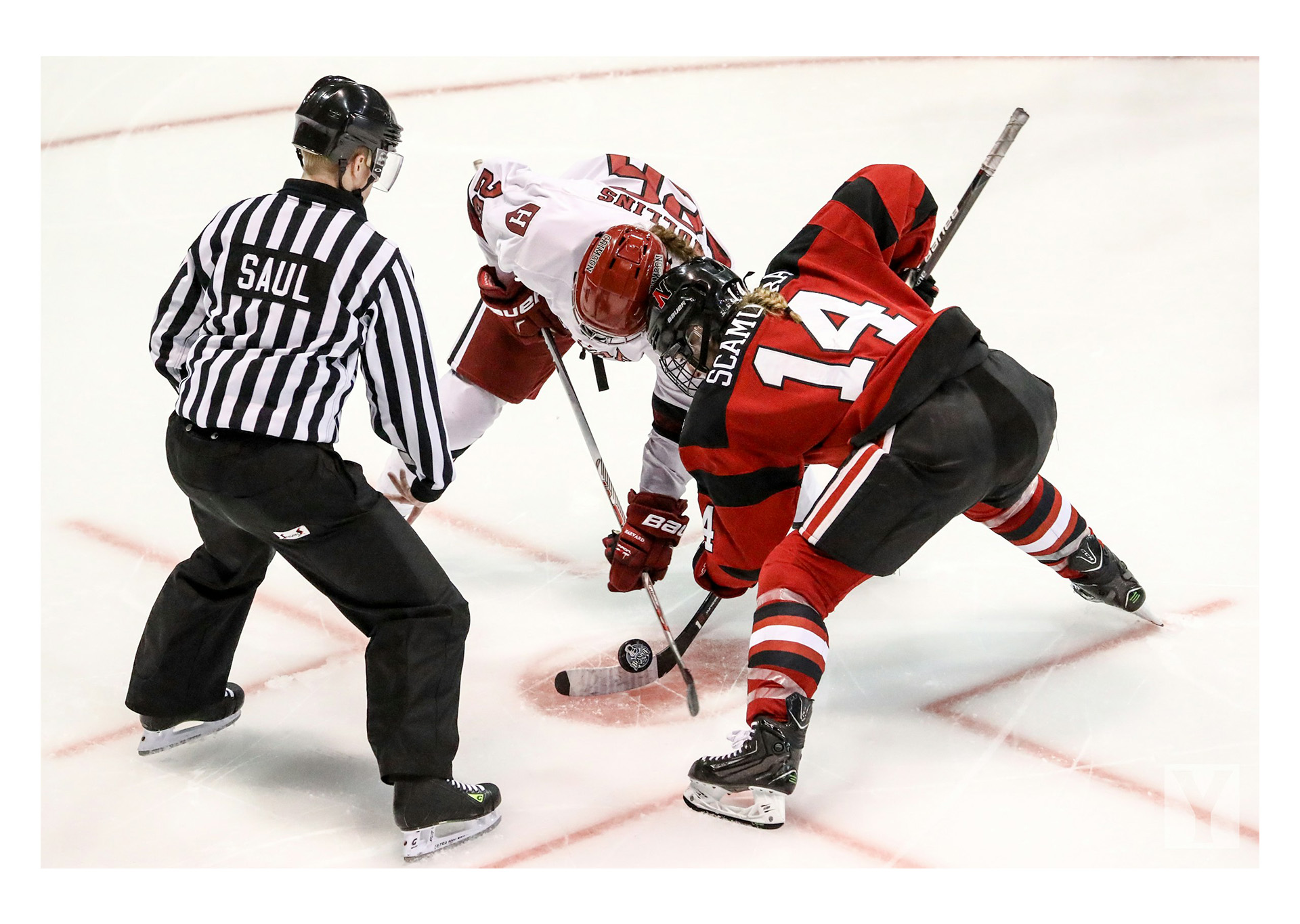
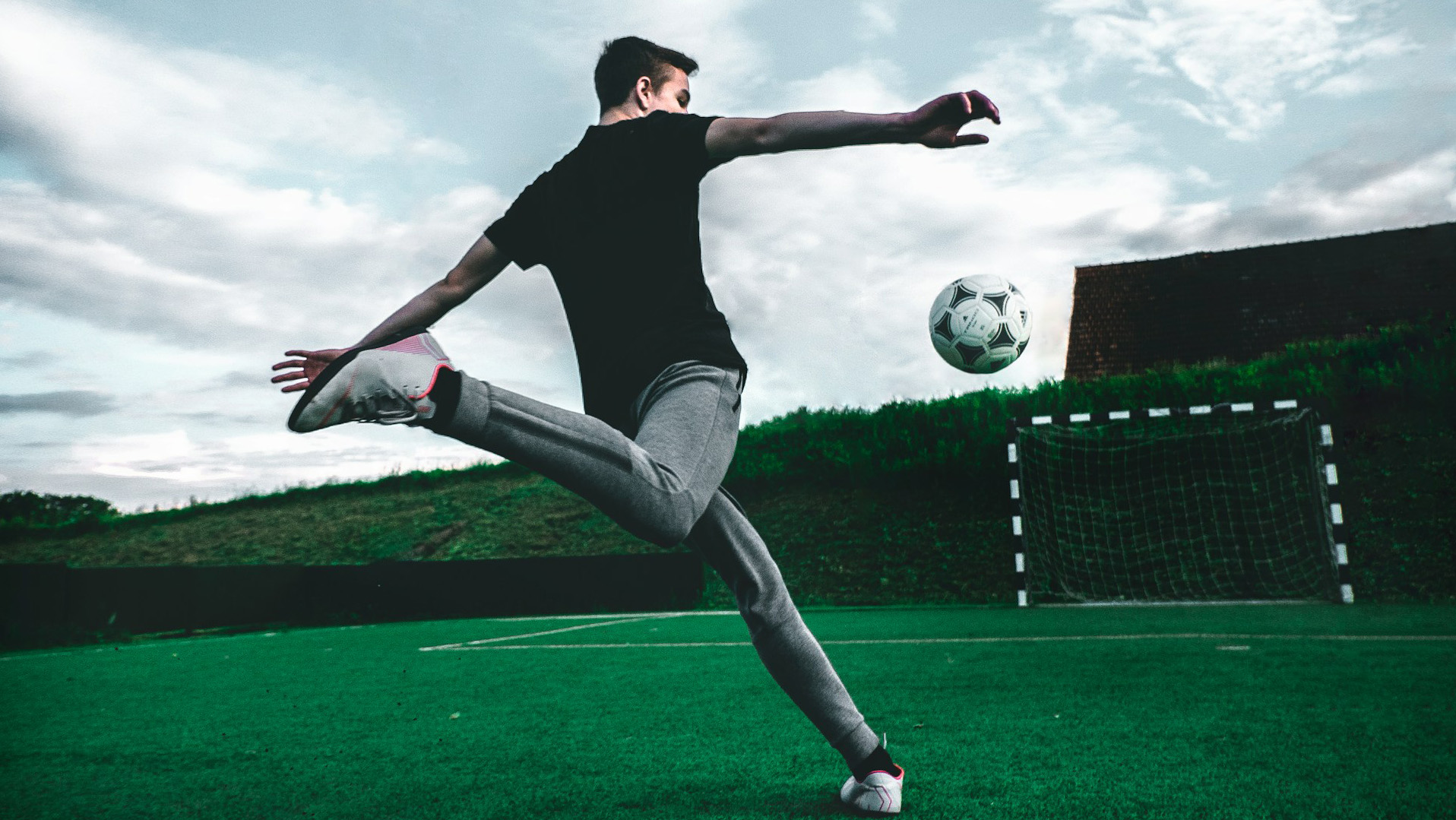
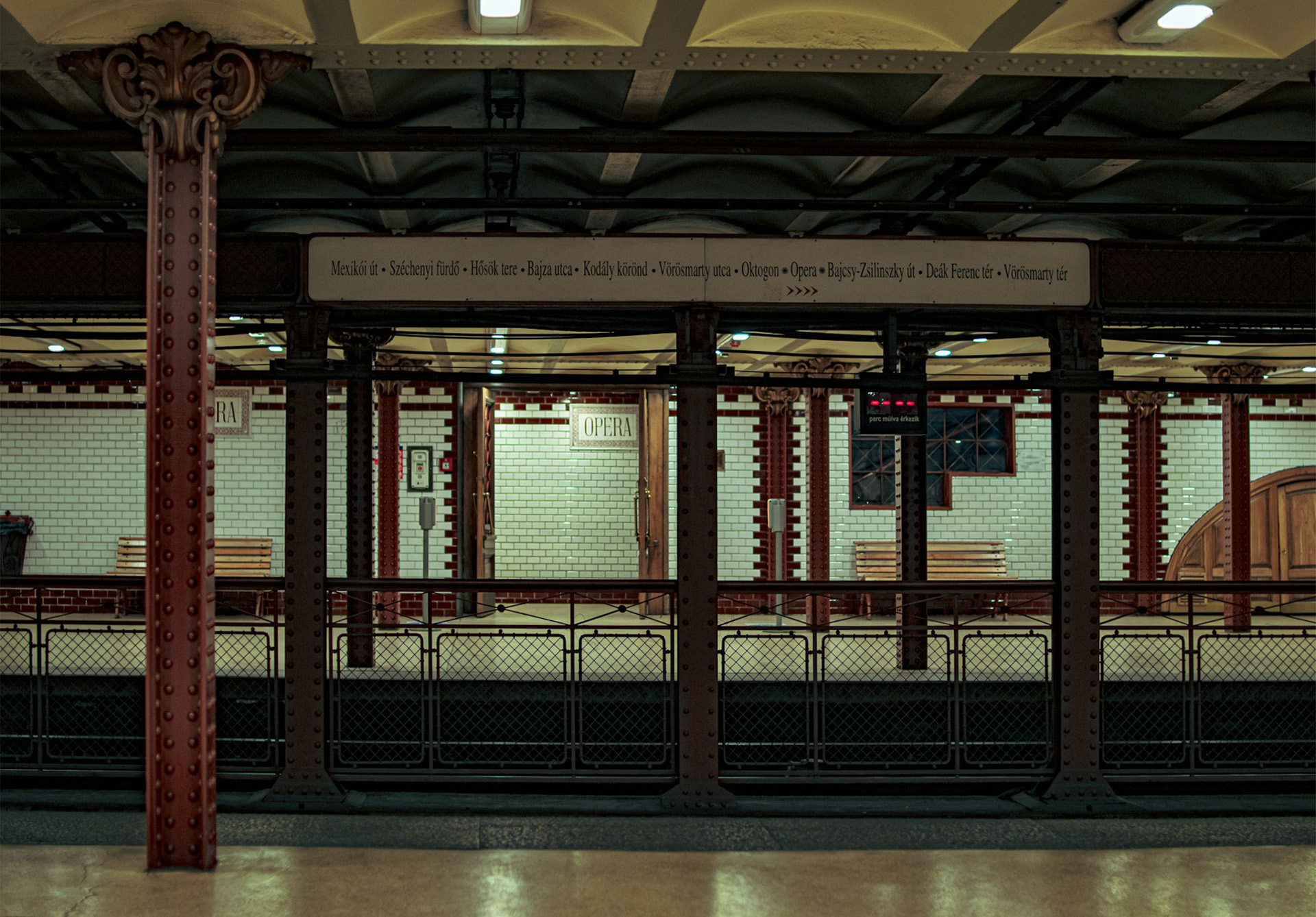
A picture of two opposing hockey players at the start of the game – taken by Jerry – YuFootballer moments before striking a ball towards goal – taken by Sven Kucinic An empty trainline with no people in sight
I plan to do a documentary style for my assignment.
Documentary photography dates back all the way to 1852, where photographer Philip Delamotte recorded the disassembly of Crystal Palace and 1861, where Matthew Brady recorded the civil war taking place in America.
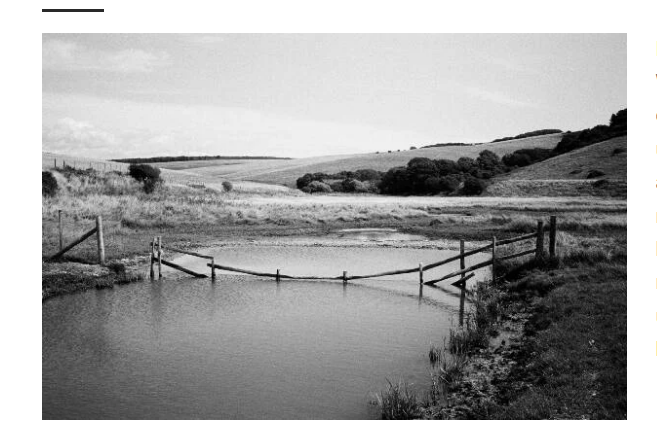
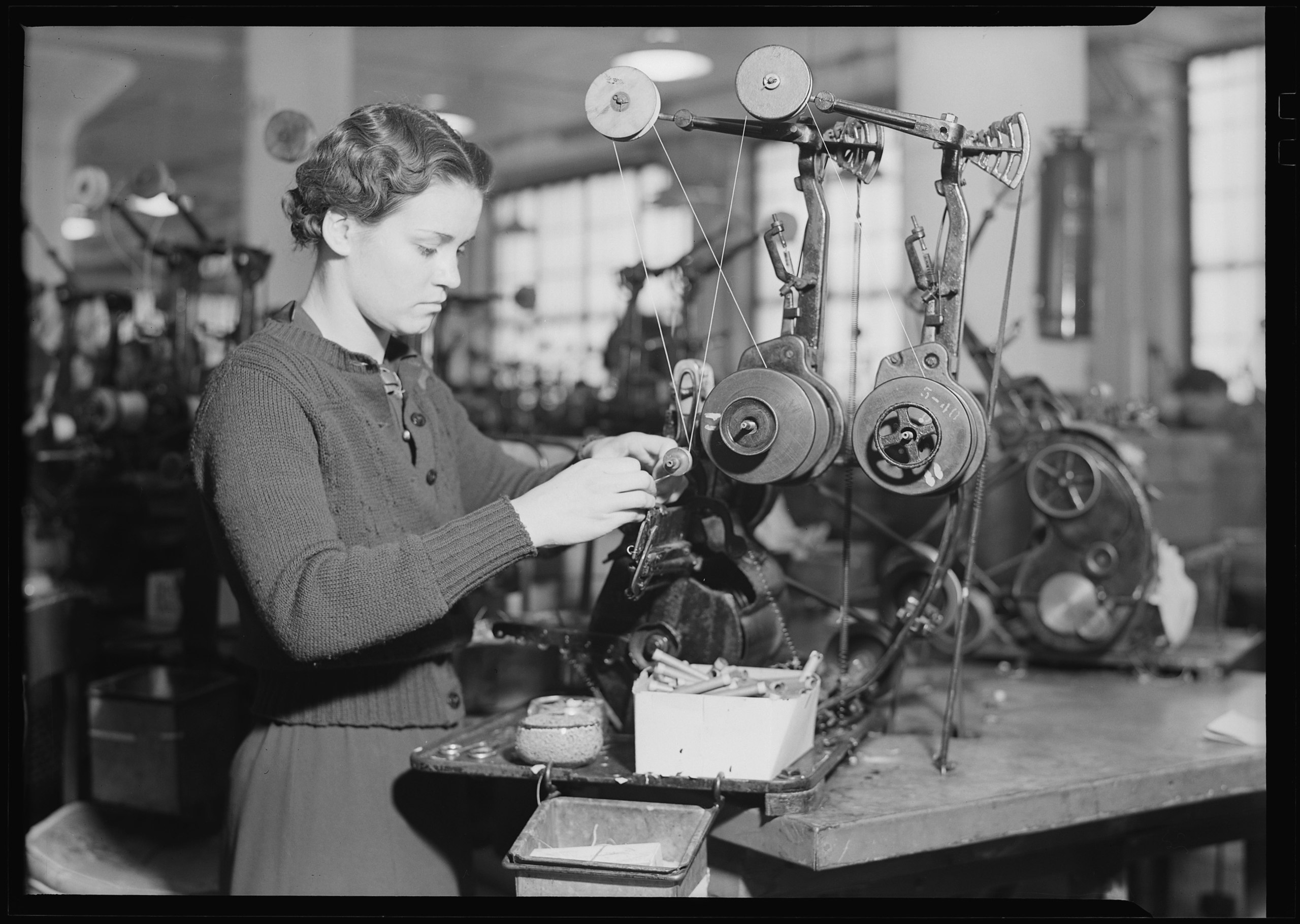
Some current photographers that use this style of photography are Daniel Brady, Lewis Hine and Gordon Parks. Daniel Brady uses his photography skills that show off different land and places and how we perceive these elements to show how we as humans damage them. Lewis Hine was a photographer from around the early 20th century and used his skills to get across different social classes and the difference in conditions between different work places and families. Gordon Parks was a pioneer to south side ghettos in the 1940’s as he was able to use his abilities to get across the racism and how people of colour were unfairly treated.
Gordon Banks’ picture captioned “beautiful pictures of an ugly history”
Daniel Bradys’ photography captioned “Lowlands”
Lewis Hines’ photography captioned “Coil Winder”
The main goal of documentary photography is to capture real life scenarios that almost tell a story through the actions of the people or how the scene looks. The easiest way to do this is by trying to capture raw emotion, most likely in a busy setting without telling everybody so you know it’s a genuine reaction and not staged. What can be difficult is you need to snap the pictures at the exact correct moment, therefore you need to always be ready with your camera.






 Photographic Journalism
You must be logged in to post a comment.