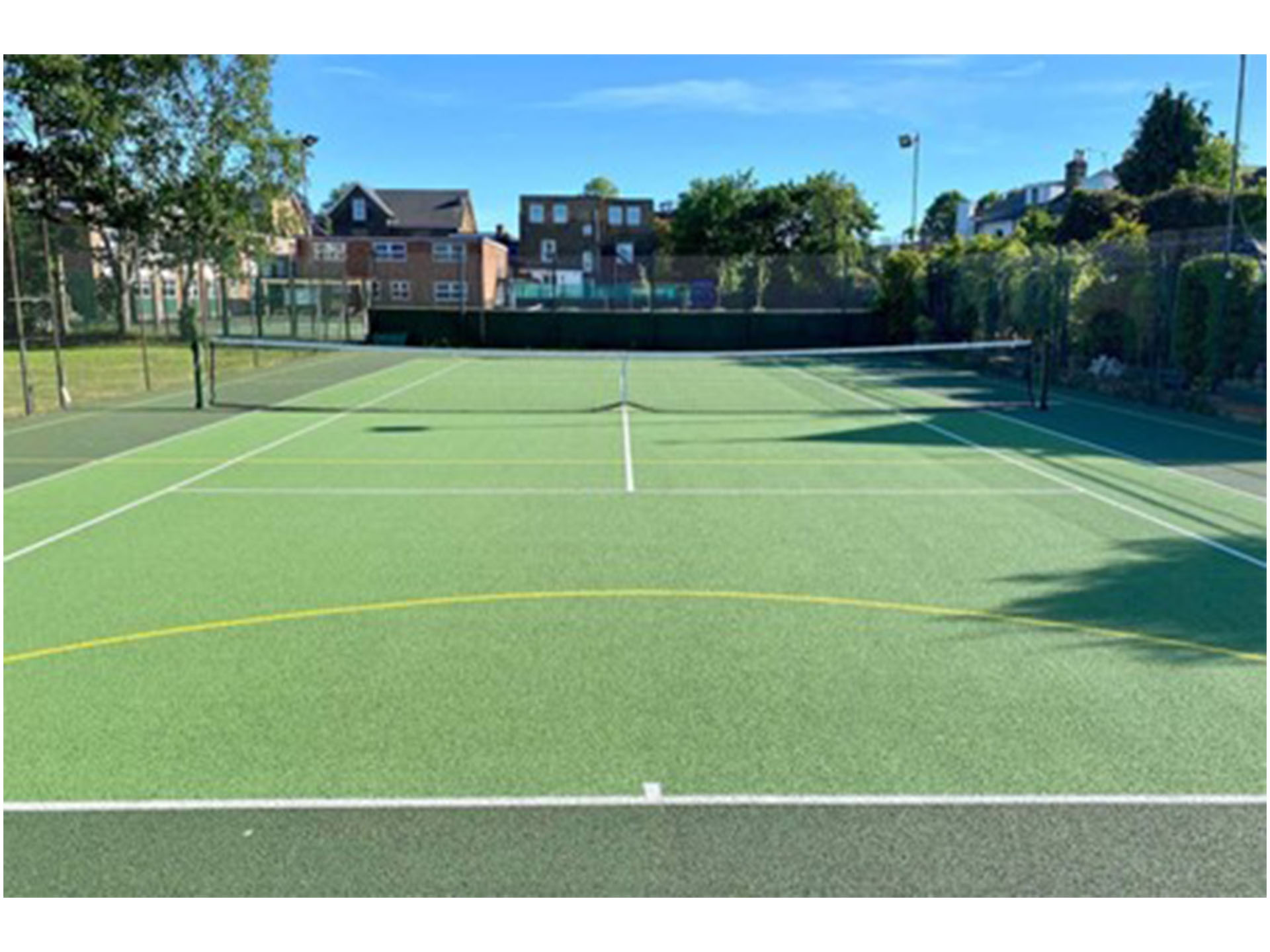
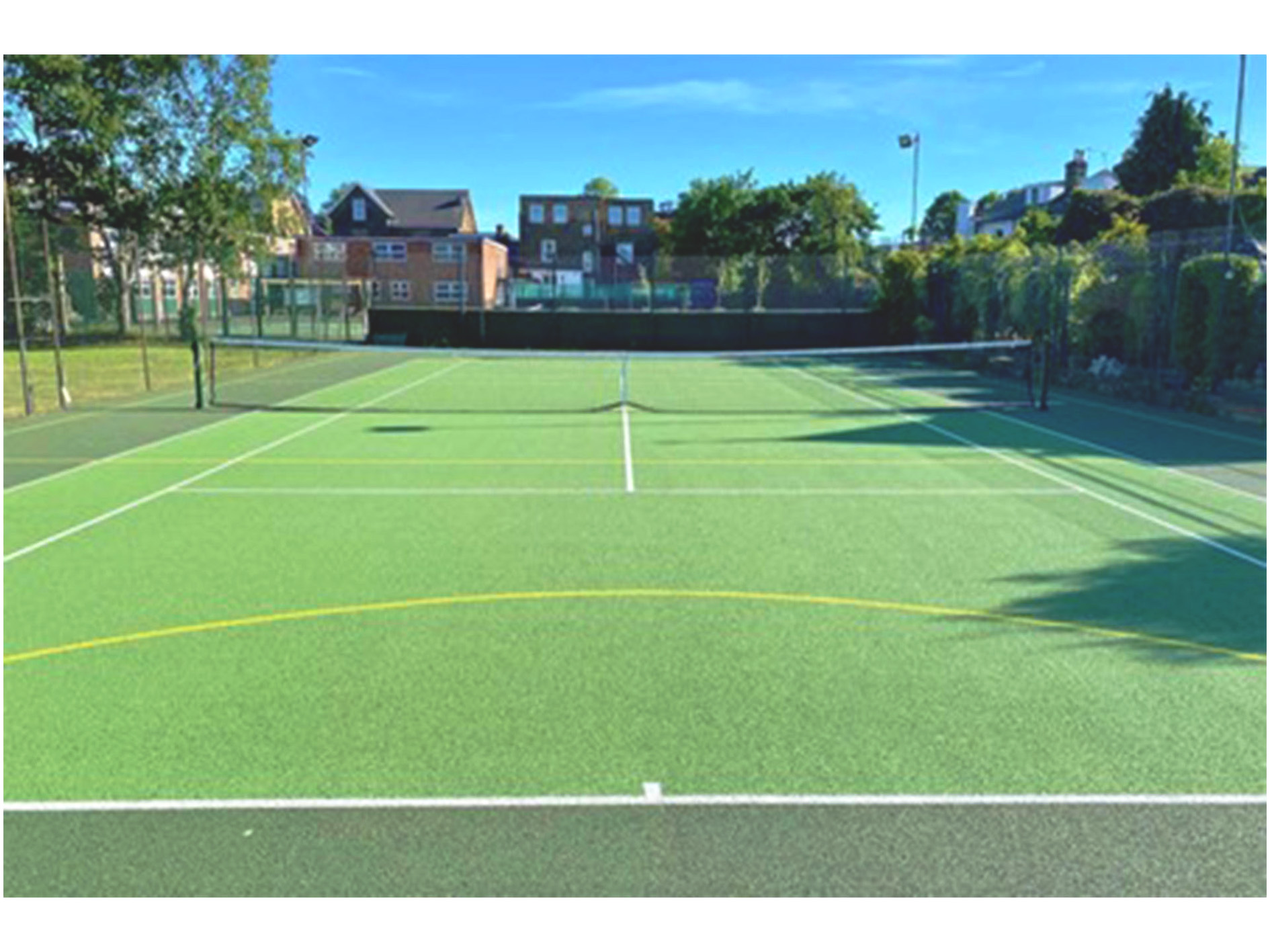
The images below have all been edited to make them look more usable, changing multiple different aspects, such as brightness, contrast and exposure to the light. The two images below have been edited and the ones above are the ones taken before.
For this one, i changed the vibrance, brightness, contrast and exposure levels to try and make the court and sky brighter. I thought the original picture looked a bit dull with the darker green and blue colours, so my goal was to make it more vibrant and cheerful.
My goal for this image was to try and make Carlos stand out even more than he did in the original. I made his face clearer through the brightness and contrast of the image, so the blurred background could bring even more attention to him.
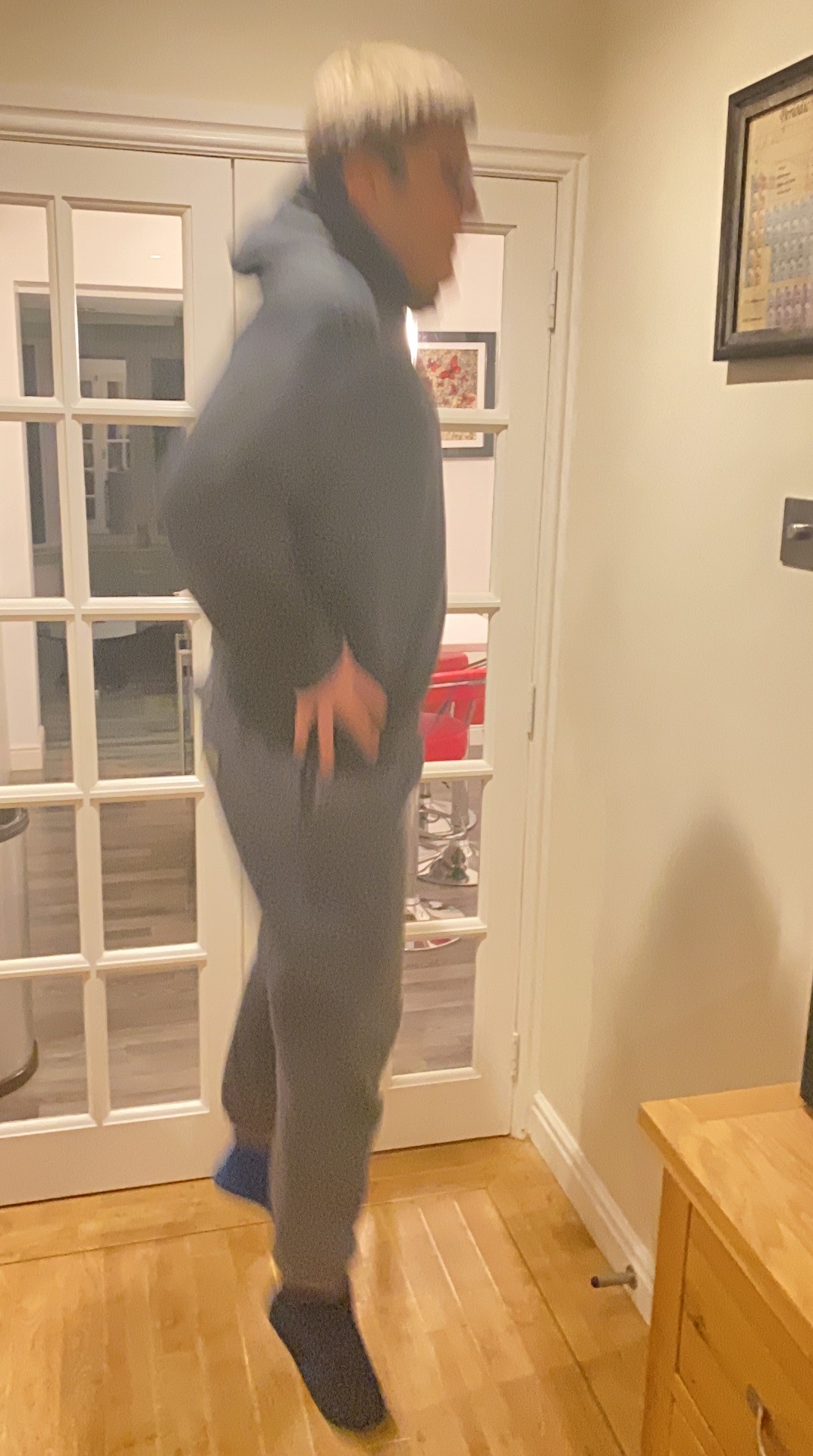
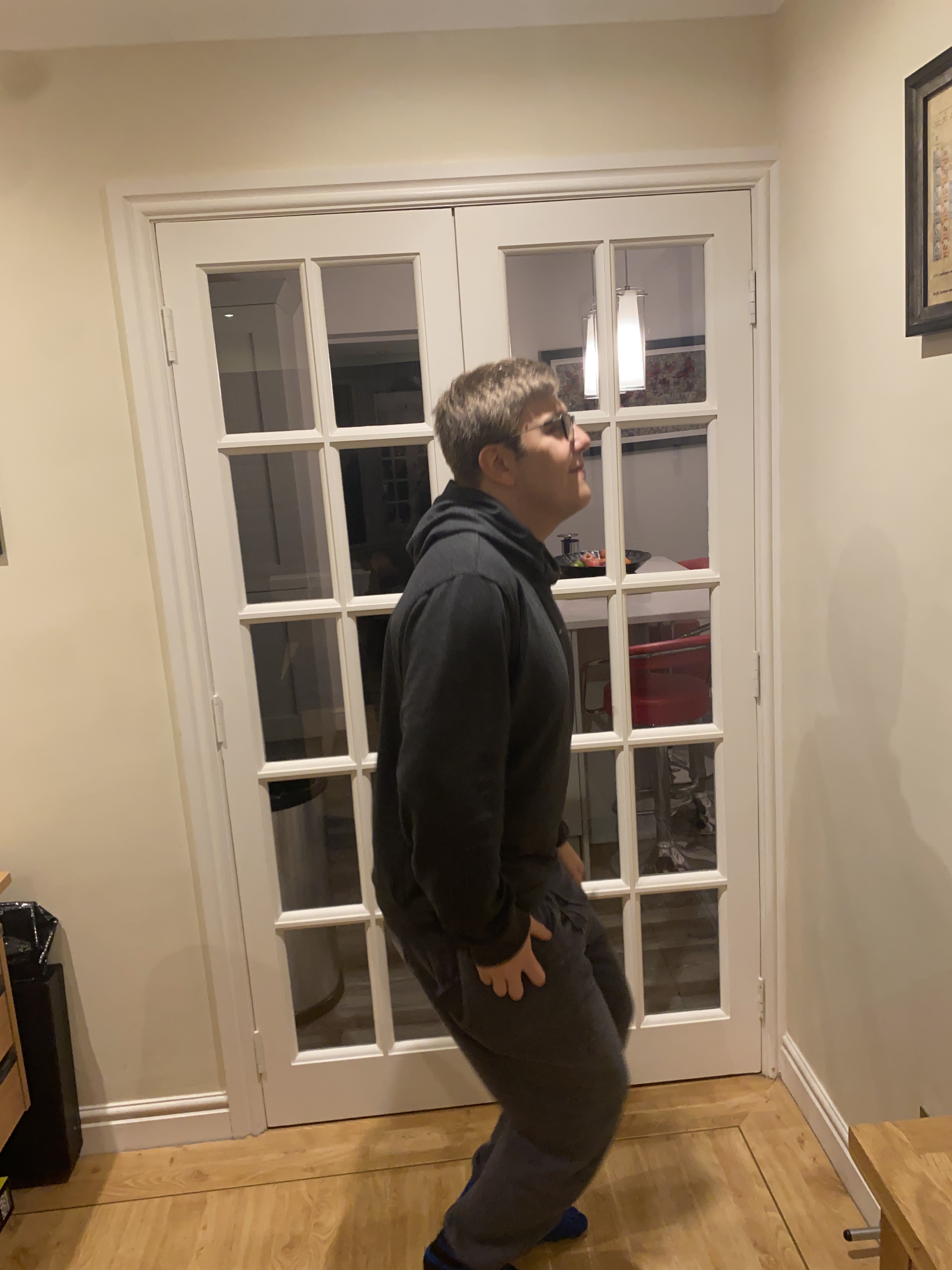
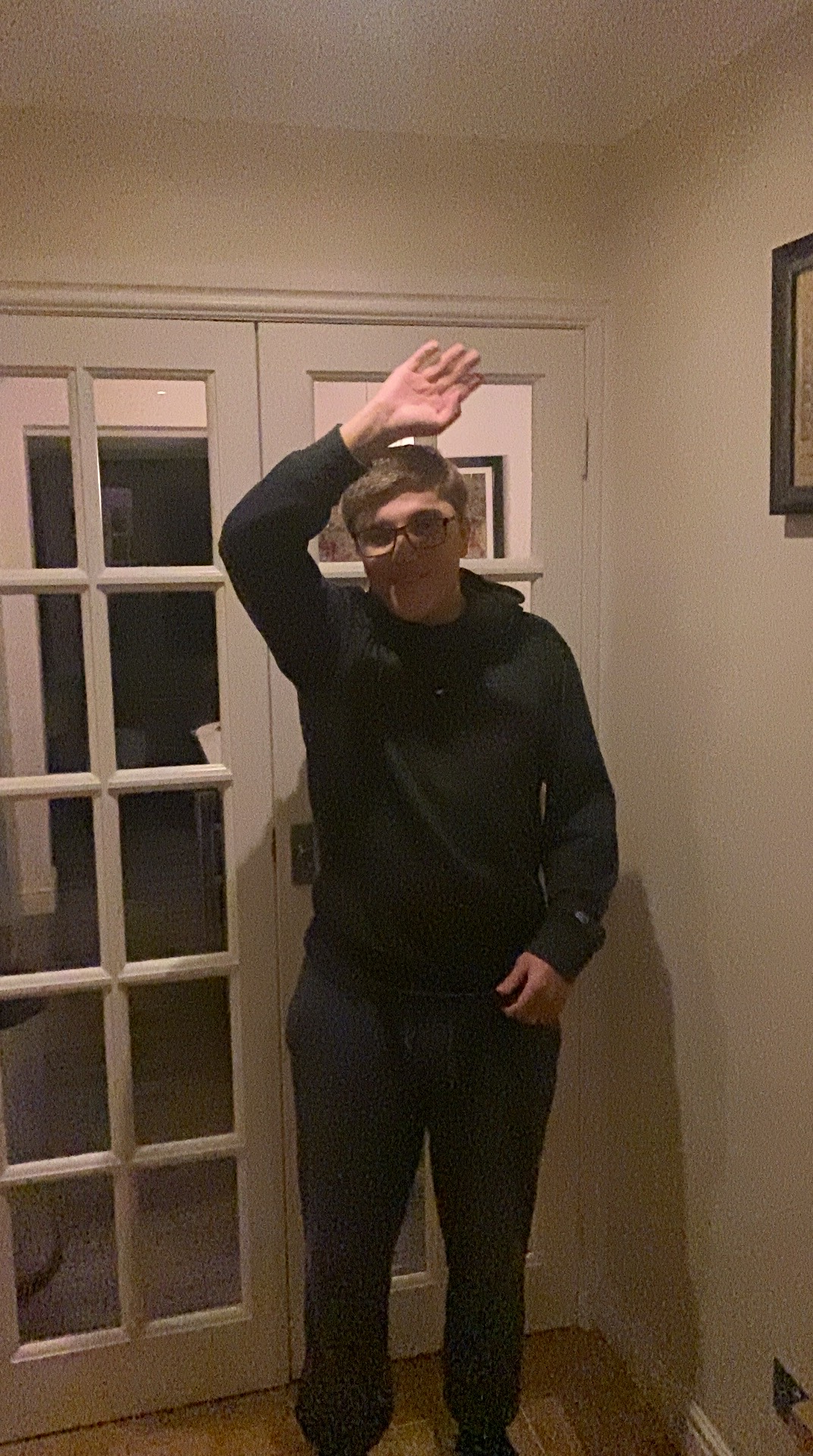
This is my brother who i was tasked with taking multiple pictures of at different paces of shutter speeds on the Pro Shot app to show different perspectives.
The top photo was with a faster shutter speed to give the picture minimal blur, so even whilst he was moving up and down mid jump, there was as little blurring as possible, making a smoother photo. The second photo counteracts this as the shutter speed was changed to slow to create a completely different effect, which as you can see, gave it an interesting look, blurring out the top of the image as he was mid jump and on his way back down.
This photo was selected with burst fade, showing just as he was about to jumpThis live photo was capturing the middle of my brother waving his hands
Extra research
Shutter speed is one of the most important settings when it comes to photography as you try to capture the correct brightness and different effects that will cause drama within the photo through freezing or blurring out people or backgrounds.
You can change the different shutter speeds through the camera shutter, slowing it down or speeding it up depending on what you want to achieve with your photo. The shutter speed is the amount of time the camera is open, which exposes the light onto the sensor.
Slow shutter speeds are typically used at night to expose the milky way for example, as it brings out a much clear image than a fast speed would.
A fast shutter speed might be used to picture something like a dolphin jumping out of the water, to try and freeze it, whilst also keeping the rest of the water and background clear.
Another important part of shutter speed is the exposure of the light used when taking it, which of course affects the brightness of the image. If you use a high shutter speed, you will get more light and vice versa for a slower speed.
This class was a bit different to any of the other ones we’ve had so far as it required us to go out into the real world and capture different pictures using with different camera settings on our phones.
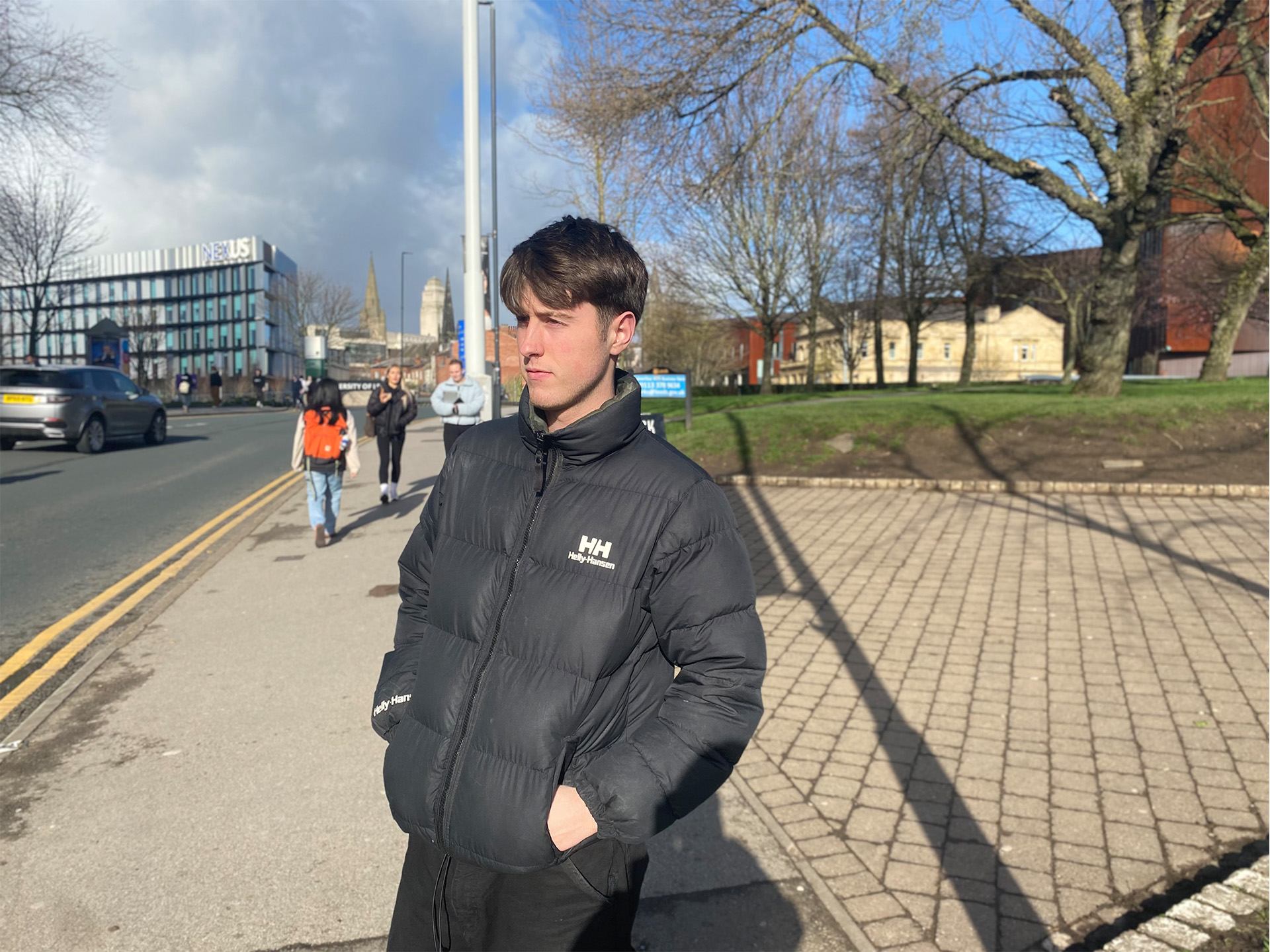
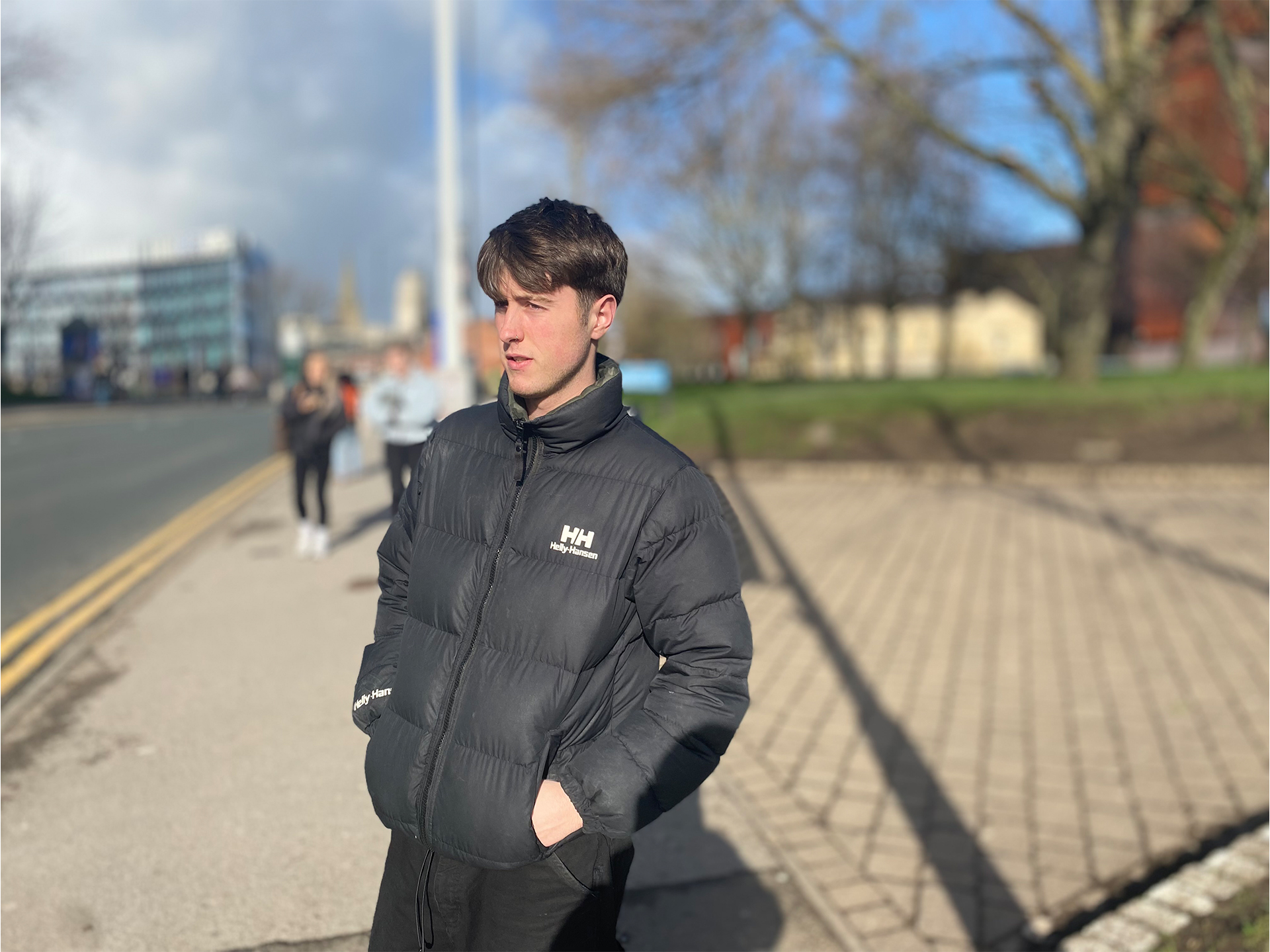
We had to use our classmates to capture different shots with different qualities. Our first picture needed to be with the F-stop set to its highest setting, meaning you get less light in the picture, but more of it is in focus. This was very clear when the whole image was very clear.
Next we did the exact opposite, with our F-stop on the lowest setting, allowing more light through but blurring out more of the image, especially the background, making the prominent figure at the front stand out more, bringing more attention to them.
Next we did the middle ground, which brought more attention to the model than the first picture, as the background was a bit more blurred out, but nowhere near as much as the second picture.
Finally we did the same but inside to see how it differed to natural sunlight causing these effects, but personally, other than a slight difference, I didn’t notice too much, apart from some difference in quality.
Today we were learning how to use photoshop to edit the photos that we take so they can be to the highest level possible. We were taught how to resize our images to a certain size, 1920 pixels wide, whilst making sure it kept its aspect ratio. The picture i used was of a hockey game and found that it became a much clearer image once it was resized properly, showing how important it is for us to make sure we edit pictures correctly.
Next we had to find an image that was in portrait and crop it to landscape, without cutting out any major sections of the photo. This was in my opinion the most useful thing we have learnt because it means that just because you take a picture in portrait, it doesn’t mean you then can’t use that picture again if you need it to be landscape and vice versa. My picture was of a boy who was about to strike a football and although the picture looked different when changed, there was nothing missing from the original.
Next we had to use perspective crop to straighten an image that looked slanted due to the cameras position when it was taken. I struggled a bit with this at first but after some help, I found I was able to use the pictures edges to change a slanted train track to straight.
Finally, we then used these skills to go back to our image from the first week and edit it so that it was better.
High F-stop photoLow F-stop photoMedium F-stop photo
The three photos above are all taken of the same person, but with different levels of F-stop taken to get different perspectives. The first image was the highest level with the goal of getting the whole picture in the highest focus possible, as you get much less light. The picture with the lowest F-stop does the complete opposite, leaving the background of the image with less focus but leaving more attention on the model. The medium one does both, leaving less focus, but not making it blurry so you can see the model and the background.
A photo with all three models in sharp focusphoto with one model in focus and two behind out of focus
Leeds Beckett University faced the University of Leeds in a competitive football match for the first time in both of the university’s histories.
Leeds Beckett second team were able to come out on top, beating the University of Leeds first team by two goals to one and keeping their place at the top of the table, winning four games out of the five played whilst their rivals currently sit at the bottom on zero wins, despite being tipped as favourites to win the league.
A huge crowd of over one hundred fans came down to watch the affair, creating an atmosphere that could only be described as electric and they did not disappoint, especially when Daniel Boateng scored a late winner, converting the cross from Lucas Robinson, the scorer of the first goal.
Leeds Beckett’s manager Kevin Heaton said, “We played really well; we defended very well. Before the season, we set an objective to not get relegated and now we are pushing for a title, it’s brilliant.”
Leeds Beckett will be hoping to continue their brilliant form and stay at the top of the table as they carry on proving their doubters wrong and staying above their friendly rivals.







 Photographic Journalism
You must be logged in to post a comment.