
In 2024, the London Marathon ballot broke a world record with an incredible 578,374 applicants, a clear reflection of running’s growing popularity.
In recent years, there has been a noticeable surge in people taking up running, a trend many links back to the COVID-19 pandemic. With lockdowns keeping people indoors in 2019 and 2020, running became one of the few ways to stay active and escape the four walls of home.
But beyond the statistics lies a deeper question: what keeps people lacing up their trainers?
From a newcomer finding their stride, to a first-time marathoner chasing a lifelong goal, and a seasoned runner rebuilding after injury. These three personal journeys reveal how running offers far more than just fitness. In a world where health and wellness are constantly evolving, their stories highlight the physical, mental, and emotional power of simply putting one foot in front of the other.
Beginner Runner – First Steps
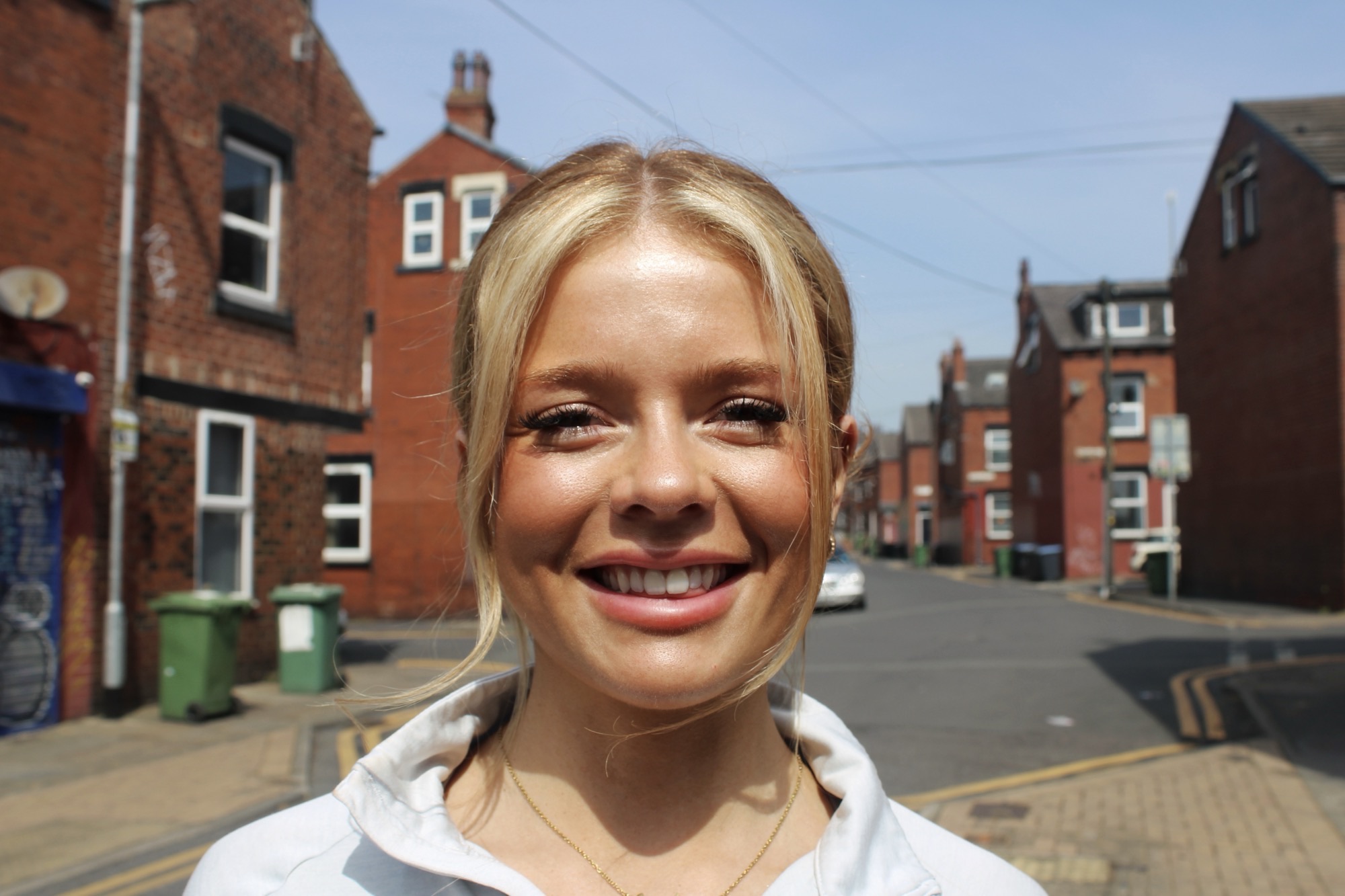
Beginner runner Sadie Waite-Burnell opened up about what first inspired her to lace up her trainers. As the weather began to improve, she felt the urge to get outside and make the most of it, but it was social media that gave her the final push. “Seeing people posting their runs, vlogging their journeys, and talking about how good they felt afterwards. I wanted to experience that runner’s high for myself,” she said.
She vividly remembers her first run, a moment that felt more frustrating than fulfilling. “I felt good, but honestly, it felt quite short and a bit pointless at the start,” she admitted. “Running is definitely mind over matter.” Like many beginners, she started slow, and she admitted to the real struggles, but she kept at it, reminding herself that improvement would take time, “I knew I had to be patient, it’s a marathon, not a sprint.”
I knew I had to be patient, it’s a marathon, not a sprint.
Sadie Waite-Burnell

Eventually, that patience paid off. “The first time I ran for 15 minutes straight, I was so proud of myself. Progress is easy to track with running, even if you run just one minute longer than last time, you can feel it and see it. That’s what kept me going.” She shared.
But with progress came many challenges, the thought of staying consistent and learning the dos and don’ts before going on a run, such as what sorts of foods to eat and staying hydrated, to reduce cramping and stitch.
She spoke about the mental battles just as much as the physical ones, how motivation can dip and how hard it can be to get out the door, especially when the weather’s bad or life gets in the way.
She added “Alot of the time it is down to mindset, I’ll be running and I’ll think I could really easily stop right now but it’s checking in with myself and being is it I want to stop or do I need to stop because realistically it’s the effort you’re putting in for yourself and your health and well-being.”

Despite the hurdles, she’s continued running, learning to listen to her body, celebrate the small wins, and keep going at her own pace. She shared that “everyone should just go for it, give it a good try because it is definitely more a mental challenge rather than a physical one and it will definitely be worth it for the feeling you get after.”
First time marathon runner – pushing limits

Olivia Flanagan is set to run the London Marathon on April 27, 2025, for the charity Age UK. When asked why she signed up, she shared her personal motivation: “For myself. When I was 18, I was very ill, and my body would never have carried me 26.2 miles. But this one will.” She also added with a smile: “And honestly, the fear of the ‘what’s a fun fact about yourself’ question, I never had one, but now I will.”
When I was 18, I was very ill, and my body would never have carried me 26.2 miles. But this one will.
Olivia Flanagan
Having been a runner since she was 16, Flanagan wanted to take on a challenge that would push her and ultimately give her something to be proud of. While this journey has been incredible, it hasn’t been without its struggles. She opened up about the highs and lows of marathon training.
“I’ve had to sacrifice other aspects of my life. I don’t have much of a social life anymore, and I’ve become a lot more introverted. I’m tired outside of running, so I don’t have the energy to go out and be sociable. Mentally, it’s such a challenge, but I’m fortunate to have a great support system around me. I remind myself that it’s only temporary.”
Flanagan shared insights into her training routine and the schedule she follows in preparation for the marathon: “I’m a very logical thinker, so if I’ve followed a plan, everything should go according to it.”
As a dedicated runner, she has always run three to four times a week, typically covering distances of 10-15km. This solid foundation has certainly helped as she ramped up her training for the big event.
Digital fitness communities have played a significant role in the growing popularity of running. Social media platforms like Instagram and TikTok have turned running into a trend, with users regularly sharing their routes, progress, and personal milestones. This visibility has inspired others to lace up their shoes and also fueled the rise of fitness-tracking apps like Strava, which hit 120 million registered users globally in 2024.
To keep her training on track, Flanagan relies on apps like Strava and RUNNA: “I use them to curate my marathon training plan, which includes a mix of easy runs, interval training, tempo runs, and long runs four times a week. My weekend long runs typically increase by 2 miles each week, though I do have some deload weeks slotted in, those are heaven.”
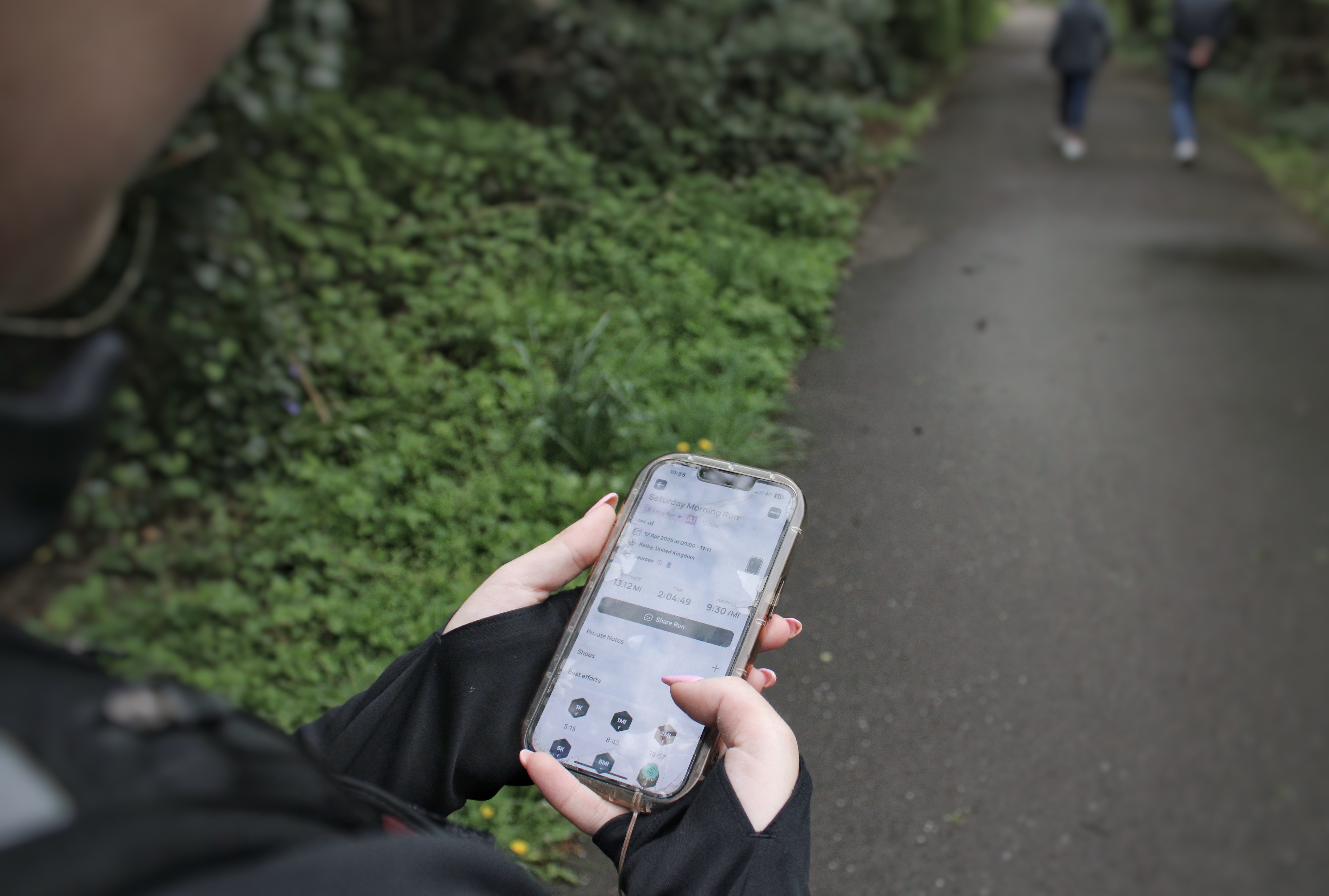
When it comes to her diet, Flanagan explained that it hasn’t changed much despite the increased training intensity. “I don’t focus on calories, carbs, fats, or protein for personal reasons. However, I do try to be mindful in the days leading up to and the morning of my long runs, opting for more carb-dense meals. If I were to run a marathon again, I’d probably put more focus on a tailored meal plan alongside the physical training.”
As the big day approaches quickly, Flanagan reflects on the emotional weight of the marathon. With months of training behind her, she’s aware of the challenges still to come, but also the deep sense of accomplishment that awaits her at the finish line. “That I am capable of hard things. Running is so mental. Physically, I’ve been fit enough for years, but I think I’ve used this training to ‘train’ my brain to believe I can do it.”
While the marathon will undoubtedly be a monumental challenge, Flanagan already has plans to celebrate the achievement. She recognises that the journey has been as much about personal growth as it has been about reaching a physical goal.
“I can’t wait to see my girls and my boyfriend at the finish line and give them all the biggest squeeze. I wouldn’t have gotten through the tough parts of training without them.” she laughed as she added on: “And I absolutely will make it my whole personality for the next week or so.”

Advanced runner – bouncing back

For many runners, setbacks come in many forms and for Kieran Gethins, it was an unexpected injury that derailed his marathon ambitions. What seemed like a routine Sunday football match turned into a painful reminder of how quickly things can change.
While playing football, the injury occurred during a tough 50/50 challenge. After winning the ball in the first tackle, the ball bounced into another 50/50 with a second player. As he went in for the second challenge, that’s when the injury happened.

“Initially, I knew there was some damage, but I wasn’t sure if it was a break or just ligament damage. After going to the walk-in center and getting an X-ray, I was told it was a broken medial malleolus.”
The doctor explained that the heavy impact from the first tackle, followed by the second, made the ankle more vulnerable to breaking due to the double force within such a short time frame.
Gethins opened up about his initial reaction when he realised his injury would sideline him from his passions. “I was absolutely devastated, to be honest. Missing out on playing football, which is my number one passion, and running as well was a tough blow.”
Despite the setback, he maintained a positive mindset. “I try not to dwell on things or focus too much on the negative. I saw it as a huge obstacle, but also as something I could work towards. Of course, I was devastated, but I embraced it and didn’t let it get me down. I focused on how I would get back as soon as possible.”
Gethins is now 13 months down the line since the initial break and is still seeing physio weekly and doing rehab strengthen work, the process has been severely, long and he didn’t think it would take this long, but he soon realised the damage was so bad that it will take a long time to get back into it.
He spoke about the physical and mental challenges he’s faced in returning to running after the injury. “Physically, the biggest hurdle was the lack of ankle mobility and weakness in my right side; my calf, hamstring, glutes, and quads just weren’t at the level they were before the injury.”
Mentally, it was about accepting the reality that he couldn’t run at the same pace or comfort level as before.
“The hardest part was accepting that I had to start from scratch and build myself back up. Even now, I’m still not at the level I was pre-injury, and mentally, it’s tough knowing that every week, every month, there’s still work to do.”

As a result, he’s had to adjust his training plan, dedicating more time to warming up, stretching, and improving mobility. “What the injury has taught me is that it’s no longer as simple as just getting out of bed and lifting weights or going for a run and being fine. Because of the injury, I now have to make sure I do my warm-up properly and spend more time on it, or I risk causing more damage or aggravating the injury.”
It was never something I had to worry about but now I do
Kieran Gethins
The injury deepened his appreciation for running, a passion he had always enjoyed. “I’ve always loved running for the freedom it gives me, and how great it makes me feel mentally and physically. But not being able to even go for a walk at one point really made me realise how much I missed it. It’s definitely made me appreciate running even more, both for the mental clarity and the physical benefits it provides.
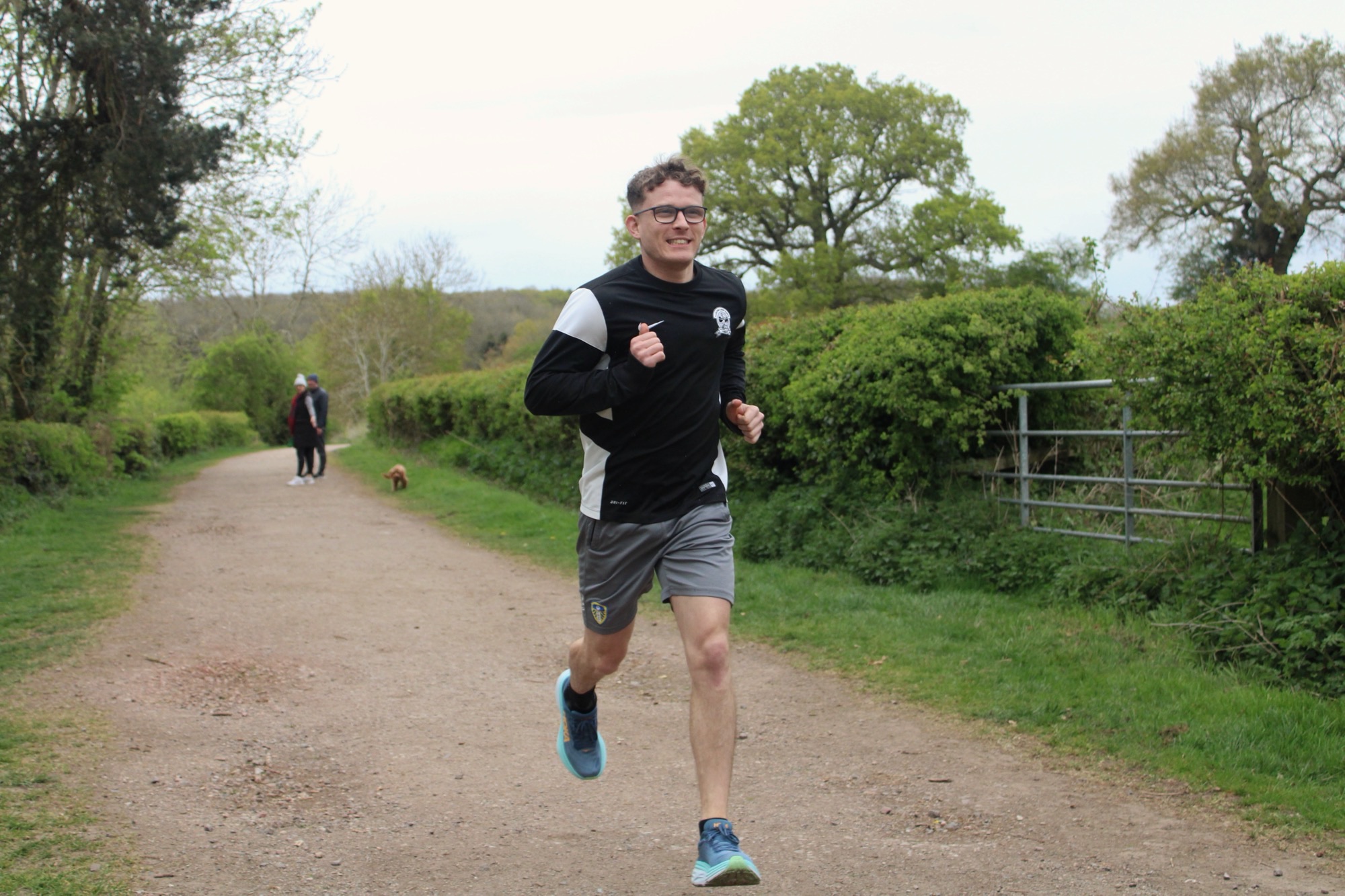
Running holds a deeper significance beyond physical fitness. While it undoubtedly helps maintain physical health, it also offers numerous mental and emotional benefits. As demonstrated by these three runners, each of them started from a different place, set personal goals, and faced various obstacles along the way.
Despite these challenges, they never gave up, continually improving and setting new targets for themselves
Whether it’s pushing through an injury, overcoming self-doubt, or simply striving to achieve a personal goal, running provides a platform for transformation. Despite these challenges, they never gave up, continually improving and setting new targets for themselves. Running, in its many forms, offers a deeper connection to oneself and a reminder that no goal is too distant as long as you keep moving forward.






 Photographic Journalism
You must be logged in to post a comment.