Rewilding Nottinghamshire: Efforts underway to restore county’s natural world

Robin sitting on a branch.

Nottinghamshire is historically bound to its natural environment, with the legendary tales of Robin Hood set in the world-renowned Sherwood Forest.

Despite this rich history, the county has long suffered a decline in green space and biodiversity following the birth of the industrial revolution in the nineteenth century – as a result, Nottinghamshire’s landscapes are under increasing pressure. Concerted efforts are now being made to revive the county’s wildlife and green areas, led by a multitude of organisations and action groups.

In the 1200s, thought to be the time of the bowman’s pomp, it is estimated that Sherwood Forest covered around 100,000 acres – 100 times its current size. The city also used to be characterised by vast marshland, a large portion of which has been greatly reduced since industrialisation began two centuries ago. Nottinghamshire now faces one of its greatest challenges – reversing this trend and restoring its nature and biodiversity back to a healthy level.

Forest in north Nottinghamshire.
Sherwood Forest once covered 20% of the county of Nottinghamshire | Photo by Joseph Poole

Among the most notable of initiatives currently underway is the Nottinghamshire Biodiversity Action Group, a collaboration of several smaller teams that all pull together to help conserve the county’s wildlife. Chris Jackson, biodiversity officer working for the action group, touched on the team’s success: “This work has seen the restoration of typical Sherwood habitats – heath, acid grassland, wood pasture, woodland – and these new sites have in turn created links between well-established core areas of good habitat.”

The process of identifying hotspots for improvement comes from accessing a resource prepared by the action group to track areas of great potential: “There are a number of areas that have been prioritised through a piece of work called the Biodiversity Opportunity Map for Notts. Within this work we have identified a number of focal areas where we have noted that there are a concentration of opportunities for biodiversity,” Jackson explained.

The use of focus areas allows the action group to prioritise involvement in a certain area, in a way that grants the greatest possible benefit for wildlife. One focus area is Calverton, a key location that was identified as an opportunity for woodland growth in the county, on the periphery of Sherwood Forest. “There have been a few notable species that have been recorded after a long period of absence – black oil beetle, hazel pot beetle, diamondback spider.”

Abandoned caravan sits at the heart of a forest, covered by foliage.
In Sherwood Forest, the natural world is slowly fighting back | Photo by Joseph Poole

The arrival of such species underlines the progress made by groups like the Nottinghamshire Biodiversity Action Group. These results are encouraging signs for the county, showing a shift in trajectory after many years of decline. However, it has not all been plain sailing for the team. When questioned about the greatest challenges to the action group, Jackson specified: “Habitat fragmentation – working with partners and landowners to try and make sites less isolated and more joined up.”

Green space in England has increasingly been divided by urban development, breaking large, continuous habitats into smaller, more isolated patches. Species which rely on connected green corridors to move freely, find food and reproduce have now become particularly vulnerable. Fragmentation not only reduces diversity by isolating populations but also increases the risk of extinction for detached species.

Above all, the most limiting factor to conserving wildlife and green areas is accessing sufficient funding: “We are aware of how we can help certain habitats and species but often we don’t have the resources to do this work on scale,” Jackson concluded. Nottinghamshire County Council do not publicly state the exact percentage of its budget allocated specifically to wildlife regeneration, leaving plenty of uncertainty for the continued success of projects like this one.

Bumblebee on a dandelion.
The population of the bumblebee has dropped greatly in the UK in the last century | Photo by Joseph Poole

Another great concern for not just Nottinghamshire, but the whole of the UK, has been the decline of pollinators over recent decades. According to numbers recorded by the Joint Nature Conservation Committee, the country saw an overall decrease of 24% in the distribution of pollinators from 1980 to 2022. This is not only bad news for bees, butterflies and beetles, but for greater plant reproduction, which ultimately impacts global food supply.

A senior lecturer in the field, who wished to remain anonymous, highlighted the importance of these invertebrates: “Insects are arguably the most vital organisms on Earth, representing approximately 75-80% of global biodiversity. They serve as ecosystem engineers, pollinators, and natural regulators – roles that are essential to the stability and functioning of ecosystems. Birds are of course nice – but what we do know is that they are absolutely dependent upon the insects.”

The modern decline of insects is a serious issue, they added: “If insects were to disappear, the resulting collapse of ecosystems would be catastrophic. Alarmingly, some studies suggest a staggering 60% decline in insect biodiversity over the past decade. This is a deeply concerning trend that demands immediate and sustained action.” This is deeply troubling, but the worst may be yet to come – the World Wildlife Fund (WWF) claims that up to 40% of the world’s insect species may go extinct before the turn of the century.

Orange-tip butterfly feeds off the nectar of a small flower.
The county’s flora and fauna are beginning to benefit from recent initiatives | Photo by Joseph Poole

Such a frightening prospect makes it clear that drastic measures must be taken. According to Wildlife Trusts, a third of our food crops are pollinated by insects, showing that the stakes are high for humans too. The realisation of this bleak proposition has provoked a rise in efforts to protect our six-legged friends, such as the Action for Insects campaign, which attempts to influence local authorities to reduce pesticide use across the country.

There has also been a positive shift in efforts towards insect conservation, particularly in Nottinghamshire, noted the senior lecturer: “A lot of this has come from changing attitudes – extensively managed lawns, more native plants in our parks and gardens, and generally a more positive attitude to nature. We can always do more as a society, but the efforts of those organisations fighting for wildlife and green space in the face of urban encroachment should be applauded!”
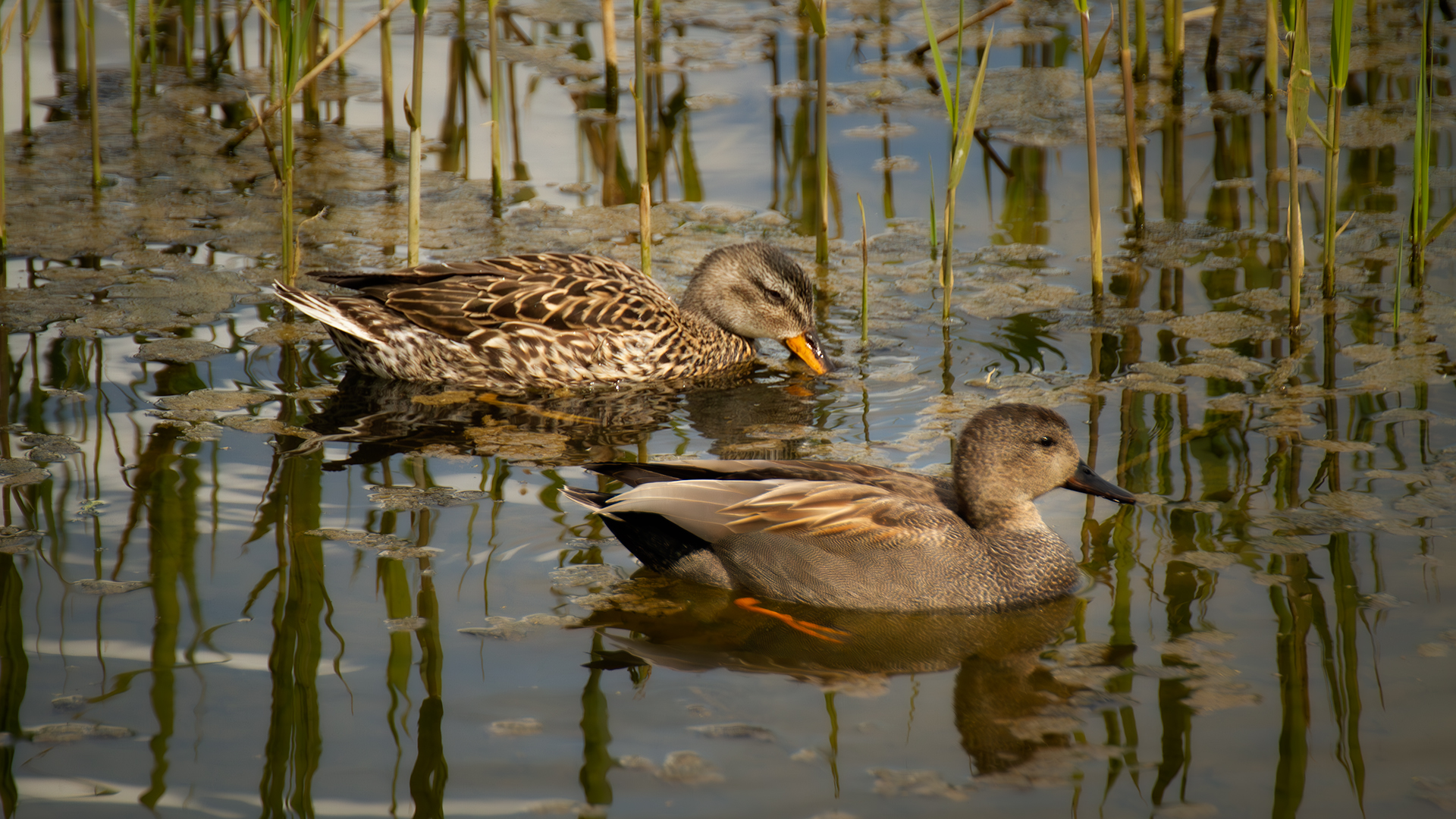
Two ducks swimming in marshland.
Marshland plays a huge role in Nottinghamshire’s biodiversity | Photo by Joseph Poole

The county of Nottinghamshire has historically boasted a vibrant mosaic of varied habitats, serving as an important stronghold for nature in the East Midlands. The ancient oak trees of Sherwood Forest provide essential habitats for rare insects, birds, and mammals found nowhere else in the region. However, not only does the county offer lodging to arboreal species, but it also offers marshland adequate for hosting a vast array of unique species, native and non-native.

However, much like the county’s forestry coverage, the amount of wetland has greatly decreased in recent times. Heavily populated suburbs of the city, such as The Meadows, were once vast fields and marshland. These areas were drained to make way for housing, eventually becoming part of the City of Nottingham district. This problem is not unique to Nottinghamshire; rather, it resembles a bigger picture – the UK as a whole has lost an astonishing 90% of its former wetlands, making way for agriculture, development and forestry among others.

Two geese following their young across wetland area.
Nottinghamshire’s wetlands have improbably become host to a rare African species | Photo by Joseph Poole

Despite this, wetland reserves in Nottinghamshire, such as Idle Valley and Attenborough Nature Reserve, are still crucial for migratory birds, amphibians, and aquatic life. These areas are some examples of the county’s ecological success stories, transforming gravel pits into large bodies of water where nature can flourish. These sites have become known for sporting specialised flora and fauna not found elsewhere in the country, becoming the home to unlikely visitors, such as the Egyptian Goose, typically native to Sub-Saharan Africa.

The introduction of non-native species is not always a good thing, as invasive species can disrupt local ecosystems and often outcompete native species. One of the most notable examples is the grey squirrel, typically native to Eastern North America, whose introduction to the UK has largely pushed its Eurasian counterpart out of England and up into Scotland. Nowadays, the grey squirrel population outnumbers the native red squirrel by a ratio of almost 10:1.
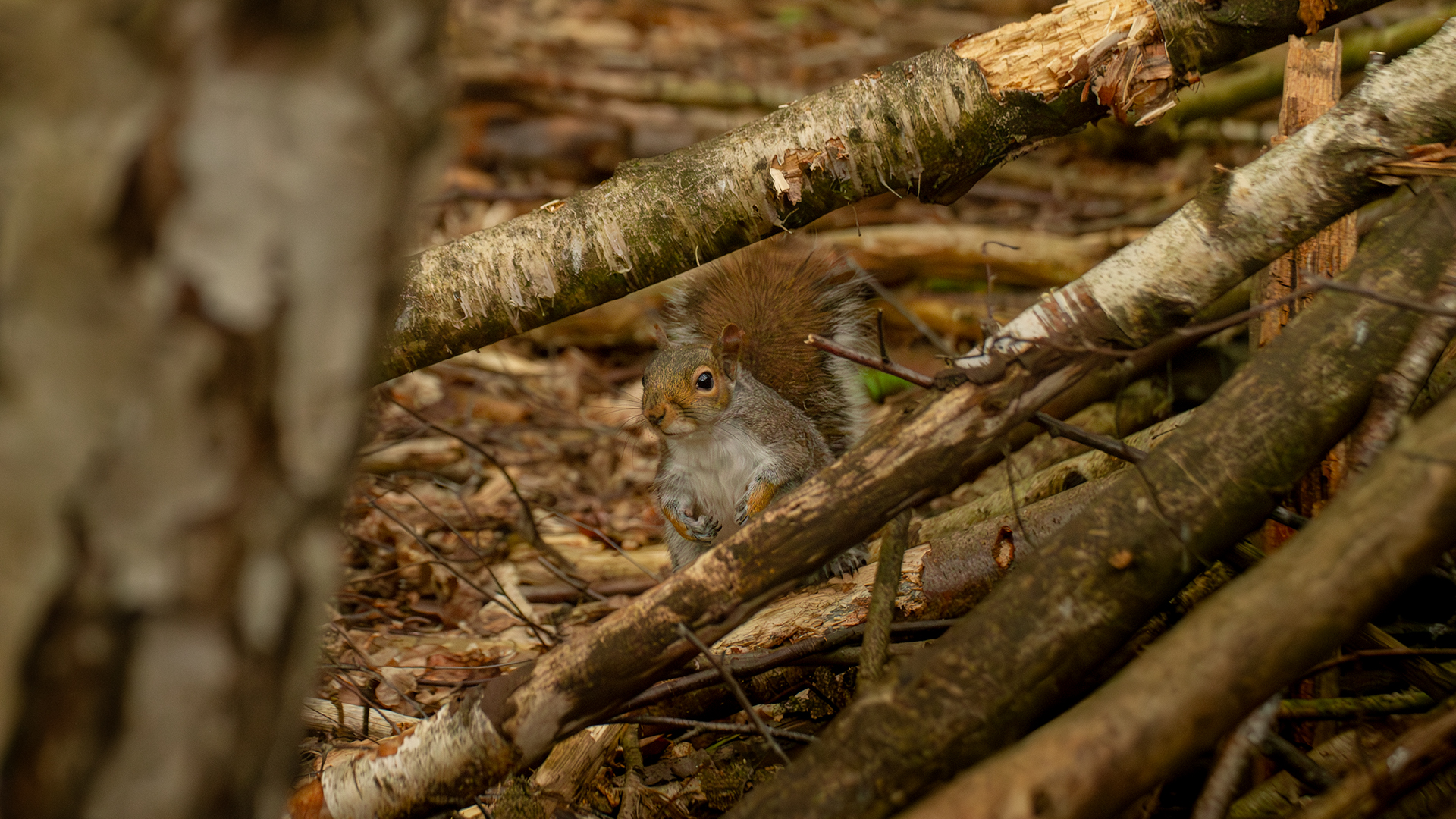
Squirrel peers over branch in forest.
Non-native species such as the grey squirrel are impacting biodiversity | Photo by Joseph Poole

Arguably the most instrumental charity involved in the county’s nature restoration is Nottinghamshire Wildlife Trust, protecting and enhancing local wildlife since 1963. As one of the UK’s 46 Wildlife Trusts, they are responsible for the protection of 60 nature reserves across the county, covering more than 2,000 acres of habitat.

Volunteer at the Trust, Jesse Poole, spoke about the importance of the work he contributes to: “Over the years, like much of the UK, Nottinghamshire’s wildlife has been a victim of urbanisation and habitat loss. The conservation of these ecosystems allows for a variety of species to inhabit a protected area, therefore increasing biodiversity in an environment mostly unaffected by human activity.”

“Alongside other organisations such as Forestry England and Nottinghamshire County Council, Notts Wildlife Trust works to conserve various ecosystems across their reserves. As well as managing our reserves, we do our best to engage with the community, with regular events and voluntary opportunities,” he explained.
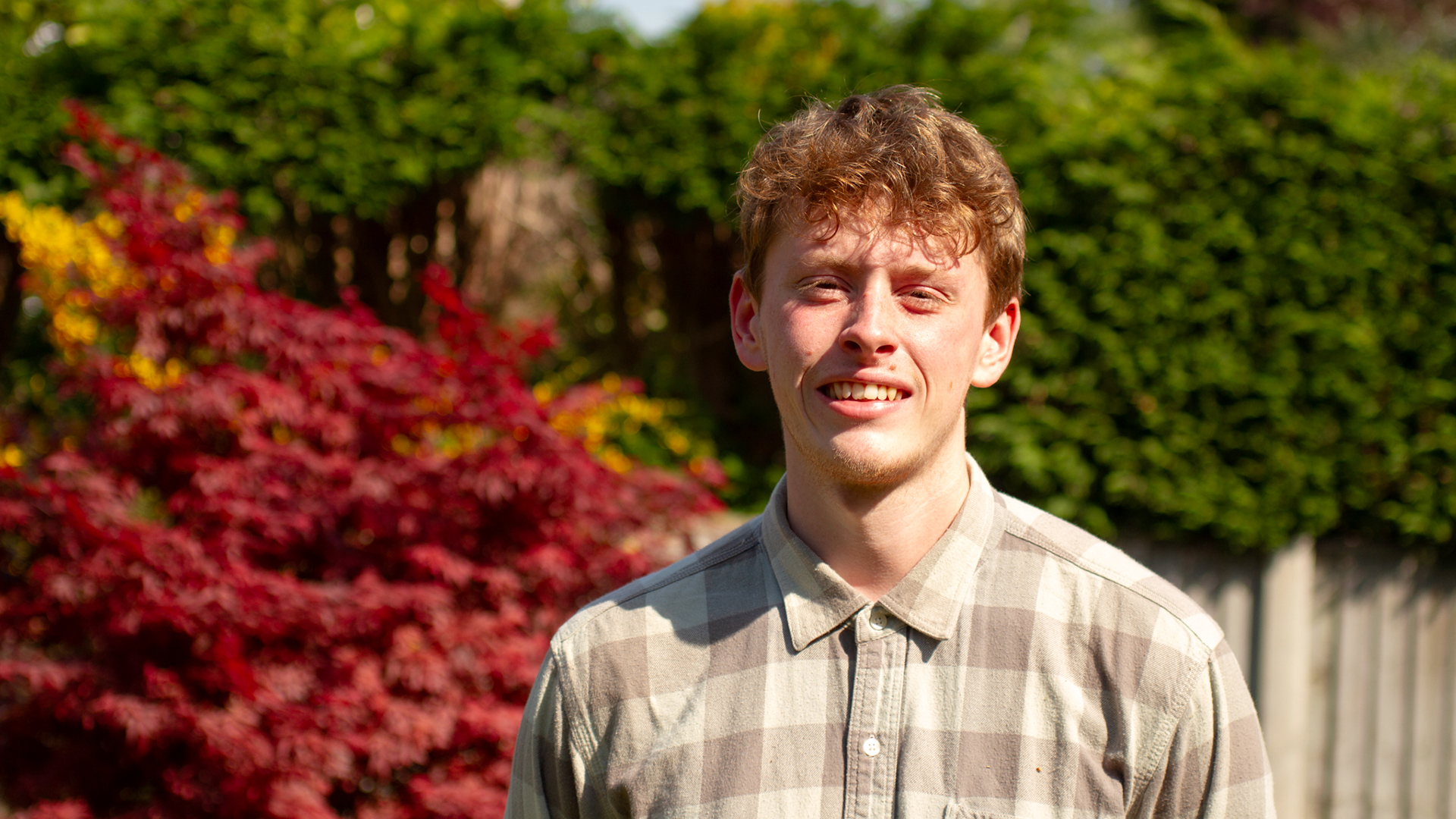
Portrait of Nottinghamshire Wildlife Trust volunteer, Jesse Poole.
Volunteer Jesse Poole is working to preserve the county’s wildlife | Photo by Joseph Poole

The importance of volunteers cannot be understated, especially when money is hard to come by. Poole spoke about the importance of spreading the message and encouraging more people to join the cause: “It is vital that we raise awareness of conservation efforts in the local area, and that those that want to help know where to look to volunteer and contribute.”

“I feel that we have come far as a community in Nottinghamshire to be more environmentally aware but as in any case, there is definitely still room for improvement,” he added. There are currently over 38,000 volunteers at Wildlife Trusts across the UK, an encouraging number, but work is still to be done – extra pairs of hands are needed.

The impact of a collective contribution can go a long way to bringing Nottinghamshire back to where it used to be, he said: “I am optimistic, however, for the future of conservation in this area with a growing impetus in restoration efforts and raising awareness of environmental issues. Changes in legislation such as the UK governments decision to allow for beavers to be introduced to river catchments are very positive.”
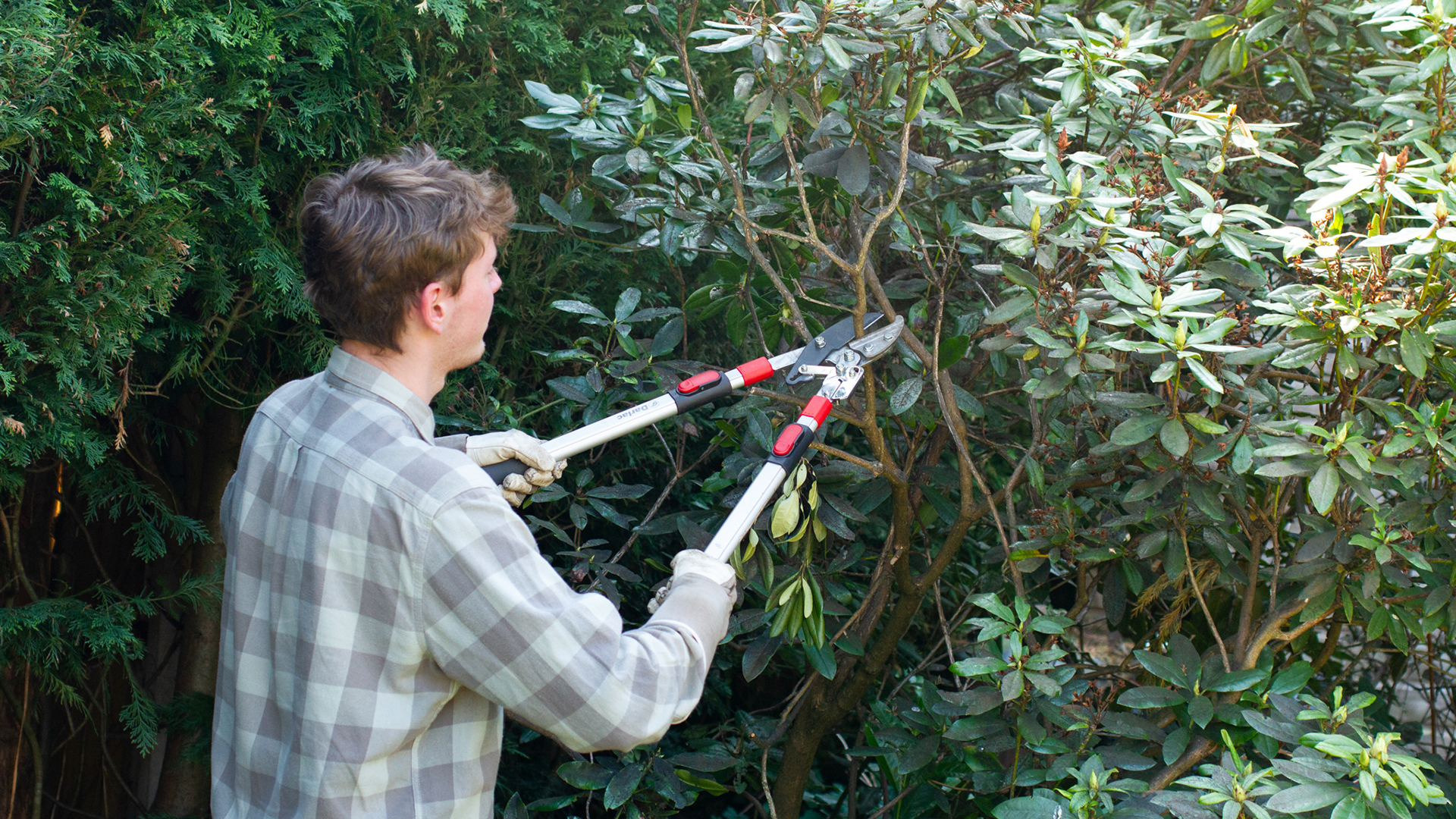
Nottinghamshire Wildlife Trust volunteer cuts away at overgrown non-native plant species.
Key conservation tasks include reducing non-native plant species | Photo by Joseph Poole

Most importantly, it is crucial that everyone pulls in the same direction, and can understand the impact of their actions, Poole stressed: “Education on conservation and its importance is a foremost priority to all wildlife enthusiasts. It is also very important that people know how their actions affect ecosystems, such as littering or fly-tipping.”

Littering and fly-tipping are especially destructive in a place like Nottinghamshire, with its advanced network of waterways and marshland supplied by the River Trent. According to Hippowaste, Nottingham has reported the fifth-highest rate of fly-tipping incidents in England. Some argue that the local authorities must issue stronger punishments, with the current proposition of fixed penalty notices failing to deter offenders.

Outside of volunteering, it is still possible to contribute from the comforts of your own home. Notts Wildlife Trust provide guidelines for growing flowers at home in outside space, as well as preaching the dangers of applying pesticides in the garden and the use of other harmful chemical agents. The consequences of our actions are now clearer than ever, thanks to organisations like Notts Wildlife Trust bringing light to harmful home practices.

Robin sitting on a branch.
Rewilding efforts in Nottinghamshire provide hope for its nature | Photo by Joseph Poole

Whether the results of all these efforts will ultimately be enough remains to be seen, but it at least shows the imperative to begin fixing a major issue. In a global sense, destruction of the natural world is destined to come full circle, promising to devastate the human world in equal measure to the devastation initially dealt to it. On a local scale, endeavours made by the Nottinghamshire Biodiversity Action Group and Notts Wildlife Trust and others are a big step in the right direction – but more must be done.

Project Progress Journal – Joseph Poole

17th March UPDATE:

So far with my photojournalism project, I have completed the pitch and identified the angle I am going to take. My project will be about the efforts to restore green space and wildlife in Nottinghamshire, I will produce a 2,000-word article with 8 to 10 landscape images. To achieve this, I will be using a Canon 7D – which I have borrowed from my family for this assignment. In the next few weeks, I will take lots of test shots with the camera, to become more proficient before I begin shooting photos for the project.

I also aim to identify and contact people working with Notts Wildlife Trust, to set up an interview and get an idea of what exactly they are doing to bring back green areas and wildlife to Nottinghamshire. Before speaking to these people, I will carry out extra research into wildlife photography, as my initial research at the start of the module was about travel photography and is no longer applicable to my project.

Wildlife photography involves using different camera techniques to get improved images, therefore I must practice changing shutter speed, aperture and ISO before hand. Finally, I will outline a structure for the 2,000 write-up, to decide what areas of the rewilding project I am going to cover. For example, recently it has been announced that beavers are set to be reintroduced in the UK – something I can speak to Notts Wildlife Trust about.

24th March UPDATE:

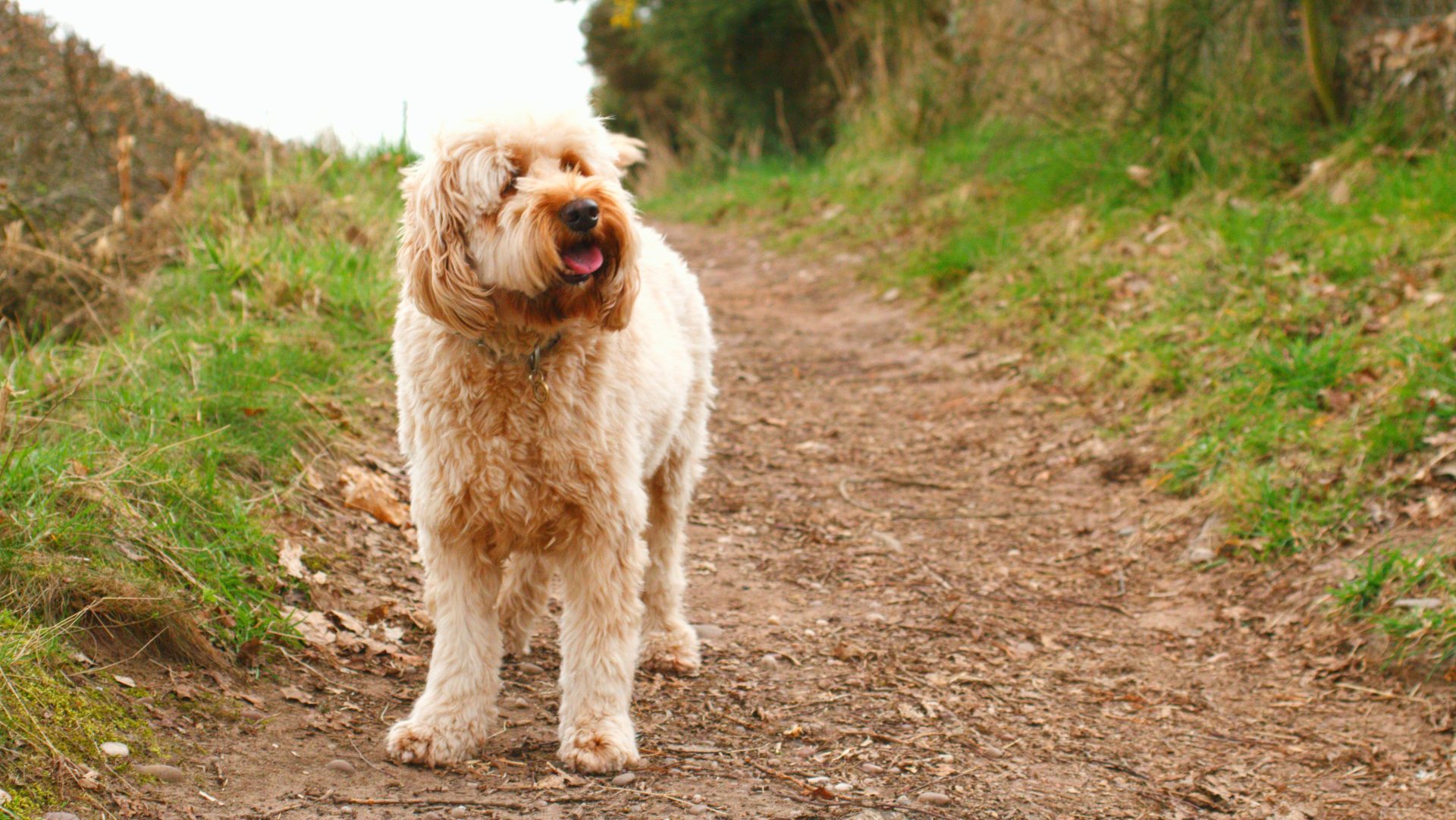
Over the weekend I did some more test shots with my Canon 7D while taking my dog out for a walk. I used this as an opportunity to practice taking portrait shots, which is something I will do in my photojournalism project. To achieve the portrait effect, I used f/5 and changed the shutter speed to 1/320 sec, with the ISO at 1000.

After taking these shots, I edited them on Snapseed on my laptop to change the lighting slightly. I did not need to change the exposure, as the photo was already well exposed. This shows that I have improved on the previous week, and I now have a better understanding of how to take portrait shots by changing the aperture and shutter speed. Next time, I will practice using a wildlife lens which will enable me to get better landscape shots.

31st March UPDATE:

In preparation for my photojournalism project, I have carried out some research on landscape photography and recommendations for different camera settings. I read through an article from a professional photographer to gauge what the best settings are when shooting landscape photos, to help improve the shots I will be taking. F8 and above are ideal for landscape photography, as they provide a greater depth of field which is necessary to pick up detail across the whole image. Aperture is the most important setting in landscape photography, which puts less emphasis on the shutter speed and ISO.

However, in my case, I will have to consider the shutter speed as I will not be using a tripod. This means that if I am not sturdy enough holding the camera, a slow shutter speed will create blurry images. Due to this, I will use a faster shutter speed and compensate for the lower lighting using the ISO. Depending on the time of day and the weather, I will adjust the ISO to get the right amount of exposure in the image. Following this research, I have a greater understanding of the camera settings I will be using when I come to take my shots for my project.

Camera Settings Article: https://www.rowansims.com/photography-tips/camera-settings-landscape-photography/

7th April UPDATE:

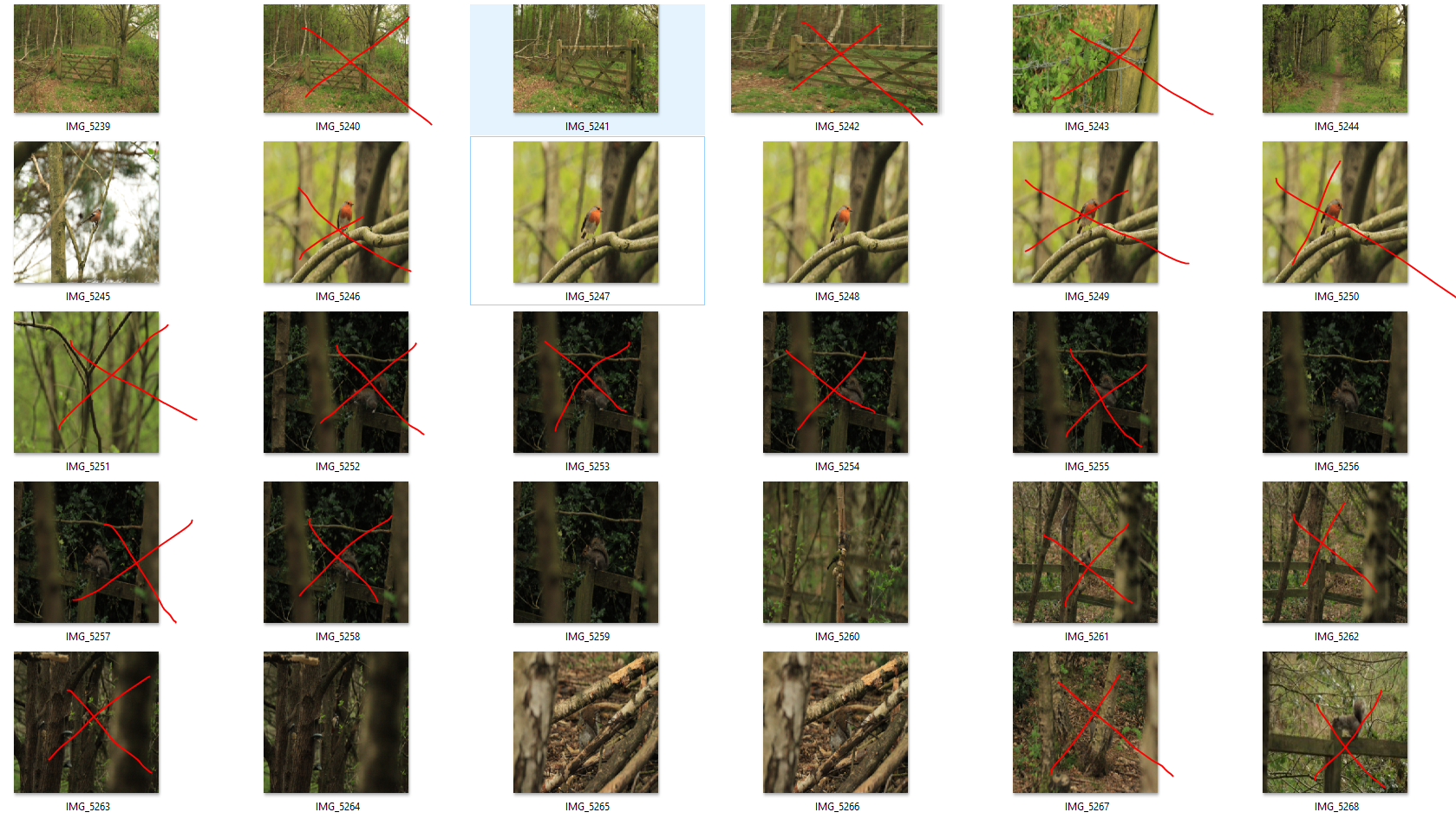
Picture board of shots I will or will not include in the final piece.
Screenshot showing the selection process of shots taken from a visit to Sherwood Forest | Image by Joseph Poole

I have started the process of shooting the photos for inclusion in my final piece. I visited part of Sherwood Forest in Nottinghamshire to take some photos of the landscape and wildlife with my Canon 7D. Overall, I am very happy with the images I took here, as I believe they are of editorial quality and will be perfect for my project.

Above, I have clipped a screenshot depicting my editorial process of deciding which photos I will use from the ones I took. Through using this initial process, I was able to rule out any blurry shots or shots where the framing is not quite right, before taking a closer look at them individually. Over the Easter break, I will continue to take photos for my piece, visit various other parts of the county and also gather primary research from speaking to people involved in the conservation efforts.

28th April UPDATE:

Screenshot showing the editorial process of selecting photos in Adobe Lightroom
Screenshot showing the editorial process of selecting photos in Adobe Lightroom | Image by Joseph Poole

Over the last few weeks, I have made significant progress on my project. I have been out on several occasions to take some shots in key focus areas of wildlife regeneration in the county. During these visits, I made use of the technical skills that I have practised over the last few months, altering the aperture, shutter speed and ISO accordingly to get the right exposure on my photos. Following each of these visits, I then used Adobe Lightroom to select my best shots and edit the RAW image files. As I have practised a lot using the camera, most of my shots were already well exposed, but some adjustments were necessary using the software. After making initial tweaks on Lightroom, the photos were then moved over to Photoshop, where I tinkered with ‘Levels’, before cropping the image to the required 16:9 aspect ratio and 1920×1080 resolution.

From a journalism standpoint, over the last few weeks, I have been in touch with many different organisations involved in wildlife recovery in Nottinghamshire. I have got quotes from multiple sources, from professional and voluntary positions. From here, I must select the best quotes to use in my piece and make the most of the primary research I have obtained. Additionally, after a tutorial meeting with Karl Hodge, it is clear to me that I must get shots of the volunteer to enhance the human element of my piece. I will act on these points in this final week before submission, to make my work as good as possible and a stronger piece of journalism.

Joseph Poole Journal – Week 7 & 8

The last two weeks of the workshop sessions have been a steep learning curve for me, but a challenge that I have enjoyed. I have been focusing on practising with my Canon 7D, which I have borrowed from my family for this module. Since acquiring the camera after week six, I have been busy playing around with the shutter speed, aperture and ISO. Initially, it was a struggle to grasp these concepts, even after learning about them in previous workshops. However, I believe I am beginning to understand their function.

The process of taking test shots, reviewing my mistakes, and editing the good ones on Photoshop and Snapseed has helped me improve my understanding of these techniques. In week 7, I had practice editing the RAW images in Photoshop, where I made adjustments to the lighting and saturation. Through this process, I became aware of a mistake I made with my initial test shots – that they were largely out of focus. I have since turned on AutoFocus, which has prevented this from happening since. Going forward, I intend to take more test shots and edit the best ones each week, to achieve the best grade possible in my project.

Week 7 Task – Practicing with RAW images

After learning about editing RAW image files in the week 7 session, I had a practice with some test shots I had taken in preparation for my photojournalism project – about the rewilding efforts taking place in Nottinghamshire. I used Snapseed to edit the photos, the desktop version of the application has the functionality to edit RAW image files.

Woods
RAW image | Photo by Joseph Poole
Woods
Edited image | Photo by Joseph Poole

In this first example, my RAW image was slightly out of focus. However, in the editing process I sharpened the image, which fixed this issue. I also raised the exposure and saturation, consequently bringing the colours out slightly more. Finally, I cropped the photo to the optimal 16:9 aspect ratio and scaled the resolution down to 1920×1080 – something I aim to do with each landscape photo I take.

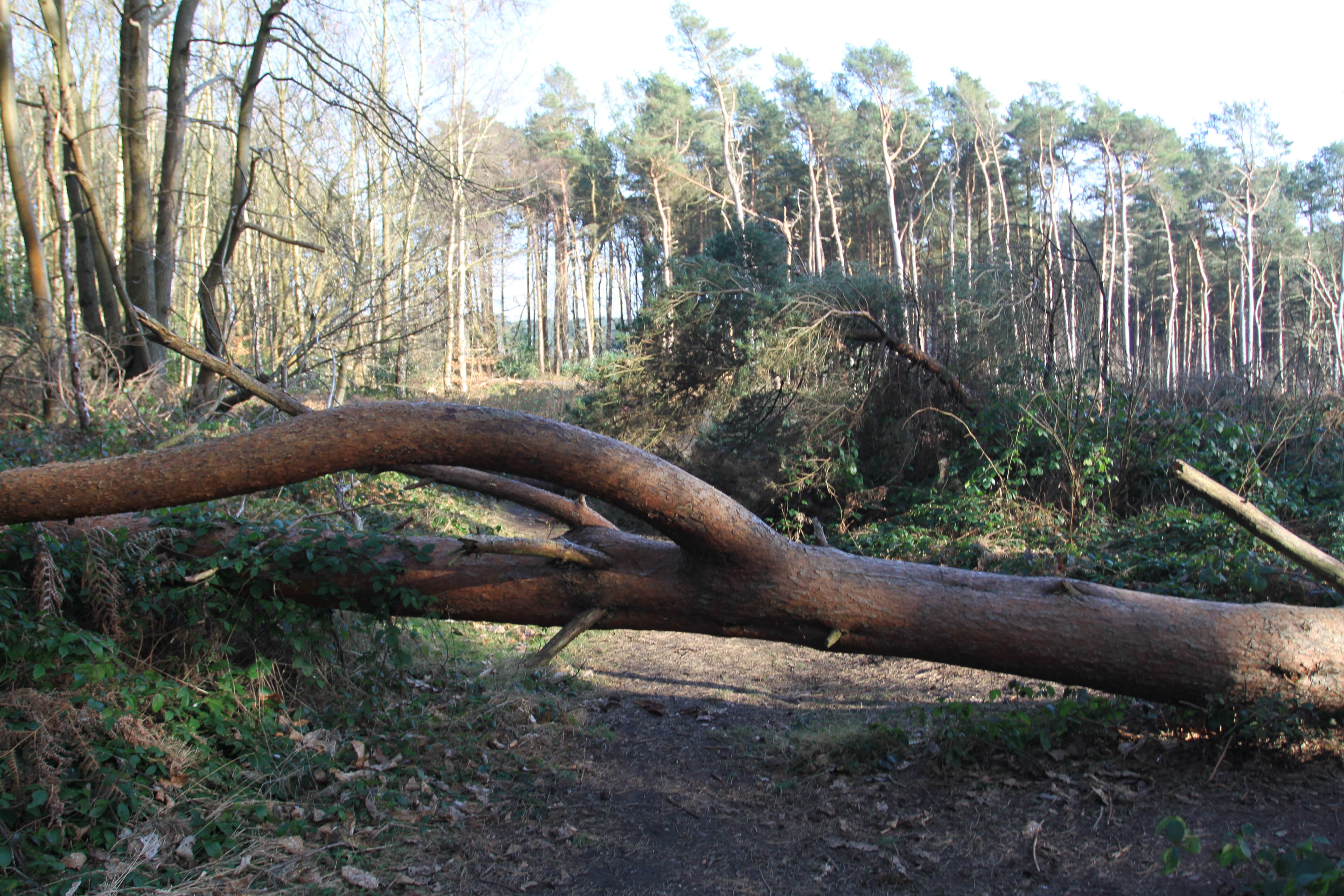
Fallen tree in woods
RAW image | Photo by Joseph Poole
Fallen tree in woods
Edited image | Photo by Joseph Poole

The second example had the same problem of being slightly out of focus. Using Snapseed, I edited the image in a similar fashion to the first example, while also raising the highlights.

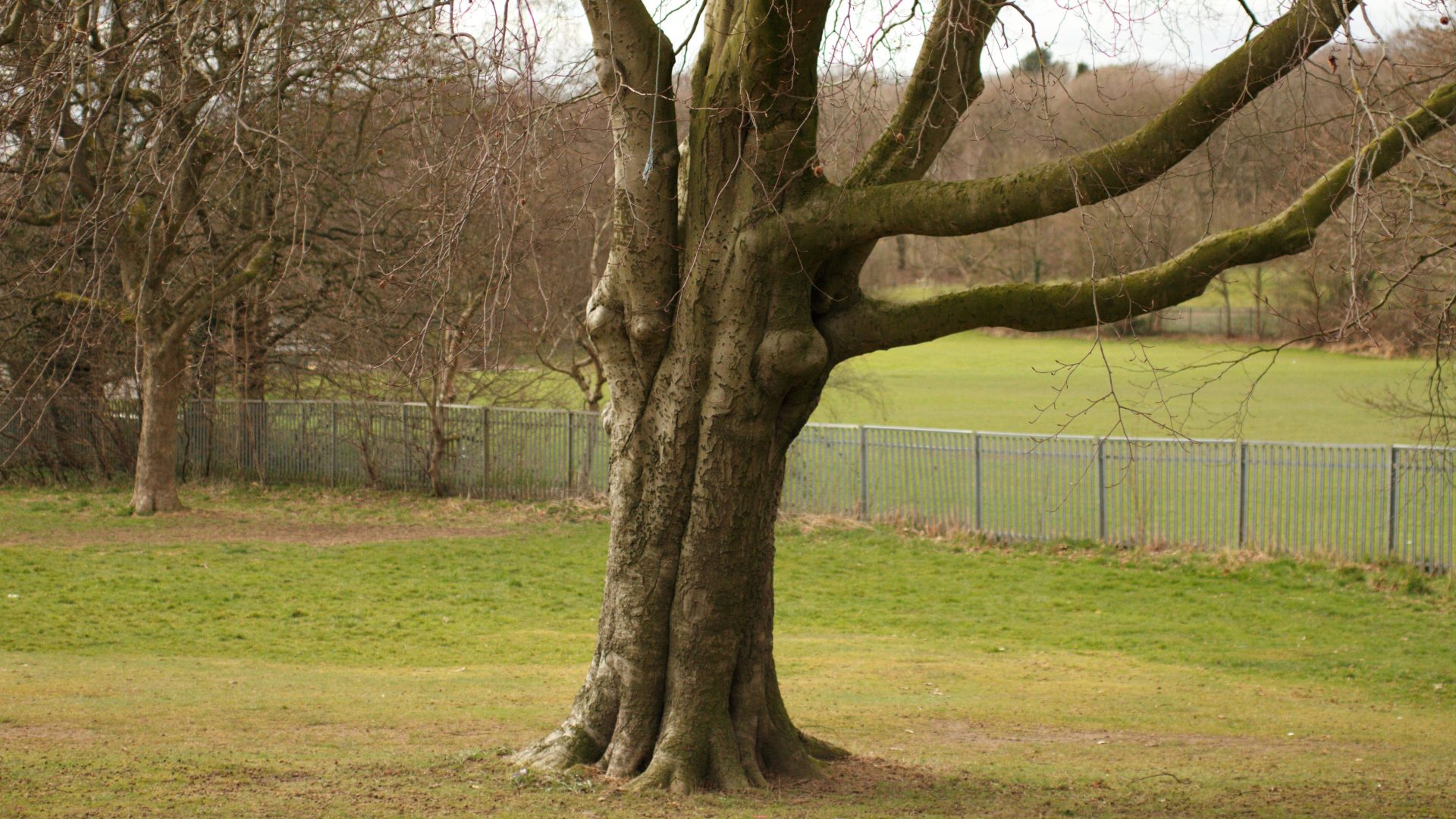
Tree standing alone in field
RAW image | Photo by Joseph Poole
Tree standing alone in field
Edited image | Photo by Joseph Poole

In this final example, the white balance was slightly off – something I was able to correct in the post-production process. The focus was better here, as I had improved at using the camera, so I did not need to sharpen the image. Through editing these test shots with software like Snapseed and Photoshop, I can identify the mistakes I am making, which will help prevent me from making them again in the future.

Changing Aperture – Joseph Poole

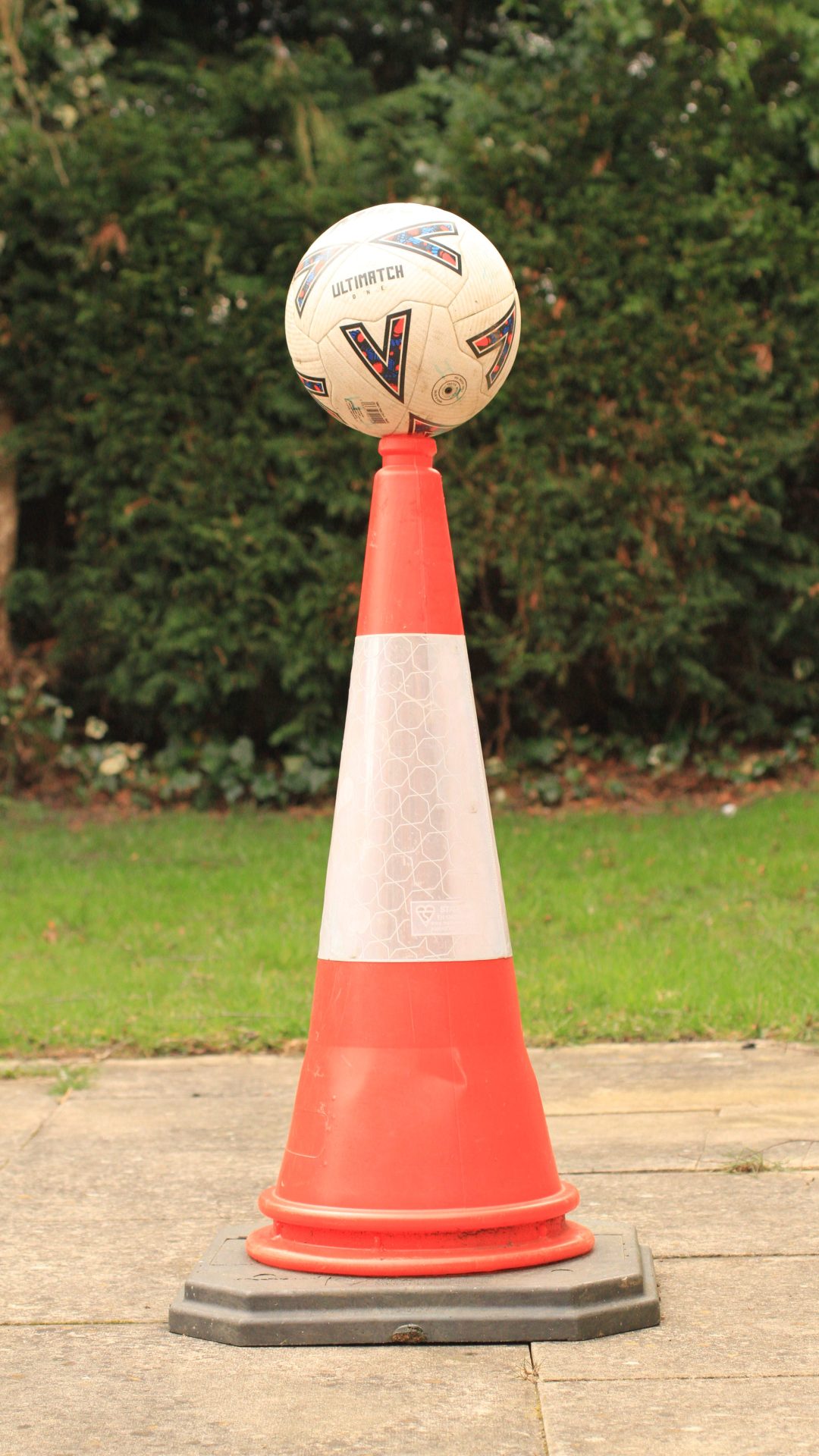
With my Canon 7D I had a practice with changing the aperture. These three images all display varying aperture, the differences are marginal, but from this exercise I was still able to get an understanding of how changing aperture can affect an image. The first image on the left was taken at f/5, as you can tell by the out of focus background and brightness. The middle image was taken in f/8, which improved the overall sharpness of the photo, but made the image slightly dimmer. The image on the right is f/10, as you can see from the background being marginally more in focus. To counteract the reduced light intake in f/10, I boosted the ISO to 2000.

Week 7 Task – Advanced Cropping

Early morning shot of a tropical garden in Gold Coast Australia, with the sun rising behind palm trees.
Portrait image taken of a tropical garden in Gold Coast Australia | Photo by Joseph Poole
Early morning shot of a tropical garden in Gold Coast Australia, with the sun rising behind palm trees.
Same image cropped to landscape 16:9 aspect ratio

In the first example, I used the cropping tool to change the image to landscape. I used to rule of thirds to keep all the major elements of the photo at the centre (palm trees), which cropping out a large portion of the sky and grass.

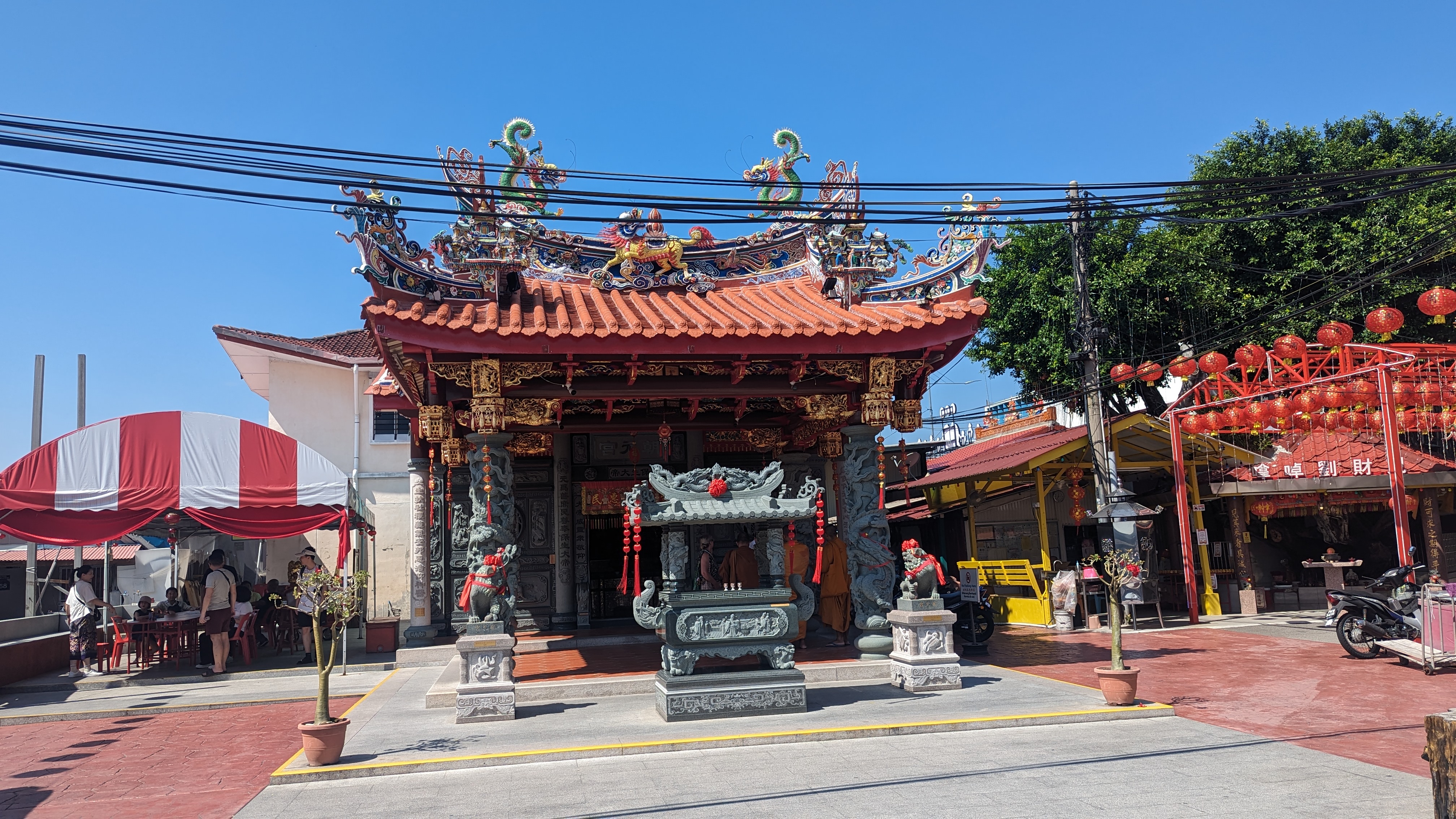
Buddhist temple in Penang, Malaysia.
Wonky landscape image of Buddhist temple in Penang, Malaysia | Photo by Joseph Poole
Buddhist temple in Penang, Malaysia.
Corrected image in 16:9 landscape ratio

For the second example, I used the perspective crop tool to realign the temple with the frame, zooming in slightly to bring the building into clearer view.

Week 5 Task – Shutter Speed

I achieved a slow shutter speed with my Google Pixel 7 Pro by using the ‘Long Exposure’ feature, as illustrated by the two photos above. Here, the lowered shutter speed has created a time lapse effect, blurring all the pages together into one.

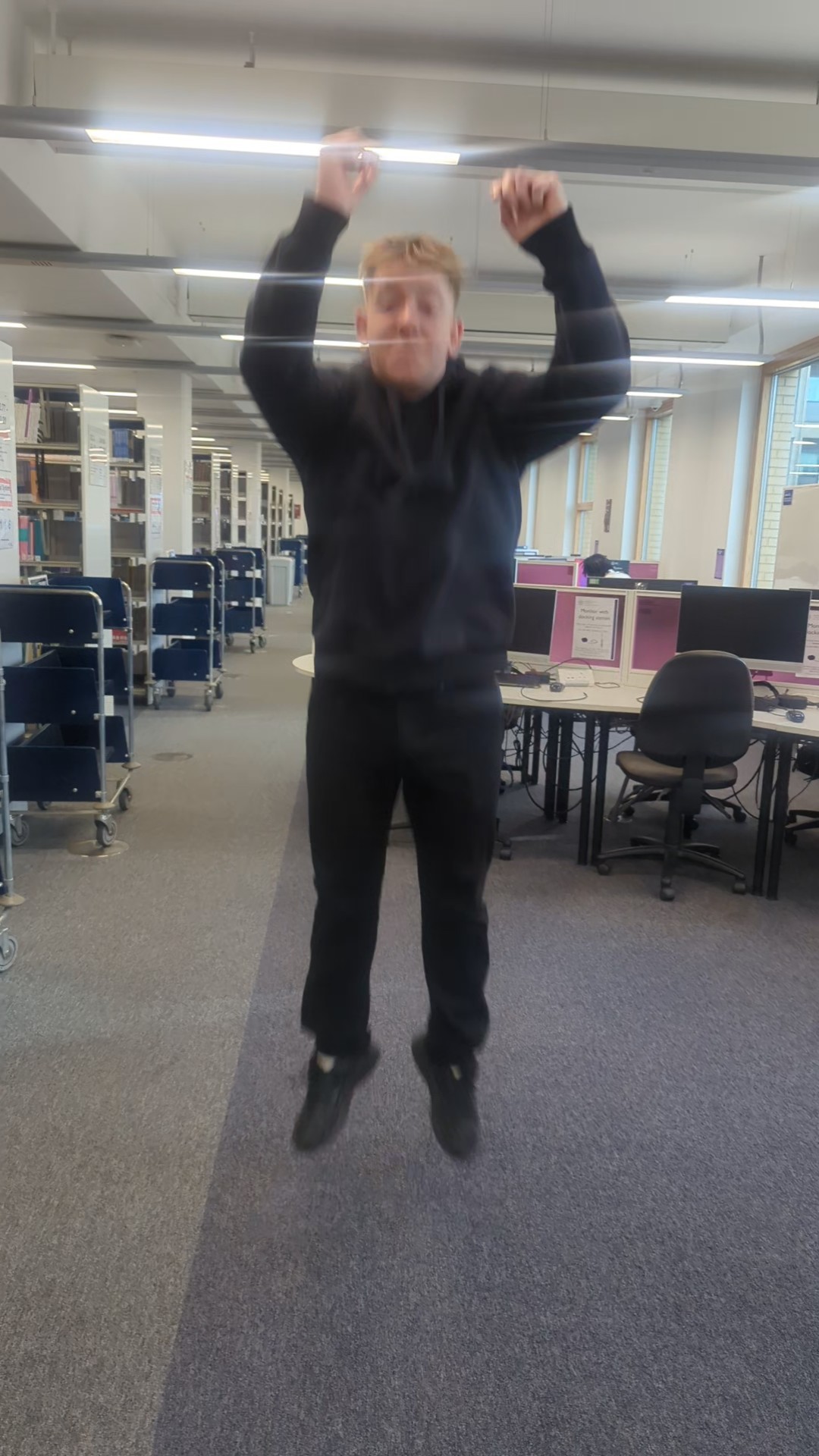
I then achieved a freeze frame by using the ‘Top Shot’ feature, which took a flurry of photos on a fast shutter speed, allowing me to select the clearest image of the person jumping – as pictured above.

By increasing the shutter speed, photographers are able to capture action shots in clear detail – creating images that can tell a powerful story. Conversely, using a slow shutter speed can produce a more artistic effect, one that may have a different journalistic purpose.

Joseph Poole Journal – Week 5 & 6

Fortunately, I did not have as much trouble in week 5 as the previous week – achieving different shutter speeds with my Pixel 7 Pro camera using built-in features ‘Top Shot’ and ‘Long Exposure’. These settings do not grant great control over the shutter speed, however, they can still achieve results, which I demonstrated with my post. During this week, I decided on my chosen subject for the photojournalism project and submitted my pitch. My idea is to cover the ongoing rewilding efforts in Nottinghamshire, using landscape photography, wildlife photography and portrait shots of people involved in the initiative. I think the project lends itself to photojournalism, allowing me to be more creative with my choice of shots and editing process.

The subsequent week was very useful, we experimented with Photoshop using adjustment layers to enhance the colours of images. I learned the importance of finding a balance when correcting colours to prevent the photo from looking heavily edited and unrealistic. I already have a familiarity with Photoshop from studying Graphic Design at school, however, it was also important to learn about cropping the image to optimal aspect ratios and resolution. This is something I must consider when putting together my photojournalism project, ensuring all photos are the same aspect ratio and resolution when uploading them for online use.

Image Correction Task – Joseph Poole

For this task, I selected two photos from my time studying abroad at Griffith University in Australia. Both photos have fairly low lighting, therefore my intention was to boost the existing light without it looking unrealistic. I also wanted to change the aspect ratio to 16:9, which is optimal for use online.

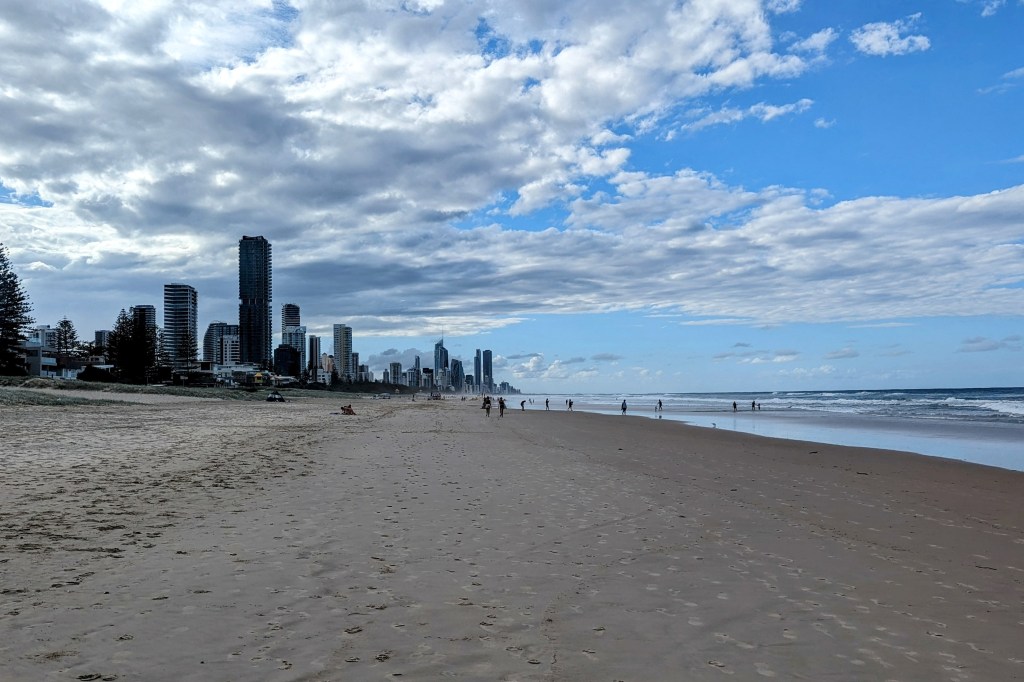
View of the beach and Gold Coast sky line.
Broadbeach, Gold Coast | Photo by Joseph Poole

The original image is a wide shot looking onto Broadbeach, Gold Coast. First of all, I cropped this to bring the skyline into focus, adhering to the rule of thirds and also bringing the image into the optimal 16:9 aspect ratio. Secondly, I added several adjustment layers to the original photo, altering the brightness, levels, curves and vibrance, to bring the image to life.

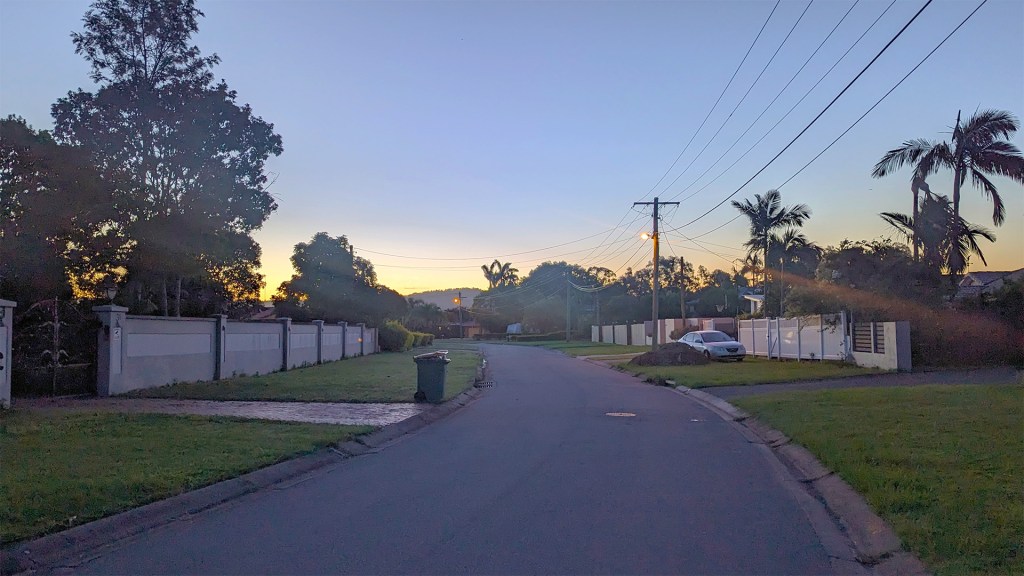
Residential road as the sun sets in Helensvale, Gold Coast, Australia.
Helensvale, Gold Coast | Photo by Joseph Poole

The second image had the same problem as the first, the original is slightly too dark as the sun had just set and my phone camera could not pick up much light. The aspect ratio was already 16:9, but I still adjusted the crop to bring the street closer. Afterwards, I applied several adjustment layers to enhance the brightness, levels, curves and vibrance, which has made the street much more visible.

From using photoshop to edits these images via adjustment layers and cropping, I believe I have improved the aesthetic of the photographs. I will continue to use these techniques going forwards in the module.

Joseph Poole Journal – Week 3 & 4

I enjoyed researching constructed news in week 3 as someone interested in history and politics. The images I found during my research depicted important moments in history, making me think about how the construction of each photo changed the way those moments in time have been remembered. This thought process made me realise the importance of photography in how history is told in the future. Many people may look at famous photos of the past and take different meanings from them, contributing to a variety of different interpretations of history. The photographer is empowered to change the narrative of an event by capturing it in a certain way, even if this is not reflective of the truth or not, which I find fascinating to think about.

Week 4 was challenging from a technical perspective. First of all, it was my first time learning about focus, aperture and depth of field, so I had to wrap my head around it. Unfortunately, I could not complete the task for this week with my Google Pixel 7 Pro, as the default camera app does not allow you to change the aperture. I explored third-party camera applications to find a solution, however, I could not find one that permitted you to change the aperture. After spending some time researching, I discovered that aperture is fixed on Pixel devices. There may be a third-party app somewhere on the market that simulates this, but so far I am unable to find one.