- Contact bowls players and have 2 dates planned, incase I need more photos or interviews
- Practice taking photos, keeping the focus on personal relationships and movements.
- Research for the article and plan the structure of the article.
- Hope to post practice pictures before and after edits for next week.
Author: Lucy Oxbrow
Week 5 Workshop
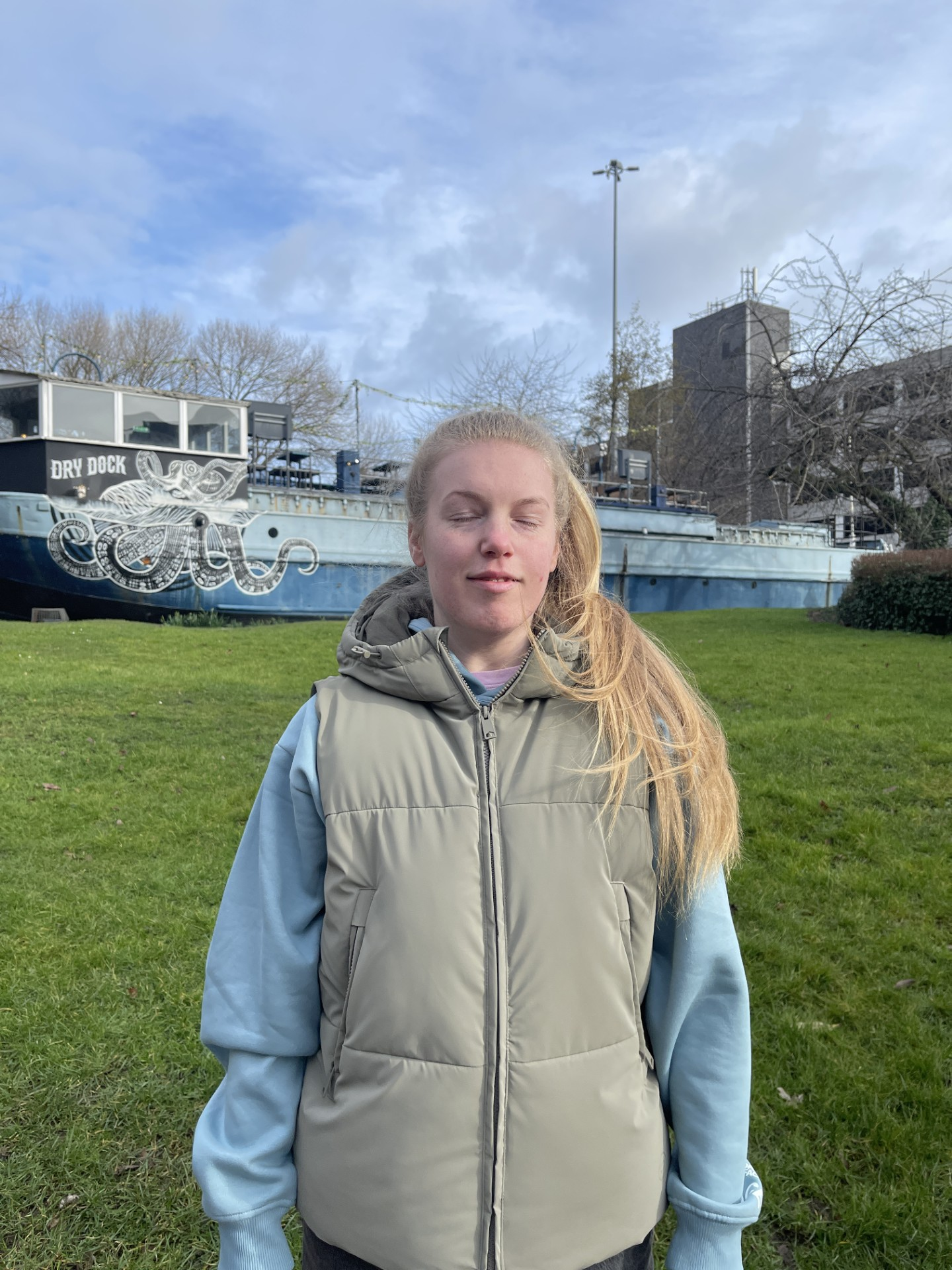
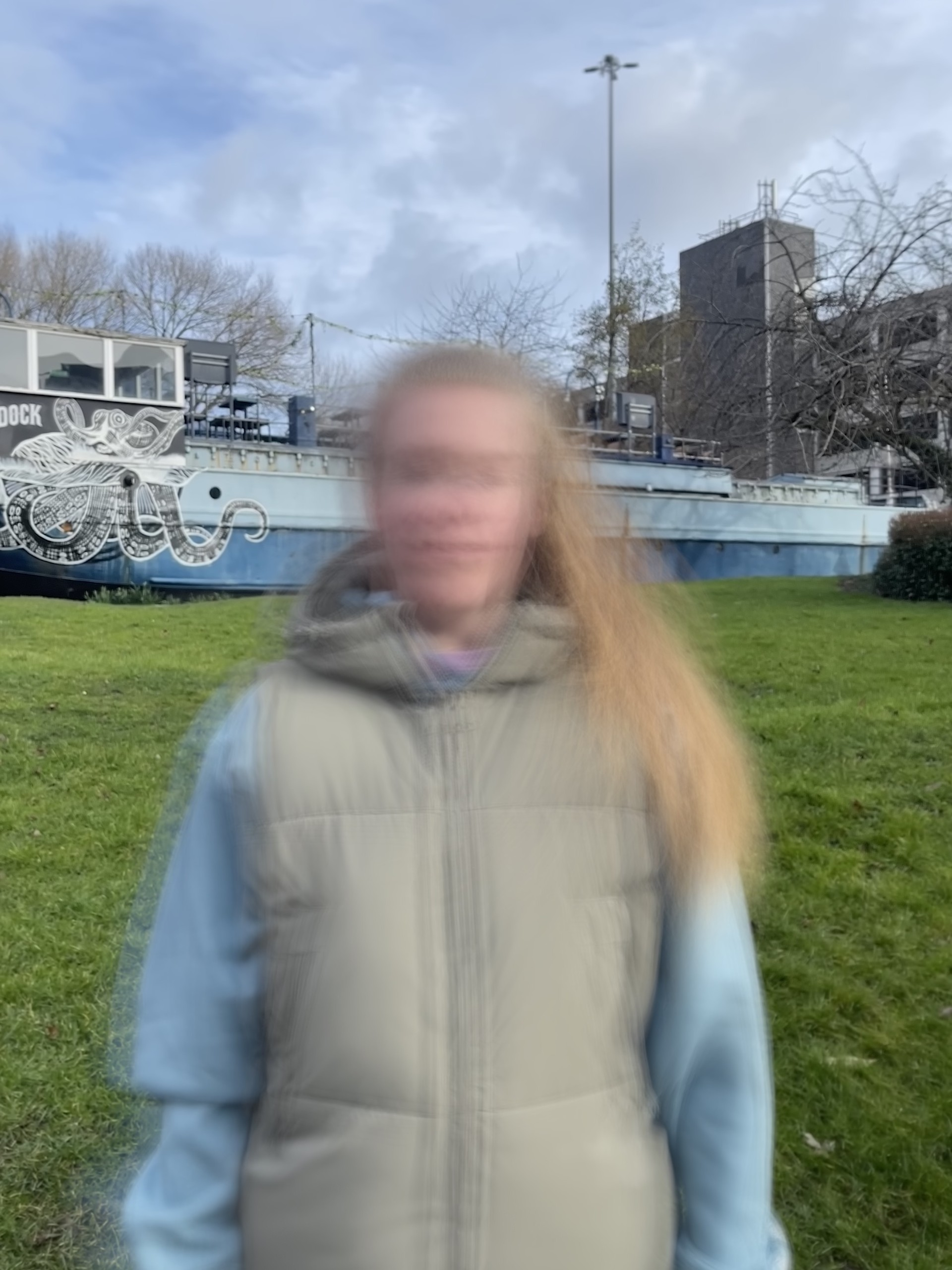
Using the live photo option on iPhone I was able to create an image with a blur affect.
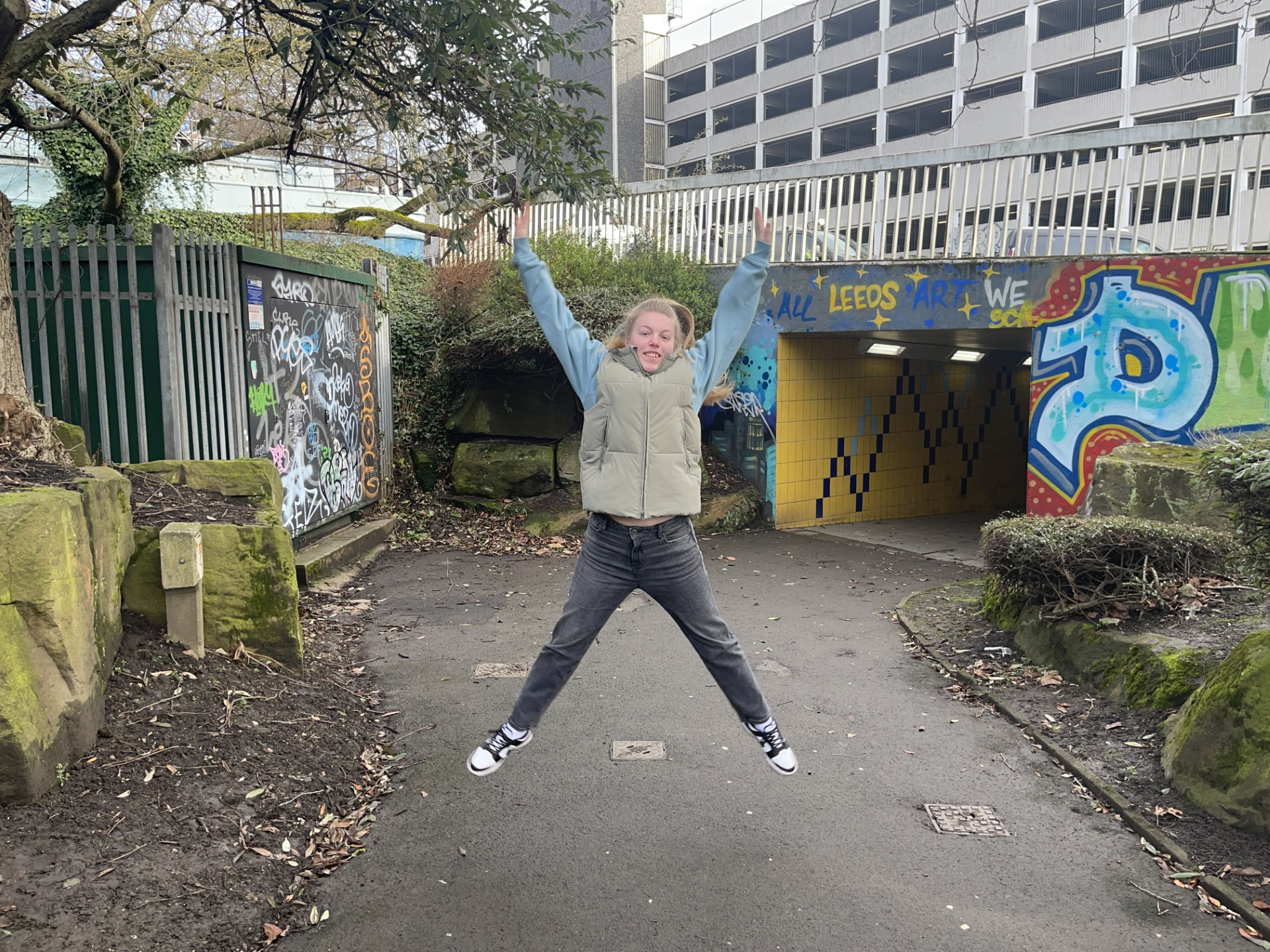
This photo was taken by using a fast shutter speed, it got a clean image from a movement.
Workshop Reflections
Week 1 – 27/01/2025 – In today’s workshop we were asked to go into Leeds City Centre and find a story. My first idea was to interview someone about the dangers of cycling in the City Centre and if road works can increase the threat. However, I soon found this challenging due to being unable to stop cyclists. I then walked past a vape shop and thought this could lead to a good story with the Vape ban coming soon. I spotted two men, one vaping and one smoking and asked for pictures and an interview, which they agreed to. This was daunting but I introduced myself and explained the project. Next time I would ensure I take a few more pictures and ask them the questions separately as they spoke over each other a lot. To make this more of a news story I could have asked more questions on what they actually thought of the ban. Overall I was very happy with my images and the angle of the news story.
Week 2 – 03/02/2025 – Today’s workshop covered different types of photography and allowed me to learn my options for my module assessment. Although I liked the look of fashion and studio photography my love for sport can’t be swayed. Therefore I have decided to shoot sports photography. Through the research task, I learnt a lot about sports photography. The main point is how adaptable you must be when shooting, the subject will never do exactly what you want. This means that preparation is key, you have to know where to shoot from. For example, my idea is to shoot images from Lisa Thornley’s training for the Ironman. To do this I must think about her training sessions and where would be a good place to stand for her to bike/run past me. However because this is training I may be able to ‘set up’ some photos, although I would rather capture candid, in-action photos. This week I learnt important information about my chosen photography genre.
Week 3 – 10/02/2025 – Today’s workshop was about finding examples of photos and looking at what the meaning was behind them and if the meaning was accurate. I found this task to be really interesting as it made me think about photos in more detail than I usually would. I thought about the set-up of each photo and how it is easy to tell when one has been set up no matter if you try to make it look candid. It also made me realise that a photographer may want the photo to portray a story in a certain way, however this can be disputed by the viewer/reader. Therefore, the photos I take must display the meaning I would like to get across. From looking into the stories I found that many news story photos are set up, which links to the week 2 workshop that sports photography is difficult because it cannot be set up at all. Overall this all links to candid and sports photography being difficult and the preparation for it must be good enough.
Week 4 – 17/02/2025 – This week’s workshop was on the basics of digital photography, looking at focus, aperture and depth of field. Learning what these tools meant and how they worked on the iPhone (which I will be using) was extremely helpful. All three elements work together to ensure the subject is focused on, it is sharp and the depth of the image is staged. When working on my project I took into account focus and how it can change an image. When an image is busy it is important to align the focus on what you want the reader to look at.
Week 5 – 24/02/2025 – I found this workshop the most beneficial as we investigated more of what an iPhone camera is capable of. We were sent to practice capturing pictures focusing on shutter speed using the iPhone features of ‘burst mode’. This helps to capture still images of moving subjects which is key for my project as I will be photographing sport. This is done by using a faster shutter speed. The opposite of this was to use ‘live photo’ to create a long exposure by using a slow shutter speed. This creates a blurred image which can be visually pleasing. However, this would need to be planned and the image would need to be conveying a story from the image. I have taken this week on board and plan to use them to capture the images for the project.
Week 6 – 03/03/2025 – This workshop focused on the post-production of taking an image. I found this really useful to know how to edit an image that just needs slight changes. I used an image which had a light sky while the rest of the image was too dark. I then had to balance the colours in the editing process to ensure the sky was not too light. At first, I took the editing too after and made the image too bright, this meant that the image lost its natural colour balance. When going back and trying again I ensured that I made small subtle changes. This made me think of light when taking pictures for my project, I want to avoid this happening to original images, however, having the knowledge of how to edit a dark image will definitely be helpful when working on the photos in post-production.
Week 7 – 10/03/2025 – In the workshop, I worked on cropping a photo to ensure the focus was on the subject. I found this helpful as it ensured that the cropped photo didn’t lose it’s structure. It therefore gives me to option to crop pictures in the final stages, it also means that just because a picture doesn’t look effective at first doesn’t mean it has to be scrapped straight away. Another aspect I worked on today was altering the picture rotation, this allowed the photo and the subjects in the photo to be balanced and in line. This looked particularly effective in the sports photo as it meant the runners were in line in the picture. This is something I would definitely consider using when in post-production.
Week 8 – 17/03/2025 – Final week of tasks/teaching – Today I added a plan to my week 8 post. I have a contact and will now be making steps to ensure I have a date when I will go and take pictures and contact interviews. While this could be in a few weeks it gives me time to practice my photography skills, which I hope to make a post about. This also allows me time to research the subject matter that my article will be written about, I can plan my angle and even start to write mock paragraphs for my article as a way of starting. This could also give me some more ideas of what questions to ask and give me different angles.
Week 6 Workshop
Original image:
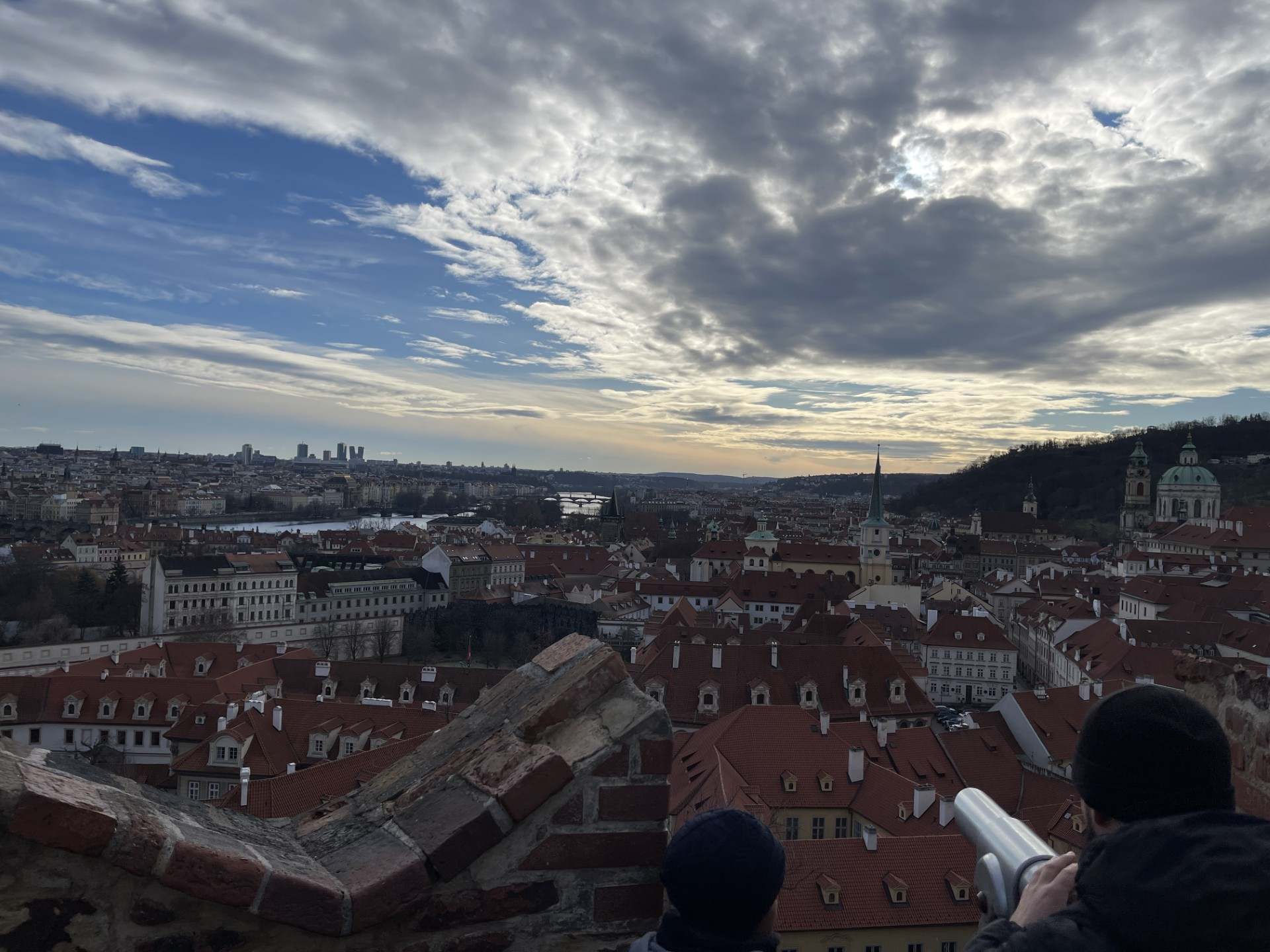
1st edit:

Final edit:
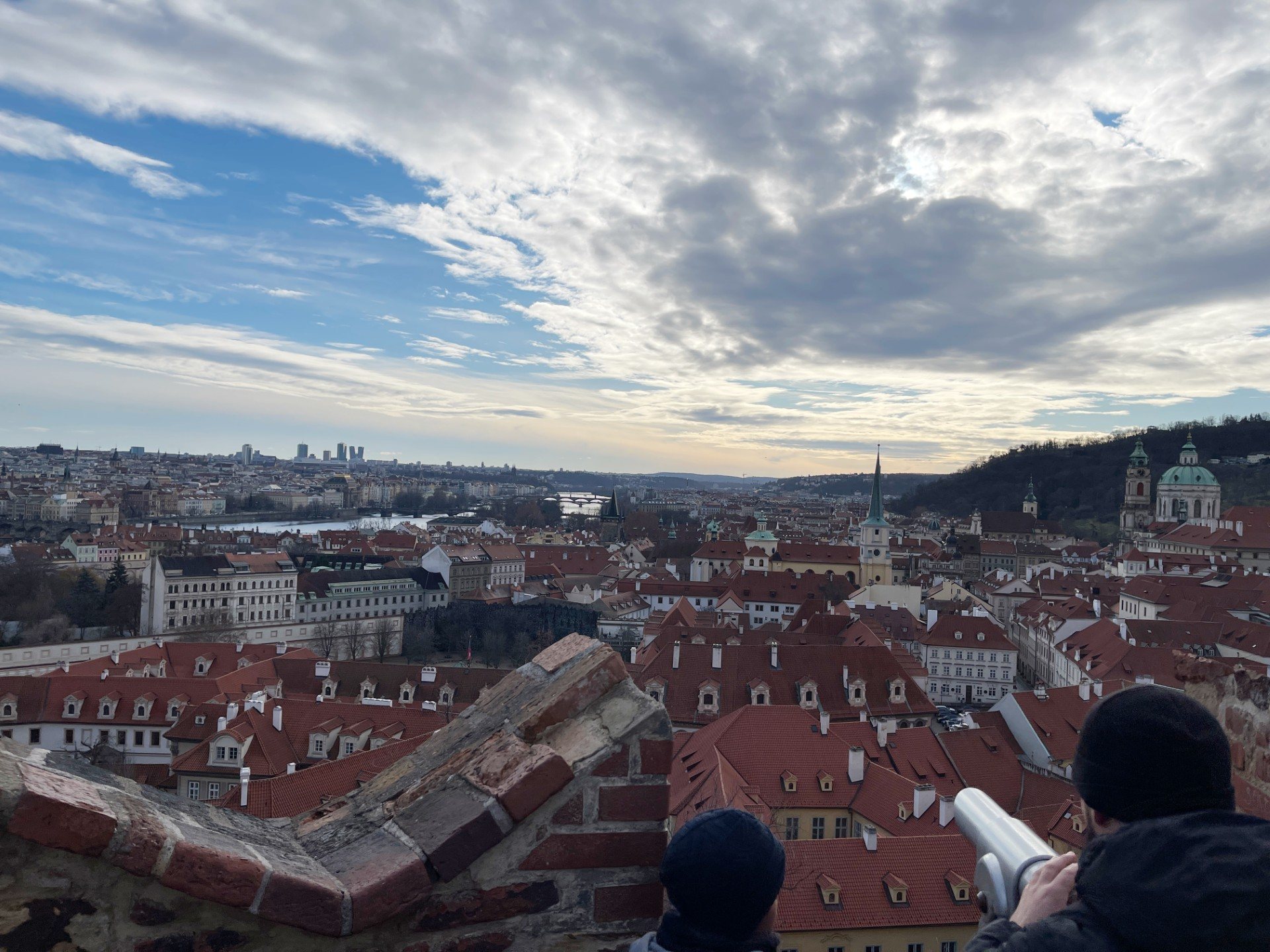
I used Snapseed to edit an image on my phone as this is what I will be using in my final photography project. When editing the first image I knew that it needed to be lighter and I wanted the houses to be brighter. In the 1st edit, I liked how bright the houses now were, however, the sky was too bright and had a tint of orange to it which made it look heavily edited and not genuine. I then went back to the original photo to work on it again. This time I found the line between brightening the image without taking it too far and losing the balance of the colour of the sky. I now feel the image has grown from the first without losing its natural colour.
Week 4 Workshop
F 1.4 – This was the lowest aperture used, in this image there is more light and the background of the image is less focused. Using this aperture brings out the importance of the photo, it takes away any distraction from the background. This can be a tricky way to photograph an object or person as you need them to be interesting and engaging enough in the image.
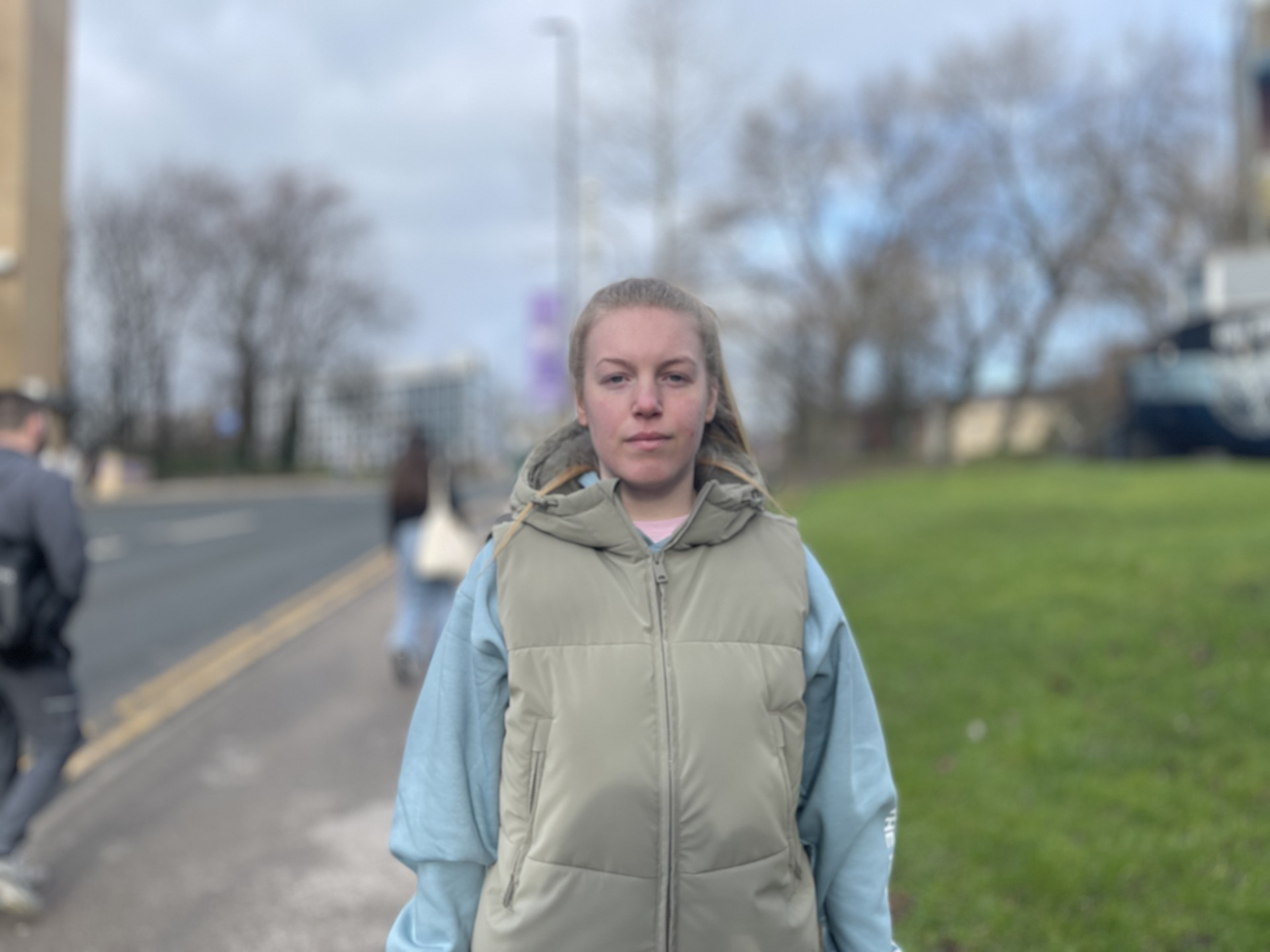
F 2.8 – This is the standard setting for an iPhone. This makes sense as it still holds the main focus on the person however you can make out more of the background, therefore giving the photo more context and understanding. It also defines the main subject in a less obvious way and allows the background to look less pixelated.
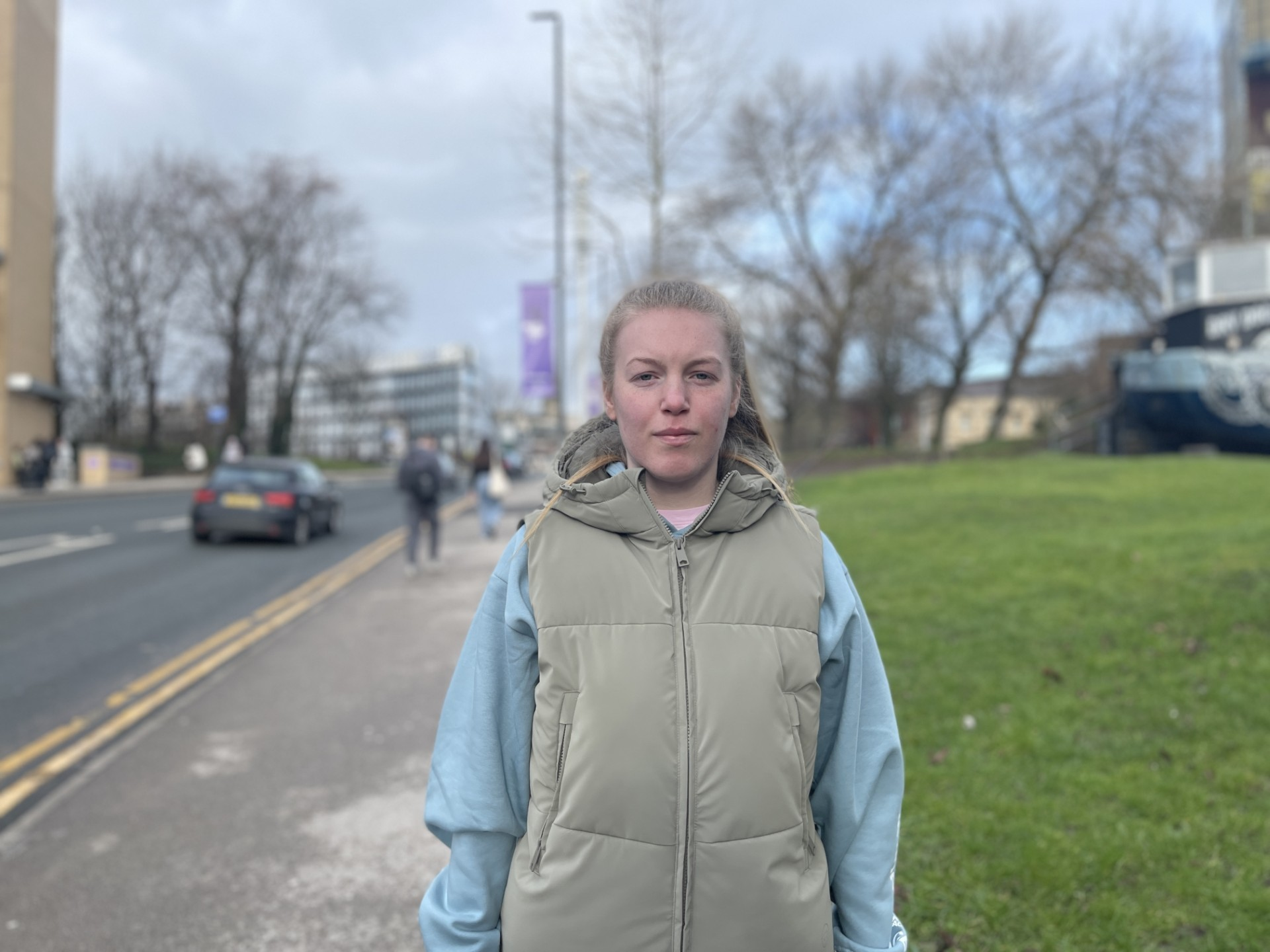
F 16 – Using this aperture meant that there was a lot less light and more of the image was in focus. To me this looks more like a normal photo but has less quality in the main subject.
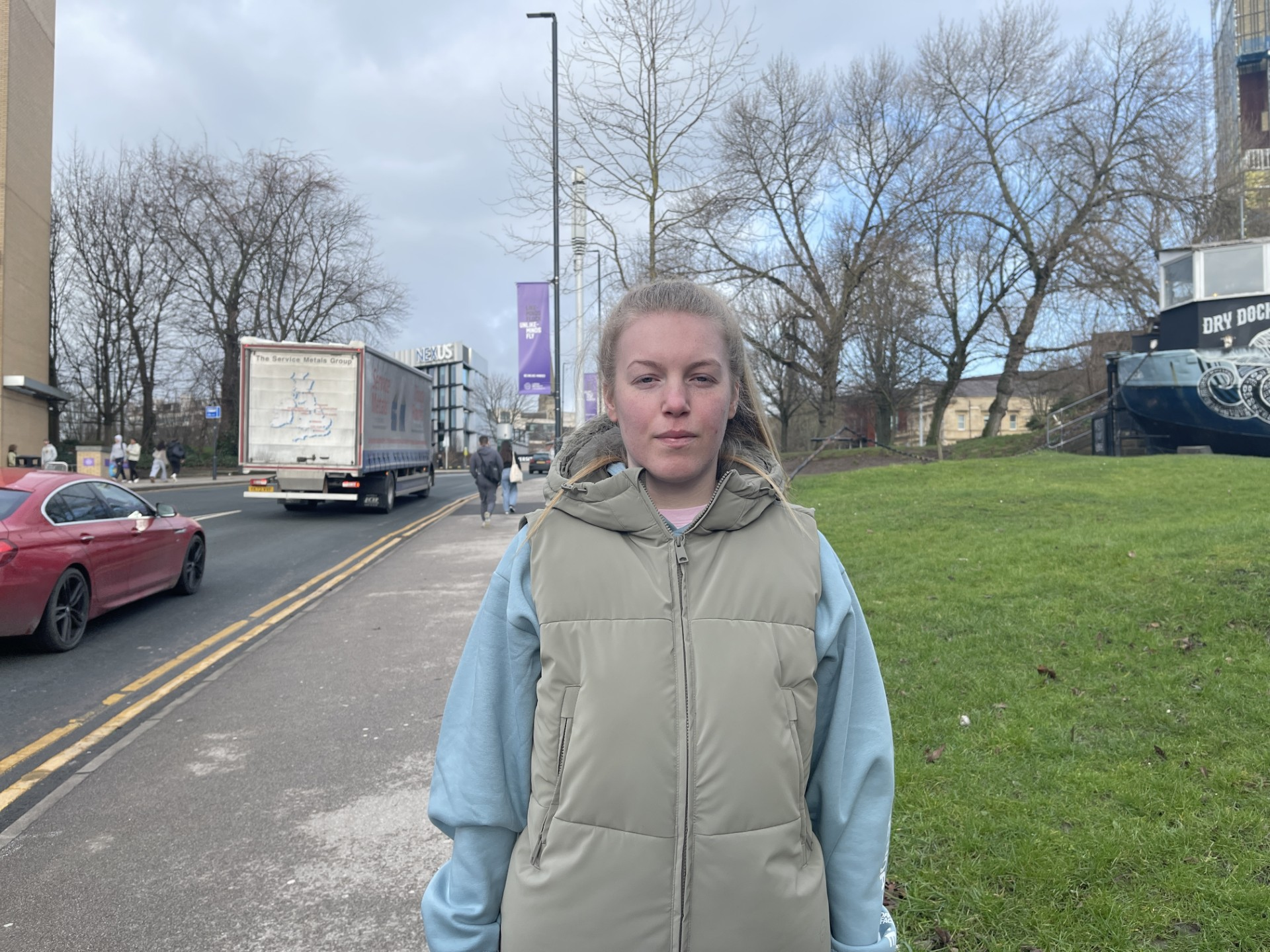
This workshop was extremely helpful in making me aware of what the main subject of a photo meant and how to use/not use the background to make a point. I will definitely be experimenting with aperture on my phone so I can use the software for my project.
Bowls is creating a social space for the older generation to keep moving, bettering physical health and mental wellbeing.

The Ipswich and District Indoor Bowls Club may come across as easy-going and laid-back, but it’s a place where people go to play a very competitive game of indoor bowls.
The banter may be friendly, but when the losing team buys the next rounds of tea and coffee at, it’s all to play for.
For players who attend in their best white attire, the club’s a community, a place to create lasting friendships. In some cases, it can be a lifeline.
Due to its high standards of etiquette and slow, deliberate gameplay, bowls is a sport that demands physical and mental ability. For the older generation, those skills are already mastered; it’s the proactive practice of them that is important.
The calmness and strategic nature of bowls can lead to the benefits being overlooked by many, but it’s the main reason that players come back to the green each week. The wellbeing benefits for those in later life are the reason that bowls has become so popular amongst the older generation.
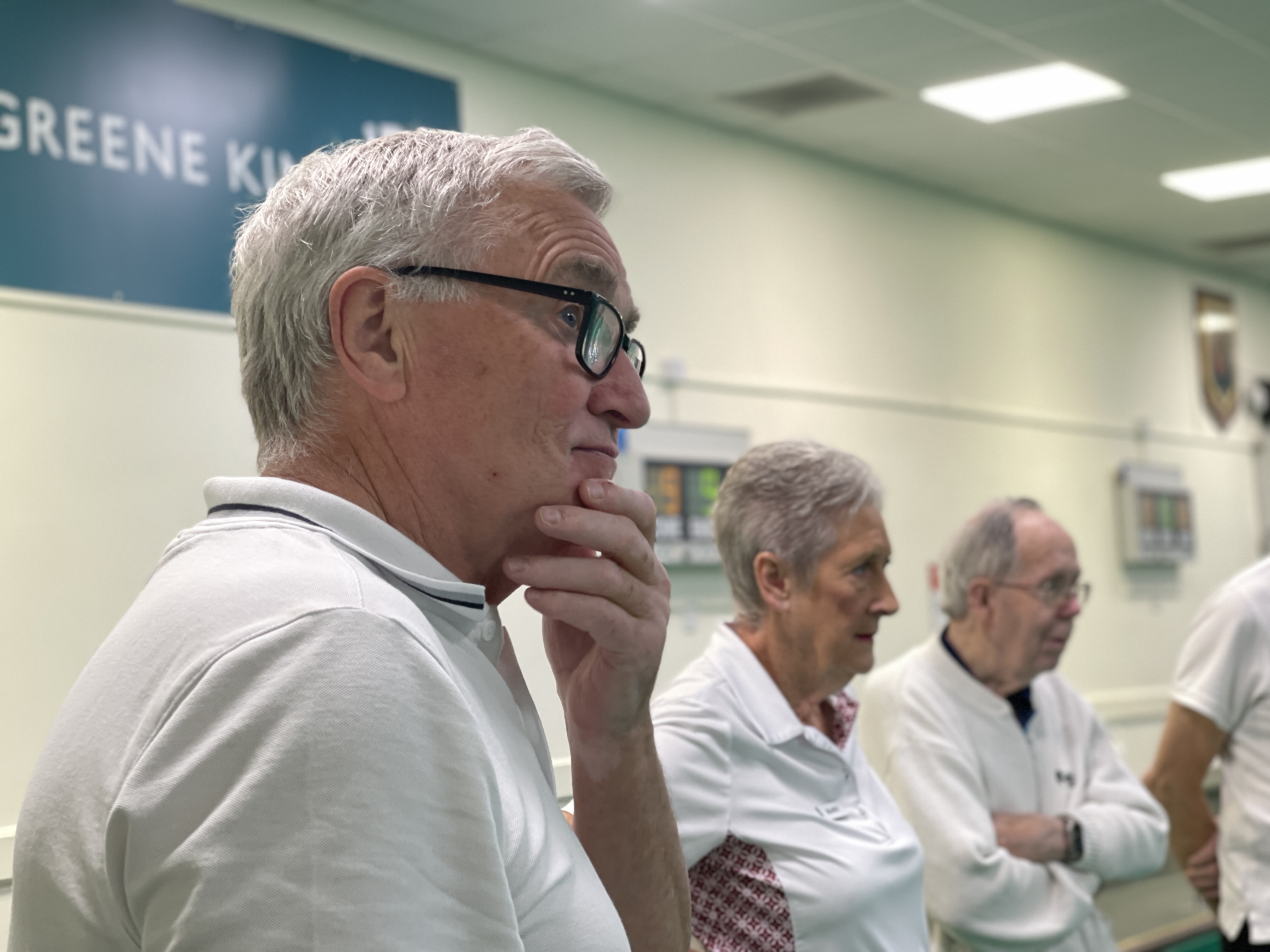
It’s obvious why bowls remains so popular with the older generation, it offers gentle exercise and the chance to keep moving while gaining social interaction which everyone values but is important for older adults.
Many are at a stage in life where they are starting to lose lifelong friends and partners. Due to this, the community that can be found in a sport such as bowls is not only beneficial, but it is vital.
Bowls partners movement with purpose and allows each player to set a pace that suits their body.
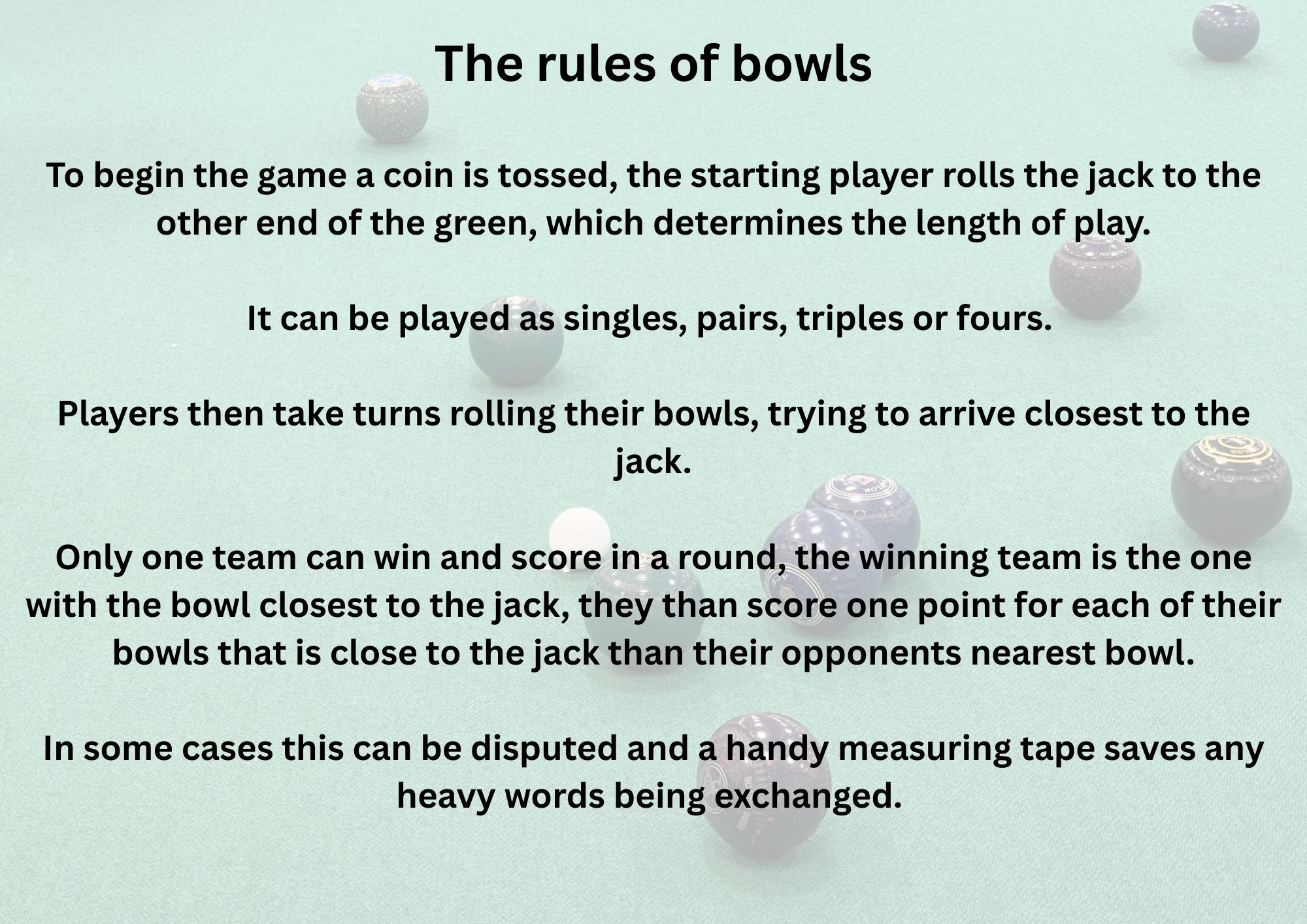
The benefits of easy exercise for the older generation, from a physiotherapist.
Physiotherapist Amy Lewis has worked closely with adults and older patients and knows first-hand the benefits that exercise can bring.
“A lot of it is prevention, so staying active is really important physically because it helps maintain healthy bone density, which will reduce the risk of having fractures. It is also good from a cardiovascular perspective as well, so even doing something gentle is really beneficial for you physiologically,” she said.
The importance of staying active extends beyond avoiding injury and maintaining strength; it also plays a crucial role when a person becomes unwell.
Lewis said: “If you are keeping active and doing exercise then you are reducing your risk of frailty. People who are really frail have a higher mortality and morbidity rates. So you have a better chance if you get admitted to hospital to recover from it quickly.”
Bowls also gives players opportunities to have social interaction which Age UK has highlighted the importance of and the significance it has on brain health. Lewis also highlighted this as significant.
“Participating in in a group activity like bowls as you are getting older is very useful for cognitive function. You’re engaging with people, you’re having to think and problem-solve. It’s keeping your brain awake.” Said Lewis.
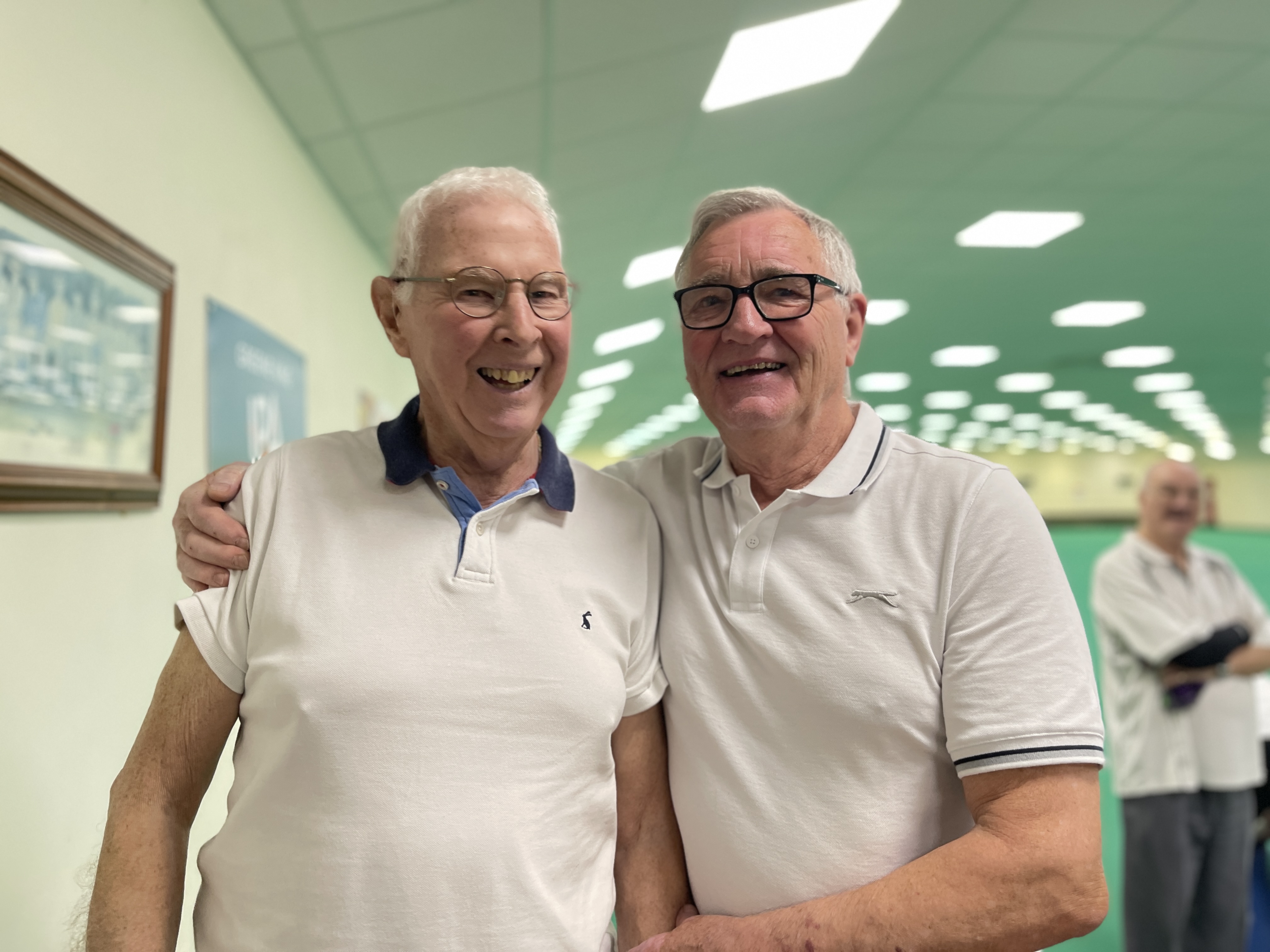
A friendship with unbreakable bonds
Two members of the group of six, 78-year-old Michael Parker and 80-year-old Richard Berriman have been friends since they played football together as boys.
After their days of kicking footballs around together came to an end, they turned to playing squash together.
“Richard always won,” Parker grinned. According to the pair, Parker only beat Berriman once at squash. The victory was had in unusual circumstances, which Parker used to his advantage.
Parker laughed: “Richard was in a bit of a panic one day, he was on the outside of his car, but his keys were on the inside. He was very worried, and he had to ring the RAC man.”
He continued: “We could still play the game of squash, though. But he was so worried about his keys that it was the only time I beat him.”
The pair have always been competitive, which shows in their games of bowls, however they have also continued to look after each other.
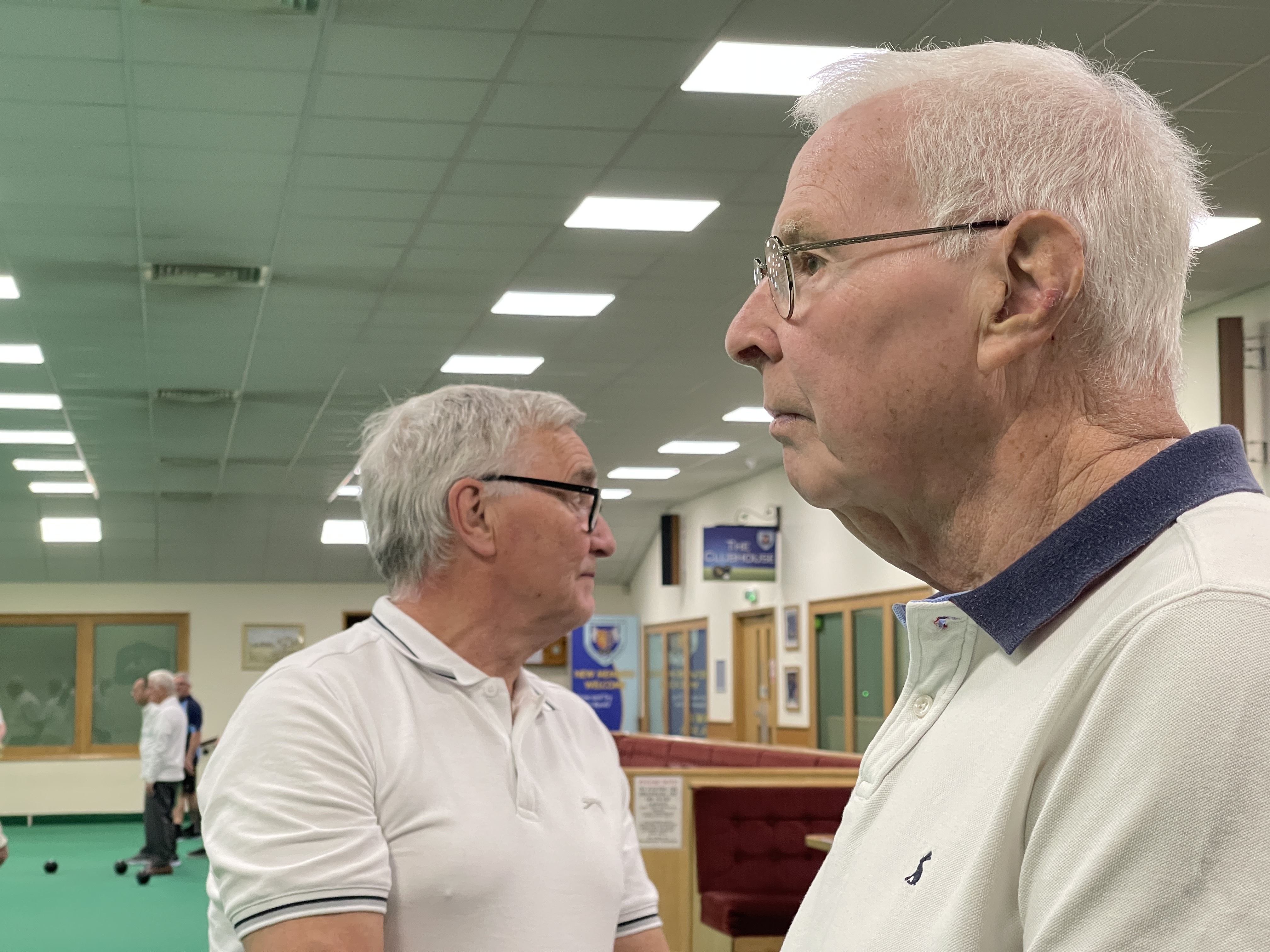
Parker stepped away from sport for many years and was introduced to bowls by Berriman a few years ago.
“I only got started playing bowls recently, my best mate Richard thought that it would be good for me.” said Parker.
Berriman saw the positive effect it had on Parker, he said: “I got him up here and most probably that was one of the best things I have ever done for him, he just loves it.”
Parker quickly fell in love with the sport, he said: “I enjoy everything about bowls because there is not anything to dislike about it, the people you play with and the atmosphere.”
From being youngsters playing football, to unfair squash battles, they now share the bowls green. Parker and Berriman’s friendship has lasted the years, through sport and in life.
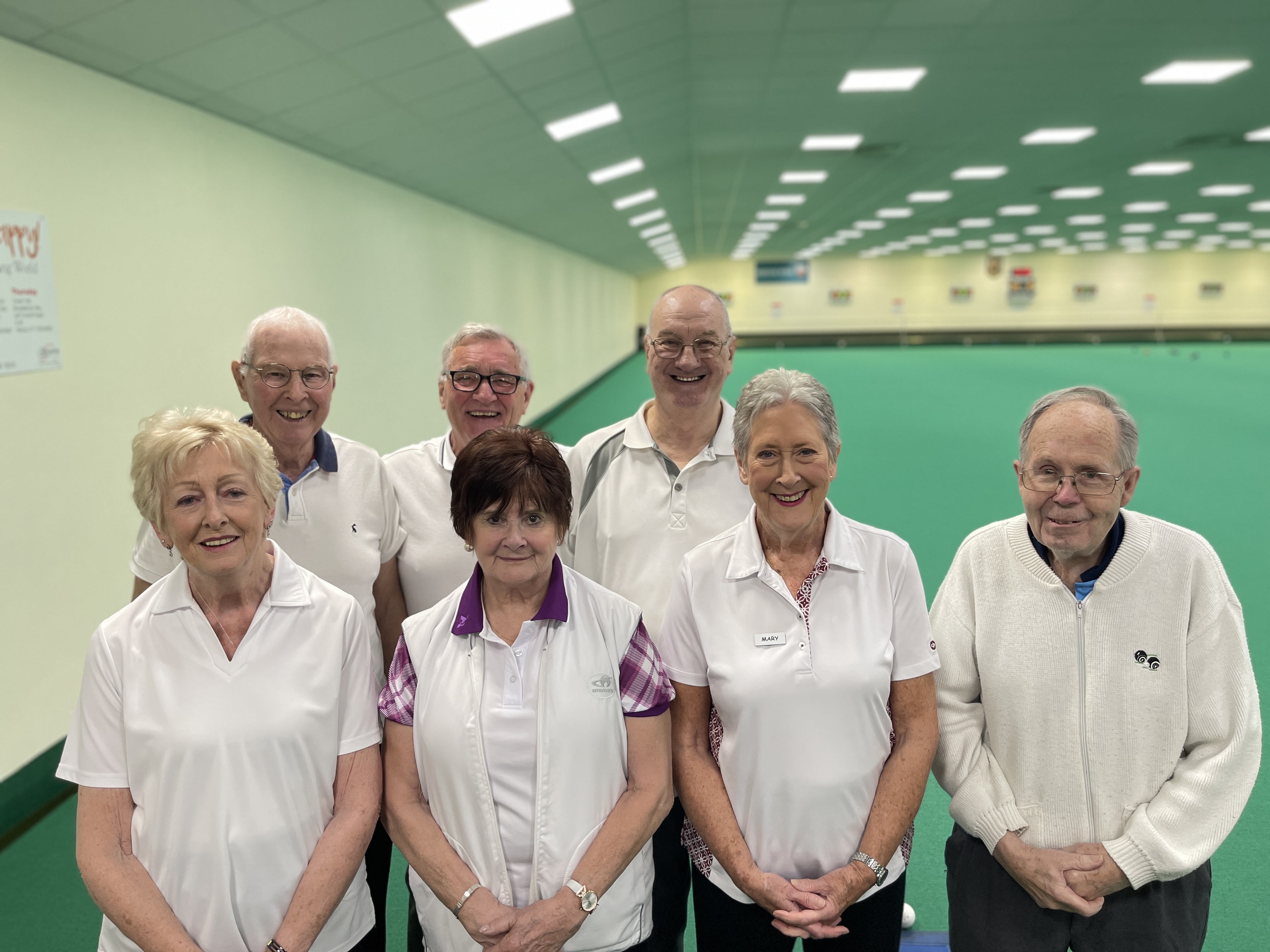
The Team of six
“Every Monday or Wednesday we have a little roll up between the six of us, everyone enjoys it. It keeps us smiling and we have a cup of tea through the game and one at the end,” said Berriman.
Parker and Berriman are two members of a bonded group of six who meet and play regularly. They are not just teammates; each one of them has a unique story made of their experiences in life.
Carol Thorrington finds her way back to Bowls
Carol Thorrington started playing bowls with her husband. For many years, this was something that they enjoyed together. After his passing, she moved away from the sport for a year.
When the time felt right, Thorrington made her return.
“It was hard for me to come through that door on my own without my husband, but I done it. Once I got over that first time, I was fine and I really love it now, I’m glad I have got back into it because my life is so different because I am meeting people and I’m happy,” she said.
It turns out that bowls is an integral part of Thorrington’s life. “It’s the social side, when you are on your own there are so many people here that are also on their own that it is so nice to be together and understand how we feel and talk to each other.”
Although coming back wasn’t easy for her, she is happy she did, she said: “The people are so nice to me here, so it has helped me a lot. So, when I go home, I don’t feel so lonely because I have been in company.”
Thorrington’s experience is not uncommon. Over 3.2 million people over 65 in the UK live alone, many of them grieving the loss of a partner. Going through this loss at anytime in life is devastating, in later life this can leave a person to be isolated.
The charity Suffolk Mind supports all age groups in Suffolk with their mental wellbeing. They suggest that having a community for the older generation can be very beneficial.
“They may become part of a team or group that could provide a greater feeling of belonging which could also lead into an increased feeling of security and having emotional connection with others,” said Wendy Sheppard, head of Income generation at Suffolk mind.
Bowls pairs gentle movement with social connection, creating an outlet for an individual.
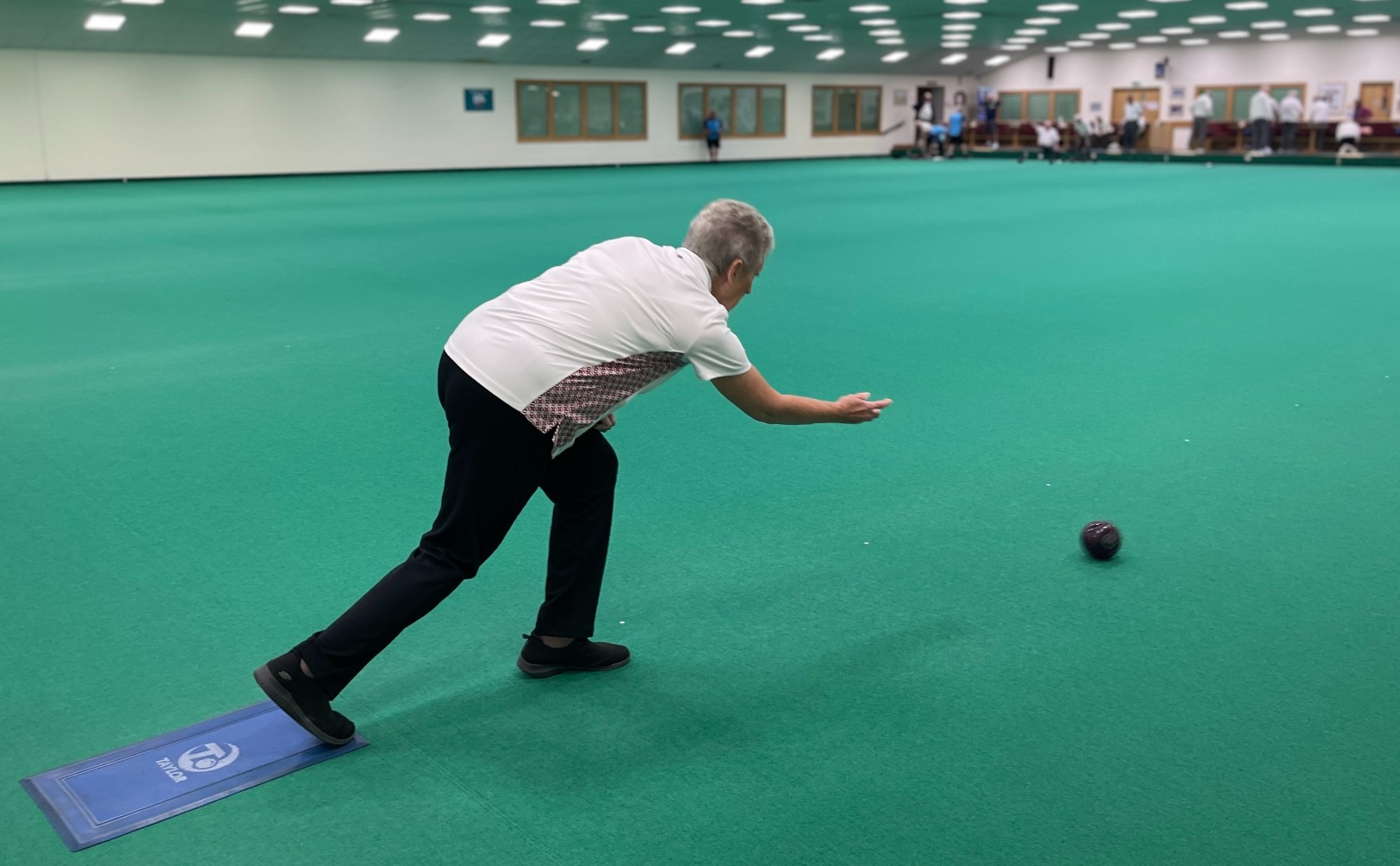
Mary Knight keeps the game rolling
Mary Knight, a 73-year-old, has been playing bowls for three and a half years. She started playing bowls with her husband, but when he developed arthritis in his neck and shoulders, he had to stop playing.
“He hasn’t been playing for a while because it’s too painful, so he comes and cheers me on,” she said.
Although Knight’s husband cannot currently play, like the others, he benefits from the social aspect of the sport, Knight said: “We’ve made so many friends and we have such a laugh even when you’re playing a serious game of bowls.”
Knight is aware of the physical benefits of playing bowls, she said: “Just walking backwards and forwards up the rink is good for your health. I think any movement is good for you.”
She added: “It’s been great in later life to join a bowls club, it’s brilliant.”
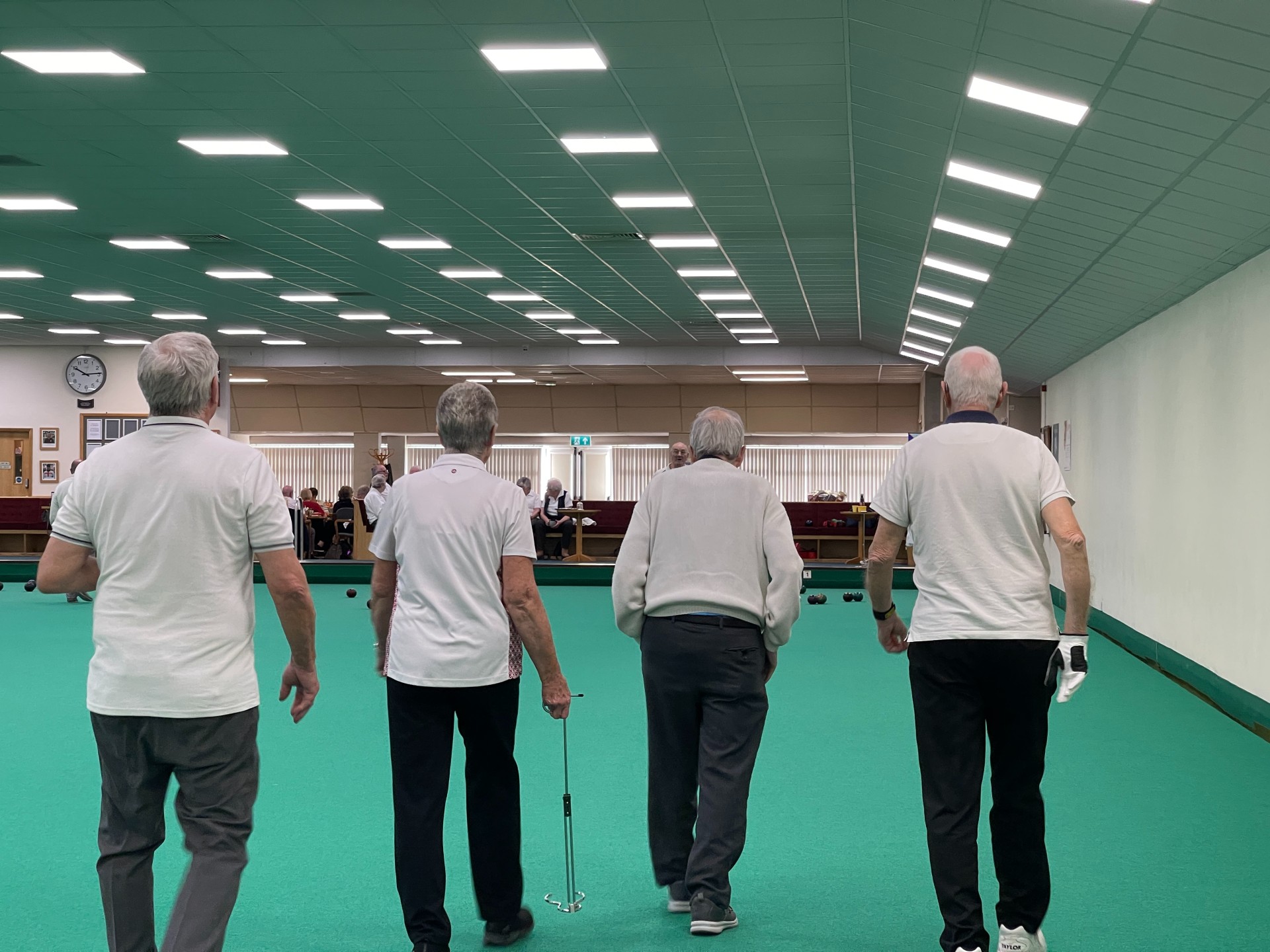
Jenny Crozier has hopes to come back stronger
Another member of the group, Jenny Crozier, has unfortunately been dealing with a wrist injury, which has meant taking a step back from bowls for now.
She said: “If I cannot play, I can be a social member, I don’t enjoy watching like I do playing but it’s better than not at all. Hopefully, my wrist will get better.”
Crozier began her bowling journey while seeking a hobby. She said: “My husband and myself were coming up for retirement soon and I said it would be nice if we had a hobby together.”
She recalled: “We played indoor for a few years and then my husband died.”
After his death, she tried outdoor bowls but eventually became a member at Ipswich Indoor Bowls Club where she met the others and joined their group.
“I like it, I enjoy bowls, and I am in with a nice set of people. Of course this is my hobby, although I’ve not been able to play,” she said.
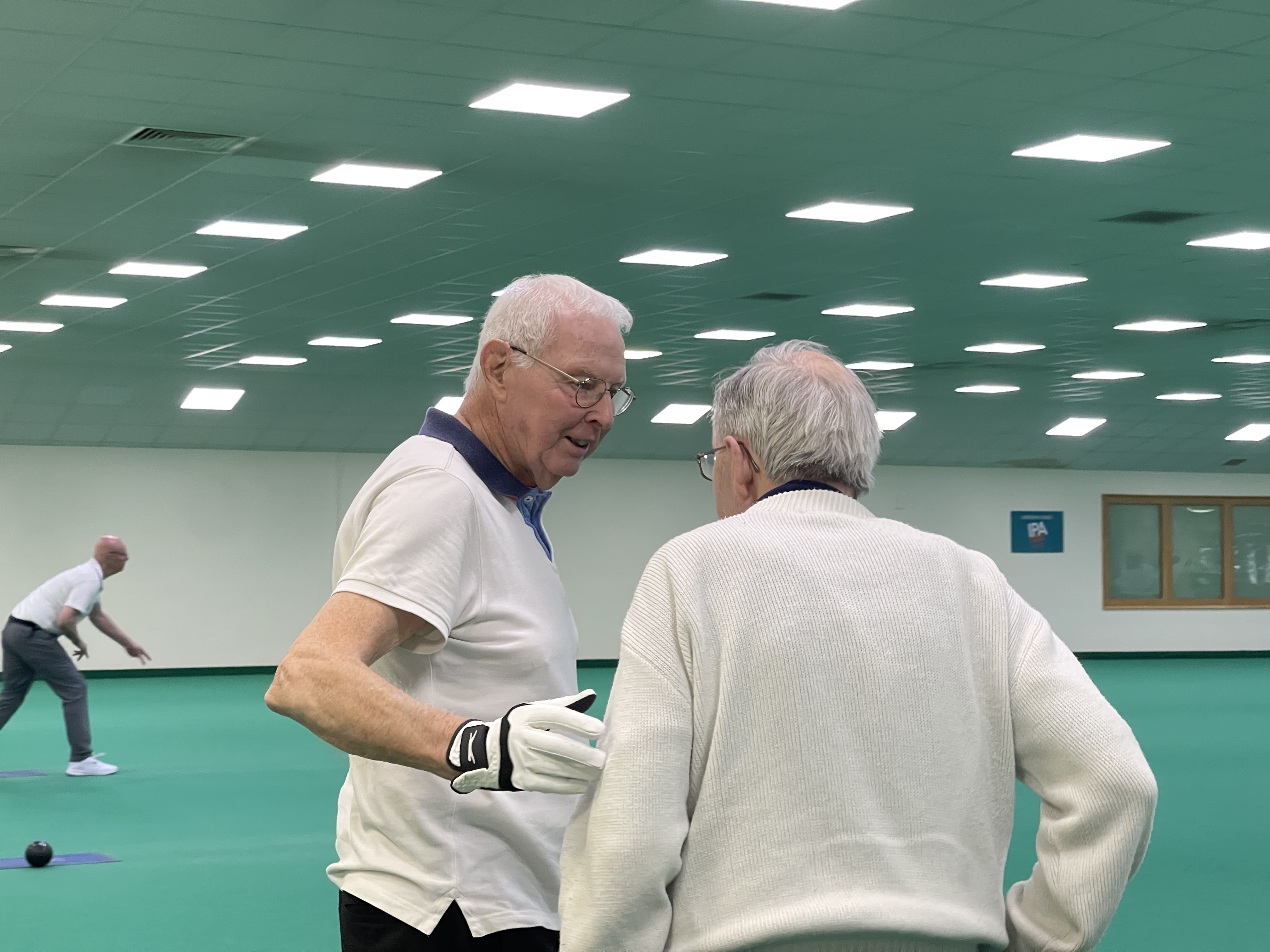
Graham Barton comes from the sidelines to the centre
Graham Barton enjoyed watching bowls before he started playing it, until one day when he got pulled into the mix.
“It was my default,” he laughed, “my wife used to play bowls and I used to sit out and watch on the sidelines and one day someone dragged me in and the rest is history.”
After losing his wife, bowls became more than a hobby for him, he said: “I lost my wife some while ago, it gives me purpose in life. You’ve got bowls, so you get up and go, so mentally it’s good and socially it’s good.”
Barton is also aware of the need to stay active, like others his age, he said: “When you get old you get stiff and if you don’t use your parts, you’ll lose them.”
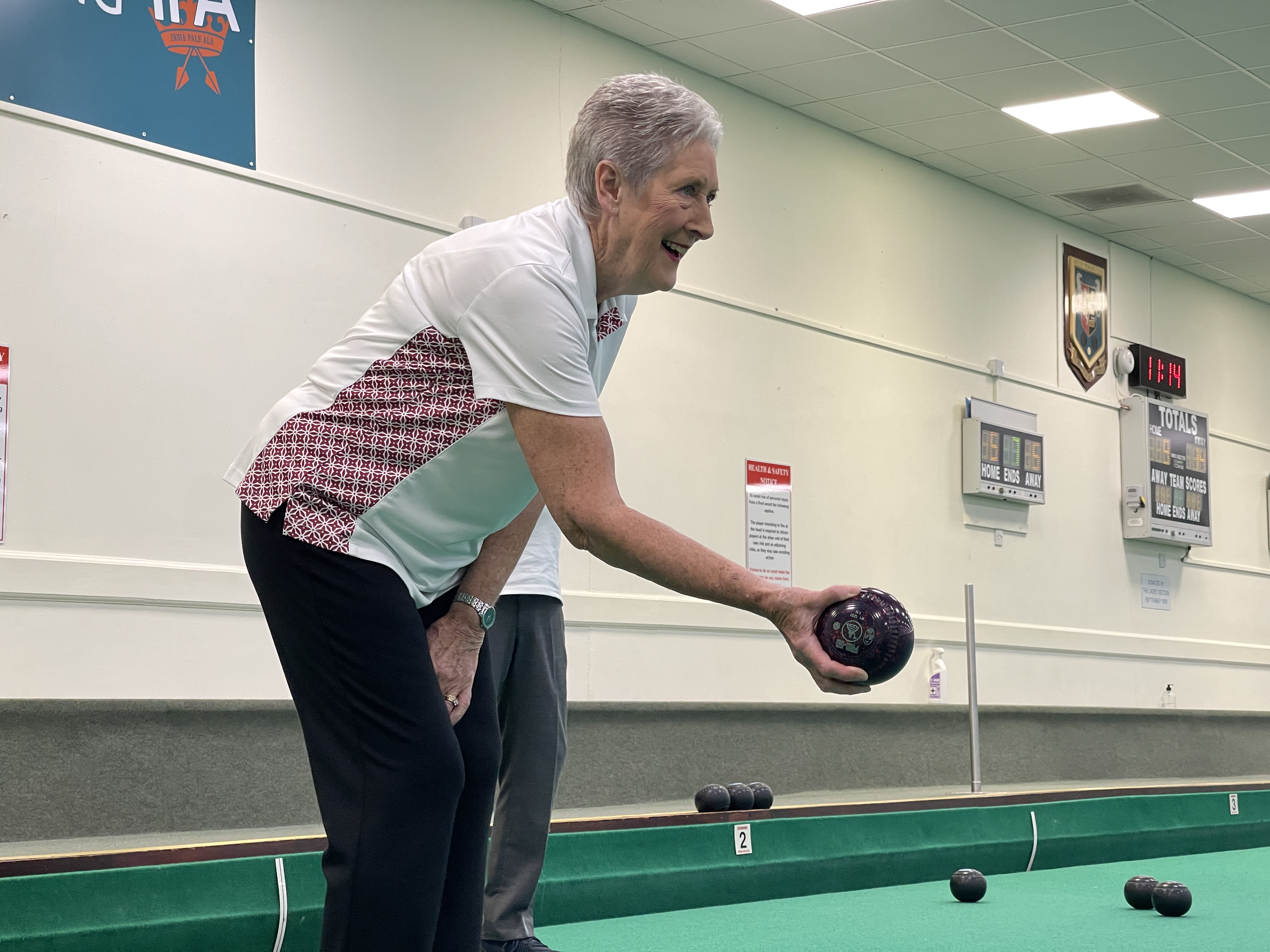
There is no place like the green
Whether it’s the friendship, the jokes that are shared, the purposeful game play or the routine tea and coffee after, each member of the six returns every week for their bowls practice. It’s more than just a sport that they love; it’s moments that have built up to be treasured by each member.
When the world is fast-paced and messy, it’s no wonder that an overlooked and sometimes isolated generation gains a belonging and calmness in an environment like bowls. Their meet-ups at bowls allow them to step away and focus on themselves, and of course, getting the losing team to buy the beverages.
For each member of the six and the many more that play the game, bowls has become more than just a hobby. It’s a sport that continues to give back to them, and that’s why they continue to step back onto the green each week, for as long as it will have them.
Week 1 – With the vaping ban around the corner, could we see an increase in smoking?
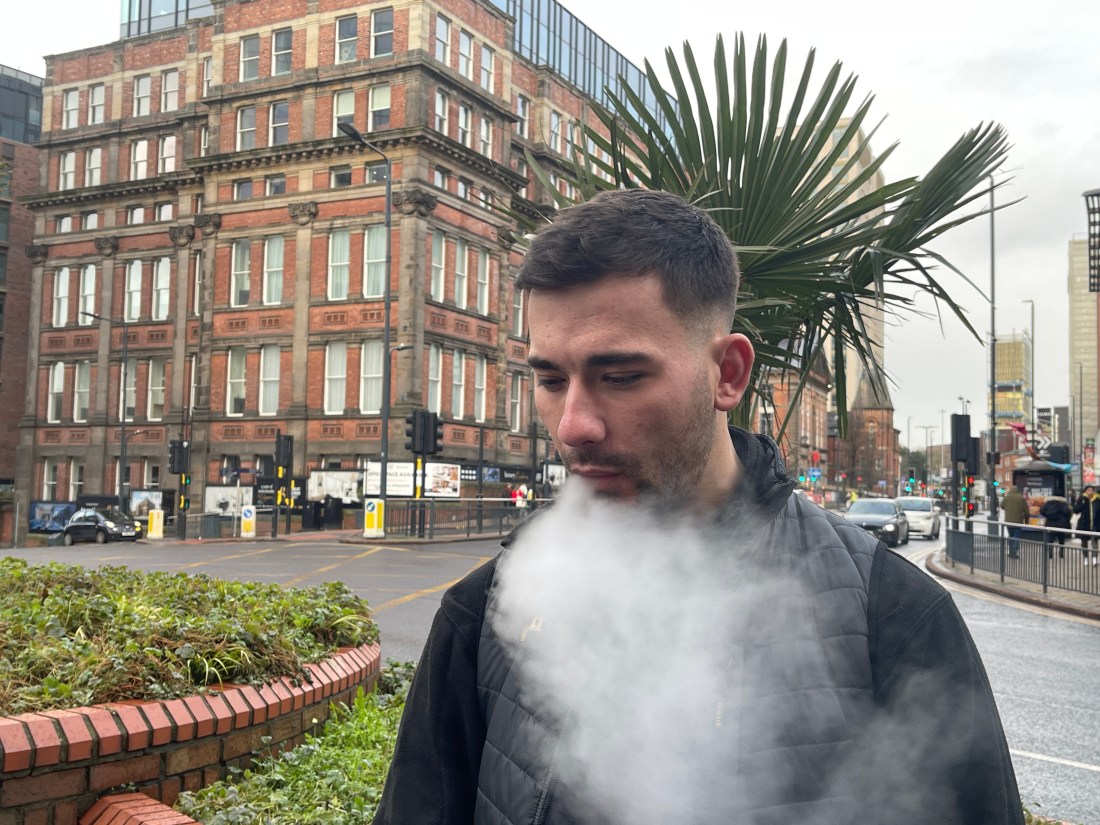
On the 1st of June 2025, all disposable vapes will be banned in England, Wales and Scotland. Reusable and chargeable vapes will remain legal and available to buy but with a higher tax.
The aim of the ban is to limit new starters from getting addicted, as breaking the habit once you’re addicted can be too hard to even comprehend.
Jamie McKinley has been smoking since he was 11 years old, he isn’t looking to give up anytime soon after going between vaping and smoking for the past few years.
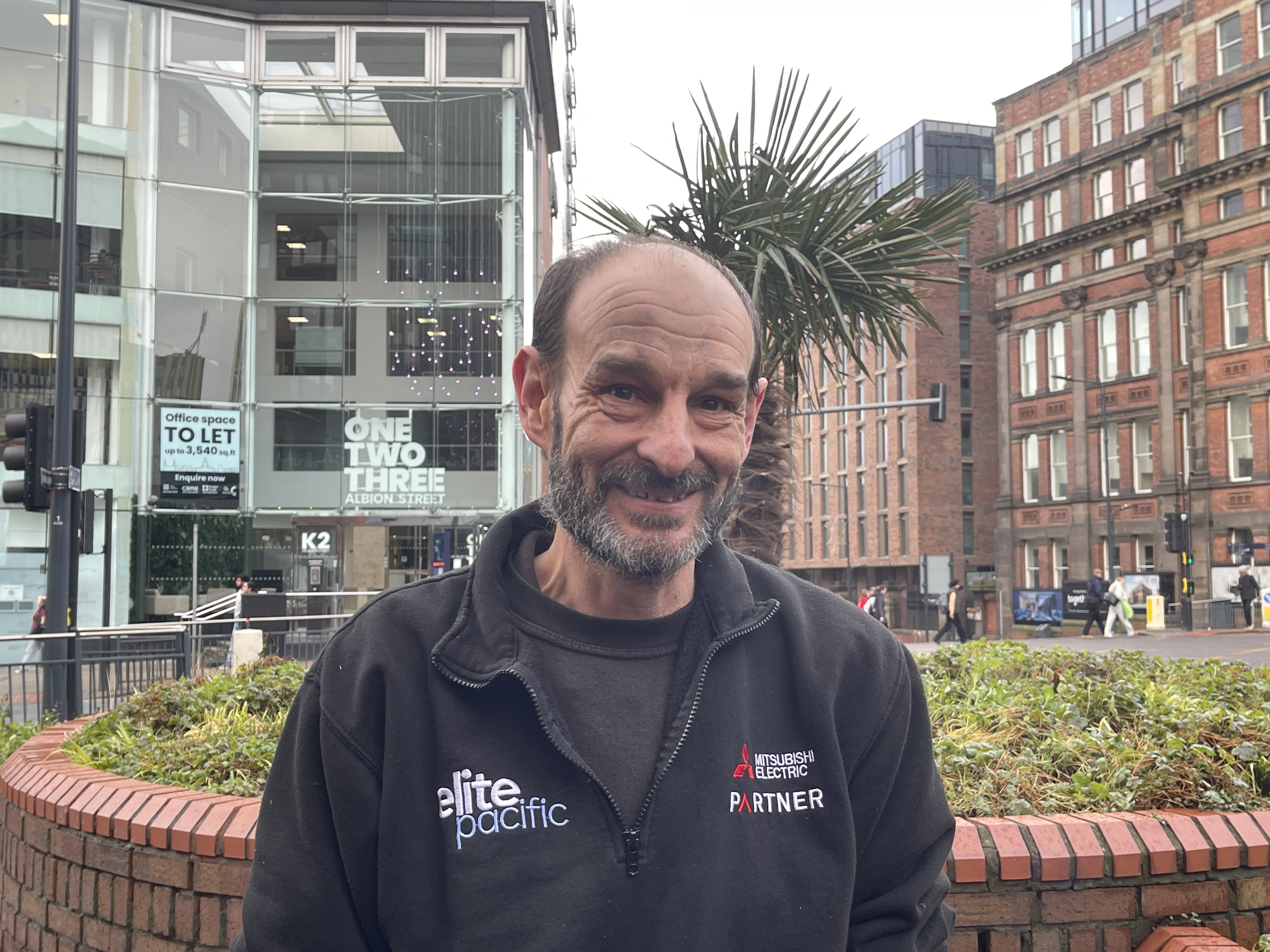
He said: “I’ve given up trying to give up, I’ve smoked for 39 years, it’s a hard habit to break, it’s a routine.”
After smoking for so many years McKinley went on to vaping, after 2 years of vaping his doctor instructed him to stop vaping because of fluid in his lungs. He went back to smoking due to this.
The main reason for the vaping ban is to stop children from getting addicted to nicotine, in any form.
According to Ash Smokefree GB Youth Surveys, 8% of 11-17-year-olds were vaping in April 2023, which has increased by 4% from 2020.
McKinley’s friend Kostas Papanastasiou is younger and only vapes, he wants to give up vaping for his health. He said: “You shouldn’t smoke and you shouldn’t vape.”

 Photographic Journalism
You must be logged in to post a comment.