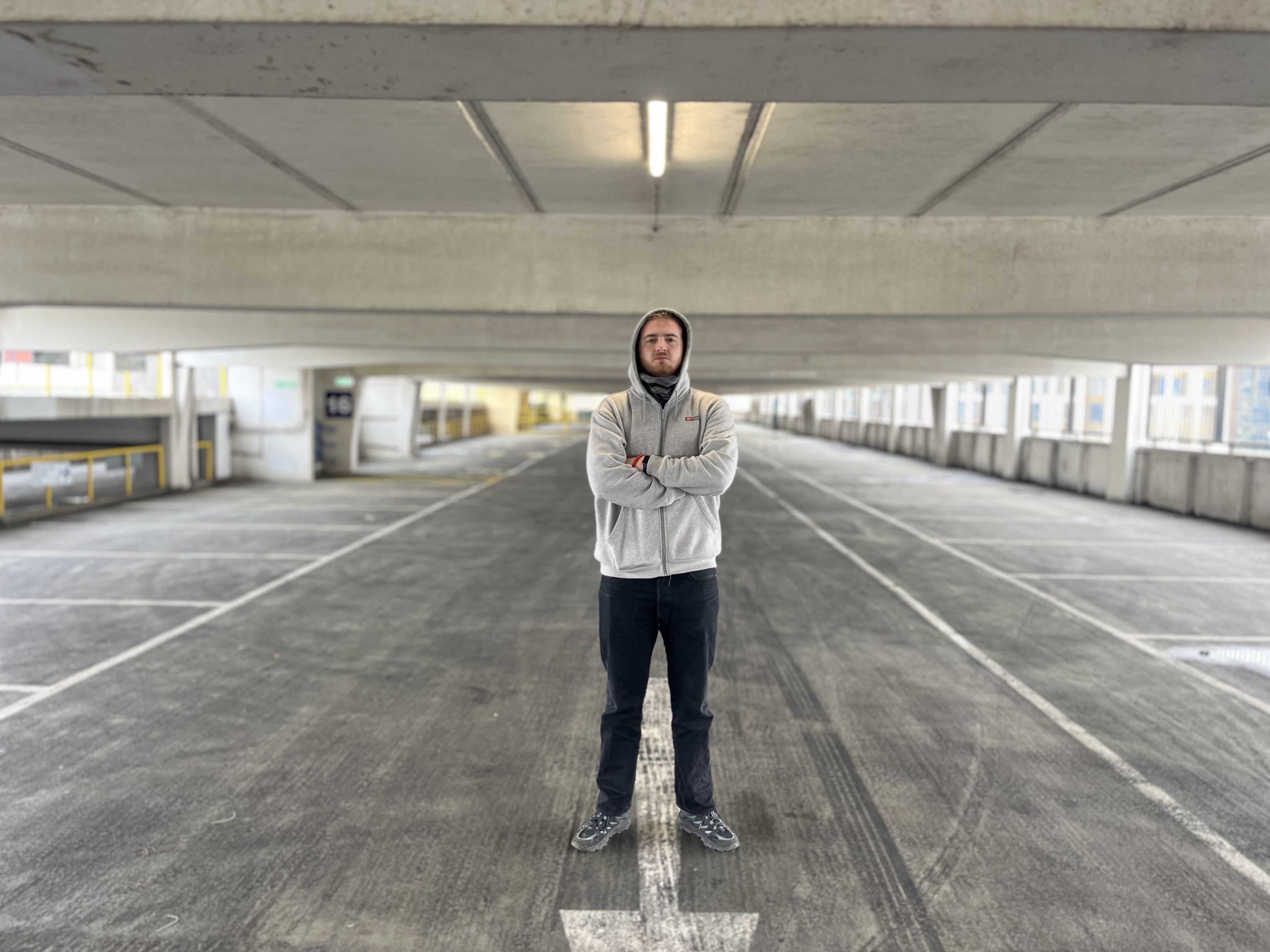
During the process of taking the photographs I used my phone and went onto portrait mode and used the slider which alters the F-stop and for this in particular image I set the F-stop to 1.4 so that less light came into the lens and the image came out like this with a shallow depth of focus.
For this image I again used my phone and set the F-stop to a middle number so that the lens was open but not fully so that it had more of the image in focus but if you look in more detail the number 16 on the left hand side is still slightly more blurry then the image below.
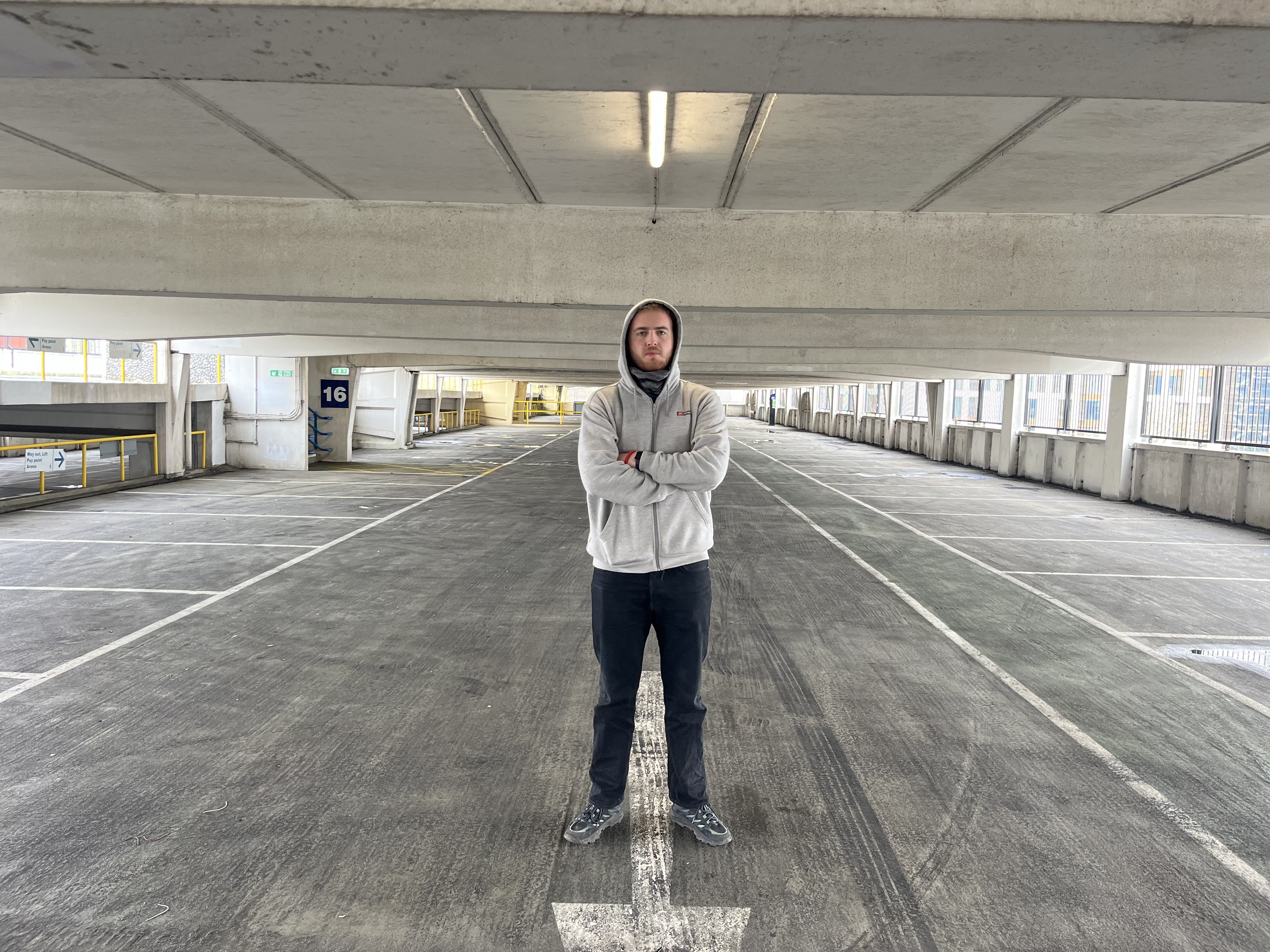
For this final image I set the F-stop as high as possible which is 16 on my phone allowing as much light as possible to come through the lens meaning that all of the image is in focus and it is a crisp image which is good but for this image I prefer the top one where all the focus is on the subject rather then the surrounding area.
During this weeks workshop we were learning about shutter speed and how to use it on an iPhone. Shutter speed is an extremely important factor for me to think about when it comes to producing the images for my assignment. If i have the opportunity to take photos of players outside of matches I will use a slow shutter speed as their will be no reason to have a fast shitter speed as my subject will be static during the image as if the subject is moving it will create a blur like this image below.
For the assignment if I take an image of my subject/player whilst they are playing a match or in training it will be important that I use a fast shutter speed as this will allow me to take lots of images in a short period of time. As sport is so fast paced players will only be near me or celebrating quickly so a fast shatter speed will allow me to take lots of images with good focus to choose from for the module.
I chose these two images to edit as they are photos I took before this module when I was not as aware of all the elements which I could use on the phone camera.
The first image I edited the original version has too much light coming in and is a bit overexposed so in post production I edited it so it was dramatic and brought the brightness down.
As you can see I have brought down the lighting allowing the focus to be more on the player as in the original in the top left of the image the floodlight was too bright and overpowering in the image.
In this image I thought the original was quite visually boring and wouldn’t be a great post for a social media page. Researching other American Football teams accounts they like to edit images a lot so for this I decided to alter it so that the sky looks atmospheric and has a purple coloring to it as this is the color which the team play their home games in so it suited the theme and color of the team well.
During this week we got an overall introduction into the module which helped me understand what will be required of us and how the assignment and weekly tasks will be laid out which helped me understand and plan myself going into this module.
The task this week was to go out in pairs and get a story which is in the Leeds are me and Ted Bromwich went to the pub Royal Park Pub in Hyde Park to investigate the effect of sports on their business and popularity, we both interviewed an employee to get an insight from them on what they see the effect to be on the pub.
Week 2- Reflection. Types of Photo Journalism
During this week we looked and analysed multiple different types of Photo Journalism which helped me learn about the different styles and aspects which are used in every type of journalism.
Our task in the workshop was to find three examples of a specific type of Photo Journalism and analyse specific techniques used, I did this on food photography and it helped me realise that for my final project I would want to do similar work to this whilst also mixing it with sports photography.
During the week and continued to research into food photography and the techniques used and learnt that I like the photographs which have the ingredients laid out around the bowl or plate of food as I believe this creates more depth to the image and makes to more visually interesting for the audience. I also liked the photographs which sometimes have 2 or more images of the process to cook the foods as it allows the audience to see all the ingredients before the final product.
Week 3- Reflection. Visual Storytelling
During the workshop this week we looked into how different photographs and images help tell a story and also how an image can instantly impact how an article is digested by the audience.
Our task was to find three images, firstly to find a news photograph that has somehow been constructed or set-up. For this task I used an image of a footballer celebrating to a photographer after winning the Champions League as it shows how it has been set up rather then an action moment. For the second image we were tasked to find a news photograph taken from a point of view that affects the story. I used an image of a little boy hiding during war as this image instantly makes the audience feel sorry for the child and have instant feeling of anger towards whoever has made him do this. The finally we needed to get an image which “meaning” was disputed, for this I used the famous bacon sandwich photograph of Ed Milliband as it was extremely controversial and the meaning was not taken in the way which he and his party hoped.
This work shop extremely helped understand how photographs can help tell the story without words as the audience will digest and create opinions based off the photograph.
Week 4- Reflection. Focus, Aperture and Depth of Field
During this weeks workshop we went out and played with our F-stop on our phones as this is something we would be using for our photos in our final project.
Firstly we took an image with the F-stop set to its lowest setting which created the affect of blurring out the background and having all the focus set on the subject which is a nice affect to have when you want your audience to concentrate on who is being photographed. Secondly we took an image with the F-stop set to the highest setting which meant that the whole photograph was crisp not only the subject but also the background which allows the image to look extremely clean. Finally we took the last photograph with the F-stop somewhere in the middle which gave quite a neutral affect but if you looked in the back in depth you would see it wasn’t as quite in focus as the lowest setting as it takes in less light so more of the image is in focus.
Week 5- Reflection. ISO and Shutter Speed
During this workshop we learnt about ISO and Shutter Speed which was an extremely important learning for me and my project as I plan on taking images of athletes during matches and training and if they are moving at speed and not a static subject then I will need to make sure I used the burst mode and adjust the shutter speed so I can capture them in focus.
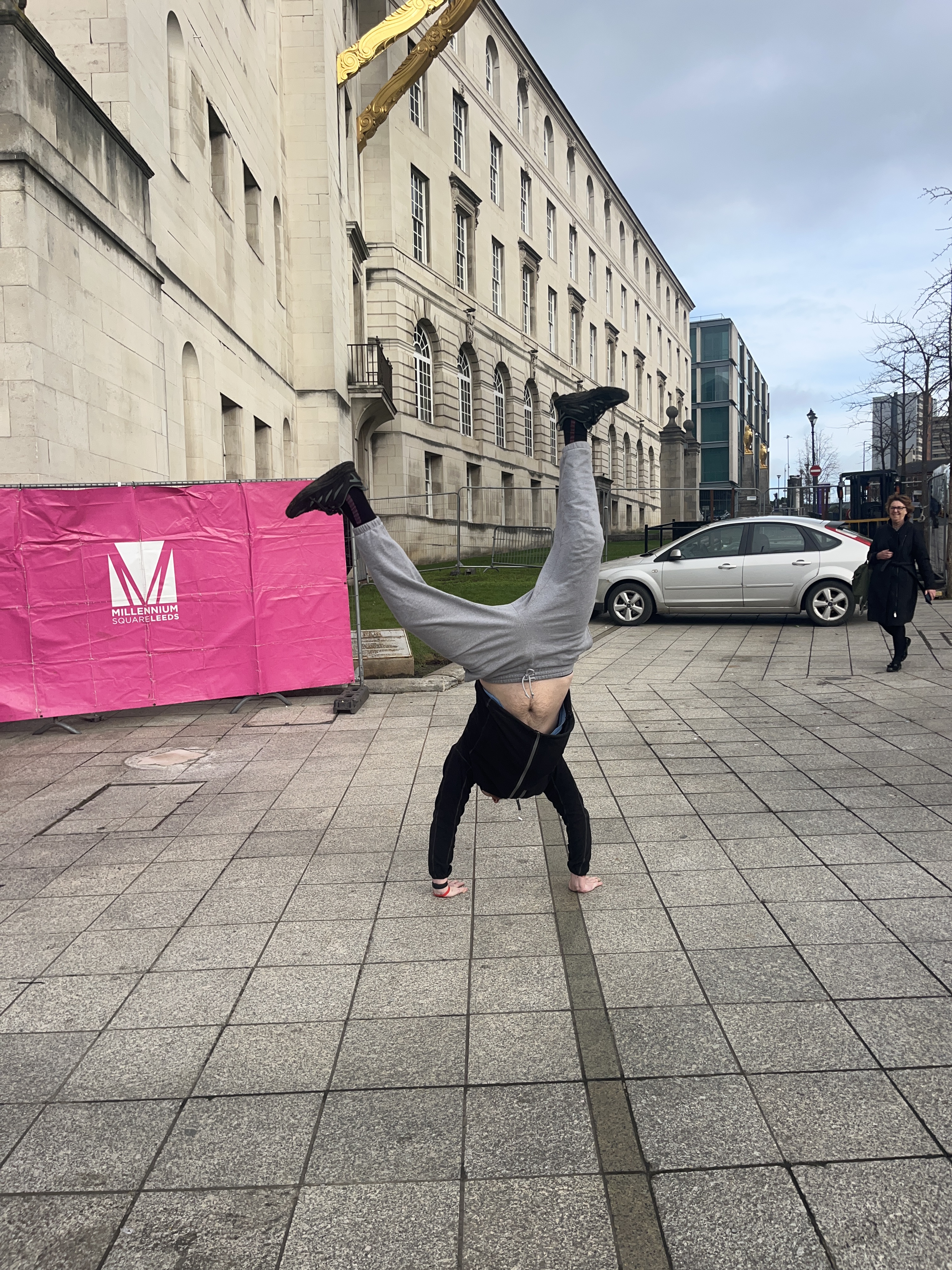
Firstly I took an image of friend doing a cart wheel on burst mode on my phone which emulates shutter speed and allowed me to take lots of photos in a short period of time so that I could capture them in the movement in focus which is something I will use to get clear photos of my subjects. I also took an image of a moving subject but on Live Photo mode to emulate slow shutter speed I got multiple people to walk at once and used this affect which helped create an image where they were all blurry in the photograph which is something I won’t use in my project but is good to know as it is a cool technique to use in different projects.
After doing some initial research I saw more of these types of images and again started to understand more what types of techniques I like and may look to replicate in my own work, one of these being using the burst mode on my phone during celebrations in football as I like when photographs capture footballers celebrating in the air or as they react ton scoring as it captures the emotions of the sport and the joy when scoring really well. I also like the motion blur background if I can replicate this with a still subject and other athletes moving in the background it would work really well as it shows the intensity of their sports and would help then shift importance onto how the athletes help fuel themselves for performance which is what I am doing the project on.
Week 6- Reflection. Colour and Image Correction
This workshop we focused more on post production work and developing our skills on photoshop, we used two images which had previously taken and created an adjustment layer and played around with the effects on their to create the final image we wanted.
I firstly used an image which I believed was slightly over exposed and used the adjustment layer to bring this down and make it a bit darker and level the over exposure, for the second image I used the post production editing to create a purple affect on the players as this is the colour of the clubs kit and thought it was a cool affect to put on the image for social media use.
Week 7- Reflection. Post Production and Selection of Images
We again today worked on more post production work in photoshop to help us again develop these skills and help us hopefully make our final piece of work as high quality as possible.
We used photoshop to firstly change one our images from portrait to landscape in case we accidentally take our photos in portrait as they need to be in landscape for publication so it was good to learn a way of reversing our mistake. We also learnt how to straighten an image which is something I did not think was possible so was cool to learn how to do this as we can take an image from a slightly of centre angle and still adjust this in post production.
Week 8: To do list and update on assignment progress
For the assignment I am doing my piece of work on the different pre match meals which different athletes have before competition to support performance. I will be interviewing 4 different athletes from different sports and taking photos of them and then cook and picture their pre match meal so that the meal is put to life by the image.
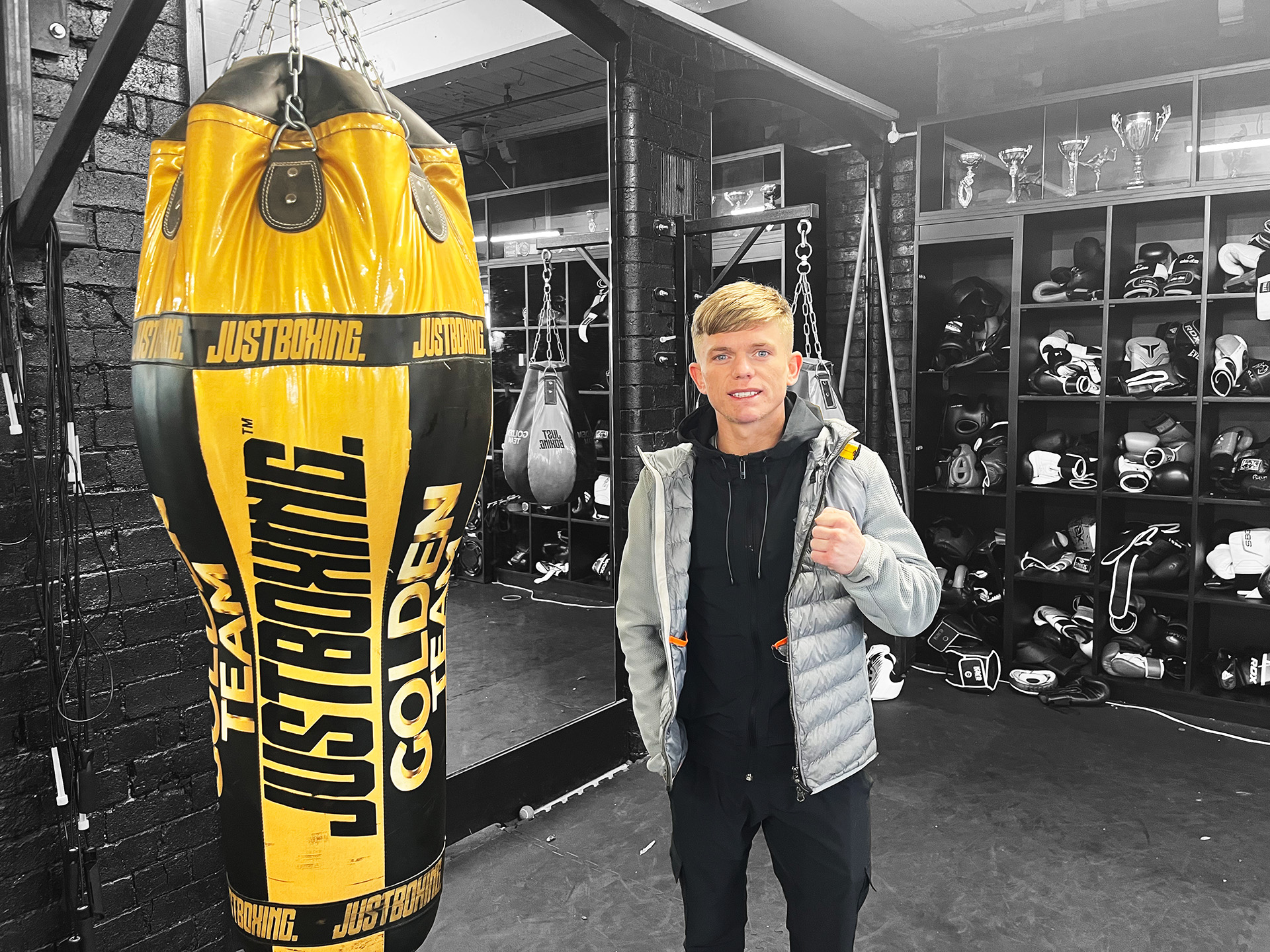
So far I have taken a photo and interviewed one athlete already which is Koby McNamara ahead of his fight which was on Saturday 15th March I also interviewed him on his pre match meal so that I know what to cook and photograph to pair with his interview.
For the assignment I am currently arranging when I can get a photograph and interview Oscar Devos who is an American Football player and I will take these pictures at West Park Rugby Club as it will have the posts in the background which will give the image more context. I also took images of Dulwich Hamlet F.C players during their match using the club camera and I am just waiting for these to be sent over to me I will then filter through these and decide which one to use and interview that player in their go to pre match meal.
In the heart of Hyde Park the adopted home of the students sits Royal Park Pub, one of the most popular pubs amongst students with deals on drinks and food and weekly karaoke to keep the party going.
Royal Park Pub also is the centre for live sport with multiple screens throughout the indoor with additional screens outside for warm summer days. These screens thrive business in the pub attracting hundreds of students to come and watch the sport, speaking to barmen Pat Thurlow on how much business the live sport brings in he said, “It’s huge whenever we’ve got the Rugby or Football it can go from being silent in here to absolutely rammed in the space of half an hour.”
Despite their being multiple other Pubs and places to get a drink in Hyde Park Royal Park Pub is always the most popular and attracts the most business, Pat spoke on this saying, “We are definitely the most popular and I think that’s down to the deals we have and we not only have one or two screens we have about 10 inside and around 6 or 7 outside which is massive for those who are wanting to watch sport.”
Training, performance and recovery are three of the most important factors when it comes to being an athlete. The importance of these factors cannot be underestimated but, none can be achieved to the highest level without an athlete having the right nutrition in place to support the physical demands of their particular sport.
Clubs and athletes can undergo endless amounts of training and tactical analysis before a match, fight or performance but the outcome can drastically change if athletes have not correctly fuelled themselves in advance. Proper nutrition plays a crucial role in an athlete’s performance and one of the most important components of an athlete’s diet is their pre-match meal.
Pre-match nutrition is crucial in providing the energy and stamina an athlete needs to be successful in their given sport. Tom Coughlin, former Lead Performance Nutritionist at Scotland Rugby Union team and current Lead Nutritionist at Edinburgh Rugby, explained “Athletes can have all the talent in the world, but we know for a fact that nutrition can influence performance, health, recovery and almost everything.”
In a world where sport is as competitive as it has ever been, athletes are always striving to gain an edge on their opponents. Understanding the science behind pre-match nutrition can be the difference between a lacklustre performance and remarkable sporting success.
A pre-match meal has multiple benefits for an athlete with the primary function being to ensure the athlete has sufficient energy stores in their muscles to sustain high-intensity activity. However, the right pre-match meal can also help prevent fatigue and enhance focus and decision-making during performance. A pre-match meal must also provide sufficient hydration as this is essential for optimal brain function and physical performance. Ted Munson, Lead Performance Nutritionist at Brentford Football Club and Denmark FA, summed up the importance of a pre-match meal saying, “You’re going to try and put the best fuel in the athletes to keep them running.”
In this article I will be interviewing several athletes from different sports about what their go to pre-match meal is to help support them during performance and also to support the particular demands of their individual sport. I will analyse their pre-match meal choices as well as the similarities and differences between them.
Koby McNamara, known as The “Leeds Pocket Rocket”, is a 9-0 undefeated bantamweight boxer and is currently one of the most exciting young boxers in the UK. It is clear to see the physical demands of boxing by watching 12 rounds of relentless work attempting to knock each other out. The benefits of correctly fuelling yourself as a boxer can be winning a title fight or continuing an undefeated record. On the other hand, if you are under fuelled, the harsh reality of losing in boxing can be seen by all as you lie face down on the canvas at the hands of your opponent. As one of the most unforgiving sports it is critical that a boxer gets their pre-fight nutrition right. This will give them the best chance at winning after months, or even years, of hardcore commitment to training.
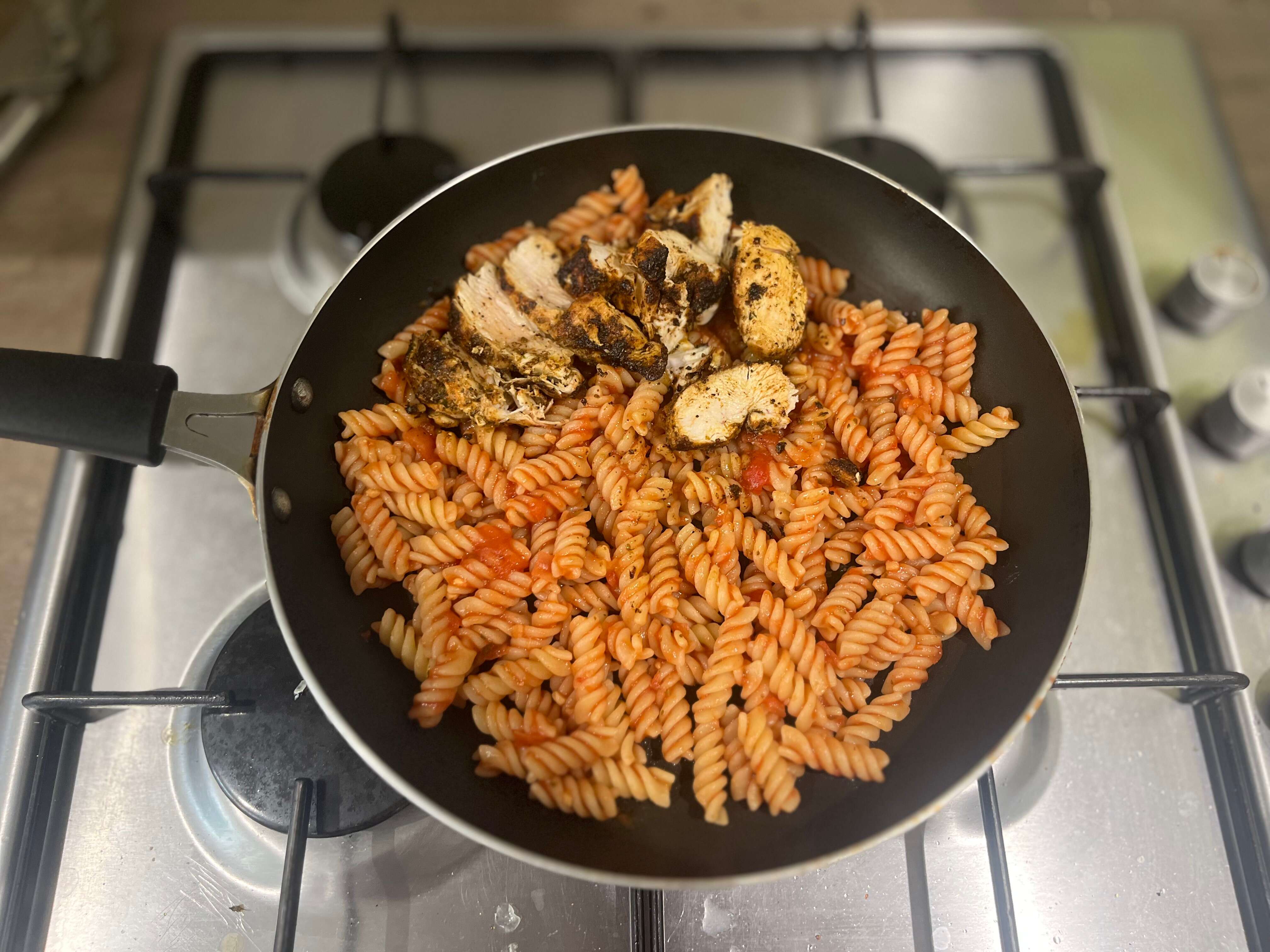
Due to the intensity and longevity of a boxing match it is vital that Koby chooses his pre-fight meal carefully to support concentration and physical performance throughout without fatiguing. Koby explained his pre-match meal choice is “Chicken pasta, not too saucy, and I also add in a few jelly babies to get the blood sugar level going pre-fight so that I start strong.”
Koby’s pre-fight meal has all the required aspects to support him throughout his fight as he has included carbohydrates which are vital in supporting an athlete in prolonged high intensity exercise due to it being the body’s primary source of energy. Carbohydrates are stored as glycogen in the body which can be rapidly converted into glucose for energy during exercise which prevents fatigue. This allows Koby to continue competing at his peak throughout a fight giving him the best chance of victory. The addition of chicken in this meal is vital as protein plays a massive role in recovery and muscle repair allowing Koby to be in perfect condition for his fight. Although carbohydrates are the body’s main source of energy, protein also contributes to energy production during high intensity exercise. Protein will also keep Koby full for longer meaning hunger will not be an issue leading up to the fight.
The “Leeds Pocket Rocket” explained that he does not have too much sauce on his pasta to reduce the risk of developing an upset stomach or digestion issues pre-fight as this would adversely impact him ahead of competing. Finally, Koby discussed his tactical addition of jelly babies to his pre-fight meal. These help increase his blood sugar to provide a quick and readily available energy source which helps to fuel muscles allowing him to start a fight with as much intensity as possible and avoid feeling sluggish and slow.
Another sport which is brutally demanding on the body is American football. There is constant impact throughout a game requiring all body parts to be in peak condition to give the player and team the best chance of success. American football is also very tactical with every player playing a crucial role in every set play. Nutrition is vital in an American football player’s routine to support concentration throughout the whole match as well as to ensure peak physical performance.
Oscar Devos is a current player at UCLAN Rams, an online coach for Manchester Titans men’s team and a previous GB U20’s captain. Oscar discussed the importance of nutrition in American football explaining, “If you don’t eat right you’re not going to get the same results in the gym and on the field you’re going to be at a disadvantage. I personally like to make sure my diet in season is ticking all the boxes and I advocate to all my team mates to do the same.”
Oscar has invested a lot of time and thought into his nutrition and ensures that he is optimally fuelling himself for training and matches to give himself the best chance of success in his career and developing as a player. Oscar broke down his go to pre-match meal, “I always make sure to get a large amount of carbs in, with a good amount of protein and some sugar for that quick release of energy. So we’re normally looking at pancakes with some syrup and bacon.” Oscar continued to explain why this is his go to meal, “It’s a safe meal and helps me avoid any stomach issues throughout the game and I also want to make sure I have enough energy through slow releasing carbohydrates mixed with a good amount of sugar to avoid a slow start.”
Oscar’s pre-match meal has been tried and tested throughout his career and he has now found the perfect match for his personal needs. Summing up the meal, Oscar states “if it tastes good and it does the job, I don’t know why I would pick anything else.” Oscar’s pre-match meal ensures he gets enough carbohydrates to have slow energy release during a match as American football matches can go on for a couple of hours. He also has protein which will support his recovery and will help his muscles and mind be in perfect condition for game time. Oscar also capitalises on the benefits of sugar in his inclusion of syrup as this will allow him to have a quick release of energy to help him avoid tiredness or sluggishness heading into a match.
Dulwich Hamlet FC and former Jamaican international goalkeeper, Dillon Barnes, has over 10 years’ experience of men’s football. He has reached League 2 in England, played in the Scottish Premiership whilst also earning himself one full internation cap for Jamaica, against Costa Rica, in the CONCACAF Gold Cup in 2021.
As a goalkeeper you need to always be prepared to spring into action. This requires complete concentration and focus throughout the whole 90 minutes as one lapse in concentration can lead to a goal being conceded undoing the rest of the team’s hard work. Goalkeepers require sharp reflexes alongside outstanding agility and athleticism which cannot be performed without being appropriately fuelled before kick-off.
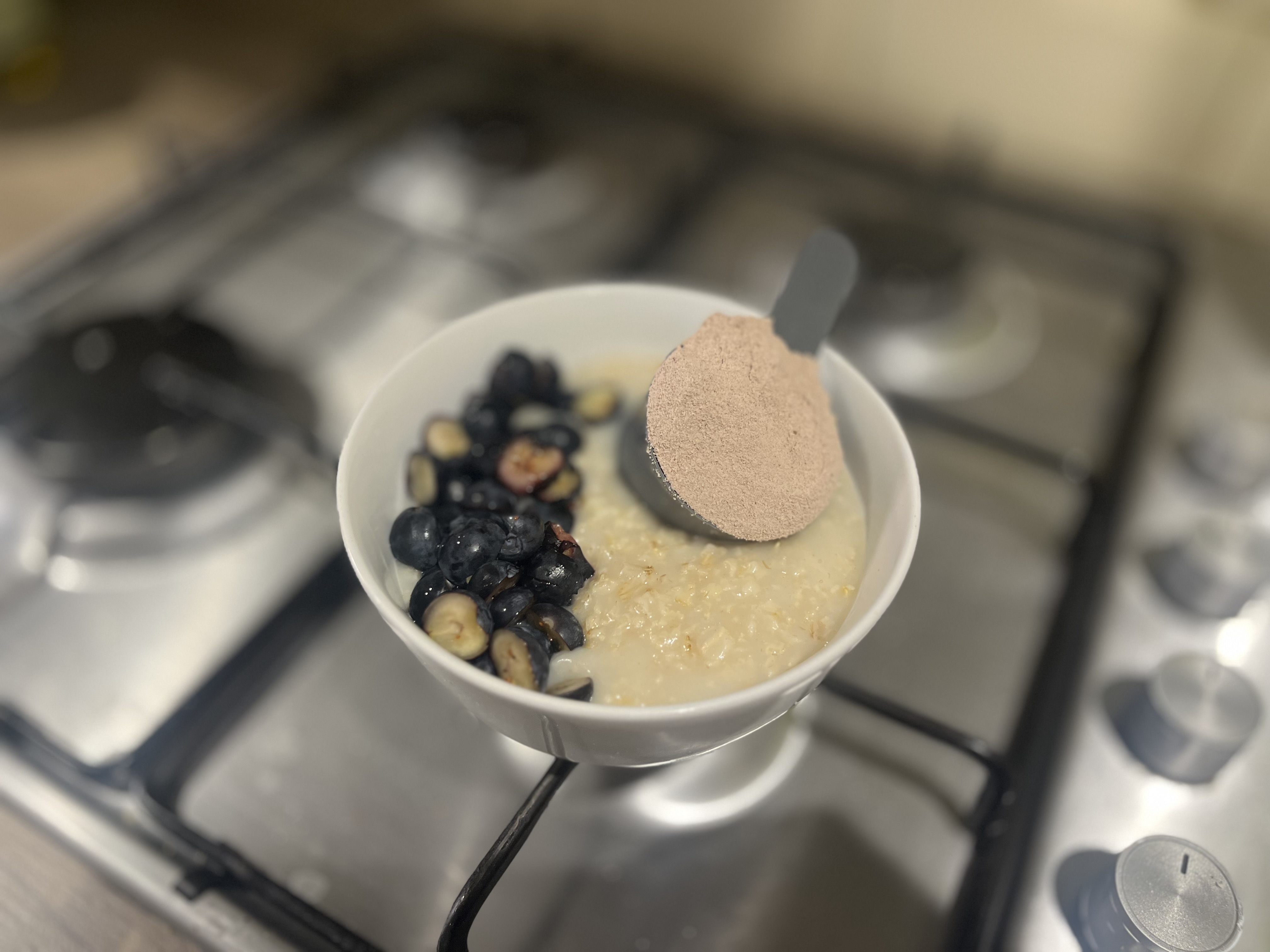
Barnes’ pre-match meal focuses on easily digestible foods whilst getting in carbohydrates to support his concentration throughout a match so he can perform at his best. Barnes has “Porridge oats with blueberries and a protein powder scoop.” Porridge oats are a good source of slow-release carbohydrates which will help support Barnes’ energy levels throughout game day. They also contain fibre which helps aid digestion. Blueberries are a healthy addition as they are high in fibre which again will support digestion and alongside the oats are easily digestible. Blueberries are nutrient-dense and studies show that they may support brain health and improve focus which is vital for Barnes in his performance as a goalkeeper. Finally, Barnes adds a scoop of protein powder to this meal which provides vital protein helping to support muscular function and recovery. Protein will also keep Barnes full for longer meaning he is less likely to have hunger issues during the match and be distracted.
Tighthead prop is one of the most brutal positions in rugby. This position is constantly involved in contact, is on the front row of a scrum and plays a crucial role in the lineout. Tighthead props require exceptional strength and power in both the upper and lower body to excel in contact and open play. Ted Bromwich is the tighthead prop for Kenilworth Rugby Club who are in the 5th division of rugby. When contact is constant throughout the whole 80 minutes, and you have athletes weighing in excess of 100 kilograms running at you, the importance of pre-match nutrition is at its highest to try and support your body throughout the match.
Rugby is one of the most physically demanding sports and the risk of injury is very high. One way to try to prevent this is by ensuring proper nutrition and fuelling the body correctly. Bromwich has grown up playing rugby throughout his years at Warwick School which is known for having a great rugby programme with a recent successful alumnus being Fin Smith, the England international. Bromwich has had lots of time to find what pre-match meal works best for him and his performance. Bromwich described his go to pre-match meal as, “I normally go for a spaghetti bolognese. It gives me everything I need with protein and carbohydrates and then I will have a chocolate flapjack about half an hour before kick-off.”
Bromwich has got a thoroughly planned pre match nutrition ritual which he has before every match to support his performance. This helped him to be awarded the Young Player of the Season during the 2023/24 season at Kenilworth. Bromwich ensures he gets a good amount of protein and carbohydrates in before a match so that he has a slow release of energy throughout and protein to support his muscular function which is vital in a rugby match. Bromwich also understands the importance of sugar before a match and eating a chocolate flapjack helps him get a fast burst of energy. This also provides complex carbohydrates which will help him throughout a game to continue performing at the highest level.
Despite the difference in the food choices in the pre match meals above, each athlete I interviewed chose a meal containing sources of protein, carbohydrate and sugar so the meal choices are actually very similar in terms of purpose. Each of these food groups plays a key role in supporting performance in all these sports so it is not surprising that these are incorporated into all the pre match meal choices. However, one difference is the sugar options selected by the different athletes. Koby chose an instant sugar hit with his choice of jelly babies as he needs to start a fight at full speed. Oscar chose an instant sugar hit of syrup but together with a slow release version of pancakes as he has to come out fast in a game but over a prolonged period of time. However Barnes and Bromwich both chose slower release sugars and complex carbohydrates to be able to cope with the endurance of long matches.
Each athlete had a clear focus on ensuring that their chosen meal is easily digestible. This will help avoid any stomach issues during a match and avoid any discomfort which could stop them from performing at their peak. This shows how important a role nutrition plays in sport and how much focus is put on selecting the optimal pre-match meal. Athletes clearly understand how important this meal is in supporting the particular physical demands specific to their sport and performing at their best.








 Photographic Journalism
You must be logged in to post a comment.