Farsley Celtic’s unsung heroes

For non-league clubs such as Farsley Celtic, the most important people aren’t the eleven that run around on the pitch every Saturday. It is the volunteers that give up their time and effort to ensure the club they love can continue to survive.
Farsley Celtic's clubhouse known as 'The Nest'.
Farsley Celtic’s ‘The Nest’ bar which serves food and drink

After once again defying the bookmaker’s odds on the last day of the season, Farsley Celtic dramatically avoided relegation, after defeating Buxton 2-0 to remain in the Vanarama National League North for the 2024/25 season.

Despite having one of the smallest budgets and gate revenues in the league, the heroics of the players and coaching staff on the pitch have ensured Farsley’s survival in the sixth tier of English football for five years.

But for all the good work that happens on the pitch, there is just as much that happens off it. Farsley Celtic are a semi-professional club, and heavily rely on volunteers to help with a variety of tasks that help keep the club running, making Farsley’s survival on the last day one big team effort.

Paul Barthorpe, the chairman of Farsley Celtic, put this remarkable achievement into perspective in his official statement published on the club’s website.

“It’s easy to criticise and mock our achievements, but we couldn’t be any prouder of who we are! We are a small village club, the population of our village is only double the capacity of our ground and you could fit our whole population into the grounds of some of the teams we play against!

We manage to beat the odds every season because everyone at this club bleeds green and white! Our fantastic team of volunteers from board members to coaches, to the guys who choose to help out in their free time to litter pick are all Farsley,” he said.

Farsley Celtic supporters celebrate on the pitch after avoiding relegation.
Farsley supporters run onto the pitch after avoiding relegation on the final day

Beating the odds is something the village from Leeds has been accustomed to over the past few years as they continue to prove people wrong. For the 23/24 season, the club sold less than ten season tickets as they go head-to-head with clubs such as Scunthorpe, who played in the Championship as recently as 2010.

Scunthorpe’s stadium, Glanford Park has a capacity of just over 9,000, compared to The Citadel of Farsley Celtic, which seats around 300 people.

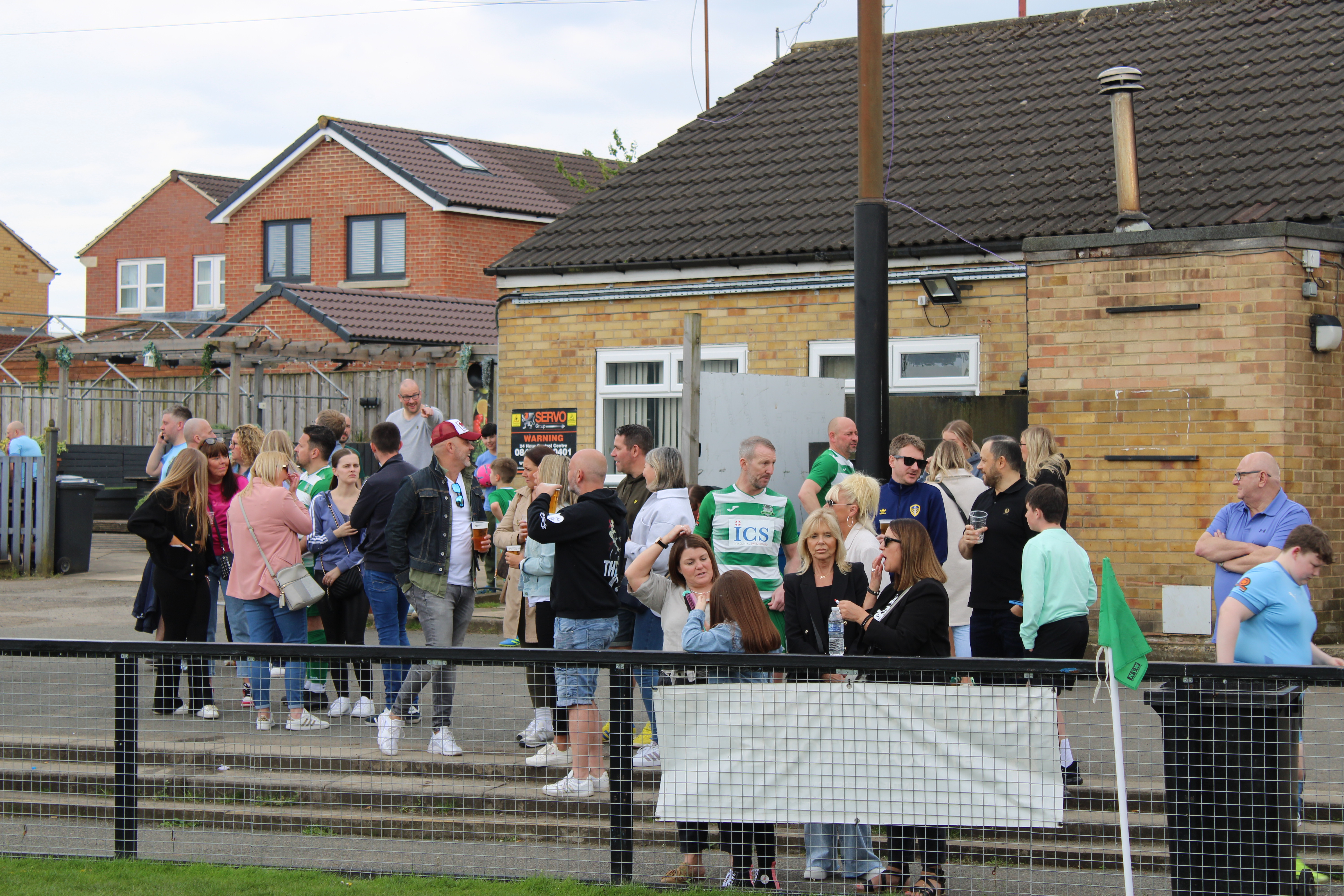
Farsley Celtic fans socialising before a game.
Farsley fans socialising before the game

But despite the differences in size between the two clubs, volunteers are just as important to both of them. So important in fact that of the 24 teams that competed in the National League North in the 2023/24 season, 50% of them were advertising volunteering roles on their official websites.

At Farsley Celtic, this volunteering begins at the very top. After initially starting out as a supporter in 2010, Robert Winterbottom began to volunteer by editing the matchday programmes before eventually purchasing a share of the club himself.
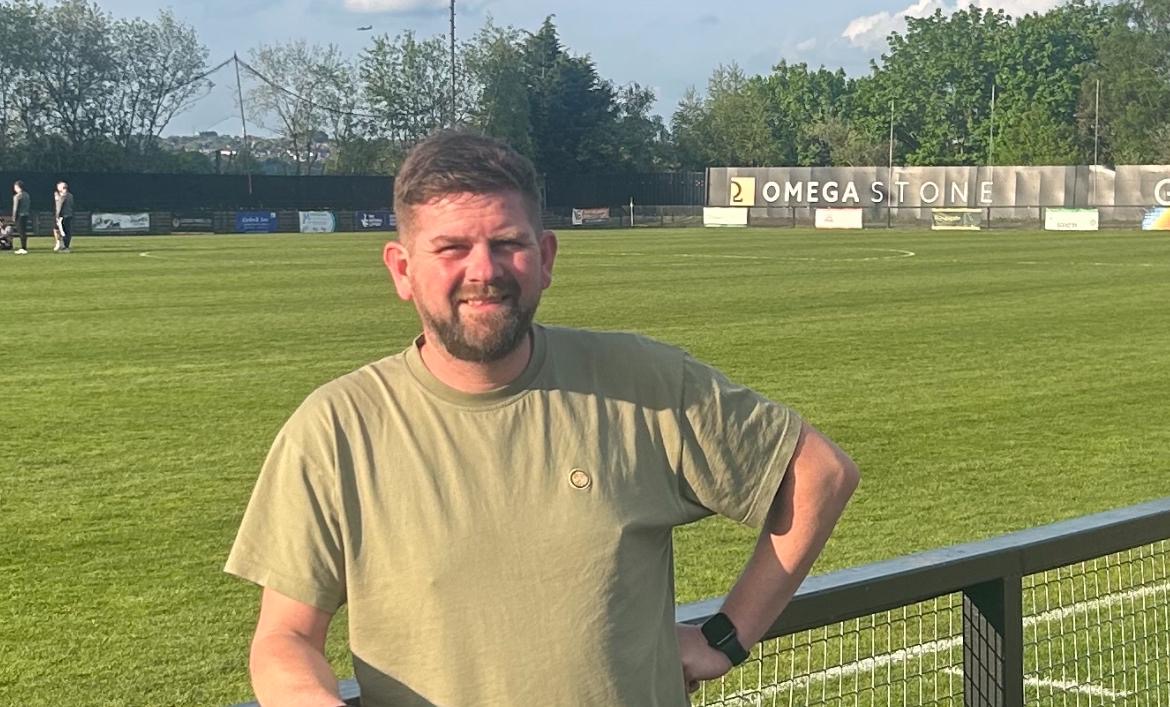
Robert Winterbottom stood pitch side at The Citadel.
Robert Winterbottom, Director at Farsley Celtic

“In 2018 I bought a third of the club and still own those shares now,” Robert said.

Despite being a director at Farsley, this hasn’t stopped Robert from continuing to provide his service to the club on a matchday.

“My main responsibility now is in catering. I look after the kitchen on a matchday, which other than offering food to spectators we also feed visiting directors prior to the game and players, management and referees after the match,” he said.

But what inspires Robert to stay involved with the club year in, year out?

“I’m not too sure sometimes to honest! But joking aside I am first and foremost a supporter, and I want to see them in the best position possible. One thing I discussed when I first started volunteering was that we can’t always get it right on the pitch, but we can do our best to get it right off it and that’s what I aim to do,” he said.

As a minority shareholder of Farsley, Robert sees the good work of the volunteers first hand and explains why they are so vital to the club.

‘Volunteers are massive to us’

“Volunteers are massive to us and something you’d like to see more of. The amount of different roles within the club that are voluntary will be quite surprising to a lot of people. We are very lucky to have so many people that do volunteer and so many have been doing it for a long period of time and I have made some very good friends through the football club,” Robert said.

Volunteers are required for tasks ranging from stewarding, to turnstile operators, to providing media coverage for the club. In return, they are often offered admission to the club’s home matches as a token of their appreciation.

One of those valuable volunteers to Farsley Celtic is the media manager, Josh Makin.
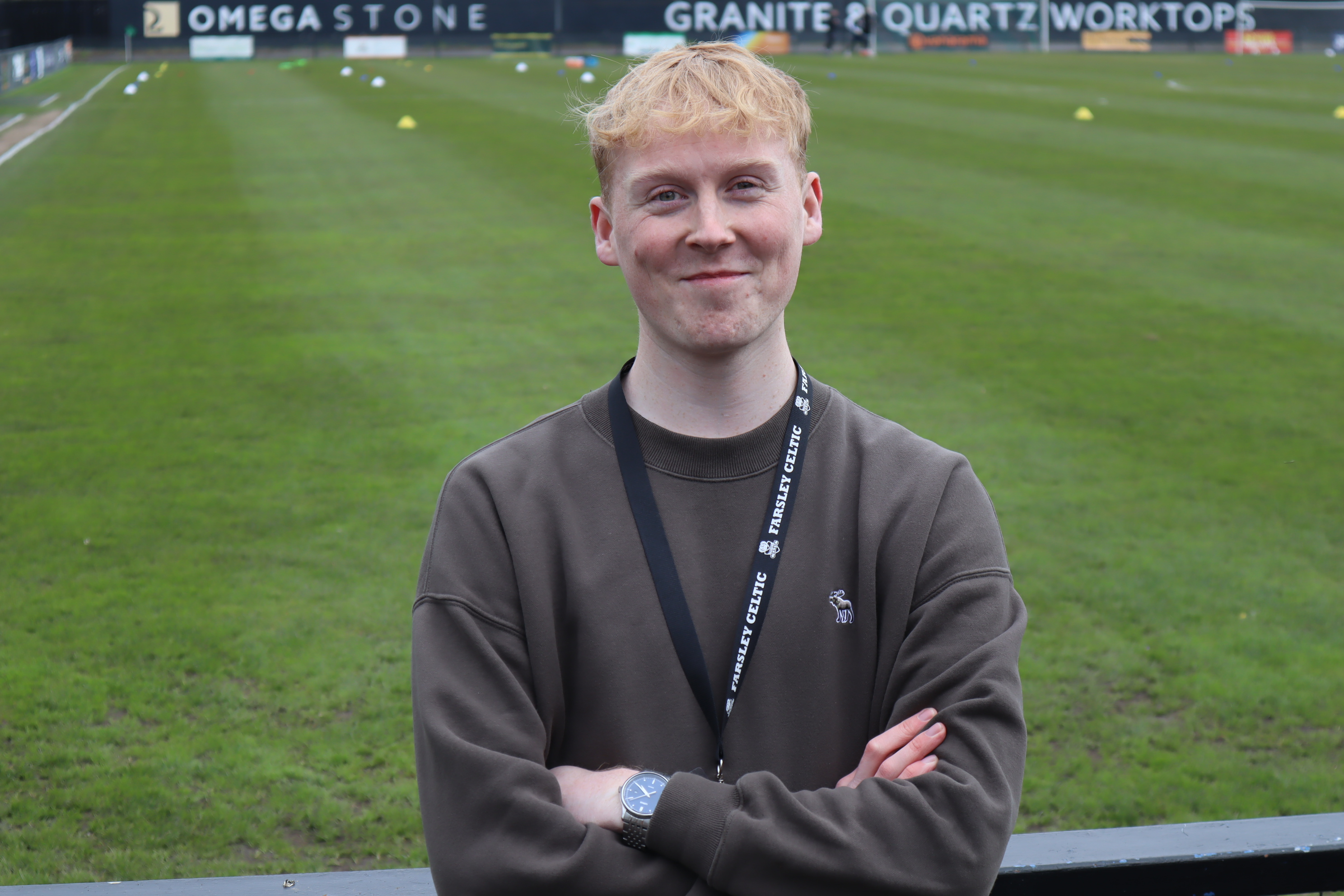
Josh Makin stood pitch side at The Citadel.
Josh Makin, Farsley Celtic media manager

“My main role at Farsley is managing all outputs on the club’s social media platforms including X, Instagram, Facebook and TikTok. I handle posts in the build up to matchdays such as fan guides and previews as well as announcements and anything that the directors want to be put out. I also communicate with the people at the National League North to facilitate coverage of our matches, “Josh said.

For Farsley, it is essential that they provide their own media coverage, otherwise they would likely receive little to none from other news organisations.

“I have to communicate effectively with supporters which benefits the club in the long run as those fans stay engaged and come to our matches,” Josh said.
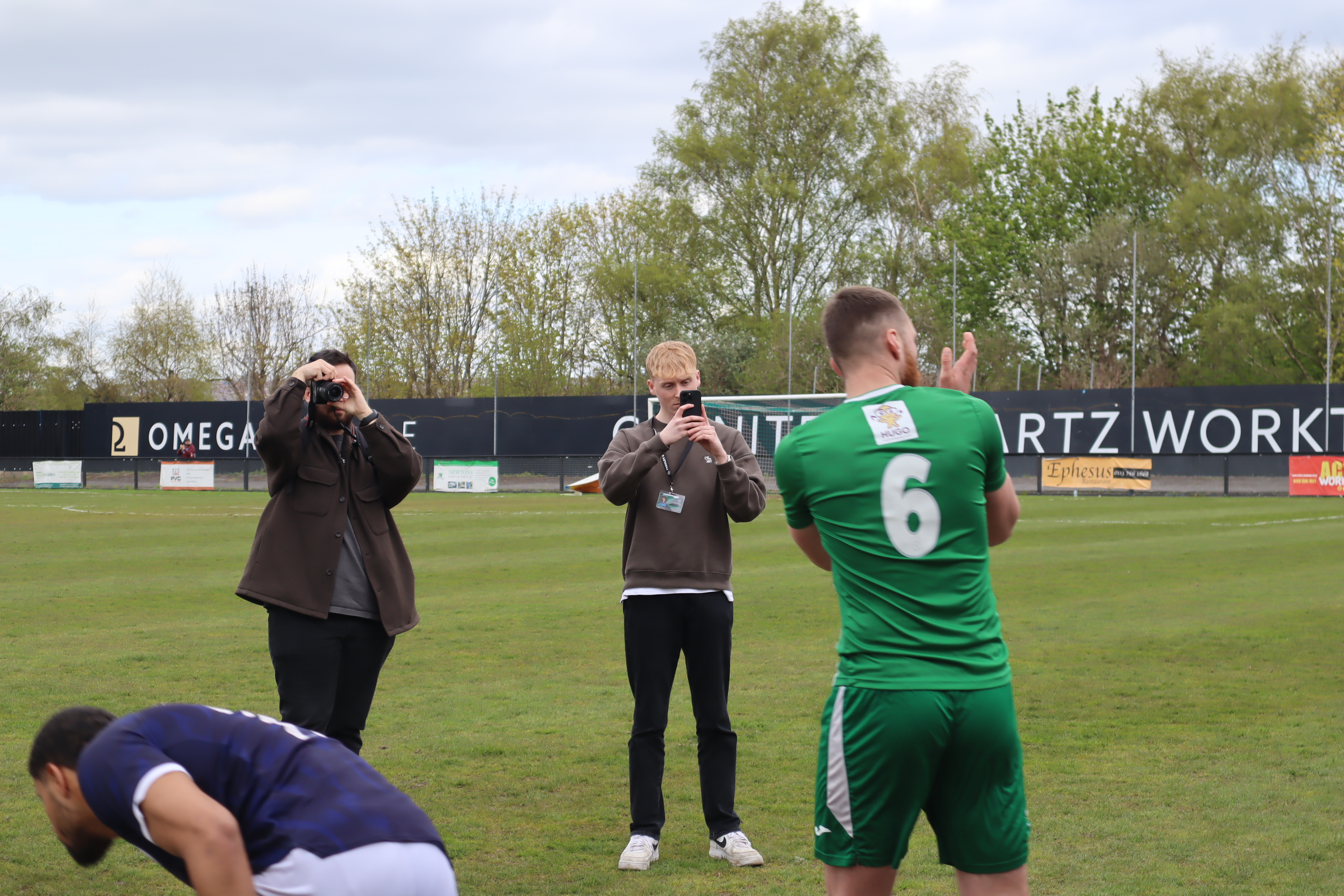
Josh recording Farsley Celtic player Tom Allan leaving the tunnel as he fulfils his media role.
Josh recording Farsley Celtic player Tom Allan as the teams leave the tunnel

Makin also explains how the underdog mentality and family feeling associated with the club is a factor in him continuing to give up his time and volunteer for Farsley.

“The thing that inspires me about Farsley the most is how we have consistently punched above our weight for many years,” he said.

“We are a small village competing with clubs that have entire cities as their fanbase such as Chester. This keeps me motivated to keep volunteering for the club to see that continue, and there is a real family factor about the club. Especially the fans of which I know virtually every single one of them that travel to the away games,” Josh said.

By volunteering it enables those involved to become part of the success that their club has. It allows them to feel apart of a community, something that arguably gets lost the further you travel up the English football pyramid.

Non-league football offers a completely unique experience compared to the Premier League for example. That keeps George Fearnley and many others hooked week after week.

George Fearnley stood pitch side at The Citadel.
George Fearnley, Farsley Celtic matchday volunteer

‘You can’t call it a fanbase, it’s a family’

“The access is unbelievable. It’s a National League North village club and I fanboy when I get to speak to the players despite them finishing today then going in on Monday to their 9-5 job. They’re normal guys but to me they’re heroes, but I get to speak to them and that’s the main bit I love it so much,” he said.

But they’re not the only factors that keep him attending games of his beloved Farsley Celtic.

“Addiction. Delusion. Possibly the two, but just the togetherness of the fan base, you can’t call it a fan base it’s a family,” he said.

George initially joined this ‘family’ as purely a supporter when he and his cousin attended a game for the first time four years ago. George has been an ever present at The Citadel since, and is one of the handful that embarks on journeys that can be sometimes be as long as three hours to places like Hereford, all to see a semi-professional team.

Ryan Watson preparing to take a corner for Farsley.
Farsley Celtic player Ryan Watson preparing to deliver a corner

But after a few years George’s role at the club changed, as he went from supporter, to matchday volunteer.

“I’m a matchday volunteer… well I say matchday volunteer, but I end up here a lot more than just on a matchday!

I’ll help with things like putting the goals out. We have a can bar here at the club, this morning me and one of the directors went to the wholesalers and bought all the cans, that’s a repeated thing we do every Saturday morning whenever we have a home game.

Other than that, I just help out wherever I can. If the pitch is wet and the groundsman is struggling on his own, we’ll be down here at 7/8 am on Saturday pitchfork in hand, anything that needs doing I’m happy to help out,” George said.

For people like George to be happy to give up this much of their time must feel it is worthwhile, especially when the volunteering is not just exclusive to a matchday.

George explains his attitude to volunteering and why he chooses to continue.

“My attitude to volunteering is that no matter how much somebody says it’s selfless, there’s always selfishness in it. It’s either to make you feel good because you like the way it makes you feel doing things for people, or you’ve got some gain in it, that’s how it is.

Volunteering here is both for me, I feel great because I do it and the gain is that the football club somewhat runs a tiny bit better when people give up their time and volunteer,” he said.

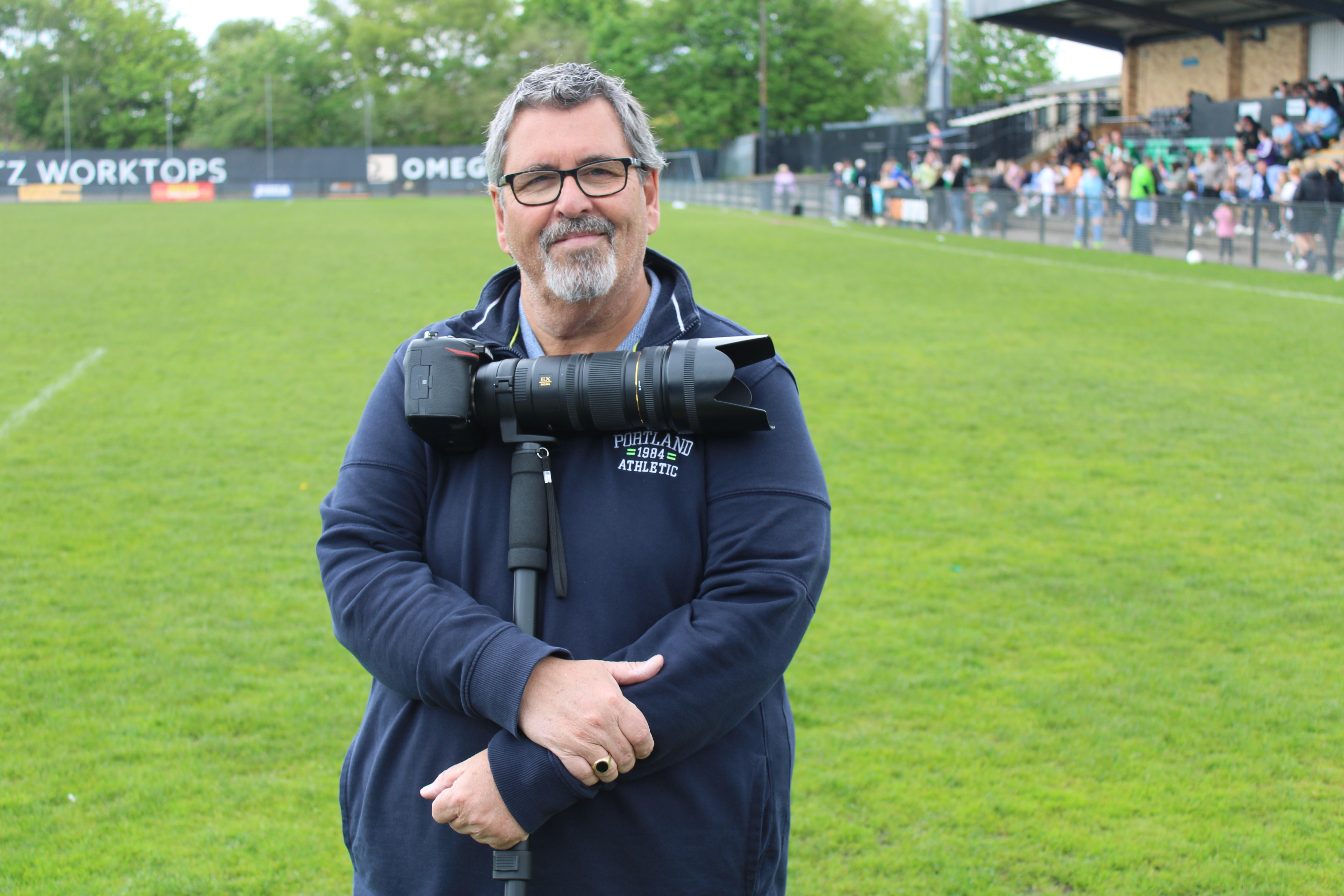
John McEvoy is also a volunteer for Farsley Celtic and is the club’s official photographer.

John McEvoy stood pitch side at The Citadel.
John McEvoy, Farsley Celtic club photographer

“I’ve been doing this now for close on ten years, possibly far too long people might say! I cover all of the first team home games, I’ve done several games of the juniors and ladies teams as well and my job is to shoot the games and those shots are provided to the rest of the media team to be shared on the clubs social media, and in the programmes for example,” John said.

Without John, Farsley would most likely not have a photographer as most semi-professional clubs cannot afford to hire people to fill these roles as a professional club could, and John explains why his service is valuable to Farsley.

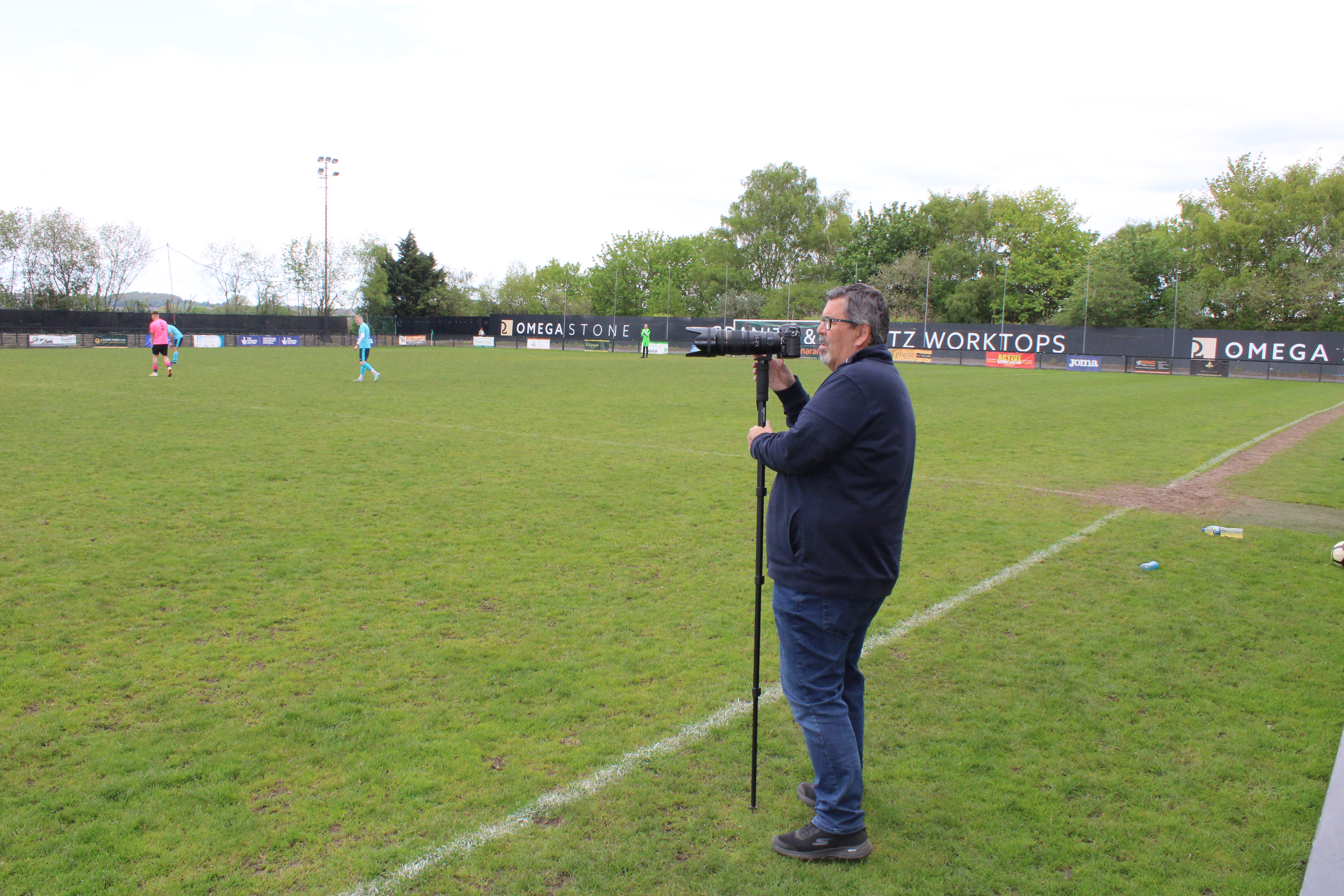
John photographing the Farsley Football Festival.
John photographing the action at the Farsley Football Festival

“Social media is an extremely important form of communication now, it gets the message out to a lot of people very quickly and very easily. Even though we’re using modern technology people still like pictures. It’s an important means of keeping in touch with local fans and people who follow Farsley around the world and people always look, particularly on the Farsley website and Facebook pages for updates and it’s a great way for them to keep in touch with what’s going on at the club,” he said.

‘Without volunteers, this club would simply not exist’

In an article by SW Londoner, it says a recent report during the 22/23 season found that 2,600 clubs had folded, with a further 8,000 clubs across the UK at risk of closure due to factors such as the cost-of-living crisis.

Couple this with the fact some non-league clubs barely survived the Covid pandemic a few years ago has made it a stressful time to be involved with a non-league club.

“To be brutally honest, without the volunteers at all levels and all the jobs they do, this club would simply not exist,” John said.

“They are an integral part of the club, and they would struggle to function without them and that goes for all teams at all levels up to and including some lower-level professional clubs, even they still have an awful lot of volunteers, and they are the lifeblood of many of these clubs and keep them going day to day,” he said.

These non-league clubs also become integral parts of the local community by hosting events and community projects that further strengthen the bond between the club and the surrounding area.

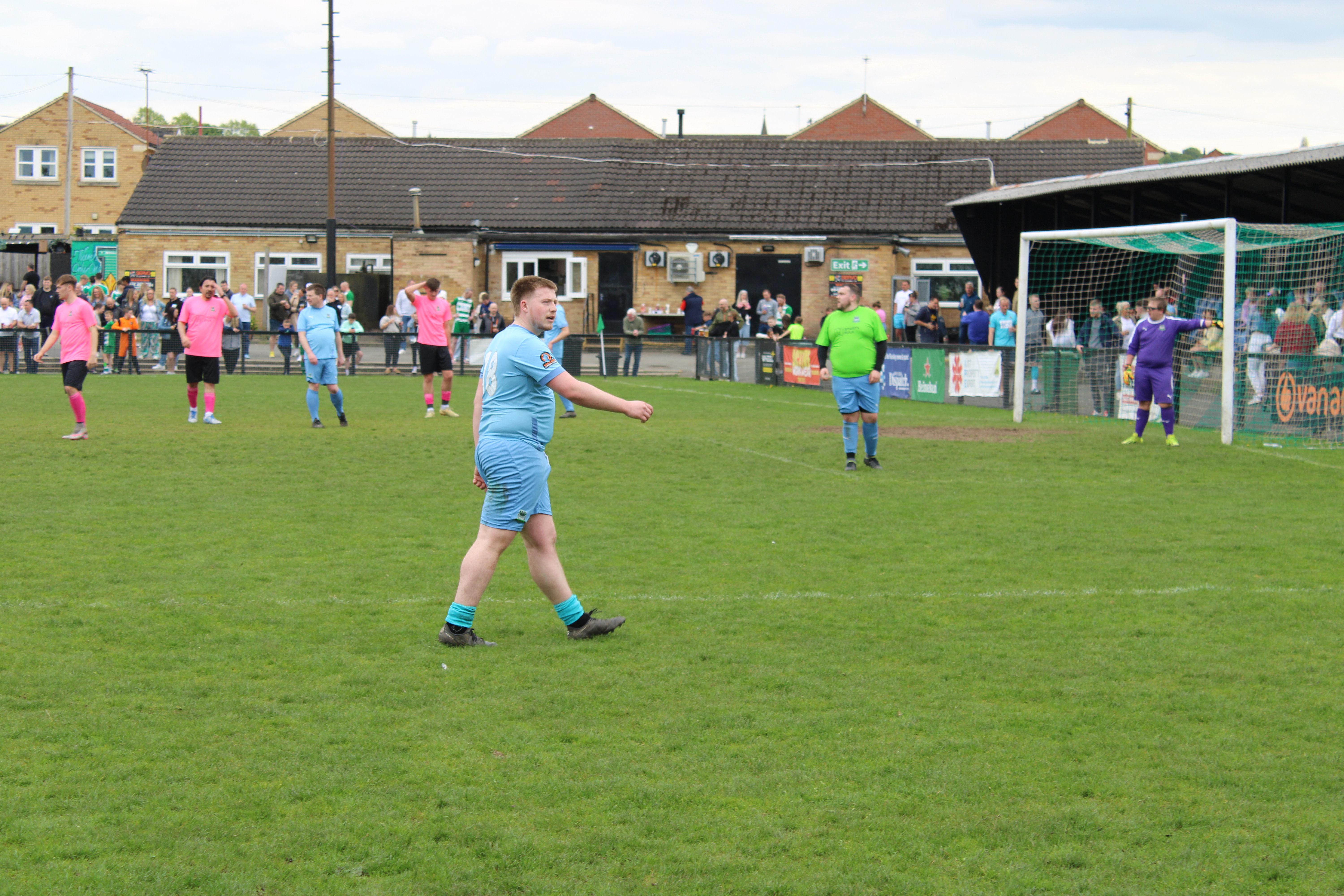
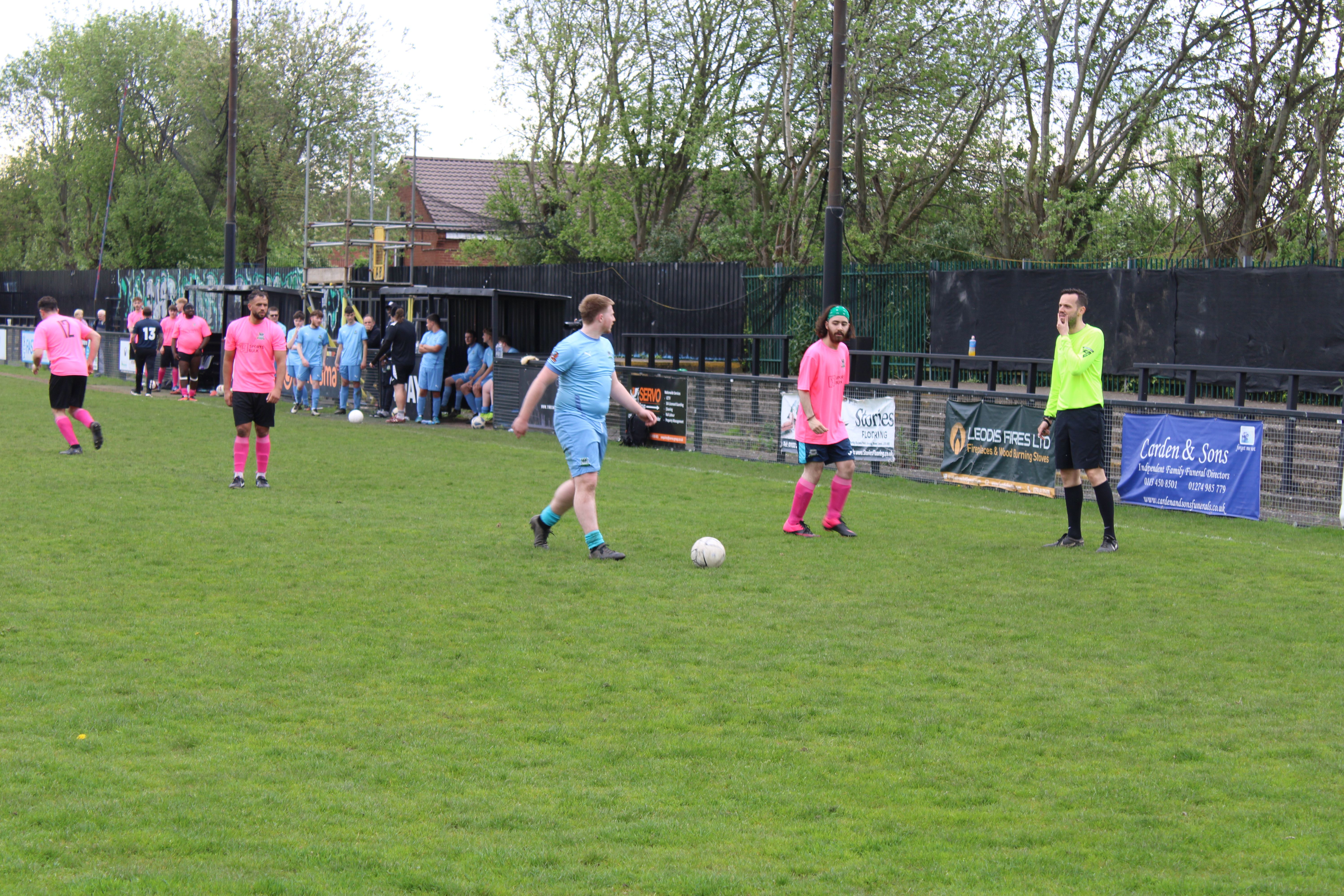
Farsley are no exception to this as they recently hosted their first annual ‘Farsley Football Fair’, allowing supporters and volunteers to play against some familiar faces who played for Farsley in years past.

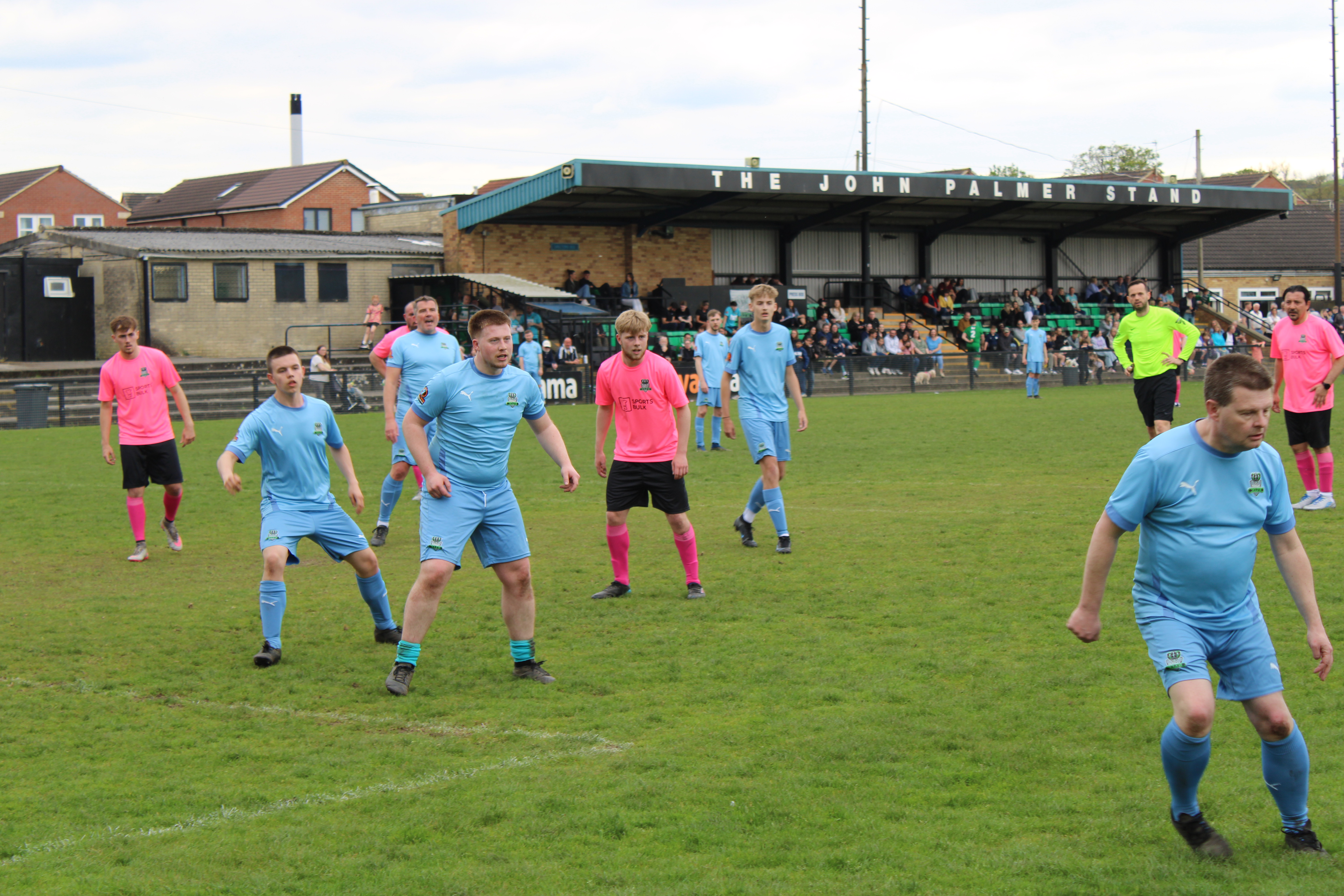
George and other Farsley fans in action for the Farsley supporters' team at the Farsley Football Festival.
George in action for the Farsley supporters’ team at the Farsley Football Festival

Events like this allow supporters to fulfil their dream of playing at The Citadel.

Whilst at the top levels of football, the divide between clubs and supporters continues to grow, with rumblings of potential Premier League games being played abroad and ticket prices increasing, the exact opposite could be said about non-league clubs such as Farsley Celtic, the heart of their community.

Farsley players celebrating their opening goal against Buxton.
Farsley players celebrating their opening goal against Buxton

Final Project Update

In my last post, I mentioned how Rob couldn’t make it to the game on Sunday meaning I had to go get a photo with him on Tuesday evening.

Initially I tried to get a wide angle photo of him in front of the main stand to differentiate it from the other portrait photos I have taken.

However, I decided the up close shot was best as you can see Rob’s face better and the photo is used to introduce him in the article.

Unfortunately for this photo I had to use my phone as opposed to camera as I had to return back to the University.

This now means I ticked everything I needed off from the ‘to do list’ I published and I have more than enough to pick the final twelve for the assignment.

Project Update 4

On Sunday the 5th of May, I attended the ‘Farsley Football Festival’ in order to get the last few shots for my project.

Going there, I had my ‘to do’ list that I published as my last project update.

Crowd shots:

As there was less people there as it was not a proper game, this allowed me to get some closer crowd shots such as the examples below:

These crowd shots are better than ones I have taken previously as they are a tighter shot as opposed to just being a wide angle and you can actually see the peoples faces and expressions in these images.

John McEvoy:

As mentioned in the last post, I still needed to take photos of John as he was not at the last game due to him being on holiday. My aim was get a photo of him by the pitch, similar to the ones I have got of George and Josh and I think I achieved this relatively well.

I took a few images like this and are happy with the way they came out and will be using them in my project. However, before I use them I will crop a bit of the right hand side of the image off so John is standing more centrally.

Then I had to get a photo of him doing his photography, initially the ones I got were from a wider angle and looked like this.

I don’t necessarily think these pictures are bad, however I prefer this tighter one I took and I feel like this is the one I will use in my project.

George Fearnley:

Following on from the photo I took of George the other week, I thought it would be appropriate to take a photo of him whilst he was playing for the supporters team at the Farsley Football Festival.

I thought a photo of him playing would suit the part in my piece when I talk about how non-league clubs host events that benefit the local community.

I like this image due to the fact the photo is purely based on George, however I feel as if I won’t use this one in my project due to the fact he has his back turned and the reader of the article may not realise that it is in fact George.

Here are some examples of other photos I am considering of using for George.

I am leaning towards using the first out of the three example images above as it is quite a chaotic photo almost like the one I discussed on an online lecture with Karl and Ruth which was a photo of a night out. There’s so many people doing different things and George is clearly visible in the picture too which makes me lean towards using that one.

Murals:

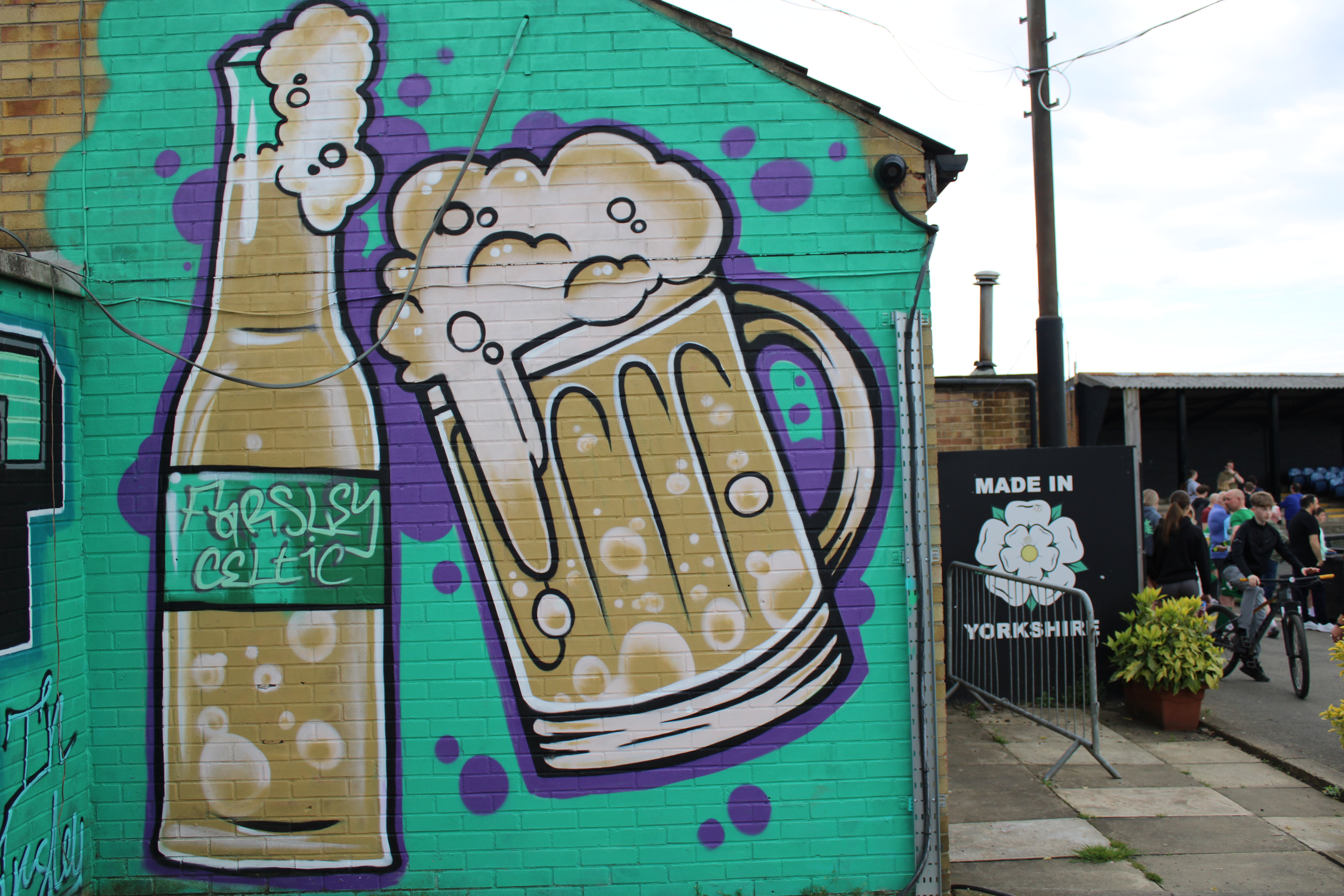
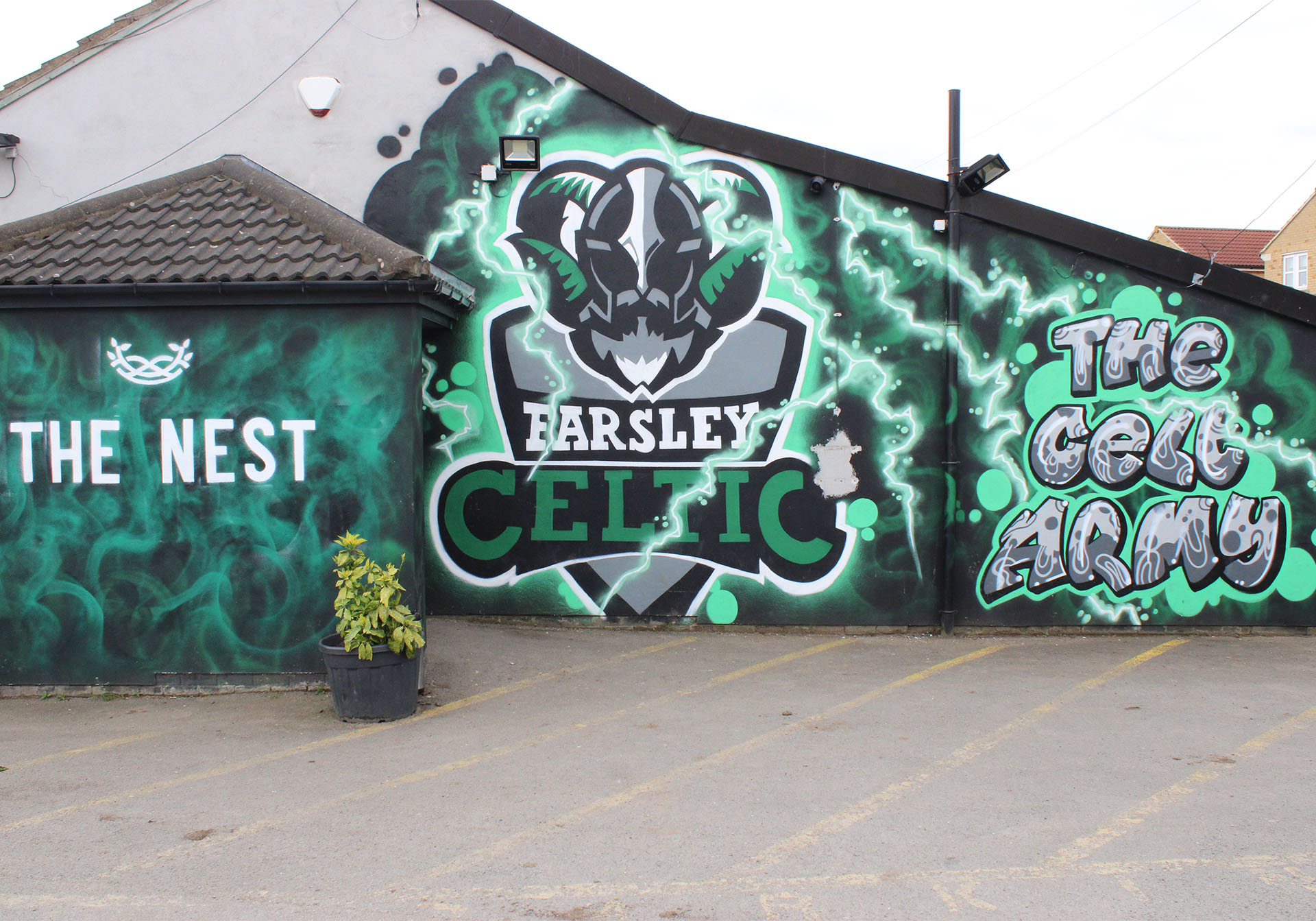
In previous posts, I have attached photos I have taken of various murals around the Farsley stadium but I prefaced that I wanted to retake the photos on a proper camera as opposed to just my phone to see if there is an increase in quality.

The lighting was better with the photo I had taken on my phone compared to the photo above however there was a railing just in front of the ‘army’ part so I think I will use this photo and maybe increase its brightness a bit on photoshop.

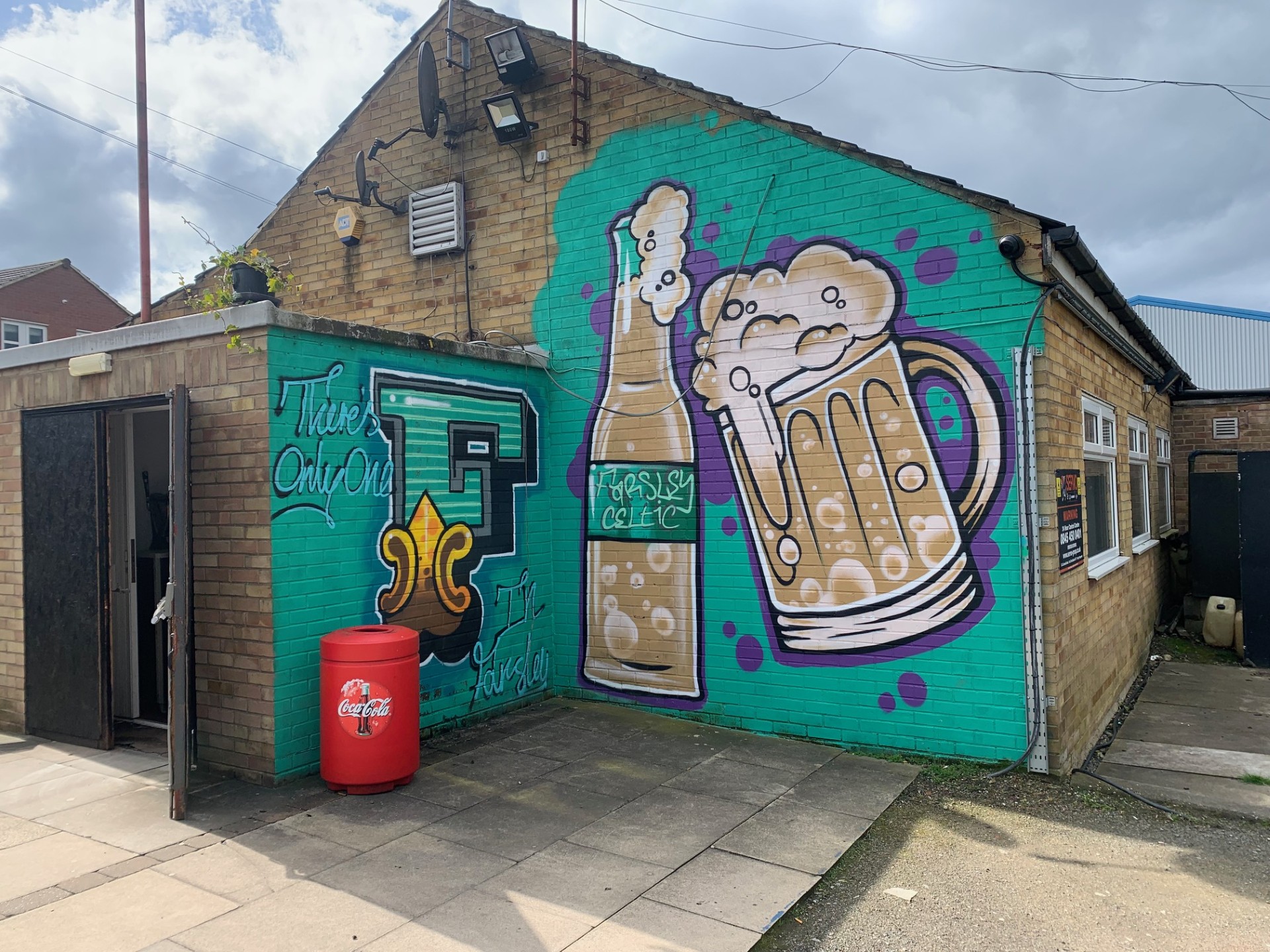
I tried to recapture this mural without the red bin in it as Ruth said that it was a bit distracting. I will certainly need to crop this image but as it stands I think just one mural picture will make it into the final project.

Robert Winterbottom:

Unfortunately, Robert couldn’t attend the Farsley Football Festival due to a family commitment meaning I couldn’t get a portrait photo similar to the one of John earlier in this post.

I also have to return the camera to uni on Tuesday so have no more opportunities to take one of him with the camera which is quite frustrating.

Robert said he will be around the stadium Tuesday evening so I may have to drive over and get a quick photo of him on my phone as there will be no other opportunities too as there aren’t any Farsley games or events for a while.

‘To do list’ for last shooting session

At the time of writing, I am currently scheduled to pick up a camera for rental from the Leslie Silver building tomorrow (2nd May) in preparation for my final shooting session that is set to take place on Sunday May 5th.

On Sunday, Farsley Celtic are having a charity sort of game where former players, supporters and people associated with the club are playing.

During the afternoon I need to get a portrait photo of John McEvoy (the club photographer) and Robert Winterbottom (chairman) to go with the ones of George and Josh on my last project update. Along with this I will try to get photos of them doing their roles they perform to help out with the club, for John this would be his photography and for Robert it will be serving food. I am unsure if Robert will be doing this as it’s not a ‘proper’ game but I’ll have to see.

Following on from feedback in my academic advisor meeting with Karl and Ruth on the 29th, they suggested I get a closer angle of a crowd shot as all the other crowd shots I have taken are wide shots. This should be more achievable due to the fact there probably won’t be near 1,000 people in attendance like the last game I was at.

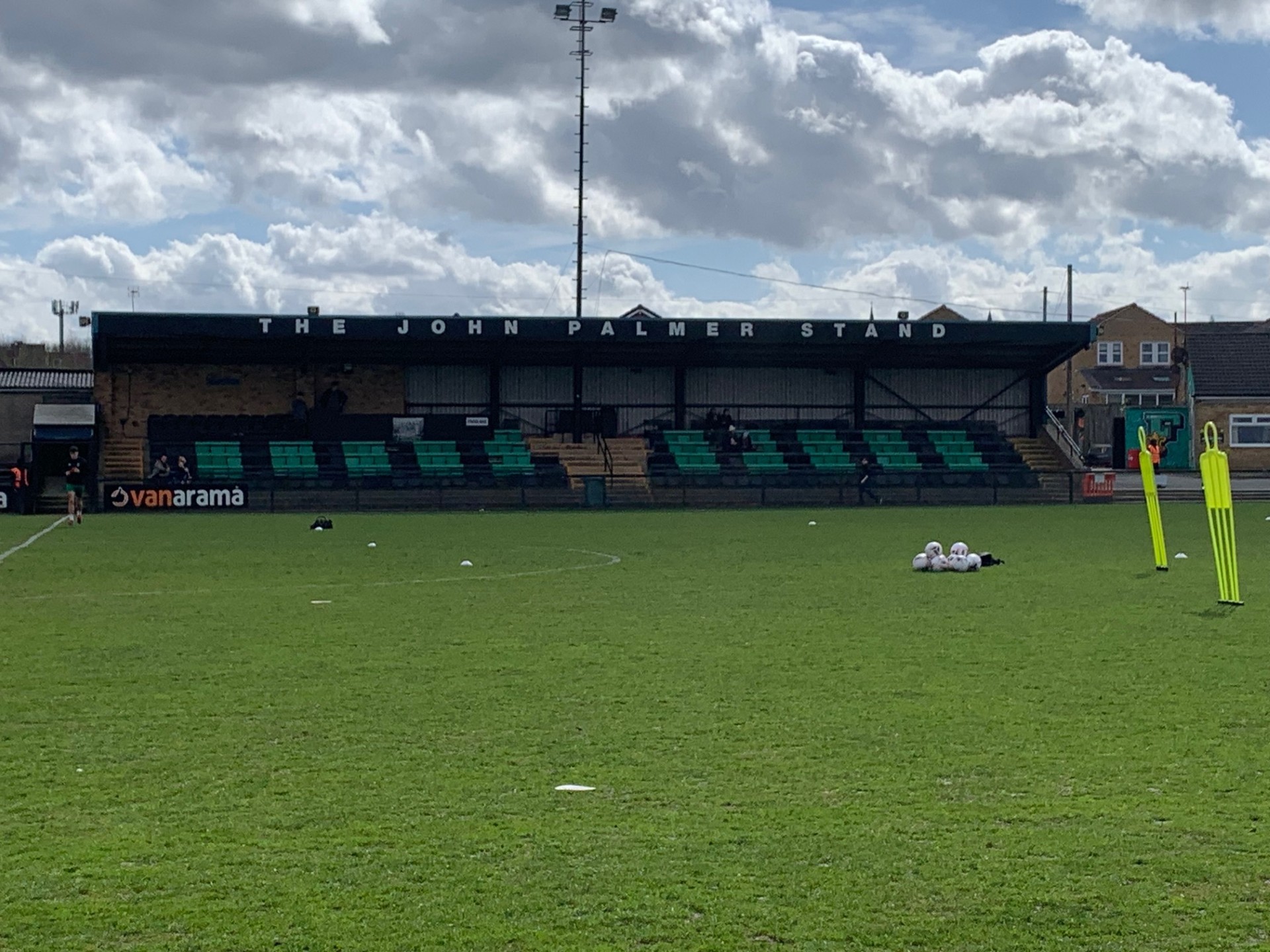
Furthermore, as I mentioned in a previous post, I want to retake the mural photos and also want to retake a photo of the John Palmer Stand that is in better lighting hopefully and then I should have enough photos to select the best 8-12 for my project.

Bad test shots reflection Project update 2

These were a few more test shots that I took at the same game as the last post.

As I mentioned before I was only using my phone for this shoot so was more focused on getting images of interesting things around the stadium compared to action shots that would be hard to get on a phone.

However, the two images I will talk about in this reflection turned out badly and will definitely not make it into the final project. I will talk about what my idea was for them when I took them and what was wrong with the final outcome.

As shown in the previous post, I wanted to capture all the murals and pieces of artwork that were scattered around their stadium to add some variety so my project will not just be action shots.

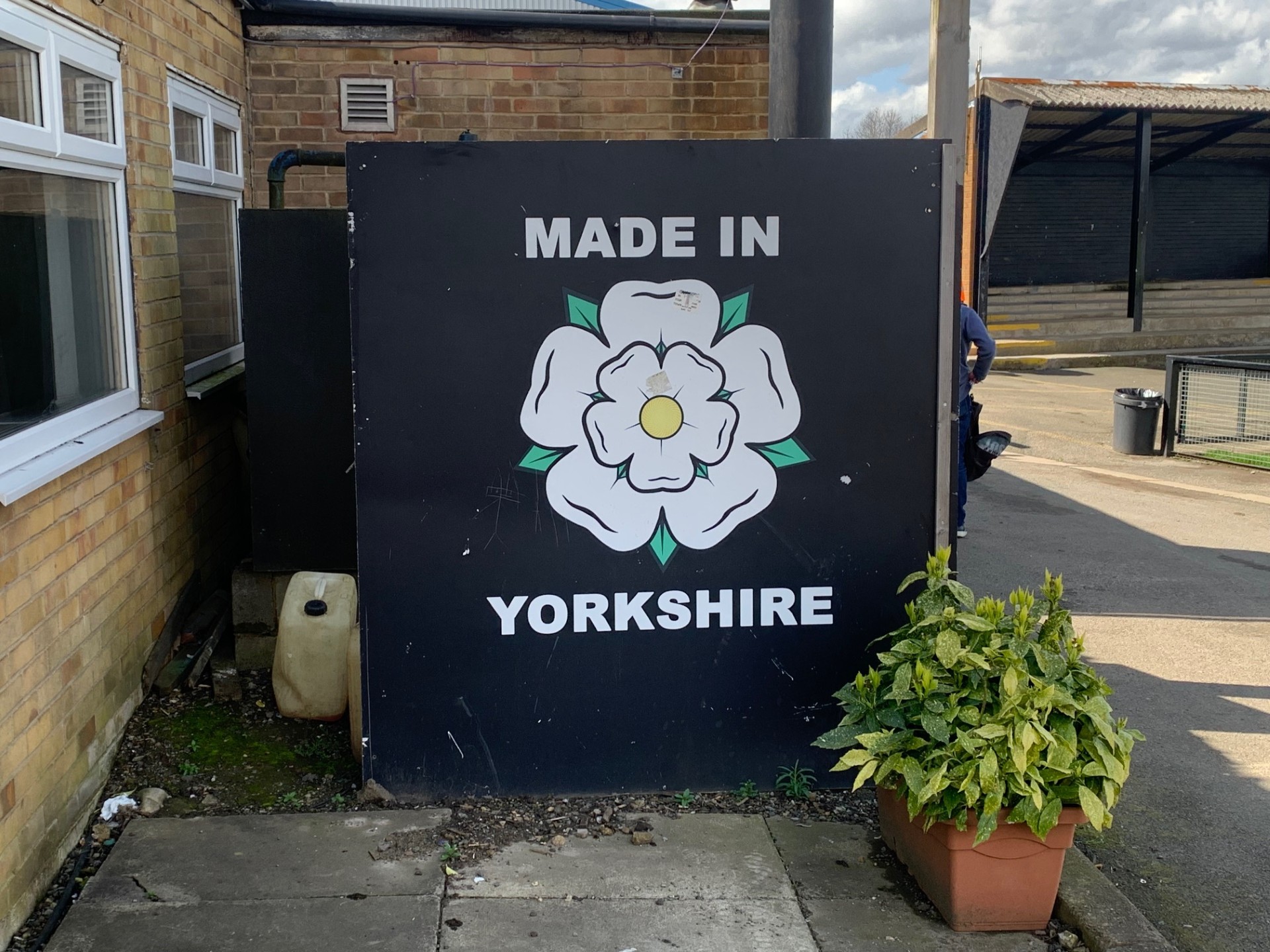
However, this image of this mural isn’t great as firstly there is too much space either side of it that distracts from the main focus of the image. Although this could be fixed with some post production techniques. Secondly, the mural has visible scratches on that will be even more visible if I zoomed in on the mural whilst cropping out the clutter to the side during the post production so I have decided to not use this image. Furthermore, I already have photos of 2 other murals that are a lot nicer and I think it would be a bit over the top to have a potential for 3 of the 12 images to be of murals in the final project.

So, why did I take it?

I thought the ‘made in Yorkshire’ slogan really epitomised the local community aspect of the club and that really aligned with the answers I was given by the volunteers in their interviews so thought it had potential to fit in with my final project if captured correctly.

In previous years, this banner was placed in a more prominent position in the stadium making it easier to photograph but not it has been moved here.

I thought a photo of this banner had potential to be the opening shot in my project as it would explain to the reader what football club the story is about before they begin reading and what league they play in.

However, the banner is now pretty much discarded in the car park and this is the best angle of it meaning I will not be using this photo in my project.

Project update 1

As my project is based around Farsley Celtic and the behind the scenes of a non-league club and the volunteers that help to run the club, I have attended two games so far and took some test shots. I also plan to attend their game on the 20th April as this is the last home game of the season for them and I will need to collect the rest of my images for the project on that day.

Farsley’s ground has multiple pieces of graffiti artwork in it. Above are two of the murals I captured and think these photos came out quite well and are in contention for being used in my final project. As both of these images were taken on my phone, I will try to retake these exact images with a camera at the game on the 20th and see what versions of these images I prefer.

The image above is the third mural in the stadium and I don’t think the image came out as well. The fact the actual writing is quite hard to read and it is located in an awkward position to shoot and fit the full thing in means it is unlikely this will end up in my final project.

I want a shot of the main stand of the stadium in my final project but I will definitely recreate this one with a camera in order to try to get a better zoomed in effect. Perhaps I could try standing on the pitch to take the image from a bit closer if I am allowed.

As I was doing media work during this particular game, this was the best action shot with my phone I could get from my seat. If I could recreate a shot like this with no blur on the ball in mid air from a closer angle like behind the goal, then I could use it in the project. Furthermore, the zoom in was limited as I was shooting on my phone.

Another challenge I faced when shooting at this game was I rented a camera from the university but was so unfamiliar with how it worked in terms of attaching the lens, viewing images after they had been taken etc that I didn’t feel comfortable using it and resorted back to using my phone.

For the match I am attending on the 20th I will be be renting a different and more simple to use to camera to hopefully get some crisper and more zoomed in shots when relevant to my project.

Week 8 Photojournalism Reflection

Unfortunately, for the week 8 workshop I was ill so I was unable to actually attend it in person. However, I was still able to complete the task with minimal complications from home.

As I was at home I was unable to go out and shoot like the rest did at the start of the lesson, so I had to use the image attached for us to use on the task sheet which was a photo of a woman in front of a blue background.

I enjoyed being able to practice my post production skills again on Photoshop as I feel this will benefit me when it comes to editing the images I take for my project if they need altering.

It allowed me to further get to grips with a new programme in Photoshop as well as experimenting with new basic adjustments such as White Balance and Highlights and Shading and being able to see first hand the impact it has on the image.

I am still trying to tread the line of enhancing the images overall saturation and brightness to make it look more appealing without the image losing it’s original, authentic look.

Week 7 Photojournalism Reflection

During the week 7 workshop we were taught how to alter some of our images using photoshop. As someone who is new to photoshop, it took me a while to get to grips a little bit with the task, but the two images I altered using the programme look relatively good I think.

It will be useful to continue to practice these post-production techniques as I may need to use them on photos I take at upcoming Farsley games as the lighting may not be perfect as well as other factors. That is why I am also aiming to take another photo and do some post-production on that before the next workshop as I am keen to continue to practice my photoshop skills.

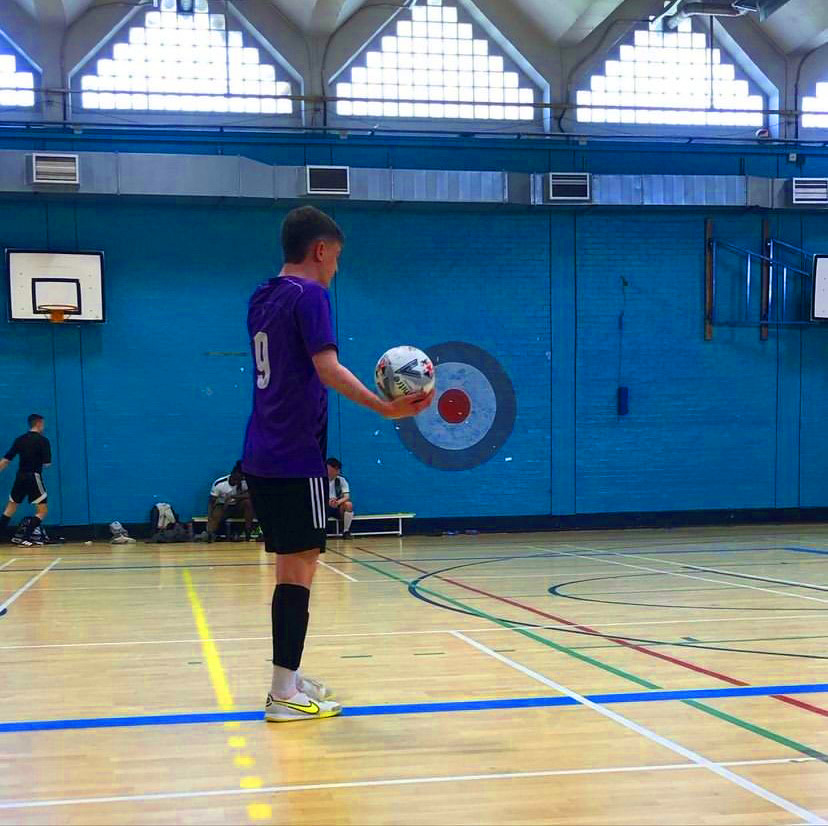
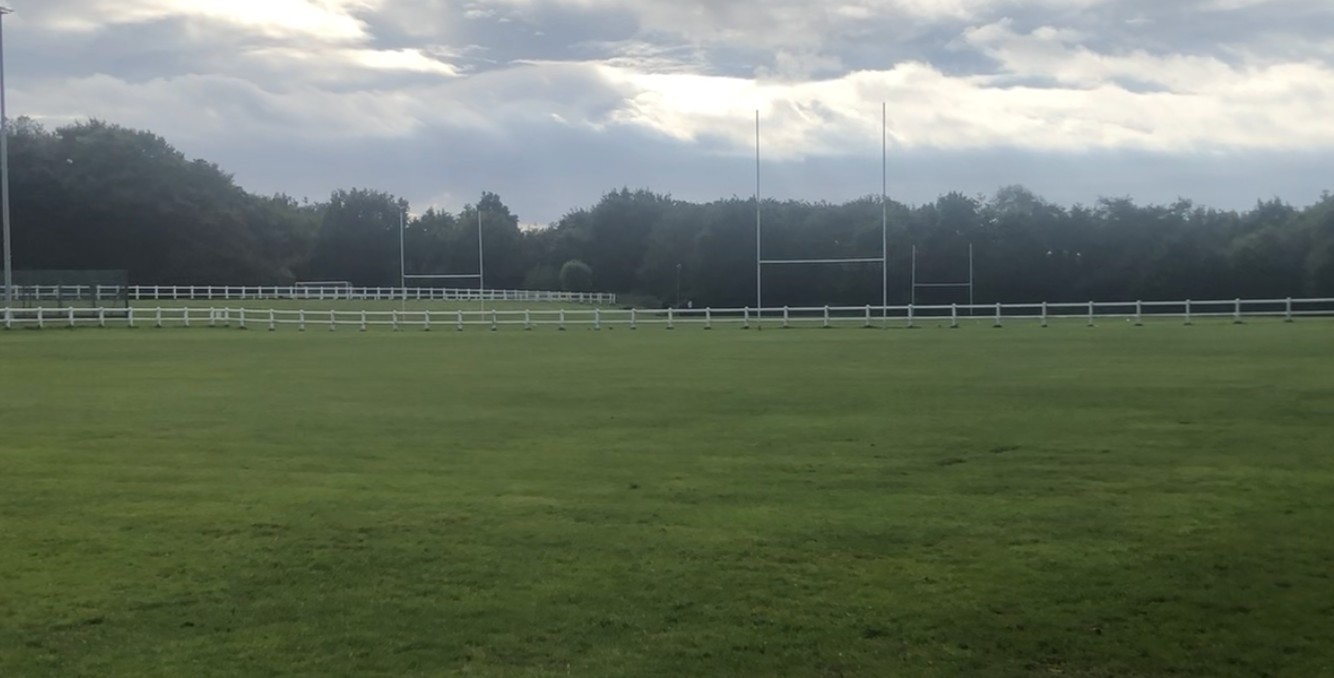
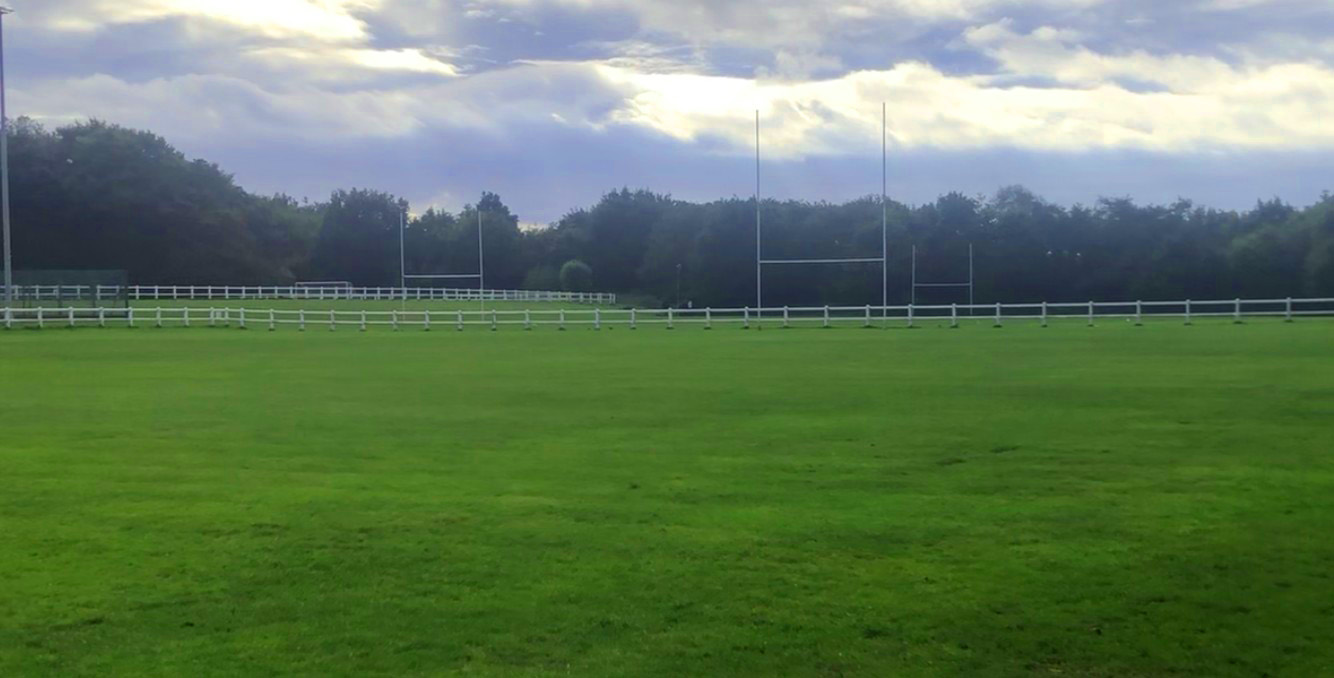
The images I chose were ones that I have taken in previous years at university. I picked the rugby pitch and the futsal pictures purposely as they will be relatively similar to the images that I will be obtaining for my project.

The pitch is similar for obvious reasons and that is a kind of shot I will be looking to get at Farsley’s stadium and could potentially alter it in the same way to make the grass look more green and vibrant if the lighting isn’t great.

The still shot of the futsal player holding the ball is the type of shot that would be ideal to get of a Farsley player mid game also.

Week 7 Workshop Task – RAW vs JPEG

I initially picked this futsal image as I think the actual shot is a good one. The player is holding the ball with no blur like what we practiced in the workshop the other week. However, I’m not sure if the lighting caused it or what but the colour appeared to be a bit washed out and image looks a bit grey.

That is why in post production I chose to liven the image up and to try bring the colour through by using the brightness/contrast adjustment layer. This was was my first attempt at doing anything like this on photoshop so I don’t know if I may have accidentally gone too over the top and made it too bright.

The second image is one I took of a rugby pitch. Similarly to the first one, I think the shot isn’t bad but as you can see from the sky, the lighting on the day wasn’t great. I chose this image as it will be one I will perhaps replicate for my project with an image of Farsley’s pitch.

I used the same post production technique for this image as I adjusted the brightness and contrast using the adjustment layer. As you can see the sky is no longer as gloomy and the colour of the pitch has really come through and I am really pleased with the way this image looks now after post-production.

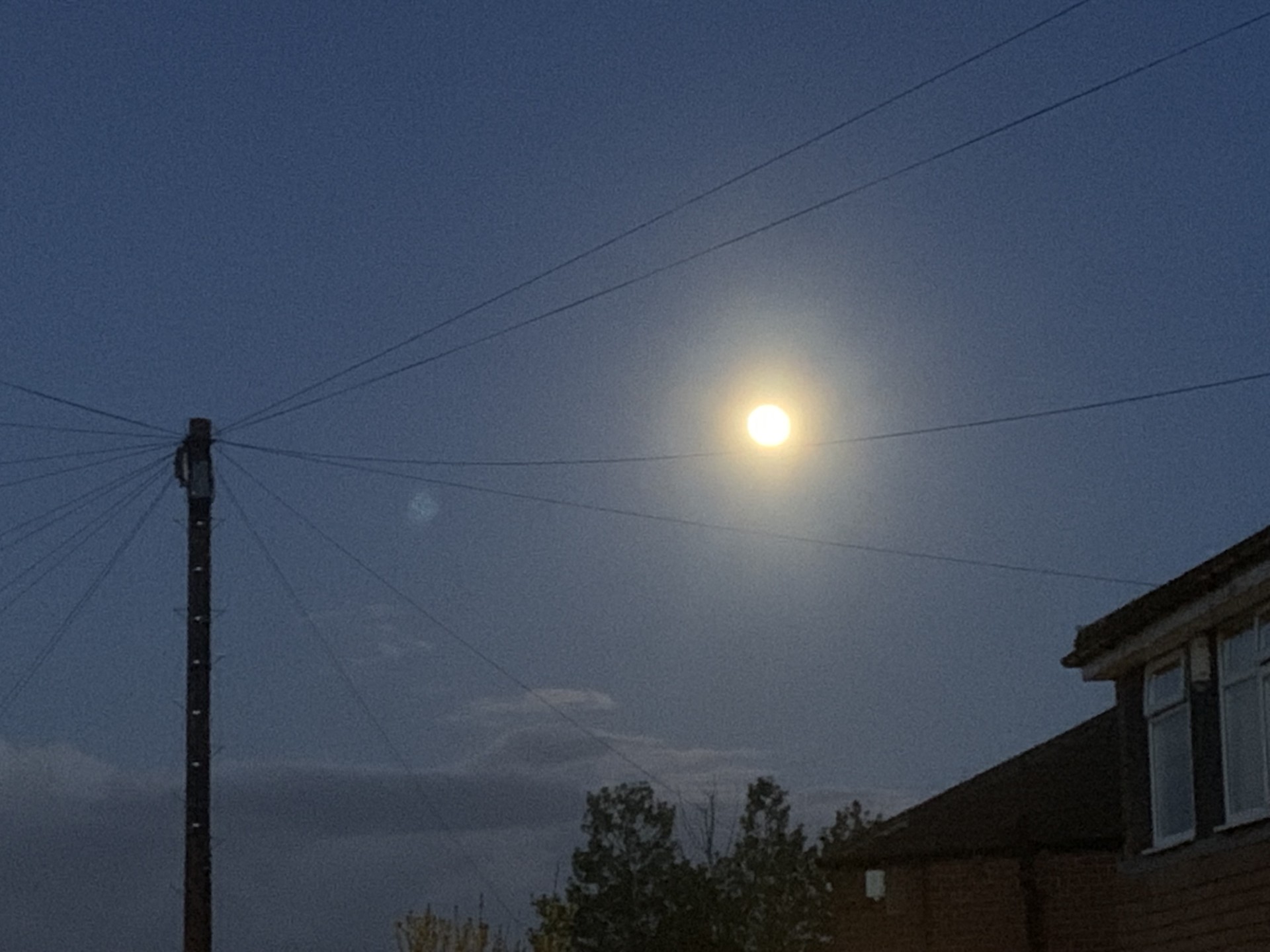
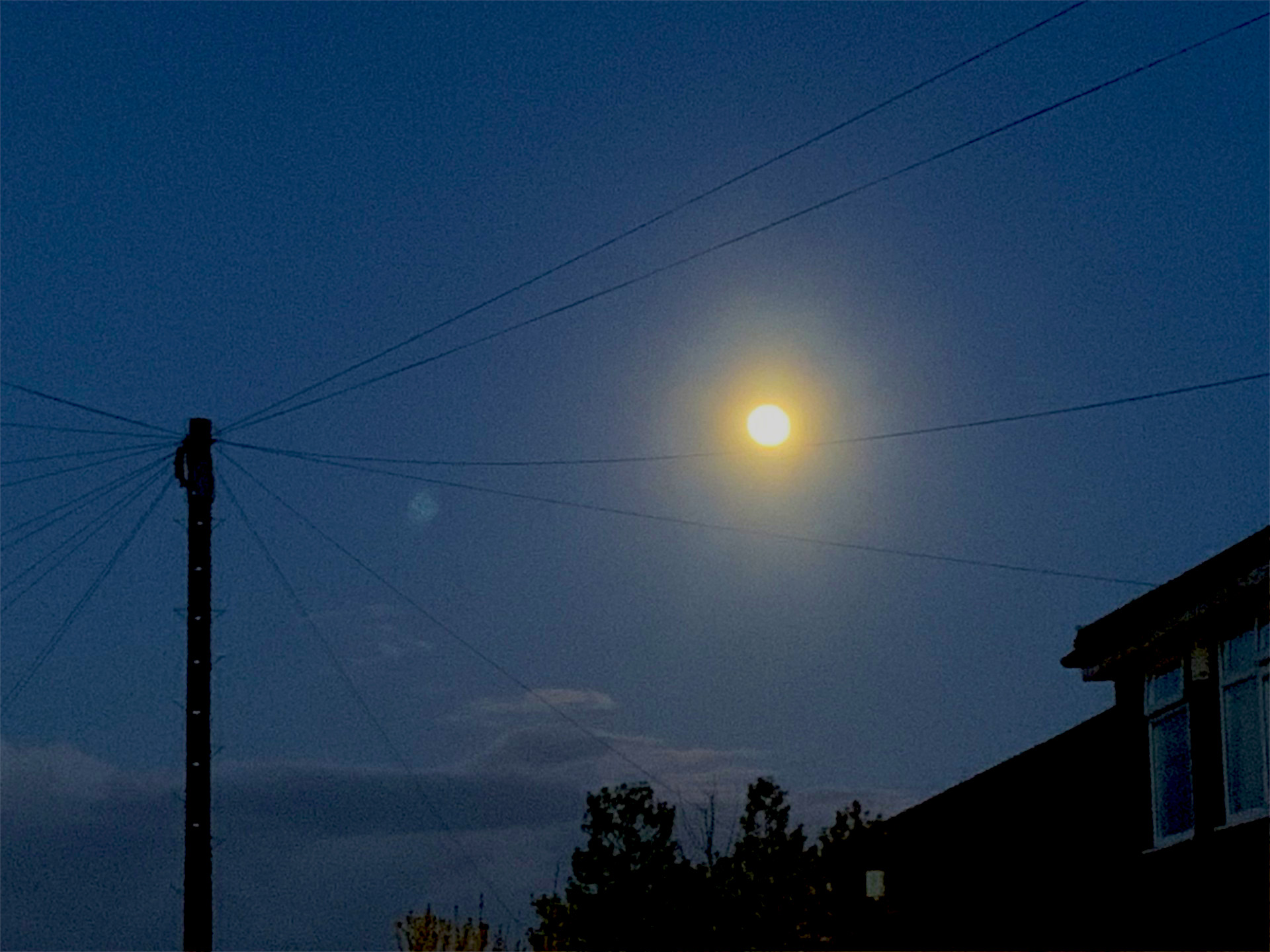
Extra Credit

For the extra credit task I wanted to take a photo at night so I know what it is like to post produce a night image. This is just in case one of the Farsley games for my assignment is a night time game. This gave me experience when shooting at night.

Week 6 Photojournalism Reflection

For my week 6 workshop, I had an online meeting with Karl and Ruth to further discuss the idea that I had initially pitched for my project.

This meeting benefited me as the questions they asked me helped further my understanding of what story I want to tell in my project and how this can come across in my photos.

As it is about the people that volunteer and help keep a non-league club running, Ruth had a good idea that I want to implement in my project if I can and that is finding a way of showing their passion through my photos. I have started to think of various ways I could potentially do this with things such as crowd shots.

Potentially going to a Tuesday night game or a Saturday away could be good also as this would show case the most die hard supporters that follow the team home and away as well as during the week despite them working etc.

The only problem with the Tuesday night game idea would be the lighting for obvious reasons but I could perhaps try to take a few just to see what the end result would be.

That is also something Karl and Ruth mentioned to me in the meeting. To go to some games soon and try to take practice photos. This will benefit me as it will ensure the photos I use in my final project aren’t the first ones that I have taken. Furthermore, going to multiple games gives me more photo opportunities so there is not the pressure of getting 8-12 photos in one afternoon.

I plan to do this by attending Farsley’s home this Saturday as long as I don’t have to go and do a filming session for my dissertation.