Week Five – Task and Extra Credit

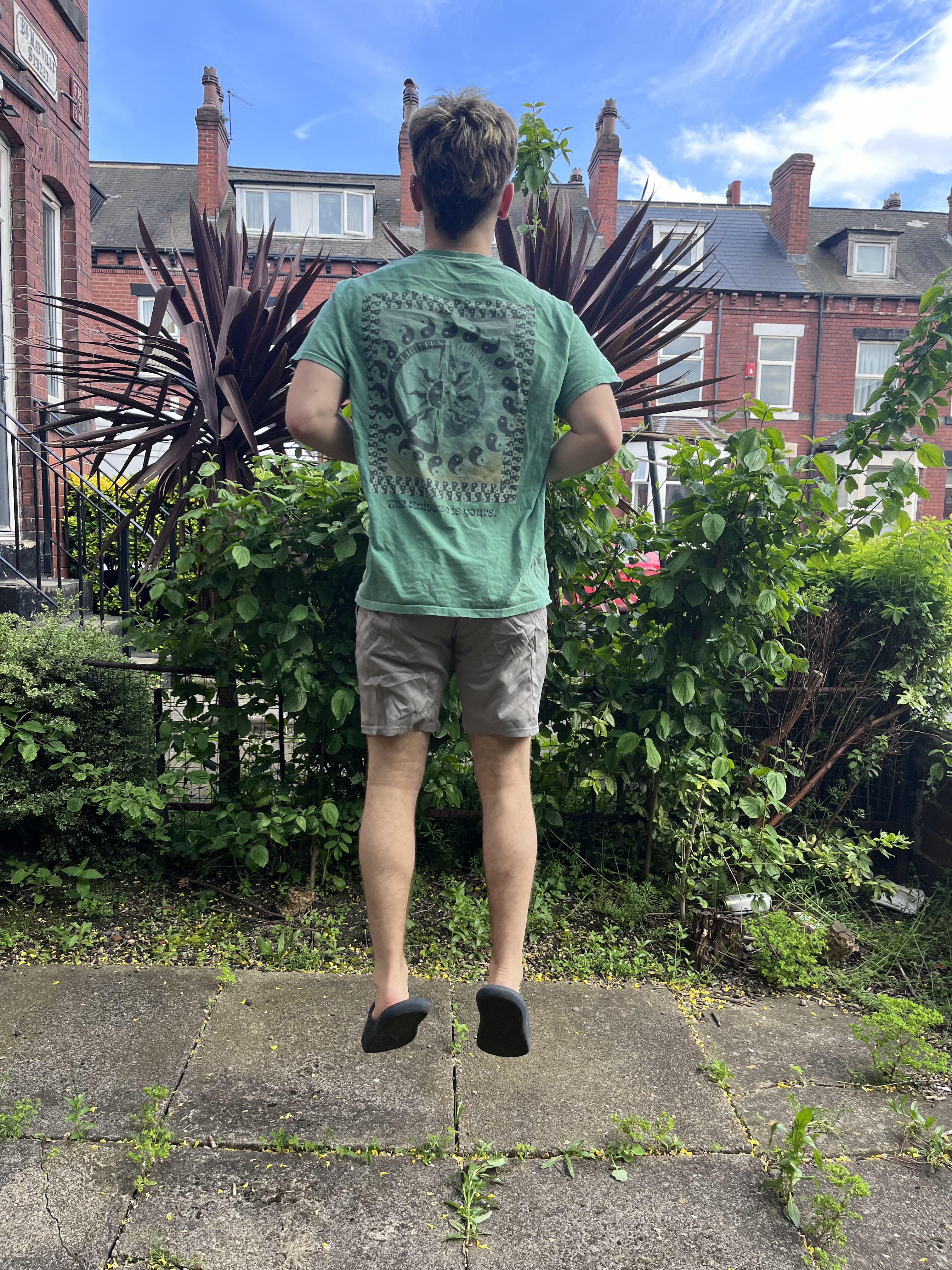
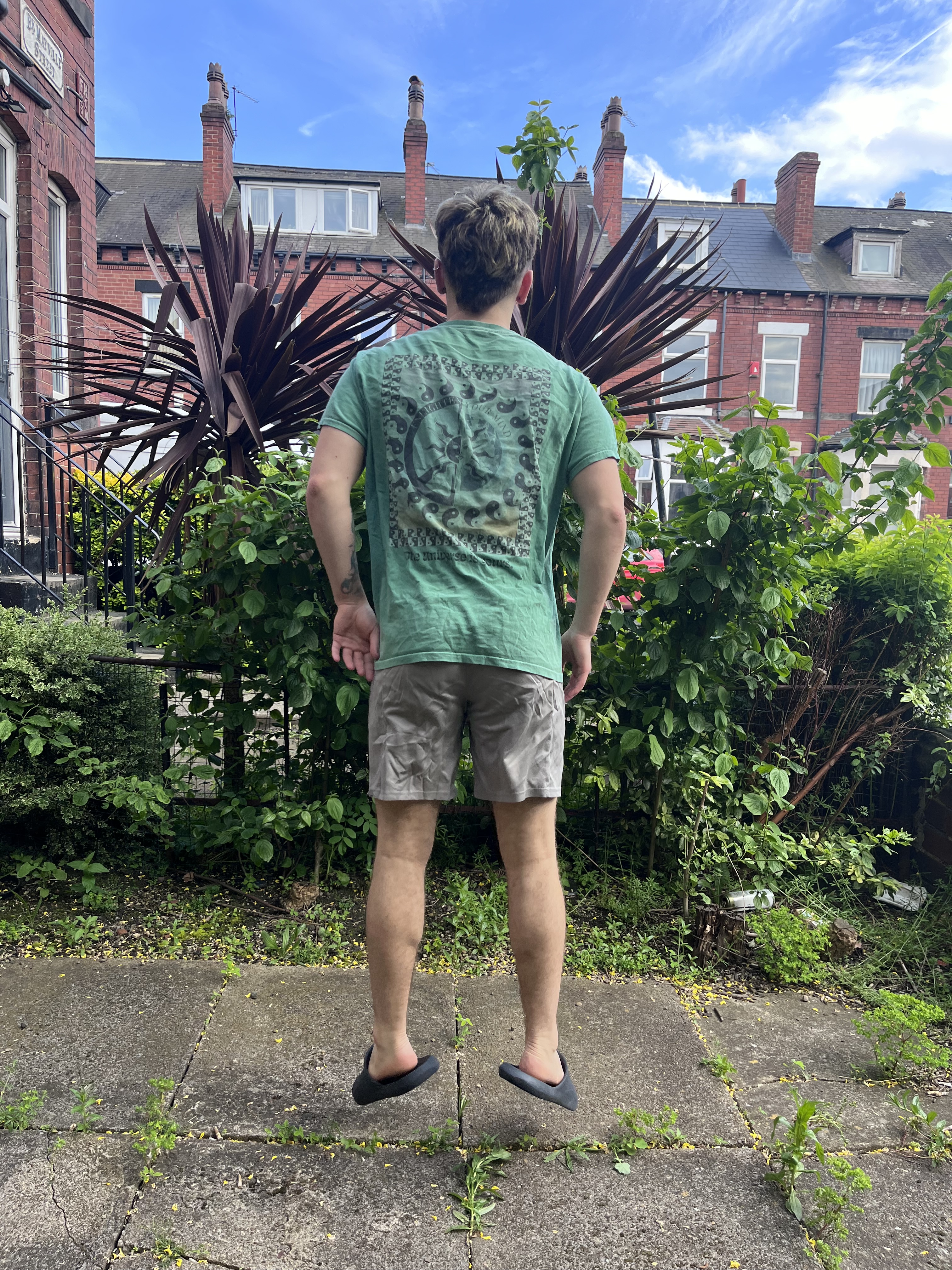
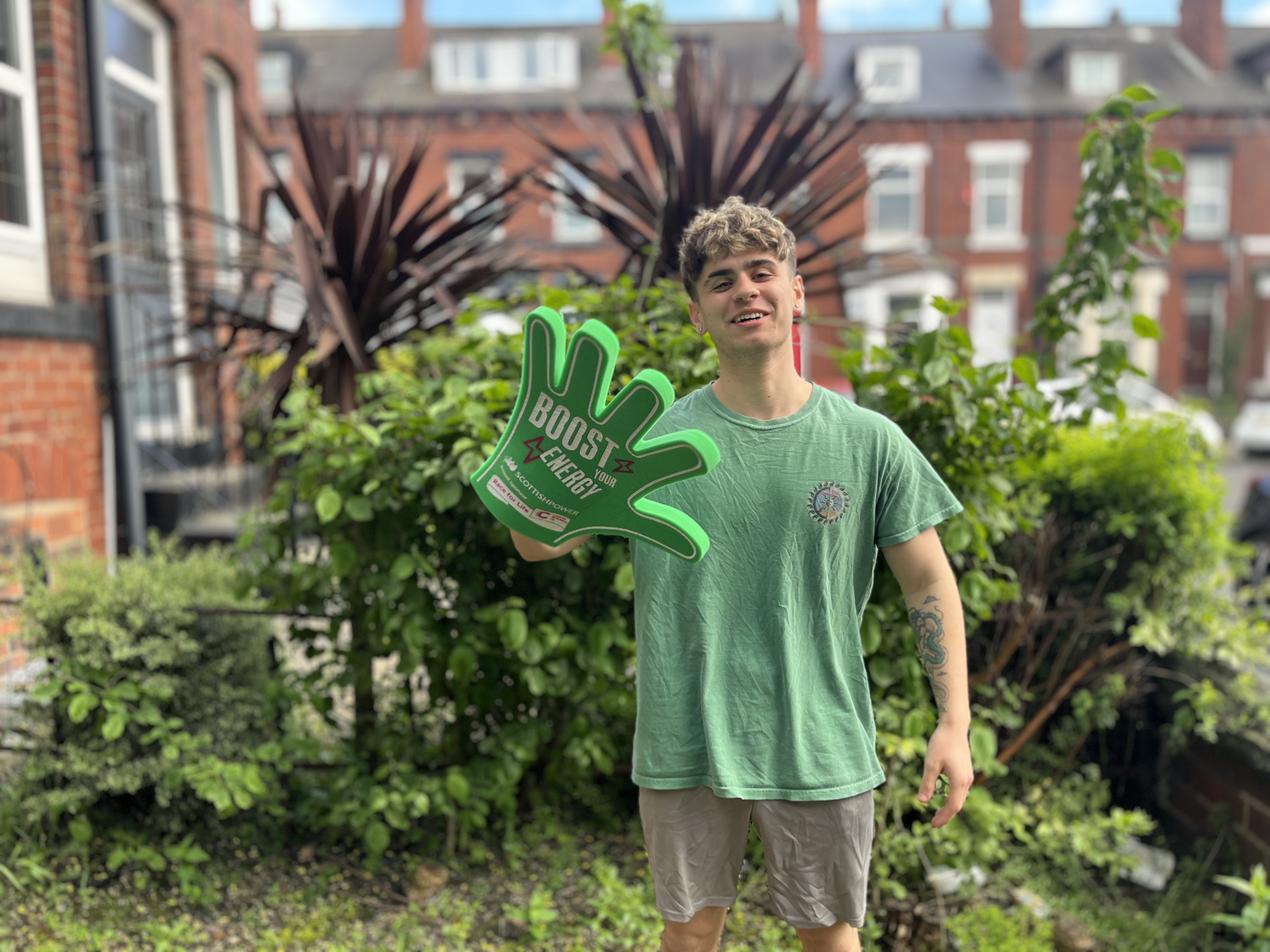
Here are some attempts at the Week Five tasking using an iPhone. I was already at a disadvantage as my phone was losing battery, making the image taking process more difficult as it slowed down my phone.

The first two images are of minimal to no blur and final two were purposely taken to blur the background.

Extra Credit

Shutter speed is the time the camera shutter is open which basically means the time spent taking the photo and ISO (International Organisation for Standardisaton) represents how light sensitive the camera is so the higher the ISO, the higher the sensitivity and less light needed to take the picture.

High shutter speeds are most common at events involving fast moving subjects that need to be frozen for a clear and sharp image. Spectacles such as motorsport, with fast moving vehicles, and ball sports, involving fast movements of the ball and body.

Depending on whether or not these events take place, indoors or outdoors, in a well lit place or not, then the ISO number will be different.

A typical shutter speed for ball sport events can range from 1 / 500 to 1 / 2000, depending on the speed of what is occurring. For ISO, the time of day and lighting amount can determine that. Typical daylight and outdoor events normally need an ISO number of 100 – 400 whereas nighttime and indoor events can range from 800 – 3200.

These are an assumption of what settings photographers may use for their images but it could vary in the official situation due to lighting, weather or even seating changes. There could be a difference of settings from photos of the players to the fans, as the light is fixated on the players and not the fans so considerations have to be made for that.
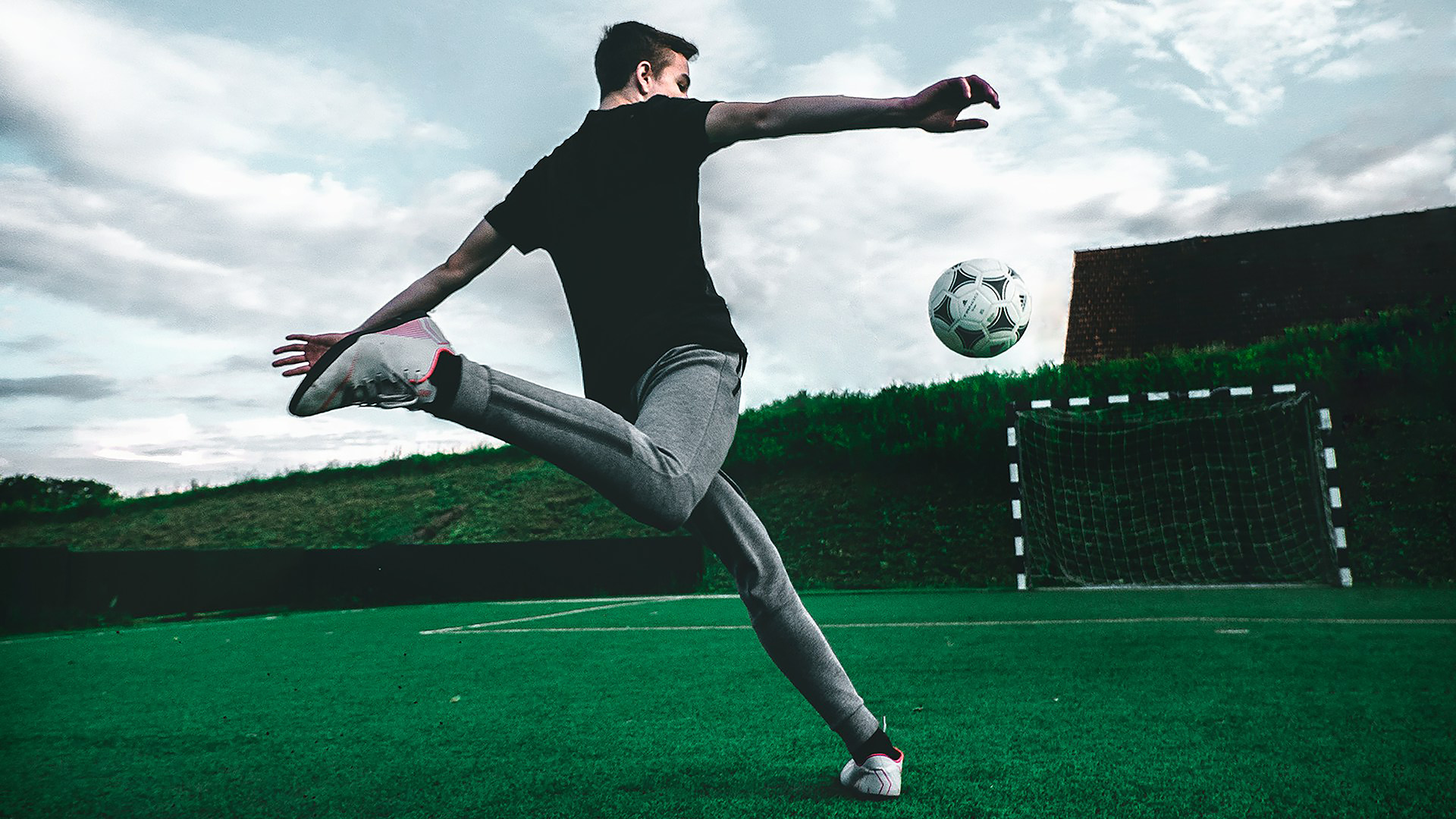
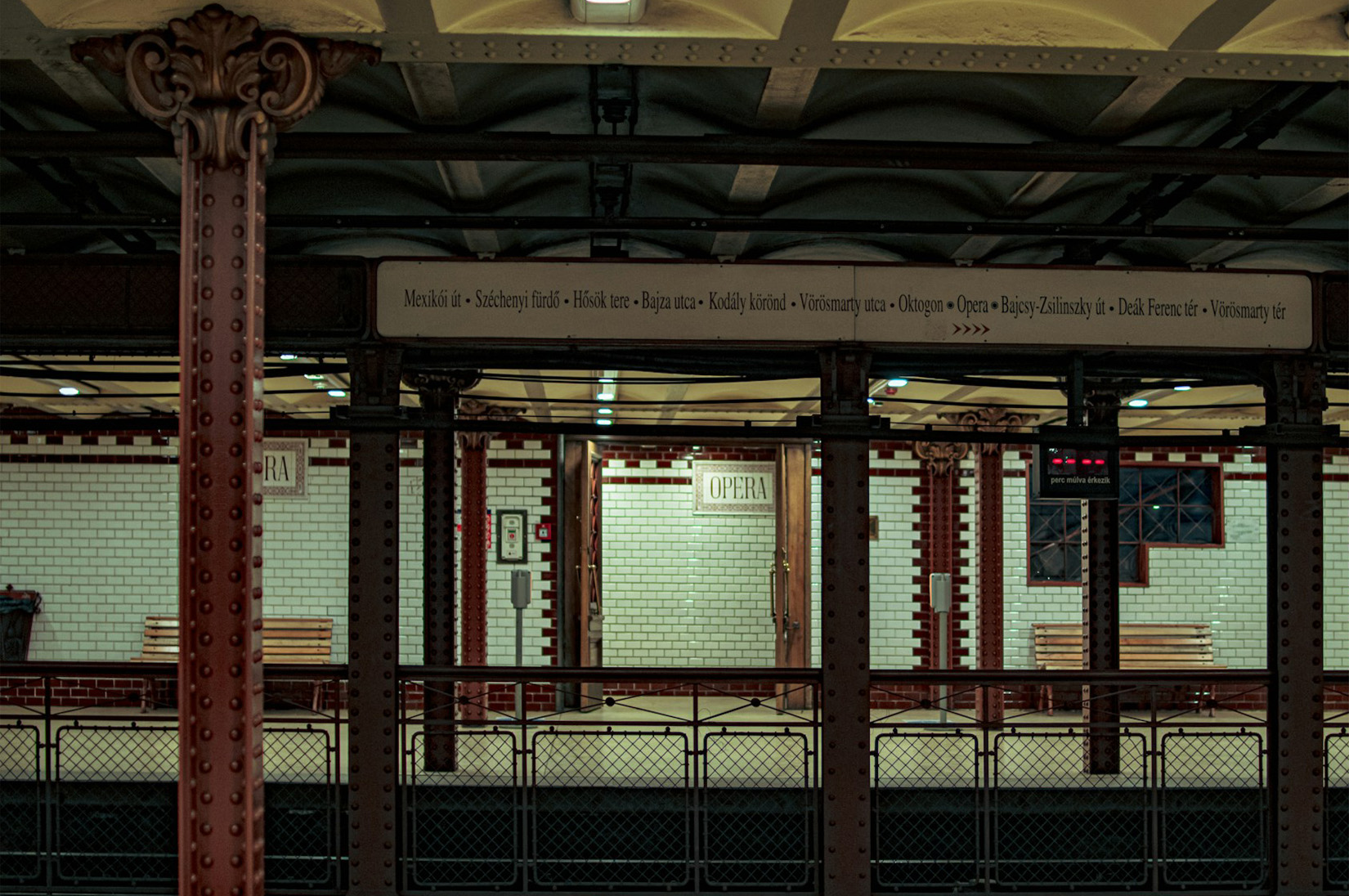
Week Three Tasks

This image is courtesy of Sven Kucinic.

This subway image is courtesy of Kat Sazonova.

This boxing image is courtesy of Gantas Vaiciulenas.

Here three images in the order of:

Resize to 1920 pixels wide, Perspective crop and finally portrait to landscape.

Week Nine, onwards – Week by Week Updates

15th April:

Throughout this week, I sat down and combed through the photos I had taken for this module. During the day of photography process, I made sure to take too many and not too little, to make sure that I was giving myself the best platform to work with. Ending with over 120 images, consisting of different field depth levels, angles and aperture, it allowed me to feel very comfortable going into the final selection and editing process. An issue I had to tackle during the actual photography process was maintaining focus and depth whilst being in a public space. Members of the public would walk into shot, which was completely fine, which forced me to take my time in finding the right shot whilst adapting to the public setting.

22nd April:

Following feedback from Karl and Ruth regarding the structure of the text and the images for that section, which images could compliment the narrative I was aiming for and refreshing general pointers that have been discussed throughout the module. From the previous week, I had decreased the total of images from 120+ to a final 20 as I was constructing the story and speaking to the main focus of the piece, so the images had to convey and show the story that I was aiming to tell.

29th April:

The final selection of 10 photos was decided. These were the images I felt encapsulated the story I was telling. During the editorial process, I went back through the slides of the module to refresh my memory on the basics of Photoshop which I felt was necessary as Photoshop is a software that I am a complete amateur with so using the resources provided allowed me to begin the editing at a good level of competence. Alongside this, the textual element of this assignment was also being tackled. Using information from the main person of this assignment, Image 10 is his portrait, it allowed me to create a structure which ultimately lead to the the final selection of photos as they, in my opinion, are the best to sit alongside the text.

7th May:

The deadline day. I feel that the images I have chosen for the task are the best to compliment and tell the discourse of my piece. As I have previously mentioned throughout my reflections for this module, software such as Photoshop and InDesign are completely new to me, and I had little to no confidence in my abilities at the beginning of the module. Now, I am still slightly unconfident, but I feel like my skills and comfortability with these software’s have improved. Having gone from 120+ photos to my final selection, I like to believe that this has shown my ability to judge photographs and how well they can complement a story. This module was one that I didn’t want to do and initially struggled with, but, the tutorials, meetings and in – class discussions allowed me to ask, pick up and understand the photographic side of journalism and how stuff such as formatting, width to height sizing, ALT text and more, can all determine how good or bad a piece can be and ultimately leading to whether or not that can be published.   

Week Eight – Reflection

This week was a continuation of post-production work, now looking at shooting in RAW against JPEG and image selection.  

As a novice, shooting in RAW was a term I had never heard before and showed me the process that photos go through before being ready to publish.  

The images I am using for this module were taken on my iPhone but seeing the extent of the settings for a digital camera intrigued me about camera operating.  

For photo selection, I made sure to give myself as much movement as possible so I would shoot the same subjects but changing distance, aperture and depth to see what photo worked best for that particular photo.  

Being able to try different ways of taking the same photo was something I would have never considered at the beginning of the module so, for me, this is a sign of progression with photography.  

For my project, I took around 140 photos before deciding on a final 20 and will eventually be the final 8 – 12 photos that I will use. 

Week Six – Reflection

For this week, we had online meetings to discuss our progress so far with our final project, regarding the journalism of the project as well as the images.  

I had struggled to find a topic of focus for the final project but, following discussions in sessions and the meeting, I finally managed to get two.  

One was approaching a charity within in Leeds and showcasing one of their charity events within the community.  

The other was following a football fan during the entireity of their day as a supporter, to essentially show their routine.  

I felt I would enjoy the football fan story more but, along with Karl, the story would be harder to find as it is just following somebody around.  

With the Leeds charity side, the story would have been about showcasing the event they would be doing on that day but would not have been anywhere near as enjoyable.  

Discussing the discourse of both stories with Karl, gave me the viewpoint of how a reader would view the story and what I would need to do to engage and entice the reader.  

I decided to go with the story of the football fan and their day in the life of supporting, as I felt it would be more focused towards my degree, Sports Journalism, and allowed me to try narrative journalism as it allowed me to interview other individuals to help tell the story of one.  

As it was a live event and the ability to go and take practice shots within the context of football wasn’t viable, Karl suggested some public photography to understand the capabilities of my camera and how the public can potentially affect photos and understanding how to overcome this.  

Week Six – Task

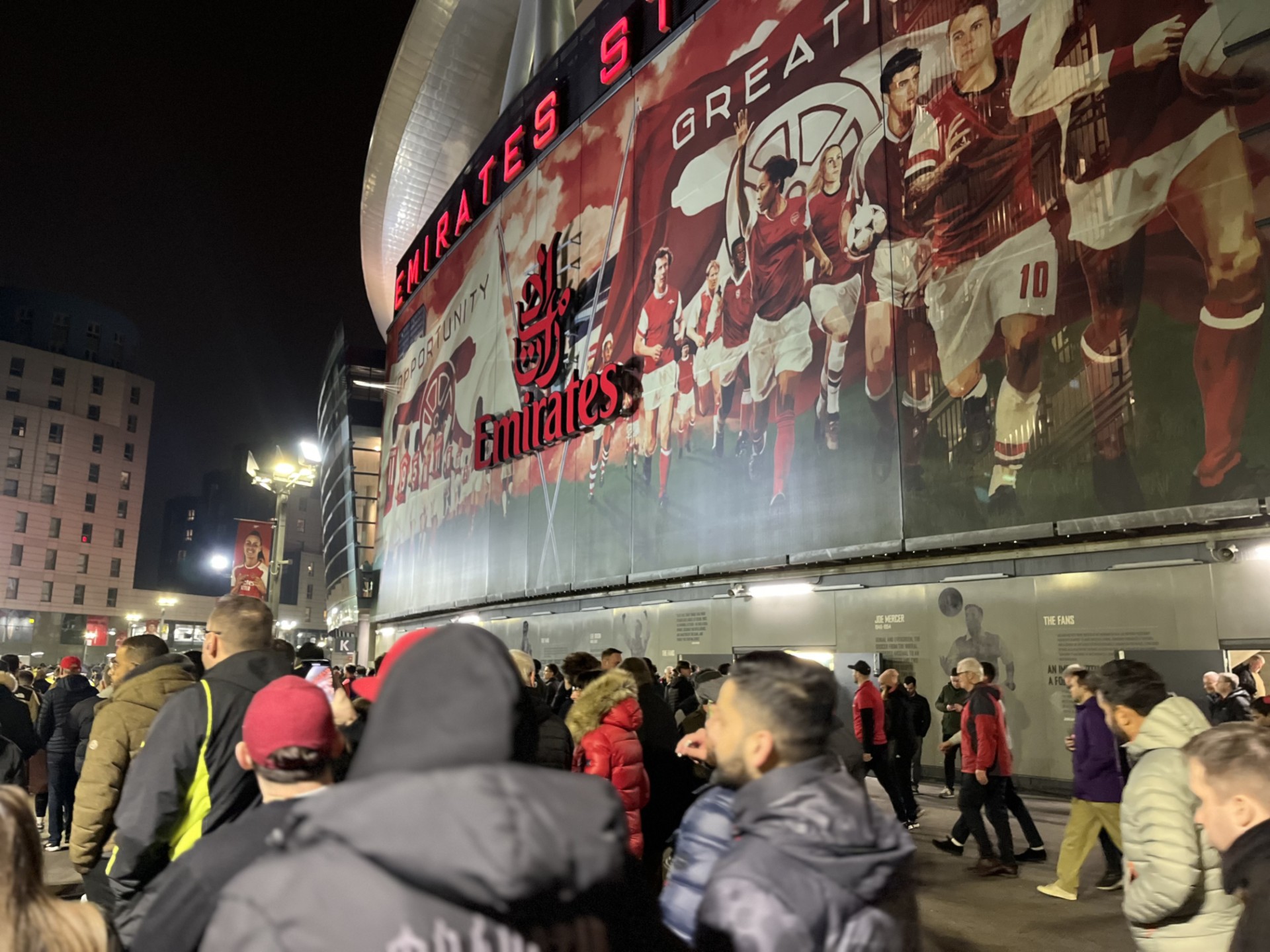
These photos were taken outside the Emirates stadium following Arsenal’s 2-1 against Brentford on 9th March 2024.

I chose this image as it shows the hubbub when you are leaving an event and the night time setting was also a positive factor.

So the first image is before editing and the second image is after editing.

I chose a -55 brightness and a 30 contrast on the image and I feel it worked quite well.

You can see the difference in brightness on the skin for the man center right, next to the man with his hood up.

The darker effect works quite well as it emphasises the night time setting and takes unnecessary brightness away from the image.

The imagery on the stadium in the background has become slightly darker and has also taken away the glare that reflects on the stadium we see in Image One.

Taking away these glares and slight harshness that the brightness brings to the image and neutralises the image to make it for easier viewing.

Week Seven – Reflection

This week’s workshop introduced postproduction work in regard to colour correction and cropping our images.  

As someone who has never edited photos, being introduced to these skills such as using grid cropping, using adjustment layers and more was completely new to me.  

The skills that were introduced within the session will only help the final production of my images by tuning the lighting, in line cropping, the contrasts too.  

Ratio sizing was also key to see the difference that are available to use and what formats suit which platforms.  

For me, this was the most difficult week to date as most of the devices introduced were completely new to me and showed me how in – depth photo editing can be all of which can only improve the images.  

Week Five – Reflection

For week five of Photojournalism, we were online due to Karl’s illness and for the session we looked at ISO and Shutter Speed.  

As we get further into this module, my understanding of cameras and what can elevate the quality of a photo is increasing as the weeks go by.  

I have decided to use my iPhone for the final assignment as I cannot afford one and do not want to chance on needing to rent one from the university and I cannot for whatever reason and many people are in my boat, so it is very reassuring to see that the ways you can replicate camera taken photos with the settings and tools Apple provide.   

Seeing what different effects are used for such as shutter speed and the reasons for doing so was something I had never really considered before so seeing why it is done in the industry and to a high standard is good and helps prepare for post academic life.  

As someone who does not have a joy or desire to work with cameras, I am still grateful to see how they can be operated as I think it has made me appreciate the skill it takes to produce high quality, industry standard images as before that was not really the case.  

Week Four – Reflection

In the session this week, we looked at focus, aperture, and depth of field.  

As I do not have a lot of experience with cameras, it was very insightful to see how certain settings work to change the depths of photos whilst still retaining focus on the photo subject.  

Having no previous tangible experience with cameras, I felt quite nervous to have to use one for this module but by being shown that quality photos can still be produced via an iPhone, it elevated my confidence for this module.  

Working with the aperture setting on the ‘Portrait’ mode on the iPhone was quite interesting as it is a typical setting that is not used in everyday life, and I would not really consider using it when taking a photo.  

However, after being sent out by Karl to use the mode in natural lighting to fully understand how it works, it has shown me that it elevates the quality of photos and makes it more enjoyable.  

Being able to go out into the real world and work on these techniques makes these sessions worthwhile as we can work alongside Karl and my peers to hone out the mistakes now before it is time to officially work on our work.  

Week Three – Reflection

This week in our lecture, Karl introduced us to using photoshop to scale, size and maximise the stock that images that were provided to translate those skills to our own images.  

Photoshop is a software that I have not used before and initially struggled but help from Karl and my peers allowed me to understand the processes that we were practicing and working on during the session.  

We spoke about image format comparisons between JPEG and GIFs.  

It was quite interesting to see how the same image in different formats can differ and the characteristics of the formats allowed me to see the positive and negatives of each format.  

Showing the structures in which images are sorted and then distributed was extremely helpful as it highlighted the routes to get the highest quality image to an industry standard.  

The reminder of simple necessities such as captions and especially ALT text is needed as we approach the end of our studies.  

As someone who is not visual impaired, ALT text does not hold much weight in my media consumption but for those who are it holds a lot.  

Towards the end of the session, we received feedback regarding our research task after last week and it allowed me to see what I am doing well so far and what can be improved on.  

This feedback included ALT text and captions for the image I had used.

I didn’t realise how important ALT text and captions can be to a piece of work, as well as the legal expectations set out in the Equality Act of 2010 to help individuals who are visually impaired.

I am still stuck on what to do exactly for my Photo Project Pitch so over the next few days, along with research and understanding my capabilities, I will come to a worthy pitch.