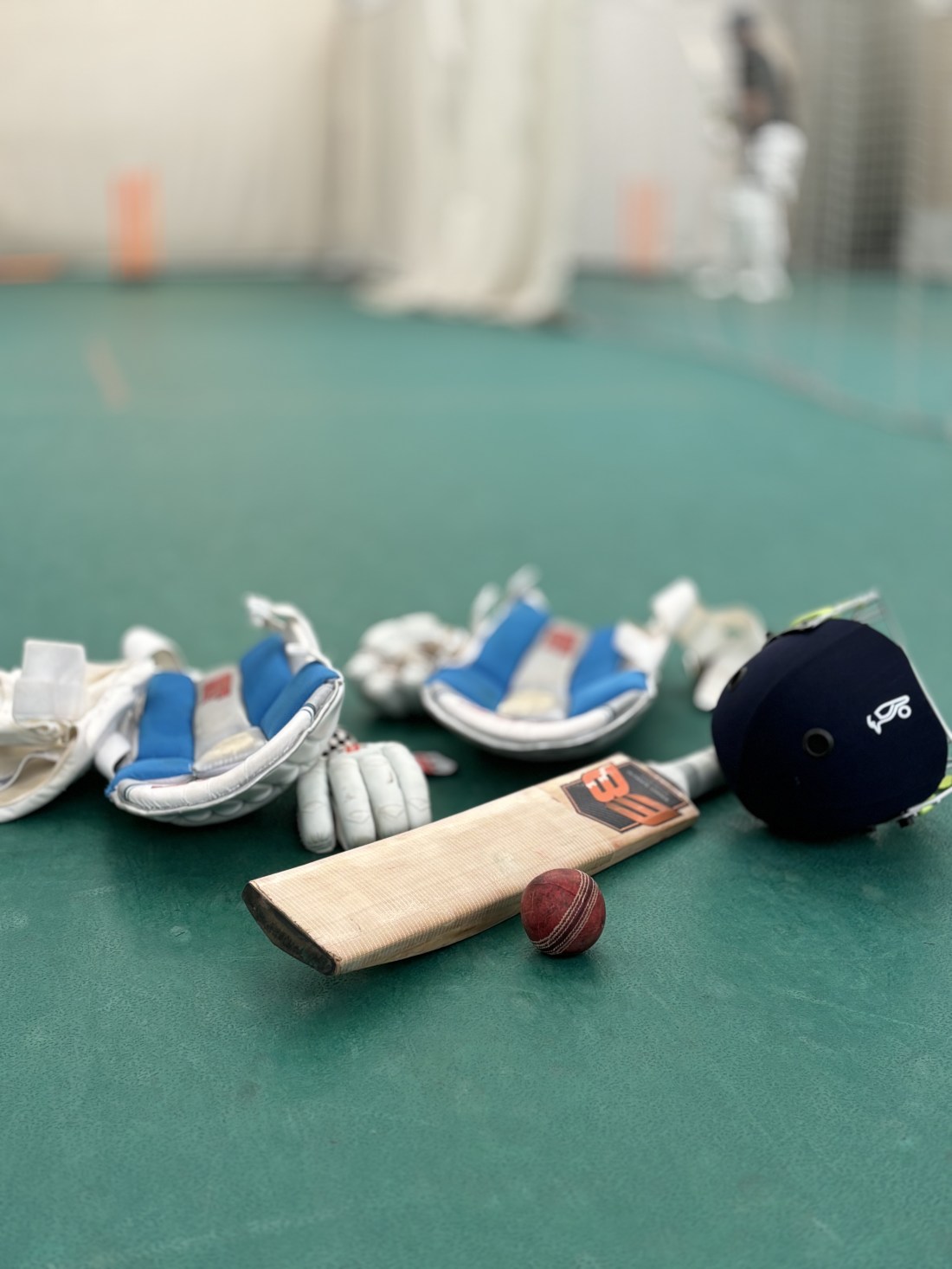
For many Cricket players and fans, it can be a gruelling and intense summer. But before you can even think about the cricketing summer, there is so much preparation that goes on behind the scenes throughout the winter, to allow the cricket season to even take place.

The cricket season typically begins in April, and ends towards the latter stages of September, that is a long six months that requires thorough preparation off the field. For many players they just see it as turn up and play, but there are so many more variables that need to be considered such as pitch fees, signing on players, organising kit, match balls and training sessions, and for an amateur team like Gainsborough CC, it can become very challenging at times.

Future of cricket
Gainsborough CC have two Saturday teams, the first XI ply their trade in Division one of the Bassetlaw league, and the second XI sit respectfully in Division six of the Bassetlaw league. Gainsborough used to be a heartbeat for cricket, there was once four Saturday teams, two Sunday teams and a midweek league, but now there is just Gainsborough CC remaining. I spoke to Andrew, a committee member of Gainsborough CC and asked him just why has cricket in Gainsborough declined so much, “I think it stems from the Schools in the local area, cricket isn’t a very popular sport within young people as they are more interested in sports like Football. Then when in Schools if cricket isn’t part of the PE curriculum, they aren’t going to pick it up and there isn’t going to be any up and coming players coming through.”
“It’s sad really as because when I used to play, there was four different teams in Gainsborough (Roses, Marshalls, Morton and Lea Park), and eight divisions which were full of twelve teams, but now we have six with some leagues having as little as seven teams in the division.”
“Personally I fear for the future of cricket in the town, whilst it is standing strong right now with Gainsborough CC, in 15-20 years I’m not sure it will still be in the same position,” said Andrew.
Preparation comes in many different ways, and it can even mean that identity changes our needed to help the future of the sport, Andrew explains more into how changes were made to help the future of Cricket in Gainsborough.
“Gainsborough CC was formerly known as Lea & Roses, and Lea & Roses was formerly known as Lea Park, these were all changes that had to be made to help Cricket in Gainsborough. Lea Park and Roses merged together in 2017, to try and ignite Cricket in the town, and this worked as it created more teams and there was a better feel good factor around the club. Then in 2023, as a committee we decided to change the name of the club to Gainsborough CC, we did this because as we we’re know the only club playing on a Saturday in the town, we wanted to feel open and accessible to new players, and we wanted the whole town to support the club, which would hopefully create some revenue from sponsors in the town, which would help us in the long run with pitch fees, match balls, all the stuff really that people don’t see.”
Players preparation
As we have dived into what it looks like for a committee member preparing for a new season, what is it like for the players?
Every cricket player comes from a different background and have also had different experiences in the sport, it can be a lonely sport at times, especially when not performing well, that’s why preparation and going into the new season with a fresh mindset is key.
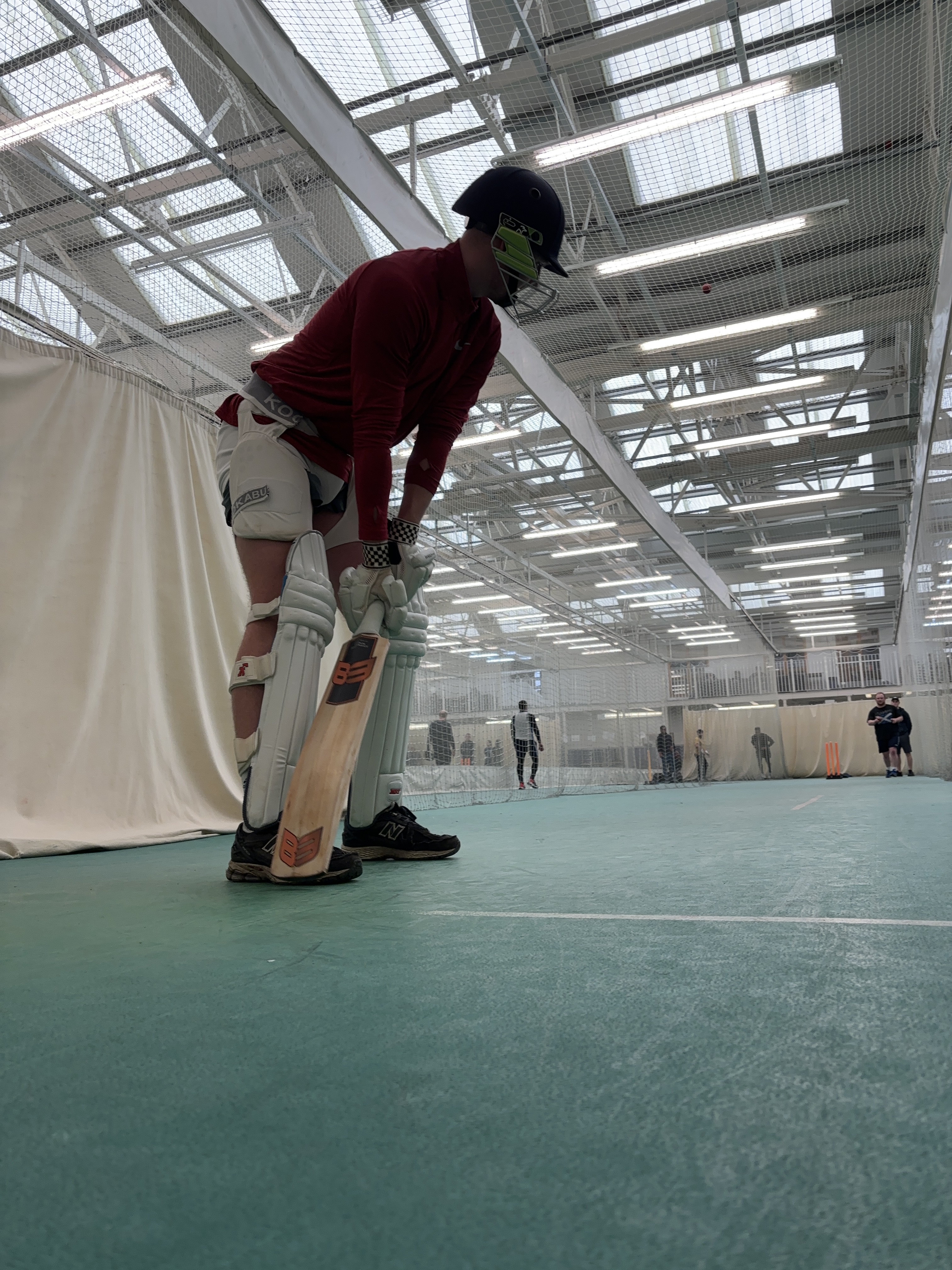
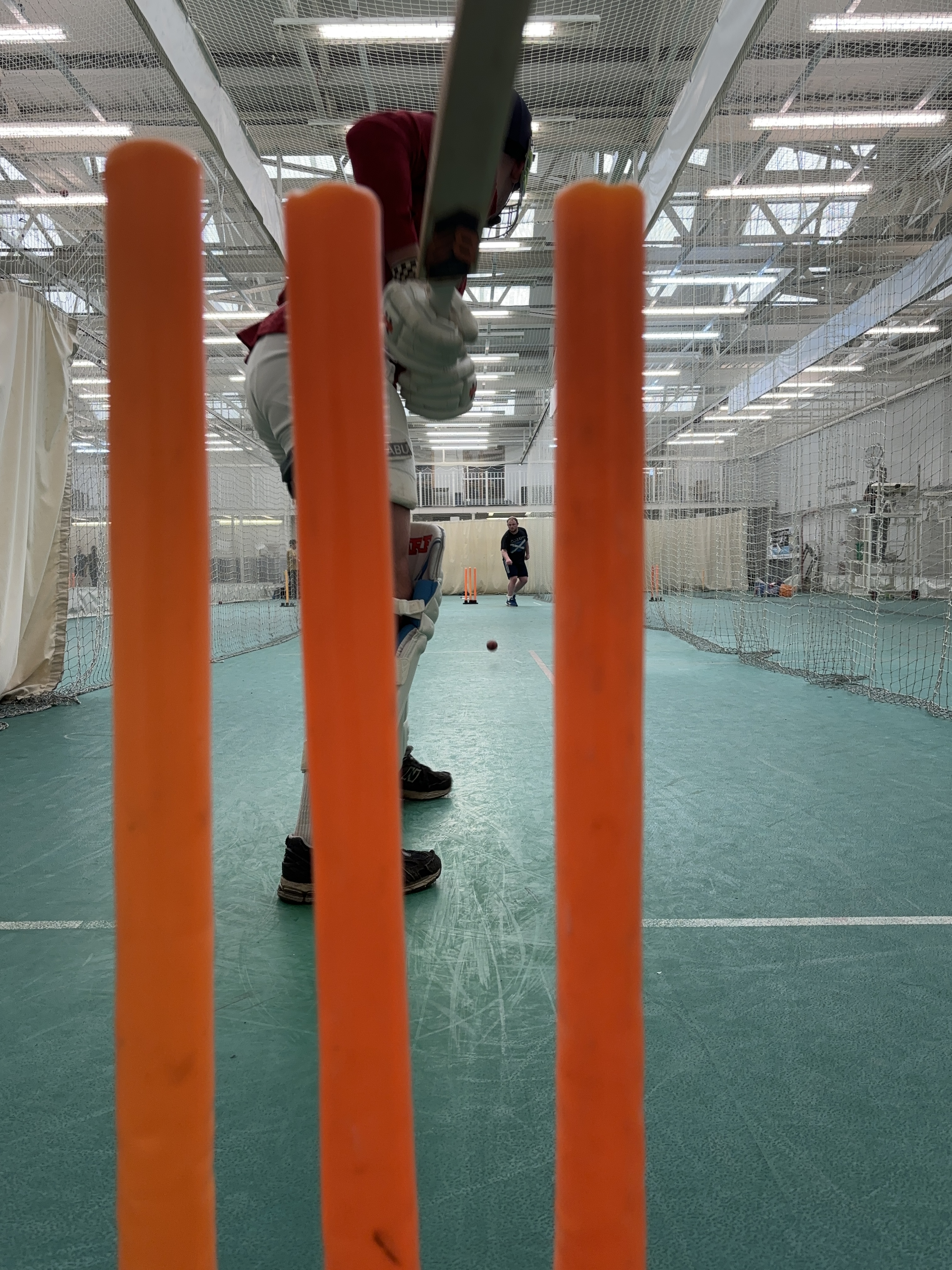
Many amateur teams will begin their on-field preperations for the cricket season in the middle of the winter, and they will do this by hosting indoor net sessions. Cricket players have different feelings towards net sessions, some feel like it is good to get back into the swing of things, but others feel like the preparation isn’t ideal as it is totally different to performing on a grass wicket throughout the summer.
Jimmy Purdy is a regular in the Gainsborough CC second XI, but as he has been at the club for nearly seven years now, he is hoping to push on and try to break into the first XI. This winter’s preparation is vitally important for him, as he is hoping to make every session throughout the winter count.
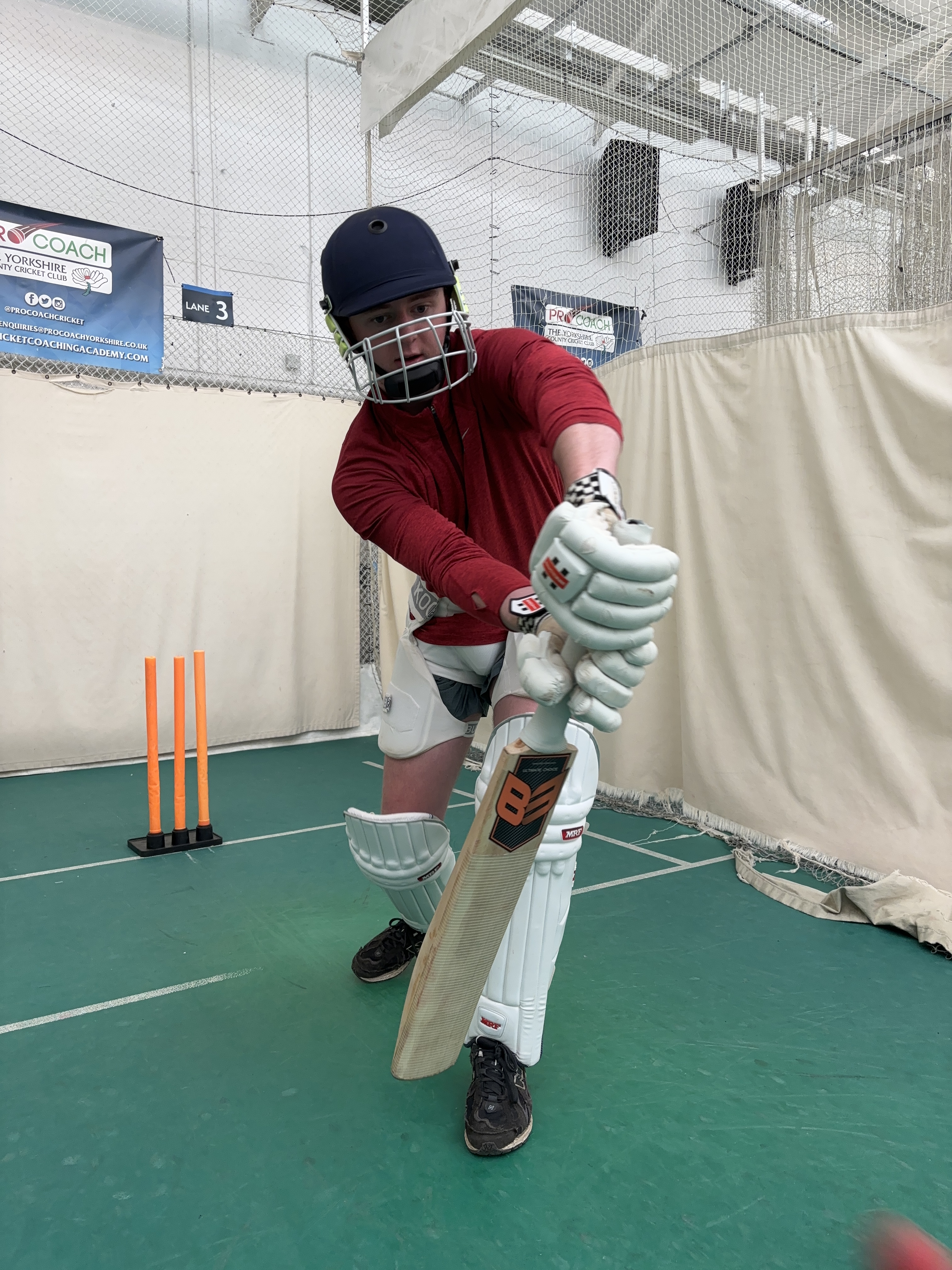
Jimmy has been at Gainsborough CC ever since the club was originally called Lea Park, and he played Junior cricket from the age of 11 for Upton & Kexby CC, so he knows what he needs to do to break into the first XI.
When speaking to Jimmy, it was clear what his intentions are, and how his love for cricket has grown over recents years, “I’ve always played cricket ever since the start of secondary school, but i saw it more as a sport on the side as i was mainly focused on football, it’s not since recent years that I have actually properly found my love for cricket and started to take it seriously.”
Jimmy has intentions of breaking into the first XI this season, after recently being in the second XI for the last couple of years, “I think I’m about ready to make the step up in level, I’ve worked hard over the winter and really focused on the areas that I needed too improve in,” he says.
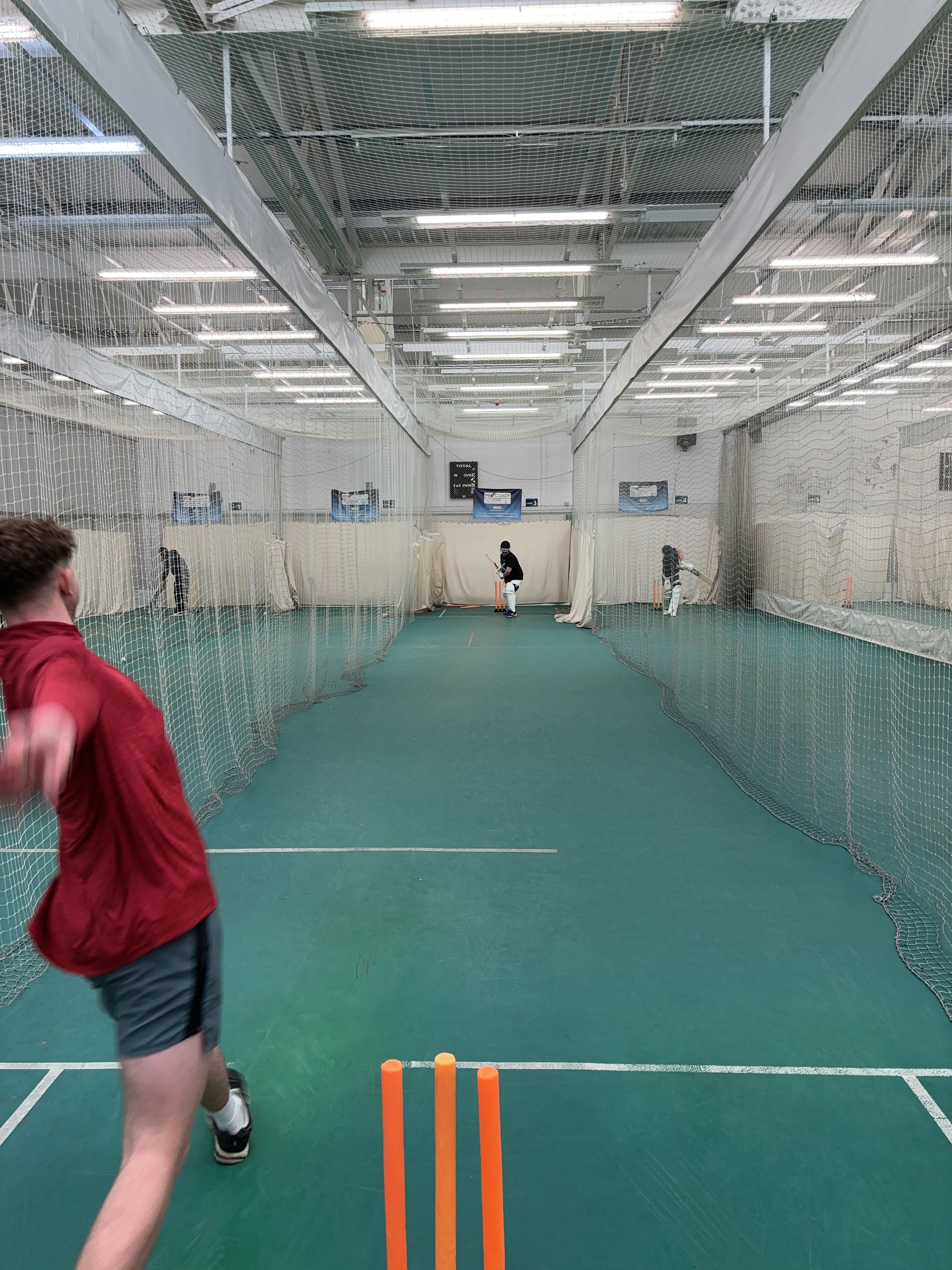
Jimmy is an all-rounder, and one of the things he has been working on with his bowling throughout the winter is his release point and hitting the crease hard. “I found that in recent years I had been bowling too short and this lead to me conceding more runs than I’d of like to off my bowling, so one of the main things that I’ve worked on over the winter is my release point, releasing it later allows more flight on the ball and it will pitch closer to the batsmen, this will allow me to create more opportunities to take wickets for the team.”
One of the most important factors of cricket is fielding, when people think of cricket they automatically will think of batting and bowling, not fielding. This is where a game can be won or lost, and it is where the famous saying ‘catches win matches’ comes from. A good performance in the field can save your team up to 20/30 runs per innings, and this can really have a massive impact on the outcome of a match.
Jimmy admits he has been working hard on his fielding throughout the winter, so that he can help the team as much as possible, “Fielding is one of my strong points in cricket as I am fairly quick and agile, so it isn’t neccessarily a weakness of mine, but i just feel like it’s good to keep on top of it all, as you never want to be the person to drop a crucial catch” he says.
“Reaction time is key for me as I like fielding in close, so one drill I do like doing is standing about two metres apart with someone else, and just throwing balls at each other low and hard, seeing who can catch the most.”

New signings
Gainsborough CC have over 40 players signed on for the 2024, and with having two teams that means that they require to field 22 players each weekend. Whilst it seems like picking 22 players out of a 40 man squad is easy, it comes with its difficulties, especially during the school holidays. This therefore means that new signings are vital for amateur cricket clubs as there is no money involved, and for a local amateur team like Gainsborough CC who can’t afford an overseas professional, any new incomings for the team play a huge part.
One new signing joining Gainsborough CC for the 2024 season is Toby Roberts. Toby is well known in the bassetlaw divisions, having formerly played in Division 2 for Wiseton CC.

I spoke to Toby about his aspirations for the new season, and how he normally prepares in the off season, “The main reason why I joined Gainsborough is because it is closer to home and I wanted to play at a higher level” he said.
“I pretty much live and breathe cricket, if I’m not playing I’ll be watching either on the telly or live at the ground.”
“I work all year round to prepare for the new season, and throughout the winter I have been having one-on-one sessions with Anuj Dal from Derbyshire CC, solely focusing on my batting.”
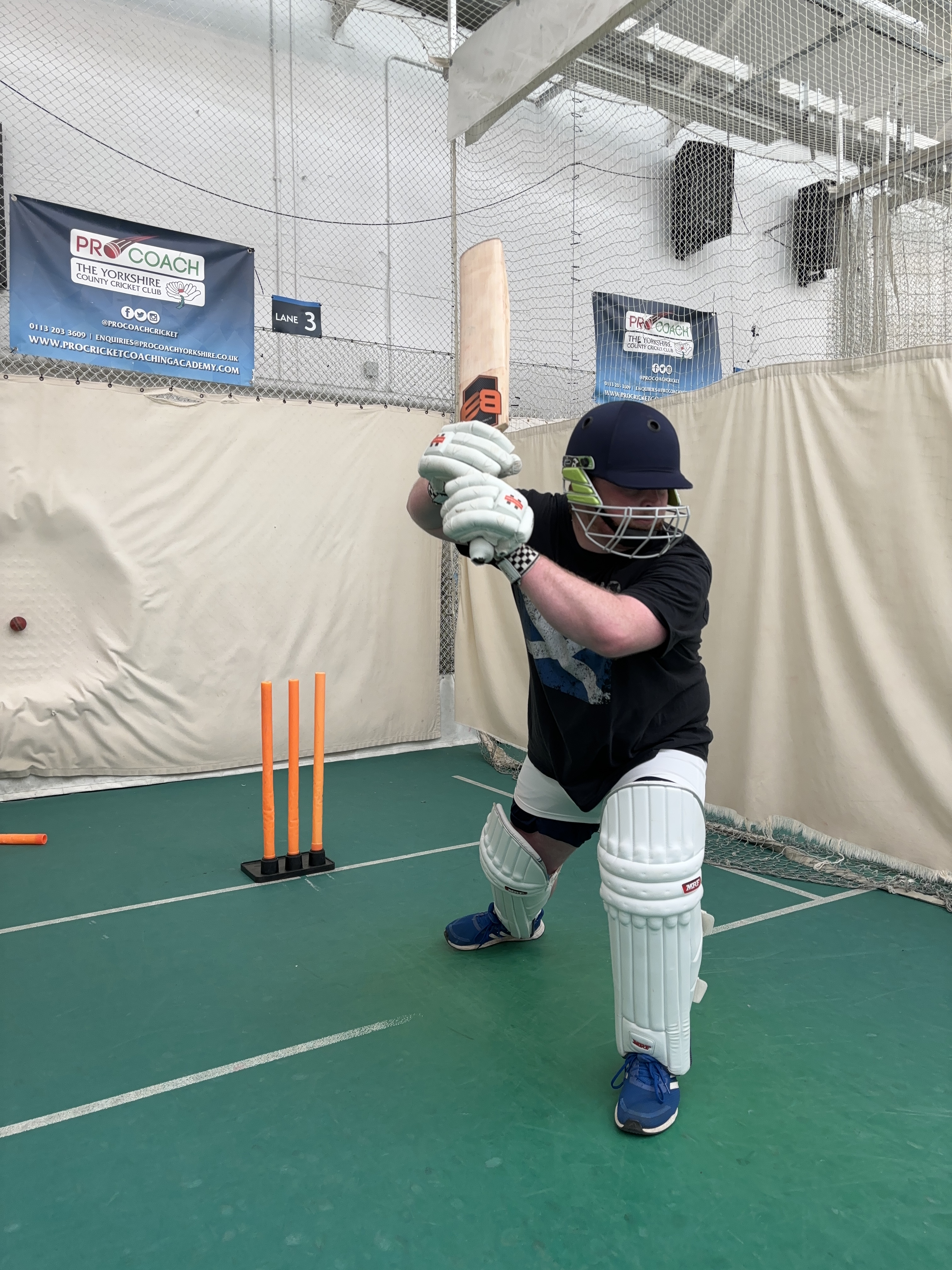
“One of the biggest things that Anuj has tried to drill into me over the winter is leaving the ball outside off stump,” said Toby.
“We went over my dismissals and a lot of them were caught in the slips, so throughout the winter although it’s been quite boring, I’ve tried to leave more balls outside the off-stump to reduce the risk of edging it to slip.”
Toby is hoping to turn out to be a crucial signing for Gainsborough for this upcoming season, as it’s not just his batting that he can bring to the team, he is also a part time pace bowler, and is willing to do his part when called upon.
After more work with Anuj over the winter, Toby and Anuj focused on the weaknesses of his bowling, and what to try and improve to give him the best chance of taking wickets.
“Anuj made me bowl an over or so, and he told me that I was constantly bowling no balls, and also pitching the ball too short, this was down to me running in too hard, and not releasing the tension in my legs when landing at the crease.”

“The big change that was made was shortening my run up, this allowed me to run in smoother and I had much more control when hitting the crease,” said Toby.
As the cricket season beckons, and the nights get lighter, Gainsborough CC players and committee members will be hoping that all the winter net sessions, signings of new players and organising pitches will produce results on the pitch, as the side look to be promoted to the Championship division of Bassetlaw cricket for the first time in the clubs history, to fly the flag high for cricket in the town Gainsborough.












 Photographic Journalism
You must be logged in to post a comment.