
The Ipswich and District Indoor Bowls Club may come across as easy-going and laid-back, but it’s a place where people go to play a very competitive game of indoor bowls.
The banter may be friendly, but when the losing team buys the next rounds of tea and coffee at, it’s all to play for.
For players who attend in their best white attire, the club’s a community, a place to create lasting friendships. In some cases, it can be a lifeline.
Due to its high standards of etiquette and slow, deliberate gameplay, bowls is a sport that demands physical and mental ability. For the older generation, those skills are already mastered; it’s the proactive practice of them that is important.
The calmness and strategic nature of bowls can lead to the benefits being overlooked by many, but it’s the main reason that players come back to the green each week. The wellbeing benefits for those in later life are the reason that bowls has become so popular amongst the older generation.
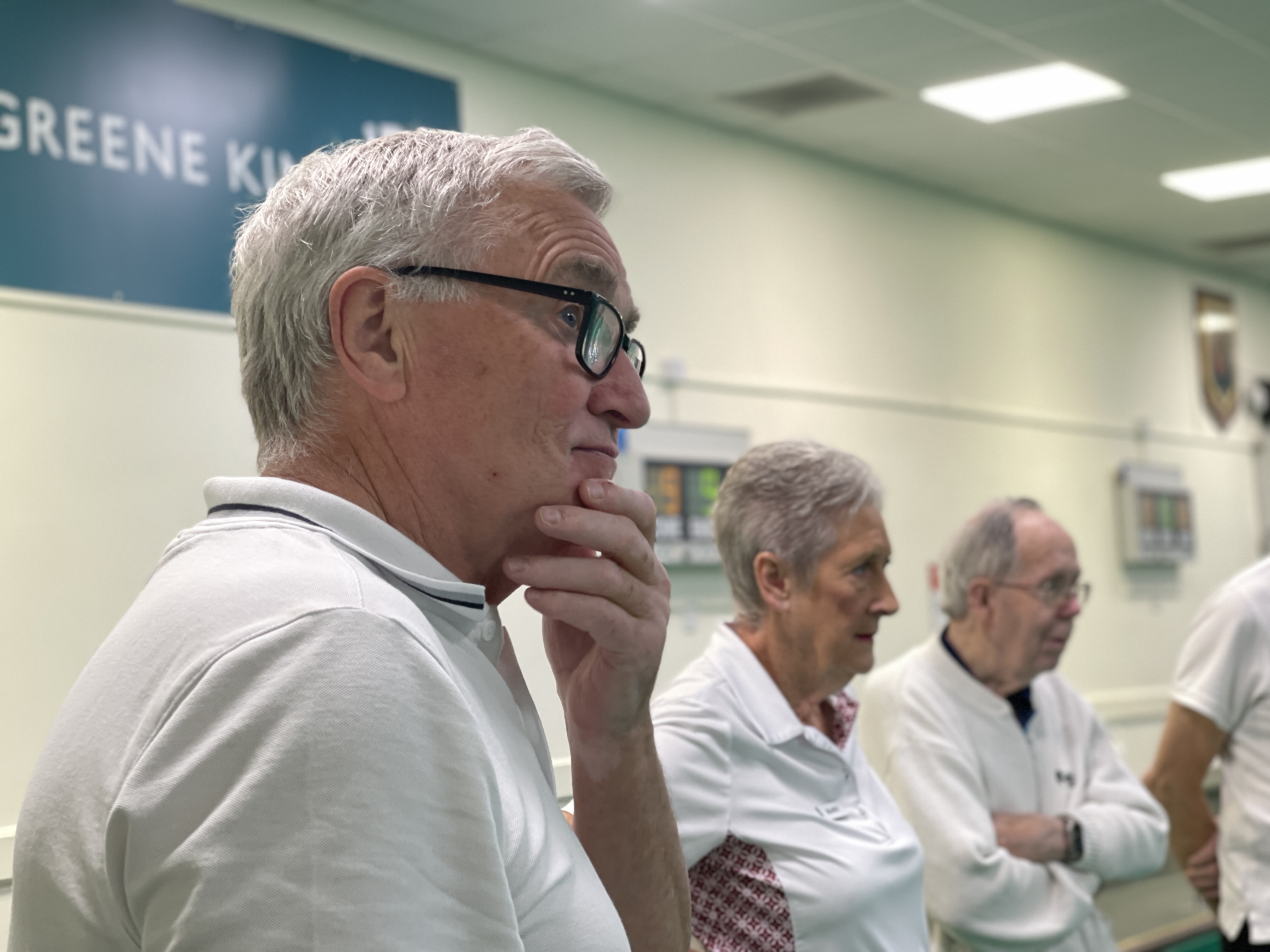
It’s obvious why bowls remains so popular with the older generation, it offers gentle exercise and the chance to keep moving while gaining social interaction which everyone values but is important for older adults.
Many are at a stage in life where they are starting to lose lifelong friends and partners. Due to this, the community that can be found in a sport such as bowls is not only beneficial, but it is vital.
Bowls partners movement with purpose and allows each player to set a pace that suits their body.
The benefits of easy exercise for the older generation, from a physiotherapist.
Physiotherapist Amy Lewis has worked closely with adults and older patients and knows first-hand the benefits that exercise can bring.
“A lot of it is prevention, so staying active is really important physically because it helps maintain healthy bone density, which will reduce the risk of having fractures. It is also good from a cardiovascular perspective as well, so even doing something gentle is really beneficial for you physiologically,” she said.
The importance of staying active extends beyond avoiding injury and maintaining strength; it also plays a crucial role when a person becomes unwell.
Lewis said: “If you are keeping active and doing exercise then you are reducing your risk of frailty. People who are really frail have a higher mortality and morbidity rates. So you have a better chance if you get admitted to hospital to recover from it quickly.”
Bowls also gives players opportunities to have social interaction which Age UK has highlighted the importance of and the significance it has on brain health. Lewis also highlighted this as significant.
“Participating in in a group activity like bowls as you are getting older is very useful for cognitive function. You’re engaging with people, you’re having to think and problem-solve. It’s keeping your brain awake.” Said Lewis.
A friendship with unbreakable bonds
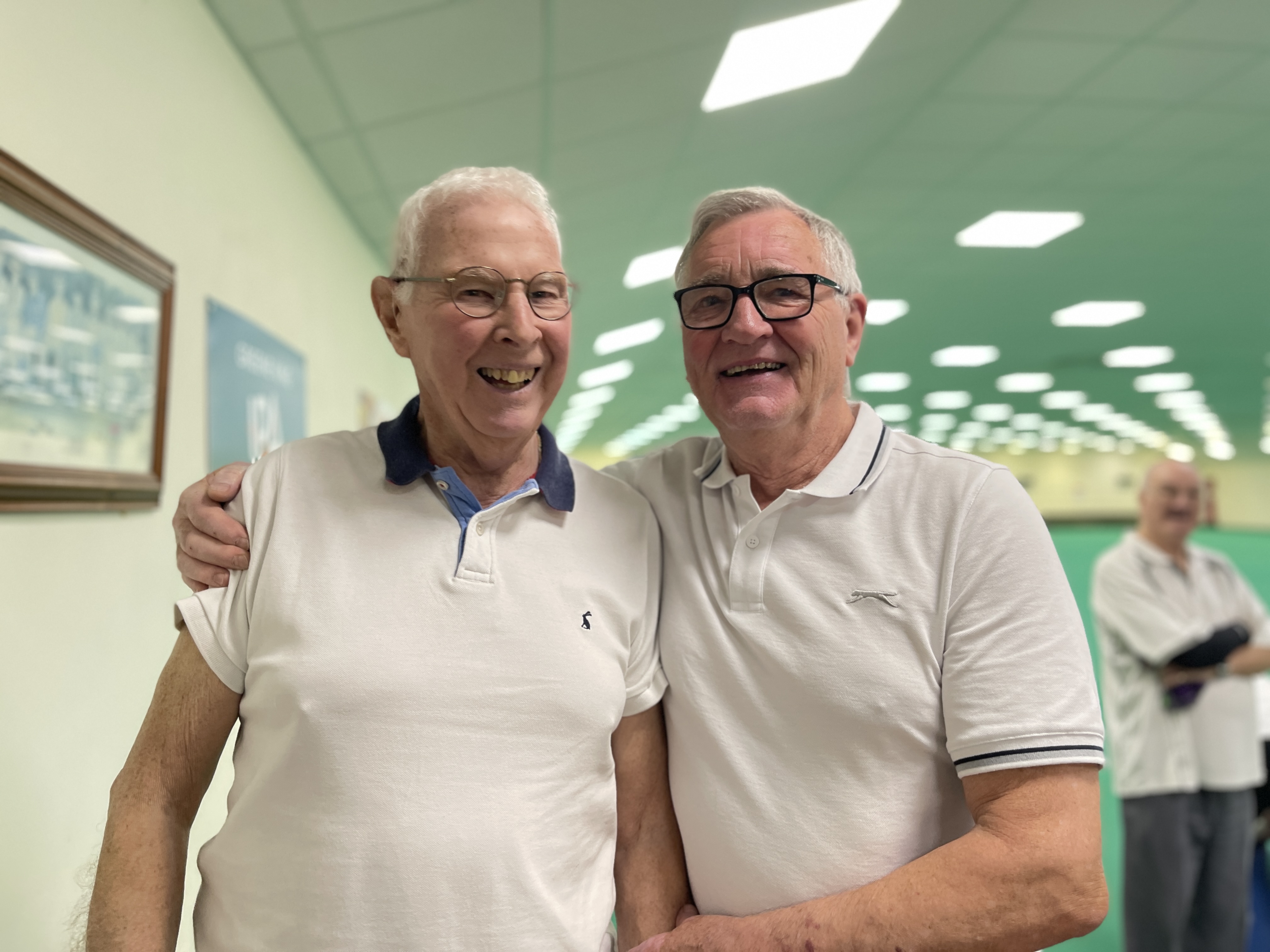
Two members of the group of six, 78-year-old Michael Parker and 80-year-old Richard Berriman have been friends since they played football together as boys.
After their days of kicking footballs around together came to an end, they turned to playing squash together.
“Richard always won,” Parker grinned. According to the pair, Parker only beat Berriman once at squash. The victory was had in unusual circumstances, which Parker used to his advantage.
Parker laughed: “Richard was in a bit of a panic one day, he was on the outside of his car, but his keys were on the inside. He was very worried, and he had to ring the RAC man.”
He continued: “We could still play the game of squash, though. But he was so worried about his keys that it was the only time I beat him.”
The pair have always been competitive, which shows in their games of bowls, however they have also continued to look after each other.
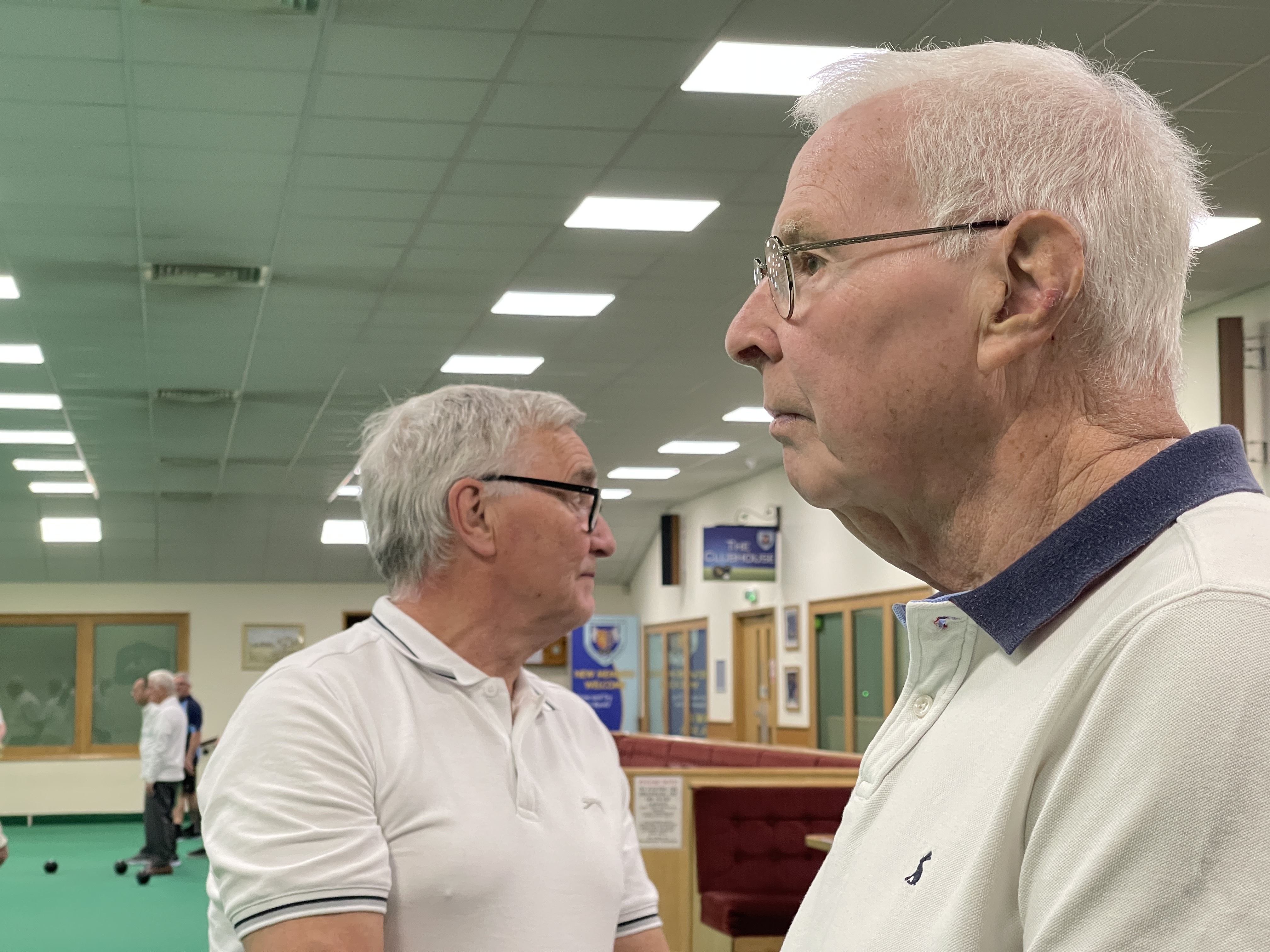
Parker stepped away from sport for many years and was introduced to bowls by Berriman a few years ago.
“I only got started playing bowls recently, my best mate Richard thought that it would be good for me.” said Parker.
Berriman saw the positive effect it had on Parker, he said: “I got him up here and most probably that was one of the best things I have ever done for him, he just loves it.”
Parker quickly fell in love with the sport, he said: “I enjoy everything about bowls because there is not anything to dislike about it, the people you play with and the atmosphere.”
From being youngsters playing football, to unfair squash battles, they now share the bowls green. Parker and Berriman’s friendship has lasted the years, through sport and in life.
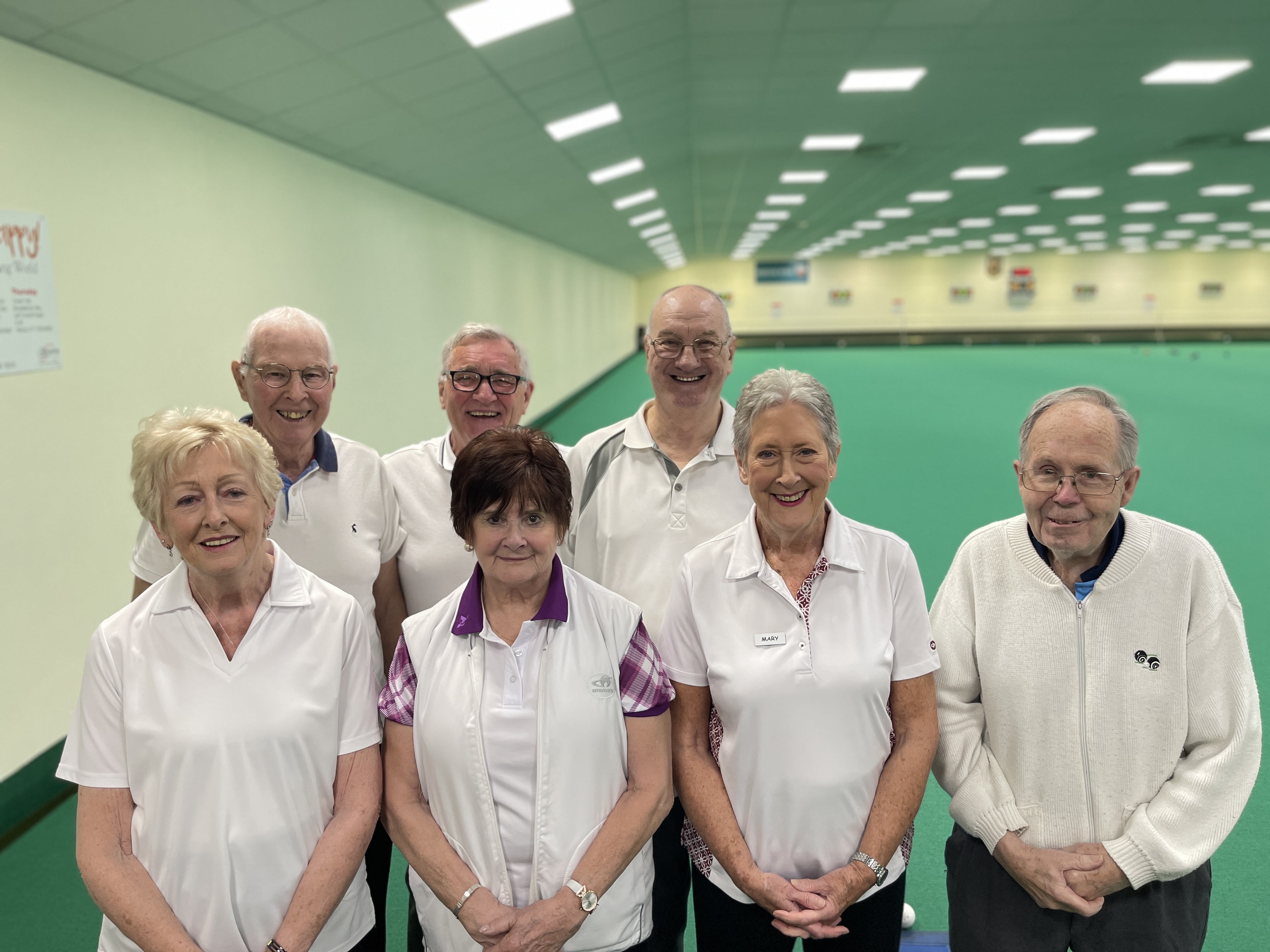
The Team of six
“Every Monday or Wednesday we have a little roll up between the six of us, everyone enjoys it. It keeps us smiling and we have a cup of tea through the game and one at the end,” said Berriman.
Parker and Berriman are two members of a bonded group of six who meet and play regularly. They are not just teammates; each one of them has a unique story made of their experiences in life.
Carol Thorrington finds her way back to Bowls
Carol Thorrington started playing bowls with her husband. For many years, this was something that they enjoyed together. After his passing, she moved away from the sport for a year.
When the time felt right, Thorrington made her return.
“It was hard for me to come through that door on my own without my husband, but I done it. Once I got over that first time, I was fine and I really love it now, I’m glad I have got back into it because my life is so different because I am meeting people and I’m happy,” she said.
It turns out that bowls is an integral part of Thorrington’s life. “It’s the social side, when you are on your own there are so many people here that are also on their own that it is so nice to be together and understand how we feel and talk to each other.”
Although coming back wasn’t easy for her, she is happy she did, she said: “The people are so nice to me here, so it has helped me a lot. So, when I go home, I don’t feel so lonely because I have been in company.”
Thorrington’s experience is not uncommon. Over 3.2 million people over 65 in the UK live alone, many of them grieving the loss of a partner. Going through this loss at anytime in life is devastating, in later life this can leave a person to be isolated.
The charity Suffolk Mind supports all age groups in Suffolk with their mental wellbeing. They suggest that having a community for the older generation can be very beneficial.
“They may become part of a team or group that could provide a greater feeling of belonging which could also lead into an increased feeling of security and having emotional connection with others,” said Wendy Sheppard, head of Income generation at Suffolk mind.
Bowls pairs gentle movement with social connection, creating an outlet for an individual.
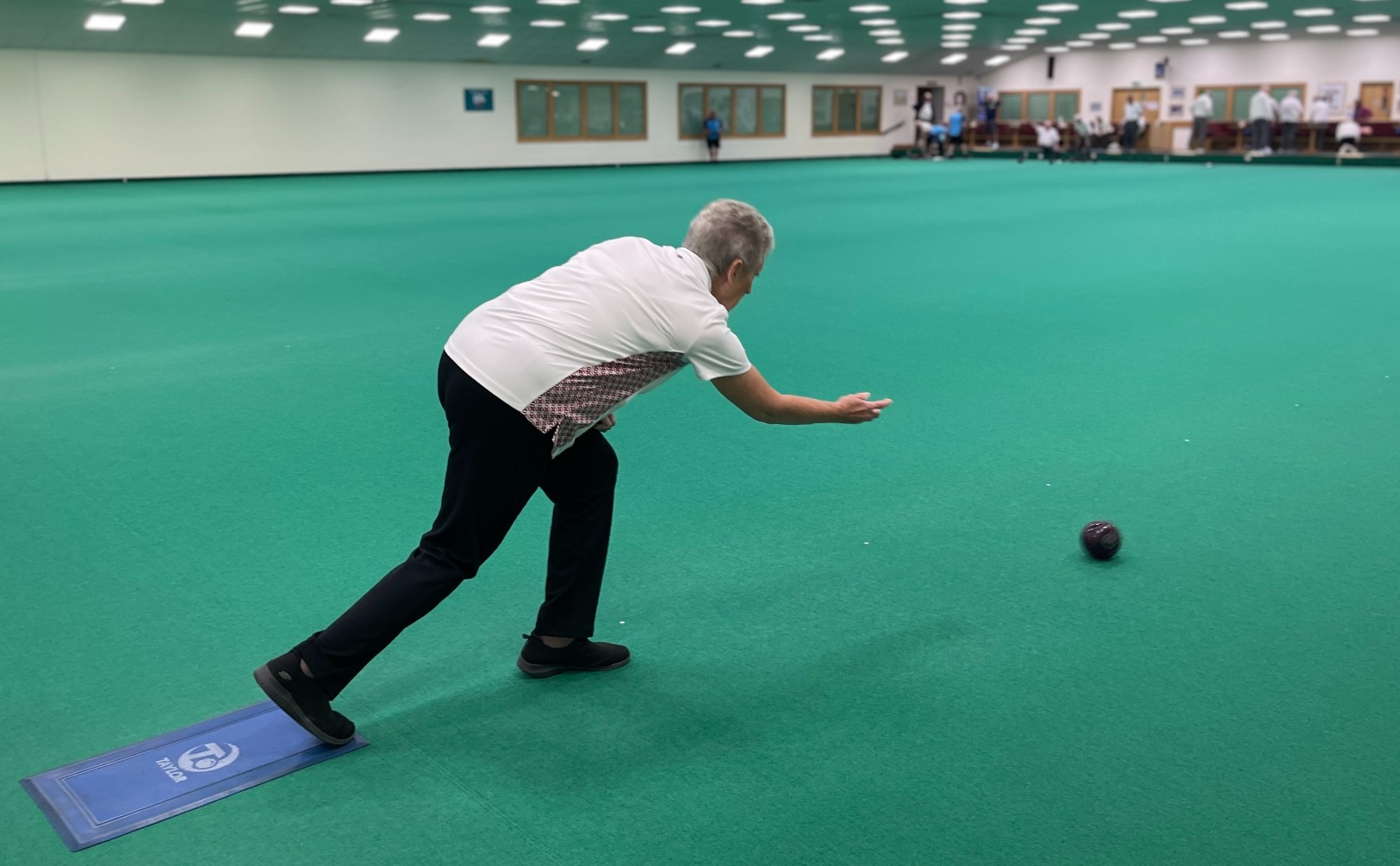
Mary Knight keeps the game rolling
Mary Knight, a 73-year-old, has been playing bowls for three and a half years. She started playing bowls with her husband, but when he developed arthritis in his neck and shoulders, he had to stop playing.
“He hasn’t been playing for a while because it’s too painful, so he comes and cheers me on,” she said.
Although Knight’s husband cannot currently play, like the others, he benefits from the social aspect of the sport, Knight said: “We’ve made so many friends and we have such a laugh even when you’re playing a serious game of bowls.”
Knight is aware of the physical benefits of playing bowls, she said: “Just walking backwards and forwards up the rink is good for your health. I think any movement is good for you.”
She added: “It’s been great in later life to join a bowls club, it’s brilliant.”
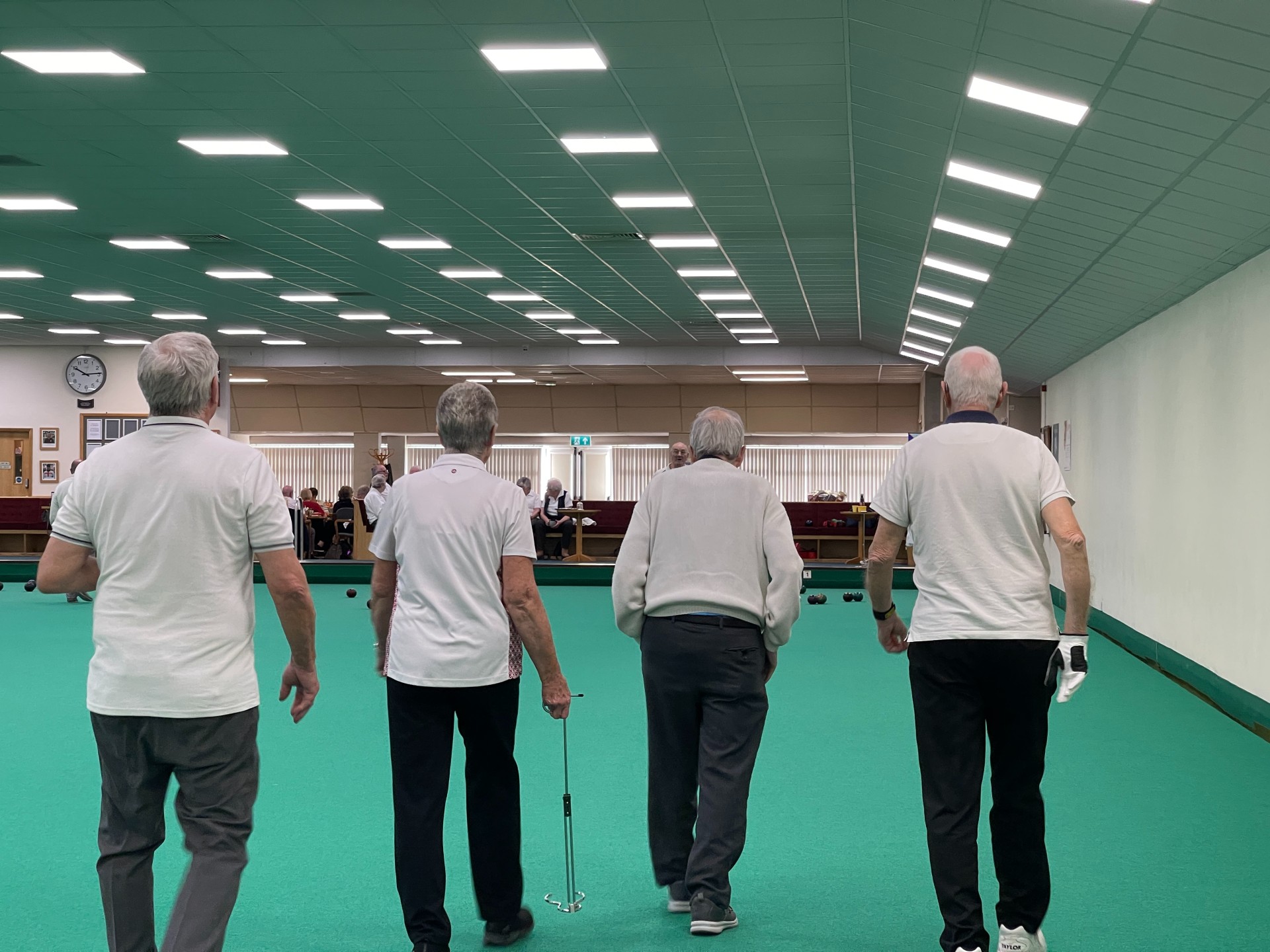
Jenny Crozier has hopes to come back stronger
Another member of the group, Jenny Crozier, has unfortunately been dealing with a wrist injury, which has meant taking a step back from bowls for now.
She said: “If I cannot play, I can be a social member, I don’t enjoy watching like I do playing but it’s better than not at all. Hopefully, my wrist will get better.”
Crozier began her bowling journey while seeking a hobby. She said: “My husband and myself were coming up for retirement soon and I said it would be nice if we had a hobby together.”
She recalled: “We played indoor for a few years and then my husband died.”
After his death, she tried outdoor bowls but eventually became a member at Ipswich Indoor Bowls Club where she met the others and joined their group.
“I like it, I enjoy bowls, and I am in with a nice set of people. Of course this is my hobby, although I’ve not been able to play,” she said.
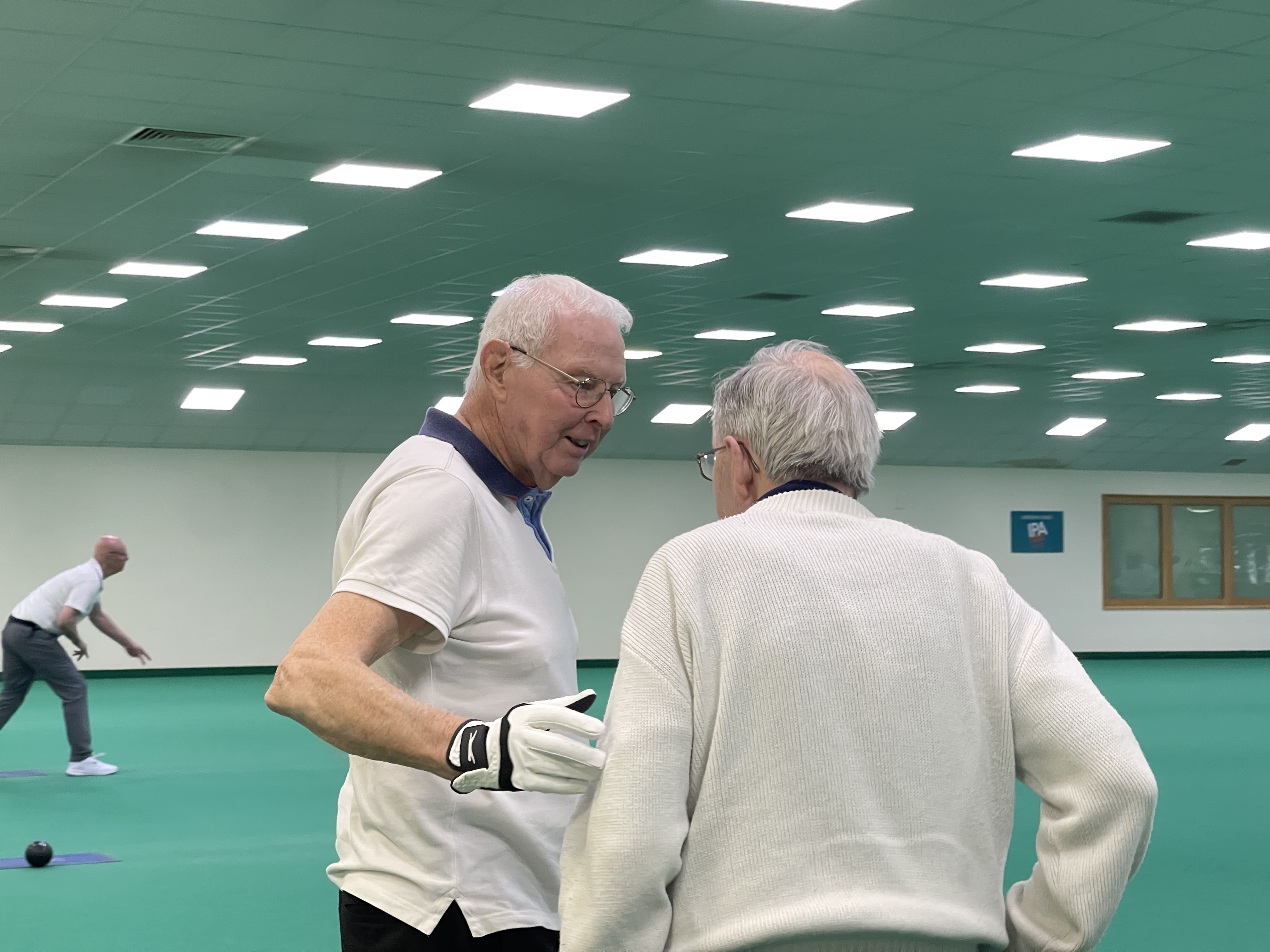
Graham Barton comes from the sidelines to the centre
Graham Barton enjoyed watching bowls before he started playing it, until one day when he got pulled into the mix.
“It was my default,” he laughed, “my wife used to play bowls and I used to sit out and watch on the sidelines and one day someone dragged me in and the rest is history.”
After losing his wife, bowls became more than a hobby for him, he said: “I lost my wife some while ago, it gives me purpose in life. You’ve got bowls, so you get up and go, so mentally it’s good and socially it’s good.”
Barton is also aware of the need to stay active, like others his age, he said: “When you get old you get stiff and if you don’t use your parts, you’ll lose them.”
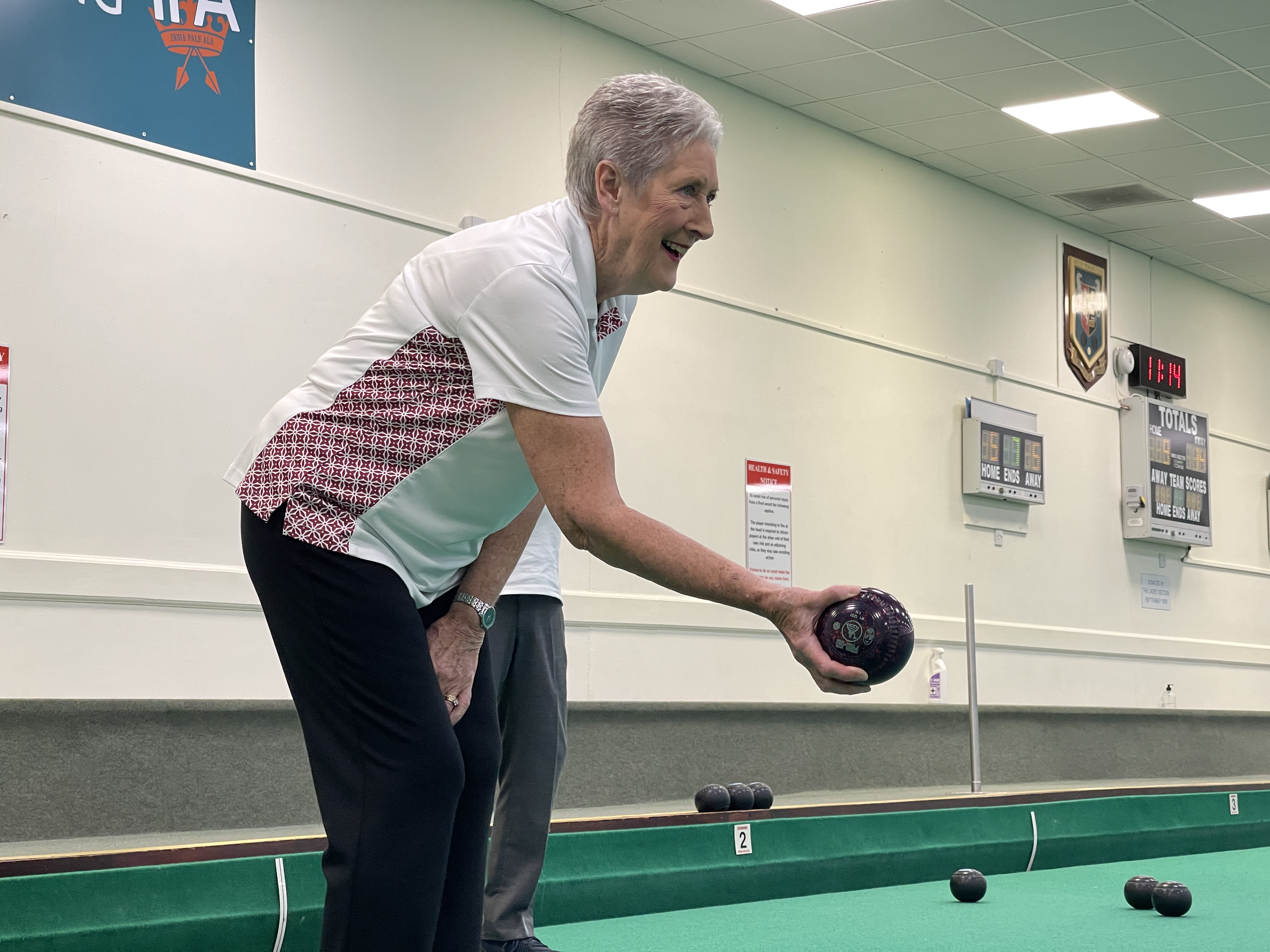
There is no place like the green
Whether it’s the friendship, the jokes that are shared, the purposeful game play or the routine tea and coffee after, each member of the six returns every week for their bowls practice. It’s more than just a sport that they love; it’s moments that have built up to be treasured by each member.
When the world is fast-paced and messy, it’s no wonder that an overlooked and sometimes isolated generation gains a belonging and calmness in an environment like bowls. Their meet-ups at bowls allow them to step away and focus on themselves, and of course, getting the losing team to buy the beverages.
For each member of the six and the many more that play the game, bowls has become more than just a hobby. It’s a sport that continues to give back to them, and that’s why they continue to step back onto the green each week, for as long as it will have them.













































































































 Photographic Journalism
You must be logged in to post a comment.