This week, we have been looking at post production, specifically cropping and colour correcting images.
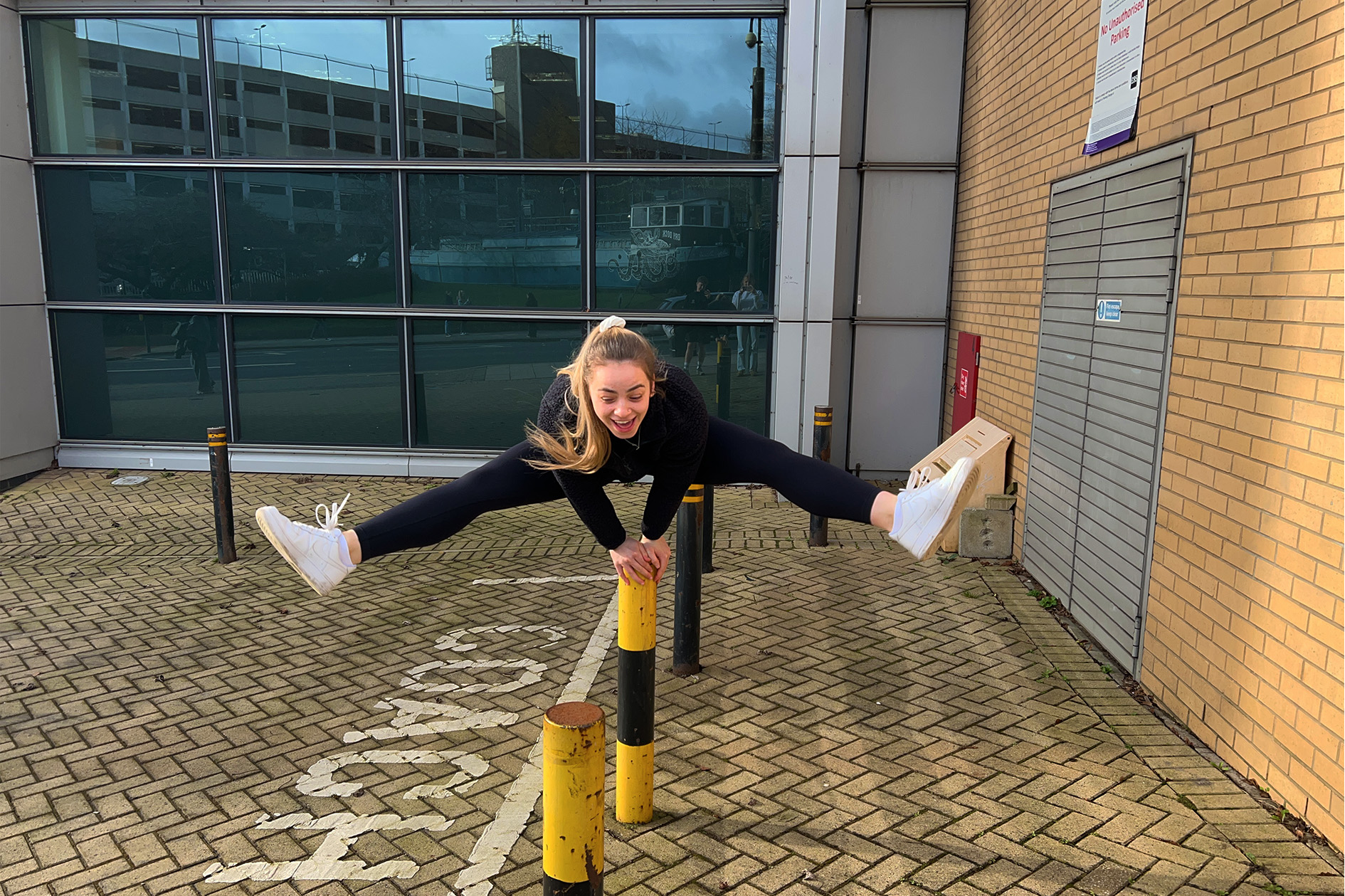
I used images I took last week when we looked at ISO and edited them.
Below you can see the before and after.
Before:
After:
Although the images are only slightly different, changes were made. I lowered the brightness, upped the contrast, increased the vibrancy and lowered the saturation.
I did these things because I felt as though the original image was slightly washed by the natural sunlight but I wanted to maintain and enhance the vibrant vibe produced from the image itself.
Image two
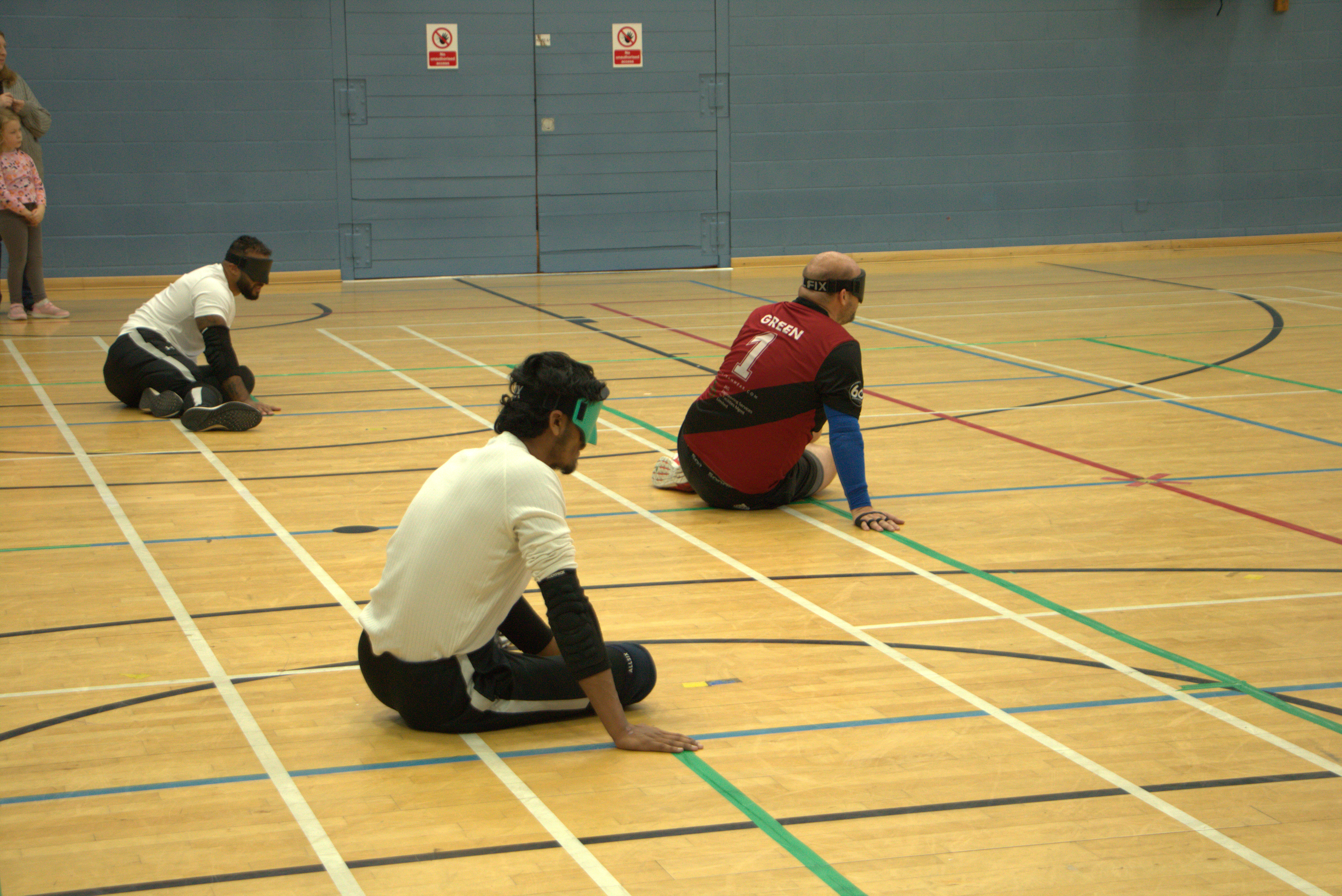
The second image I chose was one that I have previously took of people playing goalball. When I took these image I had no knowledge of how to use a camera so was just guessing and therefore, post production editing is vital.
Before:
After:
For this image there is a very clear difference. I drastically increased the brightness, lowered the contrast and increased the vibrance.
The original image was very dark and quite yellow toned so in order to counteract these issues, i made the image brighter and more vibrant. It adds a crispness and freshness to the once dingy looking image and make the quality better.
I also cropped out the two bi-standards as they do not add anything to the image and are therefor, not needed.
TRAD Collective are making their name in Leeds after their recent move to the city centre
TRAD Collective an award winning sustainable second-hand store, has recently made the move from Headingley’s high street to the city centre.
Sandwiched in-between some of the biggest names on the UK highstreet, TRAD Collective have made their name as the best rated vintage store in Leeds.
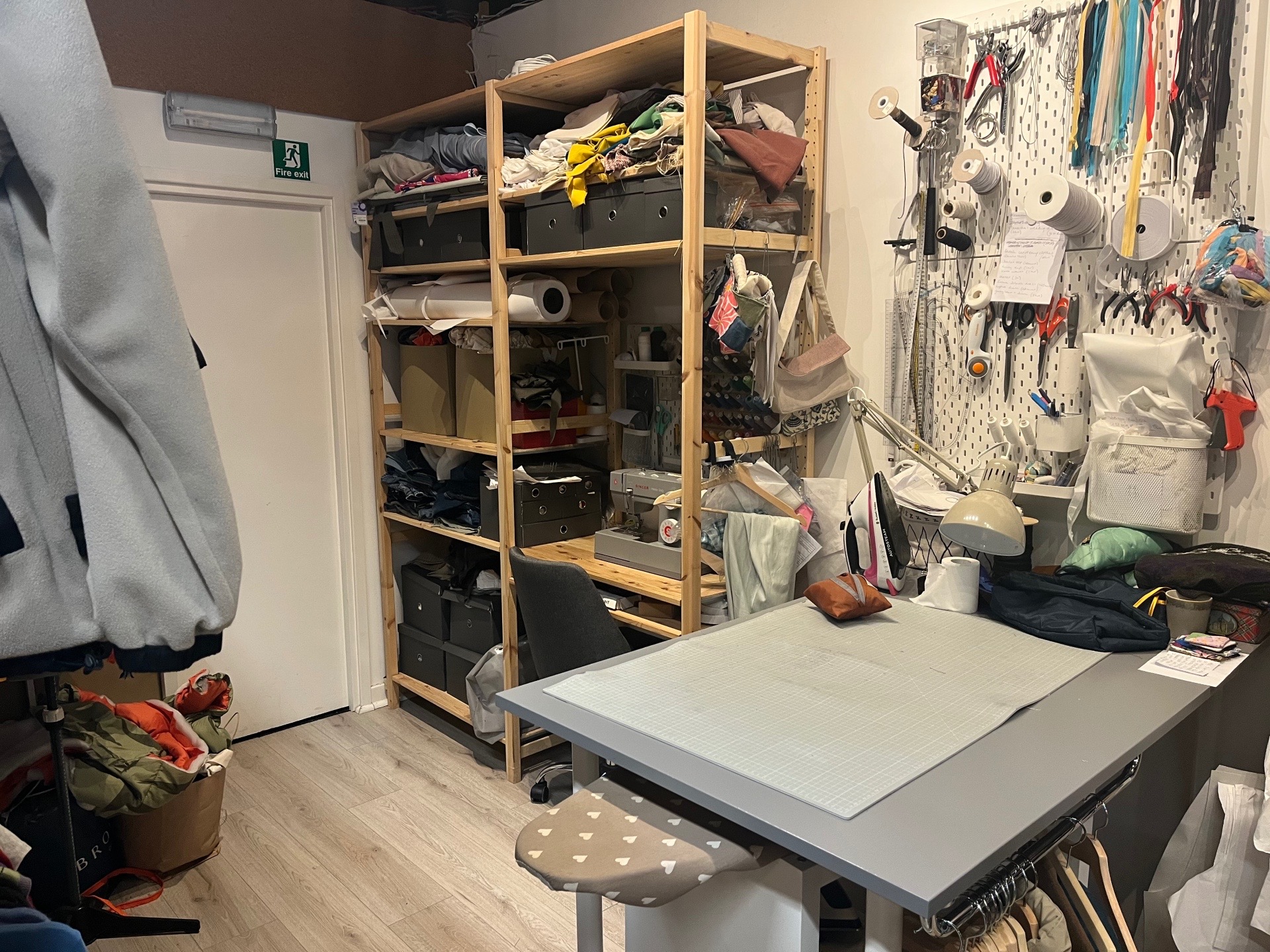
James Fennwick, co-founder of TRAD Collective said: “We’re the only vintage store in Leeds to have its own instore sewing studio. This means if you find something you like here but it doesn’t quite fit you, we can alter that for you.
TRAD Collective is the only vintage shop in Leeds that has its own in-store sewing studio
Despite the move being mostly positive, some customers were not so happy. Grace Saunders, a regular customer, said: “I found the store when I was in Headingley and it was just round the corner. Now, I have to make a journey to it, which I will do cause I love it, but it’s not the same.”
However, for the owners of the second-hand store, buisness is better than ever as they recently were awarded Best Indie at the Smart Work Awards this year. Fennwick said: “We were so happy to finally win this awarded, we were nominated three times. Its nice that our hardwork has paid off.”
As the new year begins, TRAD Collective are looking to get their name out there with a whole avriety of new lines and innitatives to get people shopping sustainably.
In 2025, Leeds and Dortmund will celebrate 56 years of being twinned cities, a partnership dating back to 1969 – a fact relatively unknown by local residents.
Leeds’ “Man with the Barrel” statue sits in Dortmund Square, aptly named after the twin city who gifted them the statue in 1980, as recognition of the goodwill between the two places.
“Man with the Barrel” in Dortmund Square | Photo by Joseph Poole
The statue has cheered up Leeds citizens for over four decades, however, not many people are aware of the story behind it.
One Yorkshire local showed their surprise behind the Dortmund connection: “I had no idea, I see the statue every day but I never knew the significance.”
Another person claimed: “I thought the barrel man resembled the city’s drinking culture.”
City twinning is not so common nowadays – it was more of a post-Second World War phenomenon, with European cities setting up connections to promote peace and understanding between communities that were once at odds with each other.
In a world of uncertainty, Leeds’ “Man with the Barrel” provides a necessary beacon of positivity and a reminder of the importance of cooperating with our European neighbours.
Dortmund is home to the world-famous football team Borussia Dortmund, who play in the top tier of German football.
Signal Iduna Park, home of German football outfit Borussia Dortmund | Photo by Joseph Poole
The German major city has its very own “Barrel Man” situated in ‘Platz von Leeds’ at the centre of its urban area.
In a world flooded with conflicting problems like climate change and ongoing war, humanity now finds itself met with another growing controversy. Will the world’s economy be completely wiped of cashflow upon our globe’s shores? Will this burn a hole in different pockets of society, or could it hold lots of benefits and make complete ‘cents’? The progression of a cashless society feels silent, as adolescents may not notice the closure of a bank, whereas the elderly may hear that shift a little louder. Weighing up the financial benefit of a cashless society will be the objective of this article, alongside a closer look at how the tides are changing in the UK.
Let us begin by diving into what a cashless society is. One may think it is a dumb query to ask; will cash still exist and will it still be seen as legal tender in the years to come? This is not the case. Our forecast projects that countless countries will be cashless by 2045 onwards.
Of course, cash will still be around, but it may disappear from ‘polite society’ and the daily lives of the average person. Even if we have completely moved to biometric methods to complete transactions, like thumb prints, cash will still exist. It will just be irrelevant. Count Zero, a book written by William Gibson in 1995 follows a man in an upcoming future that quotes “It wasn’t actually illegal to have (cash), it was just that no one actually did anything legitimate with it.” Although the book is a mere prediction of the way things may go, it puts forth the notion that cash will still be around but will find underground importance rather than living on the surface habiting are wallets and pockets. David Birch, a global commentator on digital and financial services said in a Forbes article: “This is a plausible vision of the not-too-distant future.”
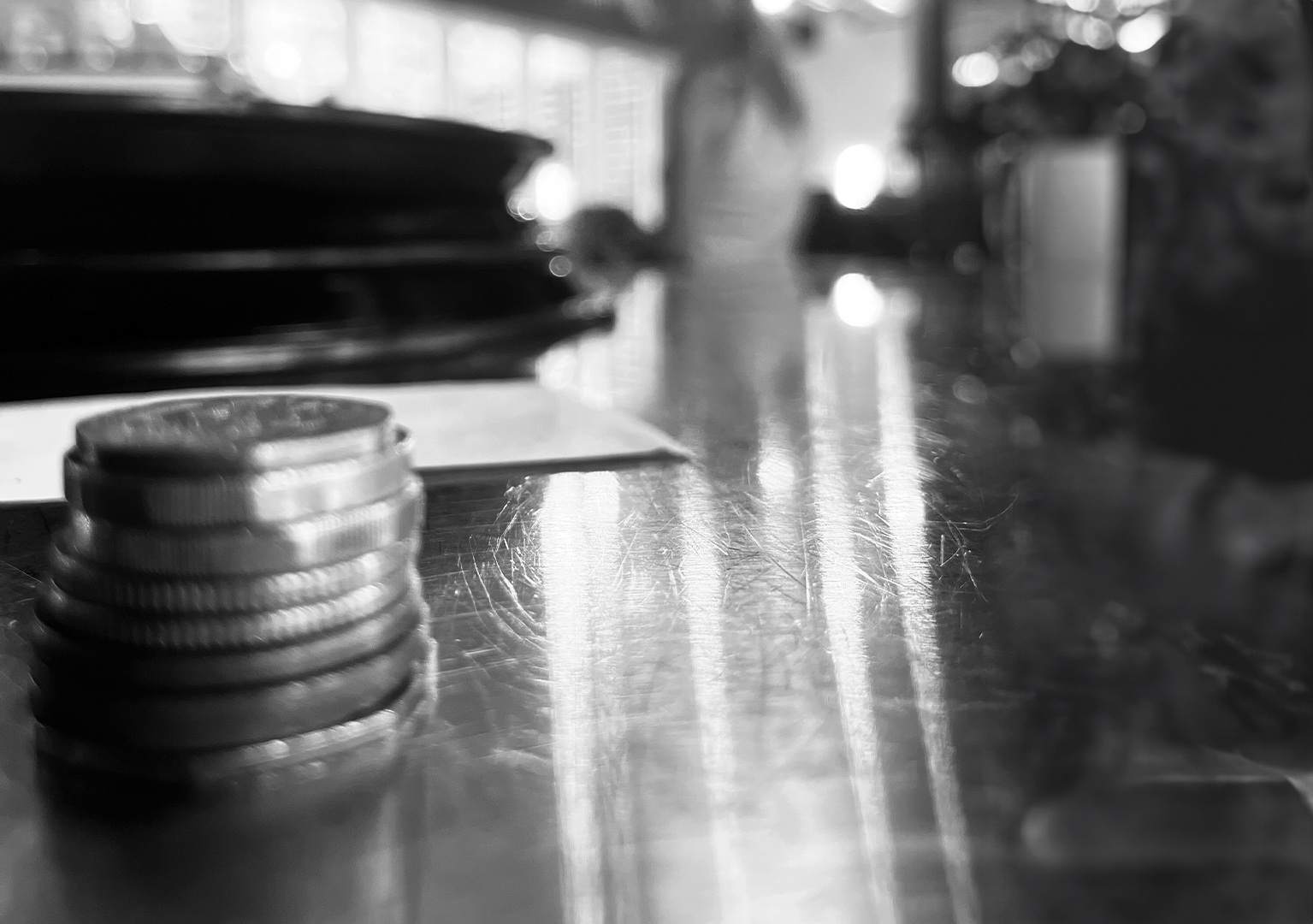
Cash will still be legal tender but may just not matter as the UK heads towards digital transactions only. Photo – Daniel Tandy
“Cash? People only get cash out for drugs nowadays” quoted by a group of students from University of Leeds when interviewed about the use of cash today. This speaks on behalf of a generation who have grown up alongside mobile phones and debit cards, however this would be a total contrast in the way older generations have been brought up, meaning their view on the importance of cash may be distinctively different. Having said that, let us look at some of the pros and cons of a cashless society.
For many living in an ever-growing digital world, being cashless is simply more convenient. If a person has their card at hand, they have immediate access to all their cash holdings. Even without a card, the effortless way in which people can add a card to their phone and rest ironically above a cash reader to make payment, is what makes digital transactions practical and timesaving. This saves people the trouble of wondering how much money they should take with them, leading onto the next point. Crime rates…
With cards being freezable, many can be seen carrying their card in their phone case making them visible to criminals. Photo – Daniel Tandy
Walking around with physical cash could make you more vulnerable or valuable to a thief. If money has been taken from your wallet, then the chances of tracking it and proving it as your own are very slim.
The rise in use of biometrics holds lots of advantages in preventing crime in a cashless society: individual physical and behavioral characteristics personal to you are measured making fraud a much smaller risk. Advancements like embedded microchips, Near Field Communication technology, Address Verification, digital wallets, and even artificial intelligence payment systems will be acting as digital doormen to your finances, protecting cashless payments.
With the increase of contactless payments, it seems cash tips are much harder to come by in hospitality. Photo – Daniel Tandy
Despite this being alien to an older generation, vulnerabilities they face such as infectious diseases ,like Corona virus, are considerably harder to be passed on with the use of non-contact payments. Dirty money by ‘Serhan Cevik’ states although there is no unambiguous evidence on the transmission Covid 19 had through cash, the attitude towards risk linked with the use of bank notes and coins is enough for courteous behavioral changes.
When travelling you may need to exchange your cash for local currencies, however if you happen to be going to a country which had already taken a cashless approach the impending predicament of predicting your exact holiday spendings goes out the window. For travelers, this next point may raise some interest, foreign ATM’s may also charge a higher exchange rate than if you were to simply double tap that convenient apple pay button on your phone, which converts your money to their currency in seconds.
Physical exchanges have been a fundamental part of society, all starting back in 1000BC, when the Chinese imitated cowry shells out of bronze and copper as thus created the first ever form of currency. So, it is important to note that these ‘benefits’ of a cashless society may only hold value towards those that have not relied on cash or physical exchange as a means of getting by from an early age. It may not have been precedent to Gen Zs for instance to use physical money in their daily lives hence why the advantages of a cashless society to them may be apparent. Whereas for the older generations this rips them away from what they know, stripping them of a sense of familiarity and comfort.
Nationwide branch staff said: “Majority of people who come in are elderly with some exceptions of mums and students who need help balancing finance.” Photo – Daniel Tandy
Cashless transactions will unlikely be beneficial to everyone: the Access to Cash report, published prior to the pandemic in 2019, one in five UK nationals could be forgotten in the move to a cashless society. Elderly people may find the likes of online banking a challenge as they have not been brought up with it, unlike the tech savvy children of today who take it for granted.
One may be lured into overspending through the ease of cashless transactions. Simply, physical cash that you can hold and take out your wallet or pocket to purchase something could help give spenders more notice to how much money they are using, opposed to income-ing debt that tapping, swiping and clicking may have on careless consumers. New budgeting methods may need to be formulated.
Criminals may be after your physical cash, but the birth of cyberthief’s means one’s digital currency could also be at risk. The worry of sophisticated hackers exploiting your online details is very real, especially those who are vulnerable like elderly people or young children. The Economist covered a huge hacking incident where a sole hacker managed to steal 107 million people’s details from Capital One bank in a matter of days. This was an astute invasion of millions of people’s data that even the most discerning could fall victim to.
Not only would online information be in danger from hackers, but democratic collapse in a country could mean those deemed as ‘responsible’ could take advantage of your information. For instance, if you were living in a society which shifted from a secure democratic outlook to protecting consumer information, you may be ok. A society, however, where the government wants to keep closer tabs on what people are doing to get control, means personal details could be exploited for intrusive gain. An increase in surveillance: digital transactions can be recorded by governments, therefore is easier for them to track individuals‘ spending activity. In an undemocratic ruling system, this could be used to control dissenting voices and political opposition.
In a world where phones listen to us to target us with personalised advertisement and algorithms on apps like Instagram and TikTok constantly analysing our usage patterns, it feels like online anonymity is like trying to find a viral video with no views. Cash transactions offer a degree of anonymity and privacy that digital payments do not. Often internet users now rely on VPNs to avoid their internet activity being tracked, so using cash will let them hold on to some privacy still. Although cashless transactions seem convenient, they are accompanied by little spies who follow you around the web that come in the form of delicious ‘cookies’. Like these sweet agents of the internet, if a democratic government crumbles, the loss of cash may pave way for online payments facing snoopy government scrutiny providing them with even more means for control over the public.
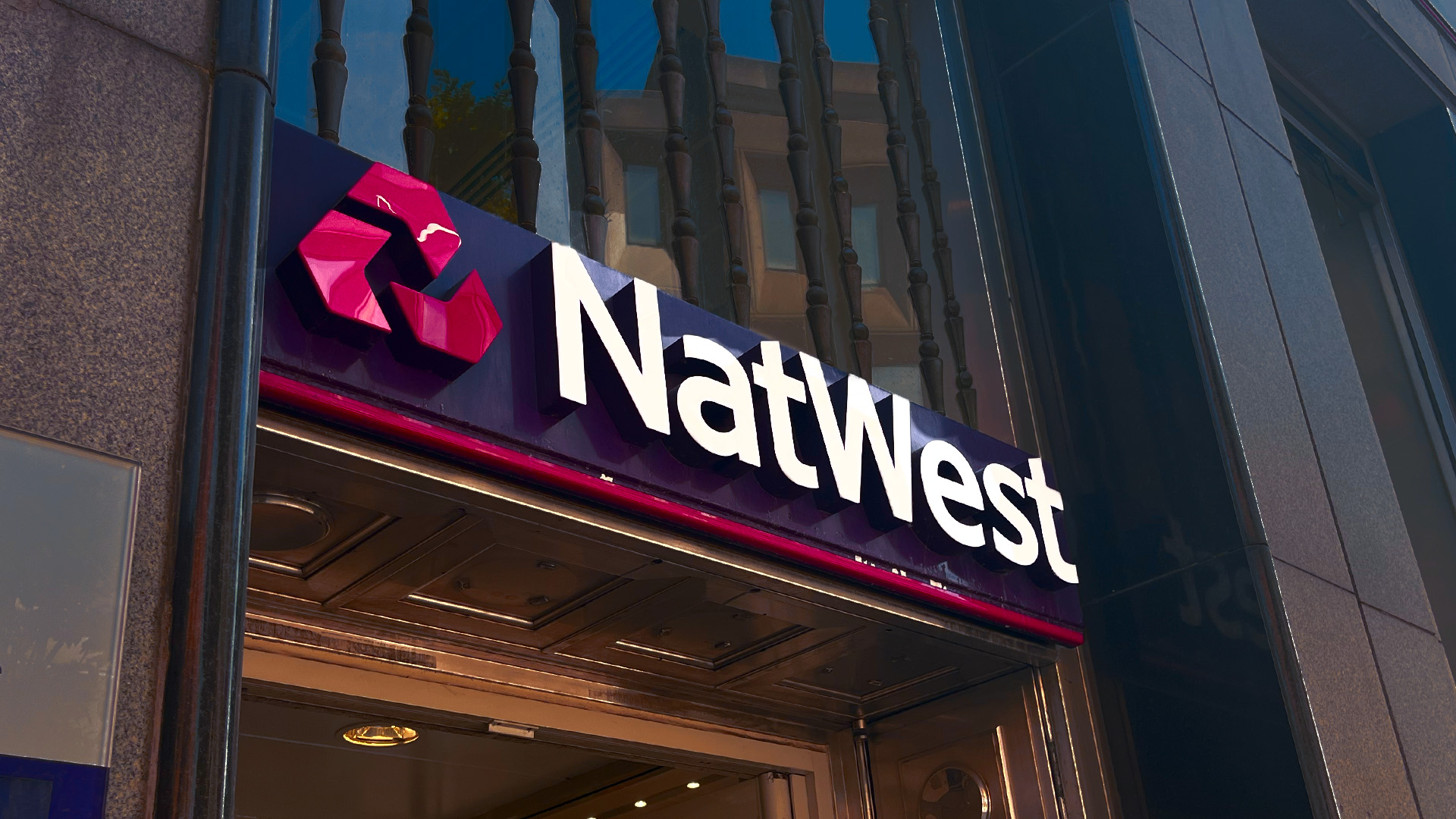
NatWest branches promise customers they will have open branches for a few years to come. Photo – Daniel Tandy
Those who are ‘unbanked’ in today’s world and cannot get access to a bank, are therefore excluded from any gain of a cashless society. According to Britannica, these could be deemed as ‘poorer’ people potentially referring to members of society like the homeless or those who are out of prison. A paperless system could essentially exacerbate social inequality as those from poorer or marginalised communities may not have any way of accessing the digital world of payment.
TSB branch in Leeds projected to close in upcoming years. Photo – Daniel Tandy
There is a wealth of arguments for and against a cashless society, but you can bet your bottom dollar that it’s fast approaching either way. GBN (Britain’s News Channel) reported that the number of bank branches that have closed since 2015 has exceeded 6000 after analysis from ‘Which?’. TSB have now confirmed 36 of it’s branches will cease operations from September 2024 to May 2025. Other banks which will be following suit in the next upcoming months include Barclays, NatWest and Royal Bank of Scotland.
Jenny Ross, Which?’s money editor explained: “while many are making the switch to online banking, it would be wrong to assume that banks are no longer required or wanted by millions of customers who use it to manage increasingly tight household budgets during the ‘cost of living crisis’.” Figures from UK finance stated in 2021, 23.1 million consumers used cash once a month or not at all in comparison to 13.7 million the previous year. The number of cash payments decreased by 1.7% to 6 billion, while remaining the second most common form of payment, making up 15% of all payments made in the UK in 2022. There is no doubt with cash becoming even less popular these figures may have increased to even fewer spenders using cash.
Contactless payments jumped up by 36% from 2020 to 2021 and were responsible for a third of UK payments made. 58% of card payments were made via contactless. The way in which people could use contactless expanded when the limit you could pay went from £45 in 2020, to £100 in 2021. Today in 2024, Apple Pay has no limit at all, meaning consumers can use their mobile to make any contactless purchase at any price.
With contactless payments increasing substantially each year, will there be a need for cash? Photo – Daniel Tandy
Adrian Buckle, Head of research at UK finance said: “Cash usage fell slightly, although remained the second most commonly used payment method. These are trends we expect to continue over the next decade, alongside a continued decline in cheque use, and an increase in the number of people using remote banking.”
Norway, Sweden and Finland are leading the way of cashing out on a society which uses physical currency. The majority of Sweden’s bank branches are no longer handling cash, while most restaurants and shops only accepting card or mobile payments. The UK will follow the footprints of Sweden by being predominately cashless by 2045 according to UTP group.
The opening of ‘banking hubs’ by major high street banks – in ties with the Post Office – will welcome an answer for those who still want to manage their money at a branch. Furthermore, the Financial Conduct Authority (FCA) has planned new rules so that people can still get acess to cash by ensuring banks still provide ATMs. This has been partially added to UK government law from 2023. Moreover, the FCA has been bestowed powers to make sure most people will have access to a free ATM within a mile from their home or three miles for people from rural areas.
Andrew Griffin, Secretary to the Treasury said: “Cash still has an important role to play. That’s why we are taking action to protect access to cash in law and laying out that this means fee-free withdrawals and the availability of cash facilities within a reasonable distance.”
A cashless society feels imminent for the UK with other countries having progressed already to a completely paperless system. A gradual but profound change which will impact government, business and individuals across the world. Unmatched convenience, fraud reduction, security and more are just some of the benefits to heading to a cashless society. Undoubtedly, there will be drawbacks like digital exclusion and cyber security.
The use of Cash in the UK is depreciating every single year. Photo – Daniel Tandy
Our world of commerce is changing whether we like it or not. Will a cashless society sow together the stitches to greater transparency and convenience? Or will our material world crumble as we go from contactless to contact-less as AI send our grandchildren a digital ‘10 credits for your birthday!’ instead of a card and a £10 note.
A look into how the boundaries society imposes on gender expression can affect drag culture from reaching its full potential
By Amelia Canty
Since the dawn of time itself, humans have been looking for ways to make sense of the world we live in. Inherent to human nature is the desire to understand what we are, and more importantly, who we are. Embedded in our curiosity is a need to define, box and label, in order to comprehend where, as individuals, we belong.
The biological differences between a man and a woman are arguably the only concrete factors setting us apart. What we have come to know as sexual dimorphism – something so simple – has transcended into seemingly irreversible social conditioning regarding the differences between a man and a woman’s capabilities. These findings have rooted us in a society built on the foundations of patriarchy, defining our roles and establishing our limits as people based on the sex we are assigned at birth. Sexism and toxic masculinity are accessories to our triumph in creating, what was thought to be, a perfectly functioning society. Although now, after being fuelled for so long, their rigidity surpasses the efforts made by those who challenge the very ideas that birthed them.
The same goes for that of gender expression. Destructive behaviours and attitudes that follow when society feels the need to label and file away anyone and anything that pushes the boundaries of what it understands to be conventional, is inevitable. Establishing firm archetypes and integrating them into the bones of a functioning society has always been present, yet people are complex, and no two people fit into the exact same box. Remaining regimented to expectations of what it means to be a man or a woman – be it in terms of presentation or capability – is a learned concept, not a natural one. The very idea of fluidity, in terms of gender and sexuality, is something people have always been exploring in the shadows.
Joe’s body posed
William Shakespeare himself was amongst the first to push the boundaries of gender expression; the birth of drag occurred on his stage. Given there was no place for a woman in the theatre, the term was coined after the long dresses men wore to play a woman’s part would ‘drag’ across the floor.
Although this very notion of expression potentially only occurred from the absence of a woman’s presence, the flamboyancy of the characters depicted a lack of acceptance for the two-gender norm. His influence and attitudes were carried through to society, were the vivaciousness of men in their ‘gender-bending’ and ‘cross-dressing’ were celebrated later off the stage too.
As reported in the Telegraph, Professor Sir Stanley Wells and Dr Paul Edmondson recently conducted a fresh analysis of Shakespeare’s 154 sonnets from the 1609 edition, in the order in which they were most likely written. Adding the sonnets from his plays, the scholars were left with 182 sonnets dating from around 1578 onwards. They found evidence strongly indicative of the much controversial suggestion that Shakespeare was, in-fact, bisexual. Needless to say, gender fluidity and sexuality are not explicitly linked, although this would suggest that given his poetic approach to challenging his era, and as a potential member of what has now become the queer community, he certainly wasn’t opposed to playing with the boundaries of gender and sexuality.
Joe exhibiting a serious face
To look at drag today, defined by The Conversation as “a temporary and deliberate performance of gender used to break down the limitations of masculinity and femininity”, compared to how it began, shows dramatic progression, albeit tainted with irony from its emergence.
Joe Harris, of Bradford, is a gender queer creative who has recently started experimenting with drag.
“Being non-binary, my interpretation of drag is more an extension of my personality as opposed to something that I’m creating. It’s more hyper-realised, more extreme. I think because I only recently got to understand that I am non-binary, I did push drag away from myself for a bit – I thought it was only really for cisgendered people who wanted to explore the other gender, which just isn’t the case. Drag is something that is for everyone. And it is something that is a process. It’s not just lip syncing, it’s not just death dropping, it’s not just performing, it’s not just looks – it’s everything and anything that that person or that entertainer wants it to be. It’s something that’s subjective and interpretable and can’t be defined”.
Joe’s fist pulling and stretching their tights out
Presently, drag encapsulates the all important conversation of exploring and accepting various gender identities which is increasingly becoming the most pressing one to grasp an understanding of. According to data giant Statista, in a global survey conducted in 2021, two percent of respondents from 27 countries currently identify themselves as transgender, non-binary/non-conforming/gender-fluid, or in another way of their own description. Considering the widespread discrimination faced by people within these communities, it wouldn’t be too far removed to suggest there are many more than what the statistics implicate.
RuPaul’s Drag Race is an extremely popular reality show which, when it hit our TV screens in 2009, was seen as a groundbreaking celebration of all things queer. In recent years, it has effectively turned drag culture into a pop culture phenomenon. On the show, contestants lip-sync, walk runways, do celebrity impersonations, design and create custom outfits and more, all in a bid to be crowned as the best drag show performer. It has taken a heavily marginalised subsection of society, and thrust them into the mainstream media’s spotlight, exposing many people to the ways in which gender constraints can be eliminated in a highly entertaining and engaging way.
Many queens themselves have claimed RuPaul’s drag race has been pivotal in helping to change attitudes towards drag. Drag queen and performer in the show, Charlie Hides, said it shows drag queens as “fully formed, three dimensional people with feelings and souls”. She continued: “We’ve been humanised and that’s important, that we’re seen as more than just a dancing freak. We’re actual people”.
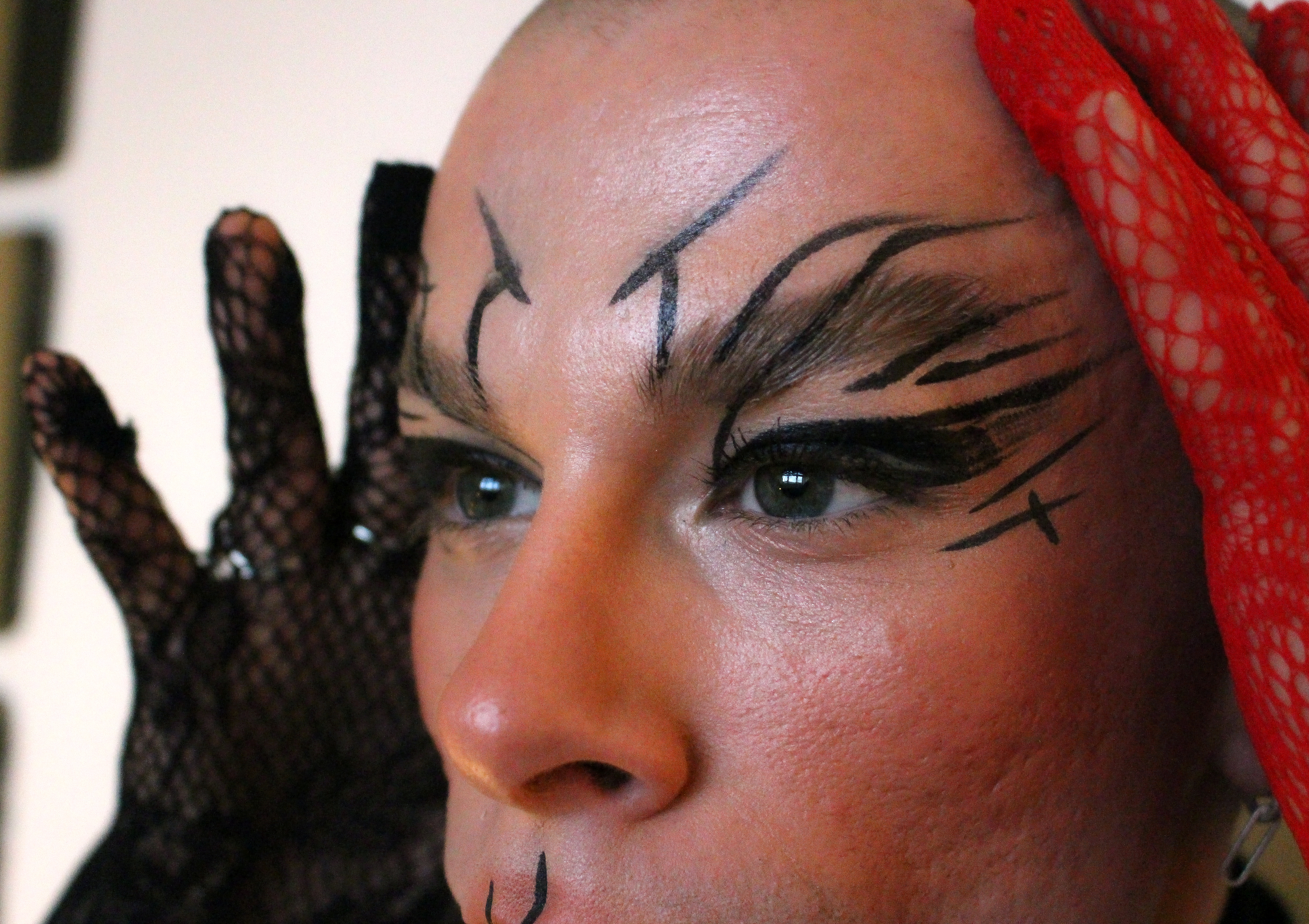
A close-up of Joe looking past the camera
For all the positive impacts it has served for the drag community, there is a darker side to RuPaul’s Drag Race, plagued by the restrictions defining and boxing can impose on something as progressive as the show.
RuPaul himself was recently at the center of a controversy regarding his comments and previous treatment over transgender queens on his show. Peppermint, an iconic New York City transgender performer, made the finals in season nine. In an interview with The Guardian, RuPaul stated he “probably” wouldn’t have admitted a transgender woman like Peppermint, if she had already started gender-affirming surgery. In response to growing backlash to his comments, he later took to Twitter to justify his position: “You can take performance enhancing drugs and still be an athlete, just not in the Olympics”.
As aforementioned, the emergence of RuPaul’s Drag Race into the mainstream media has largely expanded its target demographic in the past few years. Consequently, a large part of Drag Race is catering to straight people, commercialising drag culture to make it easy to understand, easy to market and more likely to be a hit. Within this pursuit of making drag appealing to everyone, the heart of it – arguably one of the purest forms of self expression – has seemingly been lost in translation.
Drag is something that is for everyone. It’s something that’s subjective and interpretable and can’t be defined.
Joe Harris, non-binary creative
RuPaul’s compromising – subconsciously or not – on the core of what drag stands for, is testament to the idea that people naturally seek out things they know to work and understand the functions behind, becoming reluctant to respond to changes, whether it’s necessary or not. The introduction of transgender queens and non-binary queens upsets the status quo within what mainstream drag showcases. The idea of it not just being a man or a woman cross-dressing pushed the boundaries of what everyone has, owed to its portrayal within the media, become to understand as drag. Boundaries prevail, even within a space that is supposed to be a safe haven to those from the queer community; there is fear in the unknown, even in drag.
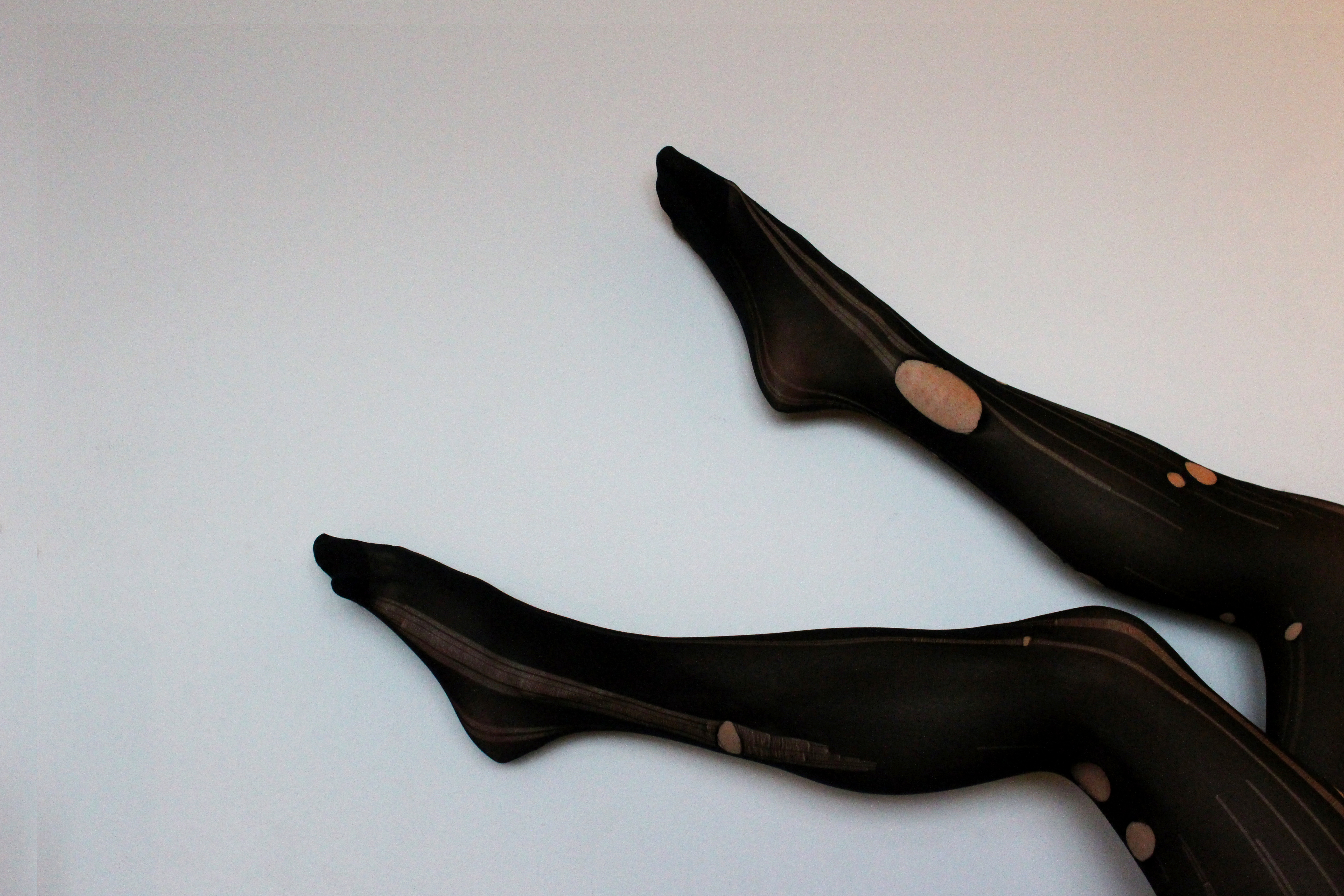
Joe’s legs staged for the camera
The importance of determining clear cut vocabulary and establishing distinct definitions when you’re in control of such powerful narratives is crucial. A pattern has emerged within the mainstream media of discussing trans people and drag queens synonymously, which isn’t only insulting to queer people’s identities, but also dangerous when a person not part of the queer community is using it as a means of education.
Joe Harris explained their frustration at the lack of awareness cisgendered people continue to possess surrounding the boundaries of gender.
“It’s just not our responsibility to explain ourselves or justify ourselves to someone just because they want to know more. I don’t owe you anything. I think what a lot of straight people and cisgendered gay people do not understand, is that a lot of genderqueer people have had to explain themselves their whole life; with different people, in different jobs, in different education. I explain myself all the time. I explain what my pronouns are, what I identify as, I still get misgendered on the daily and I just think, I have to experience that for something that is so natural to me, but so complex to someone else”.
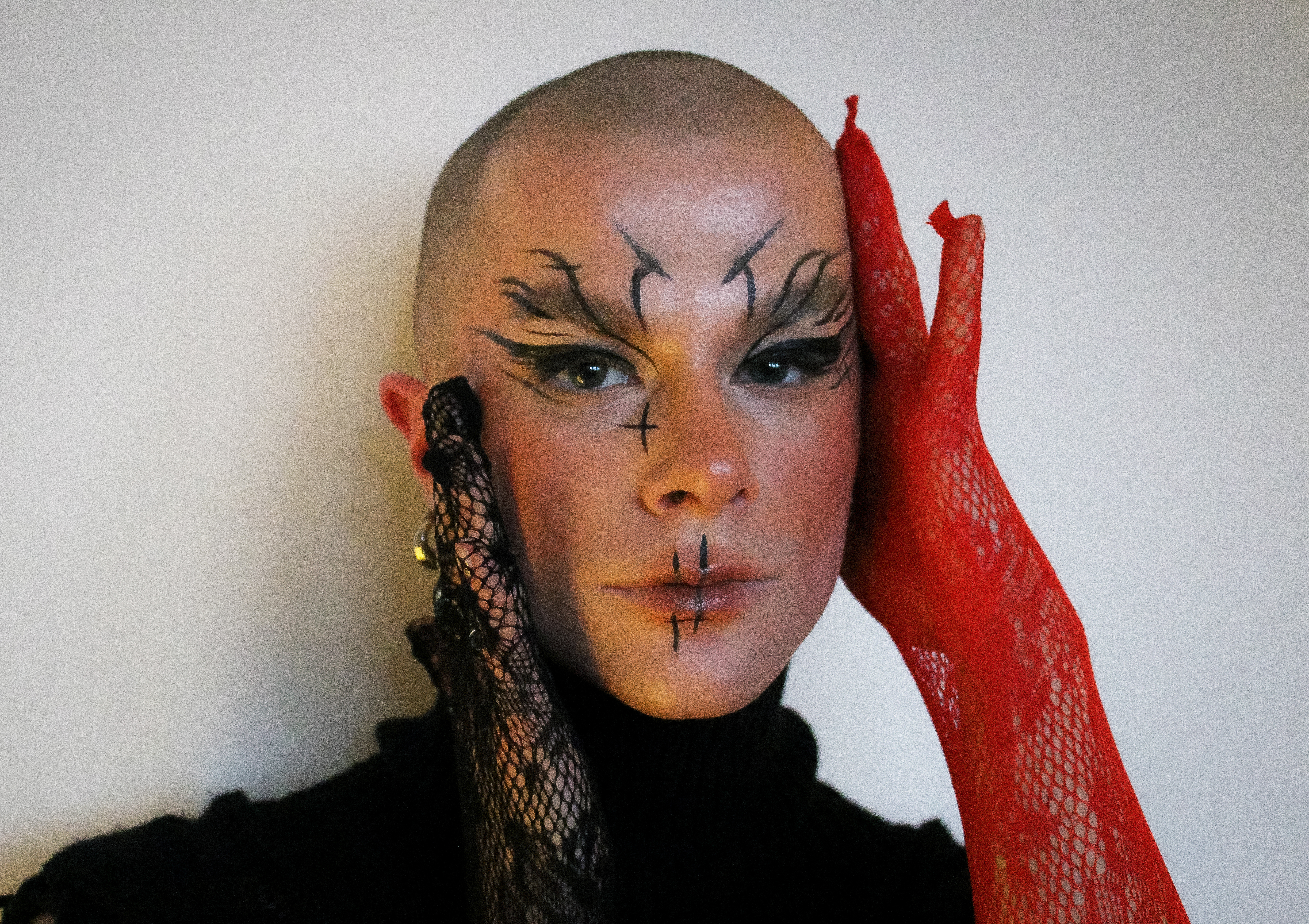
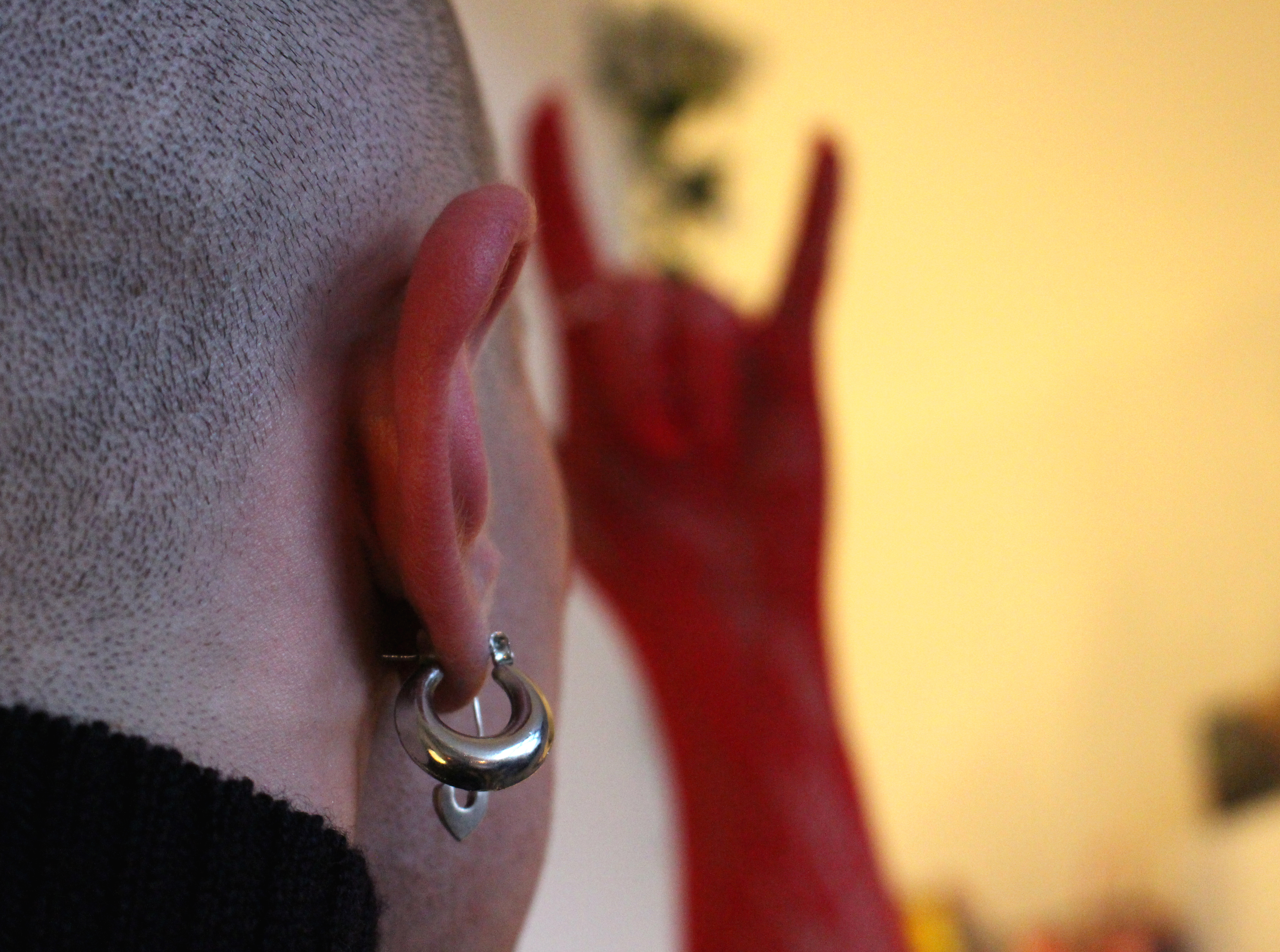
Joe posing with their hands resting on their face A highly focused photo of Joe’s earring from behind their shoulder
The restrictions in perceiving gender as a binary have been acknowledged at an institutional level by 10 countries. Currently, Australia, Denmark, Germany, Malta, New Zealand, Pakistan, India, Ireland, and Nepal offer gender-neutral passports. The UK failed in becoming the 11th country after activist Christie Elan-Cane’s efforts were in vain. Elan-Cane, who identifies as “non-gendered”, took a case to the UK’s High Court to get the Home Office to provide “X” passports, meaning people would be able to enter “X” instead of “M” or “F” in the sex category of their passports. Unfortunately for her, the Home Office ruled they did not have an obligation to do so.
Speaking to the Guardian at the time, they said: “The UK’s passport application process requires applicants to declare whether they are male or female. It is inappropriate and wrong that someone who defines as neither should be forced to make that declaration”.
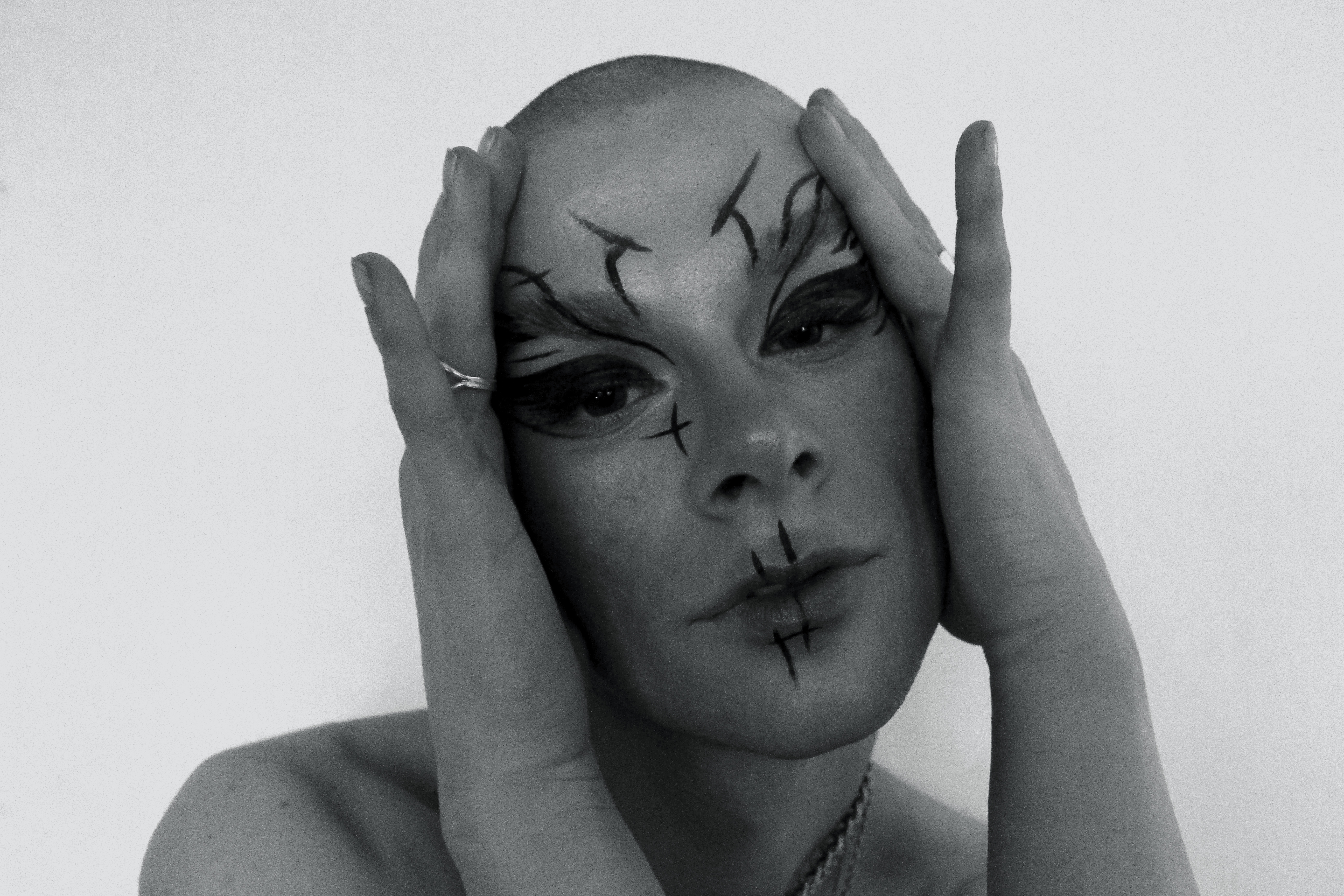
Joe’s side profile adorning a highly stylised pose
North America is home to an indigenous community named Two-Spirit. Within their society, gender non-conforming members have been celebrated since at least the 1800s. As the 1992 documentary Two-Spirit People explains, individuals who have both masculine and feminine qualities are seen as conduits between the physical and spiritual world, and are therefore revered and put in positions of power within their communities.
The foundations of their functioning society resides on the belief that in order to be an enlightened being, you have to understand both femininity and masculinity, and how they are both a part of us. To them, understanding the fundamentals of gender fluidity is essential to being your own higher being – they don’t accept, or need to accept, gender binaries as a basis of understanding people. Seemingly, it is majorly the West that uses these methods of classification to understand who people are.
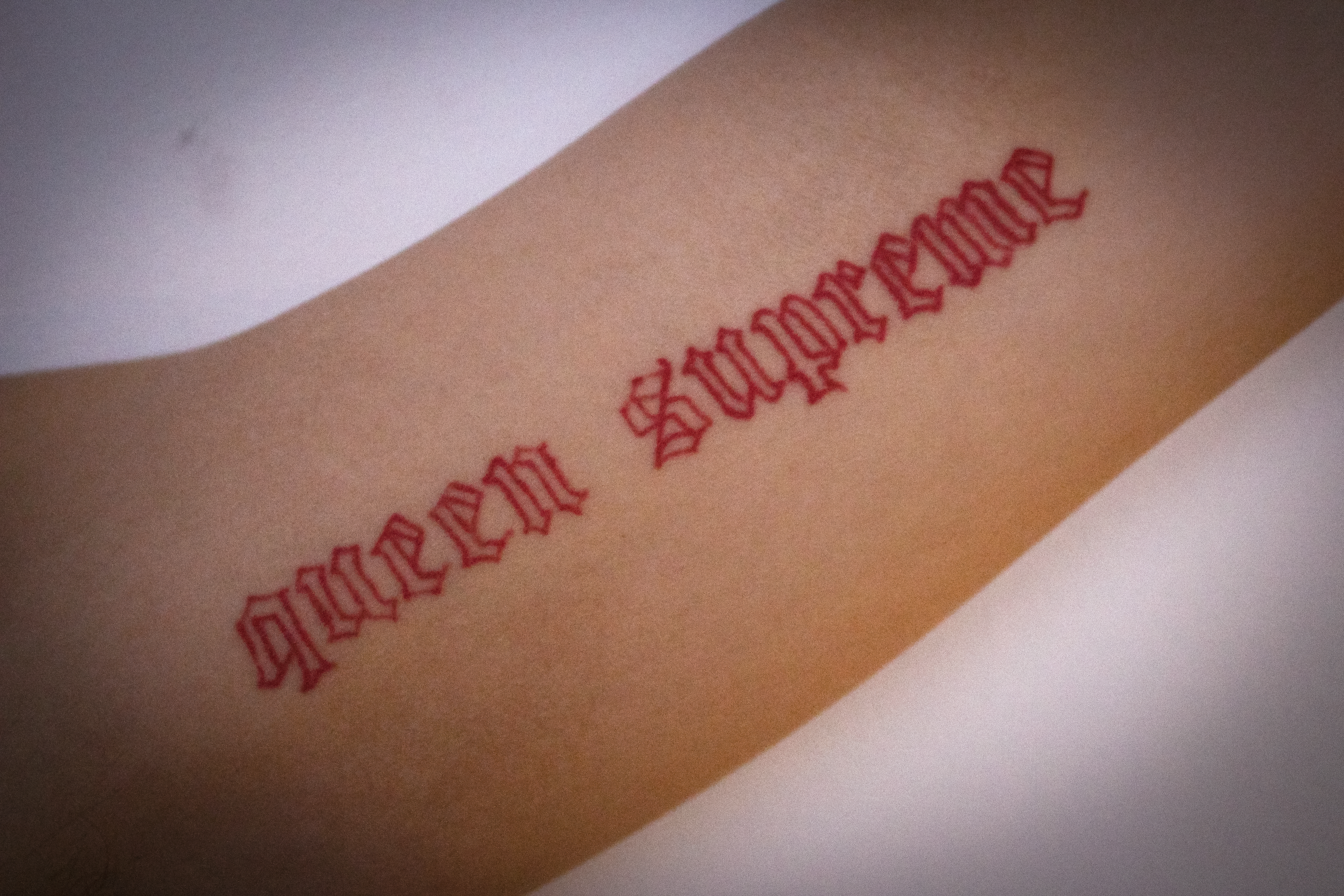
Joe’s tattoo reading ‘queen supreme’
When discussing how they used drag to surpass boundaries that restricted their own understanding of themselves, Joe emphasises the importance of internalising, before you can externalise.
“I’ve never felt more in control of myself, or more understanding of myself being in the position that I am today with my gender identity. Drag is only helping that, it’s only encouraging me to go deeper. I would now go out and do a look as a man – for almost 22 years of my life, that was something that I was so uncomfortable with – whereas now I can see beyond that, I can see beyond my once-desperation to present feminine, so I’m not scared of it anymore. I don’t care what anyone thinks of me because I’m okay with it. I’m comfortable with me”.
Joe staring head-on into the camera
Considering where we stand today, with more informed, more transparent and less prejudiced conversations, especially amongst our future generation, it seems the prospect of beginning to unlearn centuries worth of overbearing boundaries is potentially feasible. Early exposure and education has the ability to remove the fear we possess of the unknown within our society, and reduce the temptation of attempting to pigeonhole someone or something into a category within your individual realms of understanding.
For those who are members of the queer community, it seems as though drag is a fundamental art form which will continue to be regarded as a safe space for self expression.And to those genderqueer queens who have been looking in on what should be your home, your way is being paved now.














 Photographic Journalism
You must be logged in to post a comment.