Tattoos are highly common around the UK now, in the past they used to be quite the “taboo”. Many people get tattoos, just to simply get a tattoo. While others get tattoos because of more meaningful reasons.
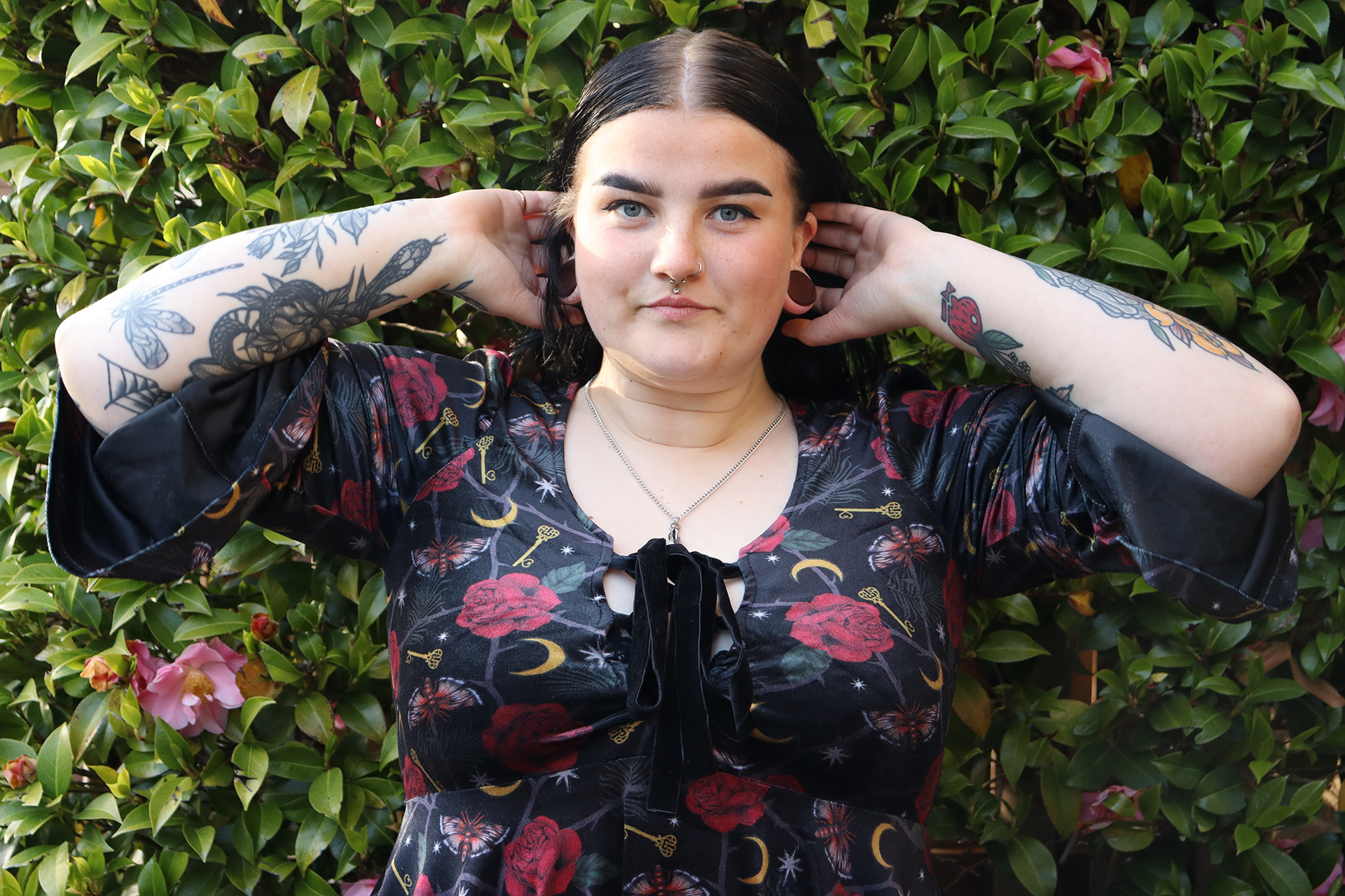
Raianne Roche has different tattoos on her body, and some have a hidden story behind them.
According to comparecamp, 35% of inividuals in the UK have tattoos.
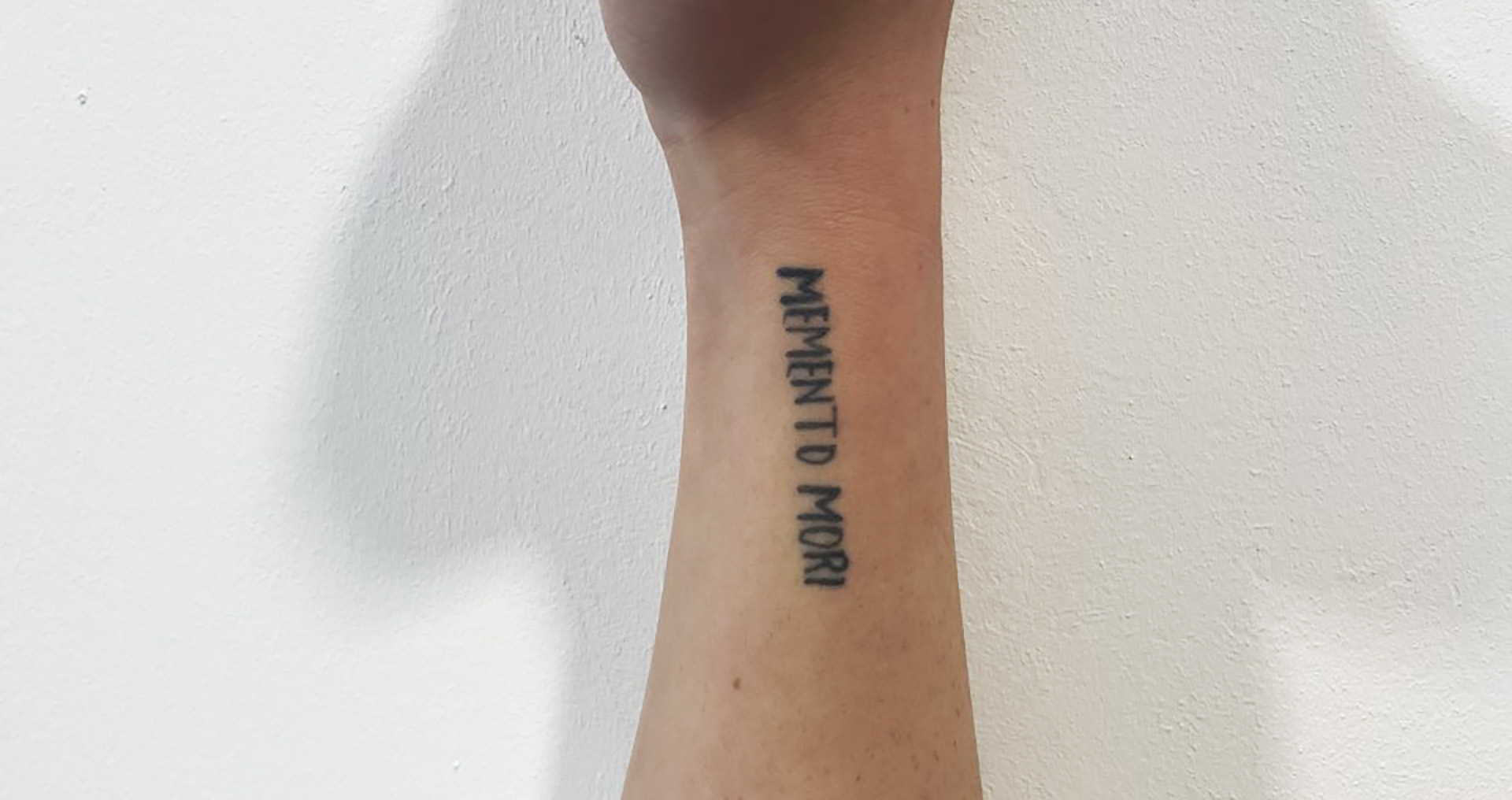
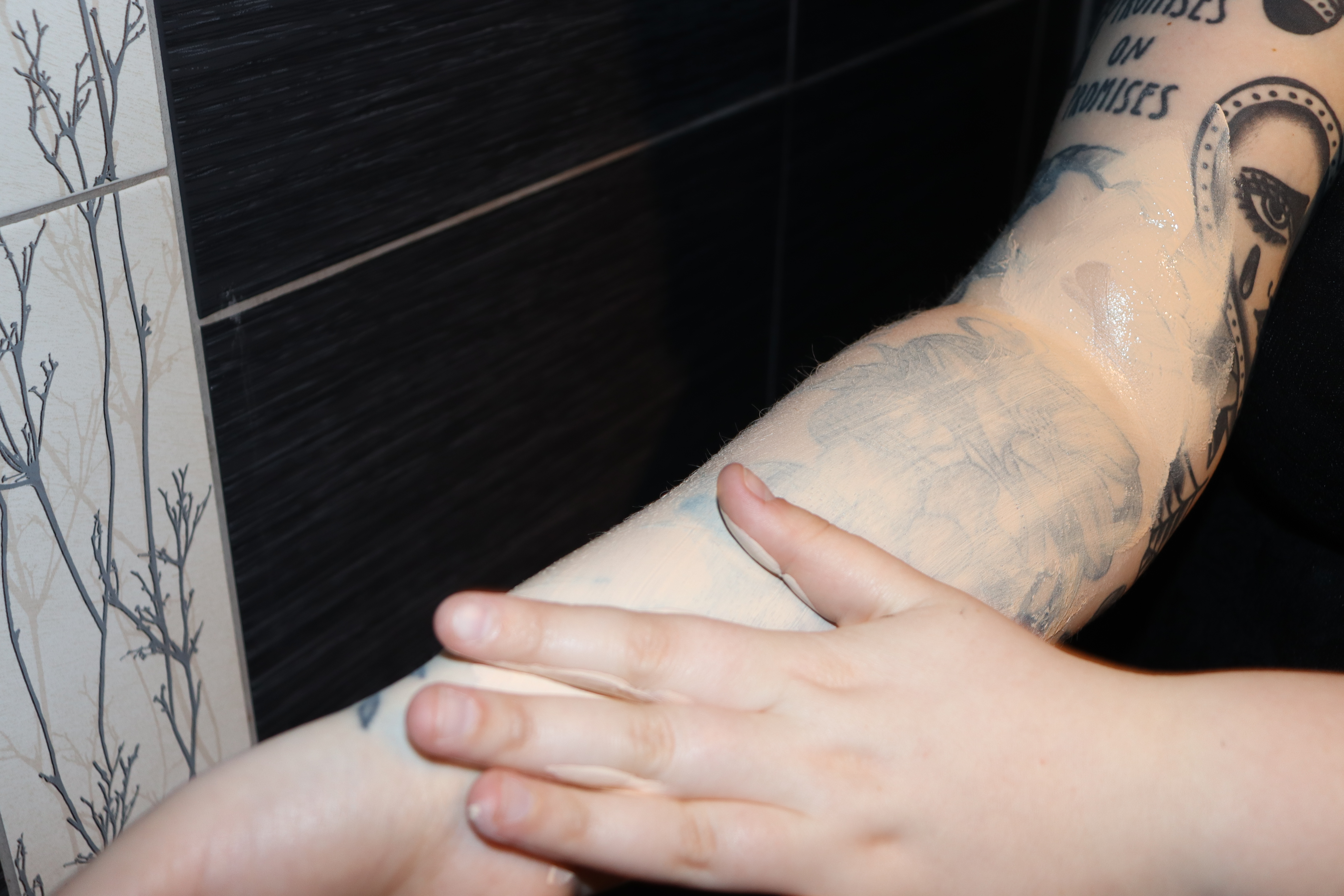
This tattoo means “remember you will die” in Latin. Roche said: “it’s a nice reminder to live life everyday as the end is always impending.”. Roche likes to be aware of how precious and fragile life is.
Roche has matching tattoos with her family.You have to be 18 and over to get a tattoo.
Roche shares tattoos with her family. She explained that they have a family tradition on each one of their 18th birthdays. Roche said the heart tattoo was: “a commemorative tattoo for our family as it was my sisters 18th birthday.”
Roche further explained her butterfly tattoo on her ankle is what she got when she was 18 years old, saying herself and her family also got the same tattoo.
According to Next Luxury tattoos are on the second layer of skin.
Tattoos are permanent and Roche doesn’t regret a single one, she is looking forward to her next family tradition tattoo session.
Reflection
For one of my workshop tasks, we were asked to re do our first task. I decided to change story as I couldn’t find shots interesting enough to show off anti-home agriculture. I decided to go with the idea of meaningful tattoos as I could take numerous photographs that are interesting to the eye.
All photos went through Adobe Post Production where I edited the brightness and contrast so the tattoos were more visible. Overall I think I have showed improvement from week one with the ability to now use photoshop and the understanding involved in knowing a good photograph.
Originally I liked the idea of being able to take landscape photographs to tell a story and I did want to do this for my final assessment. However, I realised in order to do this I would have to travel to different places to show my story of “beauty being a short drive away” and lacked the time to be able to do this. I also realised I would have to talk to multiple people to make the story interesting, in the hopes to find niche inspiring stories on the little towns. After recognising this I decided to come up with another idea for my final assessment, I do however think my original idea is doable and it would be something I could potentially do in the future.
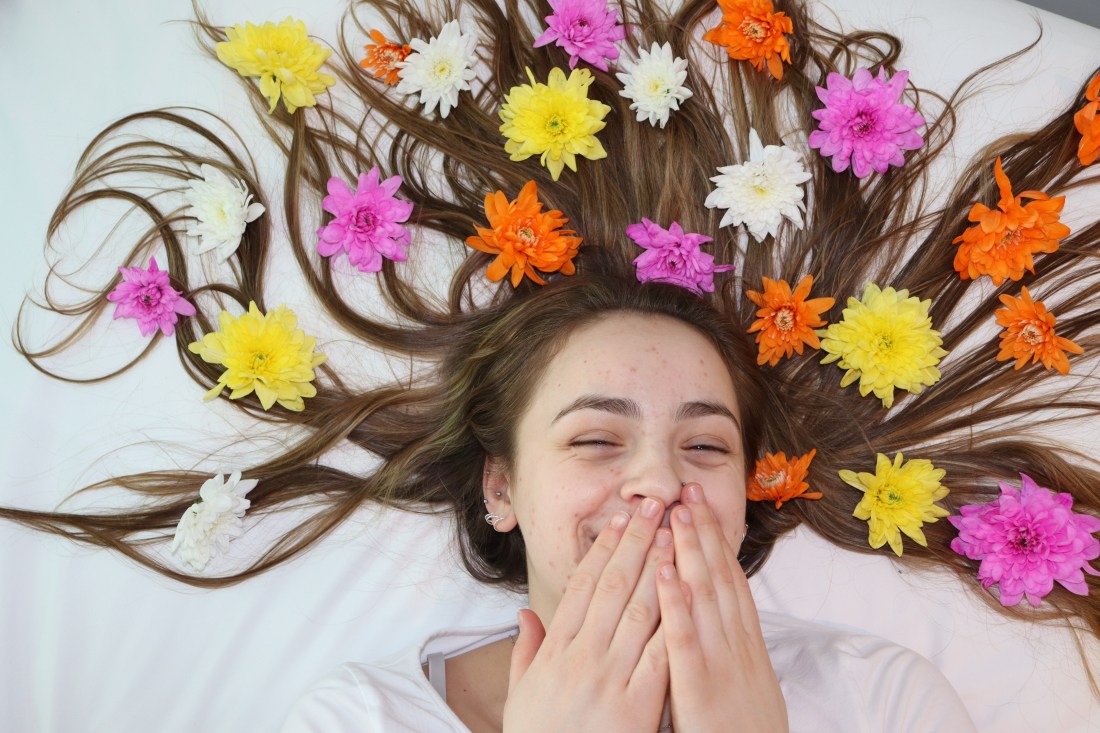
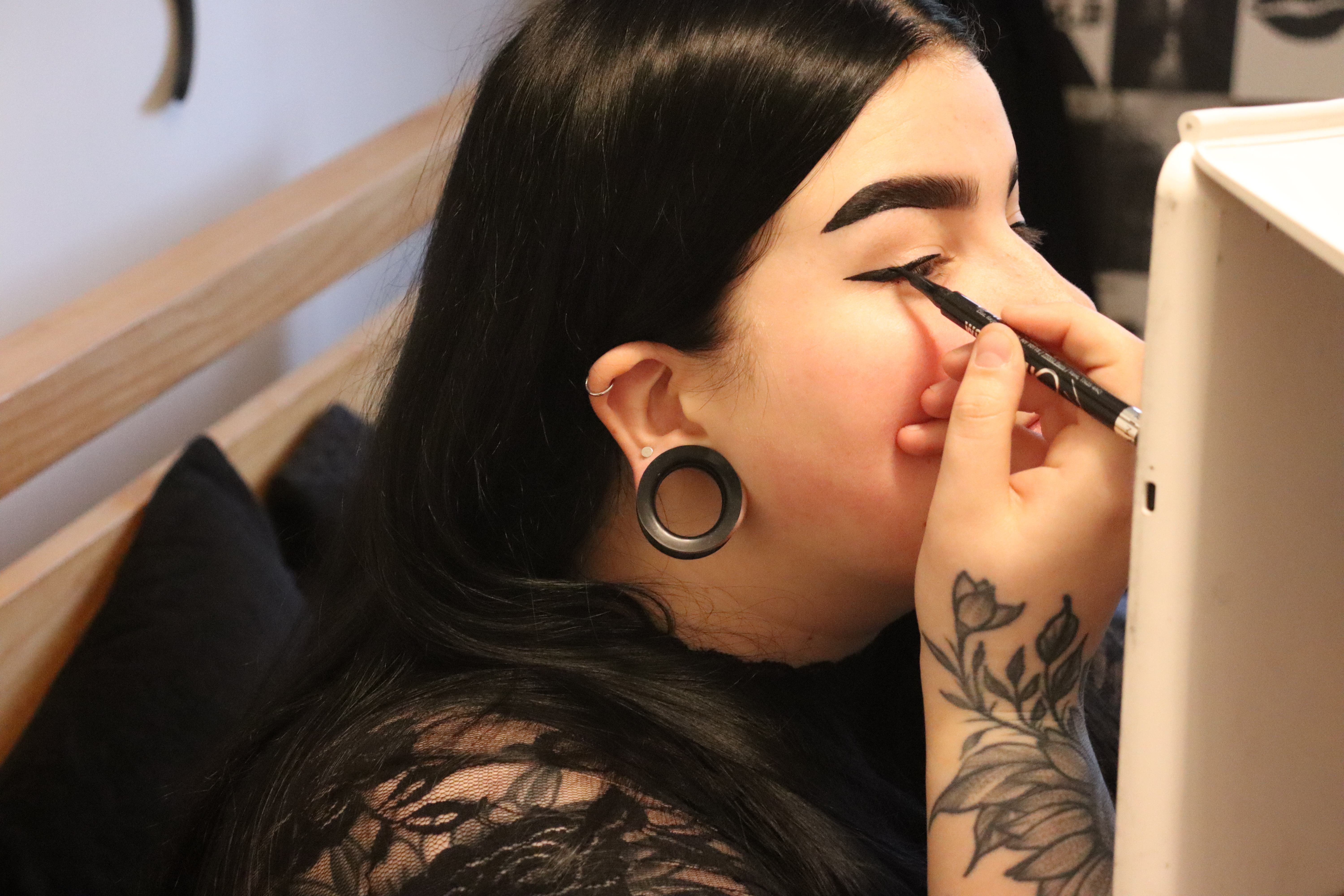
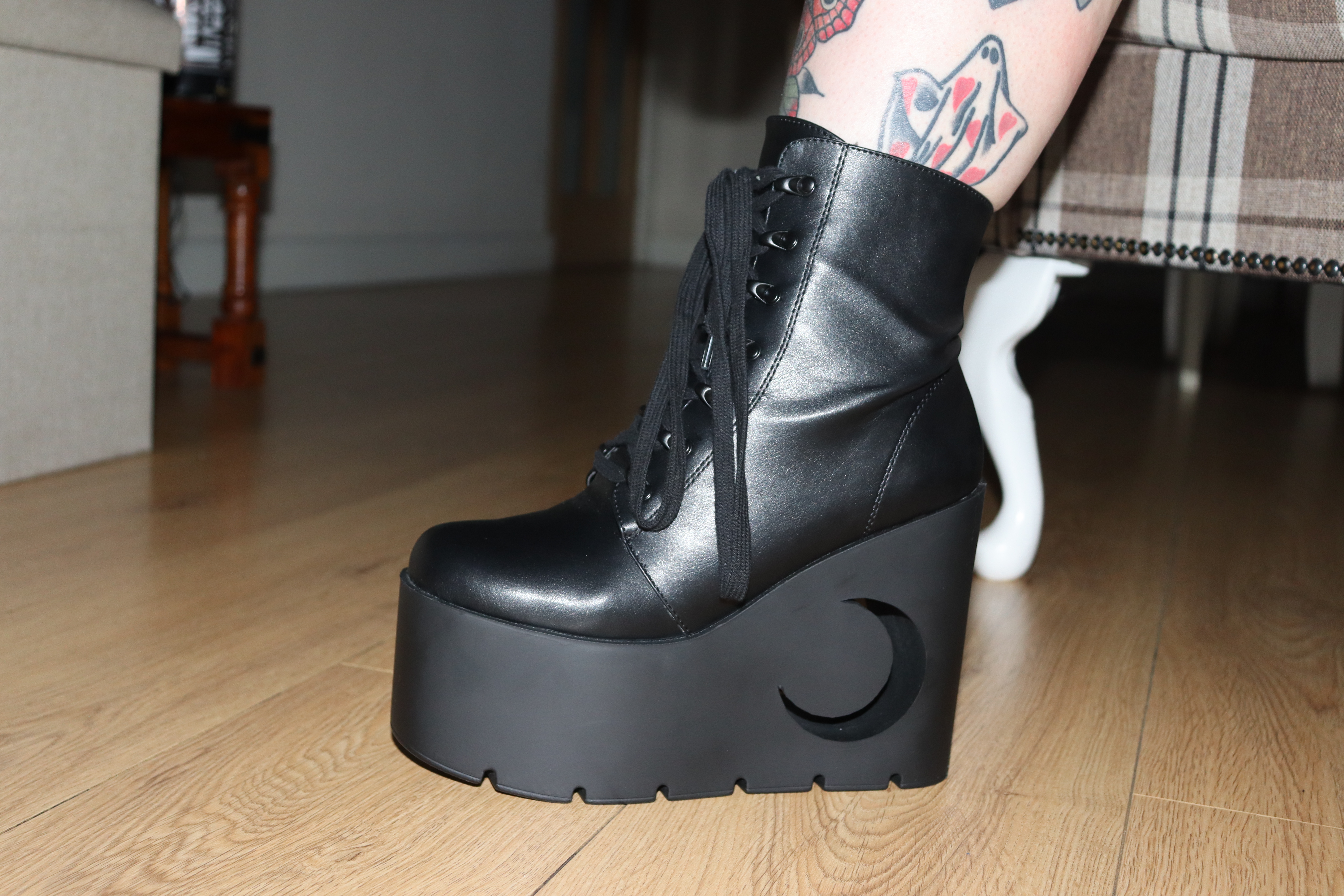
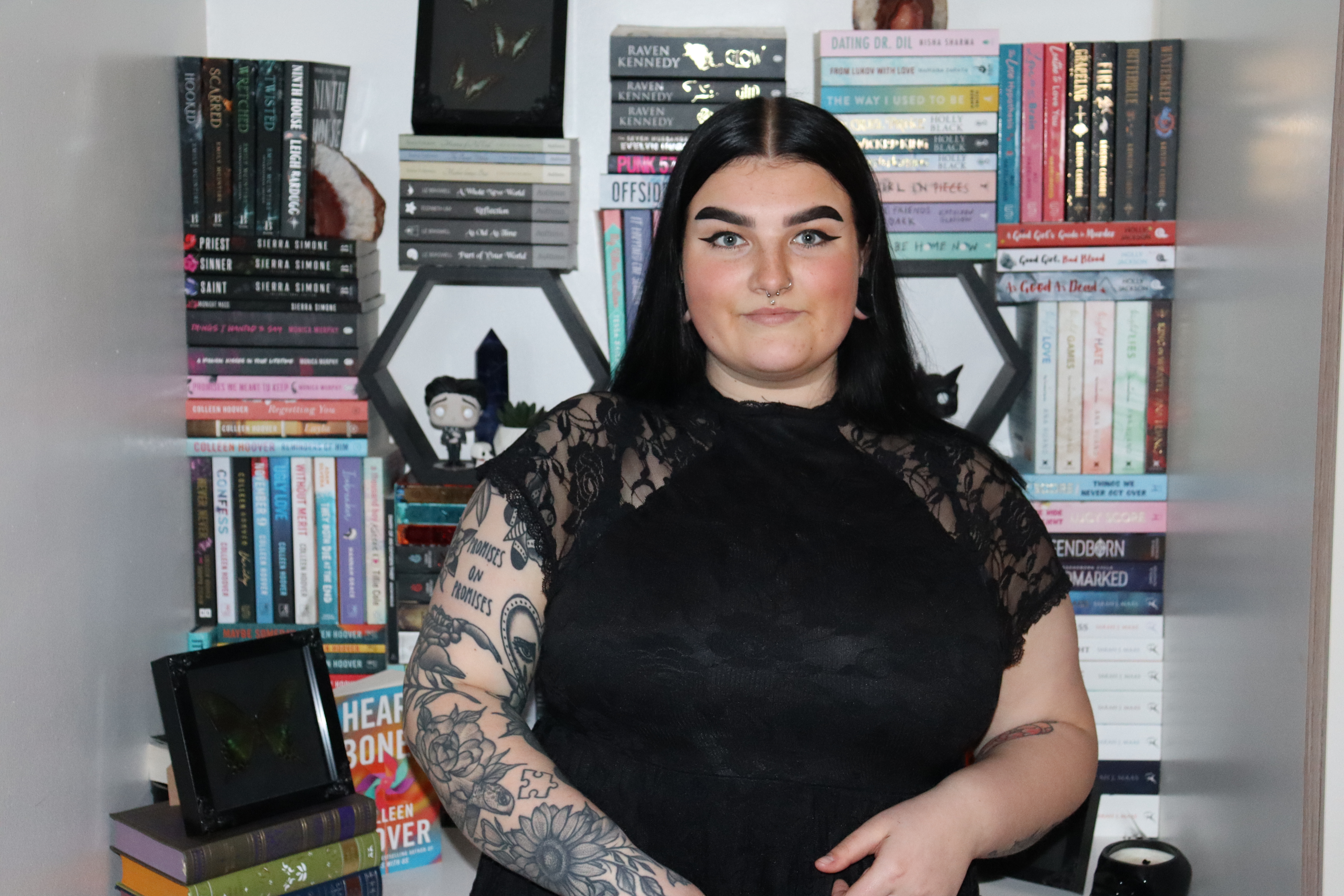
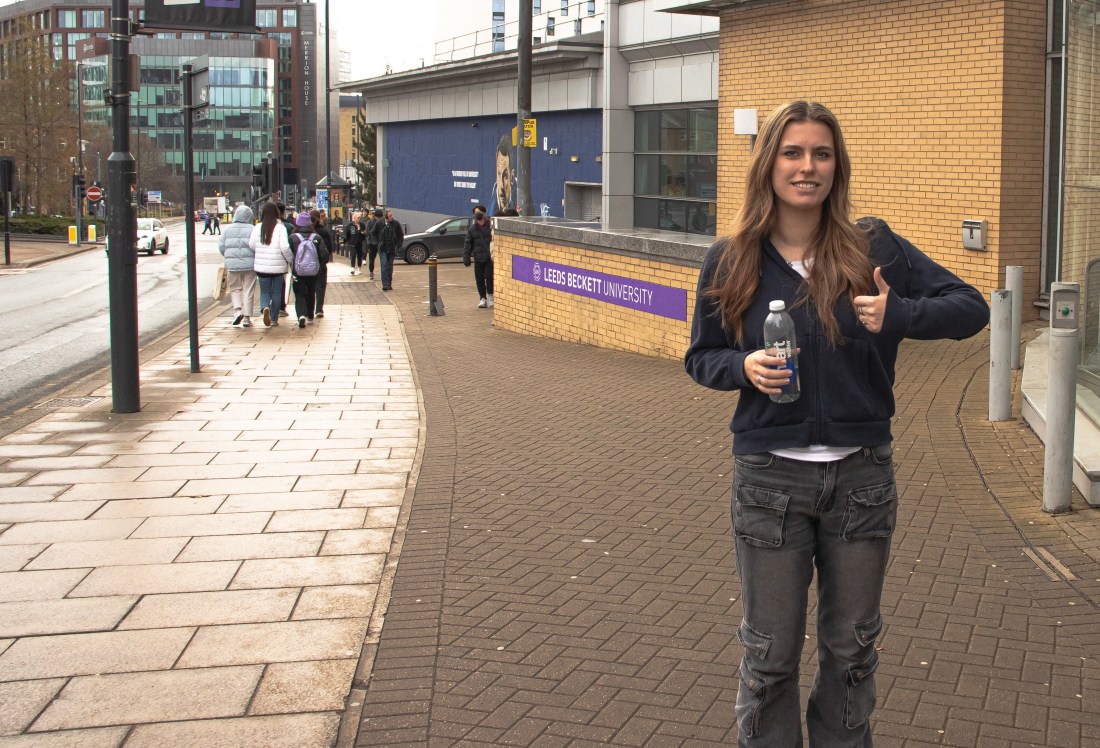
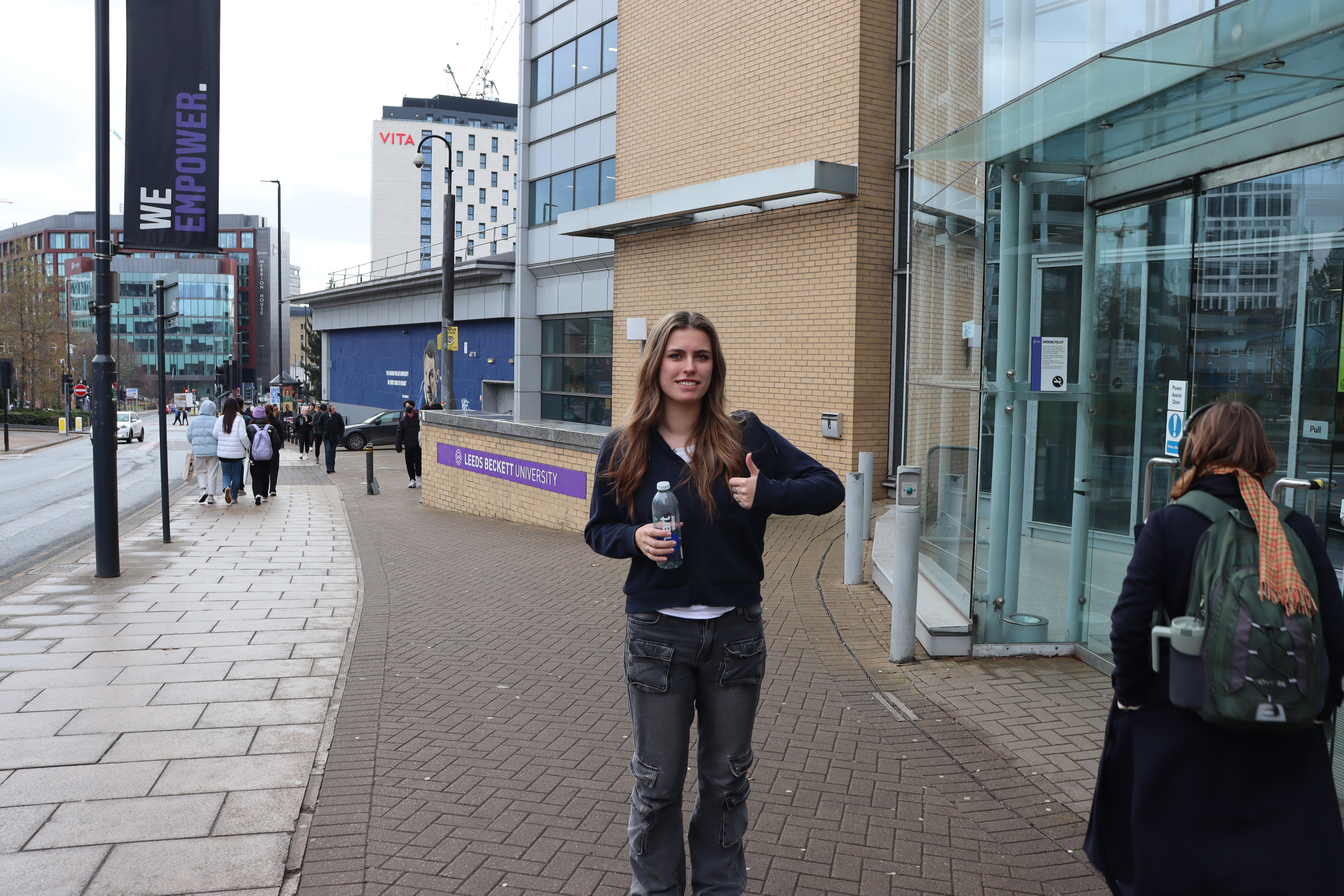
This image didn’t make the final cut for many reasons, it was a snapshot image and didn’t show the true story.This image didn’t make the final cut as it was a test shot for using This image didn’t make the final cut as it was a snapshot of a shoe, it didn’t show the true story and wasn’t portrait photograpy. This image was a test shot image so didn’t make the final cut, it didn’t describe everyI roginally really liked this image as it showed a message I was trying to porray but didn’t make the final cut as it wasn’t portrait photography. Tis image very nearly made the final cut but I chose a similar image where Carroll didn’t have her hands over h er mouth.This image didn’t make the final cut as I preferred the positioning of flowers in Carrolls hair. I liked this image as it followed the rule of thirds but decided not to use it as I This image was a test shot photo so didn’t make the final cut, a similiar image did make the final cut where the women looked directly at the camera. This image didn’t make the final cut due to how the shadows looked. This image didn’t make the final cut due to being portrait and not landscape, I also didn’t like the shadows on this photo. This image didn’t make the final cut due to being a test shot and the fact it wasn’t a portrait image. This image very nearly made the final cut but didn’t due to being portrait. I also found I had better images with shadow technThis photo didn’t make the final cut as the lighting doesn’t look the best it could and the photo is portaThis image didn’t make the final cut as I had a similar photograph with better lighting where the woman was looking directly at the camera.
Progress update: When I was taking photographs I didn’t think properly of the story I was trying to capture so instead found a lot of my images looked like “snapshots”.
Progress update: I started using Adobe Photoshop more in other modules and began to understand what made a photograph look better, I found I changed the contrast too much on many of my original photographs but learnt that this doesn’t always bring out the best outcome.
Progress update: I originally wanted more than two photographs per case study but quickly recognised that two good quality images per case study was better than four of bad quality.
Progress update: I began taking images during the final few weeks of the module and quickly realised I wasn’t thinking creatively enough. This is when I then sat down and decided to re-think my view and what backgrounds were used. I took advantage of the lighting from outside and decided to use those photos.
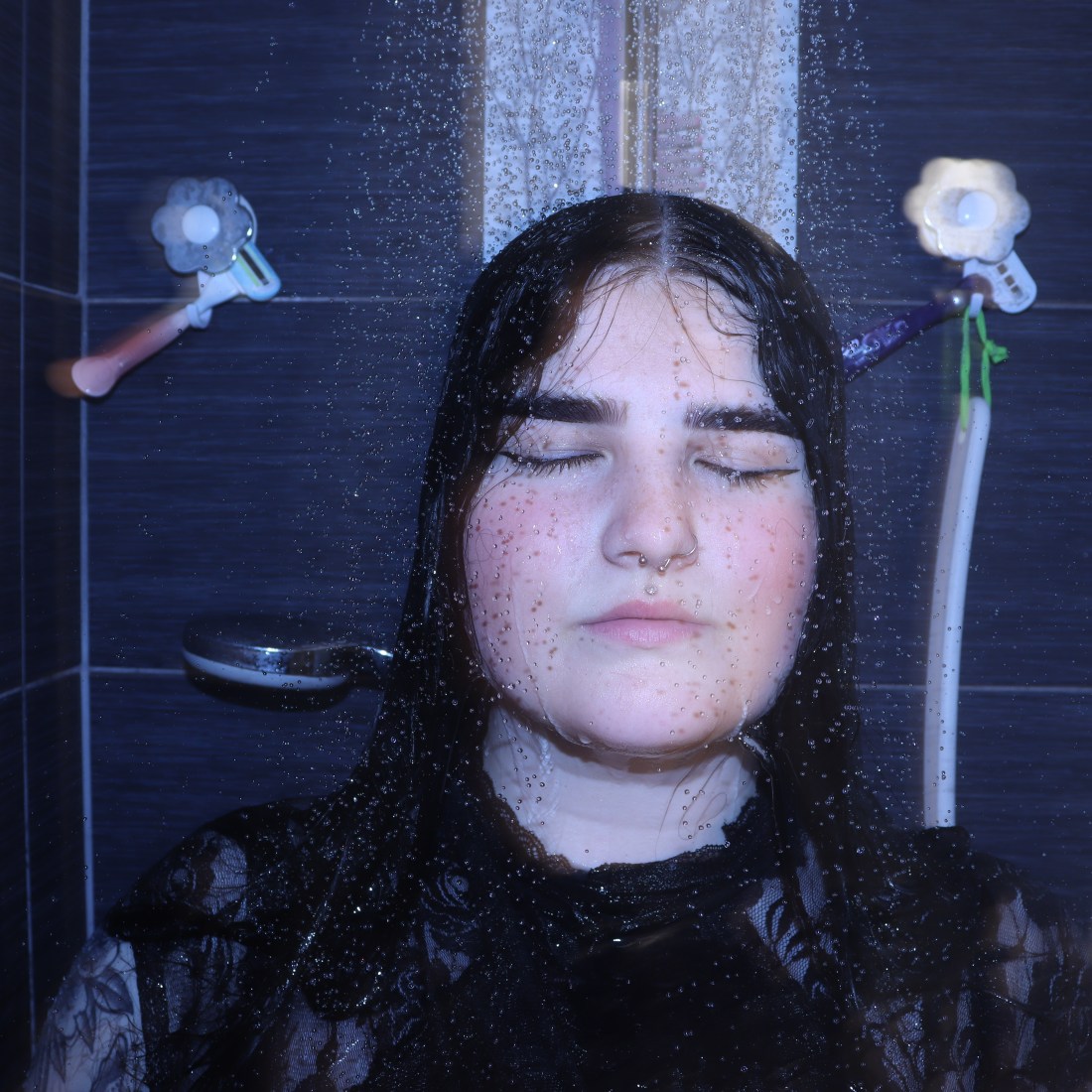
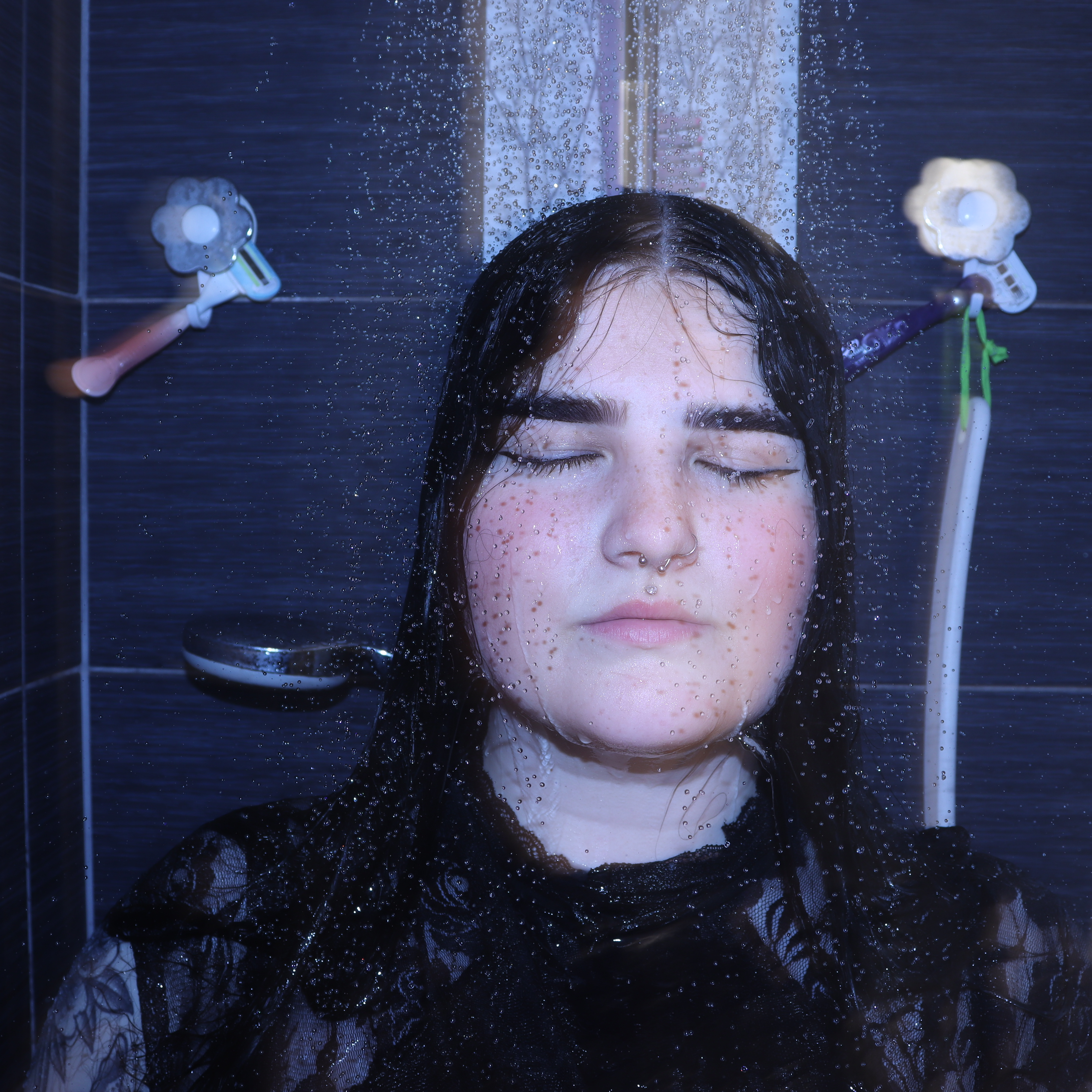
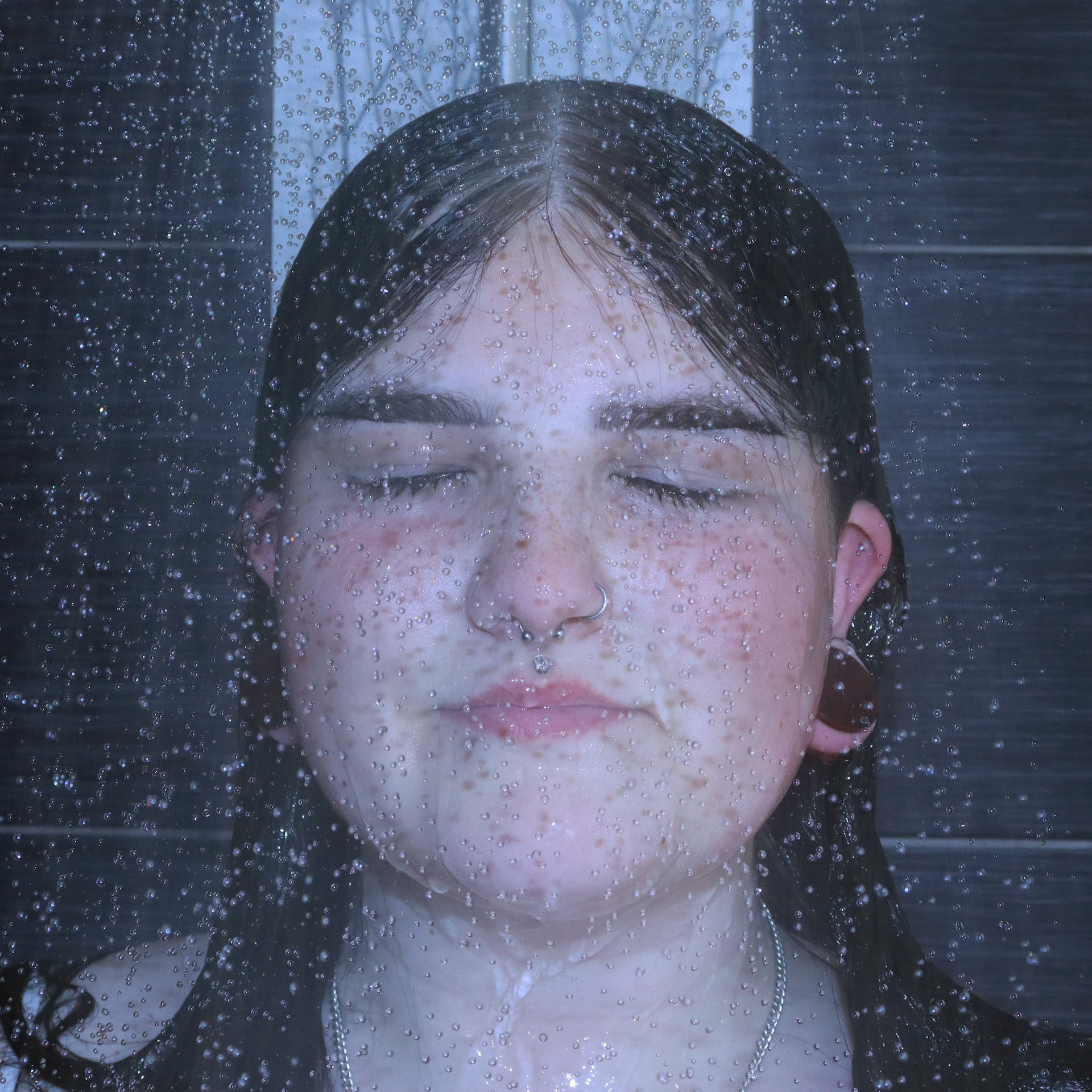
I began taking photographs for my final assessment. I took numerous test shot images and even some images I initially thought would make the final cut. For the first image, I was trying to show how Rea Stuart now sees herself in the mirror. I wanted to be able to show a shift in how Stuart has begun to feel now and capture her in an authentic way. I didn’t however use this image as it felt like a “snapshot” image and I felt as though I could take another image, capturing the same feeling, with a better background. For my second image, I wanted to show my skills with using shutter speed. I loved this image. I felt as though it showed Stuart washing away all the negativity she has endured due to being who she wants to be. However, when looking post-production at this image I noticed bathroom utensils in the back of the photo which differed my attention from what I was trying to portray.
Reflection This task allowed me to gain the knowledge that I needed for my final assessment. I knew what I wanted to create, and the messages I wanted to portray and I felt as though I had a better understanding of how to do this now. I also began to develop confidence in the selection process, pointing out to myself what I knew I needed to re-do and began accrediting myself for the good quality photos I was producing. This task allowed me to have a clearer vision in mind for what I was wanting to produce.
For this workshop task I was asked to take an image in RAW format and use Photoshop to edit sad photo. I made numerous adjustments in Photoshop and ended up with these settings: temp 6600, tint +15, exposure +.025, contrast +10, highlights +92, shadows +26, whites +10, blacks +35, texture +21, clarity +1, dehaze -3, vibrance +58, saturation +7.
I felt as though the image was improved by cropping, allowing Rosie to be more visual in the shot. I also felt it was important to use the rule of thirds for this image as it is more aesthetically pleasing to the eye. The main difference I wanted to see in this image was colour, the first image looks “dull” and I wanted to capture vibrancy.
I began to develop my technique for choosing images after a long shoot. Originally while shooting I knew when an image wasn’t too good standard and liked to delete the image straight away; however this became time-consuming and I quickly recognised that I was deleting images that had good potential. I also recognised it wasn’t a good idea to select images immediately after a shoot as I didn’t have a clear enough head and often let good images slip through the cracks. My process now is allowing myself an hour or two after a shoot before sitting down and working through my images. I make separate folders for images: final and possible. I delete photos I know I will not use and then look through the rest. Making separate folders allows me to carefully look between images before making my final decision. I will often not delete images in my possible folder until post-production when I know I am happy with the chosen ones.
Reflection
For this workshop task, I originally struggled with the concept of taking an image in RAW format. Once I gained the understanding I then took the image and used Photoshop to make the required adjustments. To begin with I believed the photo needed to follow the rule of thirds and lacked colour. I made these adjustments and at the time thought they made the image look better; however, upon looking again at the images I recognise this isn’t the case. If I were to do this task again I would use less contrast and focus on colour-balancing the image. I would still crop the image and use the rule of thirds as I think this is more pleasing to the eye. I think I would also take another photo, with a better background to allow the process of photoshopping to be easier.
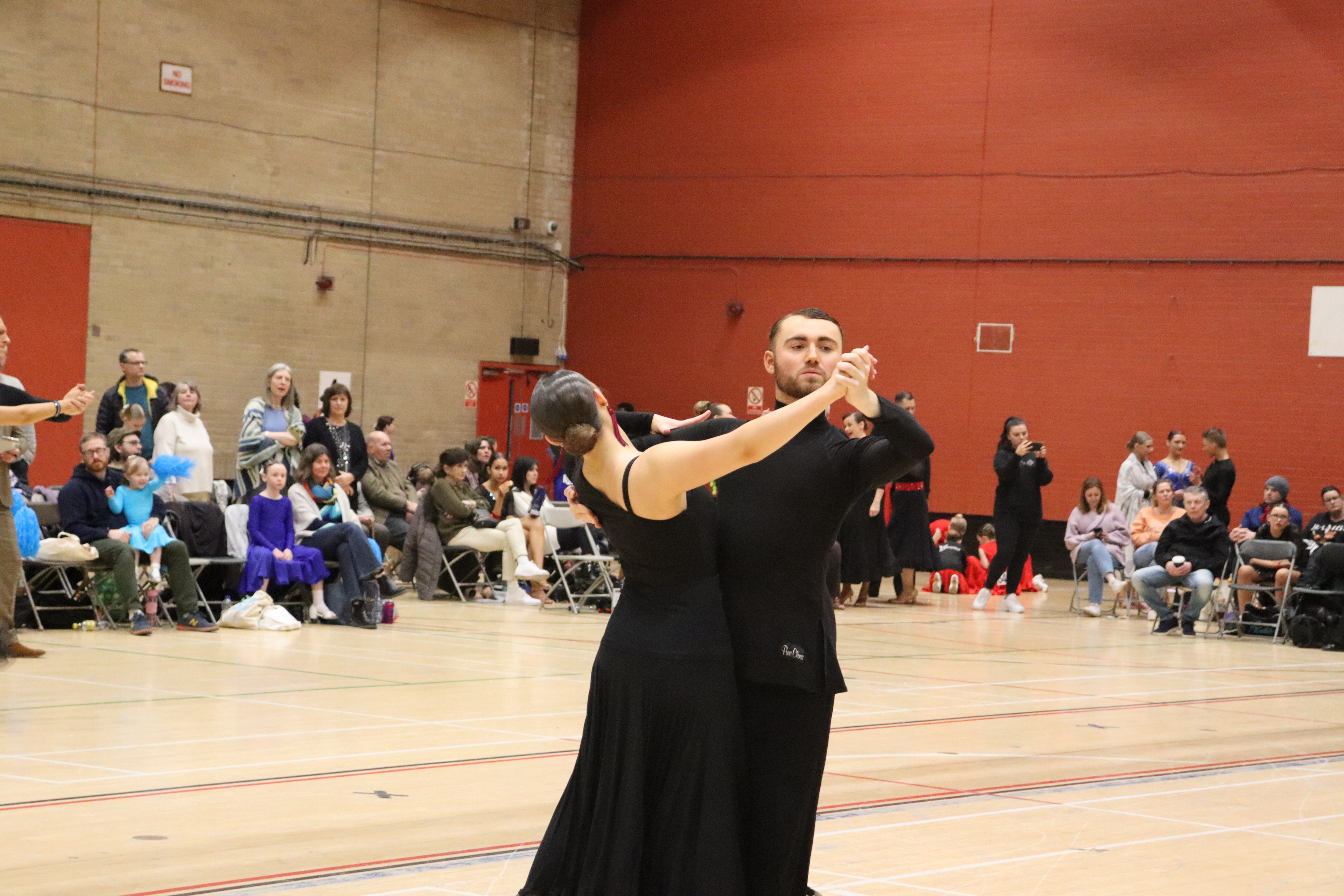
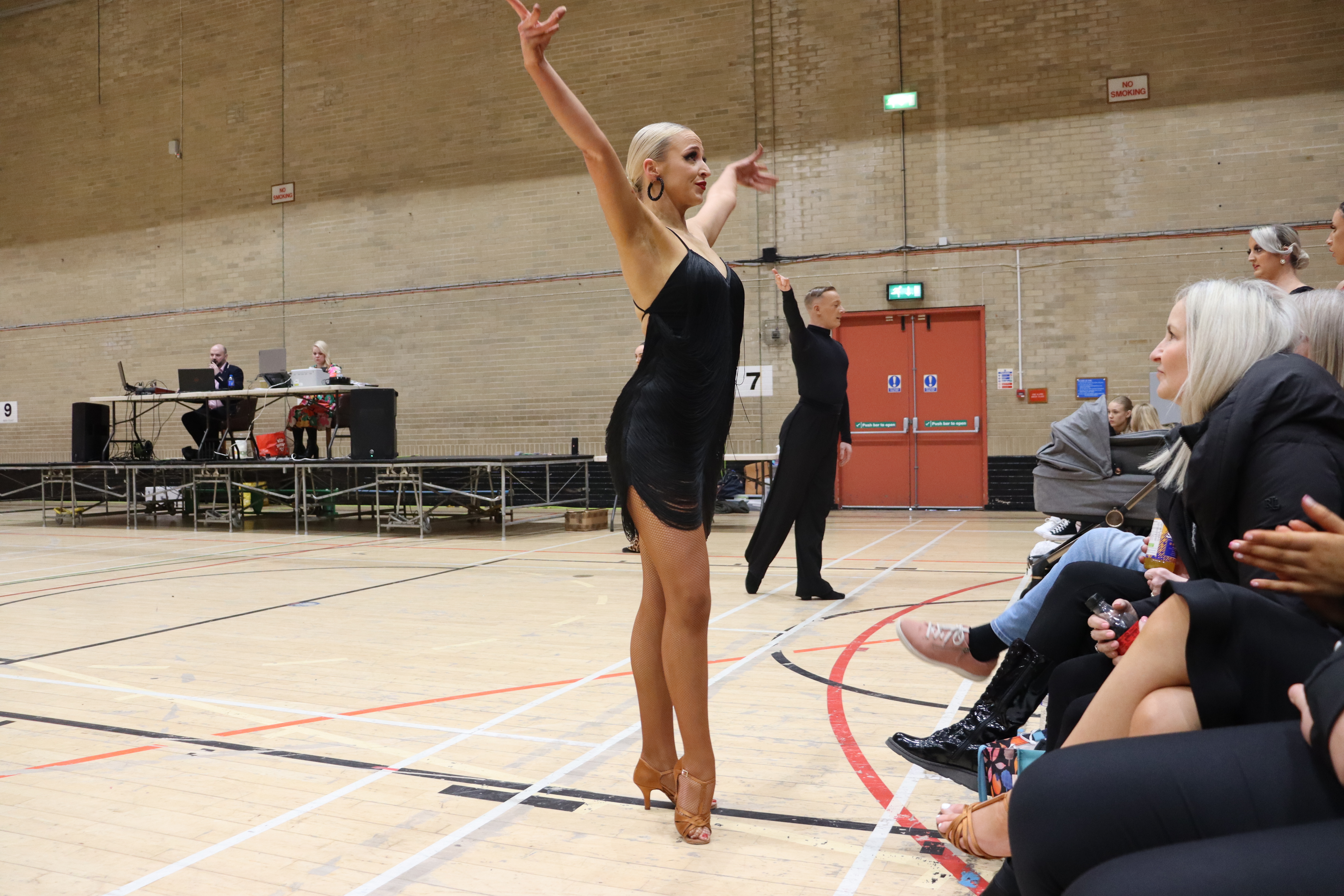
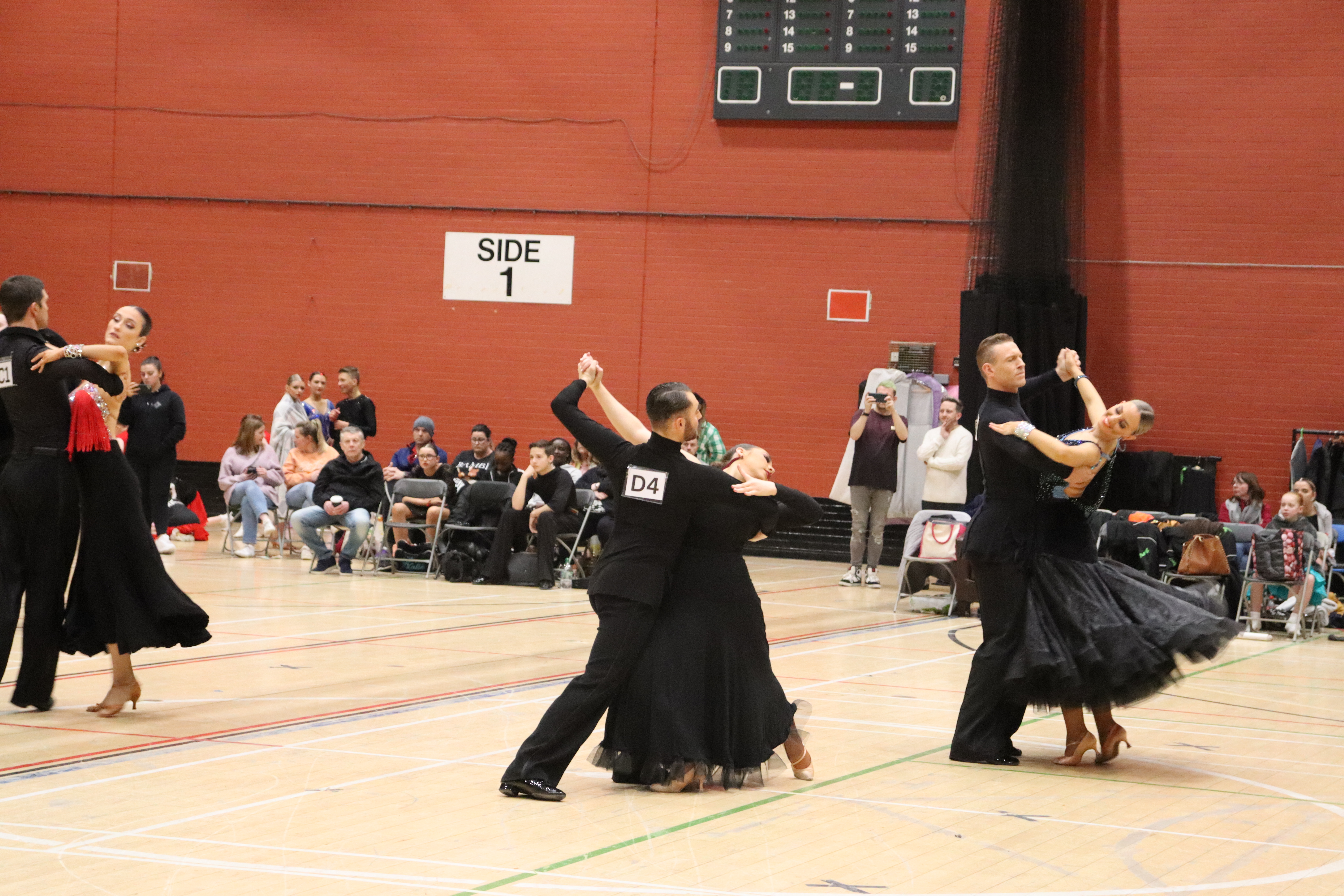
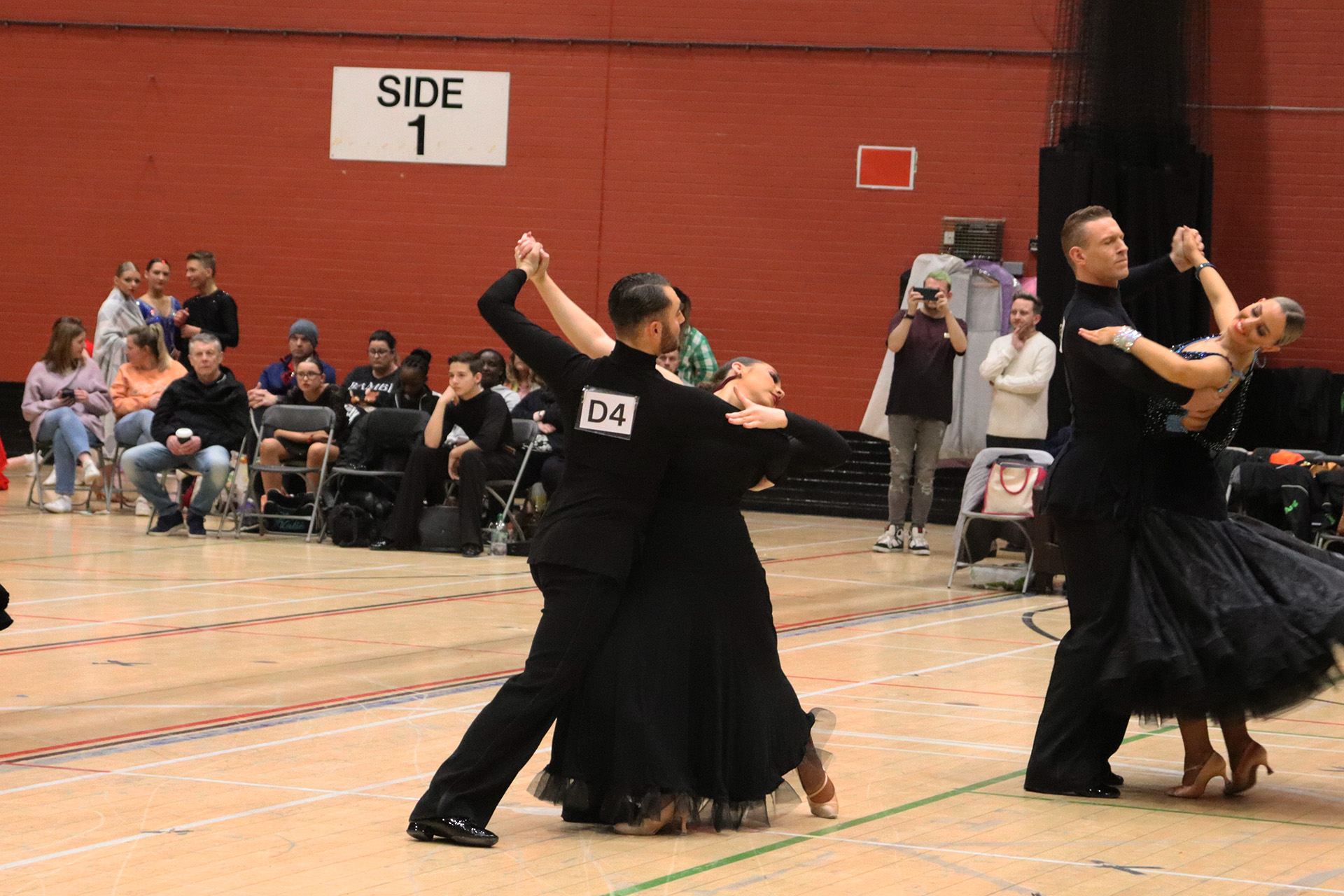
For this workshop we were asked to edit photographs we have already taken using photoshop. I shot these images at a dance competition and chose them as I believed they were OK alone but could become good images after editing. I used Adobe Premier Pro to edit the photos.
For this first photograph I cropped the image to allow the individuals to become more focused. I adjusted the brightness and contrast. After doing this I still believed the image to only be average so decided to make it black and white for extra effect; I think this plays off well but the image could still be sharper by adjusting the contrast more.
For the second image I again cropped the size, to allow the individual to become more central. I adjusted the brightness and contrast, to allow the individual to appear sharper and more defined. As well as this I also colour corrected. I believe these changes make the image more interesting to look at.
Reflection
Our fifth workshop task included post-production. I selected three images that I had recently taken at a dance competition. Alone the images were OK, but I felt like they could be better with some finishing touches. I edited all three images using Photoshop, changing the brightness, contrast, etc. Overall I found this workshop task challenging, I wasn’t as familiar with Adobe Photoshop the same way I was with other editing software and I still lacked the confidence to trust my abilities in regards to photos. I wasn’t as happy with the final products as I wanted to be but gained confidence when undertaking my final project for university as I used the software to edit images on there. If I were to do this task again I would feel more confident, after weeks of using the DSLR camera I am confident in my abilities and I have begun to develop my knowledge of photoshop. I would use less contrast and do more levels of colour correction.
Fast shutter speedFast shutter speedSlow shutter speedSlow shutter speed
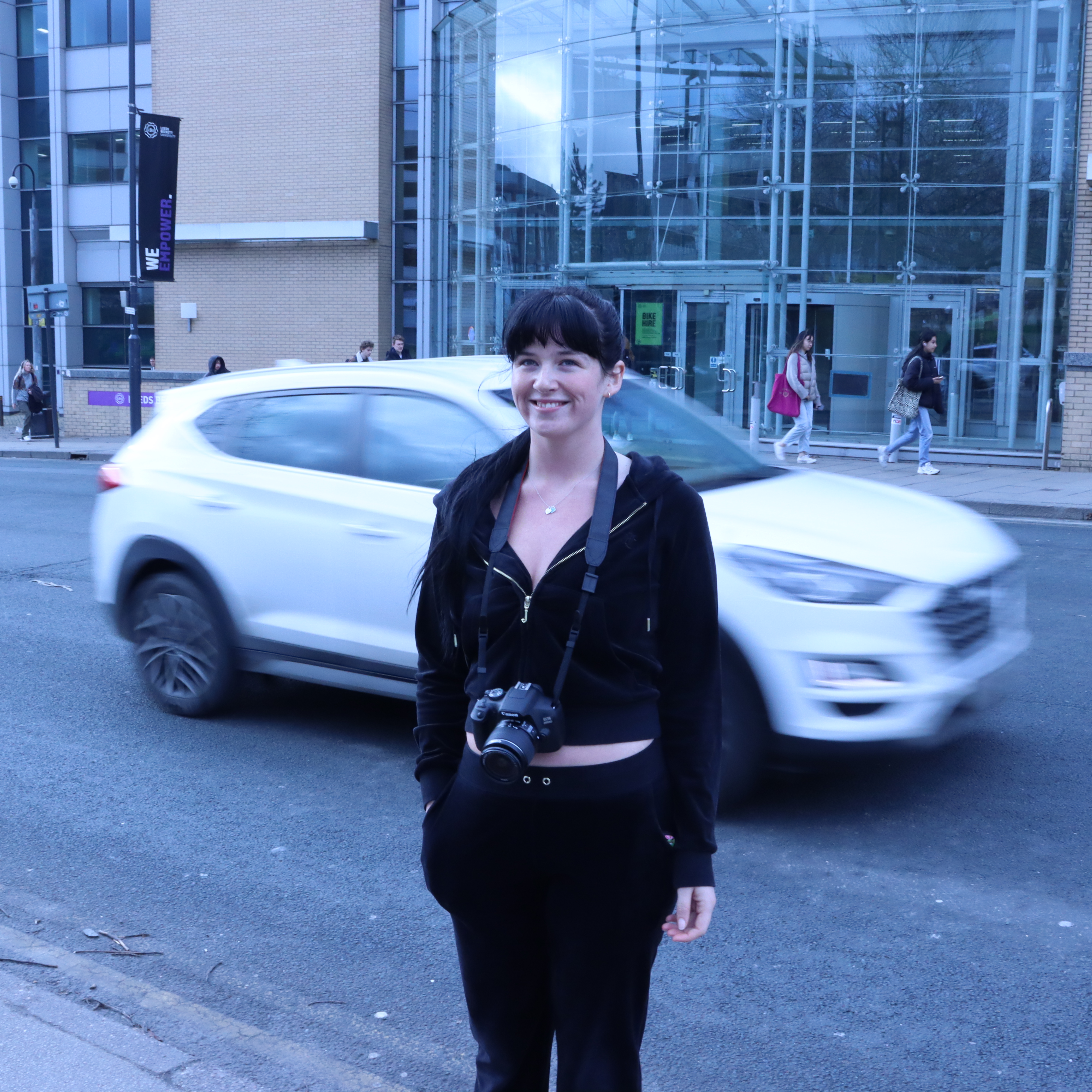
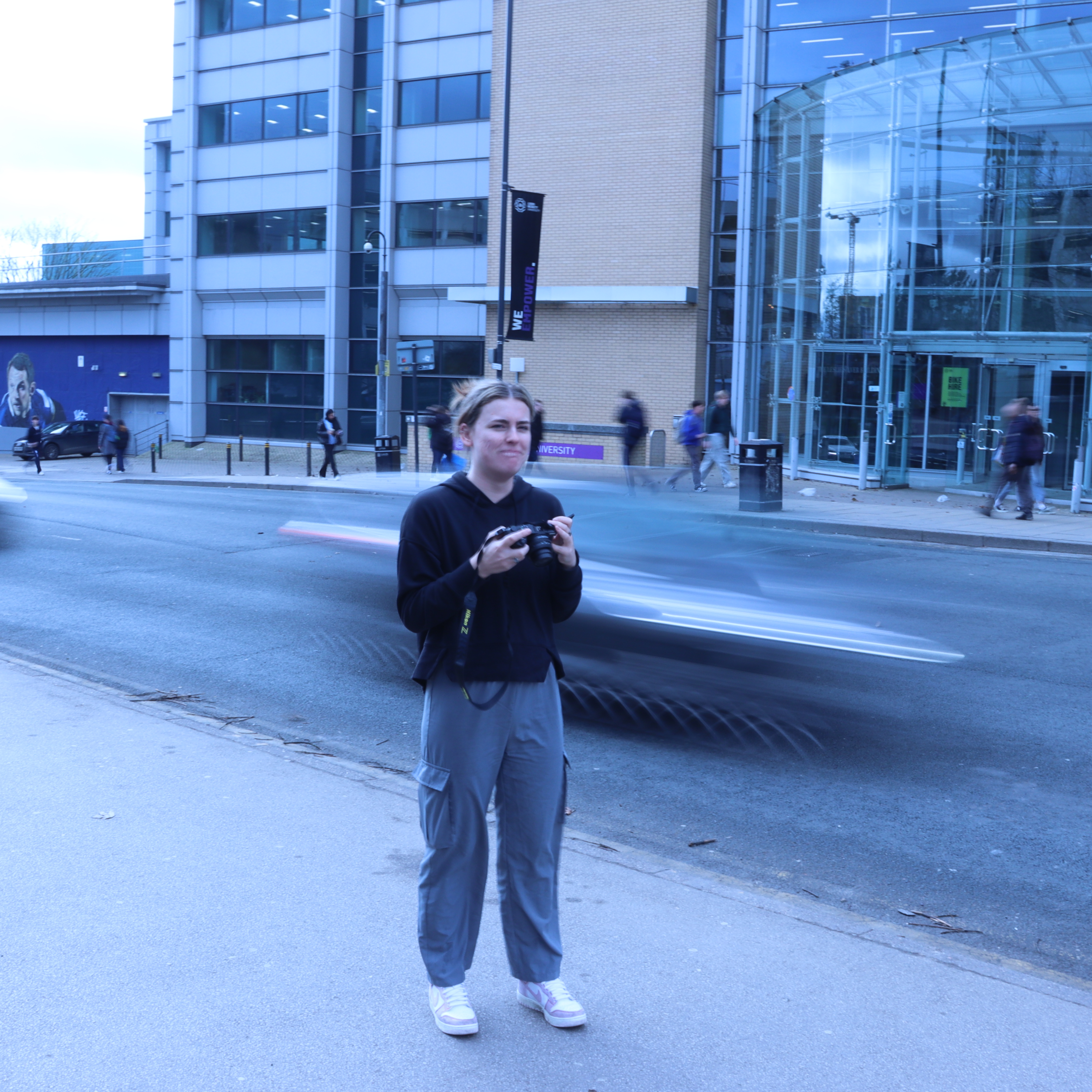
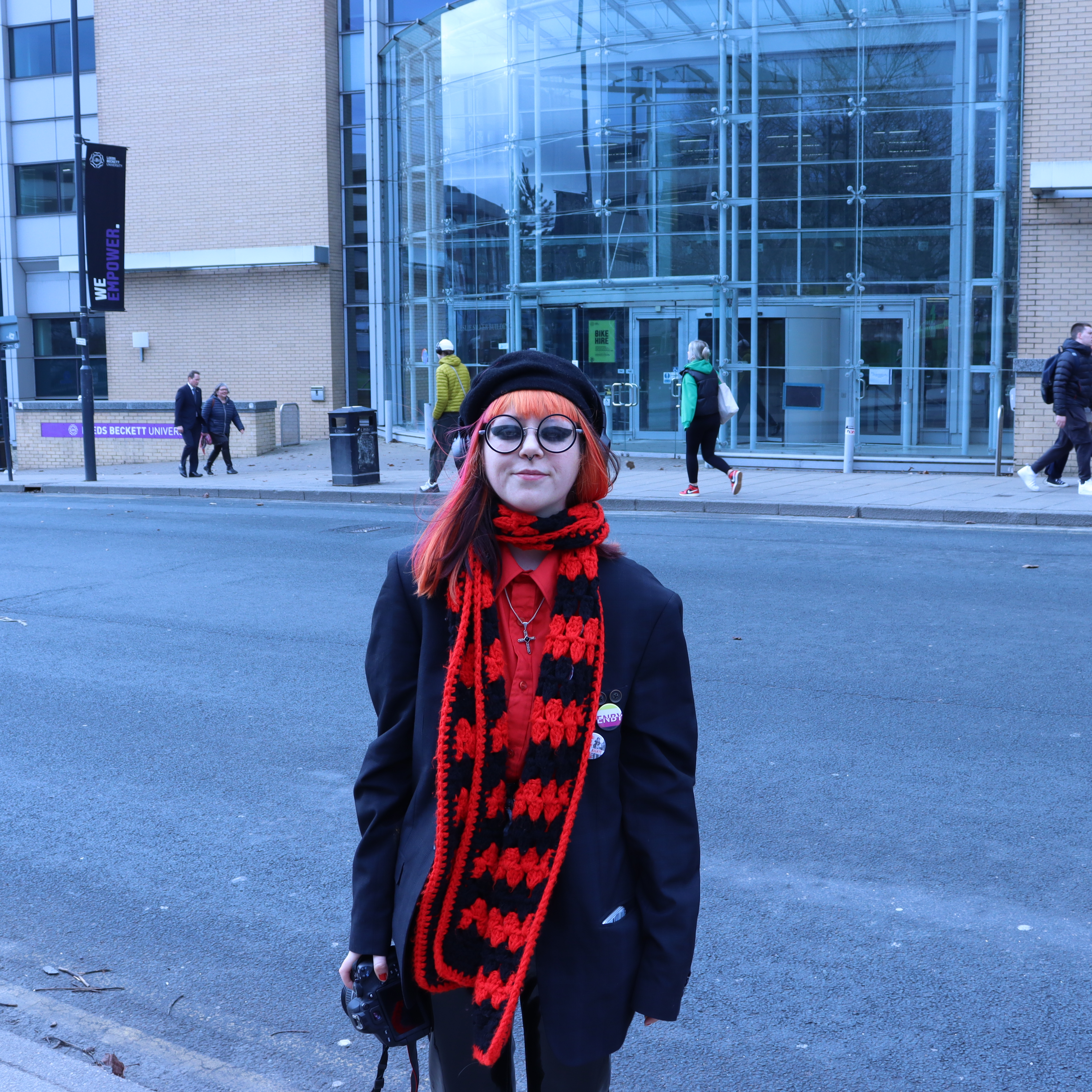
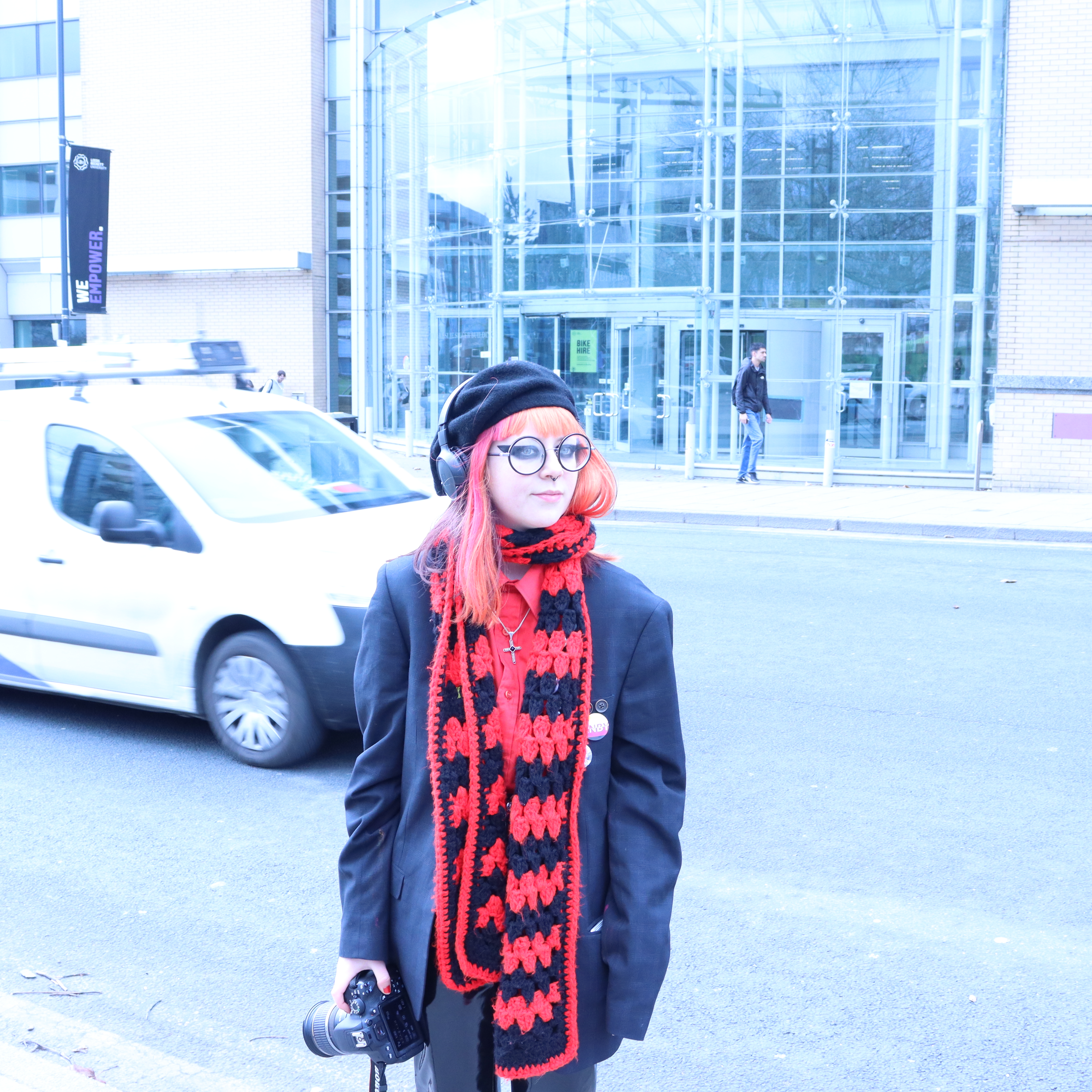
For the fourth workshop we were asked to take different images using a fast and slow shutter speed. The first two images on the slideshow are of a fast shutter speed, showing Sapphire and Izzy jumping. Using a fast shutter speed allowed for the images to almost look still, without blur. Catching them the moment they are in the air.
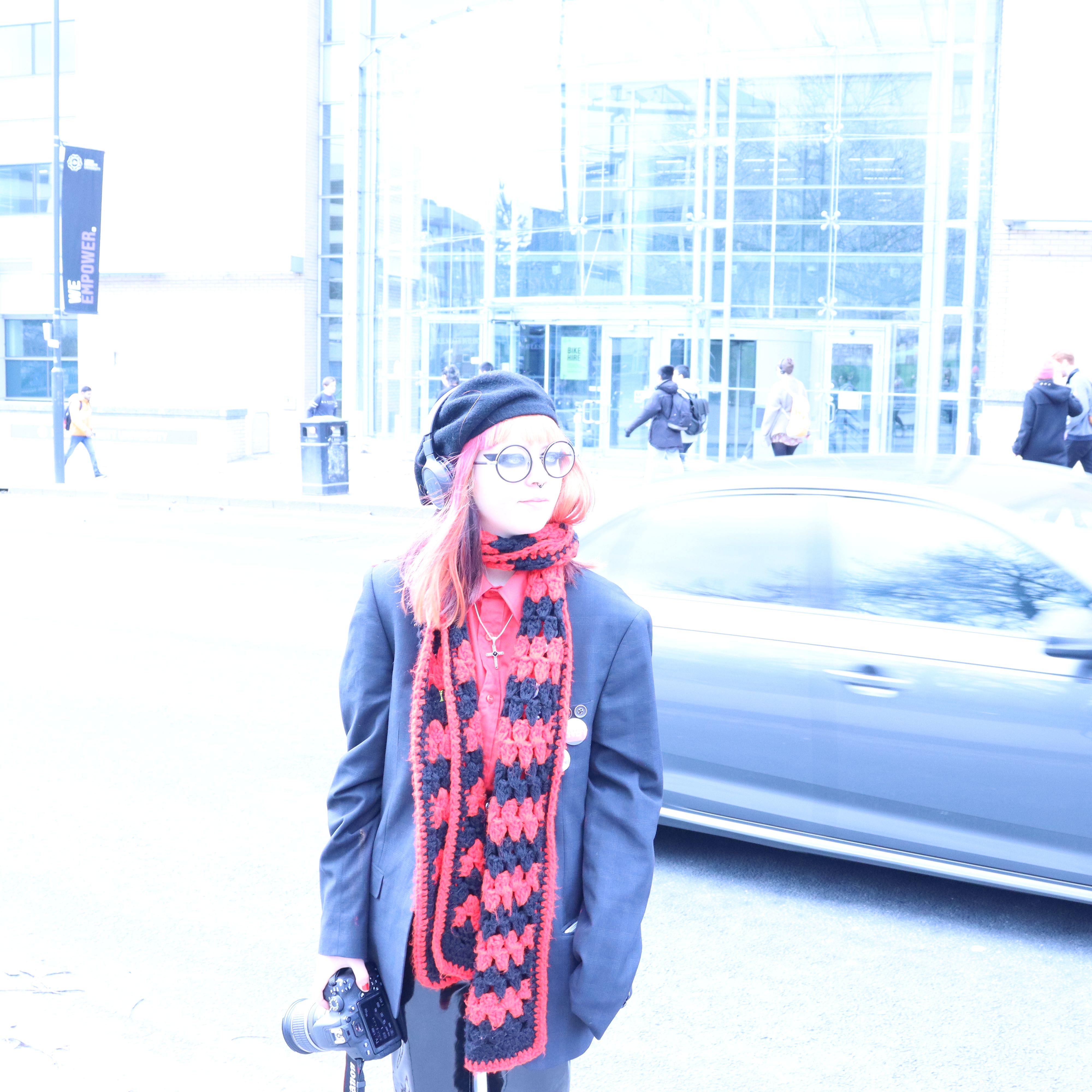
The second two images are a slow shutter speed. I asked for Rai and Rosie to stand still while moving cars were driving behind them. Using the slow shutter speed allowed for both individuals to look focused while the car is blurry showing it was moving. In the second image of Rosie, you can see her hair blowing in the wind, showing movement similar to the car. You can see a difference between the last two images, with the last image having a slower shutter speed than the third, which can be seen in the difference in how blurred the car is in each photo.
Shutter speed 125 Aperture F7 ISO-200Shutter speed 125 Aperture F7 ISO 400Shutter speed 125 Aperture F7 ISO 800Shutter speed 125 Aperture F7 ISO 1600
Reflection
Our fourth workshop task was about aperture. I initially found the task easy to get my head around when I was physically in the classroom but when I got outside I then struggled. I found it difficult to navigate F stop, shutter speed, and ISO at the same time but after practice with other photojournalism students outside I began to understand the process better. I think the main struggle was my lack of knowledge of the camera itself, but this was then rectified with more practice. Upon researching aperture, I noticed wildlife photography and the ways in which photos could be taken in different ways when animals moved. I found this interesting and something I would potentially enjoy doing. I think the main struggle from this particular task was confidence in regards to the camera and I recognise with more practice I would have been able to produce better quality images.
How women have grown to walk away from society’s standards.
Society has different standards for women than 20, 30, and even 10 years ago. Many people think we, as a society, have made leaps and bounds; but as women, we don’t always see it this way. People still feel anxious walking out the door, nervous that they will be judged for how they look or act. Some people even hide away their true personalities out of fear of judgment.
Throughout history women have suffered at the expense of sexism, being unable to work, vote, and even own property on their own. It is true that today, women don’t suffer as much; but they still do struggle. According to the Office for National Statistics, there is still a gender pay gap. Alongside this females still feel the need to fit certain beauty idealizations and often feel undervalued and overlooked within society.
Germaine Geer was a famous feminist in history, and she believed women suffered from double standards, needing to be “sexy” while in a stable relationship. Believing women should have the power to choose what they do with their bodies. Even though today women feel like they have more freedom many still feel judged heavily by males, feeling the need to fit the “male gaze”.
In recent years a trend called “body hair is natural” has taken over titkok, with the hashtag having over 200 million views.
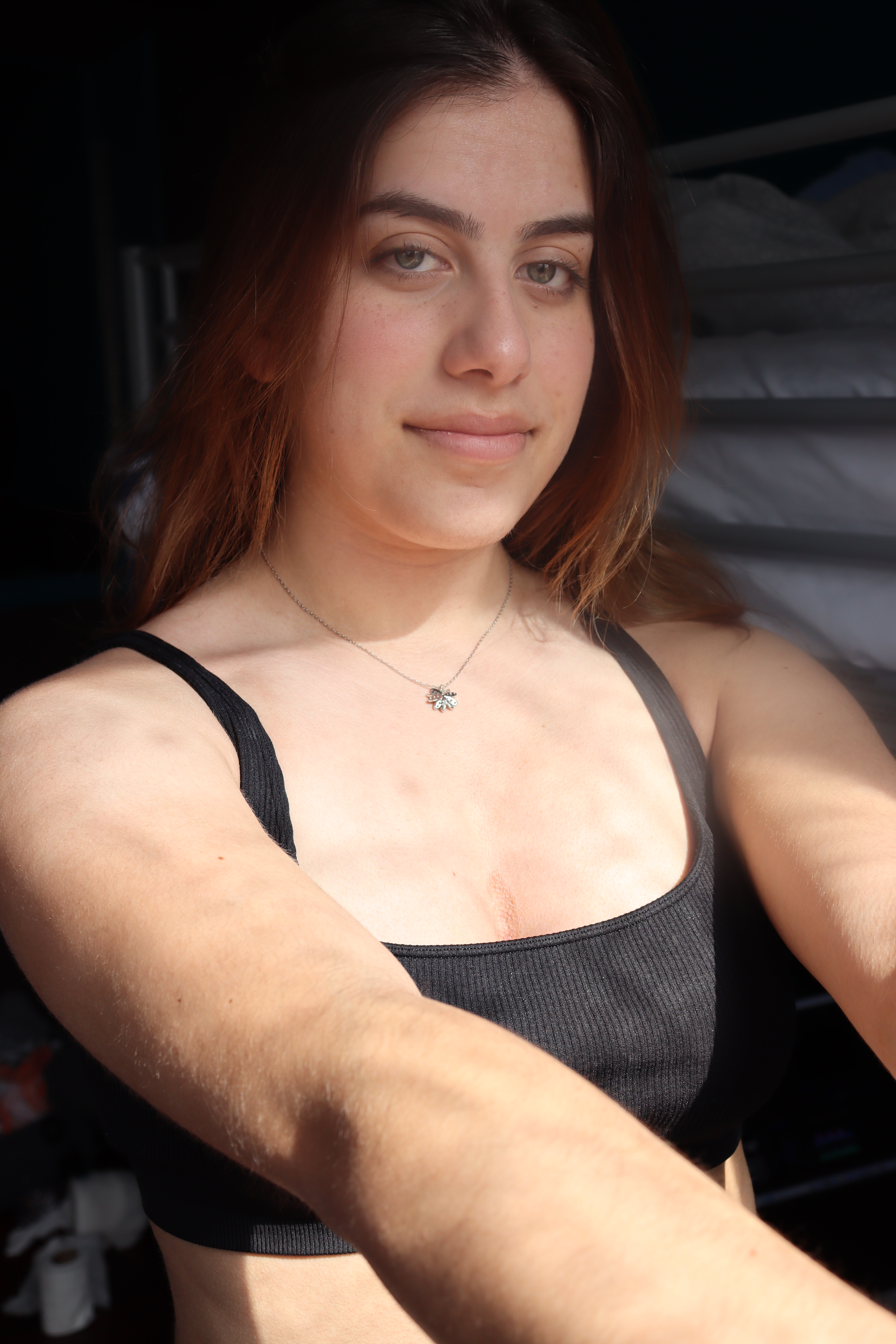
According to a study done by Allure, half of their study participants believe appearance defines them while 64% of people said someone’s appearance is the first thing they noticed about someone. Poppy Doherty has grown up always having dark hair, she said: “I have dark hair because I am olive skinned and I often feel that a lot of people are offended that I have arm hair that is more visible than usual, or hair on my face that is darker.”
Doherty felt like growing up was difficult because she felt like an outsider, and she still finds day-to-day life difficult, she said: “When someone comments on my hair or says something to point it out it makes me want to hide everything or even shave it off, which is horrible to think I’m shaving a part of me because society doesn’t accept me.”
According to a YouGov study over half of their study participants believe women should remove hair from their upper lip and over half believe armpit hair on a woman is unattractive. Suggesting that the general population is uncomfortable with hair on a female, even though body hair is completely normal, but is more accepted on males.
Doherty said that secondary school was particularly difficult, saying she was bullied by other students. According to what to become, one in five students gets bullied every year in high school, with verbal harassment being the second most used form of bullying after technology e.g. messenger apps. Doherty said: “I bought some hair removal cream and put it all on my arms, I ended up burning my arms really badly because of the bleach. I was in so much pain, that was an all-time low for me.”
Doherty has learnt to love the body she lives in.
There are so many cases where people feel unaccepted for different reasons. Doherty still sometimes feels uneasy within society, thinking people are looking at her differently but she now has a different perspective than she did when she was younger. She said, “I still struggle as we are all human and worry about things we can’t change but in a way, I’ve learned to block out the hateful comments.”
As females and humans there will always be things we can’t accept within ourselves. Doherty said her advice to people in similar situations would be: “No matter what people say, embrace yourself, they will envy your beautiful skin, your gorgeous eyebrows. Just know you are beautiful no matter what”.
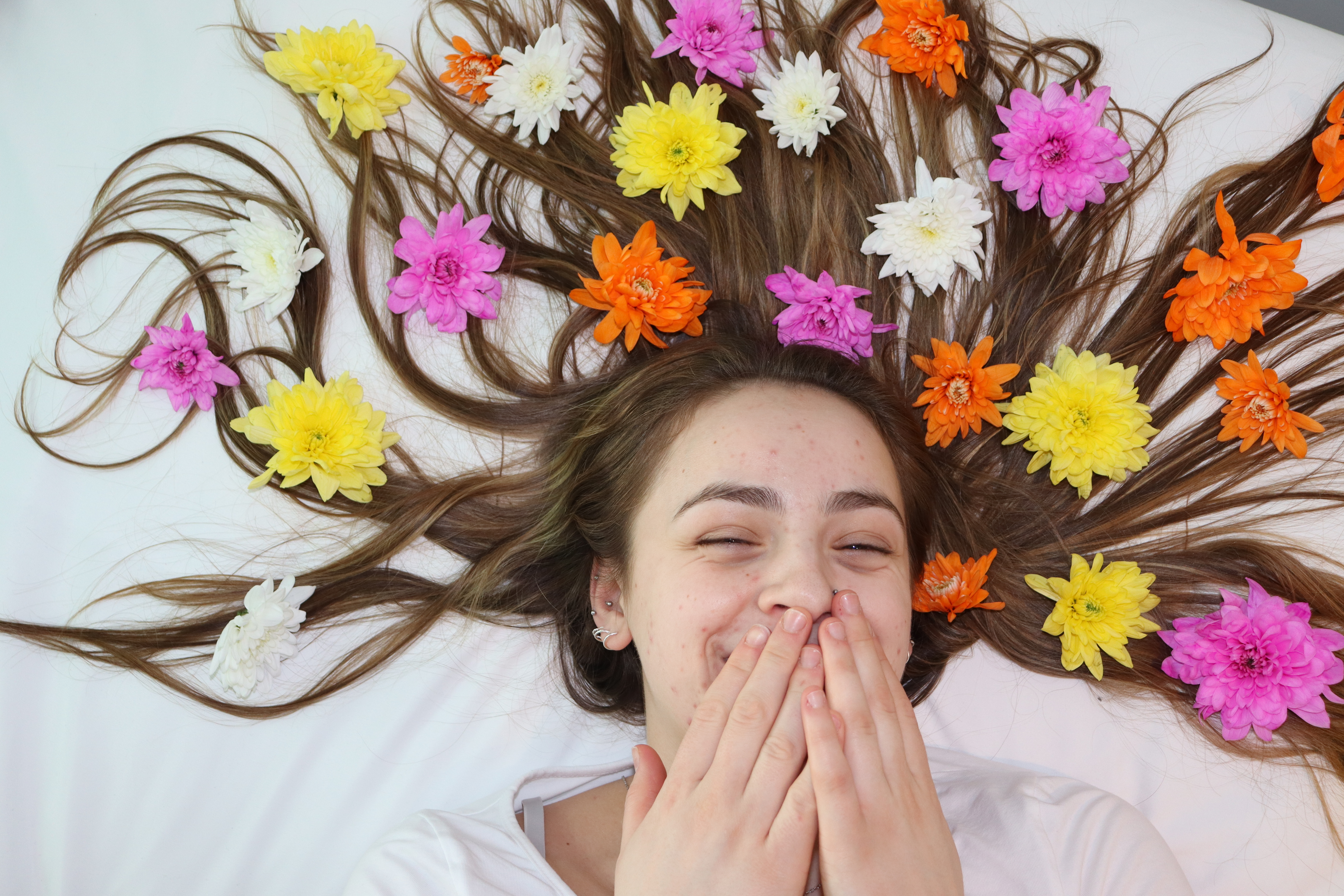
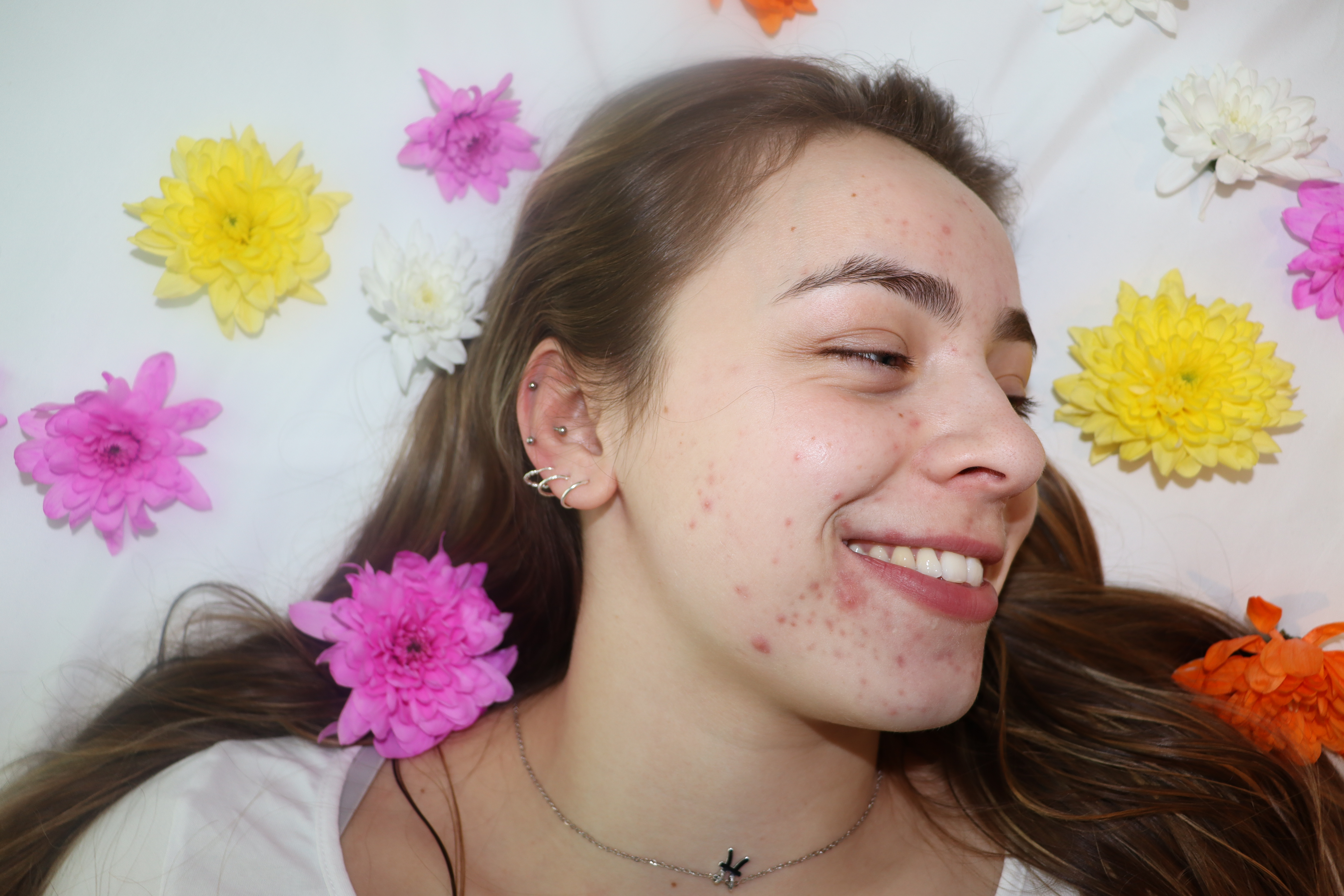
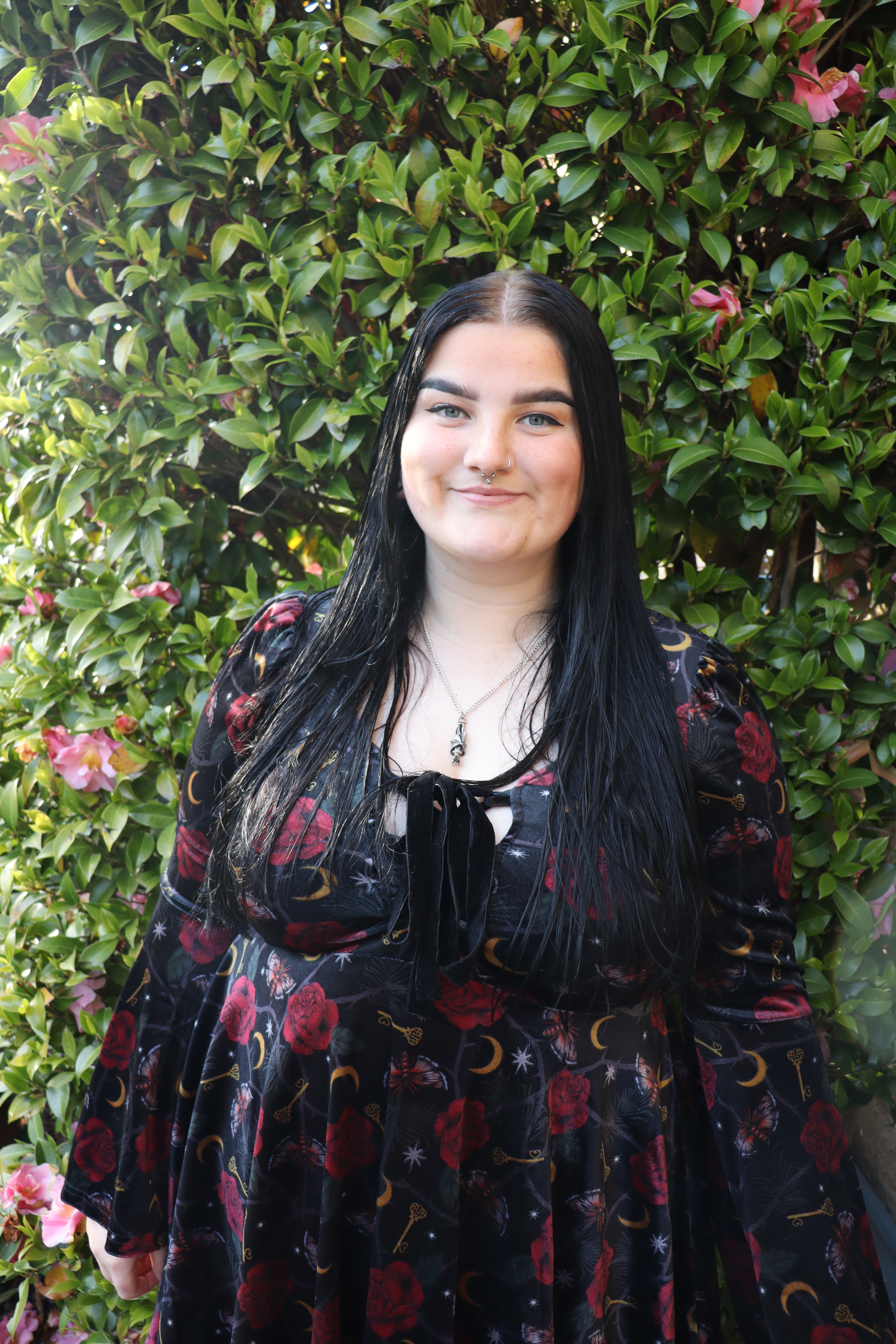
It isn’t only body hair women are nervous about. Saffron Carroll has struggled with acne from a young age. According to the NHS, 95% of people between the ages of 11-30 suffer from some type of acne.
Carroll’s main worry growing up was that people would think she was unhygienic, which would lead them to believe she didn’t look after herself, this wasn’t the case in Carroll’s situation. It is a common misconception that acne is caused by what people put into their bodies but the NHS says the main cause is due to hormones in the body that cause glands to produce higher levels of oil.
According to acne.org women are more likely to have acne than men.
Carroll said, “There have been days where I don’t even want to show my face in public because I feel so disgusting.” Every week is different for Carroll, with some weeks feeling easier to manage.
She explained that her skin has affected her in numerous ways, even missing out on things she normally enjoys like gymnastics. She said: “It makes me sad to reflect on the fact that I allowed myself to miss out on so many things because of my insecurities.” Further saying that she has drunk an “unhealthy” amount of water to try and clear her skin. According to the National Institute for Health and Care Excellence acne can cause psychological distress to individuals suffering and mental health support is advised.
Carroll is more accepting of her skin now than she once was, but feels like she won’t ever feel 100% confident but believes “bodies are just vessels that get us from A to B” and it’s about what people are like from within that matters.
In recent years certain celebrities have brought attention to normalizing acne, including Kendall Jenner.
Carroll would tell people in her position: ” If anybody does give you a hard time about your appearance, it says more about them than you and they’re probably insecure themselves.”
She doesn’t allow her insecurities to control her anymore, saying, “I am still deserving even though I suffer from acne.” Explaining that she allows herself to indulge in unhealthy food and no longer feels like she needs to cover her skin with makeup. Knowing she is beautiful regardless.
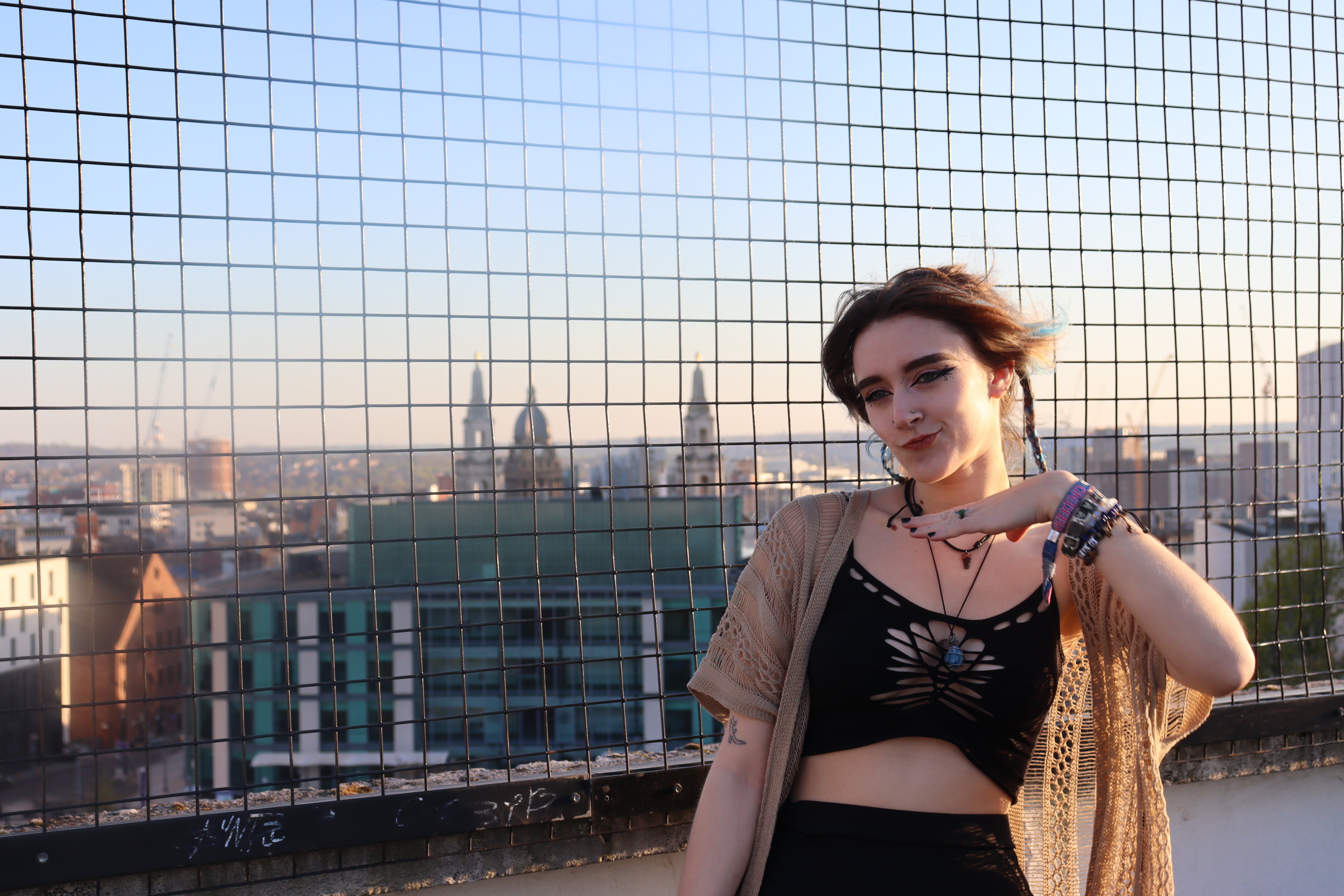
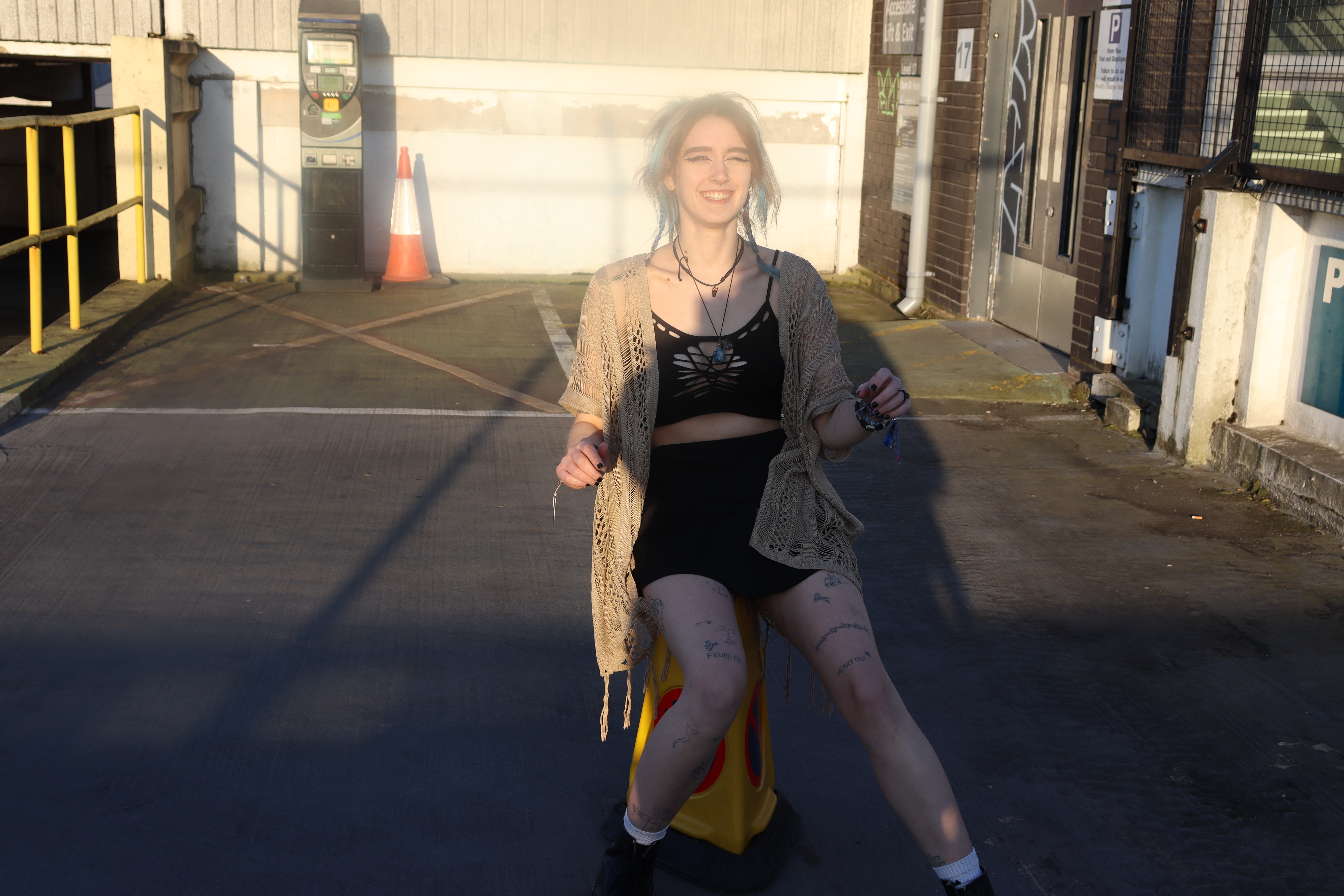
Rea Stuart felt similar to Doherty and Carroll, she felt like she had to hide who she was for the majority of her life. Not feeling comfortable sharing her likes, dislikes, and her appearance. Deeming it necessary to hide her true self. Until recent years when Stuart had a shift in feelings; she began dressing how she wanted and started getting tattoos and piercings.
It is thought that piercings have been around for thousands of years.
Tattoos and piercings are one of the first things people notice about a person. According to Inked History tattoos can be discriminated against, this still seems to be the case even though society is seemingly more accepting now. As of last year Virgin Atlantic flight attendants were able to visibly show their tattoos while at work, many individuals believe even though this is the step in the right direction for acceptance for those with body art, it is happening too late. Many workplaces do accept piercings, but people still worry this will alter their chances of getting a job.
When Stuart began dressing the way she wanted to society seemed to have a different opinion of her, Stuart said: “I wouldn’t just be stared at but I would have complete strangers openly say insulting things to me, it took a toll on not just my friendships, school life and leisure time, it took a toll on my mental health as well.” According to the Office of Women’s Health, any form of abuse can cause psychological distress.
Stuart has managed to work through a lot of the negative comments made towards her. She said: “I think it just got to the point where I gave up caring what people thought about me, not in the way where I didn’t care about anything at all but I stopped caring in the sense that I just wanted to feel free.”
She says her workplace helped her come through this, she said: “With my line of work I work with lots of different people both young and old, some parts of my job require me to be a mentor with this comes encouraging people to be the person they want to be, I found that to be able to do my job to the best of abilities I would also need to be myself.”
According to saved tattoo, women are more likely to have at least one tattoo than men.
Stuart believes a lot of society’s expectations come down to social media, she said: “With social media breathing down our throats with what is depicted as the society’s standards, everyone is trying their best with what they have got.”
Overall, Stuart is mainly happy at the moment but does believe she won’t ever feel comfortable within herself, she said: “Although I now wear the clothes I want and show off my tattoos and piercings I will still always be aware of what other people think of me but for now I’d like to say I’m pretty happy with my life.”
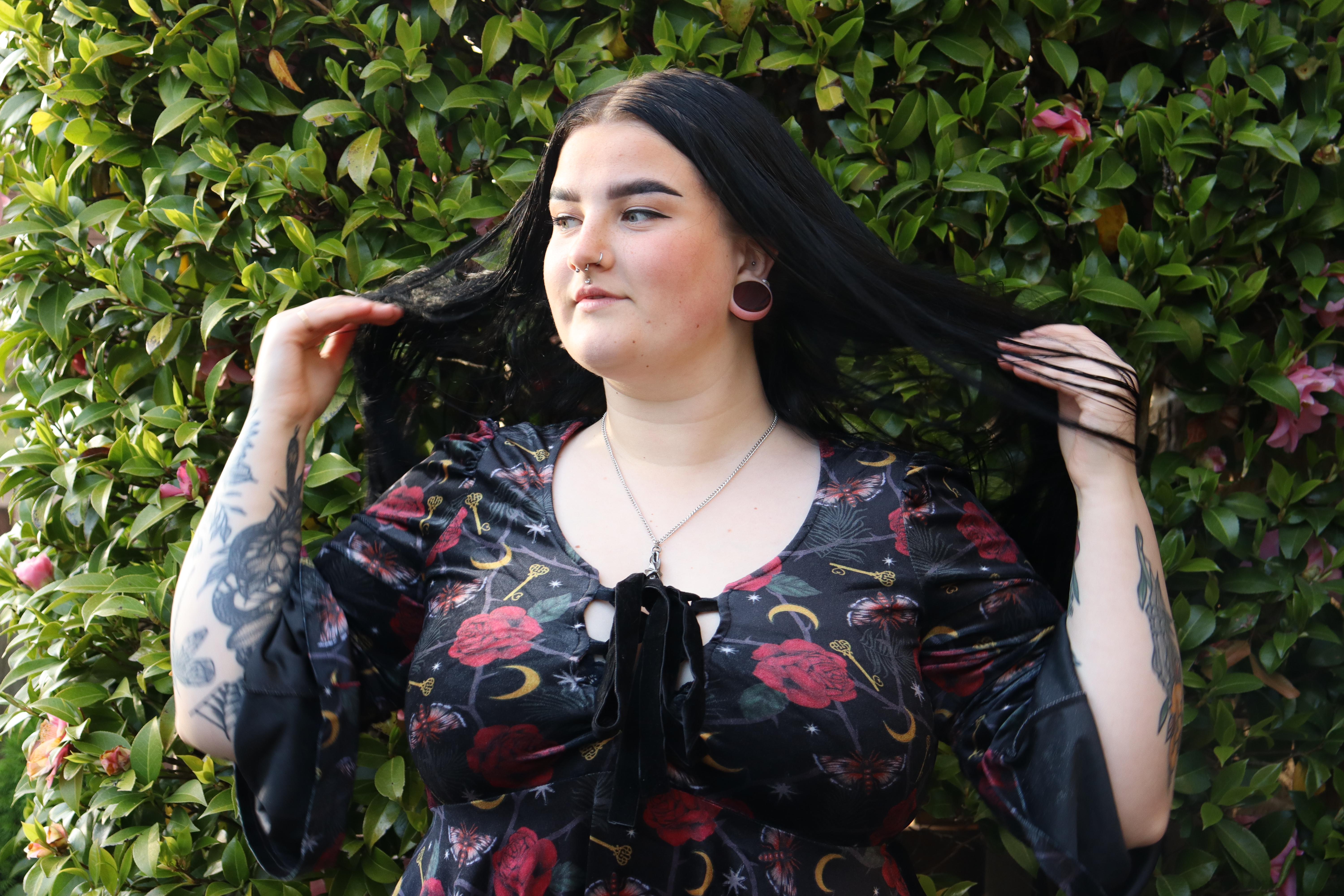
Women have to overcome personal hurdles, like judgements from other people, in order to feel accepted. Megan Forrest understands the way Doherty, Carroll, and Stuart have felt. Forrest has always believed she was different from everyone else because she doesn’t dress the same as others. She said: “It makes me feel like less than a person. Almost as if [people look at me like] a poster on the wall: they look, they judge, they leave.”
In a survey conducted by Allure in 2015, 50% of people in the UK felt as though their appearance defined them. Forrest feels as though because she dresses differently from other women a divide has been created, she said, “Neither looking or dressing the same as others makes a strict divide, intentional or not.”
Many workplaces still have a “grooming policy” regarding employees having different coloured hair.
With the rise of social media and the use of Photoshop, many individuals edit their photographs before posting them online. This makes many people feel inadequate like they can’t fit into society’s expectations.
According to a report published by Professor Rosalind Gill 90% of women use filters on social media or edit their photos before posting them. Rooting down to the fact that people want to seem different from who they are to society. Similar situations apply to how people dress, people want to fit into the crowd so try to dress similarly to everyone else.
Forrest spent a lot of time thinking she needed to dress a certain way and it took a lot of time before Forrest began accepting herself, she said: “Ages 14-16 I was trying to find my place, and every corner brought me to the wrong one. It took a lot but I brought myself through the lockdown cycle and started to accept myself for the person I became rather than the person I’d accepted I was.”
Forrest has learnt to accept that she can dress however she wants now.
Forrest believes people in similar situations will eventually feel the way she does now. She said: “You don’t need to be OK in yourself, it’s a matter of existence. Once you accept that no one cares; your life is not based on the perception of others. No matter where you’re based there will always be a community of acceptance and people who care and respect your existence.”
Naomi Wolf wrote a book about beauty myths within society and spoke in an interview about the fact women had to live up to standards men didn’t. Even though this was published in 1990, similar standards are still set out today that women feel the need to abide by; but it is clear that women are learning to love and accept themselves regardless of said expectations.
Whether it be the way women dress, or the fact they have body art, skin conditions or have more body hair there will always be people in this world who judge them. Increasingly women are beginning to believe they’re beautiful regardless of society’s opinions, learning to ignore and block out said judgements, the way Forrest, Doherty, Carroll and Stuart have.
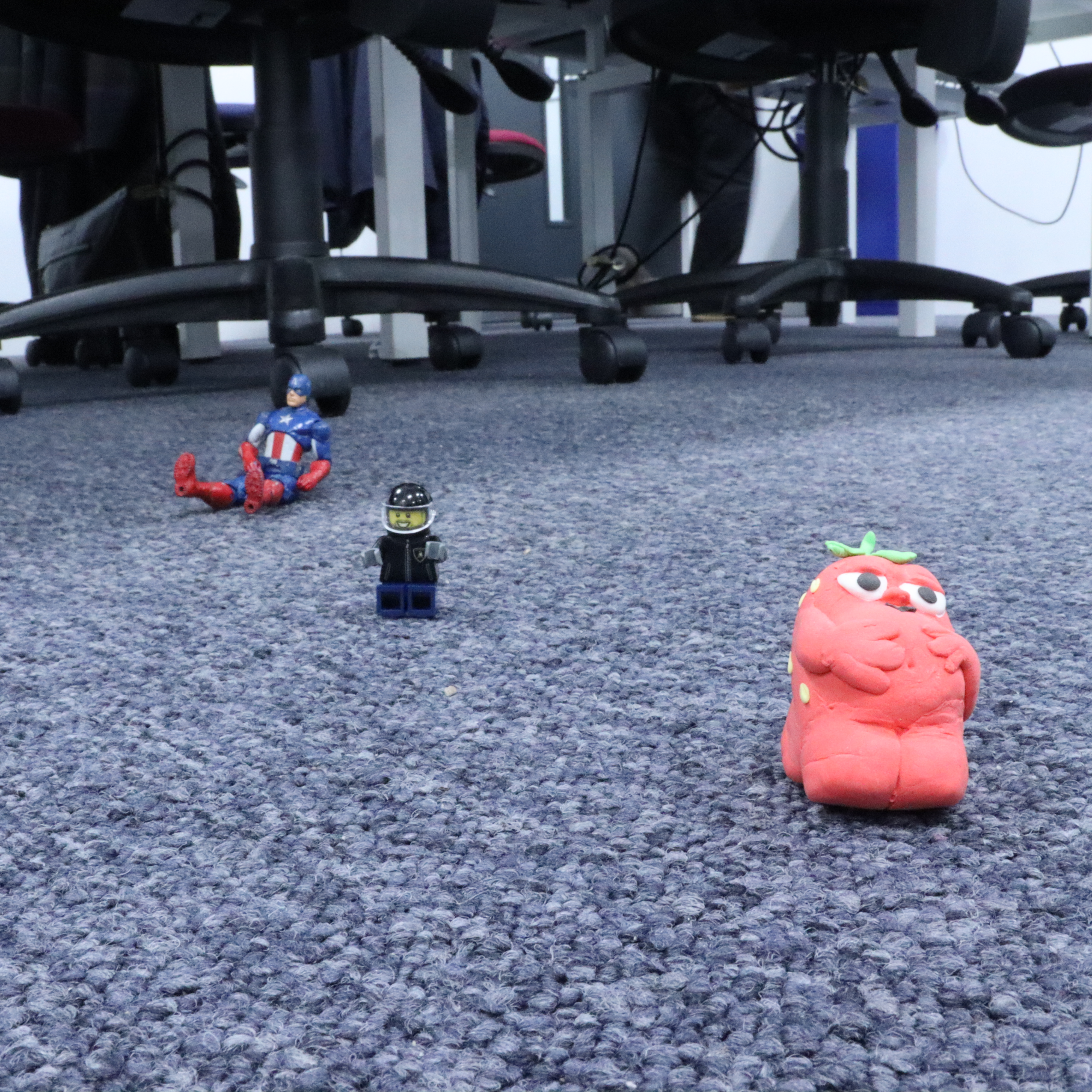
For the third workshop we were asked to go and take numerous images on different apertures. Once coming back into the workshop room and looking at the images on the computer it became clear that I should’ve got closer for my portrait photographs to be able to display the aperture. All the images look really similar despite the differences made to the depth of field. I also questioned whether the outside lighting played a part in this. I decided to practice again using three objects, going closer seeing if this made a difference, which it did.
Smallest aperture-F22Highest aperture-F4
In the first image, you can clearly see what all the images are whereas, in the second image, the two back objects are blurry, with the first object being focused. Showing that getting closer to the objects being photographed shows the difference between the smallest aperture and the highest.
Smallest aperture-F22Highest aperture-F4
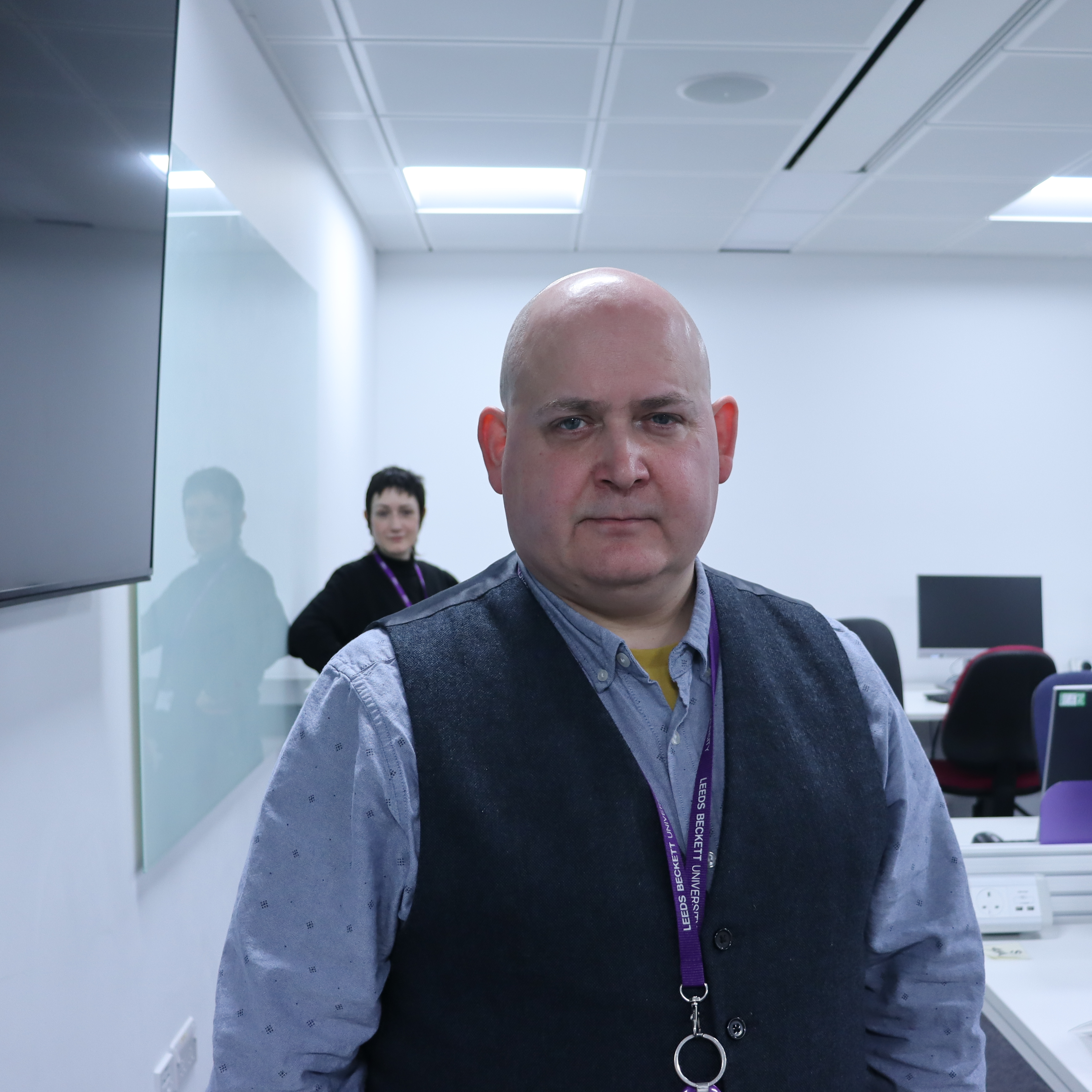
I also then took practice images with my tutors, the first image shows both Karl and Ruth in focus whereas the second image shows Ruth to be out of focus. Again showing the difference in smallest to highest aperture.
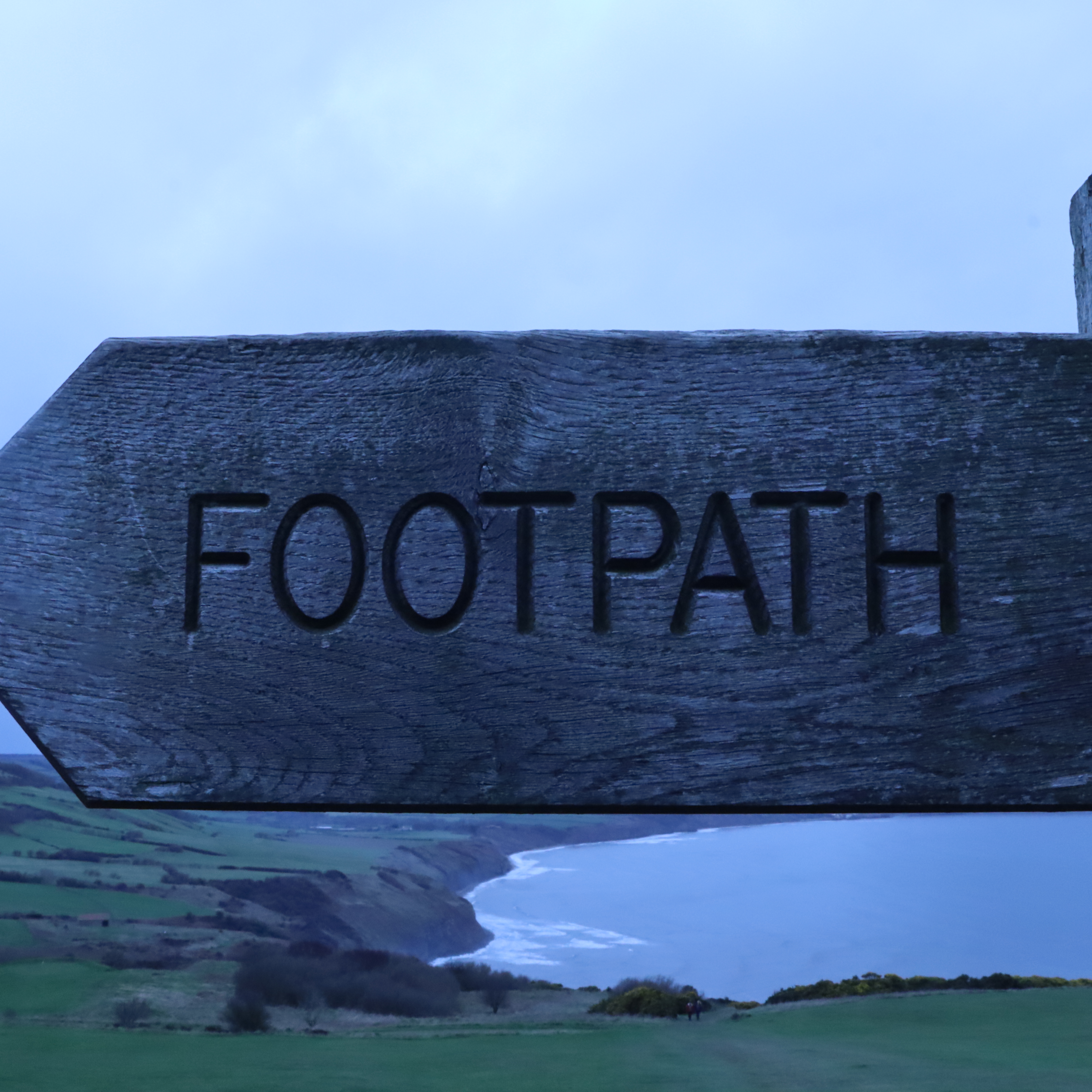
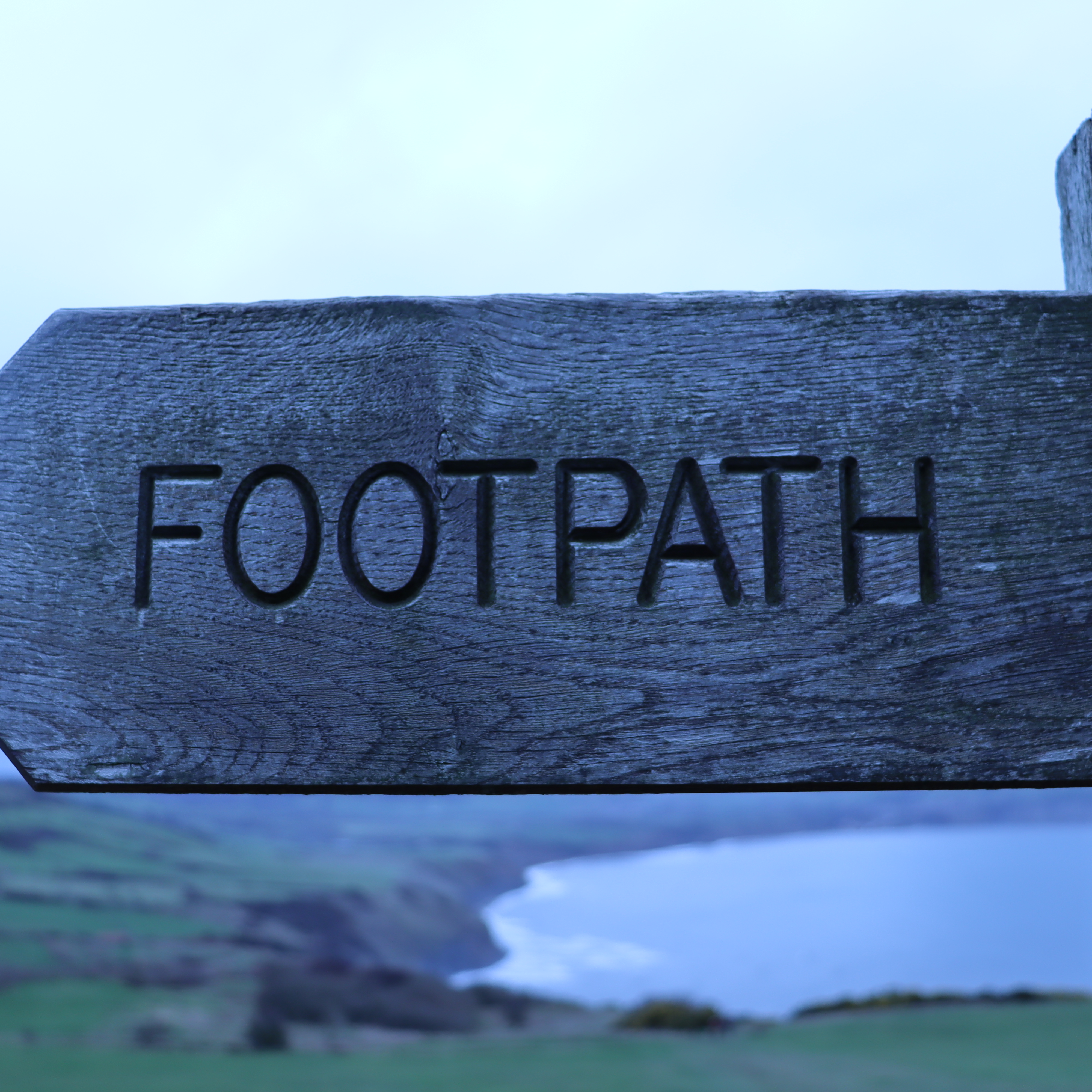
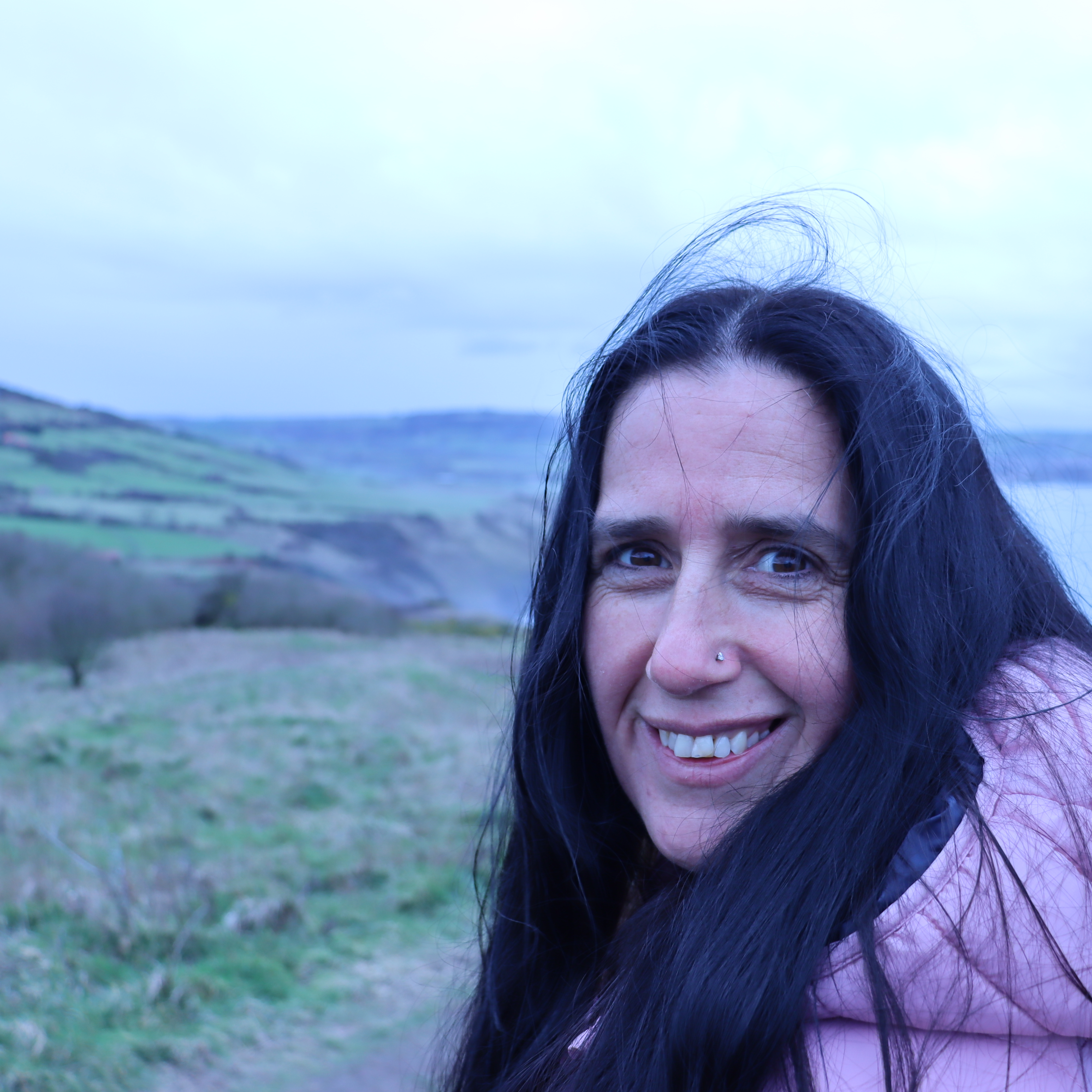
I experimented more the weekend following the workshop, using a signpost, my mum, and an iPhone. All images clearly show the difference in the smallest and highest apertures. After experimenting that weekend I became more confident using the aperture on a camera; being able to properly demonstrate the differences.
Reflection
Our third workshop task was regarding the depth of field. My main reflection is further up in the post.
I was incredibly happy with how this workshop task went, I found the confidence to experiment with the camera, which is the confidence I had lacked in the two weeks prior.
It was nice to be able to physically see the difference when changes were made and it gave me the boost of confidence I needed to be able to continue in the module.


































 Photographic Journalism
You must be logged in to post a comment.