Below is the link to the article I have written for photojournalism module final project.
https://shermanrabbit02.wixsite.com/sherman-rabbit-portf/post/falling-in-love-with-modern-crochet
Showcasing the Best in Photojournalism from Leeds Beckett University
Below is the link to the article I have written for photojournalism module final project.
https://shermanrabbit02.wixsite.com/sherman-rabbit-portf/post/falling-in-love-with-modern-crochet
On the 8th and final reel of film I used for this project, I took images of friends and interviewees. It features images of Thea, Holly, Matt, Myles, Sam, Ally and Eve.
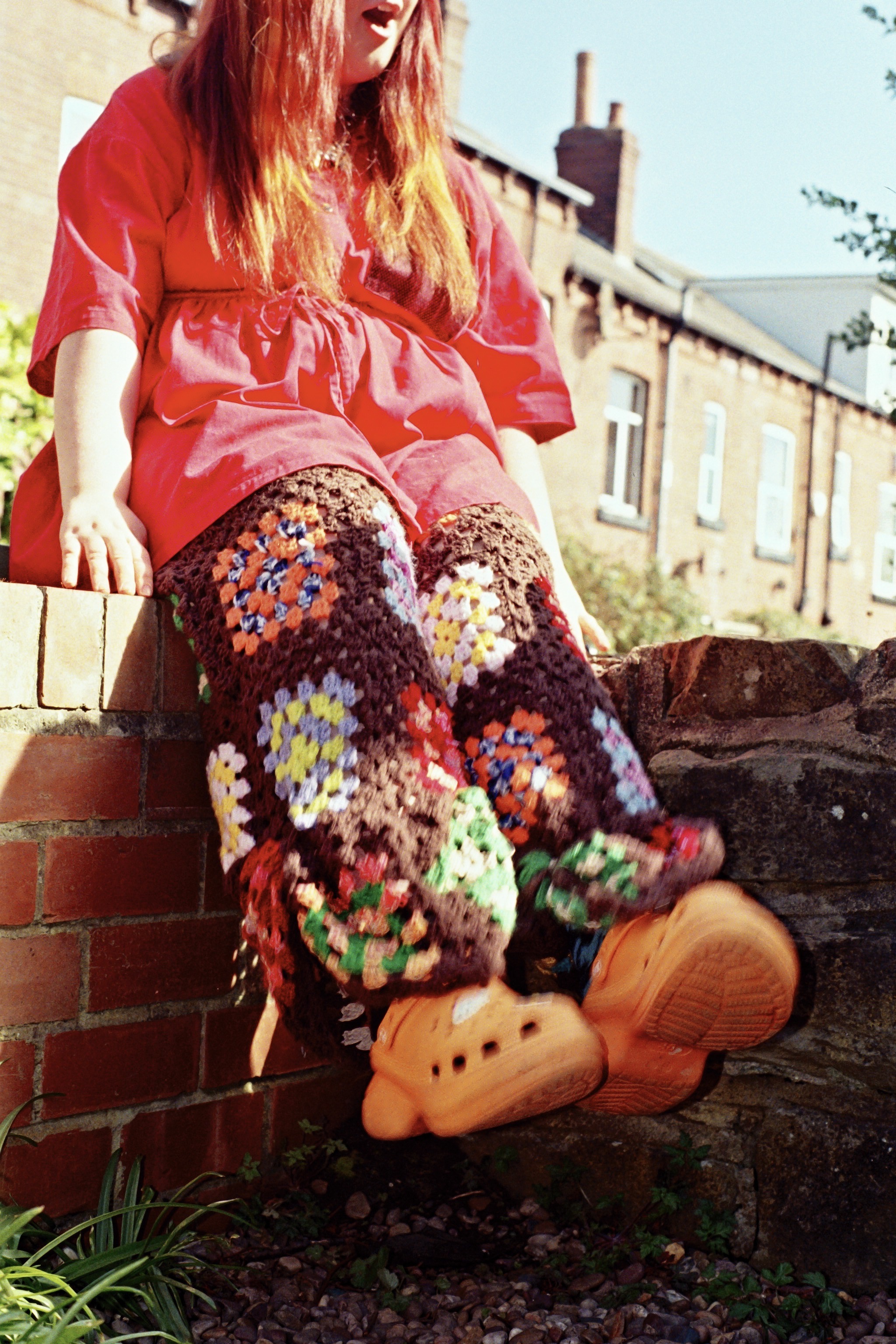
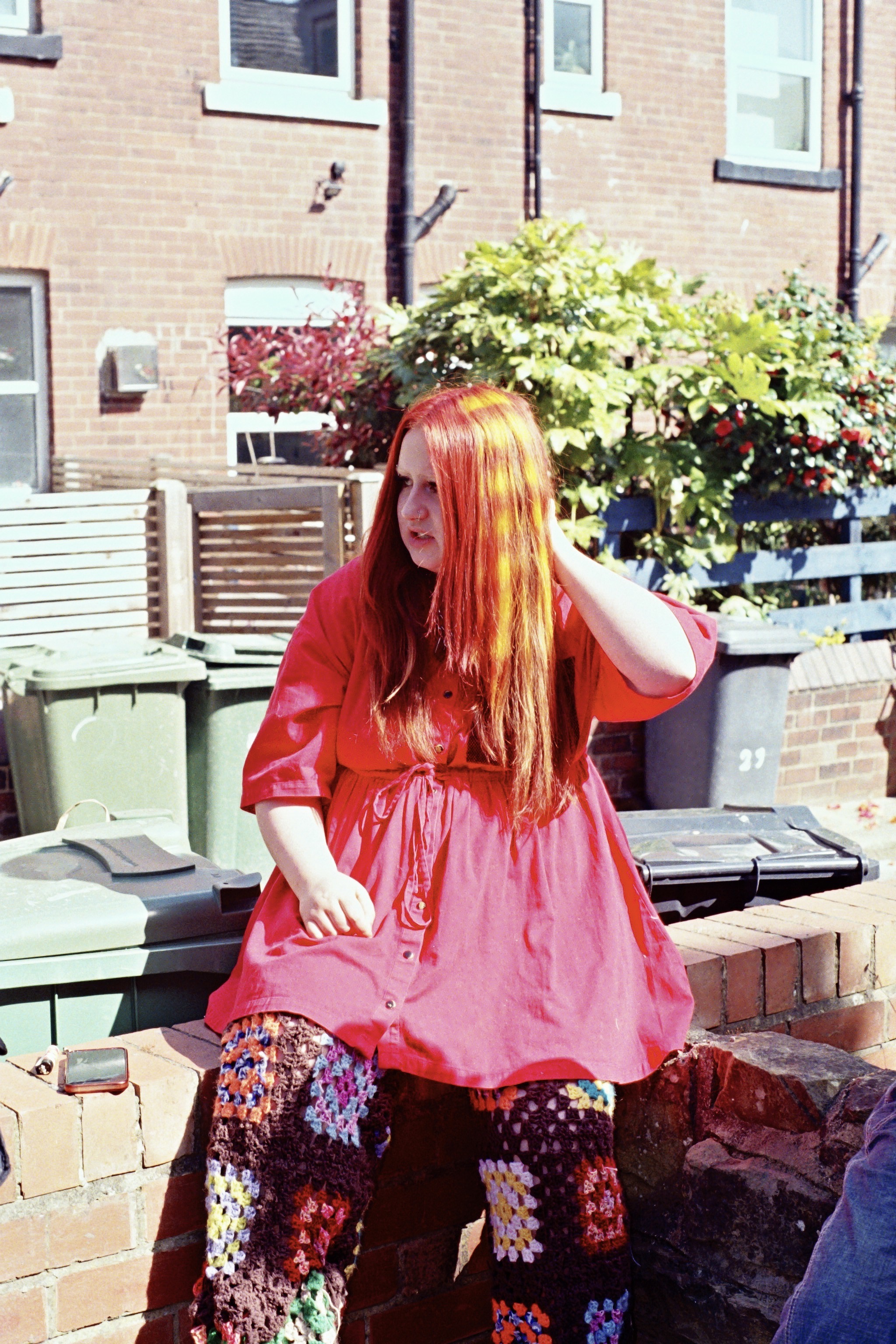
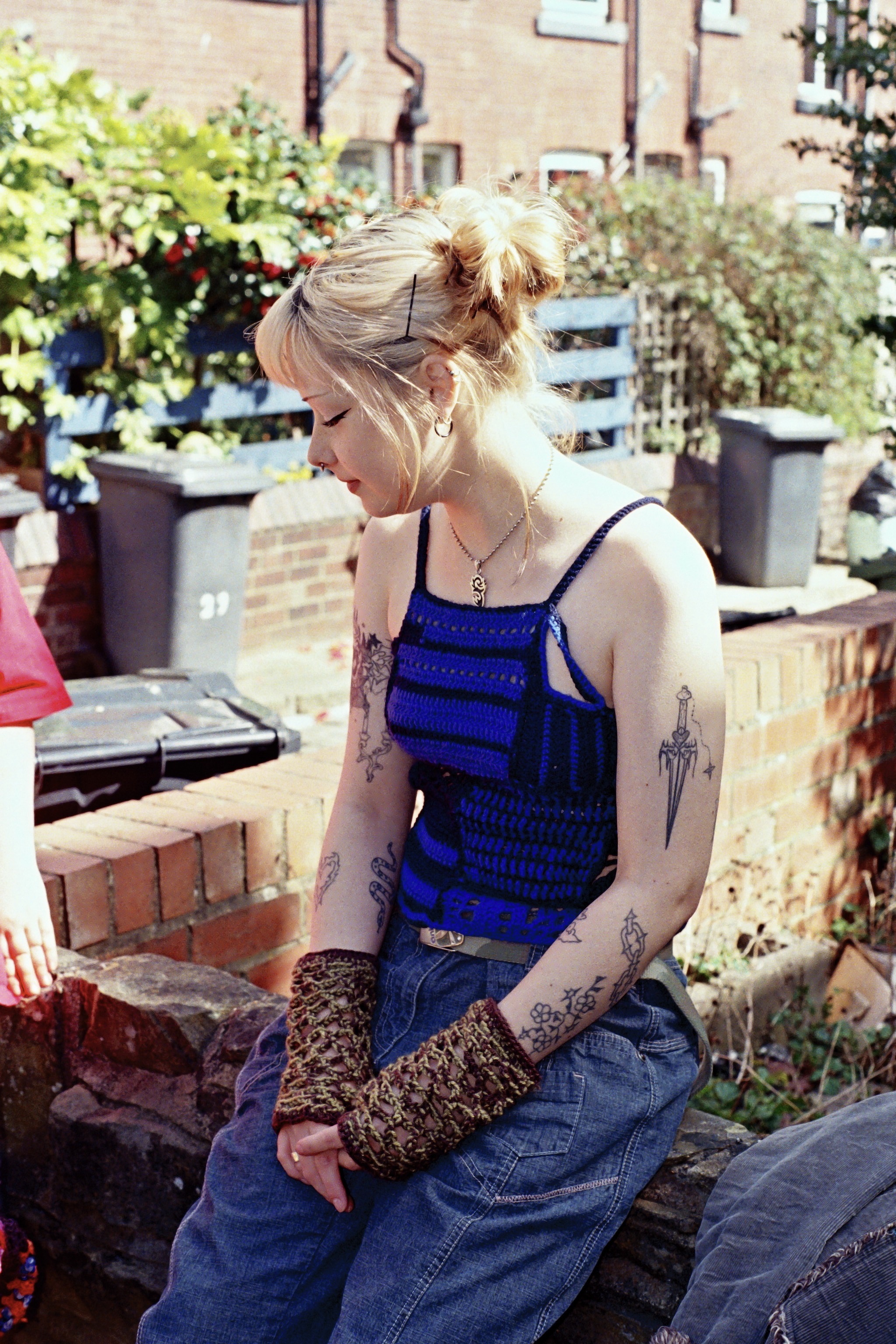
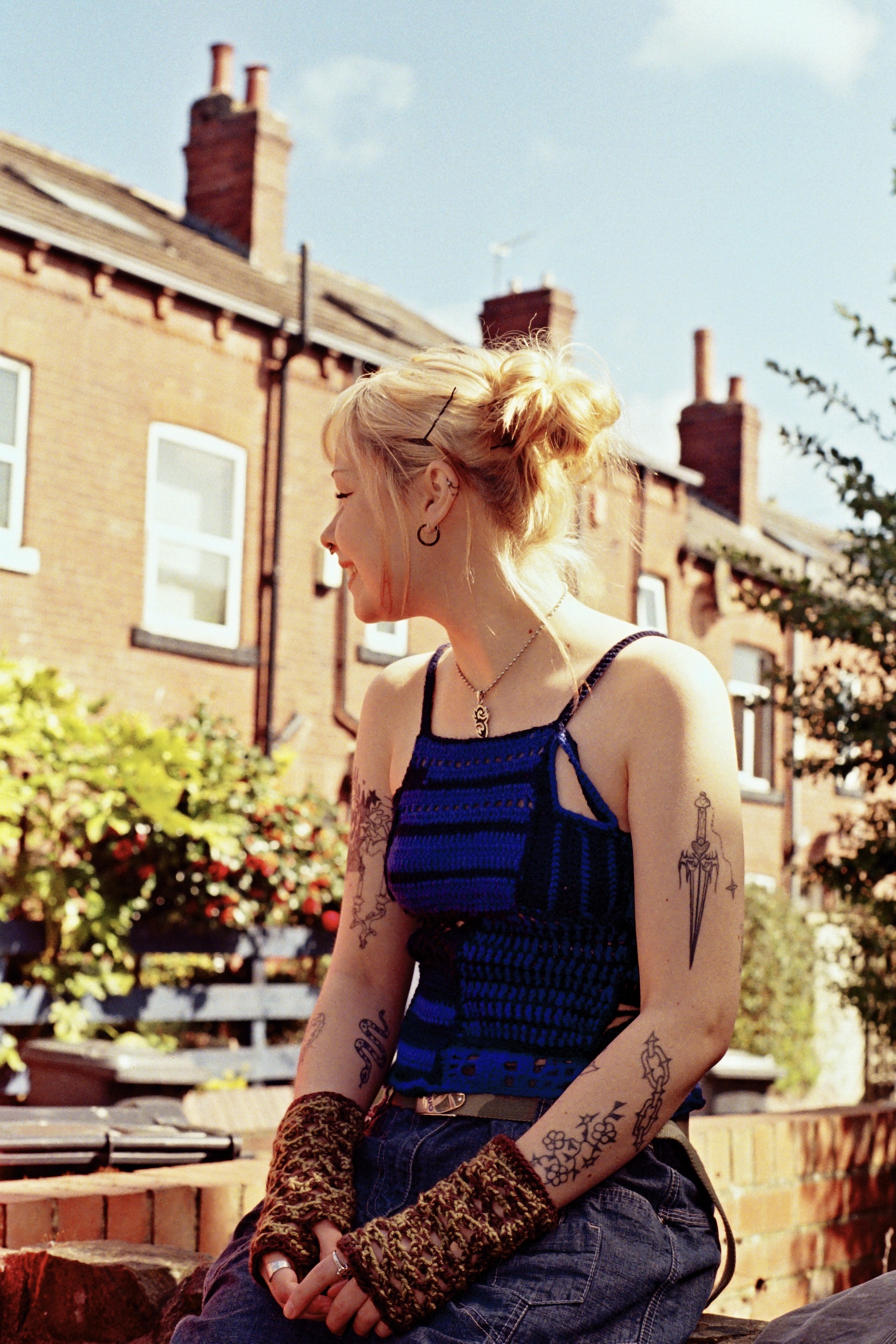

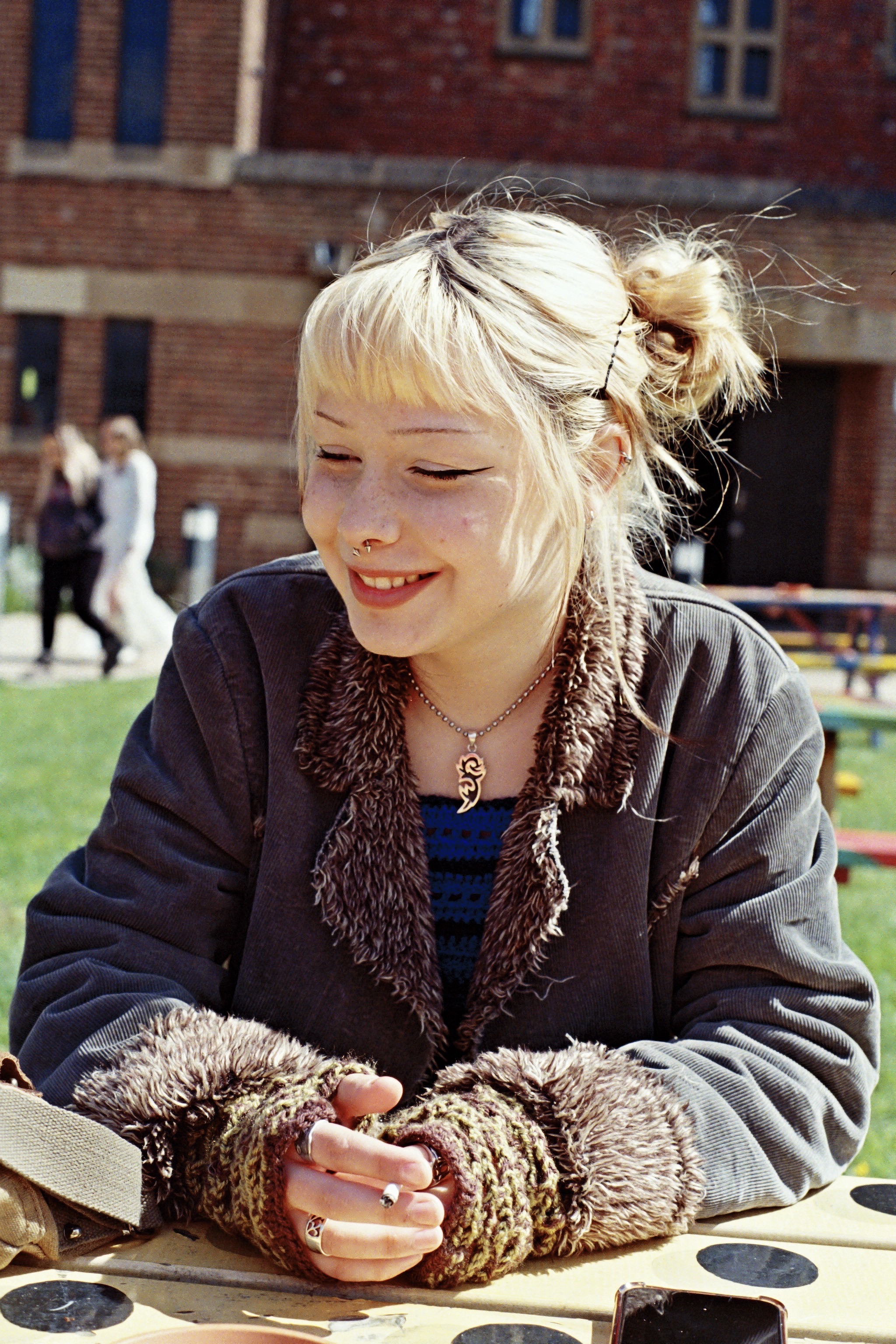
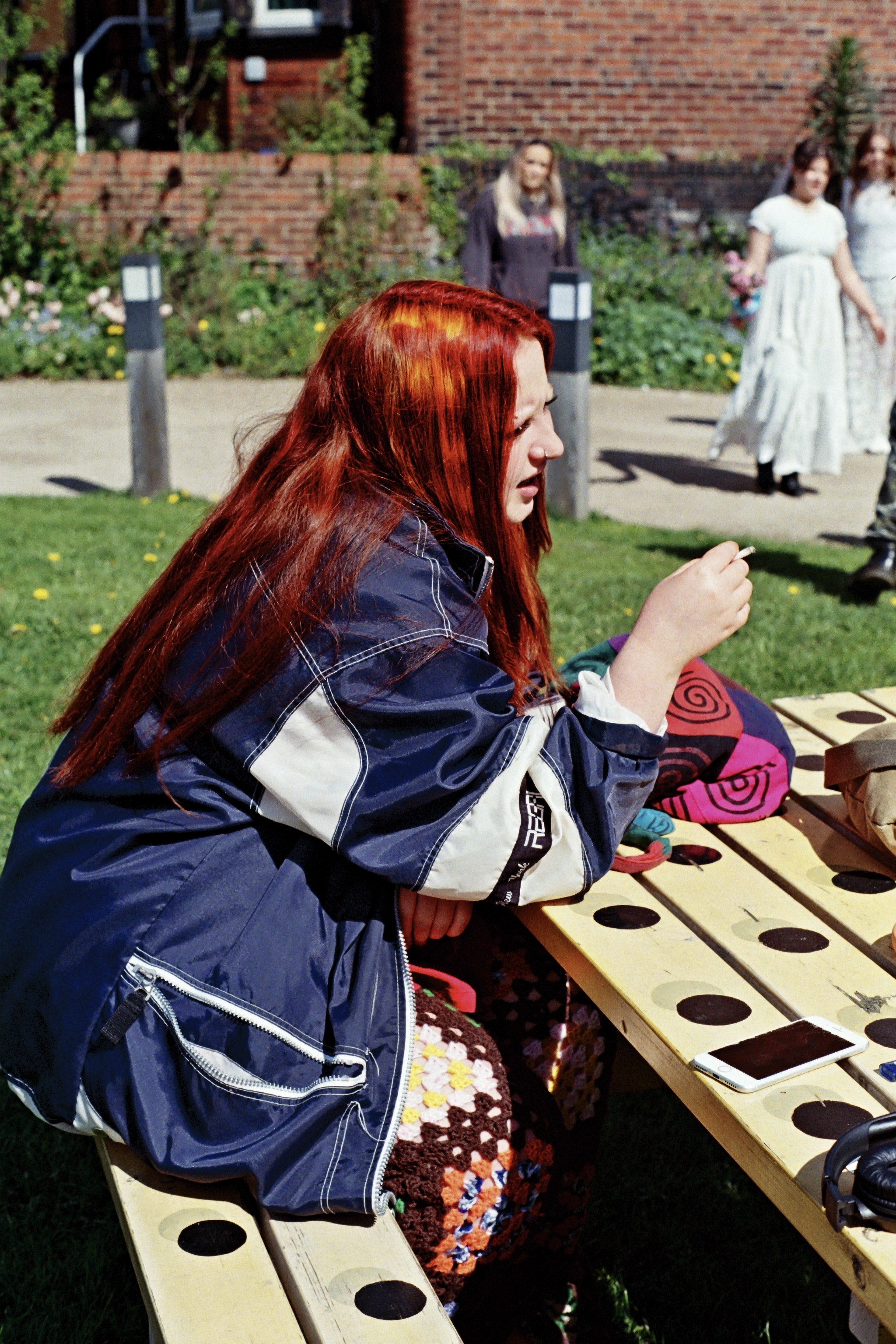
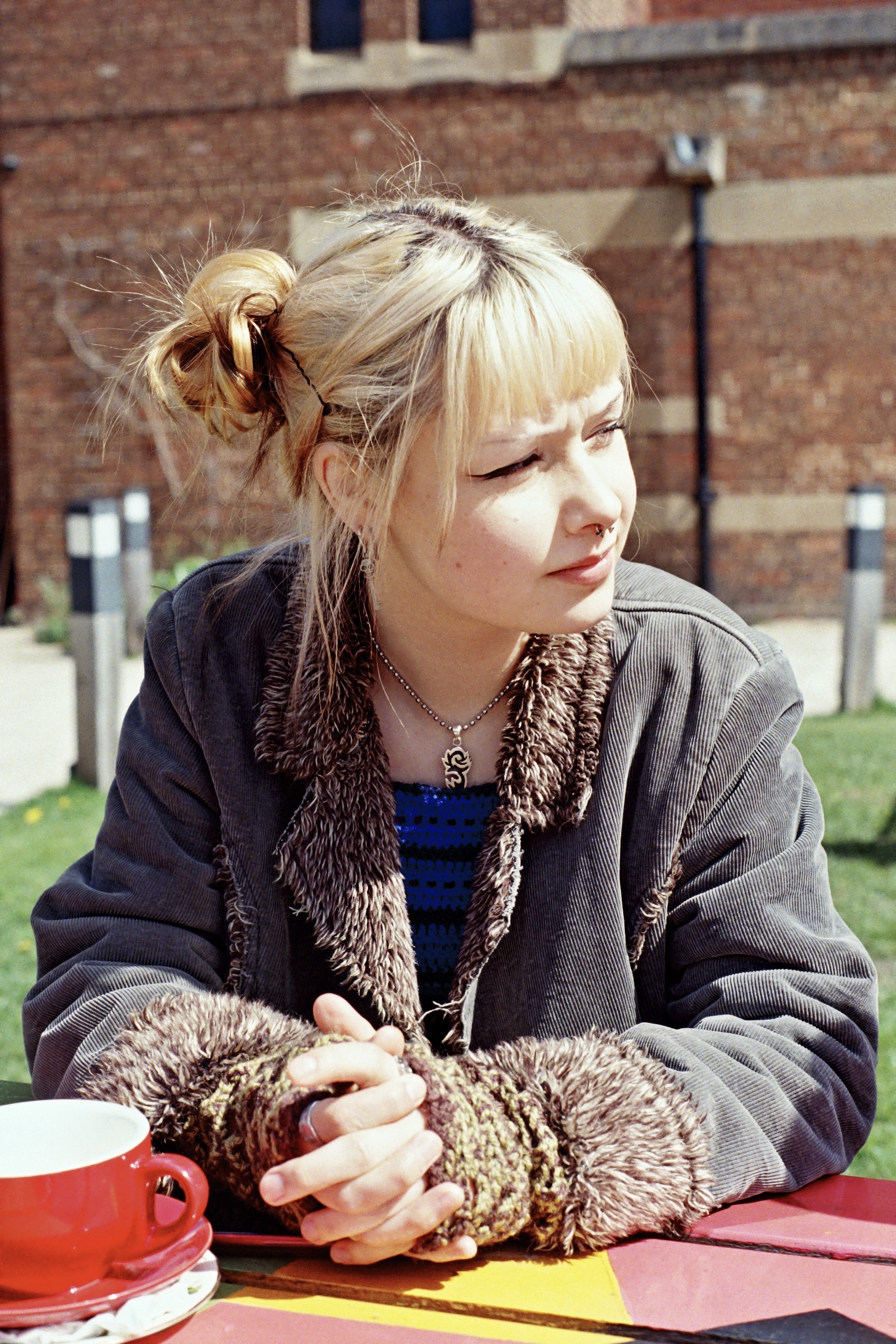

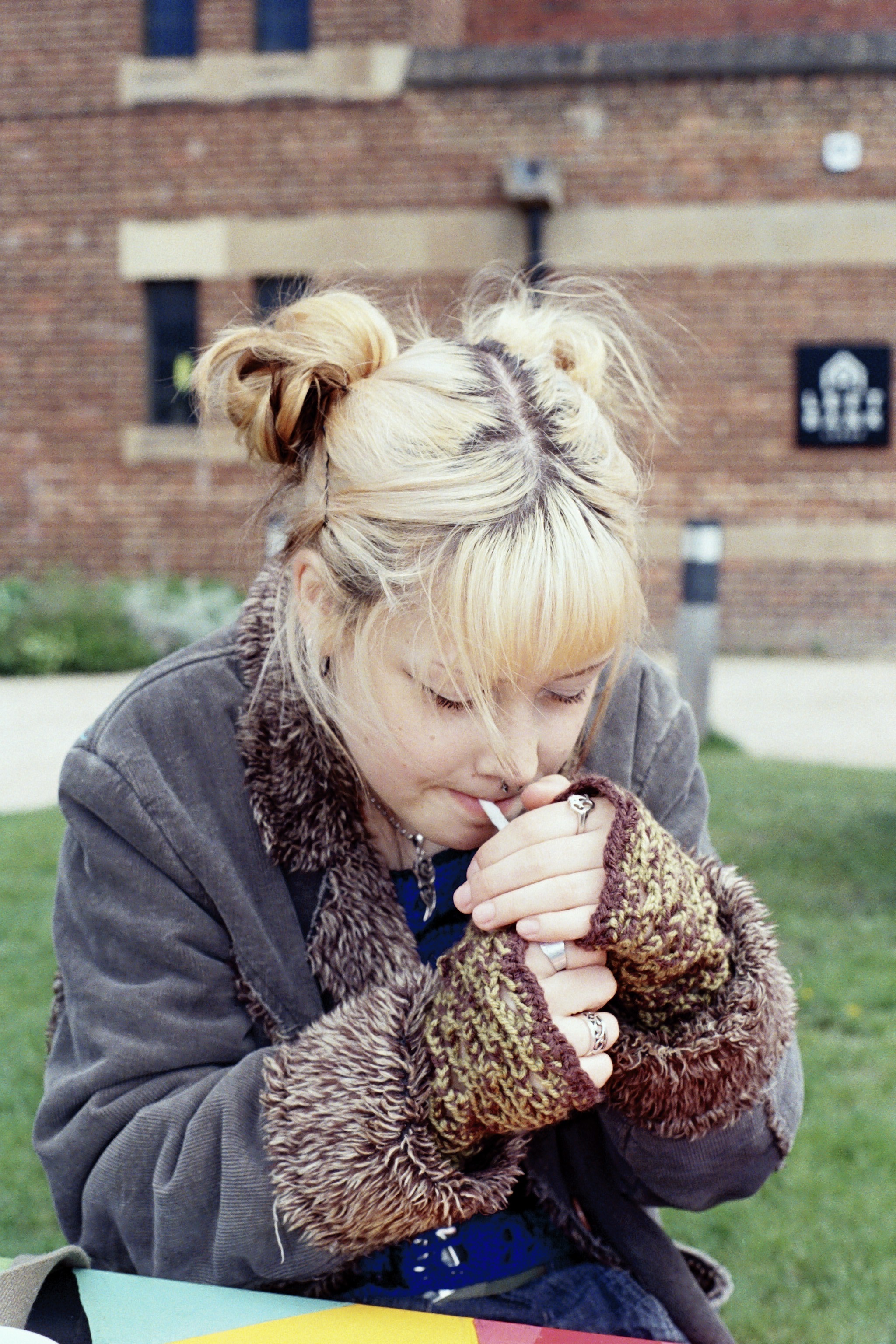
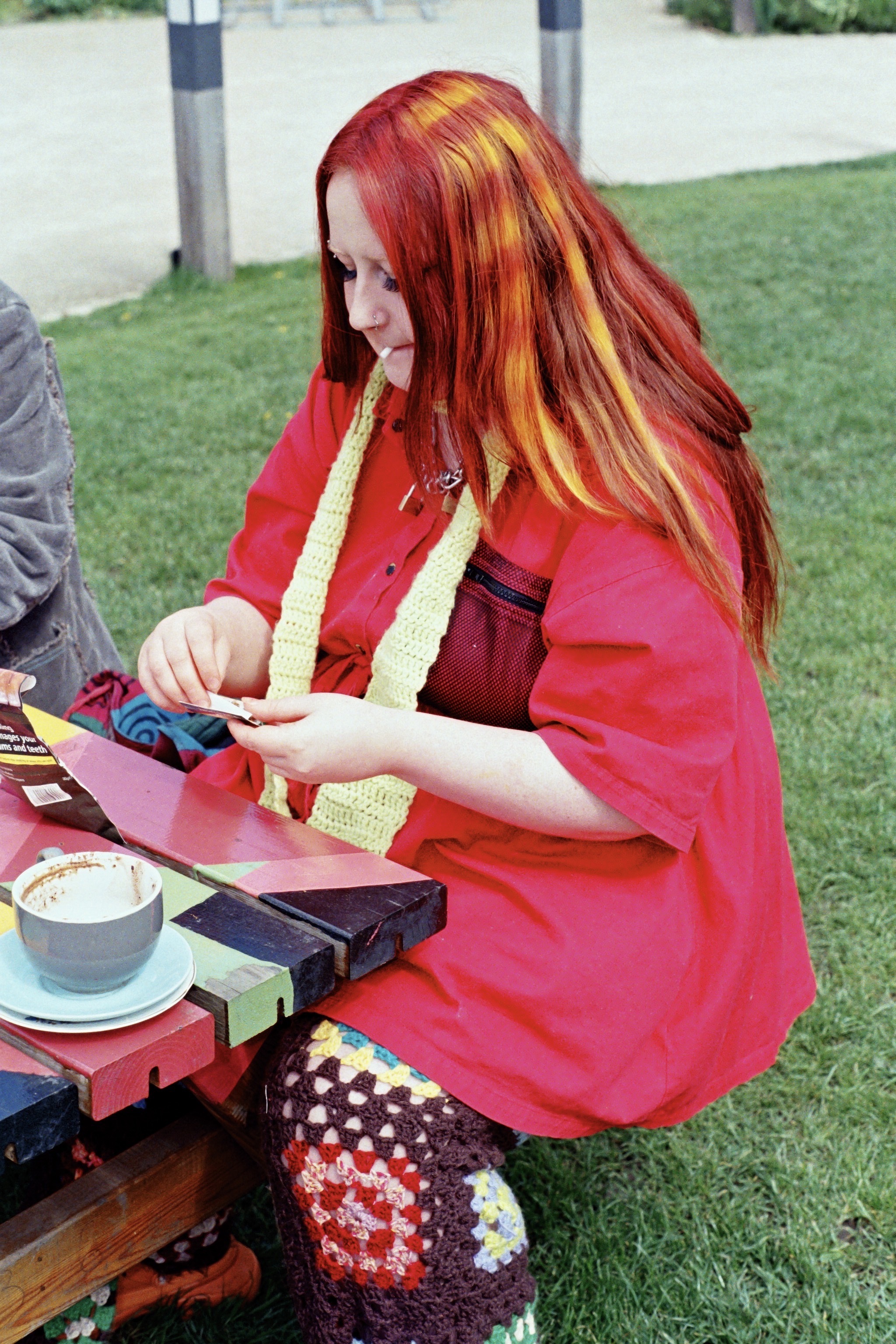

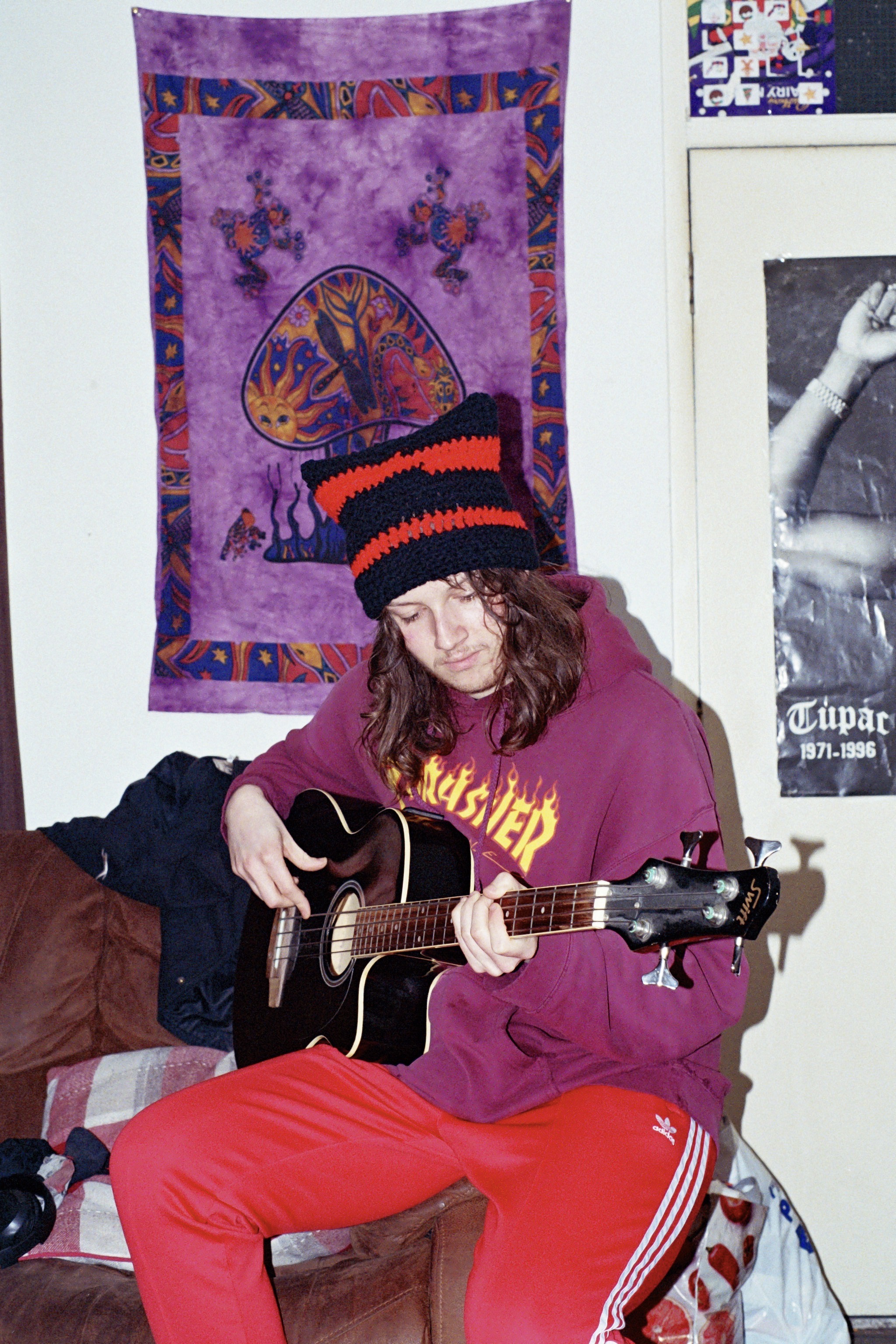

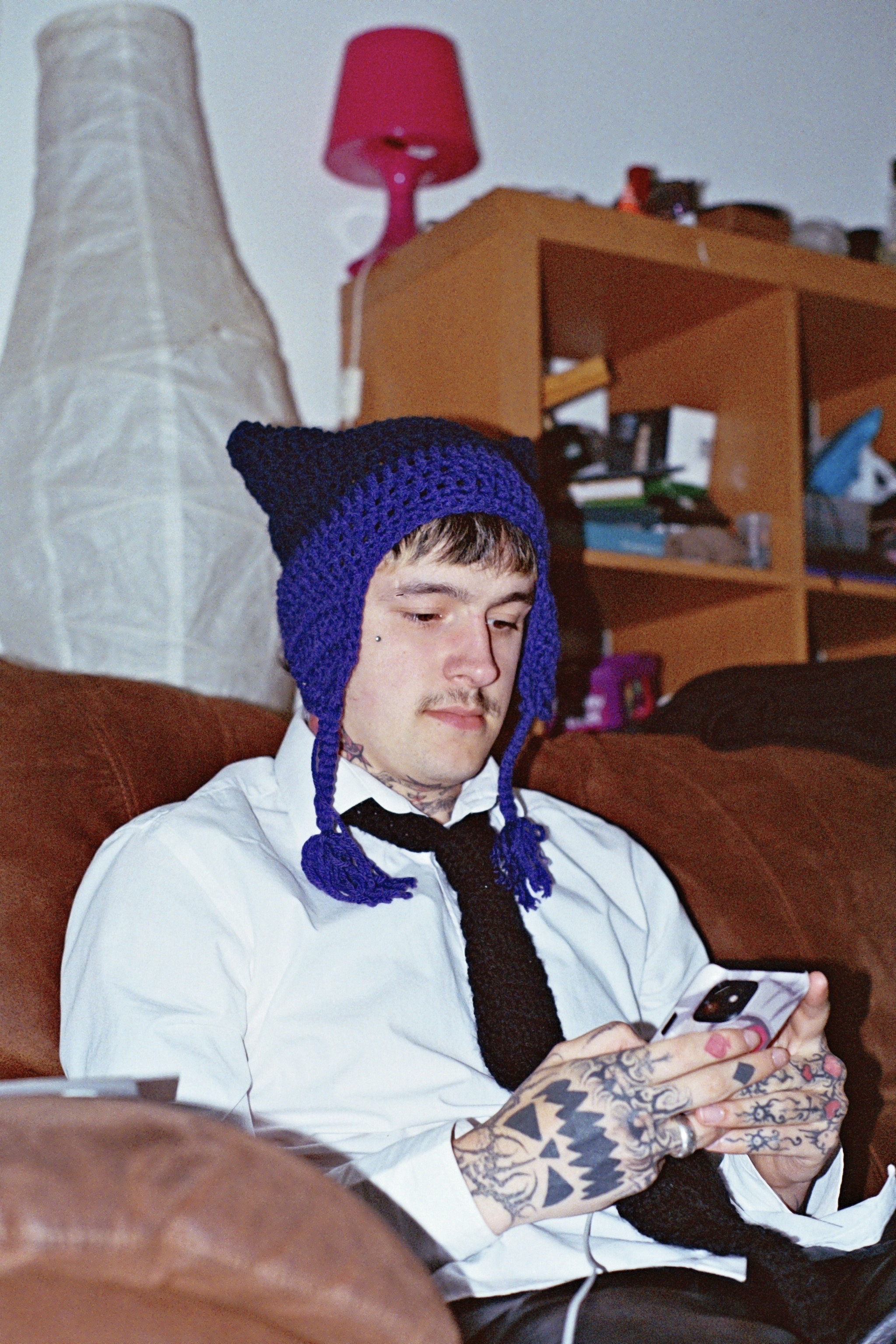
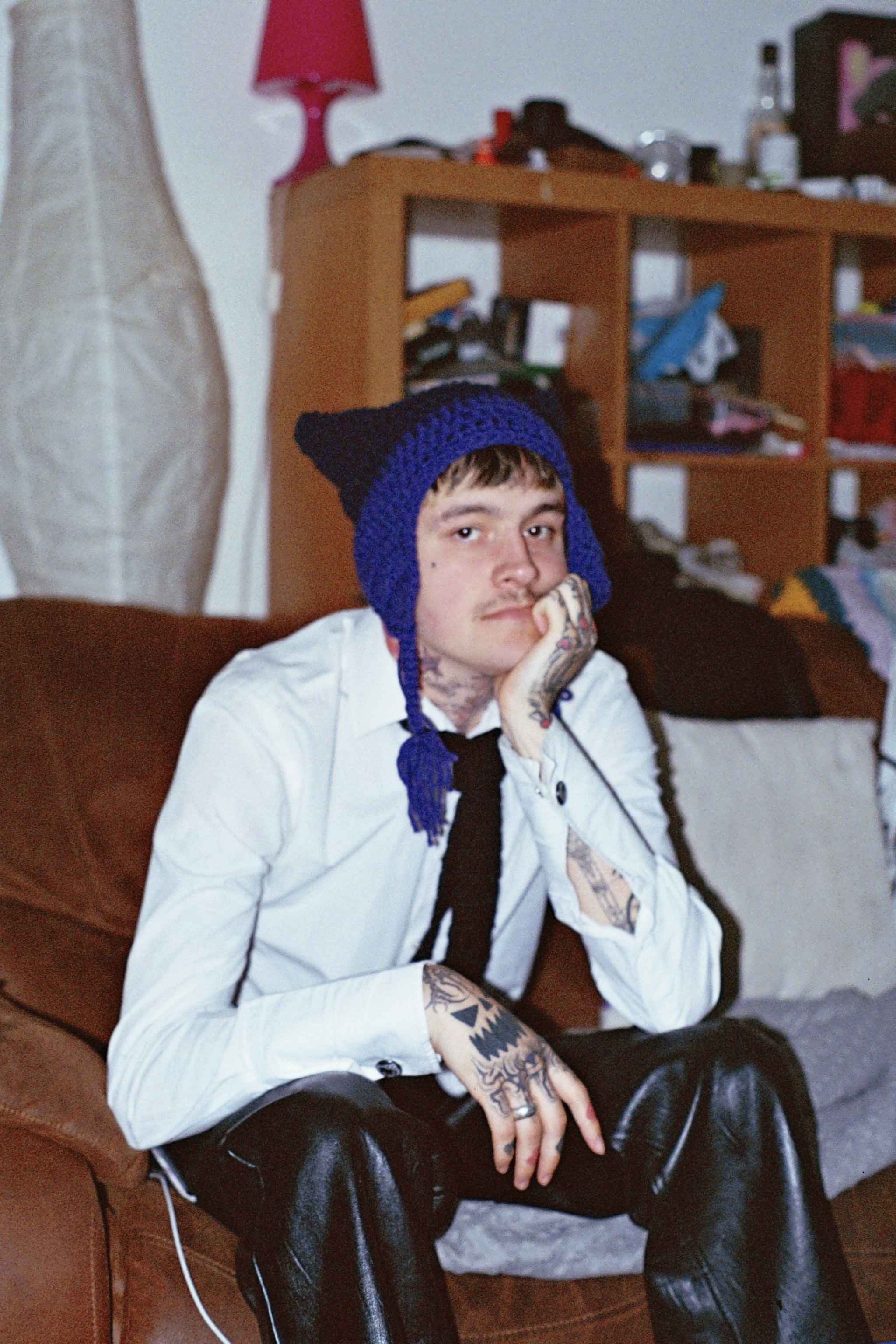

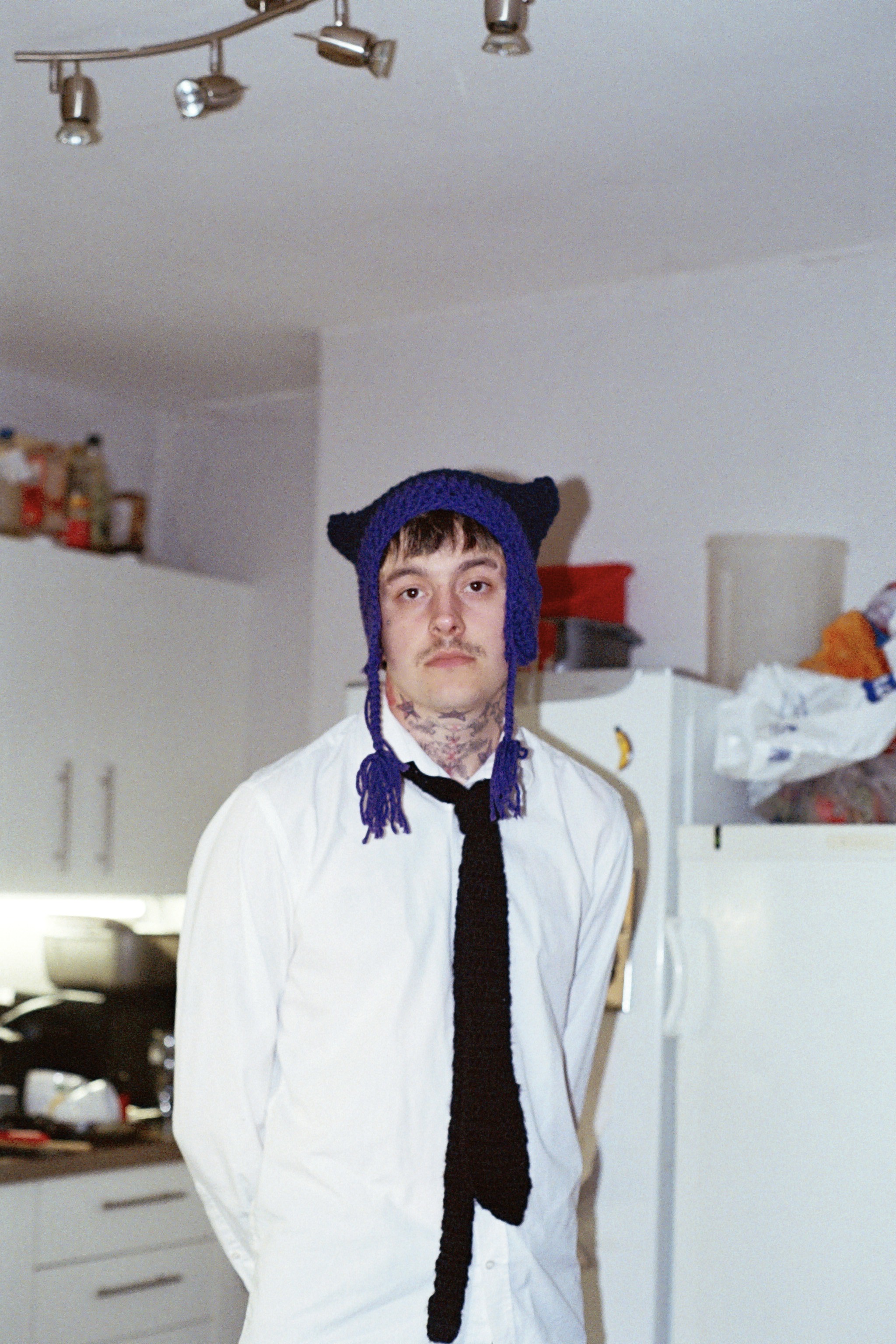
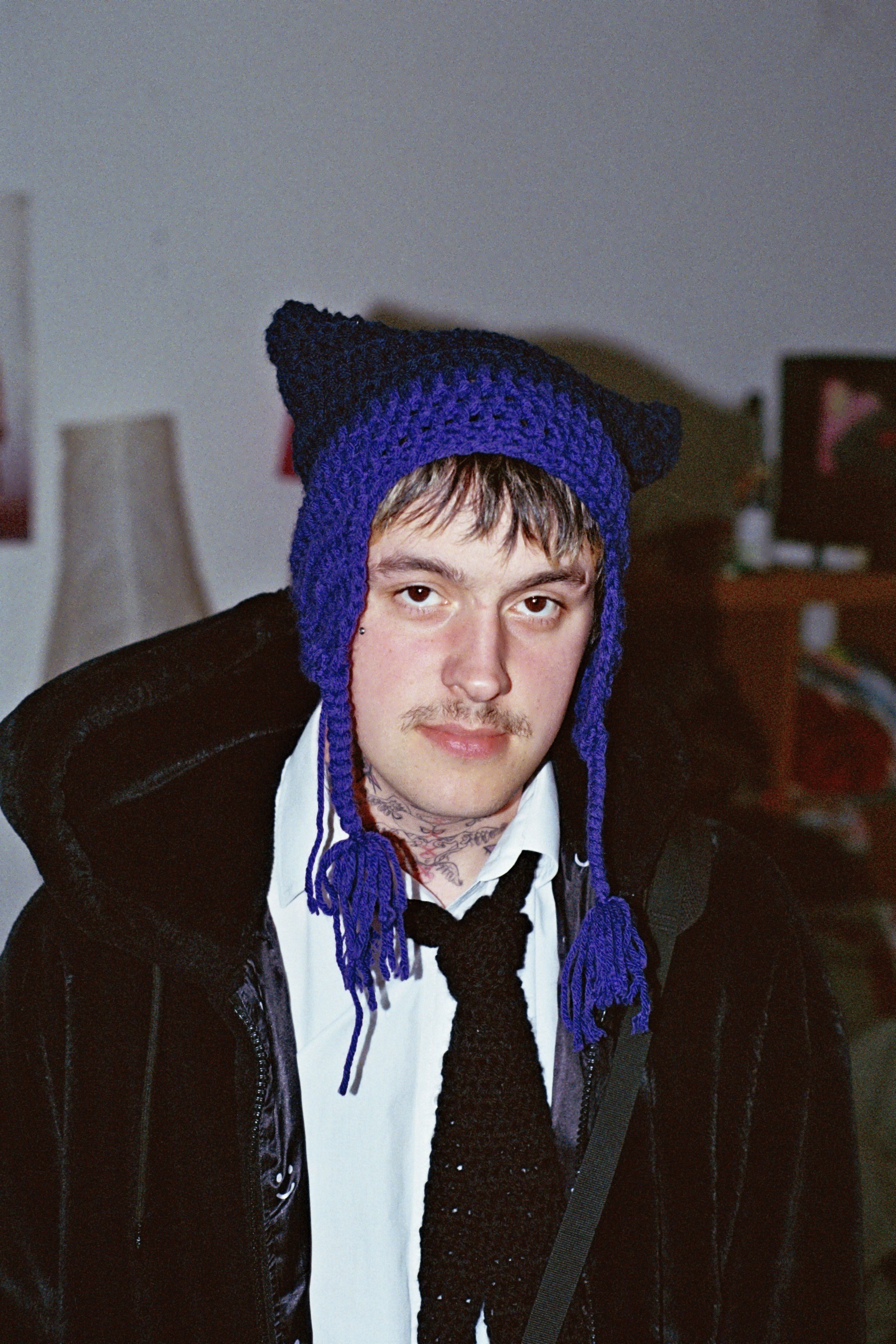
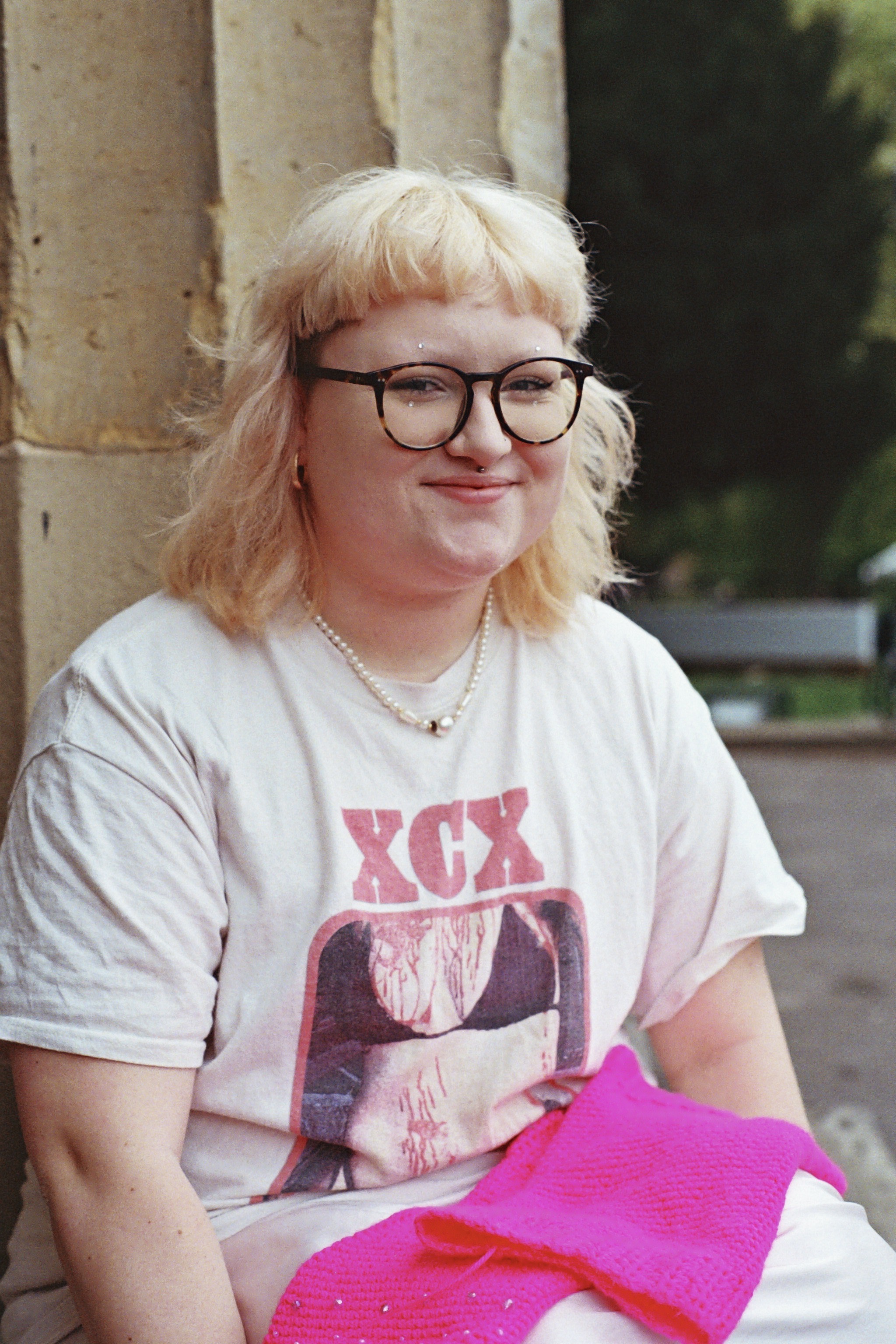

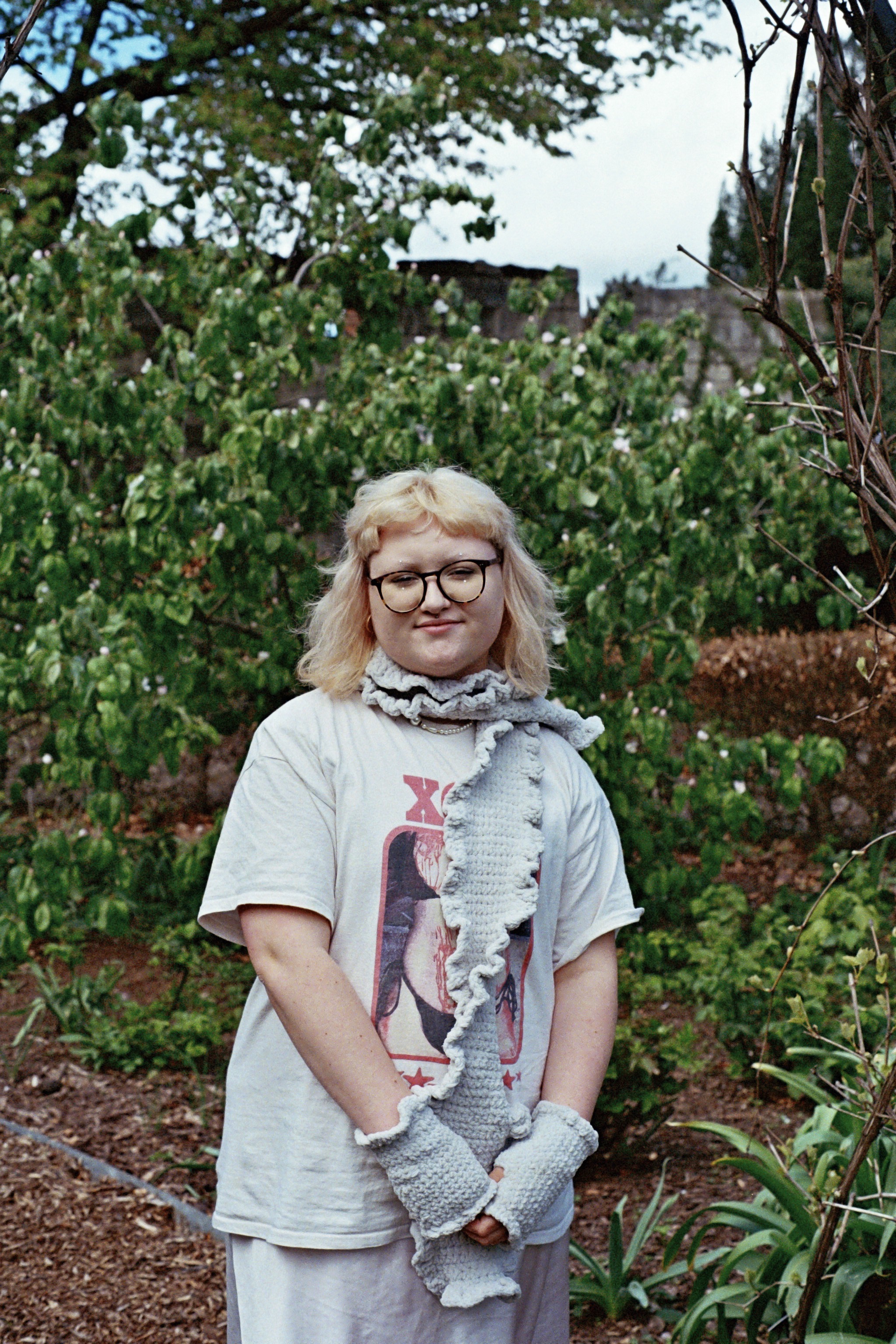

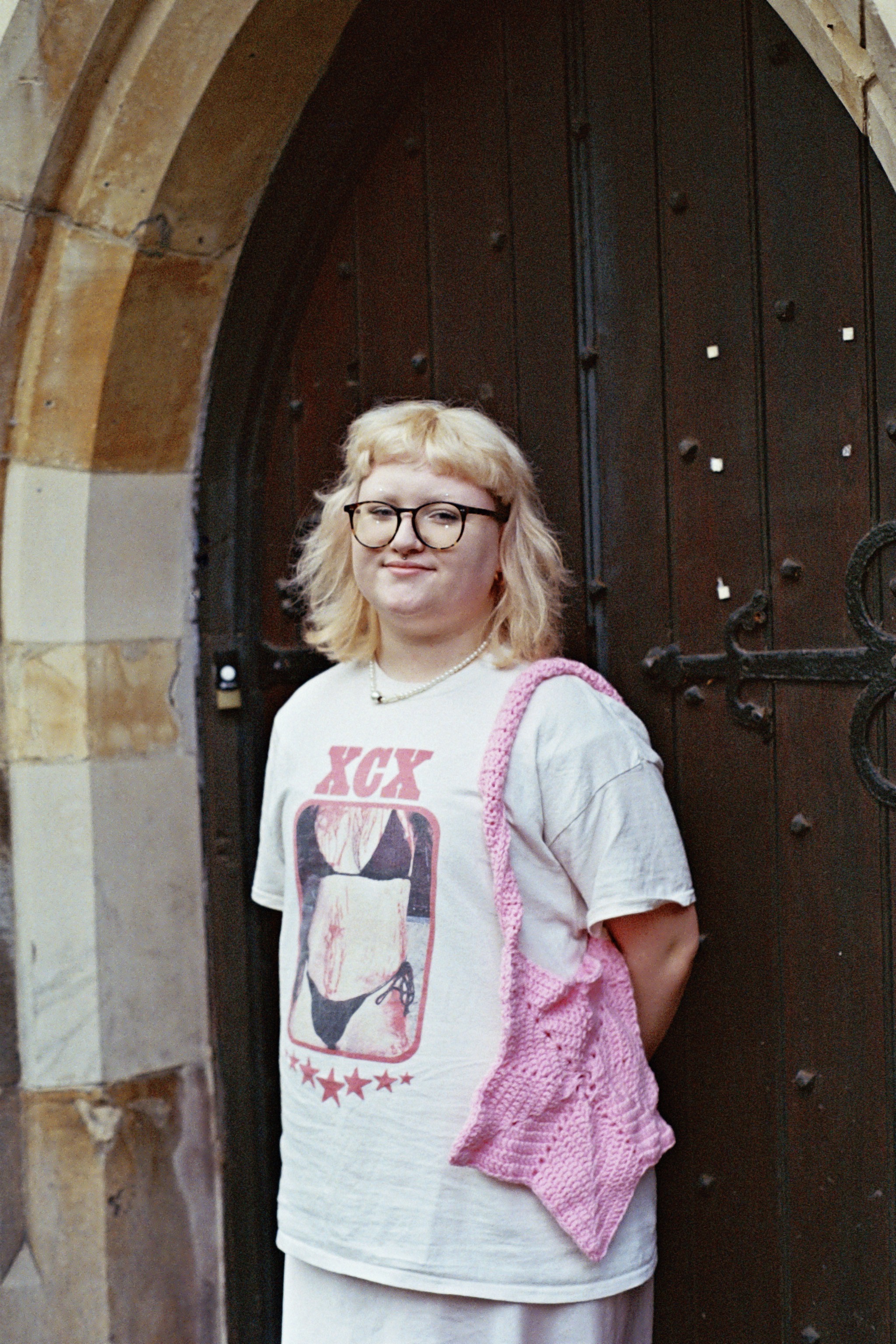
During the making of this article, I really got into shooting on film. I chose to shoot in all different locations to work out where would be best to get portraits of others done.
The following shots are taken outside and captured the subject well due to lighting conditions. Flash was not used while taking these images.

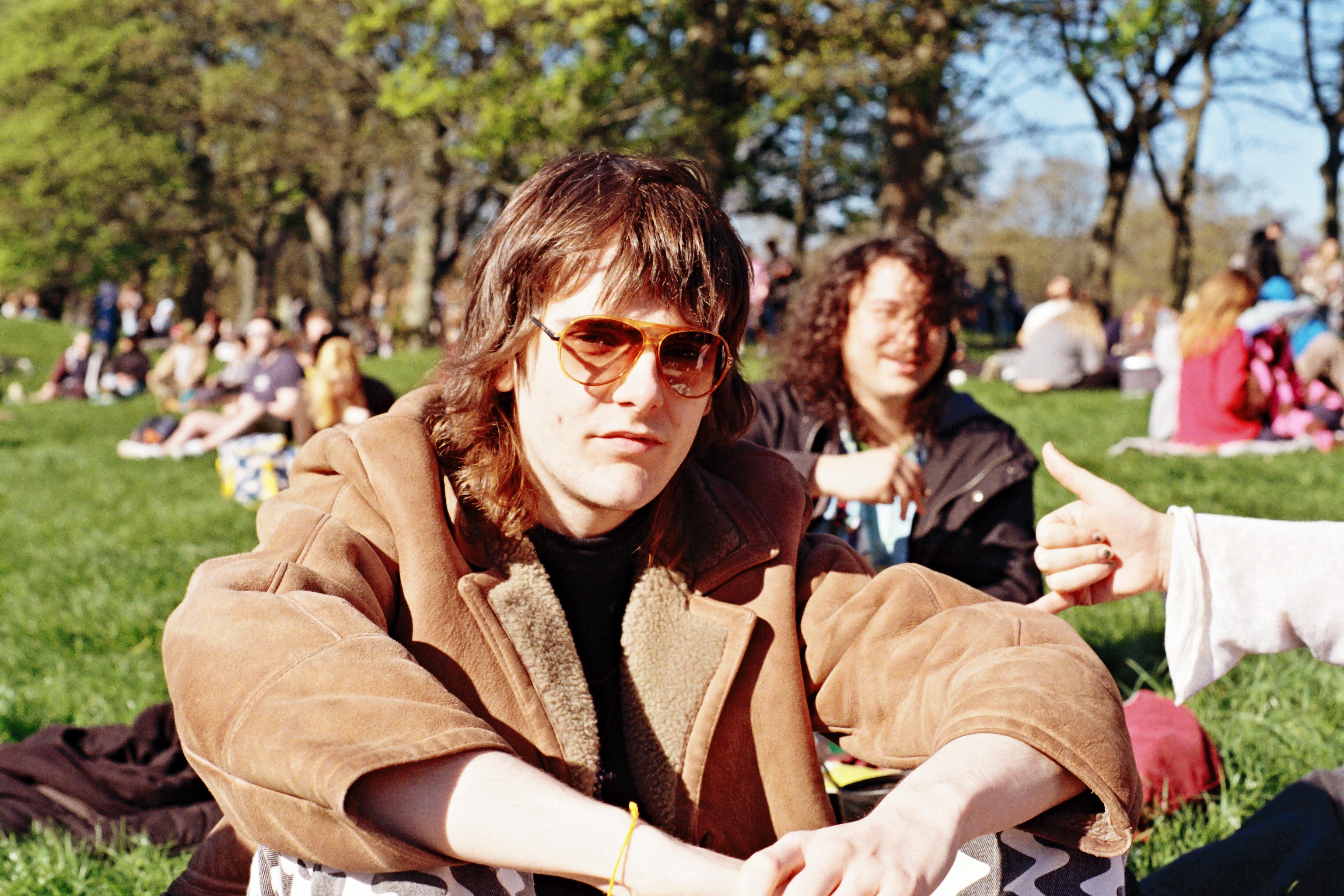


The next following images were also taken without flash in an outside setting, but the lighting was not right and the picture has not reached it’s full potential.
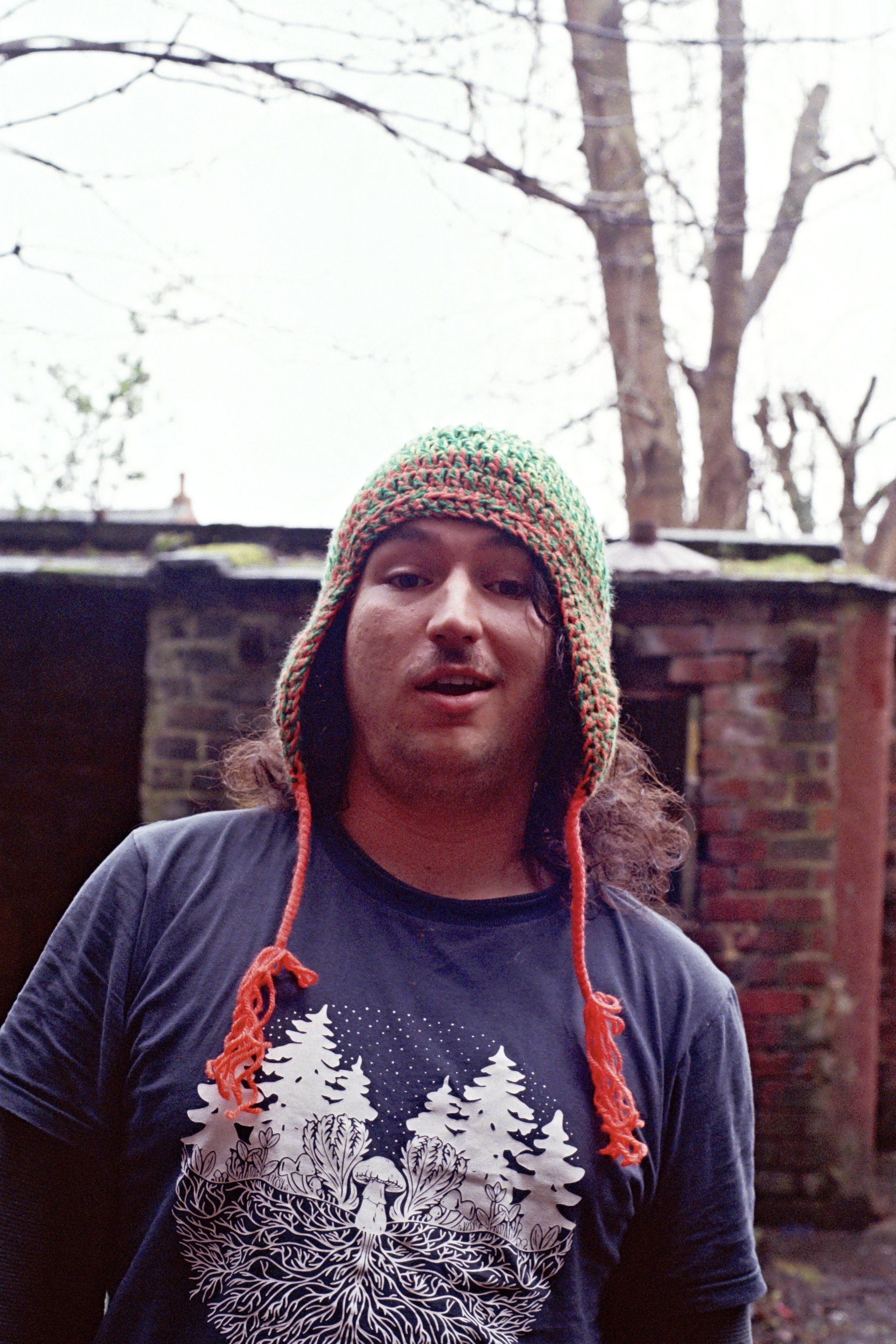

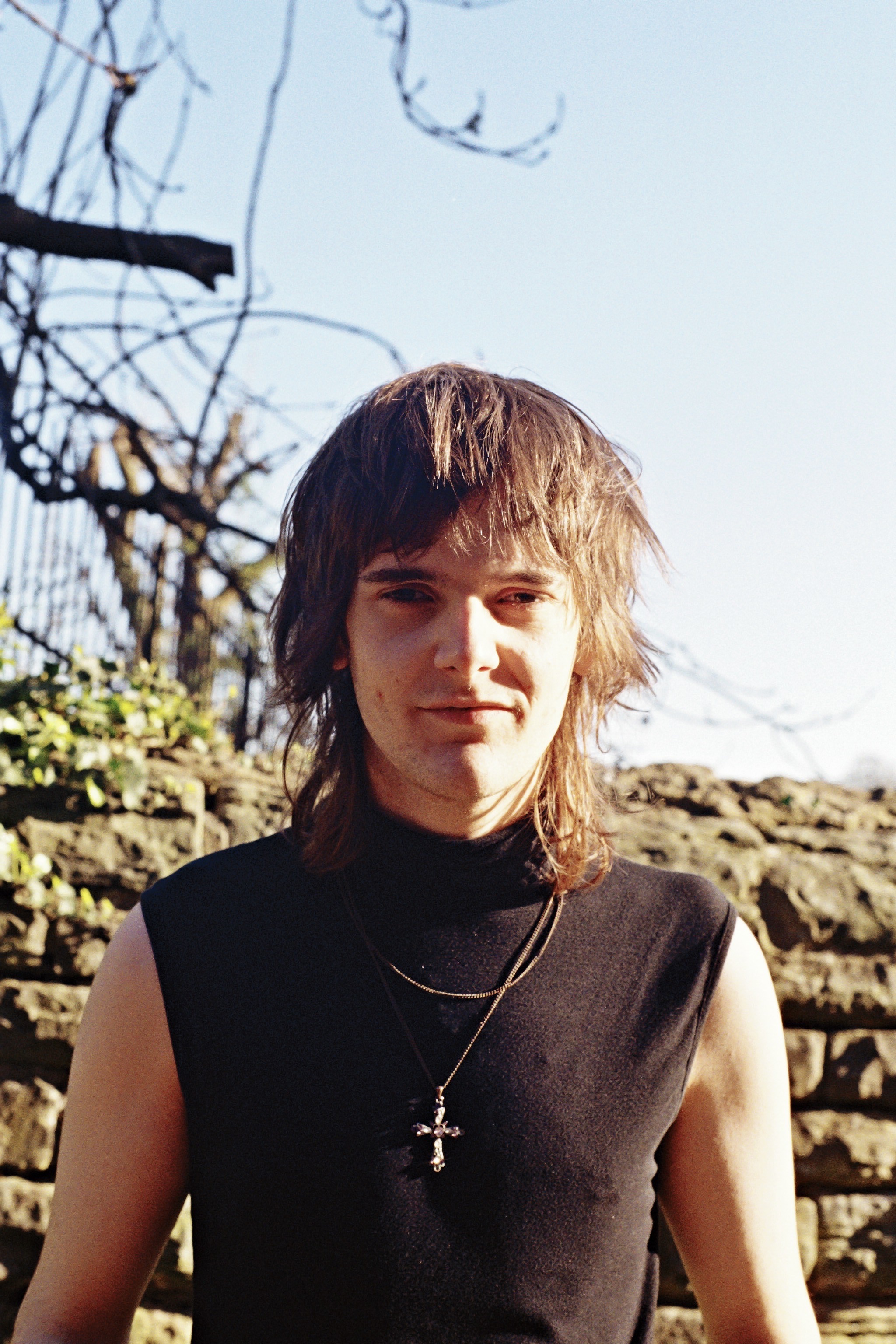
Flash in a range of indoor settings, primarily using a white background is something I tried to do while test shooting. These were taking using the flash function. These were the ones that came out well and as planned.
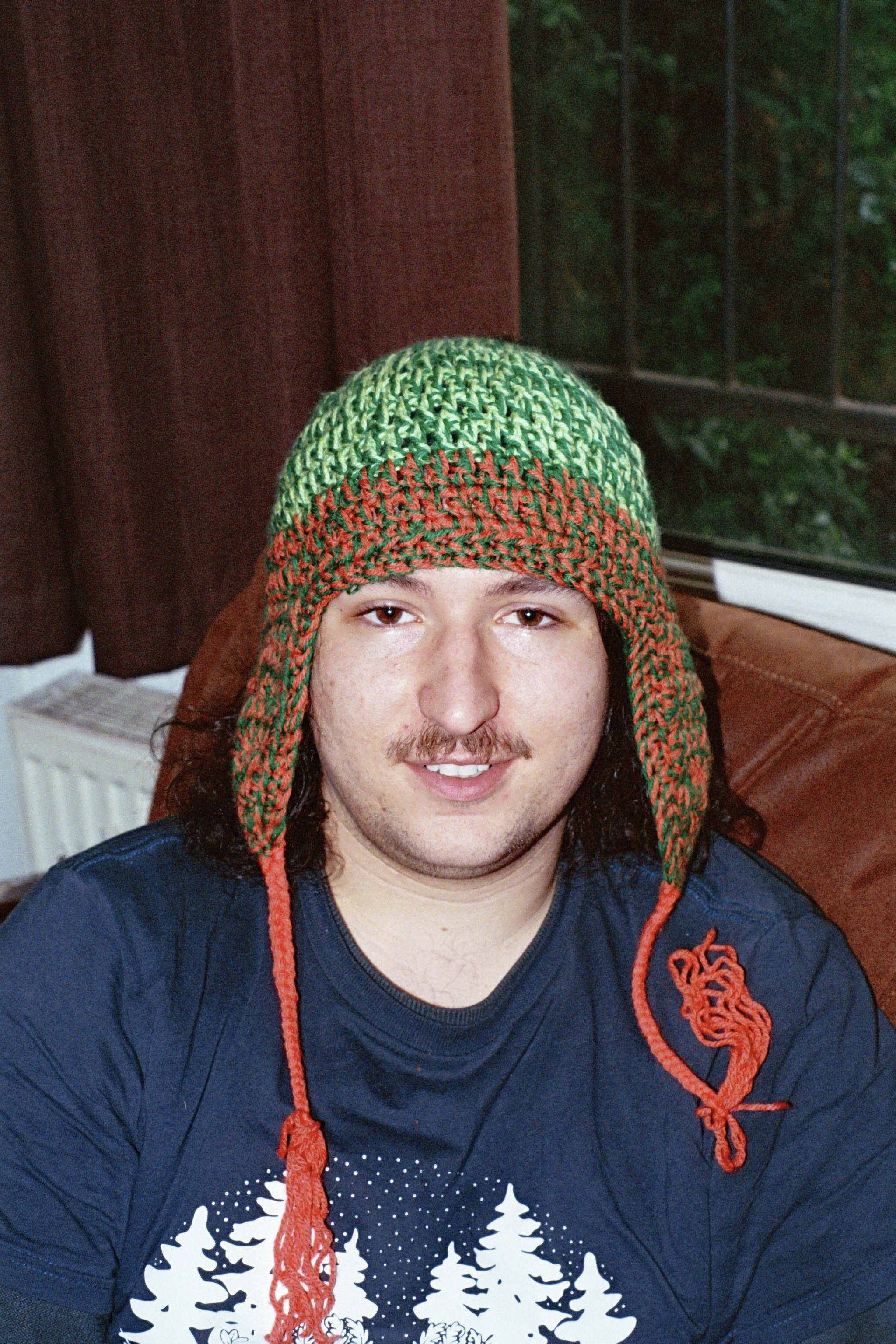
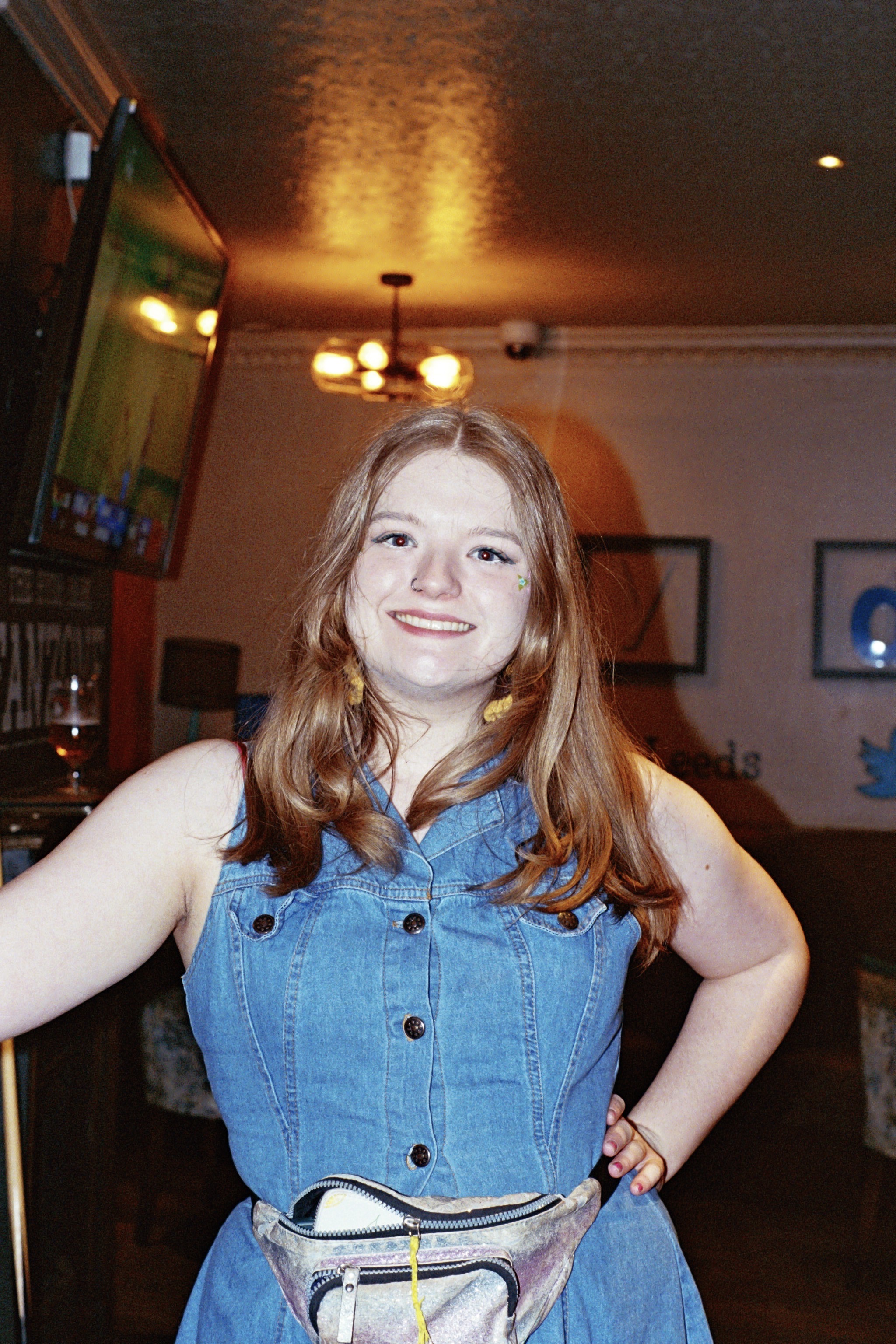
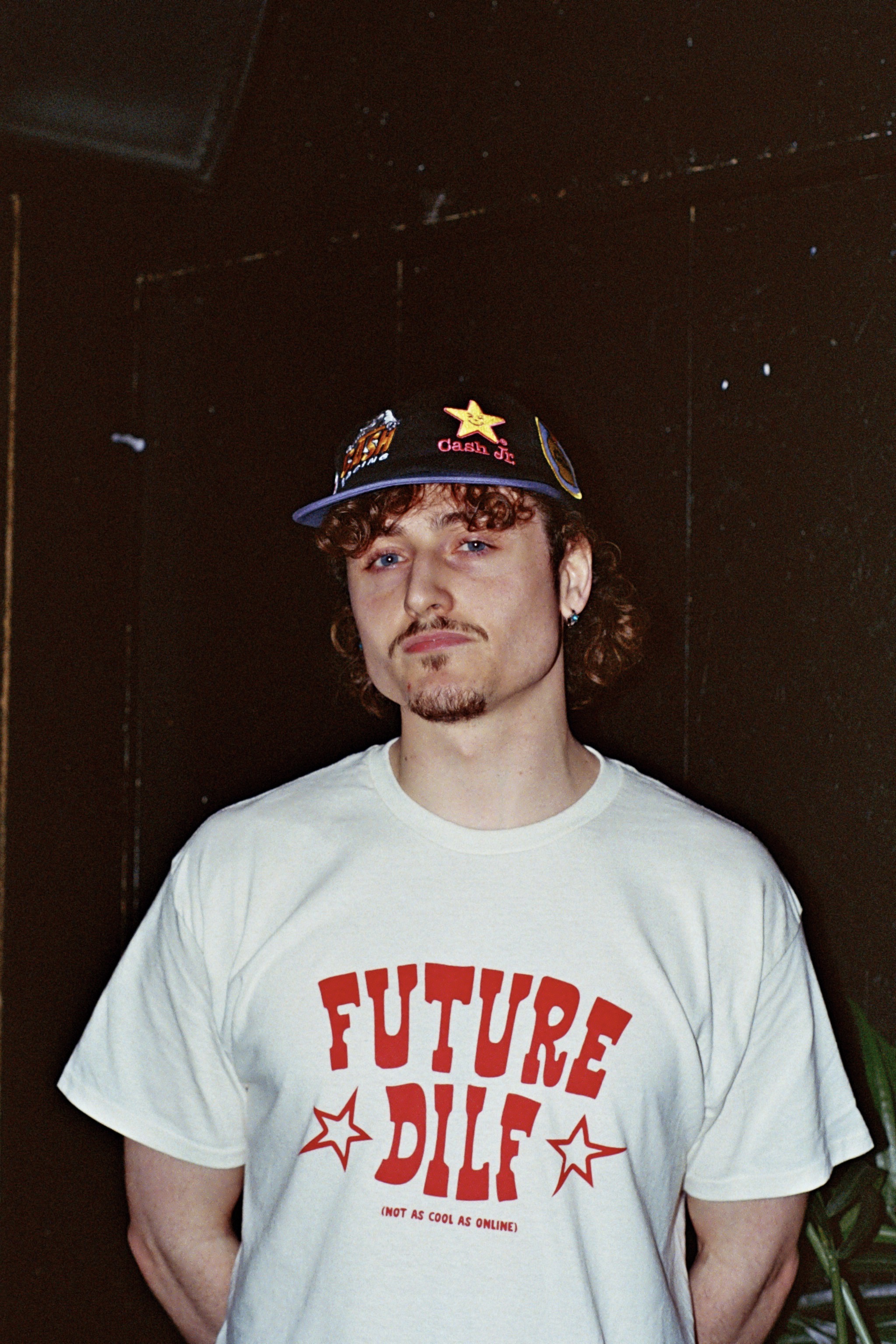
These are images using the flash that did not come out as planned. This is because of the reflection in each of the subjects glasses.
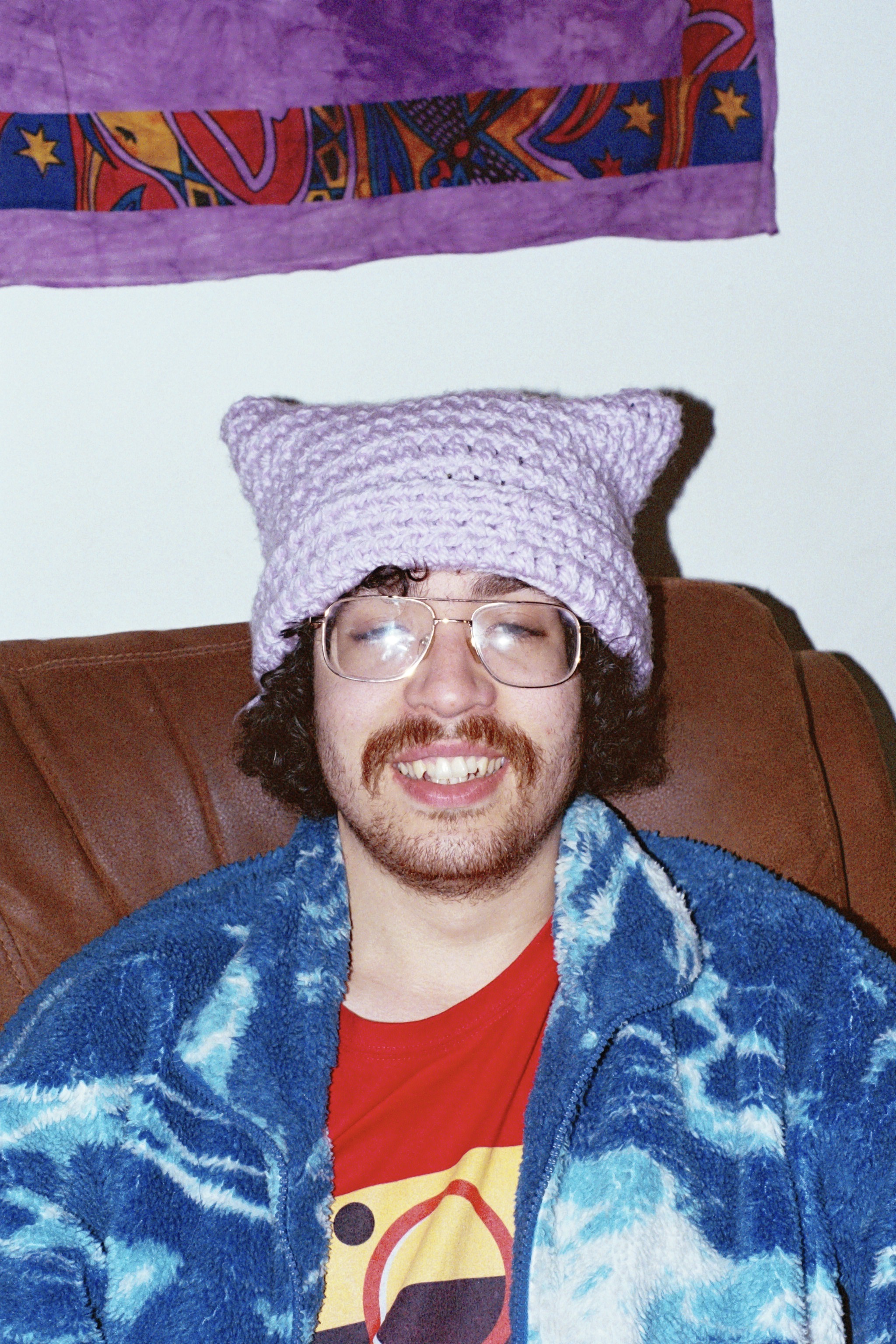

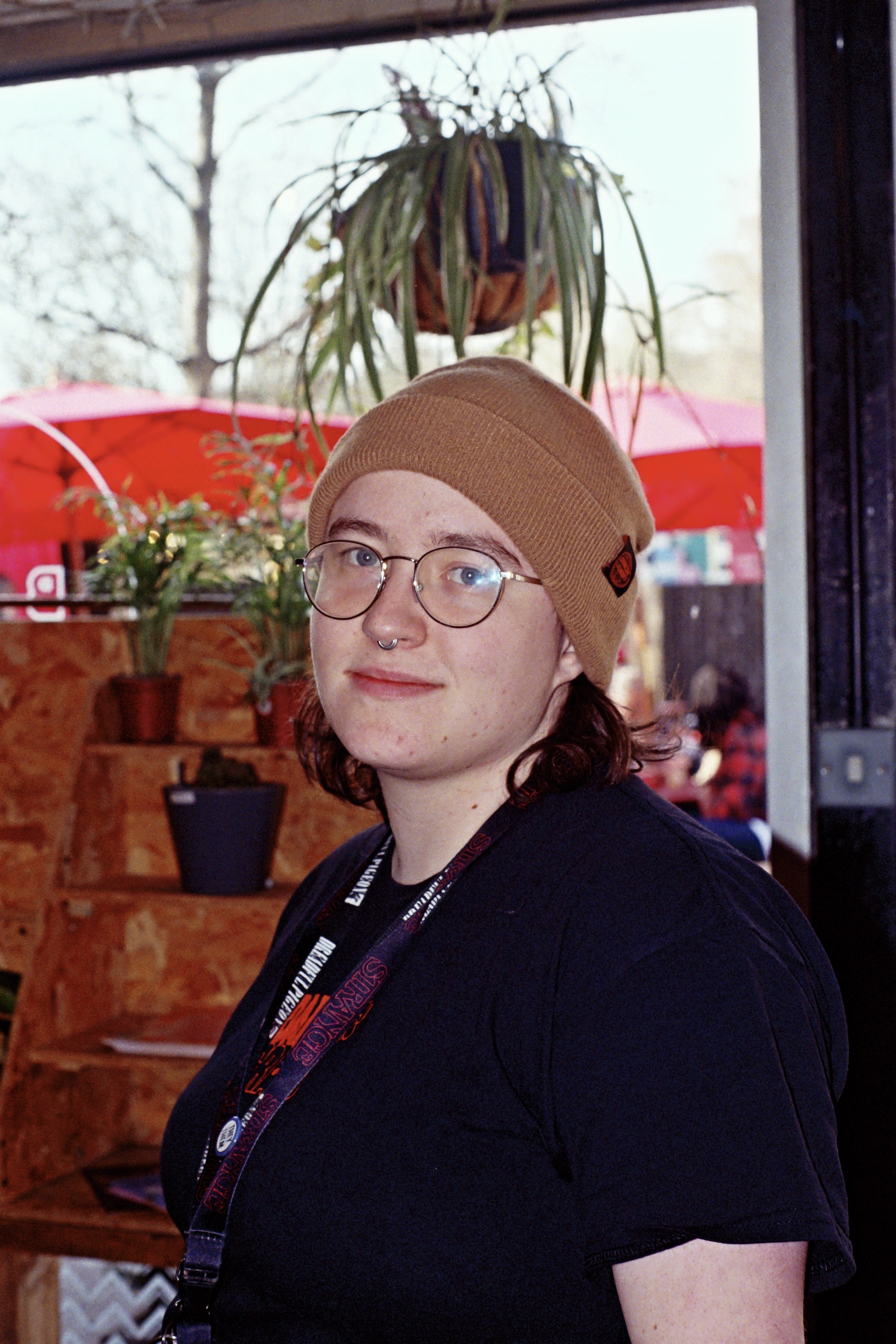
For the final photojournalism crochet, I have decided to write an online article about crochet. Currently named ‘falling in love with modern crochet’, there is a three part plan.
First to speak to people who have learnt how to crochet in the past few years and are under the age of 30. Then speak to those 35+ about their crochet journeys and explore how age affects the crafters creations and creative process.
The introduction will first explore the history behind this traditional craft and mention the main types of crochet and maybe even mention some more technical versions that are less popular. The crochet world is a lot bigger than we can ever imagine.
During the pandemic, there was a boom in people getting into crochet because of the app TikTok. I will be researching its effect on crochet for the article to help demonstrate further the modernisation of the craft.
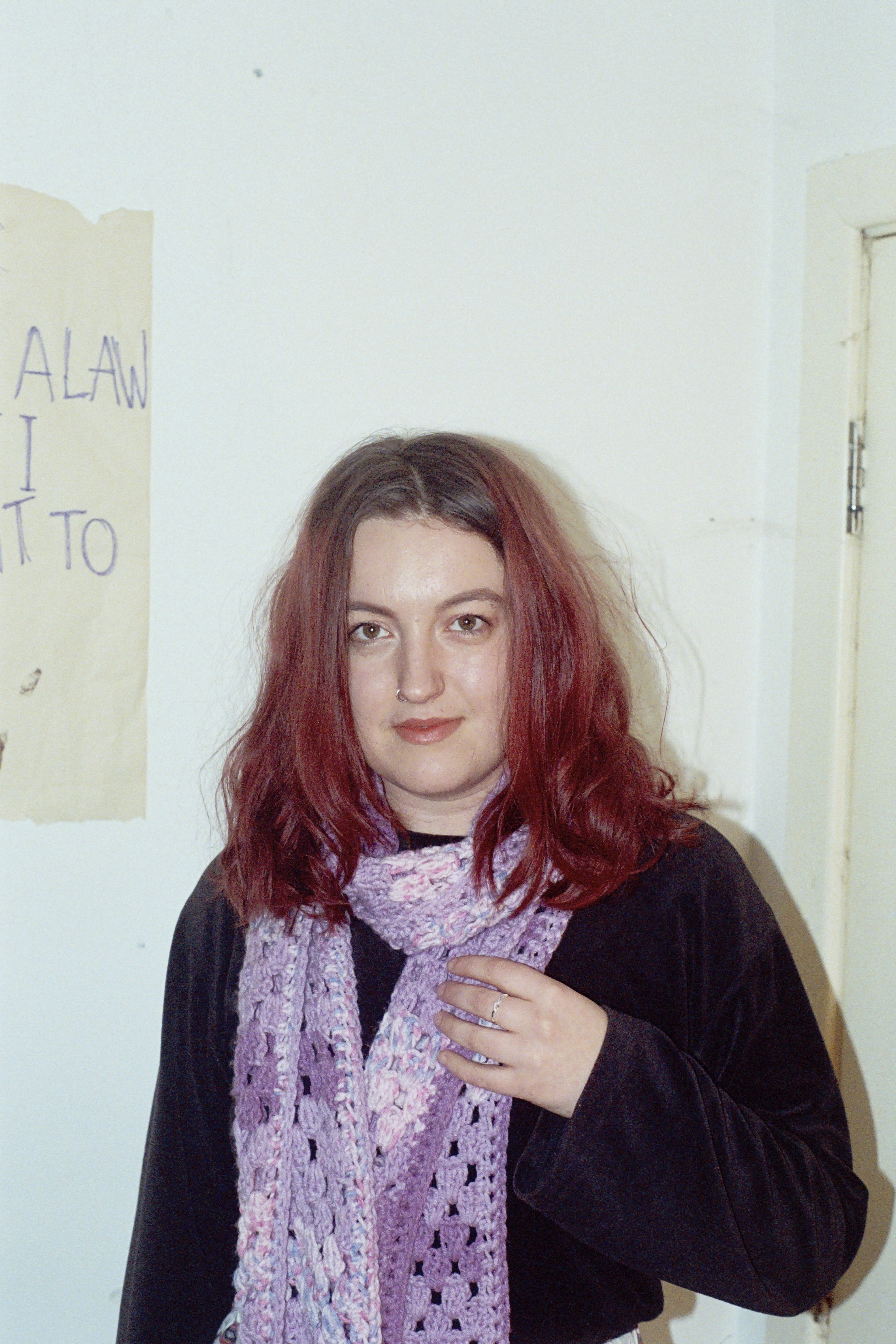
This test shot was taken on a 35mm film camera with 400 ISO and features musician, Neve Stokeo, in a custom made crochet scarf (made by me).
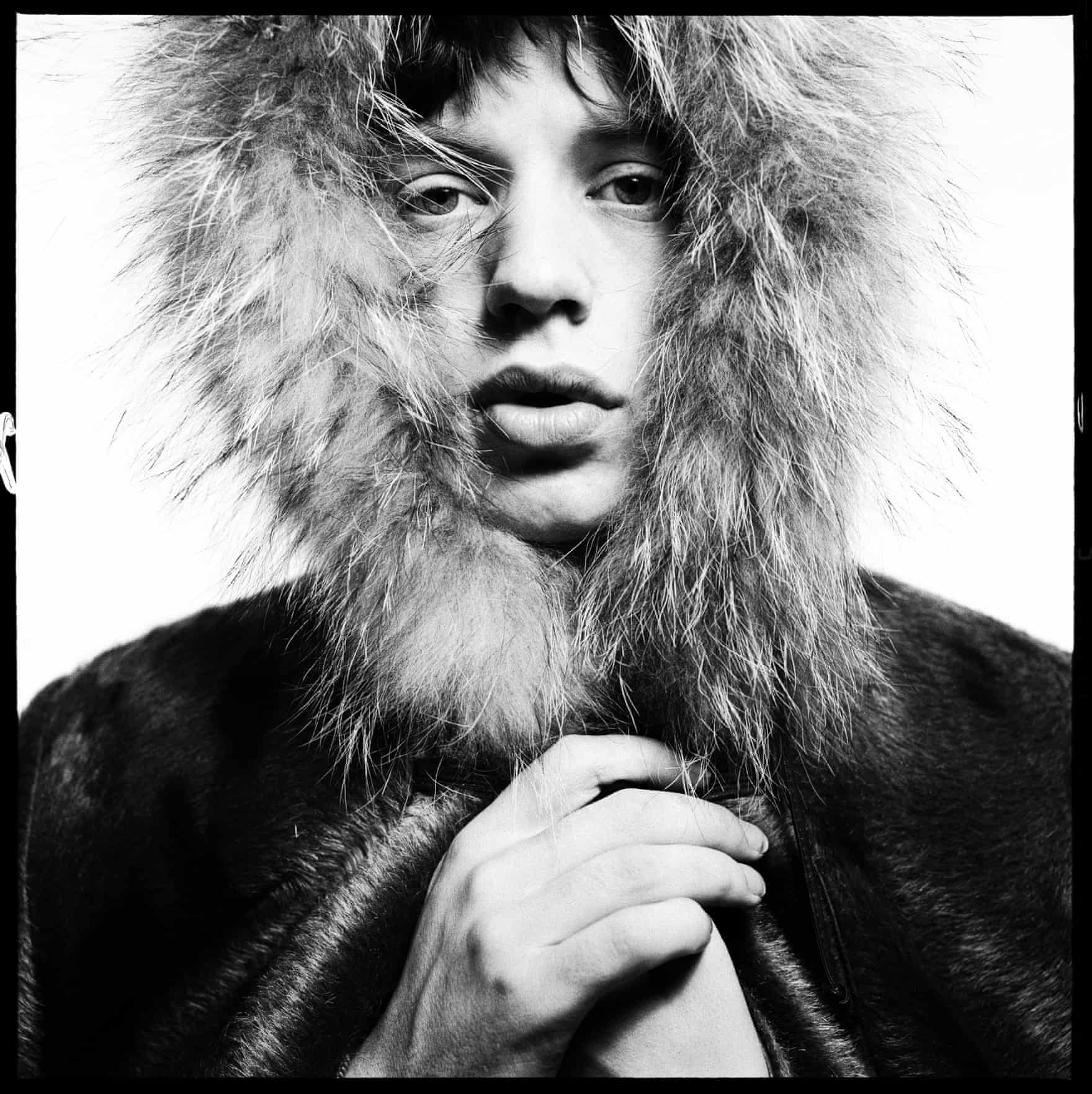
I have chosen to research and take inspiration from Fine Art and Fashion photography. The three photographers I have chosen are Nobuyoshi Araki, David Bailey and Diane Arbus. All of them specialise in evoking emotion through black and white portraits.
Fine Art photography is traditionally shot on film. It requires technical skill as lighting, choice of lens and subject all affect the product’s outcome. The photograph should express an emotion or idea to be considered ‘fine art’.
Fashion photography incorporates fine art alongside a product and model. It is used to sell a product/lifestyle to the consumer through aesthetically pleasing imagery.
Nobuyoshi Araki is a fine art photographer, specialising in eroticism and known for using collage, film and polaroid instant in his art. He has also been incredibly controversial because of the nature of his photography subject choice. One of his main motifs is that he shoots with very little preparation, ensuring that nearly all of the creativity used is in the moment and unique to that shoot. No picture is ever quite the same as the last. Due to the graphic nature of his art, I am unable to feature it.
David Bailey is a fashion photographer, most well known for the imagery he used during the Swinging Sixties and his use of black and white photos. He photographed well known icons like The Beatles, Mick Jagger and Twiggy. This helped the push the idealised style of the sixties high fashion scene.
Diane Arbus was an early fashion photographer, whose subjects were from all walks of life and showcased the aesthetics within different communities. One of her most notable choice of subject was the transvestite community.

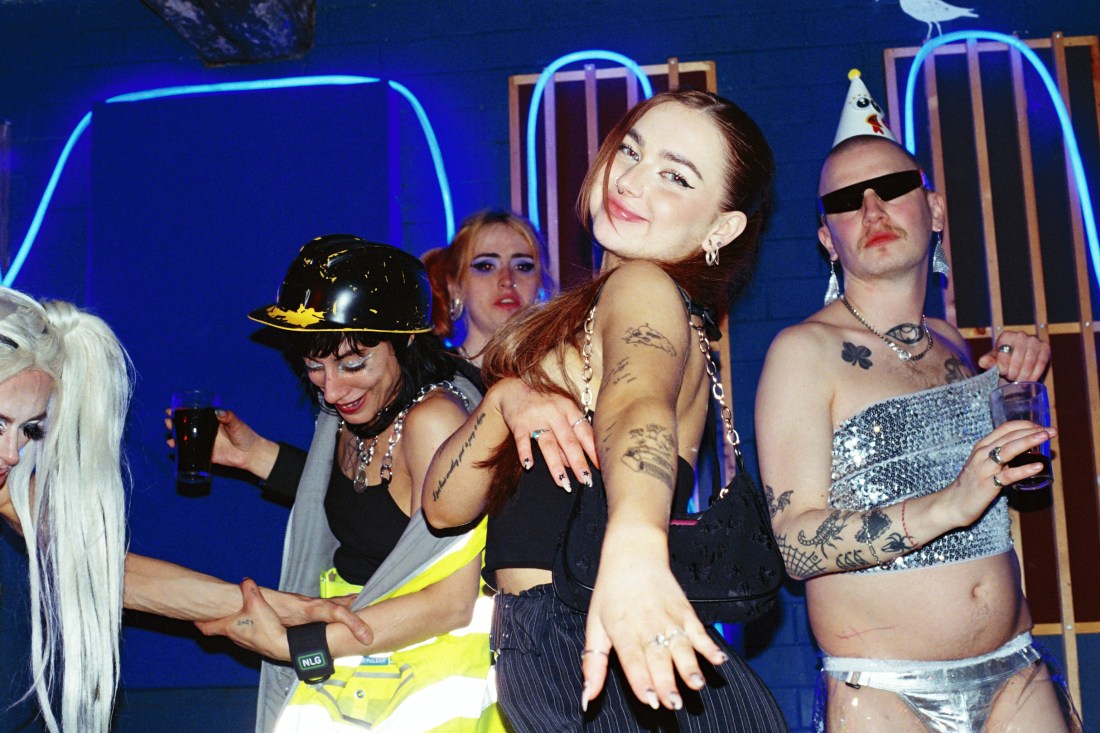
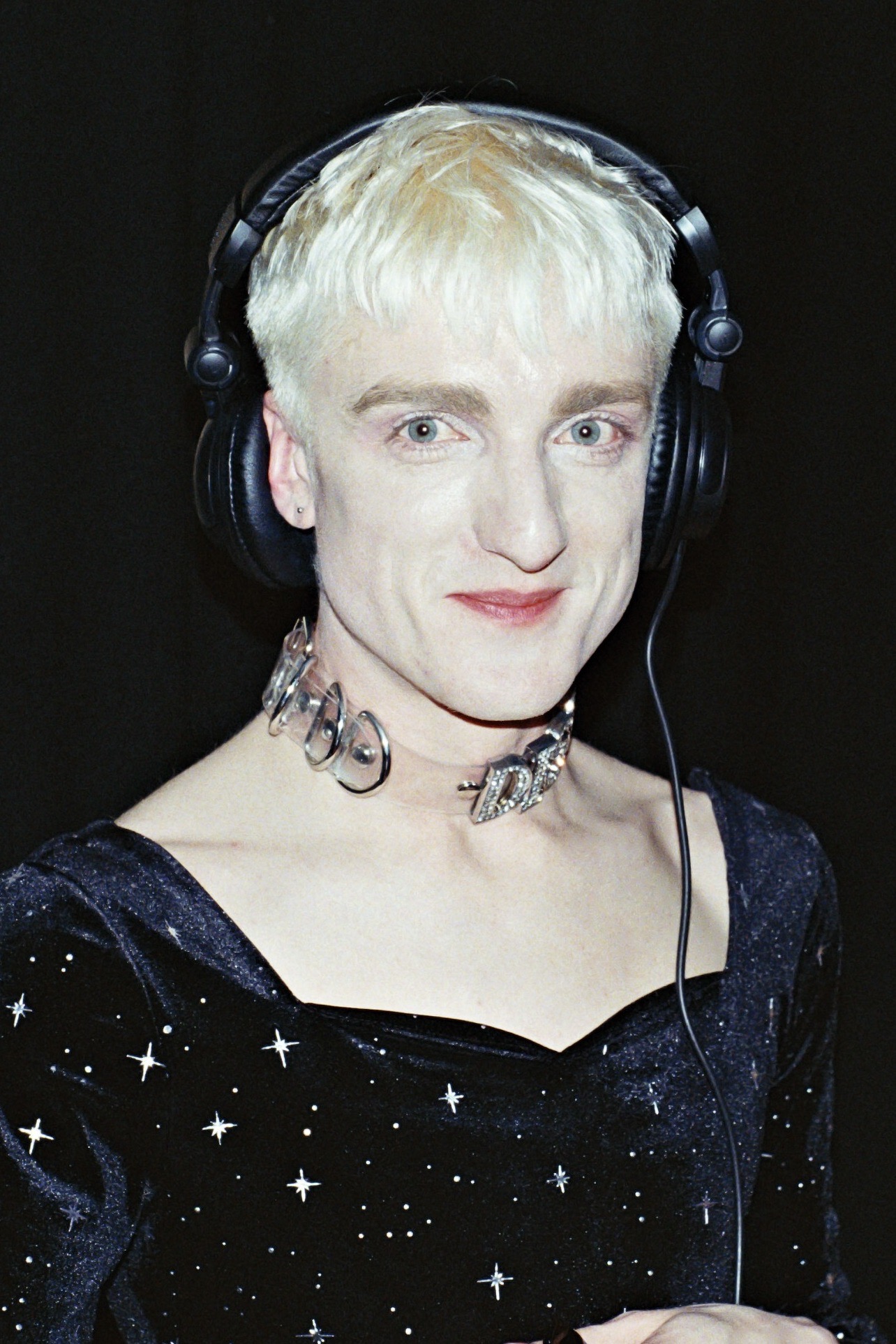
When you start to explore the queer scene in Leeds, you think of Viaduct, Fibre and New Penny. But when you dive in a bit deeper, you might find Gyratory. A queer futuristic disco run by DJ Weakings, DJ Phantom Phallus and infamous Leeds drag artist, Barb D’Wyer.
With a recommended dress code of construction-core, retrofuturism and fembots, the dance floor was filled with the most glamorous individuals you’ll ever set eyes on.
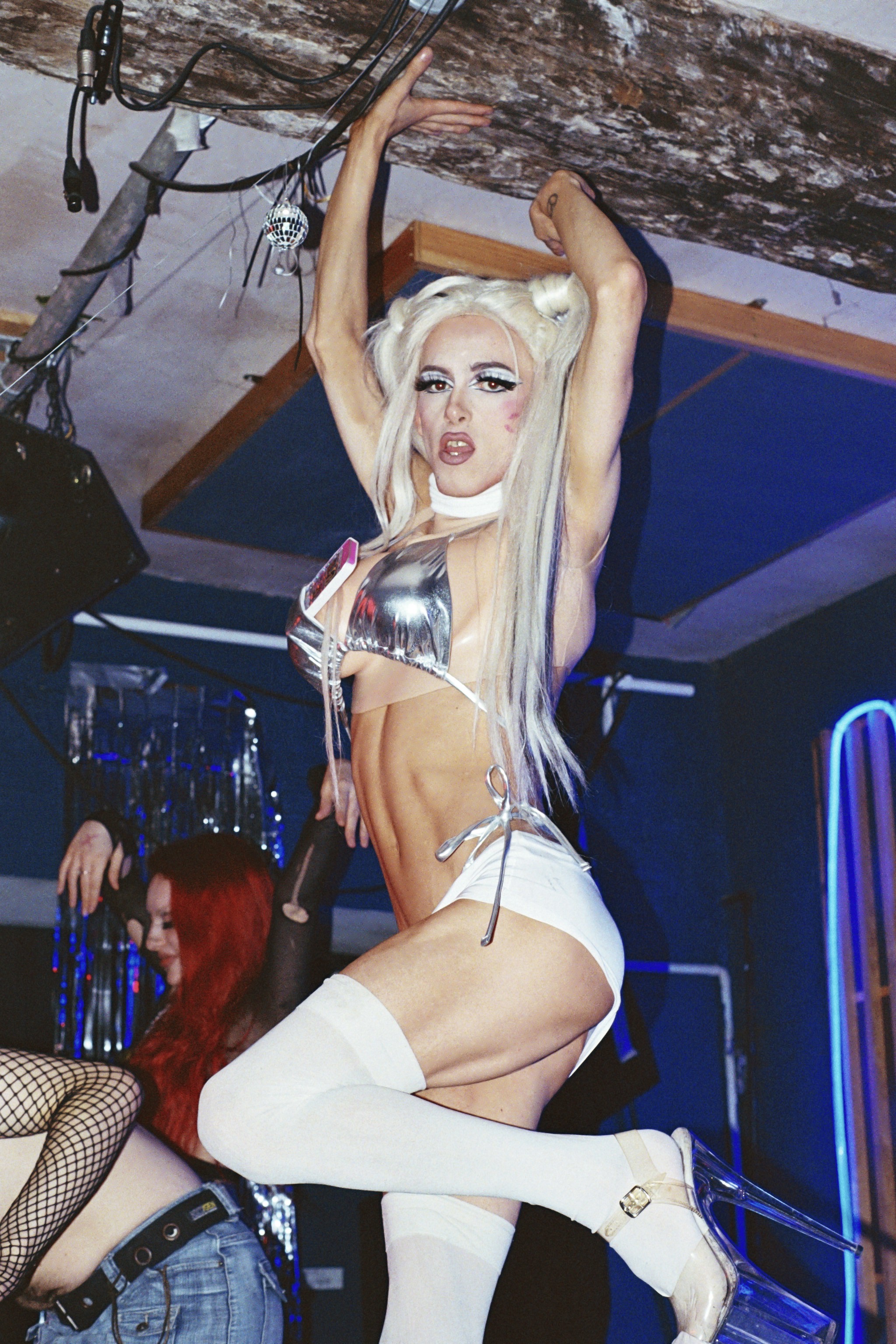
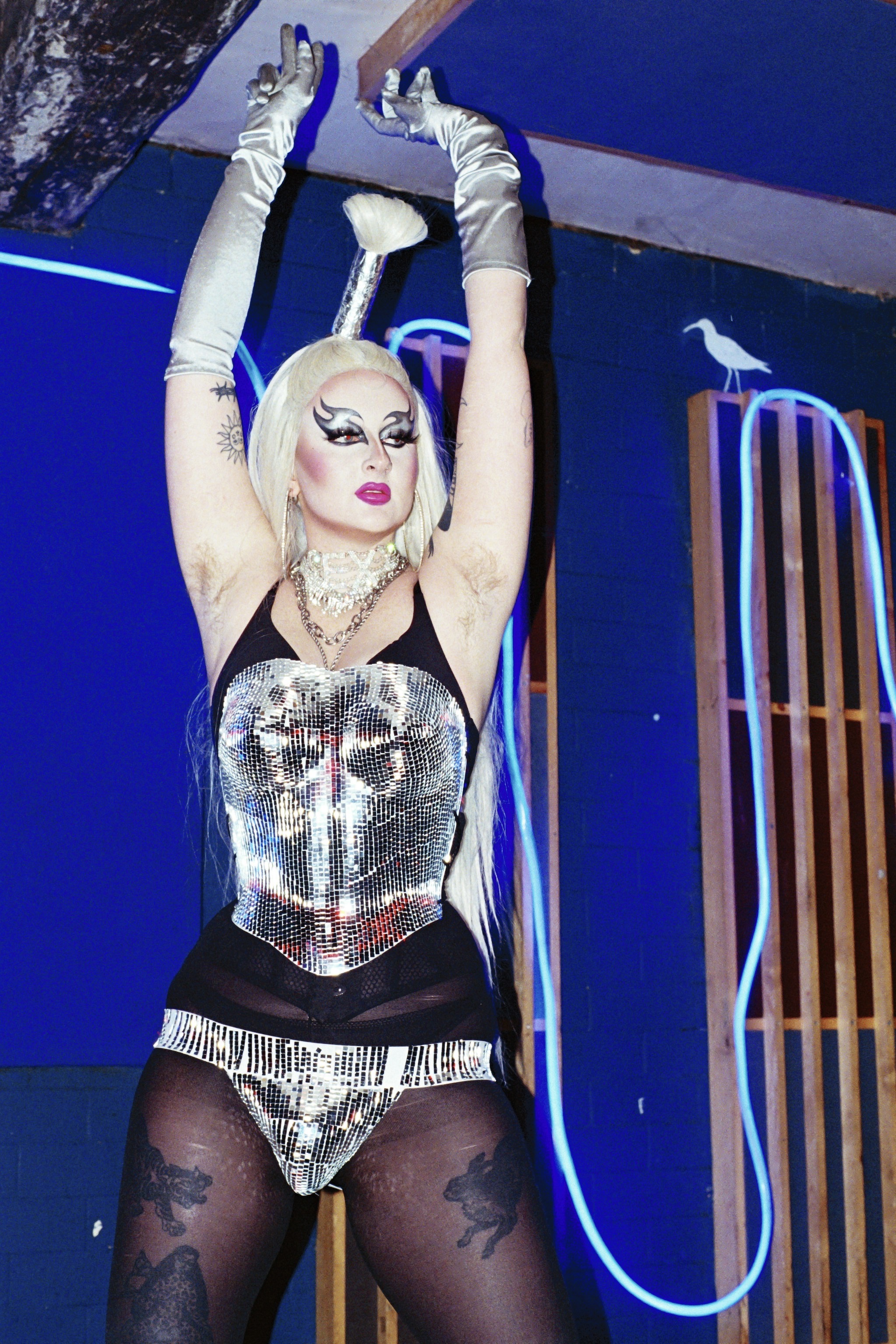
Barb D’Wyer was a disco ball come to life in the campest, most extravagant way. The light reflected as they danced on the Wharf Chambers stage alongside fellow go-go dancer for the evening, Vainuz.
Smiling faces occupied the event as strangers came together to move their bodies to their mix of house, techno and the occasional appearance from New Order, a notorious favourite of both Weakings and Phantom Phallus.

Fellow journalist, Silva, enjoys solo clubbing and danced the night away in the centre of the dance floor, happy to gyrate alone or with anyone around who wanted a boogie.

By the end of the night, the line between performers and attendees became blurred as the stage was filled with eccentrically dressed individuals. An incredibly fun evening from start to finish.

This week we learnt about photo editing on RAW images. RAW images provide more detail on an image that can’t be achieved when shooting in a JPEG format. Featured below are the before and after pictures of Fanchu, a non binary DJ, taken after their set at Beaver Works.
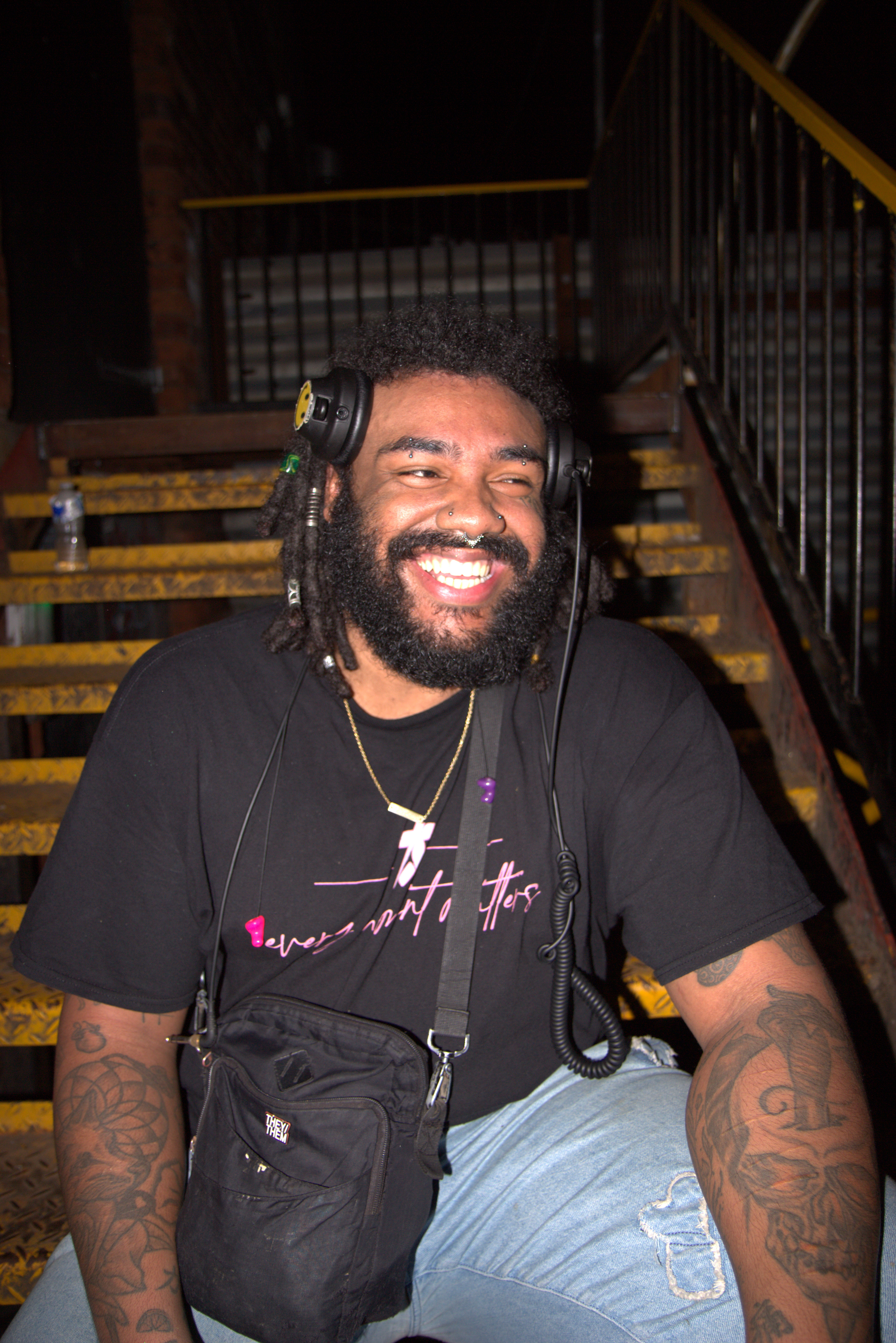

Portrait of Fanchu on the steps after their DJ set at Beaver Works.
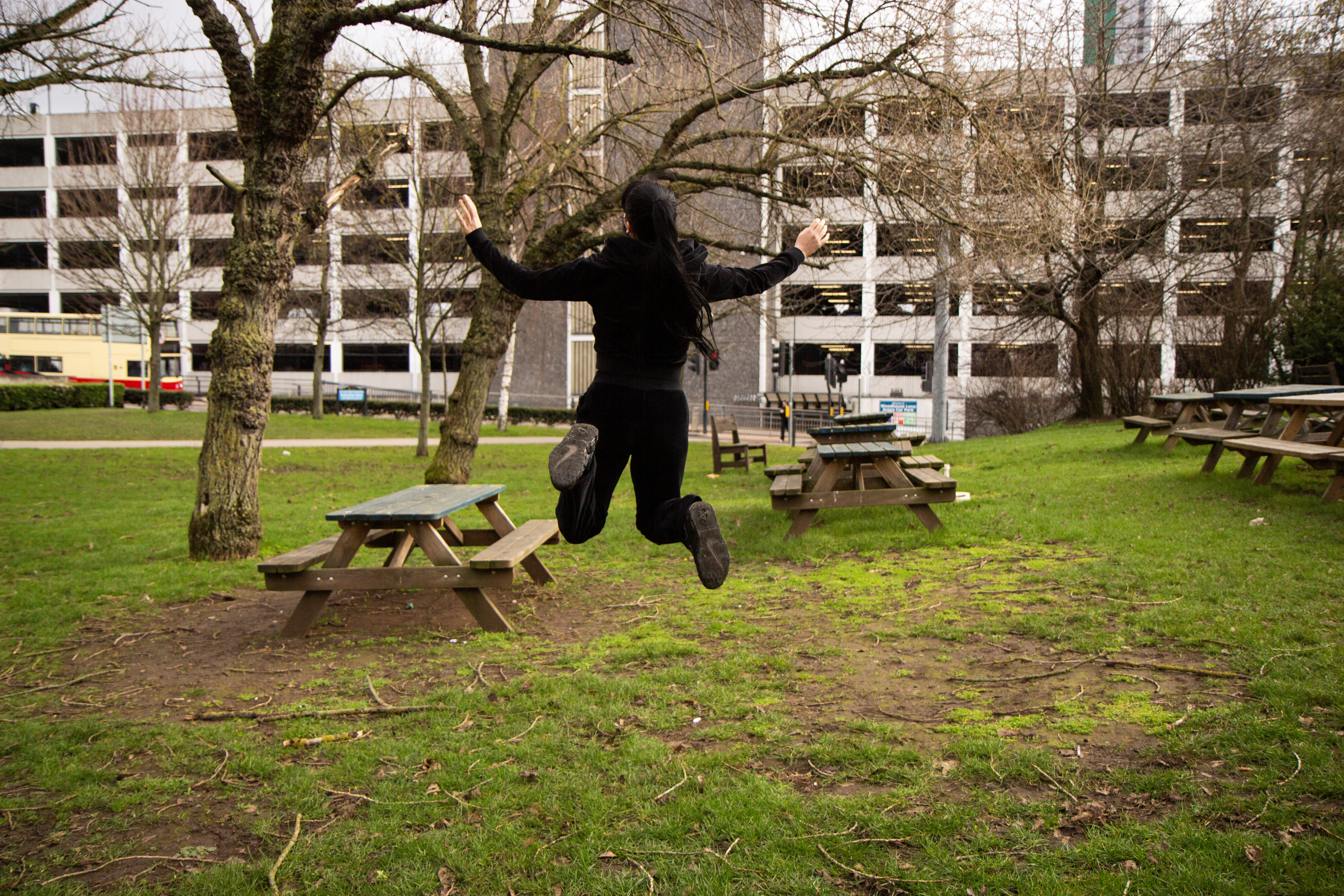
For workshop 4, I chose to edit two pictures from workshop 3 of Rai. The first image was in focus, due to the low, but too dark. The second image was overexposed but slightly out of focus. Editing on both of these images will elevate them to a more professional standard.
I chose to edit the picture of Rae mid jump. The image was too dark to see everything captured in the picture. The edits I did to this image were:
The second image I chose to edit is Rai standing in front of a busy road. The image was slightly overexposed and the colours were faint. The edits I did to this image were:

For this workshop, we learnt about how shutter speed and ISO settings affect the outcome of pictures taken on a DSLR camera. The lower the ISO, the clearer the image is. The shutter speed controls how much light enters the camera, making images come up darker or more exposed.
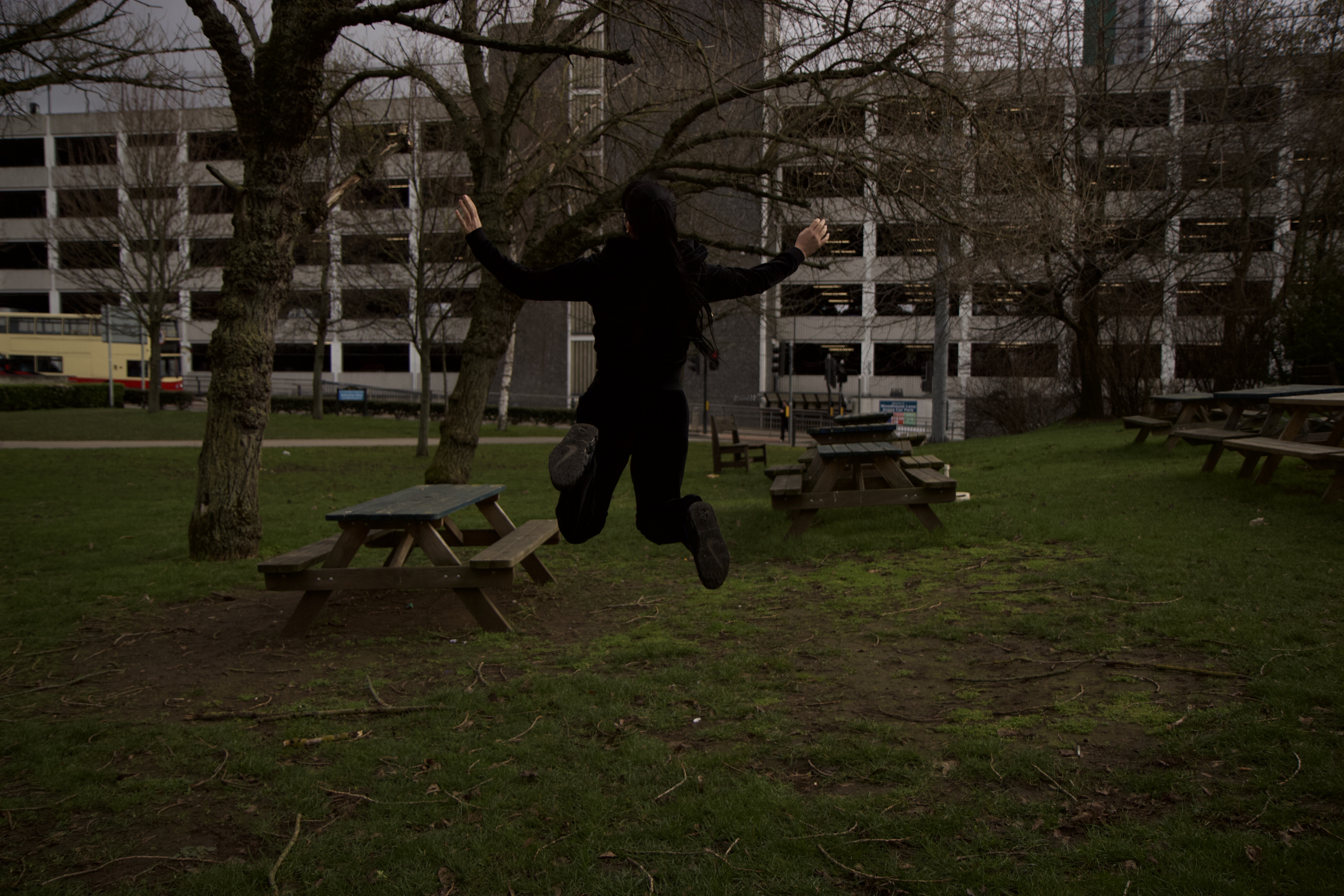
The first picture is Rai jumping, captured in mid air. The settings for this picture were ISO 100, f2.8 and 1/1250. The clear silhouette of Rai is achieved through a fast shutter speed setting and avoids the action in the image from becoming blurred.
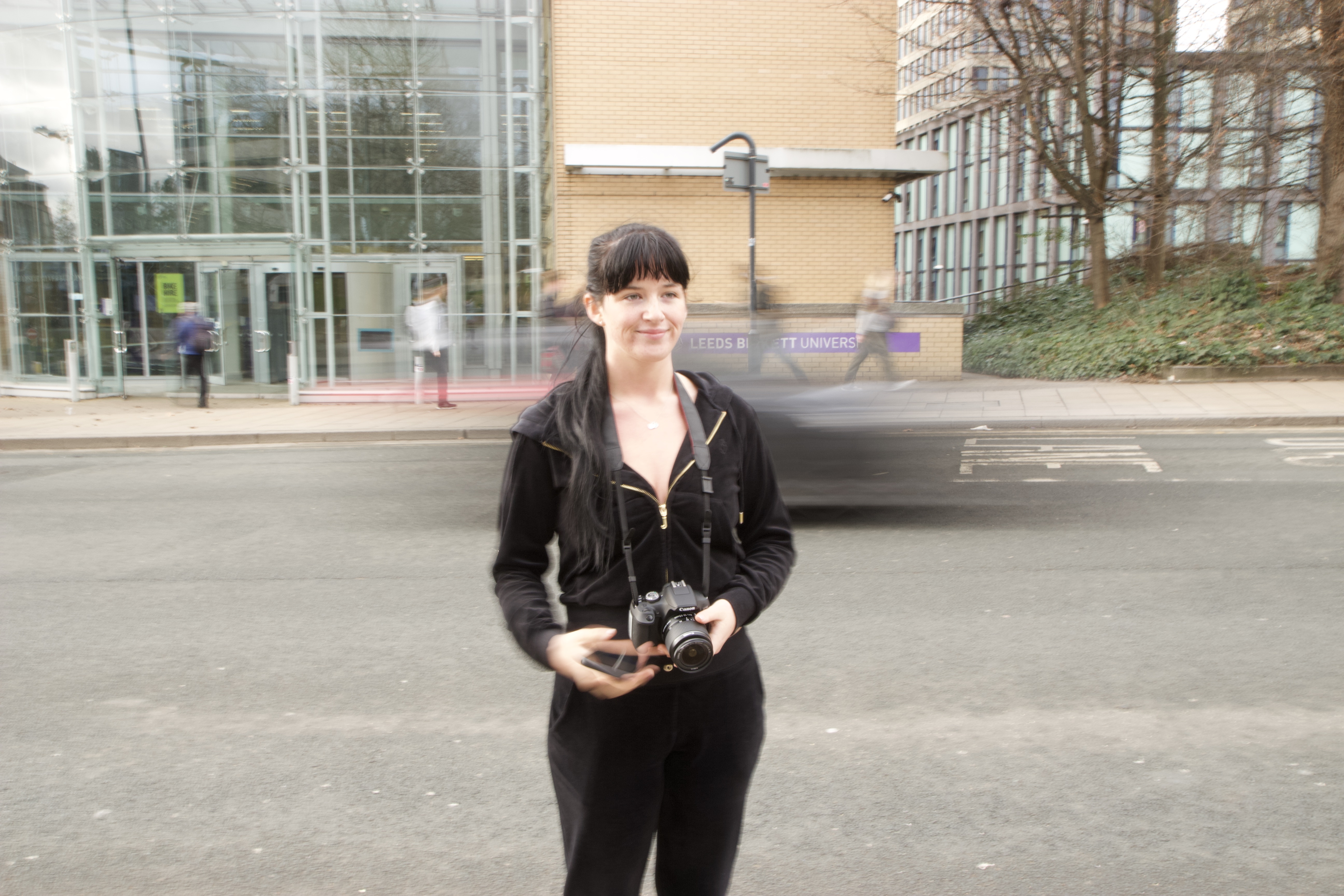
The second image is Rai standing in front of a busy road, as cars race by. The settings for this image were ISO 100, f20 and 1/4 s. Rai is the focal point of the image and in captured in photos while the car in the background is blurred.
Image 1 – Blurry, transparent image. Camera Settings are: ISO 800, Lens Setting 35mm, Aperture 22, Shutter Speed 1 second

Image 2 – Portrait with hand covering face. Camera settings are: ISO 6400, Lens Setting 40mm, Aperture 11, Shutter Speed 1/50 second
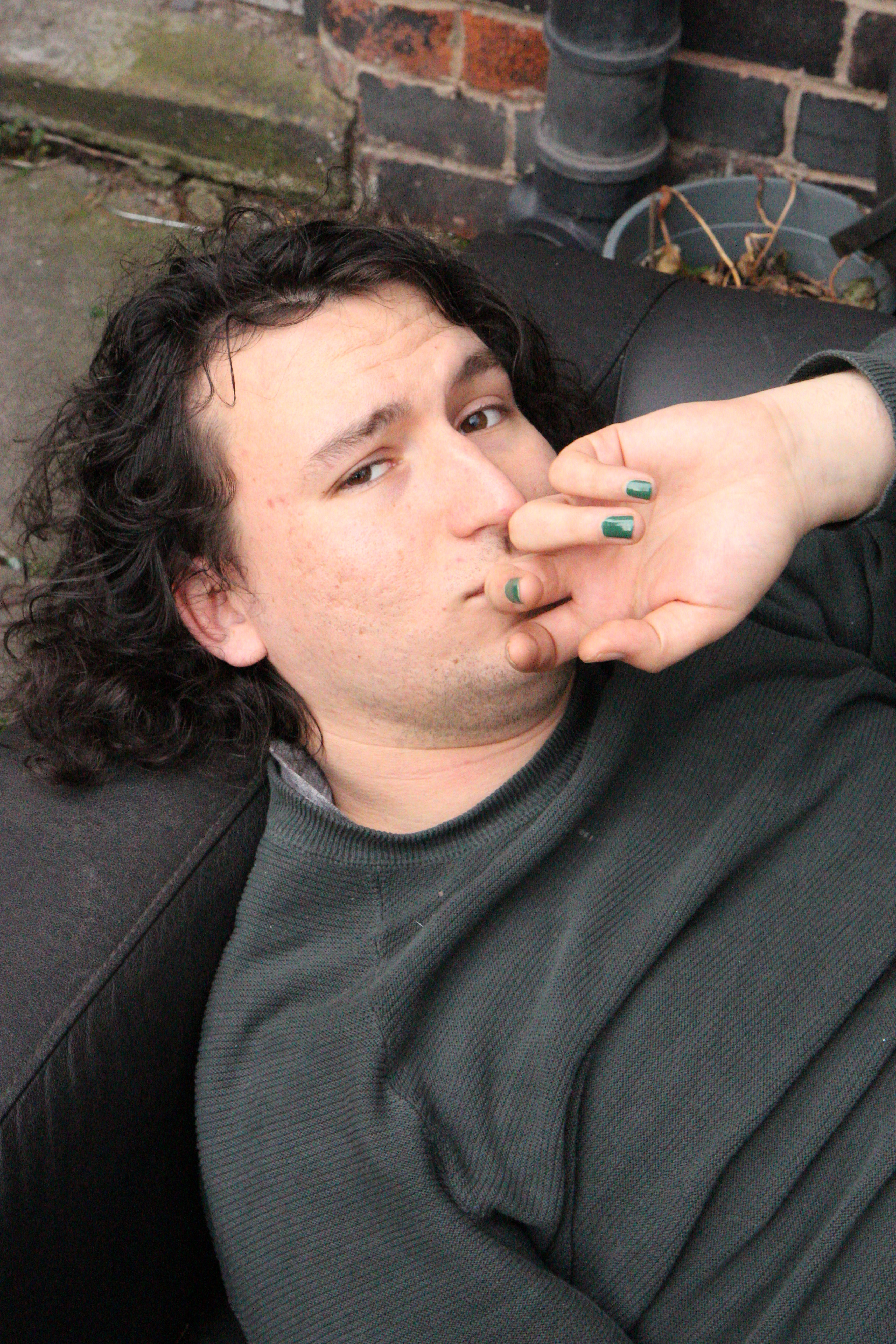
Image 3 – Portrait of Harry smiling. Camera settings are: ISO 6400, Lens Setting 38, Aperture 2.8, Shutter Speed 1/500 second
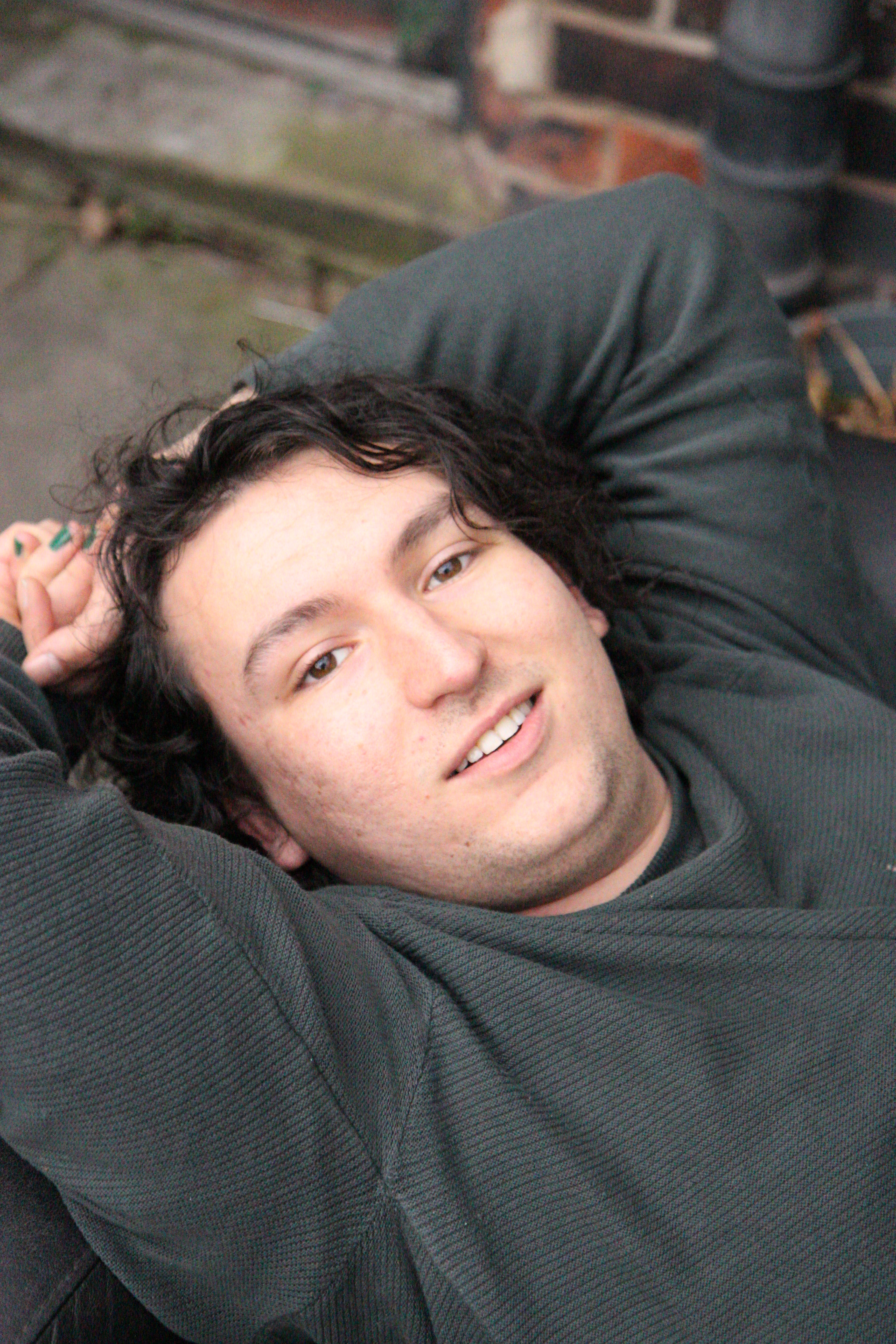
Image 4 – Full body portrait, smiling. Camera settings are: IS 6400, Lens Setting 17, Aperture 6.4, Shutter Speed 1/200 second

Image 5 – Posed full body portrait. Camera settings are: ISO 6400, Lens Setting 17mm, Aperture 22, Shutter Speed 1/13 second.
 Photographic Journalism
You must be logged in to post a comment.